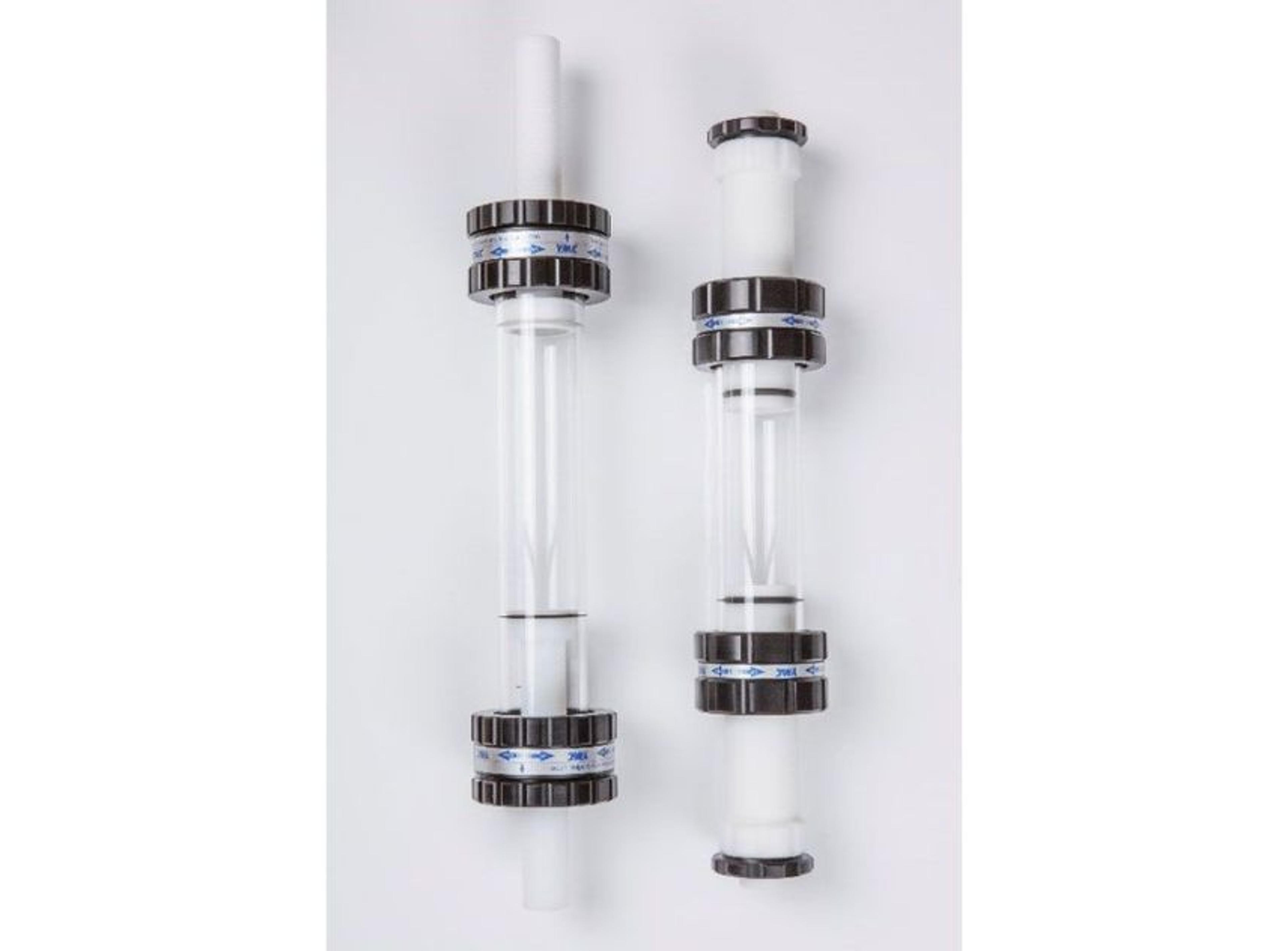
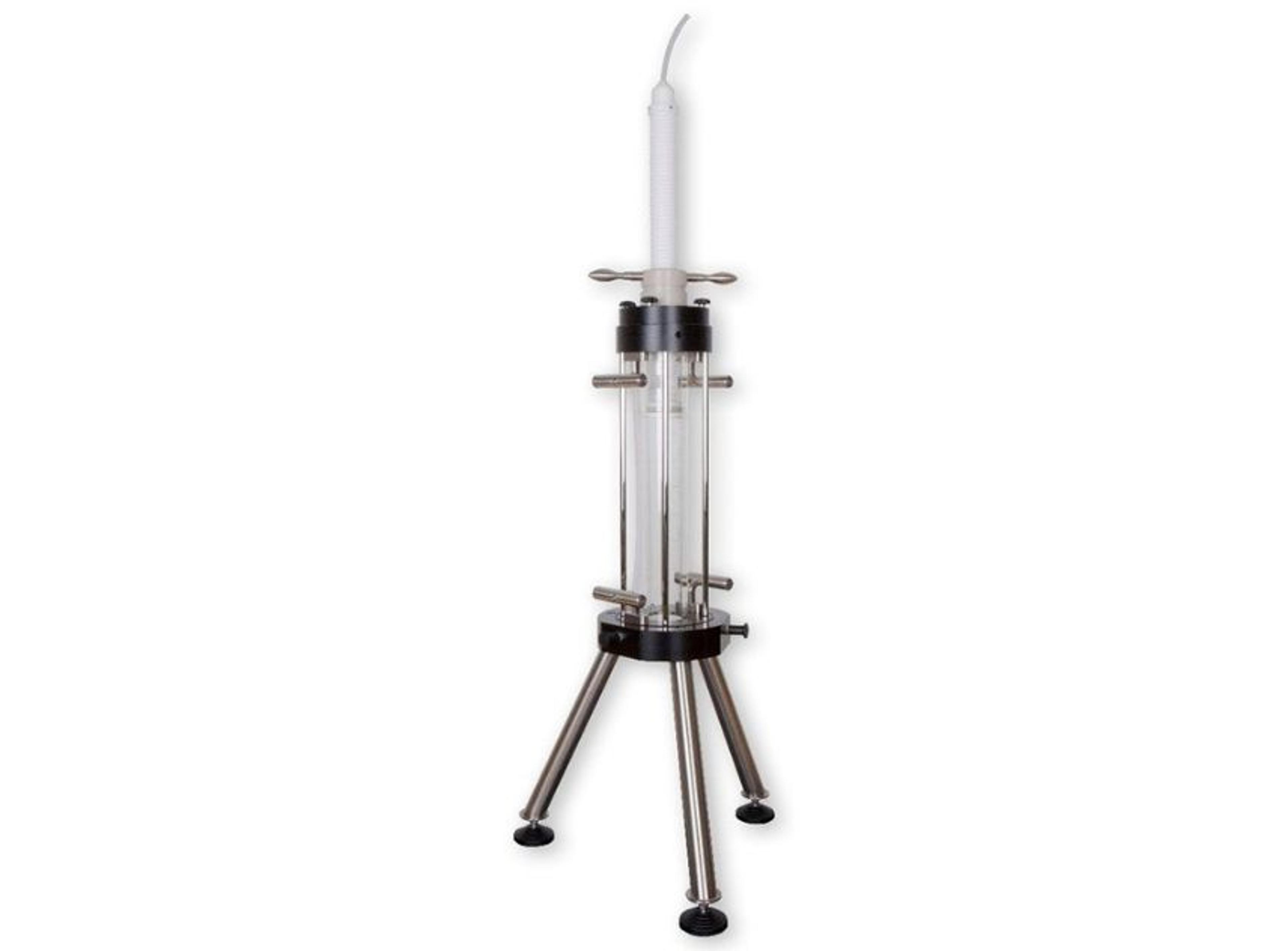
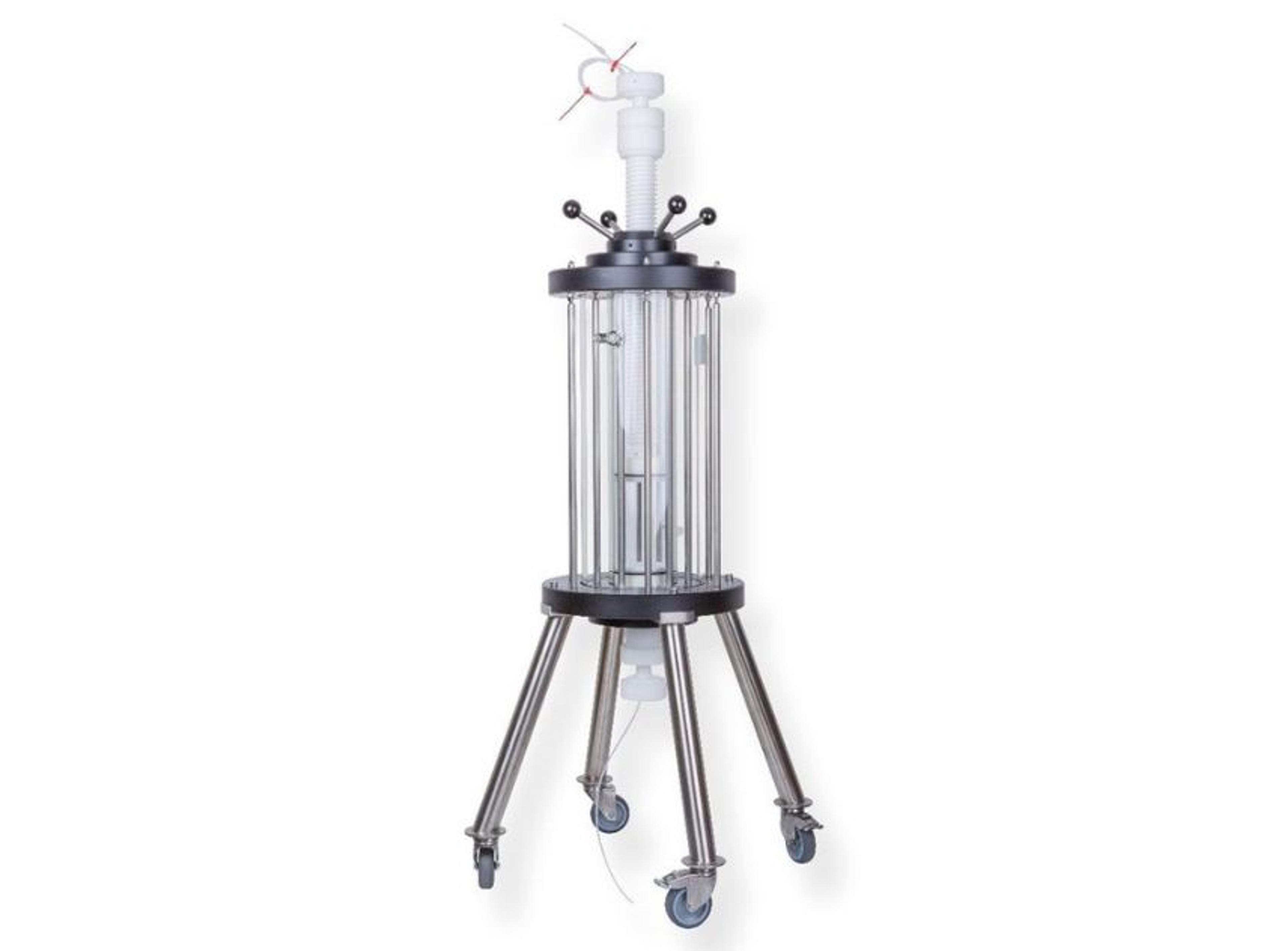
(Bio)inert RP/HILIC (U)HPLC Columns: YMC Accura Triart
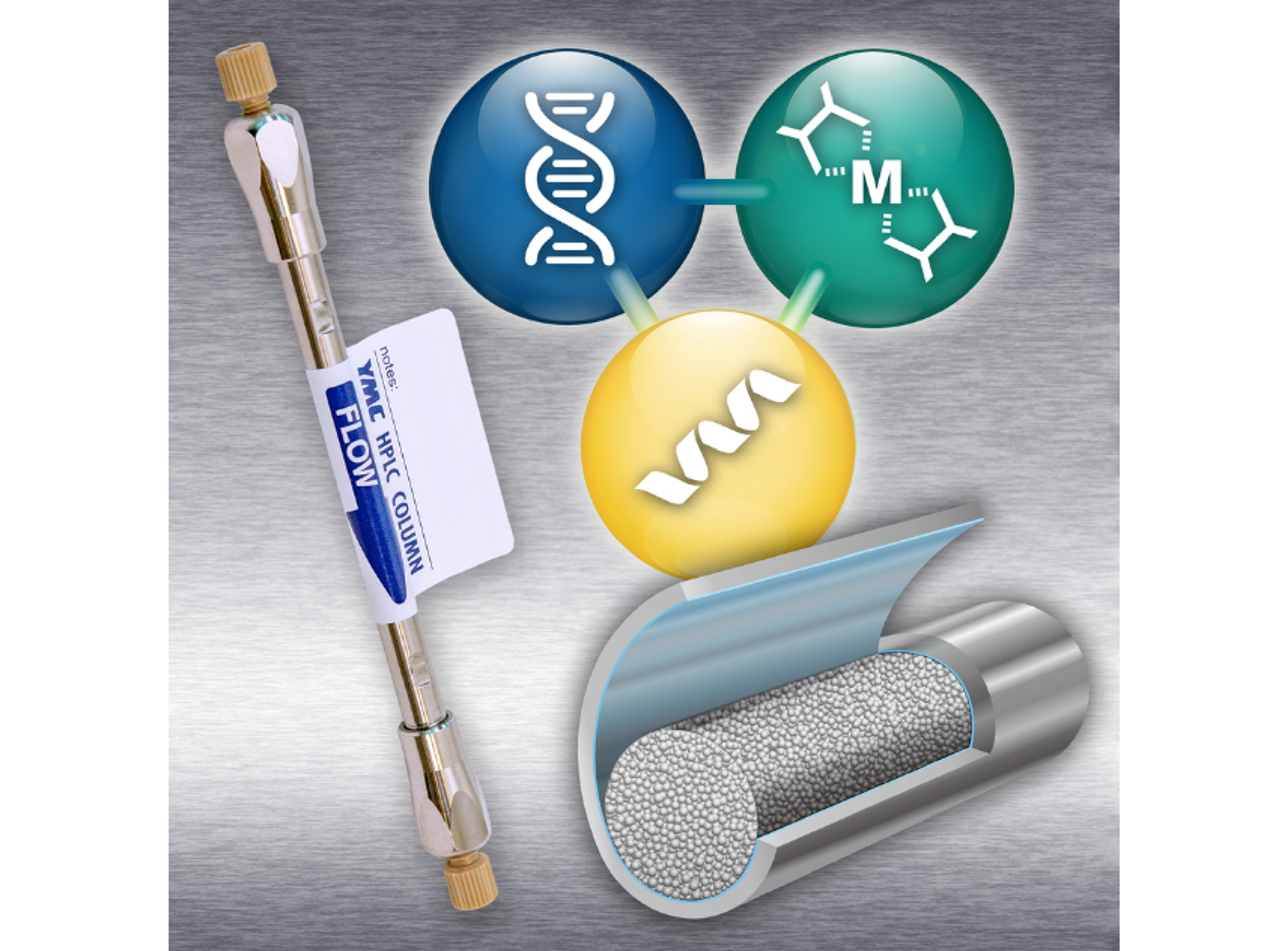
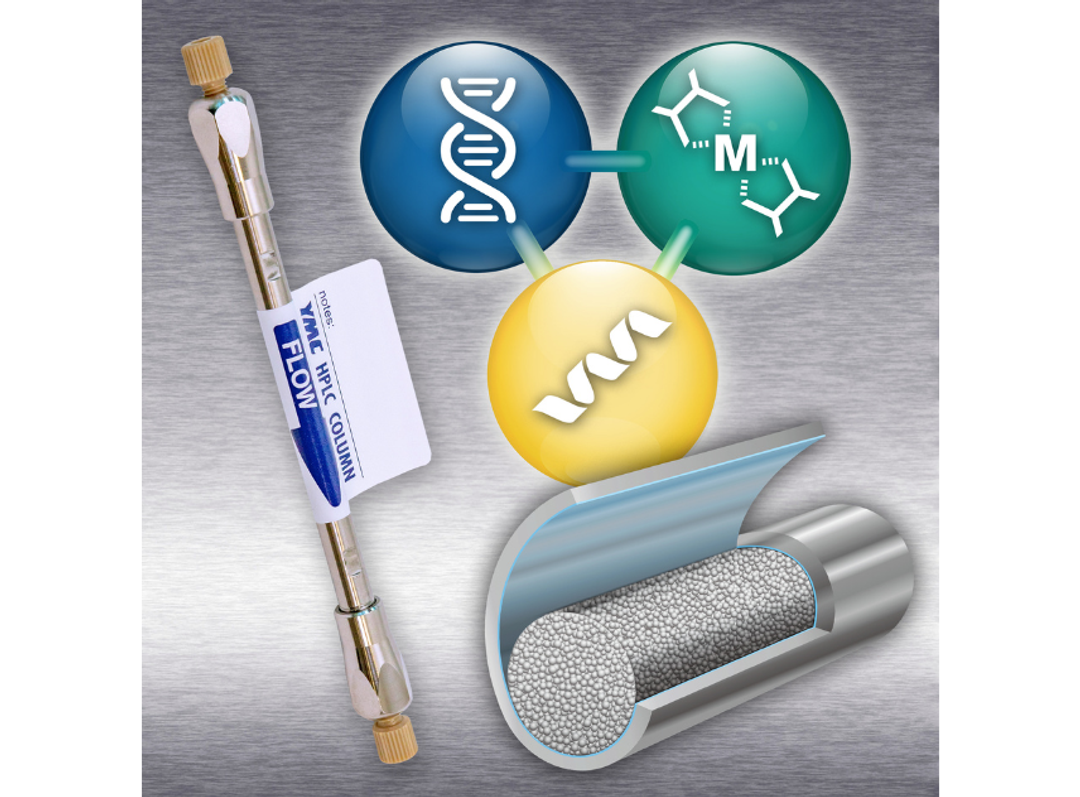
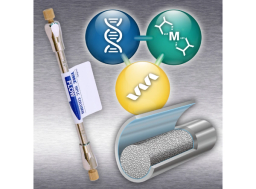
Bioinert YMC Accura Triart RP and HILIC columns are available for the analysis of critical substances including selected proteins, (oligo)nucleotides and metal-coordinating compounds such as organophosphates.



Receive your quote directly from the manufacturer.
Electronegative substances such as (oligo)nucleotides, selected proteins, and metal-coordinating compounds such as organophosphates can interact with standard column hardware made of stainless steel or titanium. The adsorption by metallic surfaces usually leads to peak tailing, carry over, and loss of recovery. Standard column hardware needs a pre-conditioning step to overcome these issues, but that is a time consuming and recurring task.
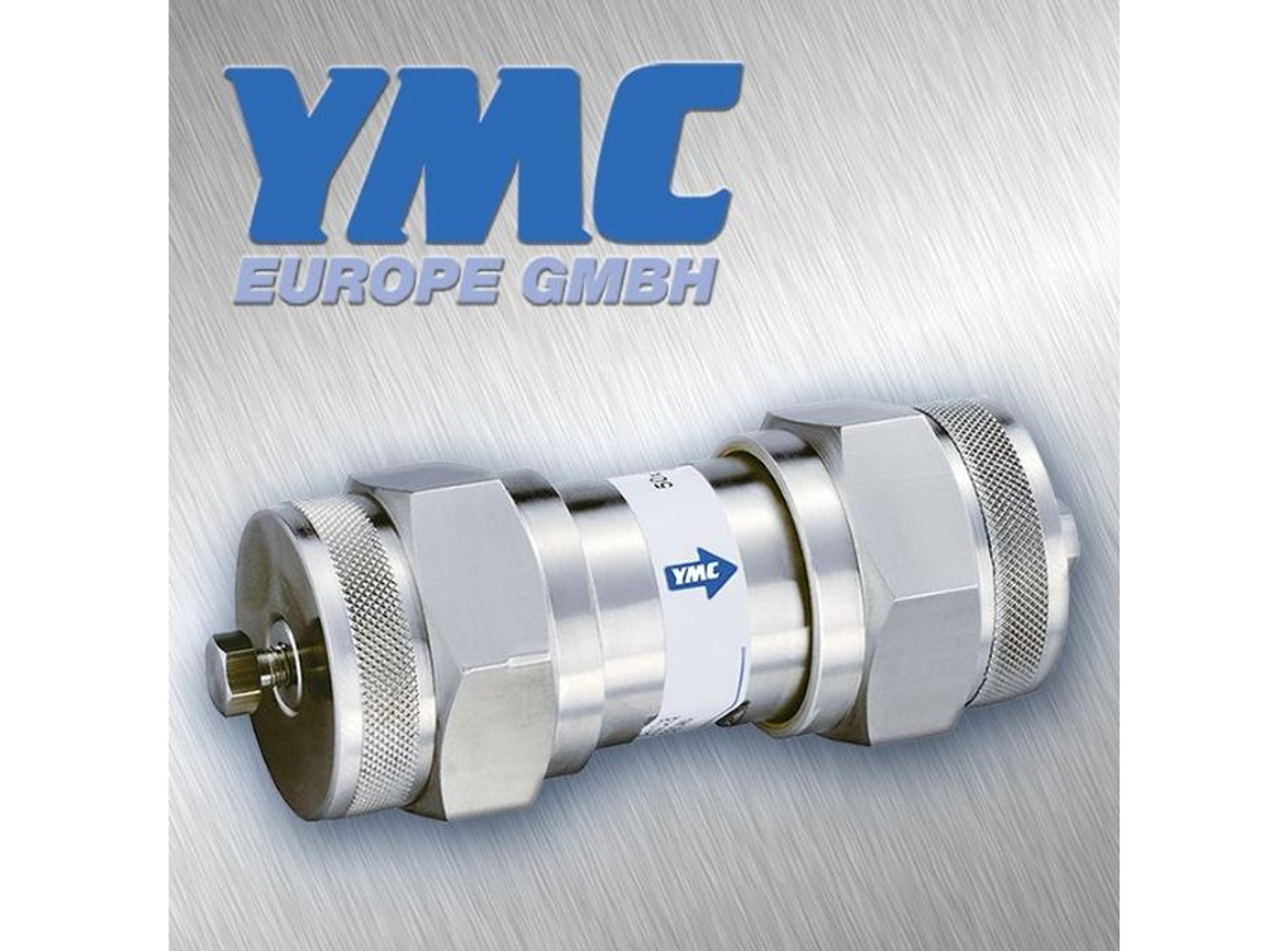
YMC provides bioinert hardware for these challenging analytes. The YMC Accura Triart (U)HPLC columns feature a bioinert surface coating of the column body and the frits. With these bioinert columns, optimum results can be achieved from the first injection, with excellent peak shapes and recoveries as well as no carry over effects. The combination of the stable bioinert coating and the robust YMC-Triart phases ensures long-lasting optimum results. In addition, there is no need for special connectors as YMC Accura Triart columns can be handled like a regular stainless-steel column. Complete your application and protect your YMC Accura Triart column with the recently introduced bioinert guard cartridges.
YMC Accura Triart Columns Features:
- Full bioinertness at high pressure limits
- Excellent peak shapes and high sensitivity
- Reproducible results day-after-day
- Ideal for highly sensitive LC/MS analyses
- No carry-over effects
YMC Accura Triart Columns Characteristics:
- Phases: YMC-Triart C18, Bio C18, C18 ExRS, C8, Bio C4, PFP, Phenyl, Diol-HILIC
- Particle sizes: 1.9, 3 and 5 µm
- Pressure limits: 100 MPa for 1.9 µm, 45 MPa for 3 and 5 µm particles
- pH range: 1-12
- Max. Temperature: up to 90°C
- Bioinert guard cartridges available: 5 mm x 2.1 or 4.6 mm ID

Analysis of nusinersen using a wide-pore reversed-phase YMC Accura Triart Bio C18 column
Therapeutic oligonucleotides present unique analytical challenges, with synthesis and chemical modification often generating closely related impurities that can be difficult to detect and characterize. Achieving reliable separation of these species is essential for ensuring product quality, supporting regulatory requirements, and advancing confidence in oligonucleotide drug development.
In this application note, discover how ion-pair reversed-phase liquid chromatography (IP-RP LC) and liquid chromatography-mass spectrometry (LC-MS) can be used to analyze nusinersen and its associated impurities. Learn how optimized chromatographic conditions improved impurity resolution and enabled confident identification of truncated species. Gain practical insights to strengthen oligonucleotide characterization workflows and support the development of high-quality therapeutics.
Resource details:
Resource type: Application note
Page count: 7
Read time: 11 mins
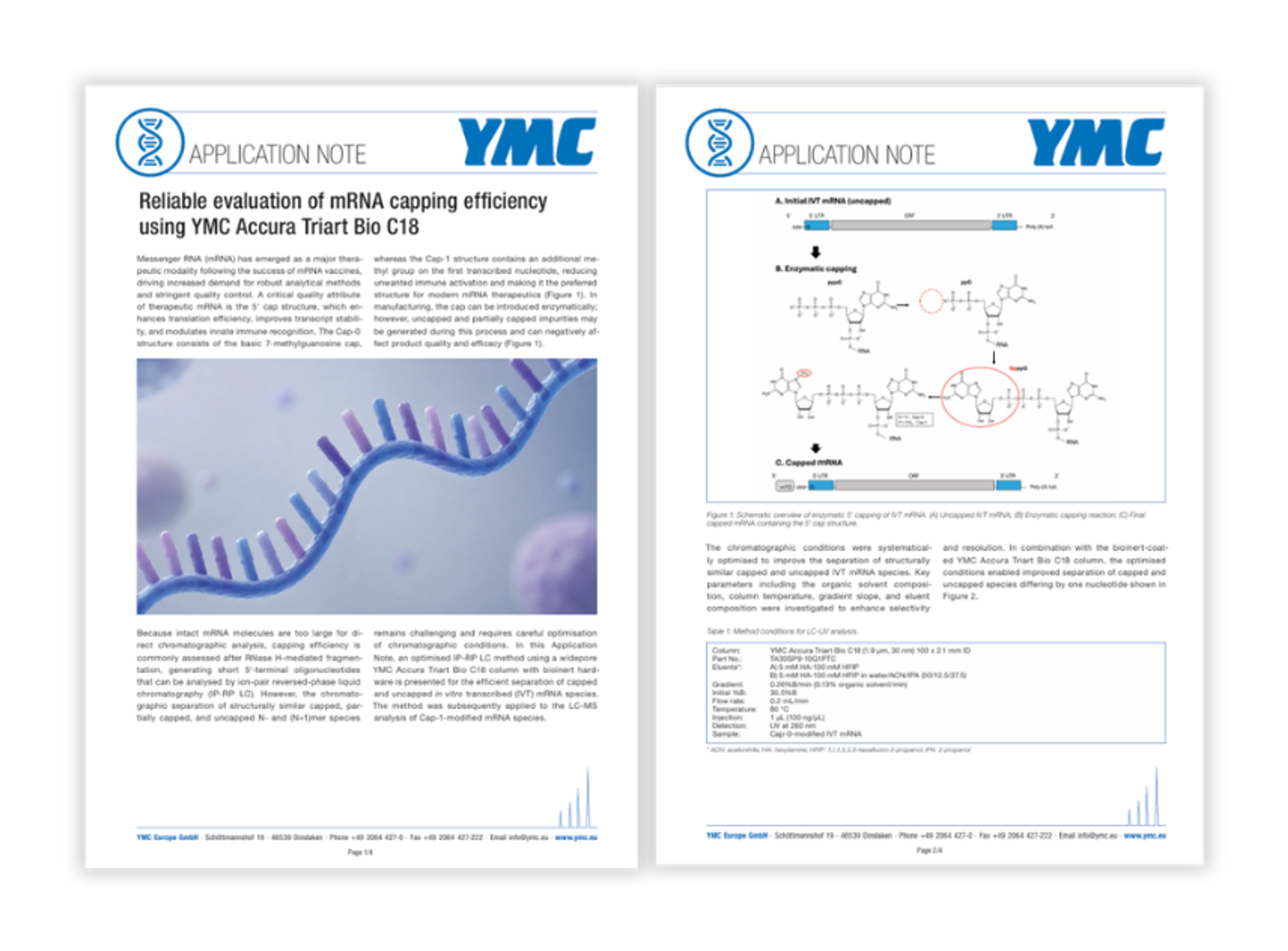
Reliable evaluation of mRNA capping efficiency using LC-MS workflows
This application note describes an optimized ion-pair reversed-phase LC-MS method for evaluating mRNA capping efficiency in therapeutic transcripts. By analyzing short RNA fragments, the approach enables separation and identification of capped, partially capped, and uncapped mRNA species using the YMC Accura Triart Bio C18 column.
The method improves resolution between structurally similar species and supports impurity profiling, making it suitable for quality control of mRNA therapeutics. It also enables differentiation of cap structures such as Cap‑0 and Cap‑1, which are critical for mRNA stability and biological activity.
Resource details:
- Resource type: Application note
- Page count: 4
- Read time: 6 mins
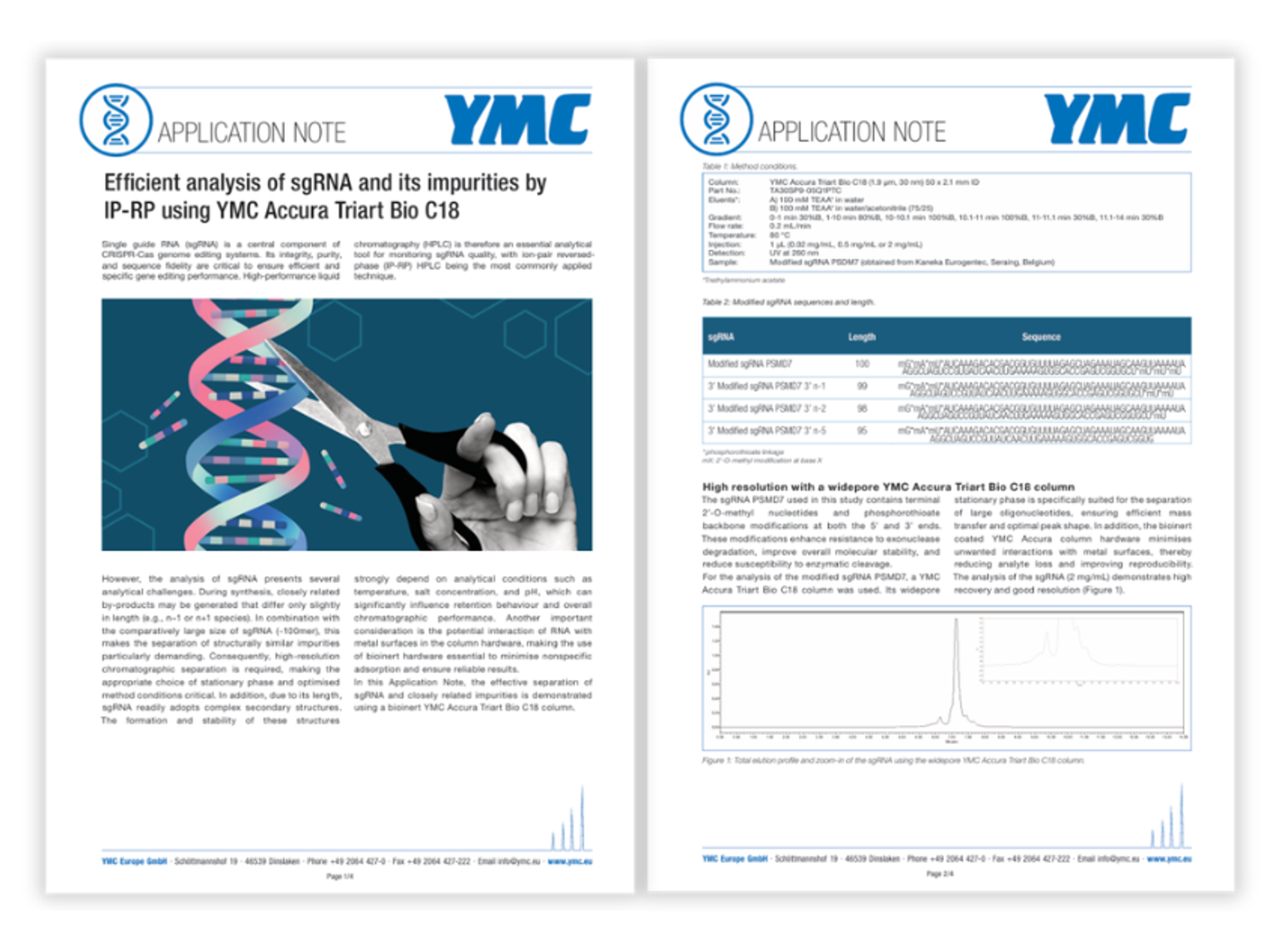
Efficient analysis of sgRNA and its impurities by IP-RP using YMC Accura Triart Bio C18
This application note demonstrates a high‑resolution method for the analysis of single guide RNA (sgRNA) and closely related impurities using ion‑pair reversed‑phase (IP‑RP) HPLC. The approach addresses key analytical challenges associated with sgRNA, including the separation of structurally similar truncation variants and the impact of secondary structure on chromatographic performance.
Discover how by using a bioinert YMC Accura Triart Bio C18 column, the method enables efficient separation of full‑length sgRNA from n–1, n–2, and n–5 impurities, even at low concentrations. The study highlights improved resolution, minimal carry‑over, and reproducible performance, supporting robust purity assessment for gene editing applications.
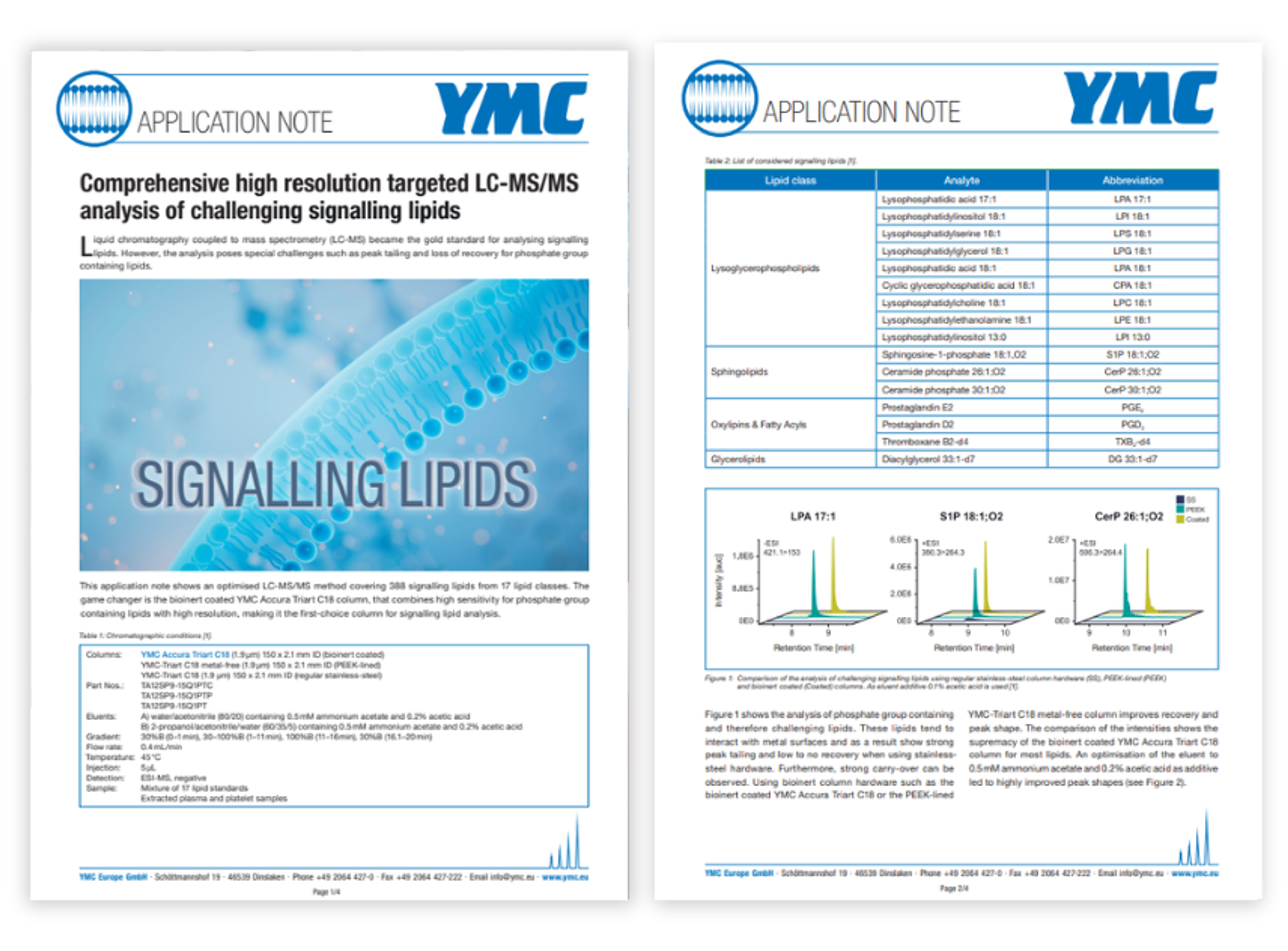
Comprehensive high-resolution targeted LC-MS/MS analysis of challenging signalling lipids
LC-MS has been the standard choice for the analysis of signalling lipids, but the method poses specific challenges, such as peak tailing and loss of recovery for phosphate groups containing lipids. Explore an optimized LC-MS/MS method from YMC Europe that covers 388 signalling lipids from 17 lipid classes. Discover how the bioinert coated YMC Accura Triart C18 column combines high resolution with high sensitivity for phosphate groups containing lipids.

Fast lipidomic analysis with high resolution of the molecular species
The lipid signature of biological samples, or lipidome, is remarkably different between health and disease states. Therefore, lipids are good candidates to produce potent biomarkers. Analysis of lipidomes deals with a large number of isomeric compounds, making comprehensive separation essential to generate a biologically informative datasets. Explore how YMC uses human plasma samples to demonstrate that separations under 10 minutes are possible with real samples using a less hydrophobic YMC Accura Triart C8 column with bioinert coating to facilitate higher levels of sensitivity and recovery.
The YMC-Accura Triart Bio C4 column for AAV capsid protein analysis
Traditional methods such as ELISA and SDS-PAGE are labor-intensive and imprecise, whereas reversed phase liquid chromatography (RP-LC) coupled with mass spectrometry (MS) offers better accuracy for quantifying viral proteins VP1, VP2, and VP3. YMC Europe presents the YMC-Accura Triart Bio C4 column as the optimal choice for analyzing adeno-associated virus (AAV) capsid proteins, which are crucial for gene therapy applications. Further, YMC Europe highlights a study that compares the bioinert YMC-Accura Triart Bio C4 column to standard columns, demonstrating that the bioinert coating significantly improves resolution, peak shape, and retention times by preventing protein adsorption to the column hardware.
Non-targeted profiling of polar metabolites in human plasma
A particular challenge for chromatography is to find the balance between sensitivity and covering a broad spectrum of substances. Hydrophilic liquid chromatography (HILIC) is therefore especially suitable for such analyses containing polar compounds. It works with mass spectrometry (MS) and has very good chromatographic performance. With this combination, non-targeted analysis is well suited to the screening of polar metabolites in human plasma. YMC Europe highlights the non-targeted screening of polar metabolites in human plasma using a bioinert YMC-Accura Triart Diol-HILIC column. The bioinert coated stainless-steel hardware is essential to achieve the highest sensitivity and chromatographic resolution of endogenous isomers.
Analysis of phosphorylated peptides using a bioinert column
The YMC-Accura column hardware is designed to eliminate any interaction between sample and stainless steel due to a strict coating of column body and frit. It allows sharp peaks, stable recoveries and eliminates consequential carry-over effects. YMC Europe highlights results obtained with standard column hardware in comparison with the bioinert coated YMC-Accura Triart C18 column. All peptides were detected with much higher recovery rate than with the standard column hardware. Even challenging peptides can be analysed reproducibly. The use of bioinert YMC-Accura Triart columns has several benefits: higher recovery, better peak shapes, greater reproducibility, and little or no conditioning required.
UHPLC-MS analysis of phospholipids using bioinert column
Phospholipids are key components of cell membranes and have applications in nanotechnology. However, their phosphate groups pose challenges in chromatographic analyses by adsorbing onto metallic surfaces, especially at low to neutral pH. Bioinert systems like YMC-Accura Triart columns, which have a bioinert coating to prevent these interactions, are beneficial. YMC Europe highlights a study to demonstrate that the YMC-Accura Triart C18 UHPLC column provides excellent peak shapes for LPC and PC compared to stainless steel columns, which show significant peak tailing.
Comparison of bioinert columns for oligonucleotide separations
Oligonucleotides are crucial in genetic testing, research, and forensics, requiring robust and sensitive analytical methods. Ion pair reversed phase liquid chromatography is the gold standard, but stainless steel tubing and columns pose challenges due to corrosion and undesired ionic interactions with oligonucleotides. These interactions can negatively impact recovery and peak shape, especially at low to neutral pH. Traditional passivation methods are time-consuming and temporary. A more robust solution is using bioinert systems and columns. YMC Europe presents the YMC-Accura Triart series, with bioinert coatings and multi-stage endcapping, offering an ideal solution for oligonucleotide analysis. For short PS RNA oligonucleotides, YMC reports that the YMC-Accura Triart Bio C18 provides the optimum separation results compared to other columns specifically designed for oligonucleotide separations, and from a chromatographic point of view, it provided the best peak shapes and resolution for both buffer concentrations.
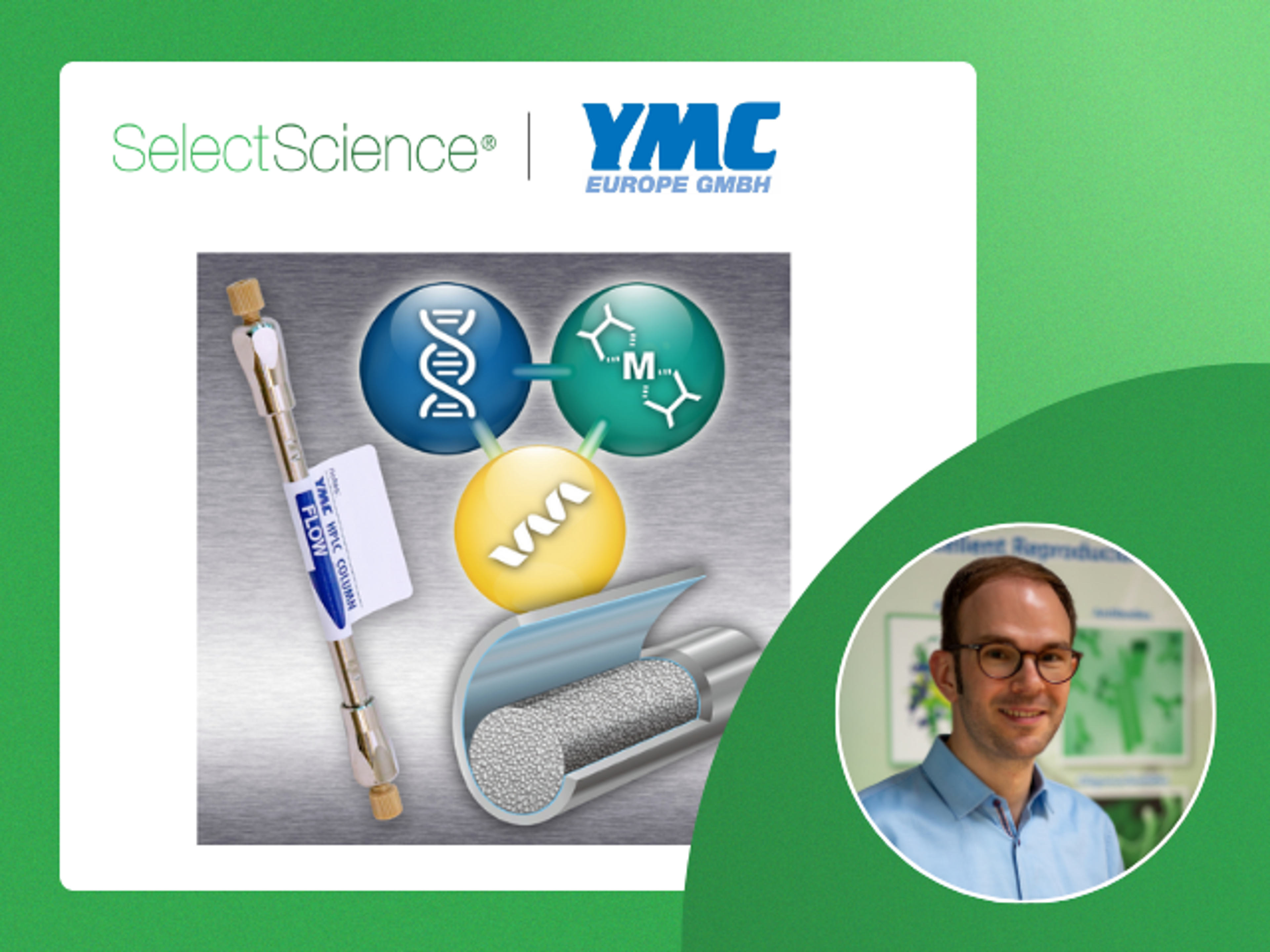
TechTalk: Analytical HPLC strategies across the nucleic acid therapeutics landscape – From ASOs to siRNA to mRNA
Friday, October 9 at 16:00 BST | 17:00 CEST | 11:00 EDT | 08:00 PDT
Nucleic acid therapeutics such as antisense oligonucleotides (ASOs), siRNA, and mRNA present unique analytical challenges due to their diverse sizes, chemistries, and structural complexities.
In this TechTalk we will explore HPLC-based strategies for the characterization of these emerging therapeutic modalities, highlighting molecule-specific analytical approaches and practical application examples. Particular emphasis will be placed on the use of YMC Accura Triart columns for ion-pair reversed-phase (IP-RP) separations and YMC Accura BioPro IEX columns for anion-exchange (AEX) chromatography.
You will gain an understanding of the key analytical challenges associated with different nucleic acid therapeutics, and will learn how IP-RP and AEX chromatography can be applied to address different analytical questions across the nucleic acid therapeutics landscape.
Certificate of attendance
If you attend the live TechTalk, you will automatically receive a certificate of attendance, including a learning outcomes summary, for continuing education purposes. If you view the on-demand TechTalk, you can request a certificate of attendance by emailing editor@selectscience.net.
TechTalk details
- Cost: Free to attend
- Location: Online
- Duration: 20 minutes
Registration is required to secure your place. If you register but can’t attend live, you will receive a link to the on-demand recording once it becomes available.
Bioinert column hardware for the analysis of biological samples
Explore YMC's Accura bio-inert column hardware, engineered to overcome the limitations of traditional stainless steel and PEEK materials in biological sample analysis. Discover how this advanced hardware ensures superior peak shape, enhanced sensitivity, and improved reproducibility for critical applications like protein therapeutics and nucleic acid analysis. Experience a significant upgrade in LC-MS performance and data integrity.

Complex lipid analysis challenges solved with bio-inert HPLC columns
From sample limitations to isomeric separations, see how the right column choice transformed a challenging lipidomics project
Smart columns and open science drive PFAS breakthroughs
New strategies pair high-performance chromatography with digital tools to tackle persistent pollutants