
SelectScience Accelerating Science Feature
Accelerating science in drug discovery
Exploring the technologies and approaches shaping the modern drug discovery continuum
As drug discovery undergoes rapid transformation, driven by advances in AI, increasingly complex therapeutic modalities, and a growing demand for more predictive and translational science, researchers are rethinking every stage of the pipeline. Traditional approaches are being challenged by new expectations around speed, data integration, and real-world relevance, prompting the adoption of automated workflows, human-relevant preclinical models, and technologies capable of addressing biological complexity at unprecedented depth. Bringing together expert insight and cutting-edge developments, this curated SelectScience Accelerating Science Feature explores how these shifts are reshaping modern R&D, helping you navigate emerging approaches and stay at the forefront of drug discovery.
Navigate the key shifts shaping drug discovery by exploring each theme below.


The tools and trends driving pharmaceutical innovation
Automation, AI, and digital technologies are redefining how drug discovery is conducted. As datasets grow in scale and complexity, researchers are moving toward more connected, data-driven environments, where automated workflows, integrated platforms, and advanced analytics enable faster decision-making and improved reproducibility across the pipeline.
At the same time, these advances are reshaping how scientists interact with data, shifting from manual, linear processes to more dynamic, end-to-end workflows that enable real-time insight and collaboration. From target identification through to preclinical development, digital transformation is helping to break down silos, streamline operations, and unlock new efficiencies, ultimately accelerating the pace and precision of modern drug discovery.
Editor's picks
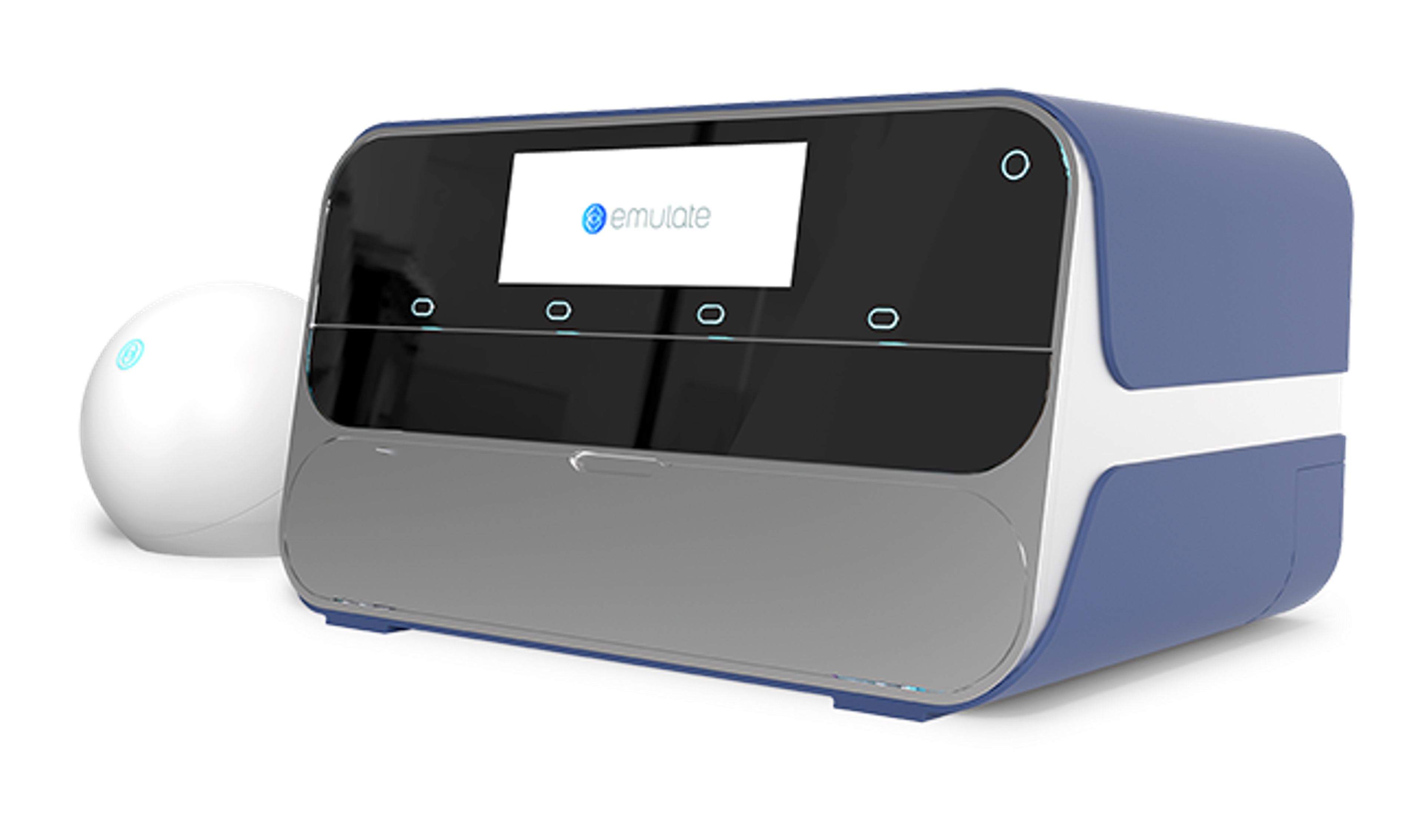
Emulate
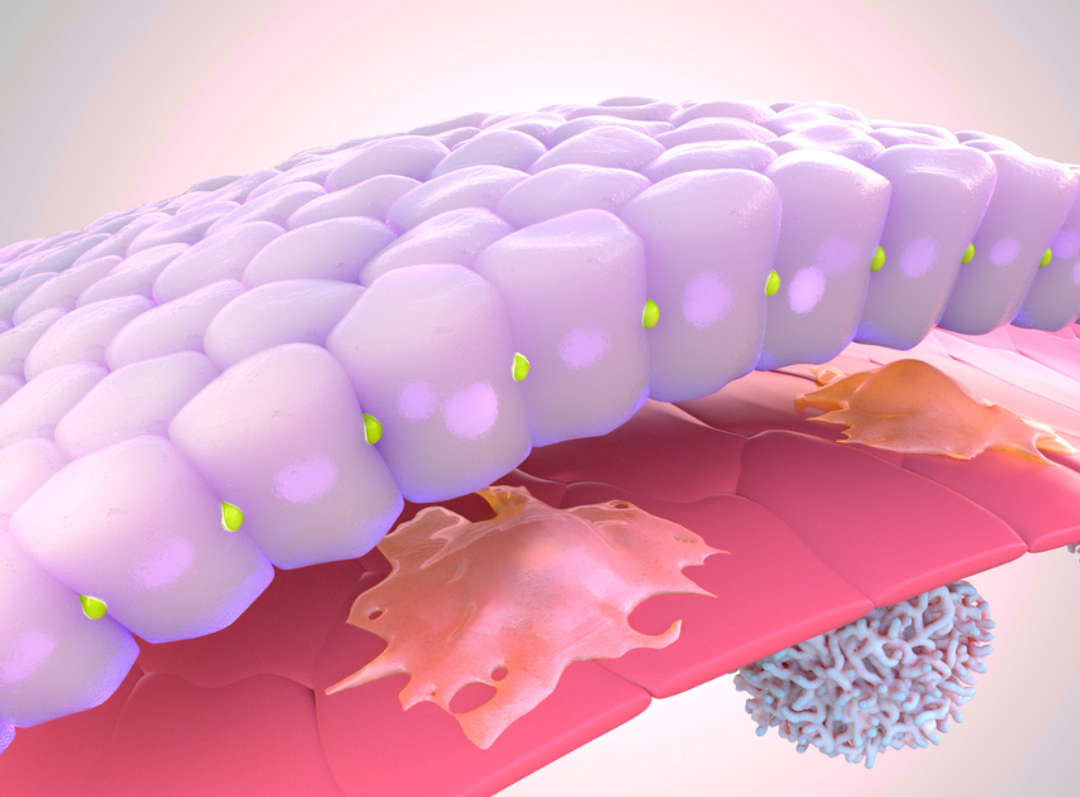
Organ-on-a-chip models for human-relevant research
Organ-on-a-Chip technology helps reduce reliance on animal models while improving translational relevance. Download this resource to understand how these systems can support safer candidate selection earlier in development.
Download resource
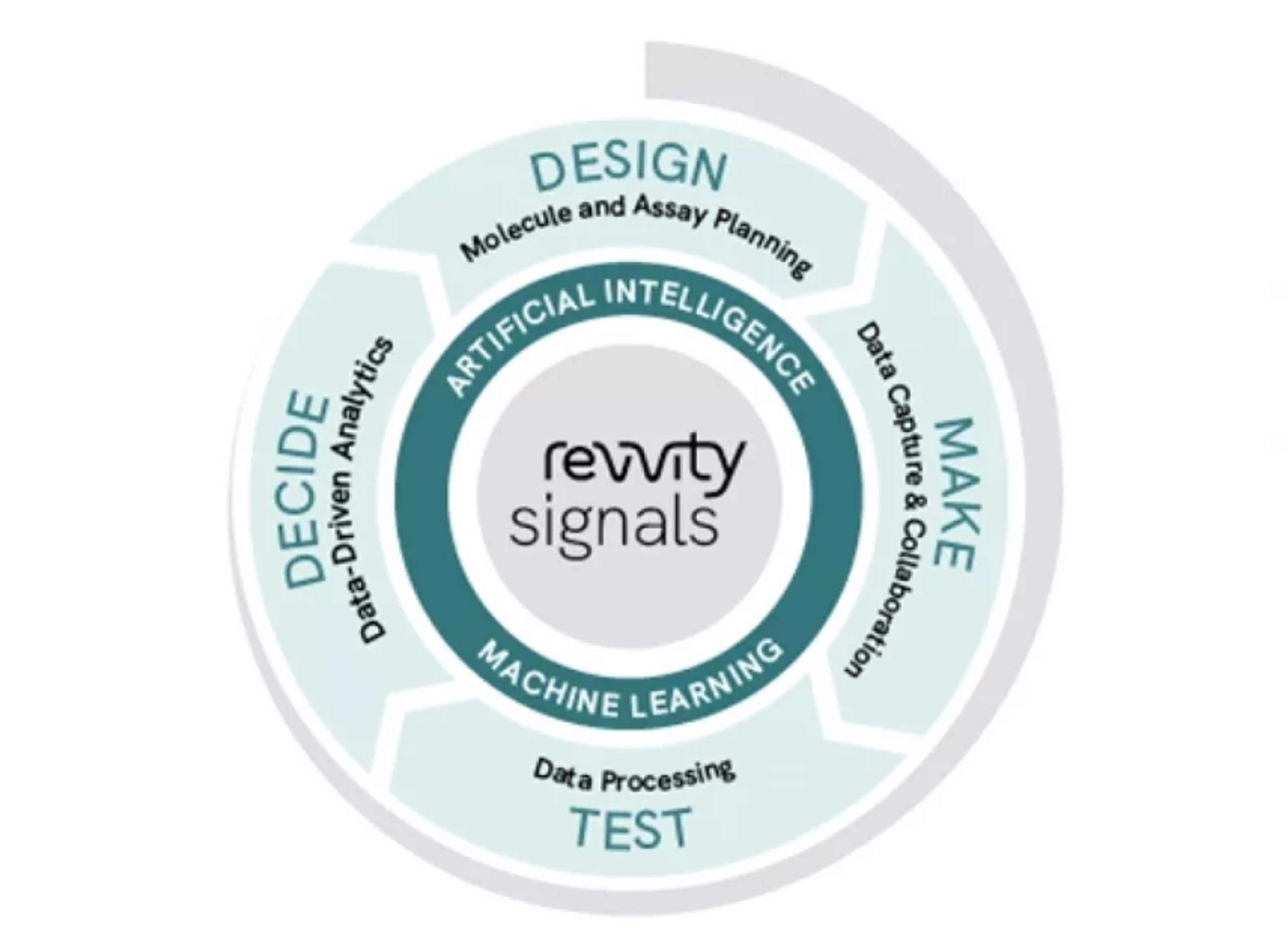
Revvity Signals
Why strong data foundations matter for AI in drug discovery
Fragmented and biased datasets limit AI’s value in drug discovery. Explore this article to see how data standards, governance, and human oversight create more reliable and reproducible AI-driven insights.
Download resource
Momentum Biotechnologies
Why early target deconvolution matters in drug discovery
Identifying on- and off-targets earlier improves confidence in screening hits and candidate selection. Download this guide to explore how scalable, proteome-wide approaches strengthen discovery workflows.
Download resource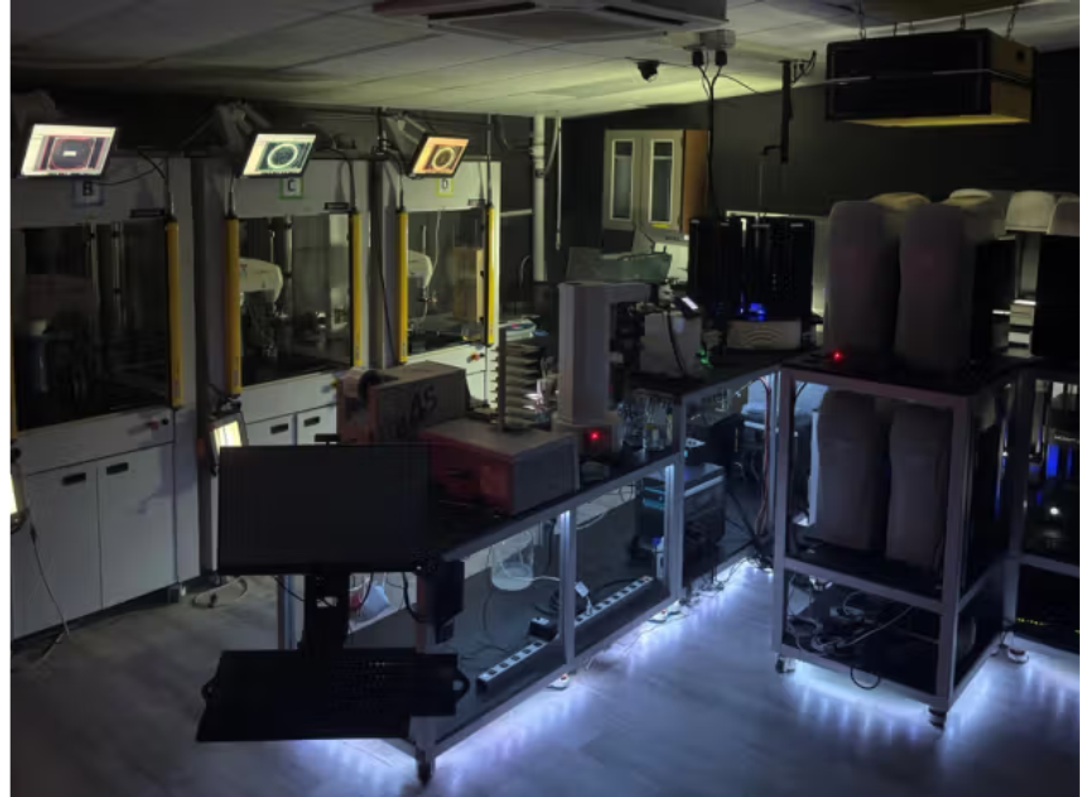
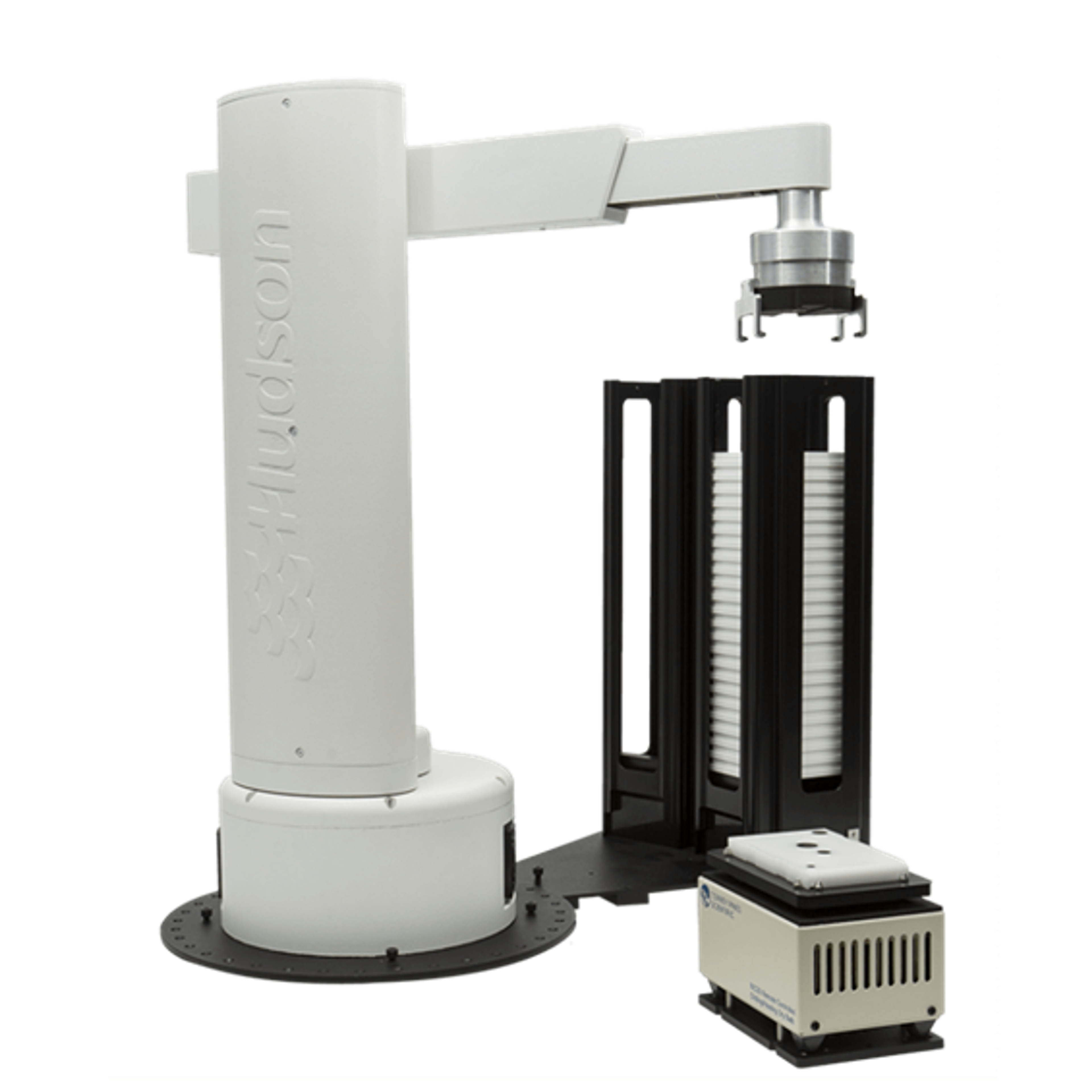
Hudson Lab Automation
Achieve reproducible and scalable zebrafish toxicology research with automation
How automated workflows enable consistent, high-throughput zebrafish screening to advance chemical safety science.
Read article
Lightcast
Improving early discovery with functional single-cell data
Direct functional profiling at the single-cell level can streamline screening and reduce follow-up assays. View this white paper to see how this approach accelerates early drug discovery decisions.
Download resource
BPGbio
How multiomics and AI advance drug discovery
Dr. Michael Kiebish of BPGbio shares insight into its AI-powered NAi Interrogative Biology Platform and discusses the growing importance of multiomic data.
Read article
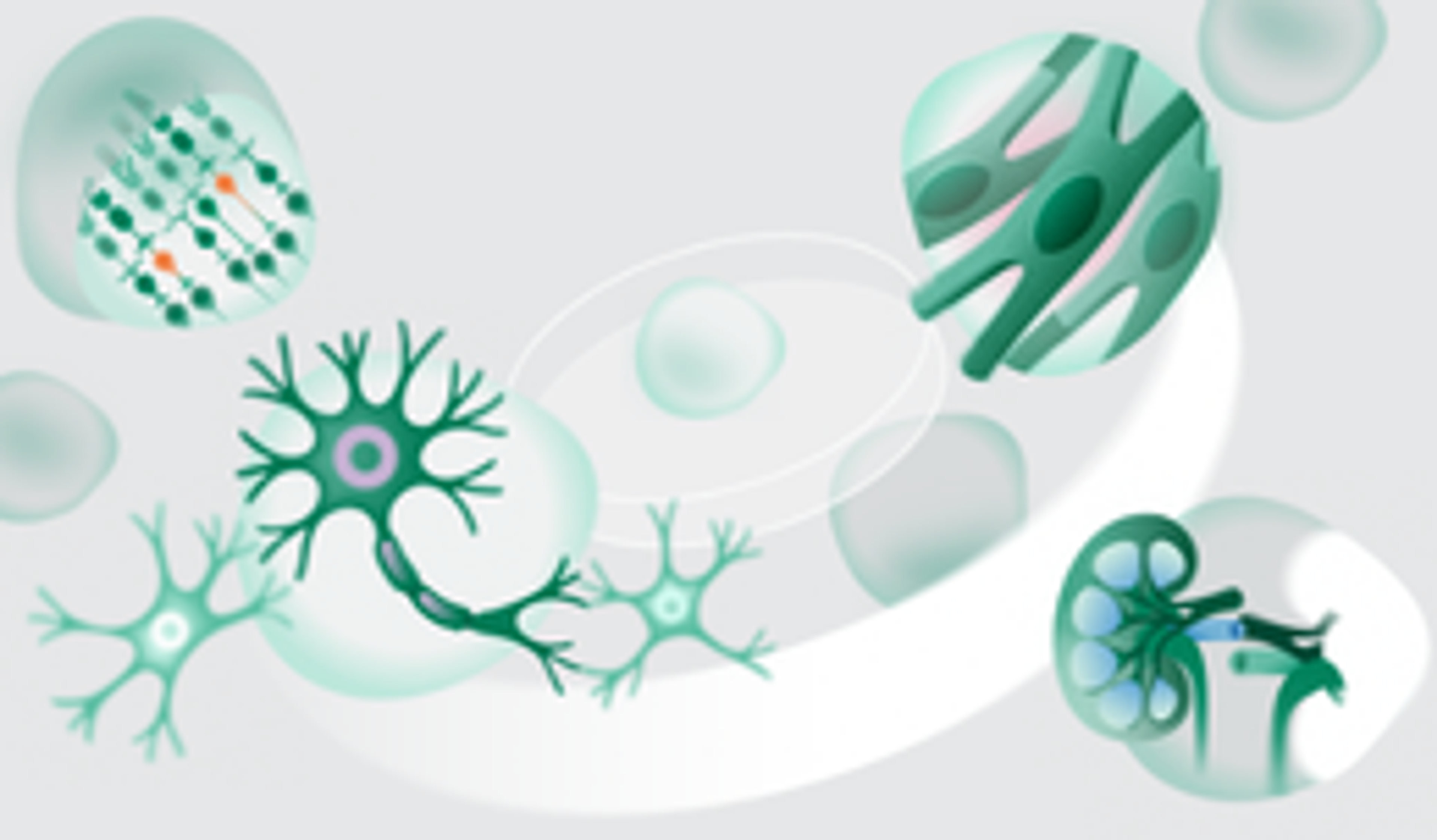
Human-relevant preclinical models
Despite advances in preclinical science, traditional models often struggle to fully capture the complexity of human disease, creating a disconnect between early-stage findings and clinical outcomes. In response, a new generation of human-relevant models is emerging, designed to better reflect physiological systems and provide more meaningful insight into how therapies will perform in the real world.
From organoids and microphysiological systems to advanced in vitro platforms, these approaches are reshaping how researchers study disease, evaluate efficacy, and assess safety. As adoption grows, they are not only improving the predictive power of preclinical research, but also helping to bridge the gap between discovery and translation, supporting more confident decision-making across the drug discovery continuum.
Editor's picks


Latest news



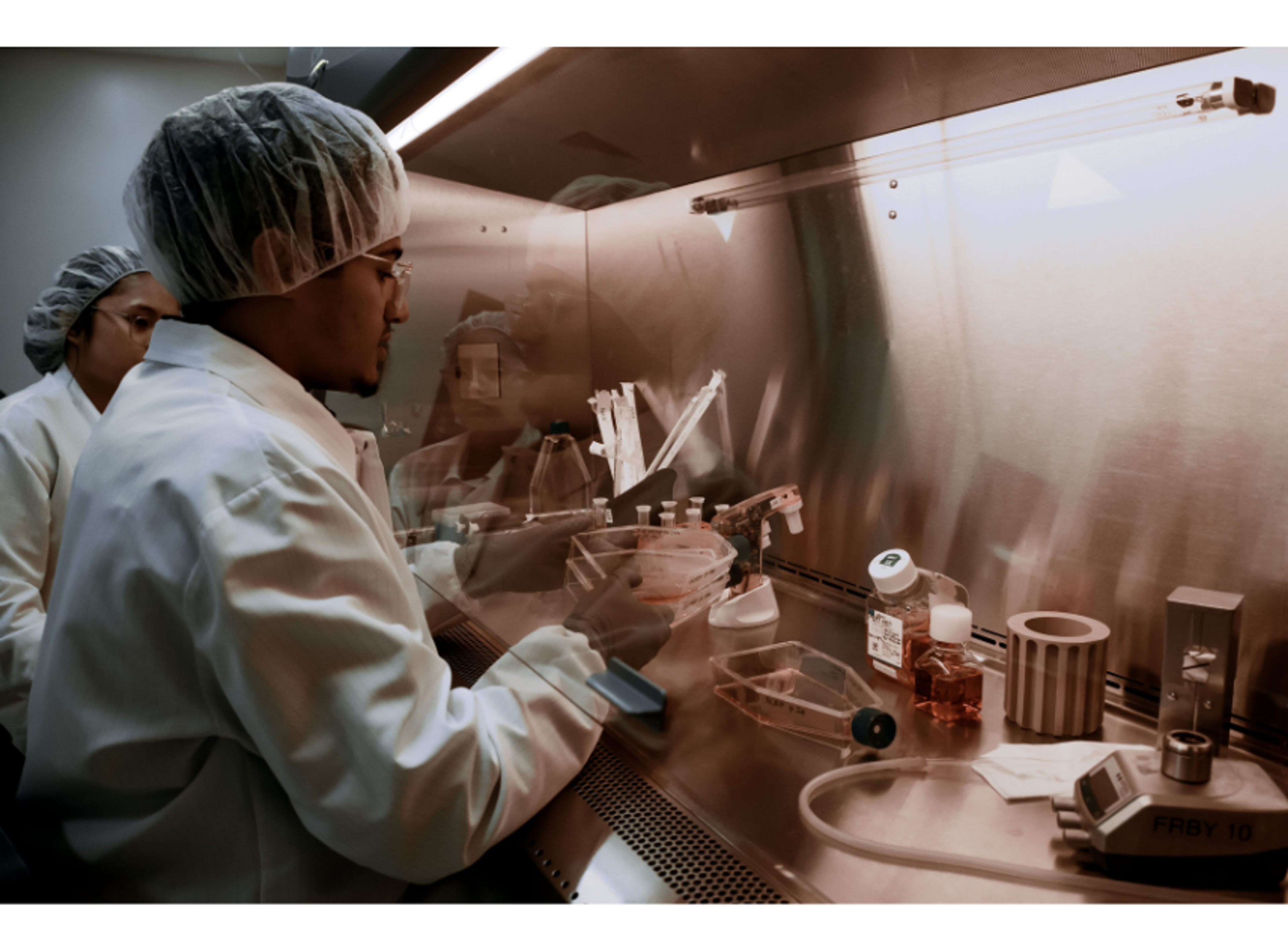
bit.bio
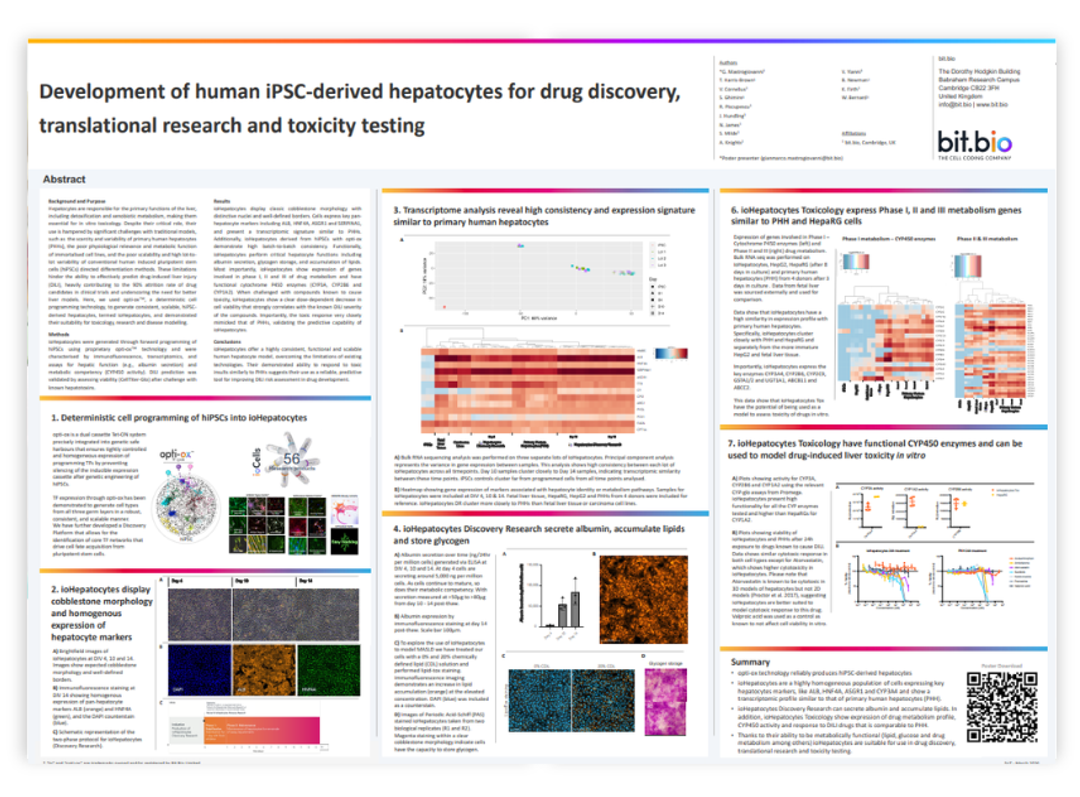
Development of human iPSC-derived hepatocytes for drug discovery, translational research and toxicity testing
Explore how ioHepatocytes were generated using opti-ox™ deterministic programming and how they demonstrate robust Phase I-III metabolism via functional CYP3A, CYP2B6, and CYP1A2 enzymes.
Download posterAdvanced therapeutic modalities
Advanced therapeutic modalities are reshaping what is possible in drug discovery. Moving beyond traditional small molecules, approaches such as mRNA, cell and gene therapies, and targeted protein degradation are opening up new ways to intervene in disease, enabling more precise, programmable, and personalized treatments.
This shift is expanding not only what can be targeted, but how therapies are designed, delivered, and evaluated. As a result, researchers are navigating increasing complexity across the pipeline, from understanding mechanism of action to ensuring consistency, scalability, and real-world effectiveness. Rather than fitting into established workflows, these modalities are driving the need for new frameworks, where discovery, characterization, and development are more closely interconnected. Technologies and analytical strategies must evolve in parallel, supporting deeper insight into structure, function, and performance at every stage. Together, these advances are redefining progress across the drug discovery continuum, helping to translate cutting-edge innovation into therapies with the potential to address increasingly complex and previously untreatable diseases.
Editor's picks
Cytiva
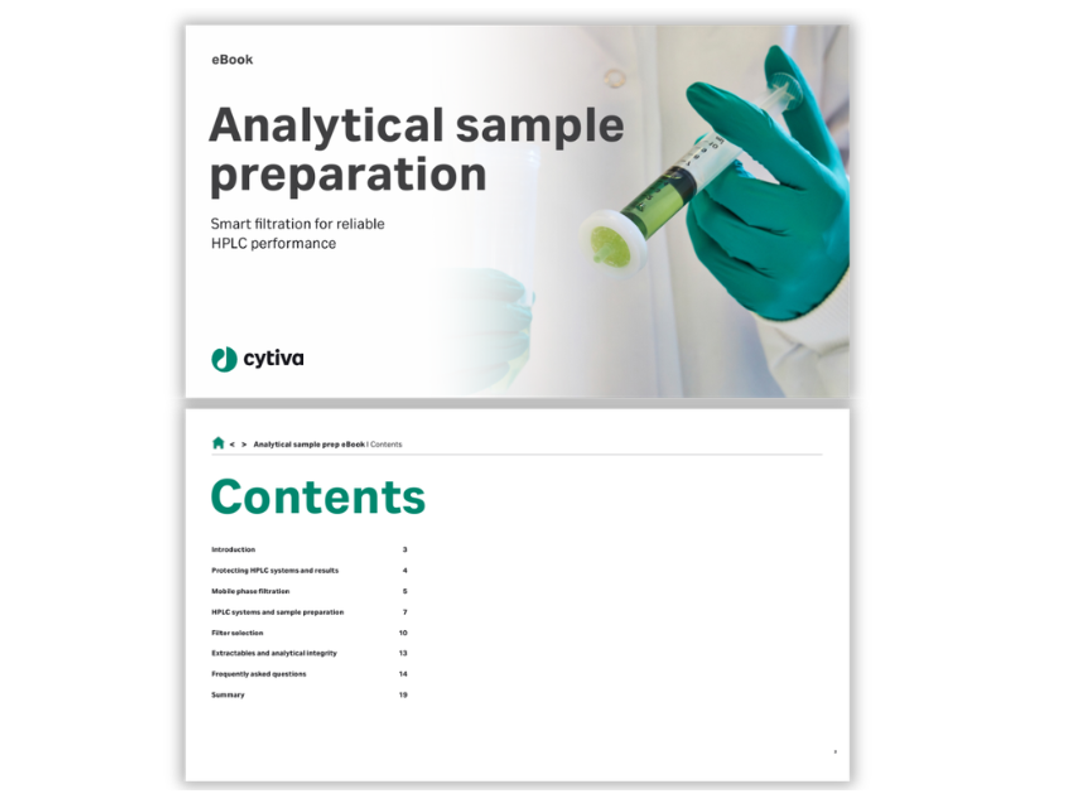
Improving HPLC performance with effective sample preparation and filtration
Explore key aspects of HPLC workflows, including system components, common maintenance challenges, and the role of filtration in protecting pumps, columns, and detectors.
Download resource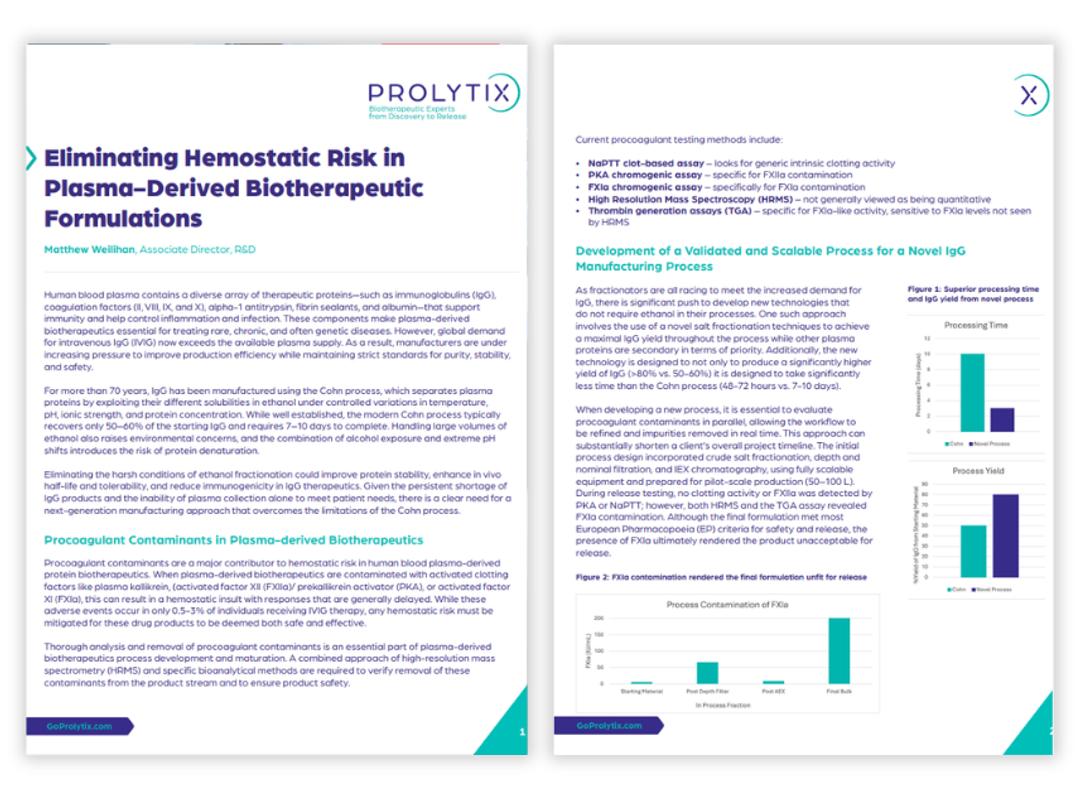
Prolytix
Eliminating hemostatic risk in plasma-derived biotherapeutic formulations
Explore this resource to see how next‑generation ion‑exchange‑based purification technologies and integrated analytical workflows can remove trace clotting factors, enhance IgG recovery, and support the development of cleaner, more reliable plasma‑derived therapeutics.
Download resource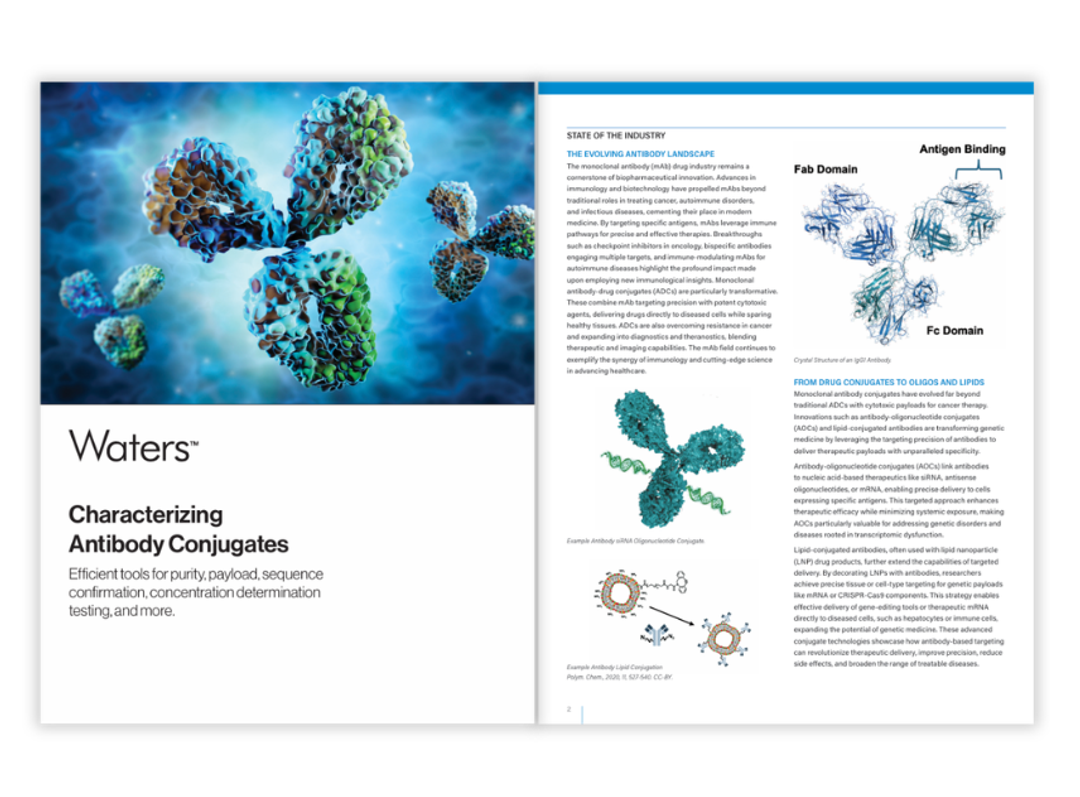
Waters
A guide to analytical approaches for characterizing antibody conjugates
Discover analytical strategies for characterizing antibody conjugates, including ADCs and AOCs, with guidance on key chromatography and MS techniques to assess drug-to-antibody ratio, aggregation, and conjugation sites.
Download resource


Latest news

SelectScience eBook
How to Buy Biophysical Characterization Technology
This eBook describes the principles behind key biophysical characterization techniques and discusses their advanced applications in drug discovery, cell line development, vaccine development, AAV quantification, and more.
Download guideMeet the editors




Never miss an update
Stay informed as the drug discovery and development landscape continues to evolve. Become a free SelectScience member today to receive the latest news, expert insights, and updates delivered straight to your inbox. Join a global community of professionals and ensure you never miss critical updates in this rapidly changing field.
Register free todayFrequently asked questions (FAQs)
What is the SelectScience Accelerating Science in Drug Discovery feature?
The SelectScience Accelerating Science in Drug Discovery feature is a global editorial initiative exploring the technologies, approaches, and scientific advances reshaping modern pharmaceutical R&D. The feature focuses on key shifts across the drug discovery continuum, from AI-enabled workflows and human-relevant preclinical models to emerging therapeutic modalities such as mRNA, cell and gene therapies, and targeted protein degradation.
Why is SelectScience launching the feature?
Drug discovery is undergoing rapid transformation, driven by increasing biological complexity, advances in digital technologies, and the emergence of new therapeutic classes. At the same time, there is growing pressure to improve efficiency, predictability, and translational success. The Accelerating Science in Drug Discovery feature has been developed to provide clear, expert-led insight into these changes, helping scientists and industry professionals understand and navigate the evolving R&D landscape.
Who is the feature designed for?
The feature is designed for scientists and professionals working across drug discovery and development, including:
- Pharmaceutical and biotech researchers
- Preclinical and translational scientists
- Laboratory leaders and R&D decision-makers
- Technology specialists and platform developers
- Academic researchers involved in drug discovery
What key topics does the feature cover?
The feature focuses on three core areas driving change across drug discovery:
- Tools and trends driving pharma innovation – including automation, AI, and digital transformation
- Human-relevant preclinical models – enabling more predictive and translational research
- Advanced therapeutic modalities – such as mRNA, cell and gene therapies, and targeted protein degradation
How does the feature reflect changes across the drug discovery continuum?
The feature explores how innovation is reshaping every stage of the drug discovery continuum, from early research and target identification through to preclinical development and therapeutic design. By connecting advances in workflows, models, and modalities, it highlights how traditionally separate areas of R&D are becoming increasingly integrated.
Which technologies and approaches are highlighted?
SelectScience highlights enabling technologies and strategies supporting modern drug discovery, including:
- AI-driven data analysis and digital laboratory workflows
- High-throughput and automated experimentation
- Advanced in vitro and organoid-based model systems
- Analytical and characterization tools for complex biologics and gene therapies
- Platforms supporting modality development, delivery, and scale-up
What types of content are included?
The feature brings together a curated selection of high-value resources, including:
- Editorial articles and expert insights
- Application notes and technical resources
- Industry perspectives and opinion pieces
- Product and technology highlights
- Curated feature pages and content collections
How does the Accelerating Science in Drug Discovery feature support real-world drug discovery workflows?
The content is designed to provide practical insight into how emerging technologies and approaches can be applied across real R&D environments. It explores how scientists are adapting workflows, integrating new tools, and adopting innovative models and modalities to improve outcomes, reduce risk, and accelerate progress.
How can professionals engage with the feature?
Professionals can explore the Accelerating Science in Drug Discovery feature by accessing curated content across each topic area, discovering expert perspectives, and engaging with the latest developments through SelectScience’s ongoing editorial coverage.