
Modeling immune related adverse events in preclinical research
In this guest editorial, Dr. Courtney Noah, BioIVT's Vice President of Scientific Affairs, explores why disease state donors and purified immune subsets improve predictive safety models
18 Jun 2026
As the pipeline for immunomodulatory drugs such as immune checkpoint inhibitors (ICIs) and chimeric antigen receptor (CAR) T-cell therapies continues to expand, so does the clinical challenge of managing their safety profiles. These therapies are designed to unlock antitumor activity and enhance immune responses, yet they can also provoke unintended toxicities when an activated immune system begins attacking healthy host tissues. These immune-related adverse events (irAEs) can involve nearly any organ system, ranging from mild to life-threatening, and often surface unpredictably1.
Predicting and preventing irAEs earlier in the drug development workflow will lead to safer immunotherapies. But doing so requires models that faithfully represent human immunity, especially in populations most likely to experience toxicity.
Traditional animal models often fall short; they frequently miss human-specific immune interactions and rare hypersensitivities. Equally, testing a new immunotherapy solely with cells from healthy donors ignores the very biological diversity that determines who is at risk. To evaluate therapeutic efficacy while revealing undesired toxicity, researchers need human systems built on the right biological context.
This is where disease state donors, deep clinical metadata, and high-quality biological starting materials become essential inputs for modern, human-centric safety science.
Context matters: from 'healthy baselines' to real-world immune complexity
A healthy donor baseline is valuable but incomplete. Immune function varies dramatically in people with cancer, autoimmune disease, chronic infections, and across other disease states; prior treatments, comorbidities, age, sex, genetics (e.g., HLA-type). Environmental exposures further influence cytokine modulation, T-cell receptor repertoires, and tolerance thresholds. When a therapy perturbs the immune system, these variables can shape whether a beneficial response or an irAE occurs.
To reflect this reality, preclinical testing must move beyond healthy donors and incorporate disease state cohorts, ideally with matched specimens (e.g., paired blood and tissue from the same individual; longitudinal baselines and post-treatment samples). This approach enables controlled comparisons, reduces confounders, and helps pinpoint how disease background (e.g. prior therapy or specific genetic features) modulates risk.
BioIVT supports this human-relevant strategy by providing access to extensive clinical collections, including oncology, infectious disease, and autoimmune donors, alongside healthy controls. Researchers can source matched sets from individual donors and pair samples with rich clinical metadata, including disease severity, treatment history, demographic information, even HLA-typing, so they can correlate irAE signals with distinct patient subtypes rather than relying on oversimplified averages.
The biomarker challenge: turning clinical clues into bench testable hypotheses
One reason irAEs remain difficult to anticipate is the lack of widely accepted predictive biomarkers ready for routine clinical use. Research groups are investigating diverse candidates: blood cell counts, autoantibodies, cytokine profiles, genetic factors, and organ-specific indicators (e.g. TSH, lipase). Some markers look promising but translating them into reliable go/no-go criteria requires access to well characterized patient specimens across indications and timepoints (baseline, on therapy, flare, and resolution)3.
By enabling longitudinal specimen access with deep annotation, BioIVT helps teams validate candidate biomarkers and connect clinical observations to bench-ready hypotheses. More importantly, this level of characterization allows toxicologists to stratify risk, identify potentially susceptible phenotypes, and design preclinical systems to detect the right immunotoxicity signals, particularly those that align with real-world patient outcomes.
irAEs vary by modality: know the risks you’re screening for
The clinical presentations of irAEs differ by therapeutic mechanism and target, and your preclinical strategy should reflect that:
- Immune checkpoint inhibitors (ICIs)
Anti-CTLA-4 agents more commonly drive gastrointestinal toxicities (e.g., colitis) and endocrine events such as hypophysitis, whereas anti-PD-1/PD-L1 therapies show higher frequencies of pneumonitis, autoimmune diabetes, and thyroid dysfunction. Combination regimens (e.g., anti-CTLA-4 plus anti-PD-1) significantly increase the incidence and severity of irAEs and can accelerate life- threatening events such as myocarditis2. - Adoptive cell therapies (e.g., CAR T-cell)
Engineered cell therapies are closely associated with cytokine release syndrome (CRS) and immune effector cell-associated neurotoxicity syndrome (ICANS), a syndrome of neuropsychiatric symptoms resulting from immune effector cell activation (like T-cells) causing inflammation in the brain. They also bring on-target/off-tumor risks. For instance, B-cell aplasia and hypogammaglobulinemia with CD19-directed CAR T-cell products when healthy tissues express the therapeutic target1.
Understanding these modality-specific patterns is vital for picking the right preclinical tools and cell types, calibrating safety endpoints, and choosing disease state donors whose immune backgrounds mirror the clinical populations you aim to treat.
Human relevant new approach methodologies (NAMs): closing the predictivity gap

Laboratory workflow using human cell samples to support immunology and preclinical safety studies
Because conventional animal models often lack human immune targets or fail to reproduce clinically relevant toxicities, safety science is shifting toward human-centered NAMs with in vitro and ex vivo systems deliberately built from high-quality human cells and tissues.
Three commonly deployed approaches include:
Cytokine release assays (CRAs)
Used to anticipate severe cytokine release syndrome risk for cell therapies, bispecifics, and certain monoclonals. CRAs typically employ human PBMCs or whole blood to monitor cytokine dynamics following antigen engagement or Fc-mediated activation. Using disease state donors in CRAs can reveal lower activation thresholds or exaggerated cytokine cascades that healthy controls might miss4.
3D organoids and microfluidic co-cultures ('Organs-on-Chips')
To model tissue-specific injury (e.g., ulcerative colitis), researchers co-culture human tissue organoids with autologous or HLA-compatible immune cells. These models allow direct observation of antigen presentation, T-cell expansion, macrophage polarization, and immune-mediated tissue damage under controlled flow and gradient conditions2. In hepatic research, a tri-culture of human hepatocytes, fibroblasts, and resident Kupffer cells[MM1] can be used to evaluate immune-mediated drug-induced liver injury (DILI) and cytokine-driven inflammation over extended periods.
Humanized mouse models
By engrafting human PBMCs or CD34+ hematopoietic stem cells into immunodeficient mice, developers can examine systemic toxicity (including multiorgan irAEs) in vivo. These models are especially useful to explore kinetic interactions, such as drug exposure, immune expansion, and organ-specific inflammation, though they still benefit from human-derived inputs that resemble target patient populations2.
In each case, assay sensitivity depends on the quality, viability, and purity of the cellular components as well as the relevance of the donor background.
The building blocks: purified immune subsets for mechanistic readouts
Sophisticated immunotoxicology assays are only as reliable as their cellular inputs. Dead or poorly handled cells can produce background noise (e.g., nonspecific cytokine release), while mixed populations cloud signal attribution. High-fidelity readouts demand high viability, phenotypically verified cells suited to the mechanism you need to test.
BioIVT provides rigorously isolated, pre-qualified immune subsets that enable clear, functional measurements:
- Effector function and off-target killing
CD8+ T-cells, NK cells, and dendritic cells (DCs) support cytotoxicity and antigen presentation assays that reveal when therapies inappropriately attack healthy tissues or drive excessive inflammatory responses. The purity of these subsets ensures that cytotoxic activity isn’t diluted by contaminating cells, and that activation signals reflect the drug’s action rather than sample noise. - Immune tolerance, polarization, and balance
For therapies that modulate suppression or proinflammatory balance, disease state and healthy Tregs, Th17 cells, and M1/M2 macrophages enable tolerance assays, macrophage polarization, and cytokine profiling. These readouts help determine whether a therapy restores immune balance or pushes the system toward pathology.
When combined with disease state donors and deep metadata (e.g., prior checkpoint therapy, steroid exposure)[CN2] [PM3] , these subsets provide a mechanistic anchor for understanding how a drug influences cell-cell crosstalk and where irAEs might emerge.
Deep specimen characterization: metadata makes the model
Interindividual variability is a hallmark of human immunity. Two donors with the same diagnosis can show profoundly different gene expression profiles, T-cell repertoires, and cytokine baselines which are all differences that may predict who experiences an irAE.
Robust metadata such as demographics, disease severity, treatments and timing, comorbidities, longitudinal sample collection windows, and HLA genotype enables researchers to:
- Stratify donors into biologically coherent subgroups.
- Correlate immune features (e.g., cytokine signatures, T-cell clonality) with observed toxicities.
- Reduce assay variance by controlling preanalytical factors.
- Build predictive models that link preclinical readouts to clinical outcomes.
BioIVT’s donor network pairs rich metadata with specimen access, helping teams move past generic 'healthy vs. disease' comparisons and instead ask patient-centric questions such as: Which features of autoimmune background amplify PD-1 related toxicities? Are certain HLA types associated with stronger CAR T activation thresholds?
Designing irAE-relevant assays: practical tips
To maximize preclinical predictivity and avoid false positives or negatives:
Start with the right donors
Include disease state donors that mirror your intended clinical population (e.g., tumor type, autoimmune background). When possible, source matched blood and tissue and consider longitudinal timepoints for dynamic insights.
Define mechanism-linked readouts
Map assay endpoints to modality-specific risks. For immune checkpoint inhibitors, prioritize tissue-specific immune injury models and tolerance markers; for CAR T and bispecifics, emphasize CRS-like cytokine kinetics and off-target cytotoxicity.
Control preanalytical variables
Standardize collection tubes, anticoagulants, processing times, storage temperatures, and thaw protocols. Poor handling can masquerade as immunotoxicity.
Use purified subsets for mechanistic clarity
To attribute effects to the correct immune axis and reduce background noise, use isolated CD8+ T-cells, NK cells, DCs, Tregs, Th17s, and M1/M2 macrophages.
Exploit metadata
Leverage HLA-typing, treatment histories, and disease scores to build stratified analyses and identify subpopulations at risk.
From discovery to safer development: practical outcomes you can expect
When disease state donors and high-quality immune subsets are integrated into NAMs, teams can:
- Reveal hidden liabilities earlier (e.g., off-target killing in specific tissues; low activation thresholds in defined donor subsets).
- Optimize starting doses and escalation plans with human-anchored safety margins.
- Stratify risk by patient phenotype and inform inclusion/exclusion criteria.
- Prioritize candidates or mechanisms with better therapeutic index in the right populations.
- Generate decision-quality biomarker hypotheses ready for clinical translation.
A more complete picture for irAE risk assessment
Preventing the next severe clinical adverse event is not about adding complexity for its own sake. It’s about building assays that mirror the real-world immune ecosystems a therapy could encounter. Healthy donors are a baseline, not a proxy for patients. Human-relevant NAMs fueled by disease state specimens, deep metadata, and purified immune subsets give you the mechanistic resolution to distinguish therapy signal from biological noise before that noise becomes a clinical problem.
By leveraging BioIVT’s diverse disease-state donor access, matched and longitudinal collections, comprehensive donor metadata, and high-purity isolated immune subsets, research teams can confidently screen for off-target effects, derisk first-in-human studies, and accelerate the development of safer, more effective immunotherapies.
Guest editorial provided by:
Dr. Courtney Noah, BioIVT's Vice President of Scientific Affairs. She leads a team that provides solutions for BioIVT’s clients and business partners. Dr. Noah received her PhD in Molecular and Cellular Biology from Stony Brook University, and her BS is in Food Science from Cornell University.
References
1. Bates SM, Evans KV, Delsing L, Wong R, Cornish G, Bahjat M. Immune safety challenges facing the preclinical assessment and clinical progression of cell therapies. Drug Discov Today. 2024;29(12):104239. doi:10.1016/j.drudis.2024.104239.
2. Cina M, Venegas J, Young A. Stocking the toolbox – Using preclinical models to understand the development and treatment of immune checkpoint inhibitor–induced immune‑related adverse events. Immunol Rev. 2023;318(1):110–137. doi:10.1111/imr.13250.
3. Liang Y, Maeda O, Ando Y. Biomarkers for immune‑related adverse events in cancer patients treated with immune checkpoint inhibitors. Jpn J Clin Oncol. 2024;54(4):365‑375. doi:10.1093/jjco/hyad184.
4. Vessillier S, Fort M, O’Donnell L, Hinton H, Nadwodny K, Piccotti J, Rigsby P, Staflin K, Stebbings R, Mekala D, Willingham A, Wolf B, participants of the study. Development of the first reference antibody panel for qualification and validation of cytokine release assay platforms – Report of an international collaborative study. Cytokine X. 2020;2:100042. doi:10.1016/j.cytox.2020.100042.
Want the latest science news straight to your inbox? Become a SelectScience member for free today>>
Related products
Request Quote for All Products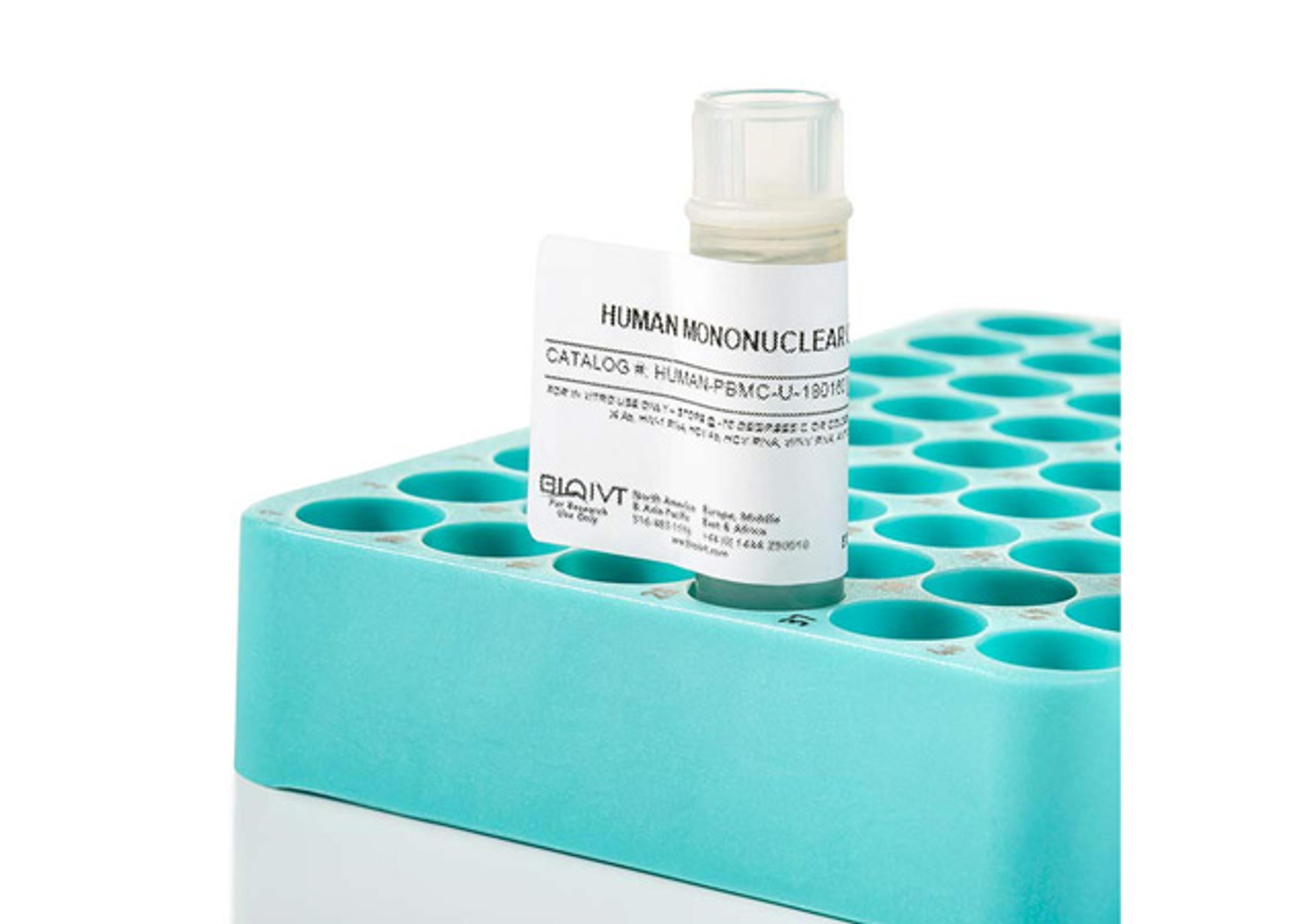
Isolated Immune Cells
BioIVTIsolated immune cells play a crucial role across the stages of drug discovery and development from biomarker and target identification through screening and safety assessment to manufacturing. They can be used to create disease models, cell lines, gene editing techniques and more.
Blood, Plasma and Serum
BioIVTBioIVT supplies high quality, ready to ship or custom plasma, serum, and whole blood—both normal and disease-state—collected from a diverse pool of consented donors under IRB-approved protocols or a wide variety of species.
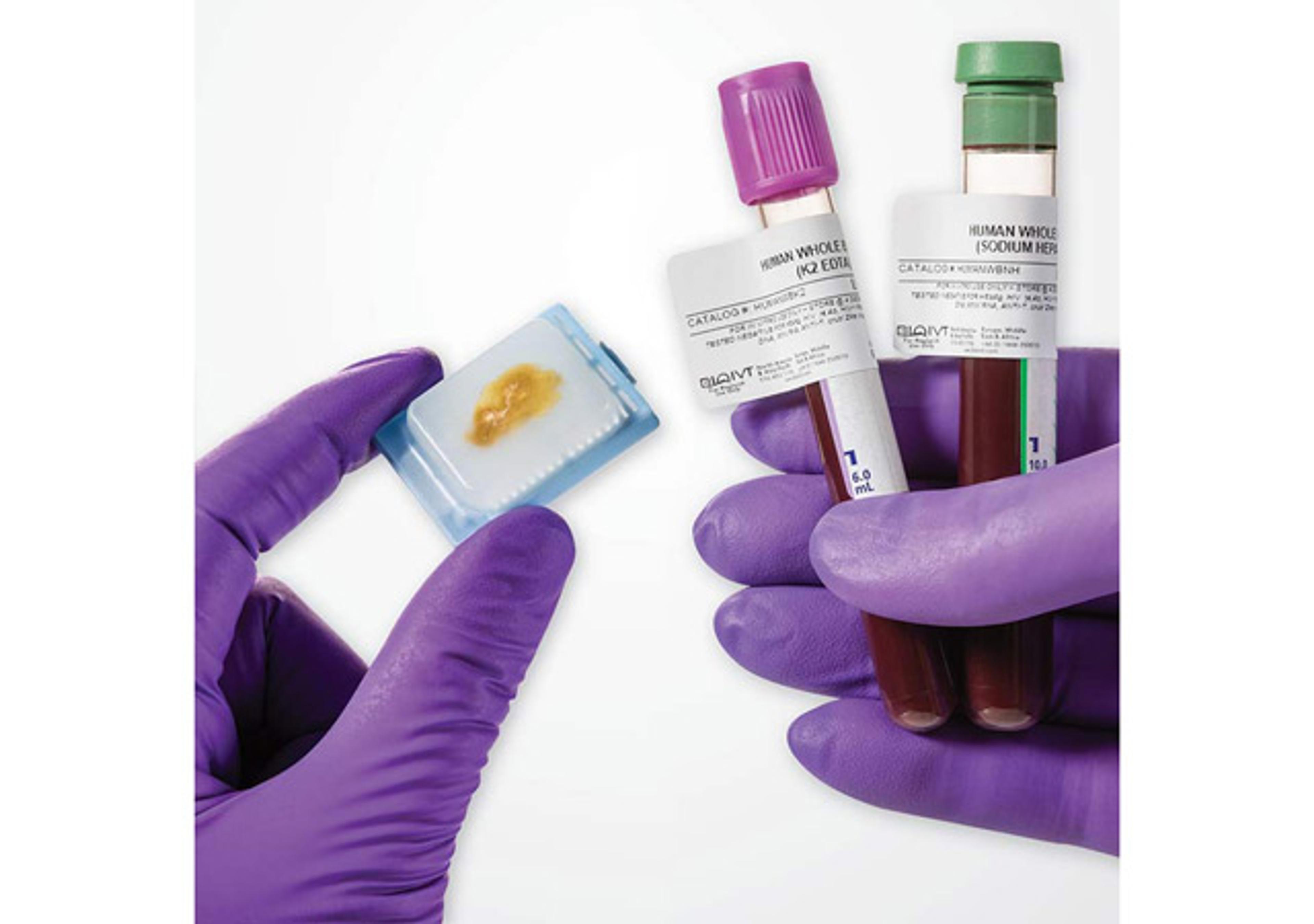
Clinically-Collected Specimens
BioIVTBioIVT has the expertise in the processes required for ethical acquisition of biospecimens that cover a wide range of disease states and the protocols needed to produce reliable data. With over 425 IRB-approved clinical sites, BioIVT provides clinical specimens for nearly all disease states.
Links
Tags
Frequently asked questions
Show frequently asked questions
How can disease state donors and deep clinical metadata improve prediction of immune-related adverse events (irAEs) in immunotherapy development?
Using disease state donors with matched specimens and rich metadata (disease severity, treatment history, demographics, HLA-typing) allows researchers to mirror real-world immune complexity. This enables stratification of donors, controlled comparisons, and correlation of irAE signals with specific patient subtypes, improving prediction of toxicities from immune checkpoint inhibitors (ICIs) and CAR T-cell therapies beyond what healthy donor models can provide.
What human-relevant new approach methodologies (NAMs) help assess immunotherapy safety and modality-specific irAE risks?
Human-centered NAMs include cytokine release assays using PBMCs or whole blood, 3D organoids and organs-on-chips co-cultured with HLA-compatible immune cells, and humanized mouse models engrafted with human PBMCs or CD34+ cells. These systems reveal CRS, tissue-specific injury, and multiorgan irAEs from ICIs, CAR T-cell therapies, and bispecifics, closing predictivity gaps left by traditional animal models.
How do purified immune cell subsets and biomarker-driven strategies support safer immune checkpoint inhibitor and CAR T-cell therapy development?
Purified CD8+ T-cells, NK cells, dendritic cells, Tregs, Th17 cells, and M1/M2 macrophages enable mechanistic assays of effector function, tolerance, and polarization. Combined with longitudinal, well-annotated specimens, researchers can test candidate biomarkers (cytokines, autoantibodies, genetic factors) and link immune signatures to irAEs such as colitis, pneumonitis, CRS, and ICANS, guiding dose selection and patient stratification.