Mini organs, big breakthroughs – an Accelerating Science Forum
This Accelerating Science Forum deep dives into organoids
Join Prof. Thomas Hartung of Johns Hopkins University, Prof. John McLean of Vanderbilt University, and Prof. Simone Sidoli of Albert Einstein College of Medicine as they discuss current challenges, key and emerging applications, and the future possibilities for organoid research.
Watch the webinar now
Organoids are self-assembling 'mini organs' at the core of a new era, driving big breakthroughs in personalized medicine and next-generation therapies. These industrialized 3D in vitro models are transforming our ability to study disease biology and test and develop drugs with unprecedented accuracy, mirroring human response in ways traditional models cannot.
Join our on demand Accelerating Science Forum – held in partnership with Tecan – where world-leading experts will explore the practical blueprint for capitalizing on this breakthrough technology. As part of our Accelerating Science Feature, we will move beyond the scientific complexity to focus on how to successfully transition these powerful 3D models from the lab bench into industrialized, high-throughput screening environments to truly deliver the next generation of drug discovery.
Attend this online roundtable discussion to:
- Gain actionable insights on how to move organoid models into high-throughput screening
- Explore the critical path to achieving true functional maturity in multi-organ systems
- Hear expert predictions on the industry landscape, key applications, and pace of clinical adoption for organoids over the next five years
Certificate of attendance:
When you view the webinar you can request a certificate of attendance by emailing editor@selectscience.net.
Webinar details
- Cost: Free to attend
- Location: Online
- Duration: 60 minutes
Missed the live event? Register now to watch the full webinar recording.
Can't wait?
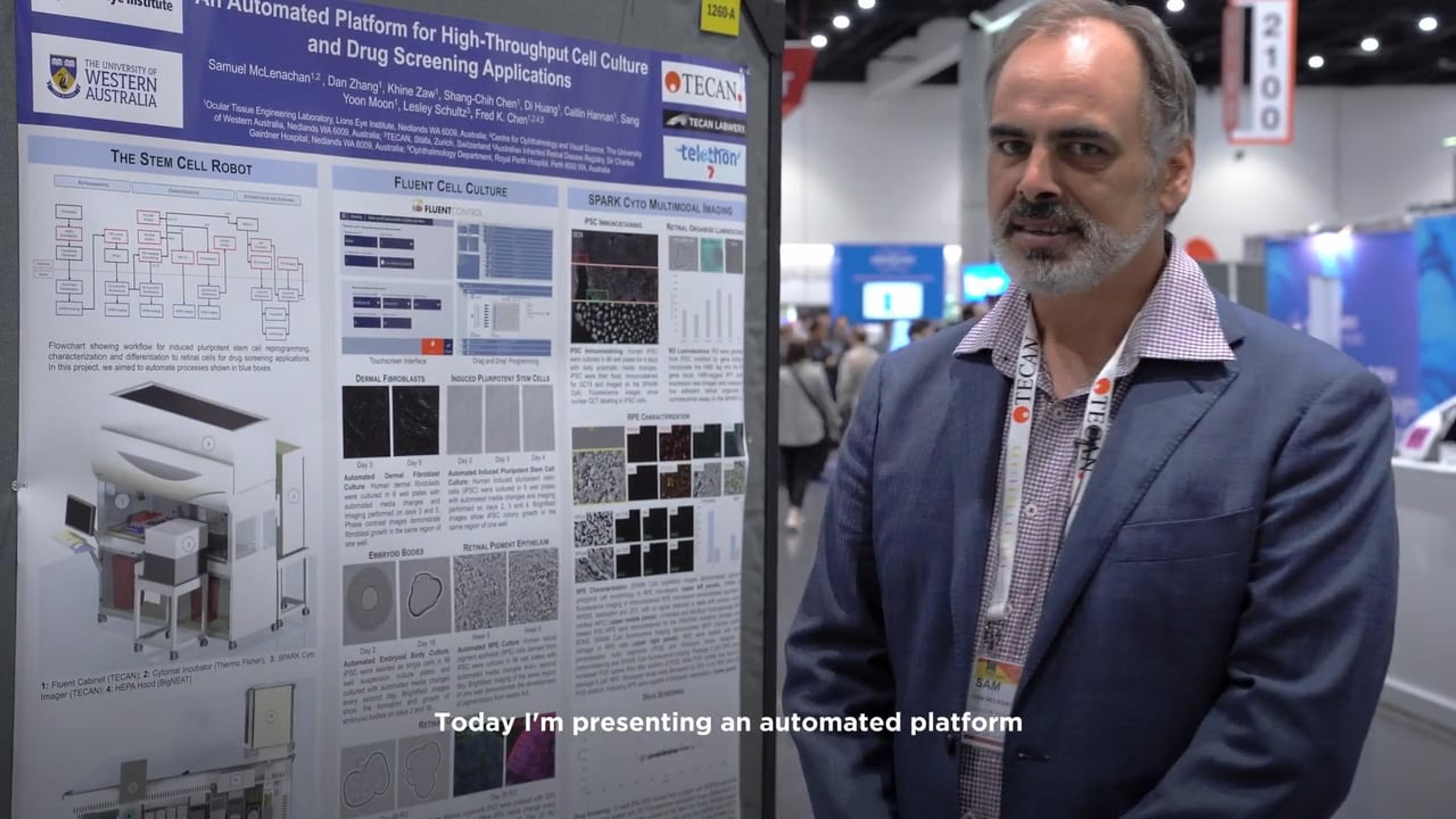
Watch this poster presentation from the Lions Eye Institute in Perth about automating the culture of various cell types, including iPSCs, dermal fibroblasts, and retinal organoids.
Spark Cyto is for research use only. Not for use in diagnostic procedures.
Speakers

Featured products
Request Quote for All Products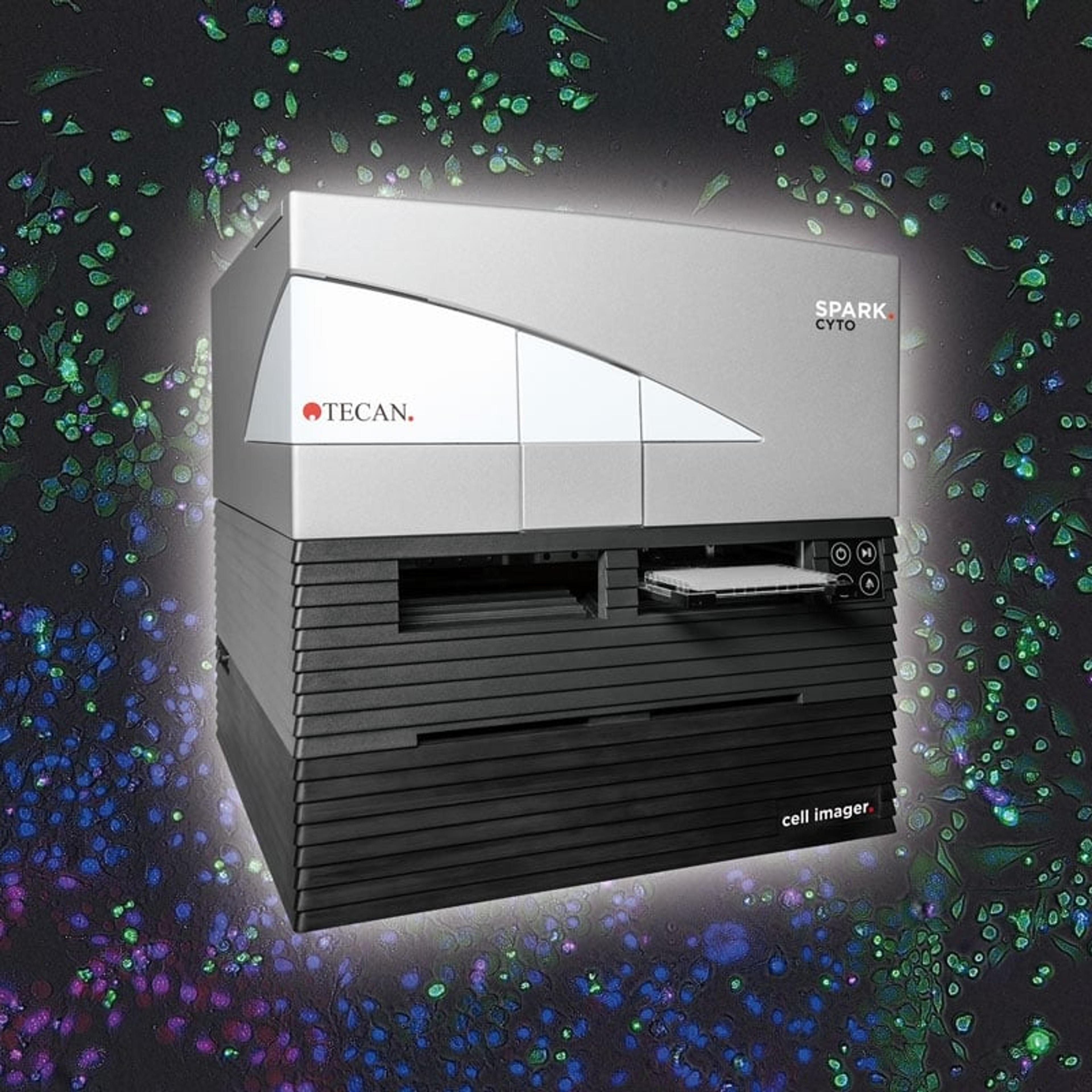
Spark® Cyto
TecanSpark Cyto is the first live cell plate reader to detect biological, chemical or physical events – capturing the maximum amount of data possible from each plate well, at the same time and under the same conditions.
What will this webinar cover?
Join the webinar to get answers to these questions:
- How can organoid models be transitioned into high-throughput screening workflows?
- What are the key steps to achieving functional maturity in multi-organ organoid systems?
- How do organoids improve disease modeling and drug testing versus traditional models?