
Organ-Chips reach new frontiers with AVATAR and next-gen preclinical testing
From scalable preclinical workflows to NASA-led investigations, Organ-on-a-Chip technology is demonstrating how New Approach Methodologies can deliver more human-relevant insights
7 Aug 2026
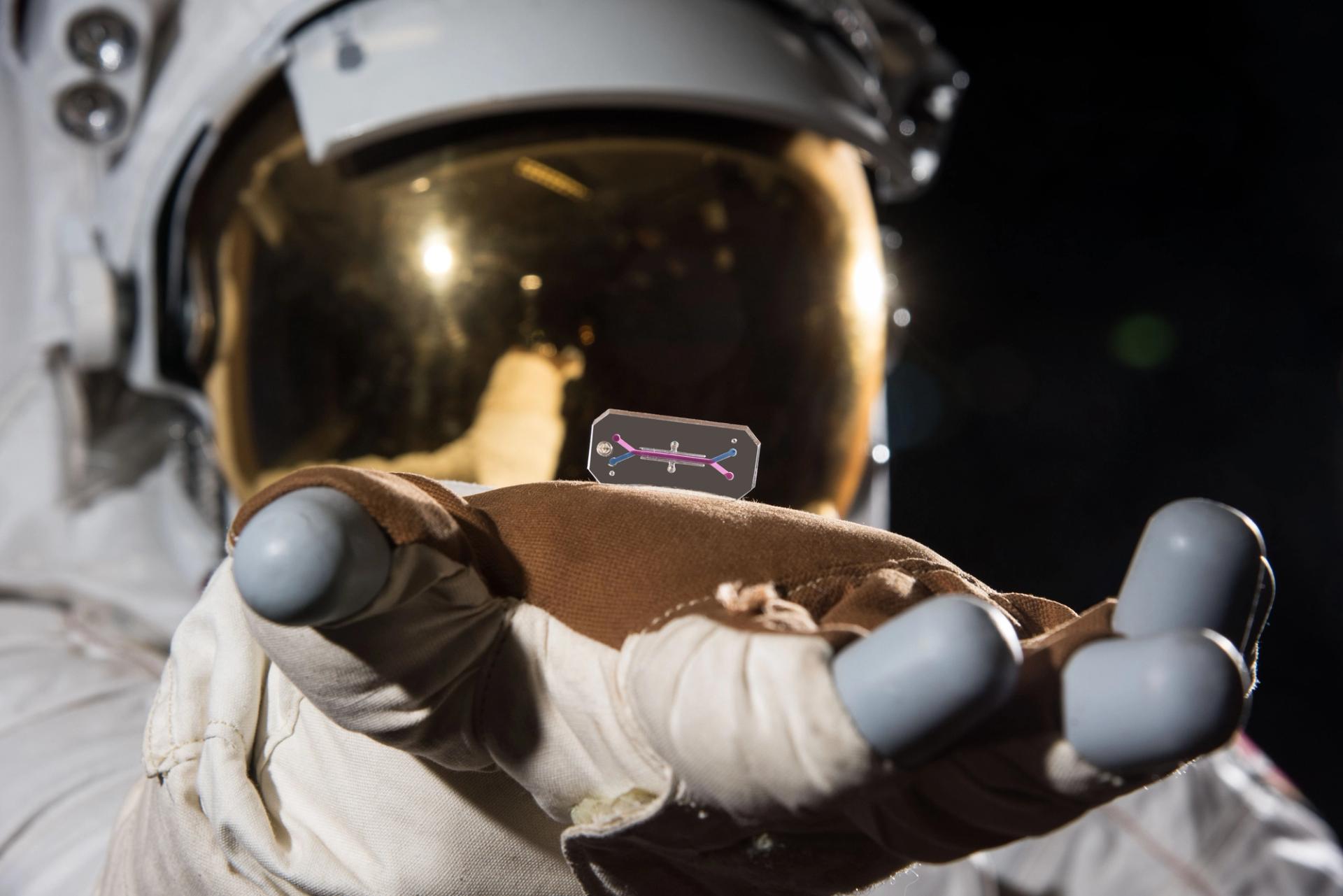
NASA’s AVATAR, or A Virtual Astronaut Tissue Analog Response, is using organ-on-a-chip devices to study how deep space conditions affect human health
It is little more than a year since the US Food and Drug Administration set out an ambitious plan to make animal testing the exception rather than the norm in drug development, beginning with monoclonal antibodies and other biologics. Since then, regulators and funders across the US, UK and and more recently Australia, have been moving in the same direction: away from routine reliance on animal models and towards New Approach Methodologies, or NAMs, that can provide more human-relevant evidence of safety and efficacy.
For pharmaceutical toxicology teams, this has created both opportunity and challenge. Organ-on-a-Chip systems, advanced computational models, 3D tissues, and other NAMs are increasingly being asked to support decisions in preclinical development. But if these methods are to reduce reliance on animals, they must be reproducible, scalable and ready to fit into established pharmaceutical workflows.
In this SelectScience® article, Dr. Lorna Ewart, Chief Scientific Officer at Emulate, and Dr. David Benson Chou, Principal Investigator, discuss how the field is evolving, how Emulate’s AVA™ Emulation System is helping address adoption challenges, and why Organ-Chip ‘avatars’ are now even being sent into space.
Solving barriers for New Approach Methodology adoption
In the last year, the discussion around NAMs such as Organ-Chips has shifted from questions of feasibility to questions of implementation. “When we talk to toxicology teams today, they are not only asking about the biology of an Organ-Chip model,” says Ewart. “They are asking how the data will be generated consistently, how it will fit into their existing infrastructure, how it will integrate with automation and imaging, and how quickly they can move from a specialized pilot to broader, repeatable use.”
Emulate has been working to solve this challenge for more than a decade, culminating in its AVA™ Emulation System, a self-contained Organ-on-a-Chip workstation that combines high-throughput microfluidic culture, environmental control, and real-time imaging in a single benchtop unit.
“AVA has helped shift Organ-Chips from an expert-driven workflow toward a platform that can be deployed more broadly, with the reproducibility, throughput and compatibility that pharma teams need,” says Ewart.
That starts with standardization. “One of the clearest examples is fluidic control,” she continues. “AVA delivers highly precise flow across up to 96 Emulations in a run, with <5% coefficient of variation.” This matters because flow rate shapes shear stress, nutrient delivery, compound exposure, and waste removal, all of which can affect tissue behavior and comparability across samples, runs, and sites.
AVA also changes how researchers monitor what is happening inside each chip. Previously, checking tissue health meant interrupting the experiment by opening the incubator, stopping flow, removing a chip, and carrying it to a microscope. “With AVA, every sample can be imaged automatically while remaining under flow, so teams can monitor tissue morphology and culture health without disrupting the biology,” says Ewart. “Those images can then be reviewed anywhere, at any time, supporting more consistent assessments across users and teams.”
With AVA, every sample can be imaged automatically while remaining under flow, so teams can monitor tissue morphology and culture health without disrupting the biology
Dr. Lorna Ewart, Chief Scientific Officer at Emulate
Building regulatory confidence in Organ-on-a-Chip data for preclinical testing
As NAM platforms become scalable, the central question for toxicology labs shifts to one of trust. Animal models have decades of data behind them, as well as established expectations for how results should be interpreted. For Organ-Chips and other NAMs to play a larger role in regulatory decision-making, they need a similarly robust body of fit-for-purpose evidence.
For Ewart, that starts with a clearly defined decision. “The question should not simply be, ‘Does this model work?’” she says. “It should be, ‘What specific decision do we want this model to inform, and what level of confidence do we need for that decision?’”
Take Liver-Chip data for drug-induced liver injury risk. The key is to define the context of use: where the model will sit in the development workflow, what comparator data already exist, what clinical concern it is being used to investigate, and how the output will influence the next decision. That may include prioritizing compounds, investigating a mechanistic signal, contextualizing risk when animal and human-relevant data do not align, or helping determine whether a candidate should progress toward the clinic.
The strongest studies, she adds, are designed with that decision in mind from the beginning. That means including appropriate positive and negative controls, clinically relevant exposure ranges, predefined endpoints, acceptance criteria, and a data analysis plan that translates the biology into an interpretable risk framework.
Just as importantly, outputs should not be treated as isolated data points. They need to be integrated with the broader evidence package, including standard toxicology results, exposure margins, pharmacology, and any known clinical or mechanistic risk factors.
“That is what makes the data useful in regulatory conversations,” says Ewart. “Regulators need to understand not only what the model measured, but why it was selected, how it was validated or qualified for the question being asked, and how the results support a specific decision.”
How Organ-on-a-Chip technology is reaching beyond earth

Dr. David Benson Chou, Principal Investigator of the AVATAR Project, a joint research program between Emulate, NASA, and Space Tango
If the push to bring Organ-Chips into routine preclinical testing shows how far the field has come, another project shows how far it can go. The same ability to study living human tissue in a controlled, dynamic environment is now being applied beyond the drug development setting, in a National Aeronautics and Space Administration (NASA) investigation called AVATAR.
AVATAR, or A Virtual Astronaut Tissue Analog Response, is using organ-on-a-chip devices to study how deep space conditions affect human health. The NASA investigation created personalized bone marrow chip models for each Artemis II astronaut using their own cells and Emulate’s Organ-Chips and sent them on the Artemis II flight around the moon to study how microgravity and space radiation influence human biology.
Now that the Organ-Chips have returned to Earth, the Emulate team, led by Dr. David Benson Chou, is analyzing the cellular and molecular changes that occurred in each crew member’s bone marrow chip in deep space conditions. These results will be compared with ground-control chips that remained on Earth, as well as blood samples collected from the astronauts before and after flight.
“This project shows Organ-Chips can be deployed to model human biology in one of the most challenging research environments imaginable," says Chou. "The collaboration reflects the growing confidence in these systems as predictive, human-relevant models, not only for drug development on Earth, but for understanding human health in extreme environments.”
Organ-Chips are no longer considered only as promising laboratory models. They are being deployed in one of the most challenging research environments imaginable, in a project focused on protecting human health
Dr. David Benson Chou, Principal Investigator of the AVATAR Project at Emulate
For NASA, the research could provide critical information about how individual astronauts respond to the unique conditions of space, helping inform future countermeasures and personalized medical kits for deep space missions.
Why NAMs are reaching a tipping point in drug development
Back on Earth, the direction of travel is clear. “There is a real sense that we are on the cusp of broader adoption,” says Ewart. “The scientific case for human-relevant models has strengthened, but just as importantly, the community is becoming more aligned around what is needed for regulatory use: defined contexts of use, reproducible workflows, transparent performance criteria, and clear frameworks for interpreting results.”
She adds that the future of NAMs adoption will not be driven by a single model or publication, but by evidence packages that demonstrate how these technologies can improve decision-making, reduce uncertainty, and better protect patients.
“That is the exciting part,” she concludes. “We are moving from proof of concept to fit-for-purpose deployment, and that is when these technologies can begin to have their full impact.”
Related products
Request Quote for All Products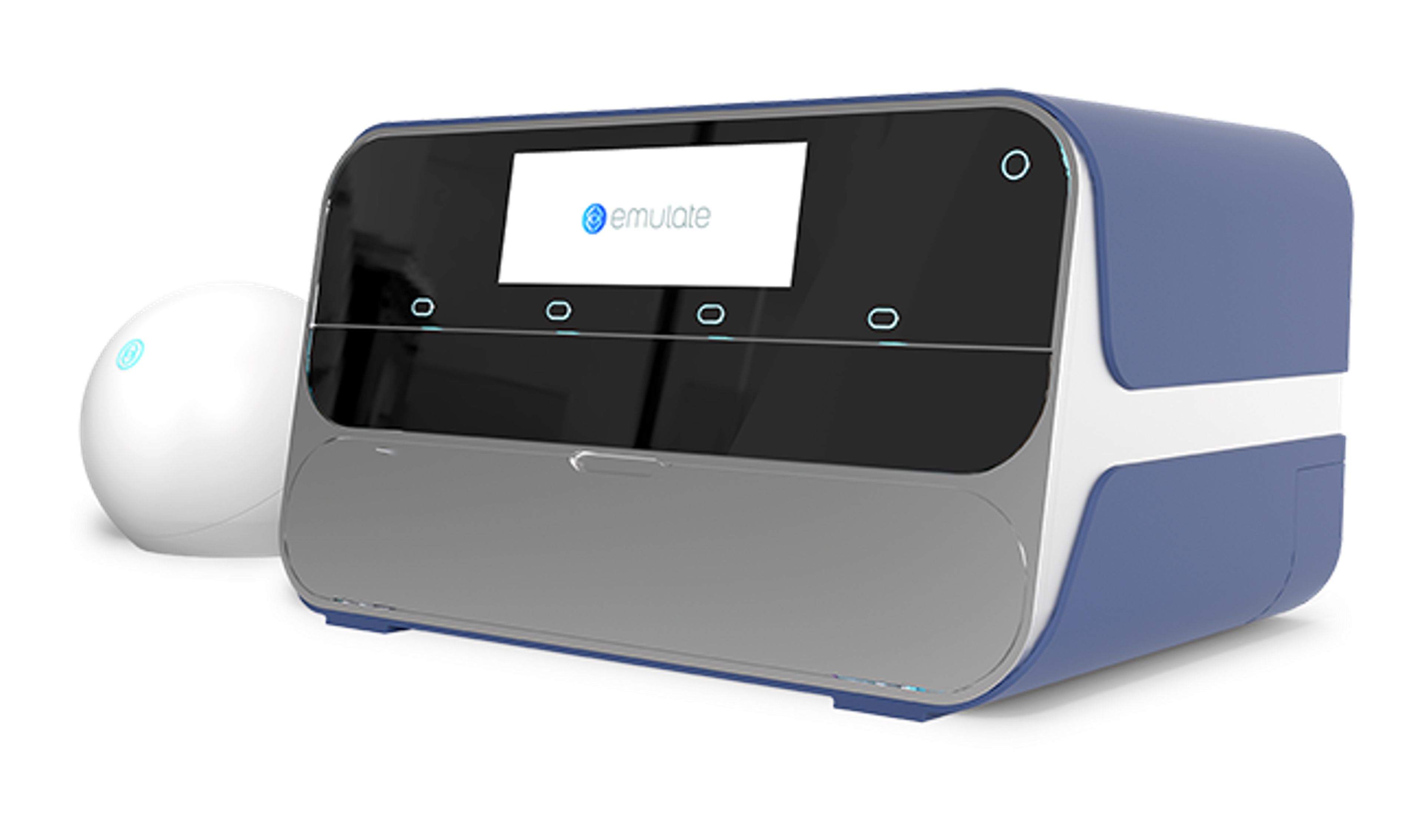
AVA™ Emulation System
EmulateAVA™ Emulation System A high-throughput Organ-Chip platform that generates human-relevant data at scale
Links
Related content

Human‑relevant drug testing reaches new throughput milestone
How Emulate's 96-chip AVA™ Emulation System is helping pharmaceutical companies transition to human-relevant testing under new FDA and UK regulatory guidelines
Could organ-on-a-chip models help replace animal drug testing?
As the FDA and NIH plan to phase out animal-based drug testing, organ-chip models are filling this critical gap
Tags
Frequently asked questions
Show frequently asked questions
What are New Approach Methodologies (NAMs)?
New Approach Methodologies (NAMs) are scientific tools and technologies designed to provide more human-relevant insights into safety and efficacy while reducing reliance on animal testing. Examples include Organ-on-a-Chip systems, advanced computational models, and 3D tissue models. Regulators and researchers are increasingly evaluating NAMs as part of future drug development workflows.
What is Organ-on-a-Chip technology?
Organ-on-a-Chip technology uses living human cells cultured within microengineered devices that replicate key functions of human tissues and organs. These systems can recreate features such as fluid flow, mechanical forces, and cell-to-cell interactions, allowing researchers to study human biology and drug responses in a more physiologically relevant environment.
What is the AVA™ Emulation System?
The AVA™ Emulation System is a benchtop Organ-on-a-Chip platform developed by Emulate. It combines microfluidic cell culture, environmental control, and real-time imaging within a single system. According to Emulate, the platform was designed to improve reproducibility, scalability, and workflow integration, helping make Organ-Chip technology more accessible for pharmaceutical research and toxicology studies.
What is the NASA AVATAR project?
AVATAR, which stands for A Virtual Astronaut Tissue Analog Response, is a NASA investigation that uses Organ-on-a-Chip technology to study how spaceflight affects human health. The project is using Organ-Chips containing tissue derived from Artemis II astronauts to investigate how factors such as microgravity and increased radiation exposure influence human biology during deep-space missions.
How are Organ-Chips helping NASA study astronaut health?
The AVATAR project sent Organ-Chips into space and is comparing the biological changes observed in flight-exposed tissues with control samples on Earth. Researchers are analyzing cellular and molecular changes in bone marrow tissue and comparing these findings with blood samples collected from astronauts before and after flight. The goal is to better understand how spaceflight impacts the human body and support the development of future astronaut health countermeasures.
Why is the AVATAR project important for drug development on Earth?
The AVATAR project highlights the growing maturity and reliability of Organ-on-a-Chip models. If these systems can be used to study human biology in the extreme conditions of space, researchers believe they may also help answer complex biomedical questions on Earth, including drug safety assessments, disease modeling, and personalized medicine applications. The project demonstrates how human-relevant models can generate insights in environments where traditional research approaches may be limited.