SelectScience Accelerating Science Feature
Organoids, spheroids, and complex living systems
In just a few decades, scientists have progressed from studying cells in flat layers to growing 3D cell culture models such as organoids and spheroids that accurately replicate human organ structure and function. These tiny but mighty organoid models provide a powerful platform for disease modeling, drug screening, and personalized medicine, offering insights into how our bodies develop, how cancer spreads, and how viruses attack, all without the limitations of traditional cell cultures or the ethical concerns of animal testing. As technologies advance through innovative 3D culture techniques, bioreactor systems, automation, high-resolution imaging, and AI-driven data analysis, organoid models are becoming more precise, scalable, and transformative for biomedical research. This Accelerating Science Feature page explores how these miniature, 3D versions of human organs are transforming the modern life sciences lab.
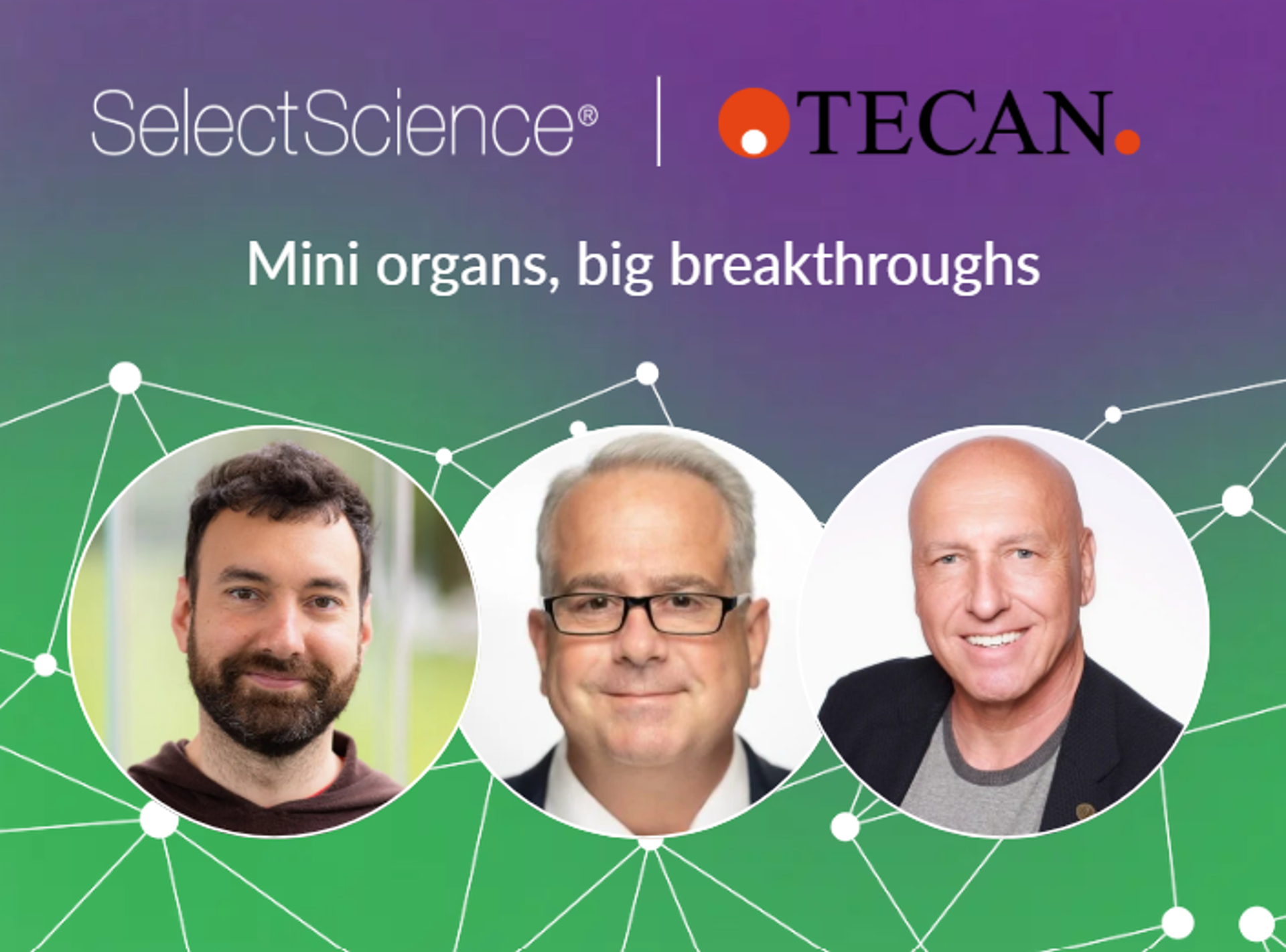
Mini organs, big breakthroughs
Our Accelerating Science Forum – held in partnership with Tecan – brought together world-leading organoid experts to discuss:
- Actionable insights on how to move organoid models into high-throughput screening
- The critical path to achieving true functional maturity in multi-organ systems
- Predictions on the industry landscape, key applications, and pace of clinical adoption for organoids over the next five years
The online roundtable discussion expands your understanding beyond the scientific complexity, and shares how to successfully transition organoids, spheroids, and powerful 3D models from the lab bench into high-throughput screening environments to truly deliver the next generation of life sciences and drug discovery research.
Watch on demandReserve your free space to gain insights from professors at Johns Hopkins University, Vanderbilt University, and Albert Einstein College of Medicine.
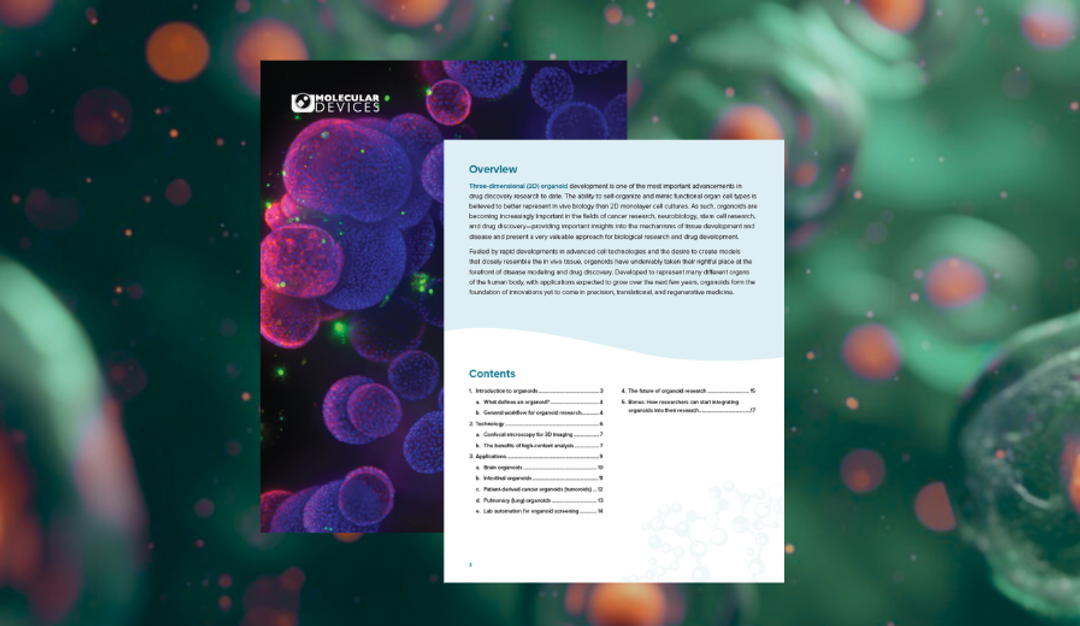
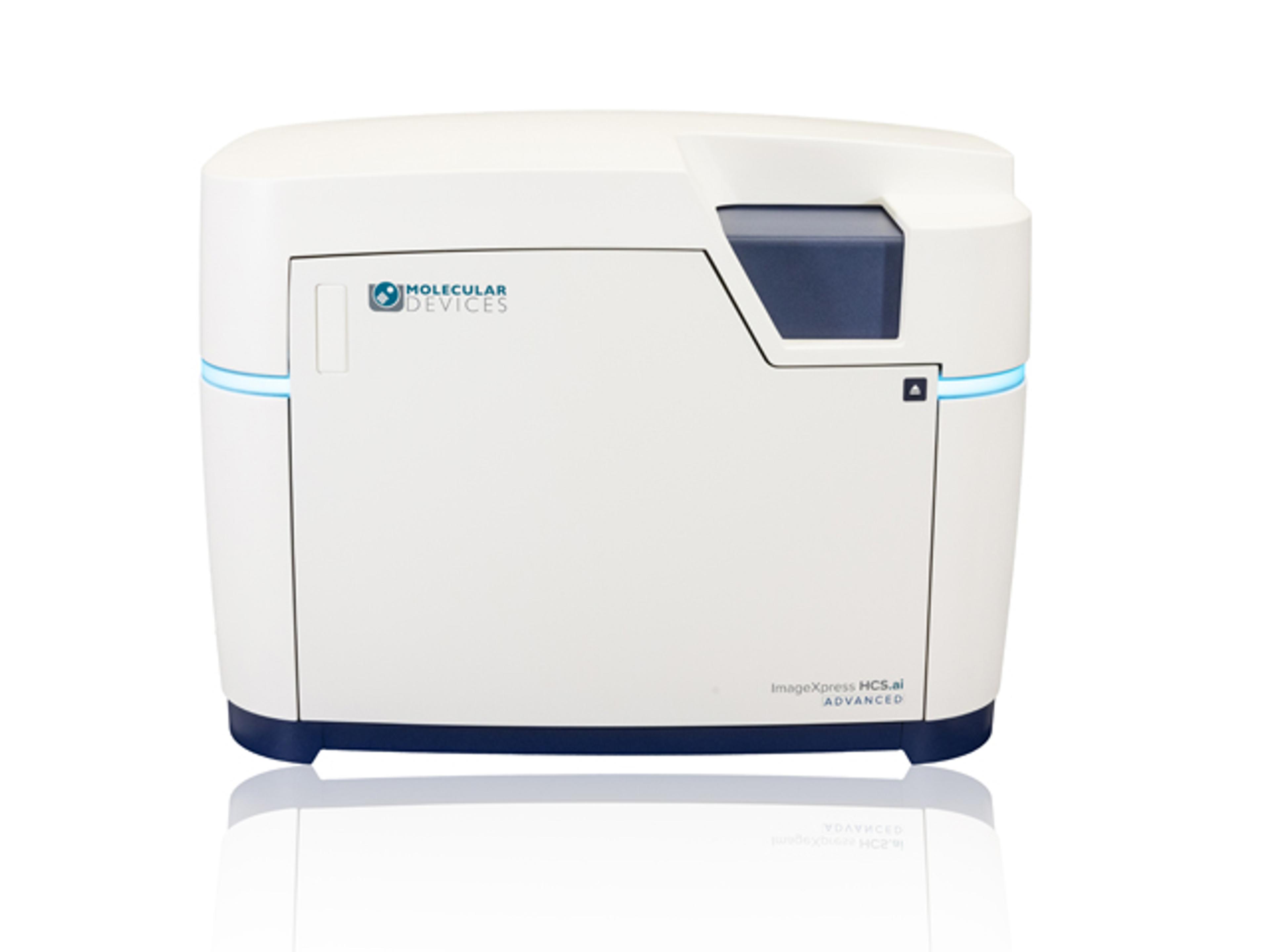
An essential guide to organoids in drug discovery
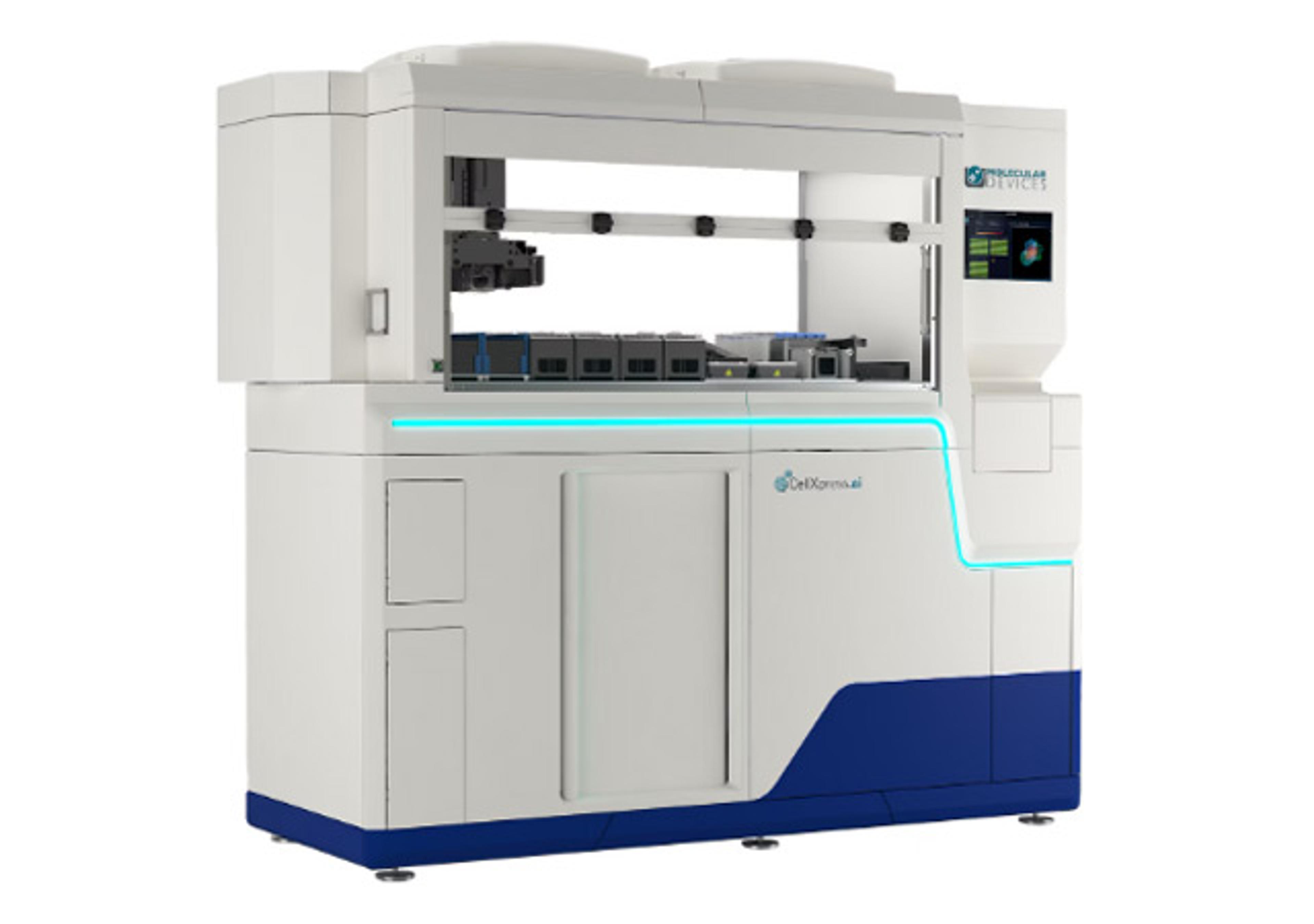
Fueled by rapid developments in advanced cell technologies and the desire to create models that closely resemble in vivo tissue, organoids have undeniably taken their rightful place at the forefront of disease modeling and drug discovery. Developed to represent many different organs of the human body, with applications expected to grow over the next few years, organoids form the foundation of innovations yet to come in precision, translational, and regenerative medicine. This eBook from Molecular Devices discusses the history, current role, and future impact of organoids in drug discovery and how you can successfully integrate organoids into your research.
Download resource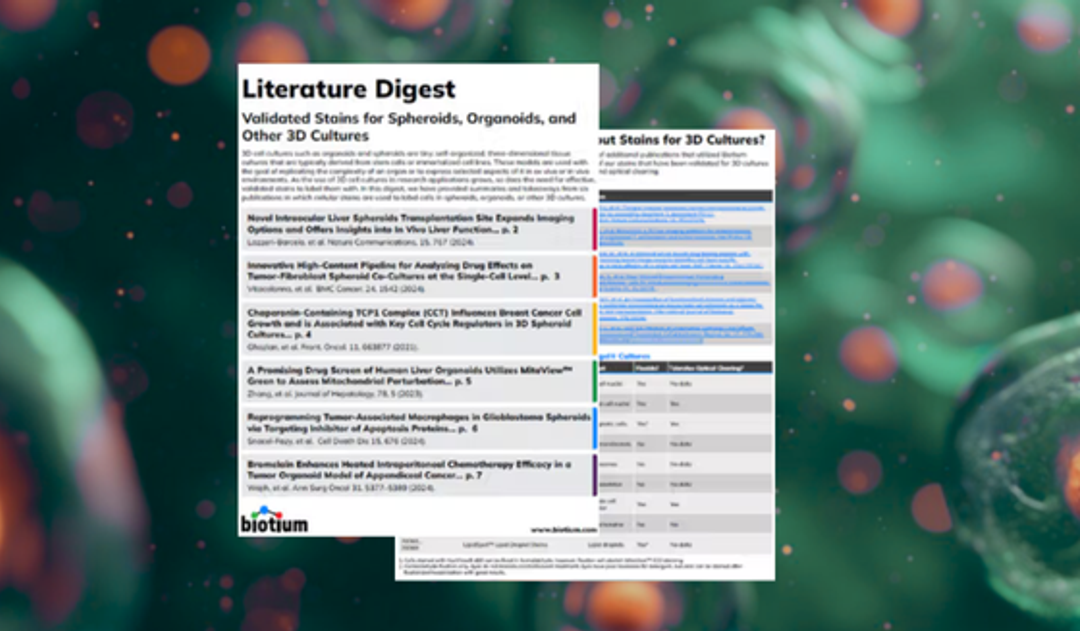
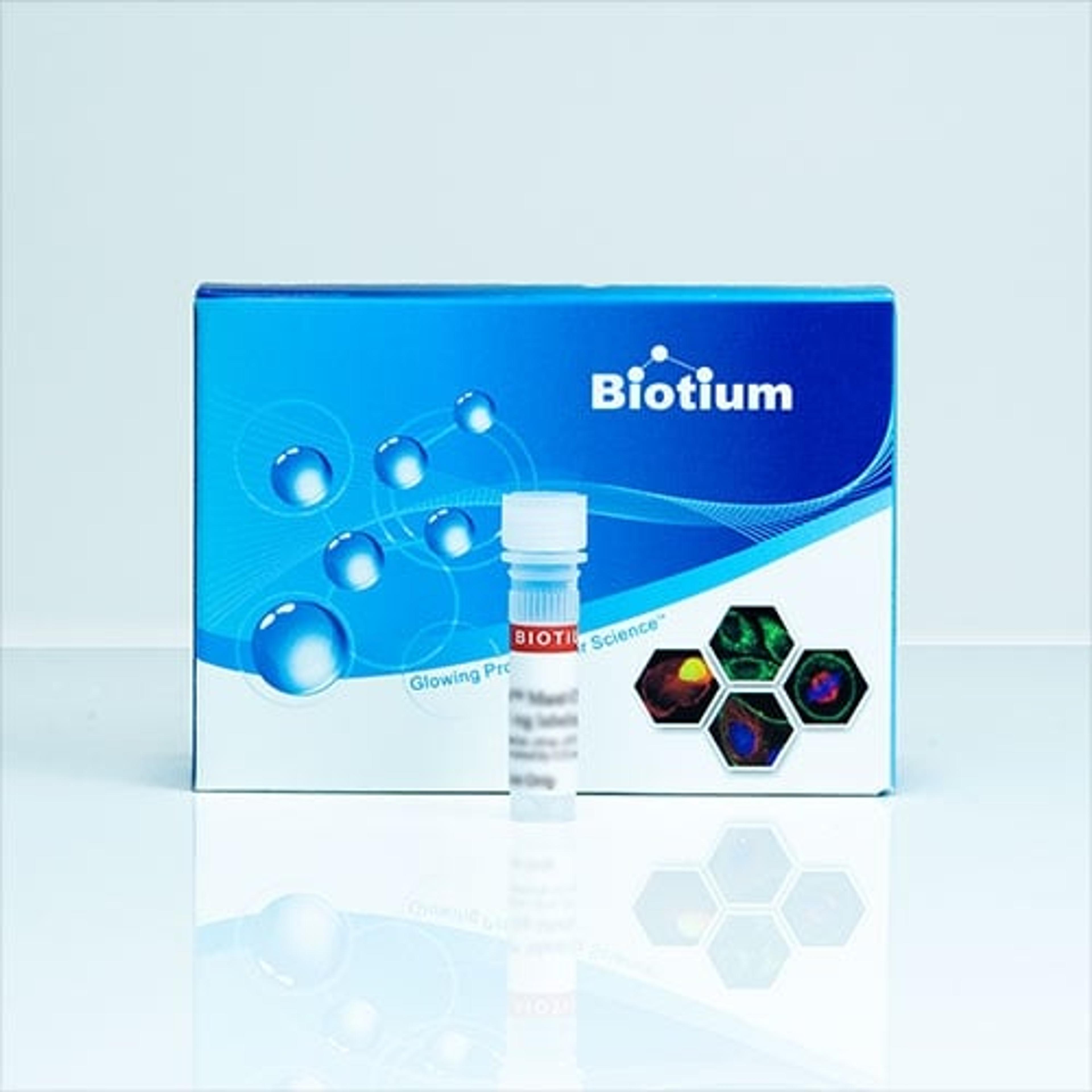
Validated stains for spheroids, organoids, and other 3D cultures
As adoption of 3D culture systems accelerates across a wide range of research fields, so does the demand for high-performance, validated cellular stains that can deliver clear, reliable results. This resource helpfully spotlights six key publications that showcase how Biotium’s unique cellular stains are successfully applied in labeling cells within spheroids, organoids, and other 3D culture systems, providing you with actionable insights and proven approaches to enhance your own 3D culture studies.
Download resource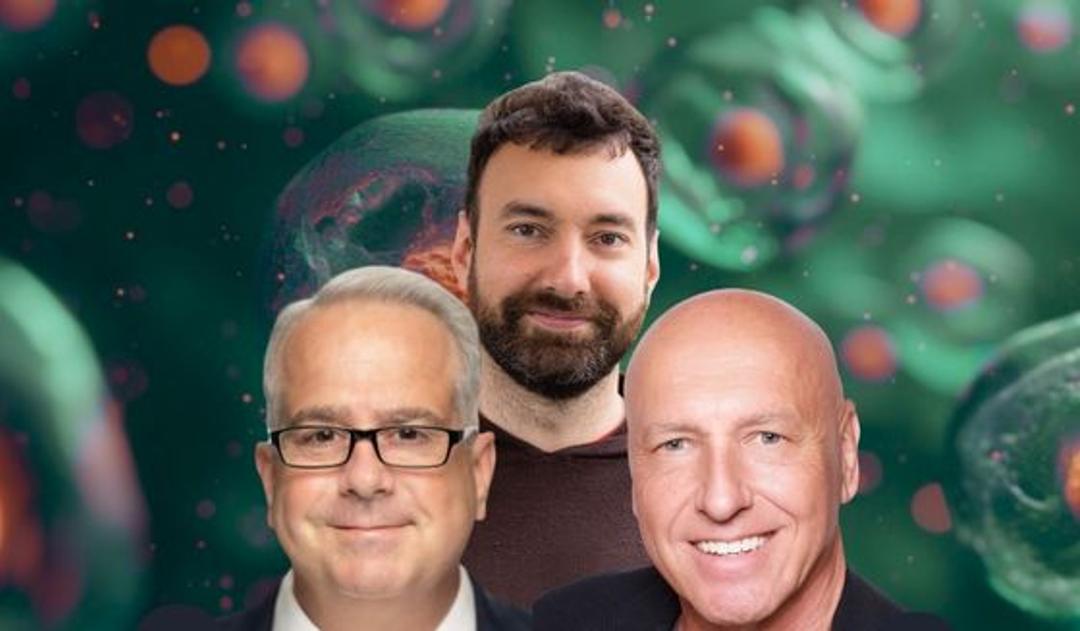
Experts explore how next-generation sequencing is evolving to open new possibilities in disease research
In our SelectScience NGS Forum, genomics leaders discussed the challenges and opportunities driving the next chapter of next-generation sequencing
Read Article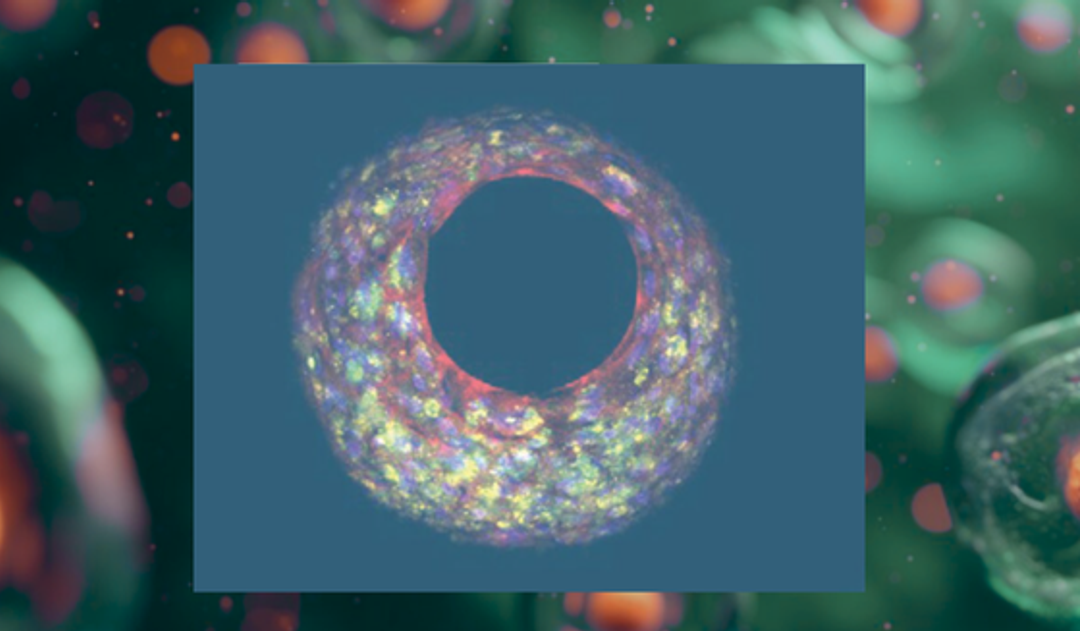
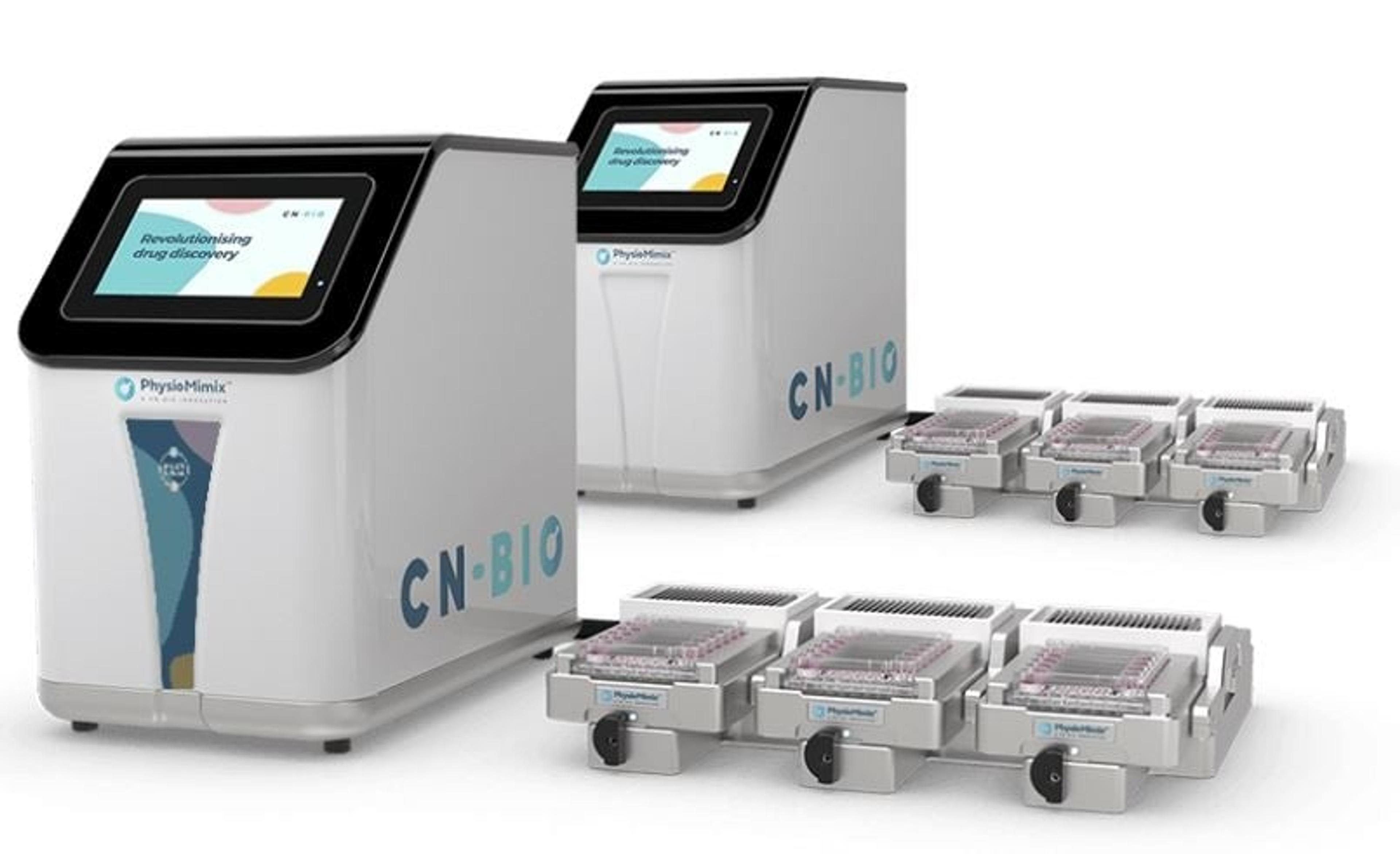
How to enhance physiological relevance in 3D cell culture
To address limitations in organoid application, microphysiological systems (MPS) have emerged, which enable perfused cultures and improve tissue viability and function. Organ-on-a-chip (OOC) platforms go a step further by integrating multiple cell types and organ models for superior longevity, assay sensitivity, and biomarker generation. This whitepaper from CN Bio shares how these advanced in vitro models bridge preclinical and clinical gaps, reduce animal testing, and accelerate regulatory-compliant drug development.
Download resource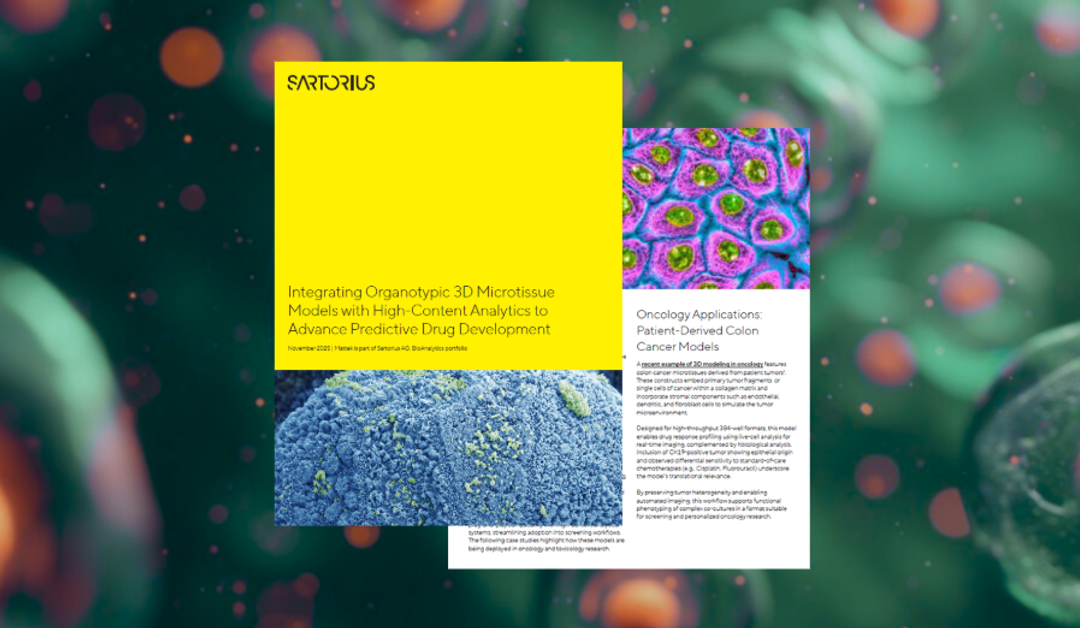
Integrating organotypic 3D microtissue models with high-content analytics
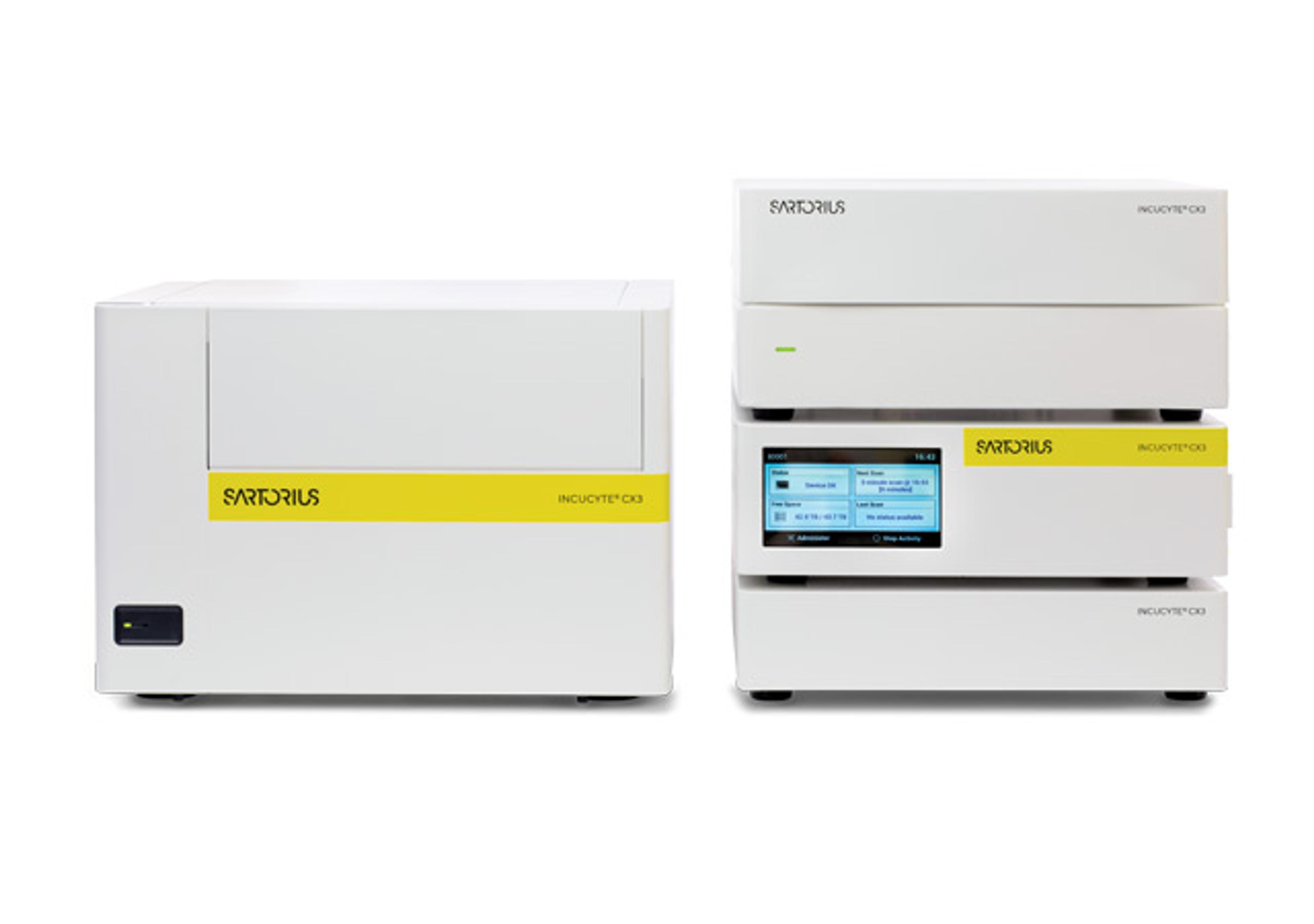
When combined with high content imaging and quantitative analysis tools, organotypic 3D microtissue models offer a scalable, reproducible, and human-relevant platform for evaluating therapeutic efficacy and safety. These five case studies illustrate how integrated workflows, built around Sartorius' microtissue technologies and Incucyte® Live-Cell Analysis System, enable more predictive and informative drug development decisions.
Download resource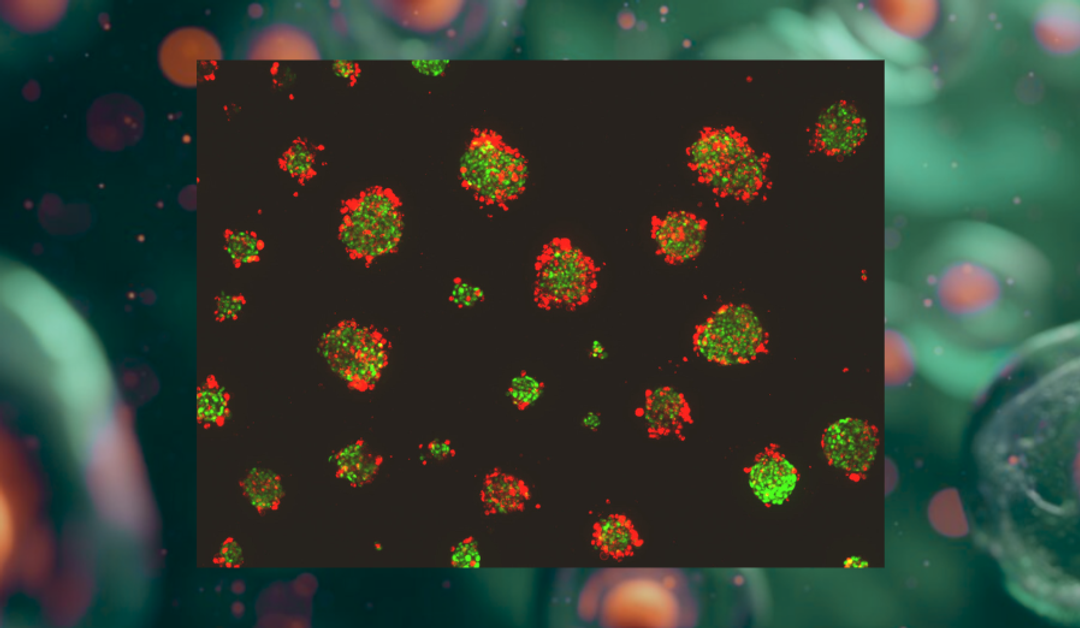
Live-cell analysis and spheroid models for compound screening
Phenotypic screening, which measures defined changes in cellular phenotype in response to a multitude of compounds, is essential in early-stage drug discovery. Explore a study that investigates the integration of a 3D single spheroid model with live-cell analysis for phenotypic drug screening, where a library of 880 FDA-approved drugs was profiled to assess changes in spheroid size and viability.
Download resource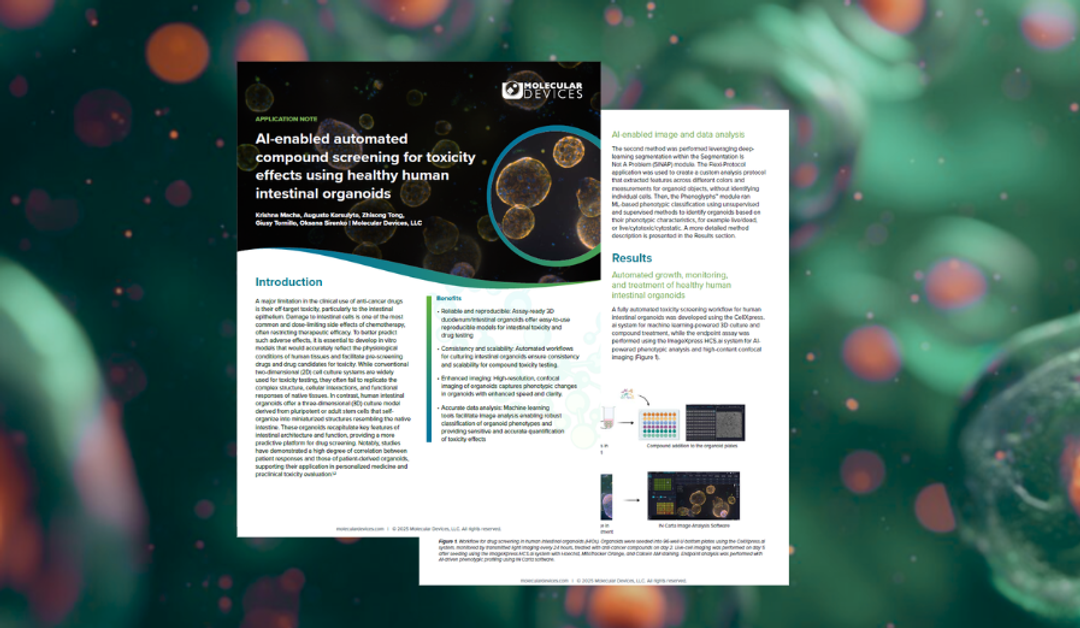
AI-enabled automated compound screening for toxicity using intestinal organoids
Discover a fully automated, AI-powered, and scalable workflow that integrates automated organoid culture, compound dosing, and high-content imaging with machine learning–driven phenotypic analysis.
Download resource
How organ-on-a-chip technology delivers human-relevant results
Dr. Thomas Kostrzewski, Chief Scientific Officer at CN Bio shares his expert insight into why organ-on-a-chip technology outperforms traditional 2D cell cultures and animal models
Read article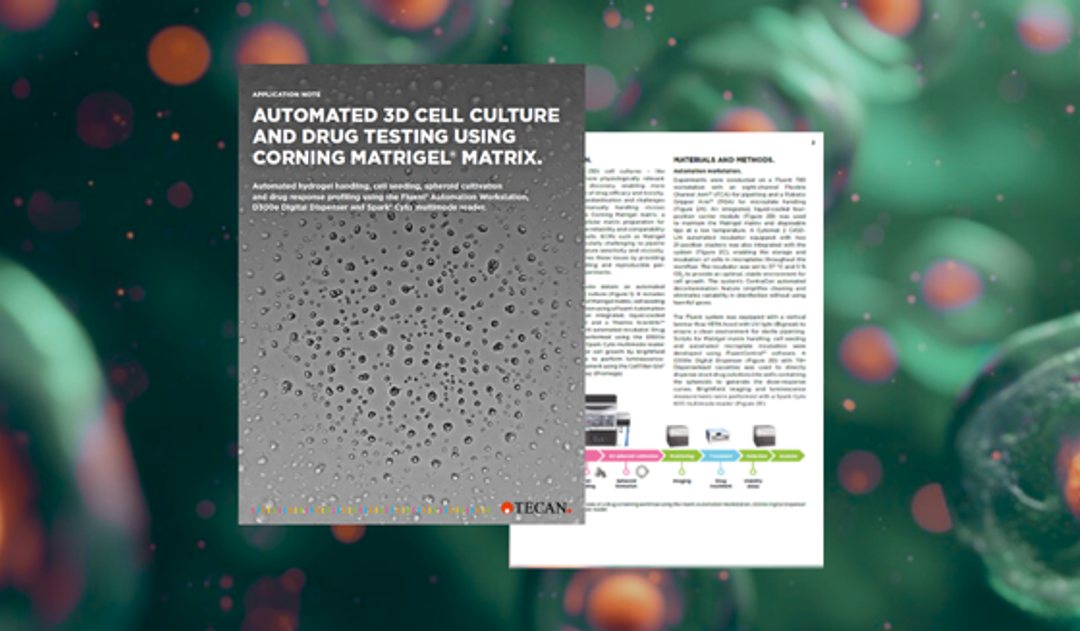
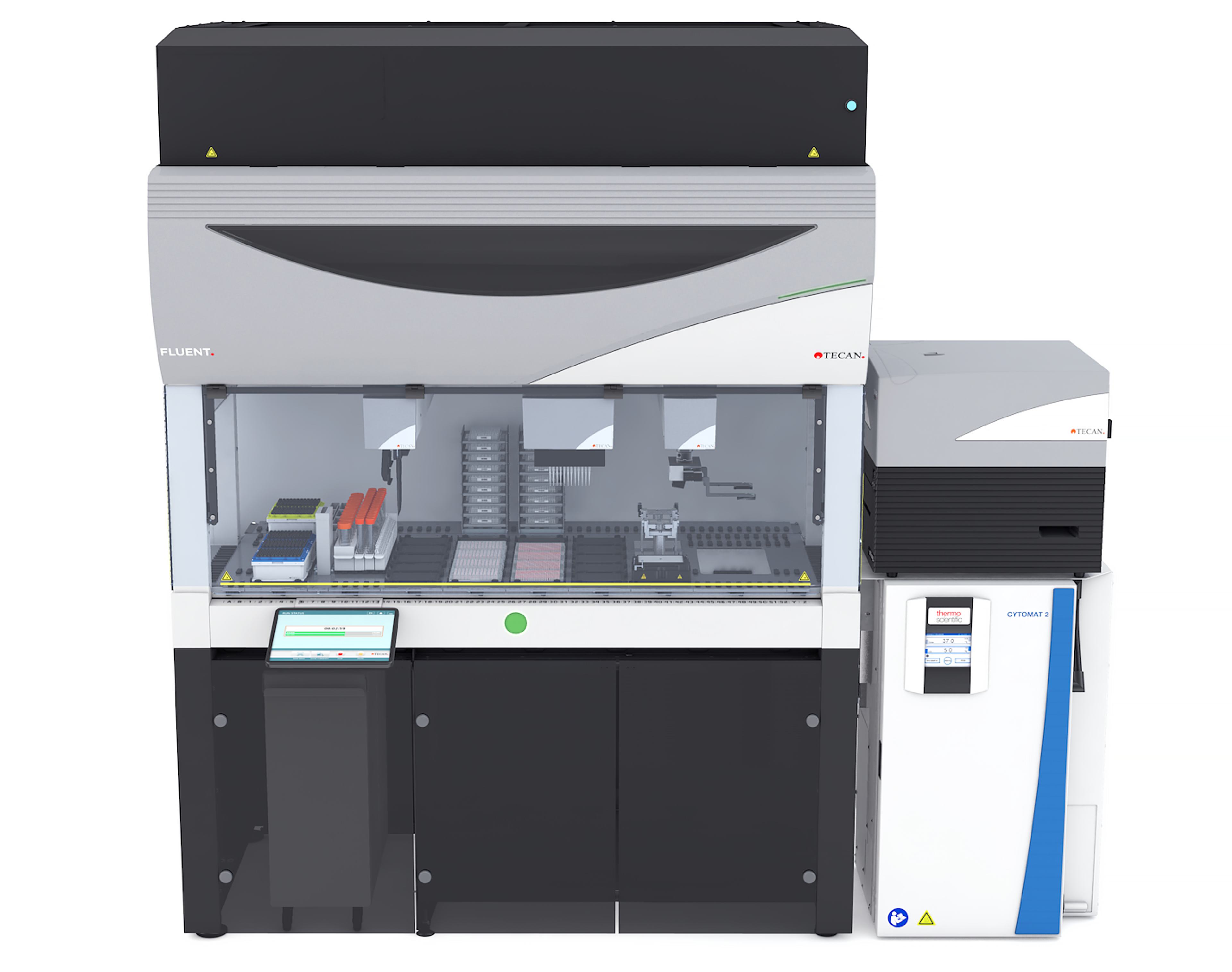
A comprehensive automated 3D cell culture workflow from Tecan
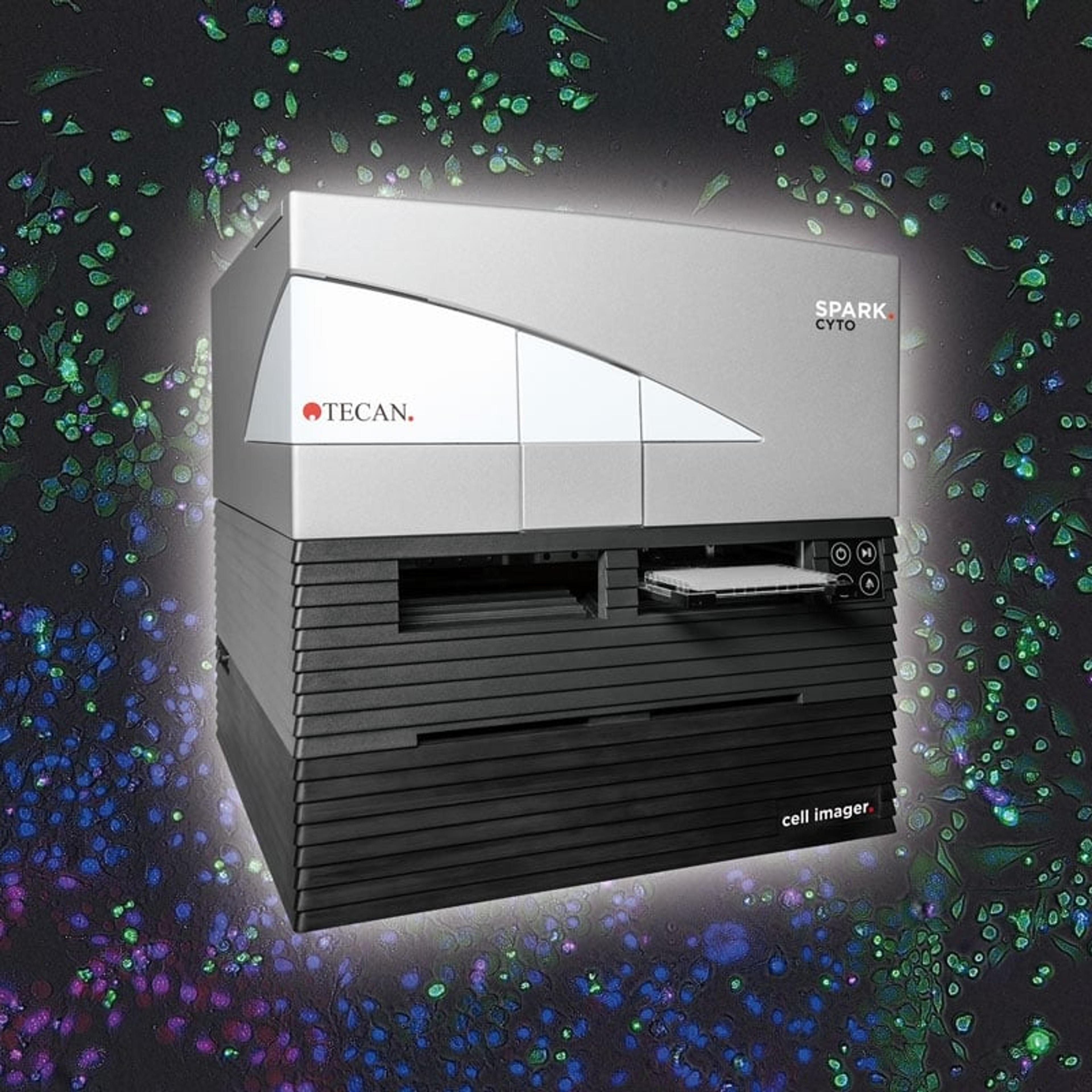
Automated hydrogel handling, cell seeding, spheroid cultivation, and drug response profiling can be achieved using the Fluent® Automation Workstation, D300e Digital Dispenser and Spark® Cyto multimode reader from Tecan.
Download resource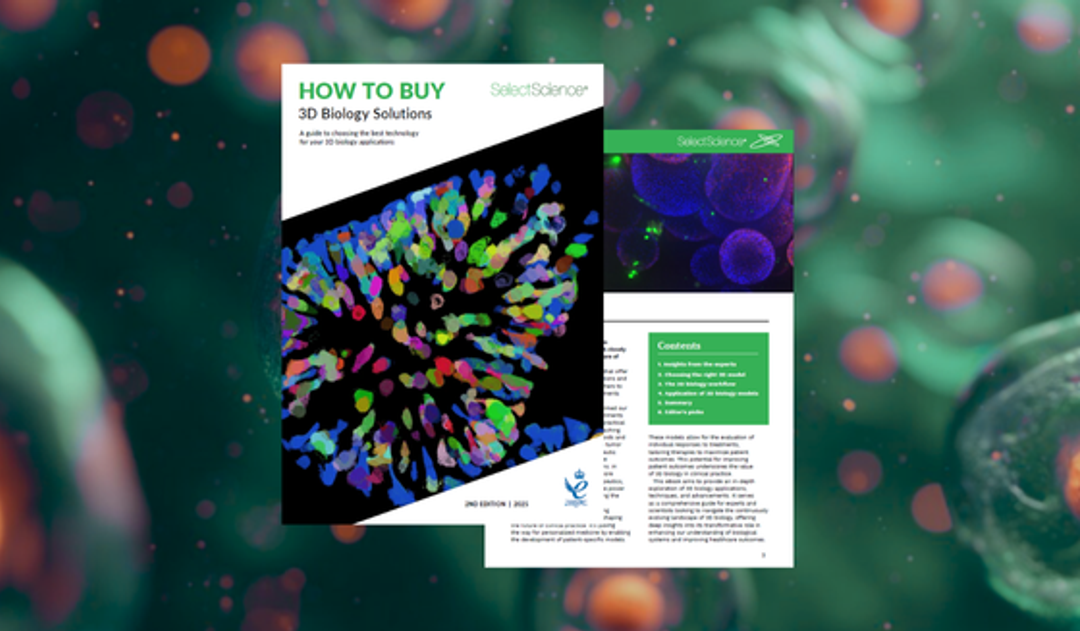
How to choose the right 3D biology solutions for you
From organoids and spheroids to organ-on-a-chip platforms and bioprinted tissues, modern 3D cell culture methods are revolutionizing disease model development and precision medicine research. Whether you are focused on cancer biology, drug screening, or working with patient-derived cells, choosing the right tools is critical. This free eBook provides expert guidance on selecting the best 3D biology solutions for your lab, with tips tailored to every stage of your workflow.
Download free eBookNew approach methodologies
New approach methodologies (NAMs) are innovative, non-animal testing strategies that use advanced technologies such as in vitro systems, computational modeling, and high-throughput screening to study biological processes and assess chemical safety. These methods are designed to provide more human-relevant data, reduce reliance on traditional animal models, and accelerate research by offering faster, cost-effective, and ethically responsible alternatives.
NAMs are crucial for the future of life sciences because they enable precision in predicting human responses, support regulatory compliance with evolving ethical standards, and foster breakthroughs in areas like toxicology, drug development, and environmental health. By integrating NAMs, researchers can improve scientific accuracy while promoting sustainability and humane practices in research.
Want to get the latest NAM news straight to your inbox? Become a member for free here.