
The essential guide to organoids in drug discovery
19 Oct 2025In this application note, Molecular Devices provides a helpful guide on organoids in drug discovery. Three-dimensional (3D) organoid development is one of the most important advancements in drug discovery research to date. The ability to self-organize and mimic functional organ cell types is believed to better represent in vivo biology than 2D monolayer cell cultures. As such, organoids are becoming increasingly important in the fields of cancer research, neurobiology, stem cell research, and drug discovery. They provide important insights into the mechanisms of tissue development and disease and present a very valuable approach for biological research and drug development.
Fueled by rapid developments in advanced cell technologies and the desire to create models that closely resemble the in vivo tissue, organoids have undeniably taken their rightful place at the forefront of disease modeling and drug discovery. Developed to represent many different organs of the human body, with applications expected to grow over the next few years, organoids form the foundation of innovations yet to come in precision, translational, and regenerative medicine.
Resource details:
- Resource type: Application notes
- Pages: 20
- Read time: 30 mins
Related products
Request Quote for All Products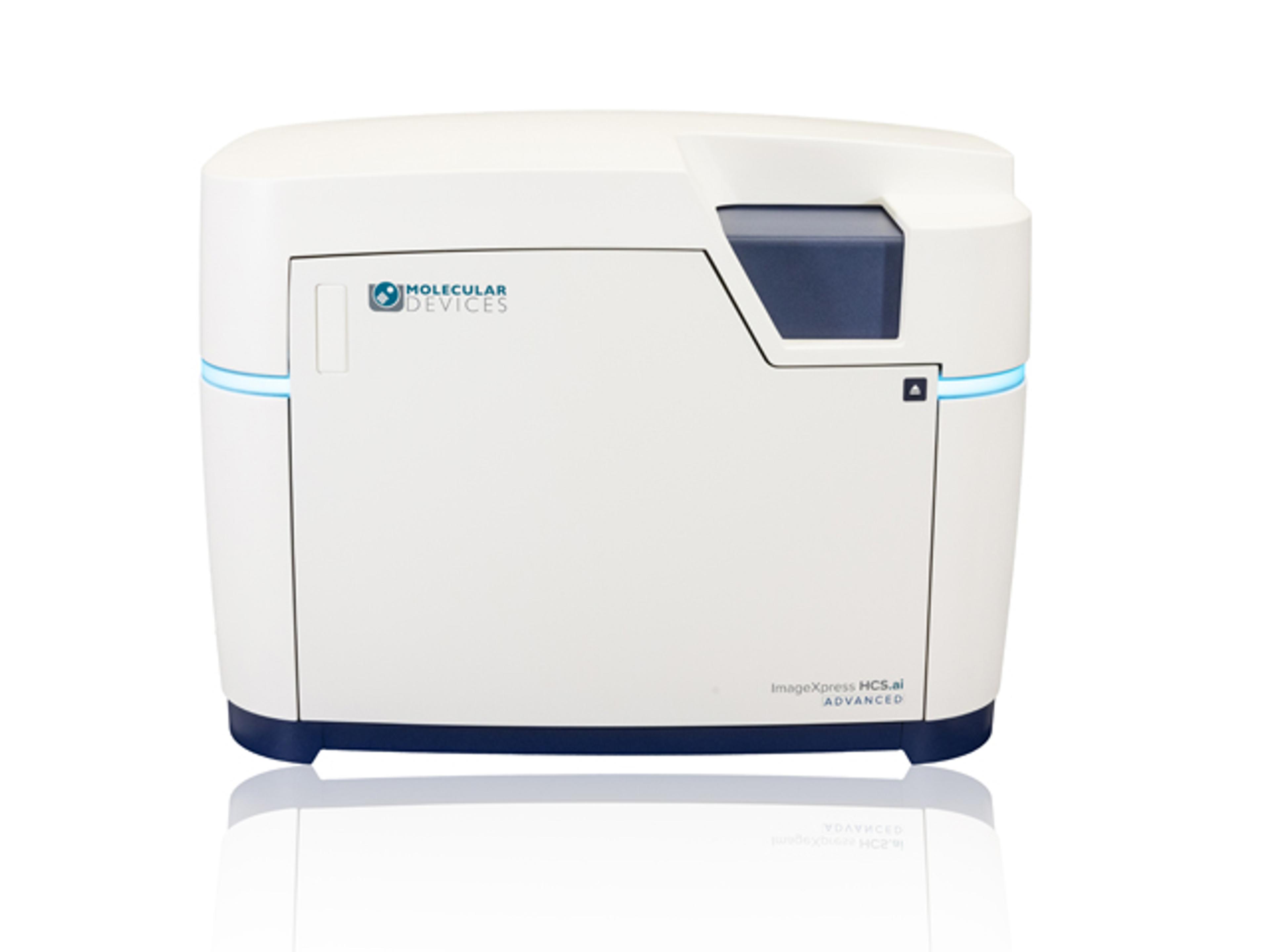
ImageXpress HCS.ai High-Content Screening System
Molecular Devices®A fast, intuitive and versatile system delivering deeper insights for every lab
MetaXpress High-Content Image Acquisition and Analysis Software
Molecular Devices®High-content image analysis software featuring time lapse analysis