
Bruker highlights new technologies and latest innovations at AAPS 2026 PharmSci 360
On show will be a diverse portfolio of analytical instruments, automation systems, and data management software
27 Oct 2026
At the AAPS 2026 PharmSci 360 conference in New Orleans, US, Bruker is showcasing its latest analytical tools and software ecosystems designed to accelerate pharmaceutical research, drug development, and manufacturing workflows.
At booth 1219 Bruker’s focus reflects the core themes of the conference – the transition from standalone testing to interconnected, automated, and AI-driven processes across the entire therapeutic lifecycle:
Bioanalytics and discovery
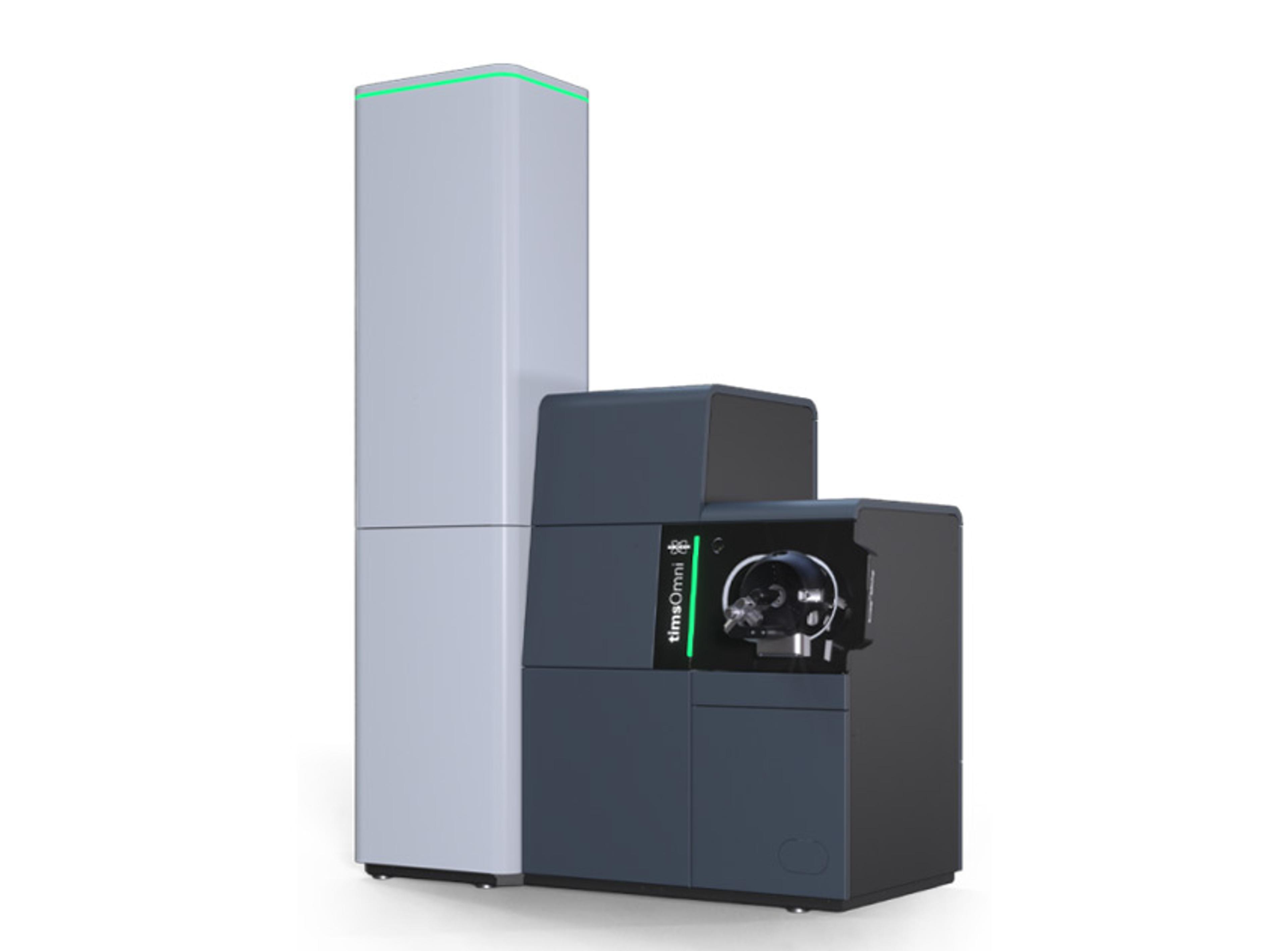
- timsTOF Platform and workflows: Bruker is detailing its timsUltra AIP (automated isotope pattern) and timsOmni™ workflows. These systems are being highlighted for functional proteomics, multi-enzyme dia-PASEF, and high-throughput structural analysis of complex biologics, drastically reducing the timeline for early-stage target characterization.
- MIMETAS integration: Team members are detailing how organ-on-a-chip technology is being combined with automated mass spectrometry workflows. This focus area demonstrates how researchers can acquire deep phenotypic and metabolic profiles directly from realistic human tissue models.
Manufacturing and analytical characterization
- Process analytical technology (PAT): Bruker is showing its updated line of process spectrometers (FT-NIR and NMR) tailored for real-time monitoring of continuous manufacturing processes, tracking everything from blending to final dosage forms.
- Air exposomics and volatile monitoring: Utilizing the newly integrated TOFWERK Vocus technology, Bruker is discussing real-time monitoring workflows for volatile organic compounds (VOCs). This has applications in bioprocess headspace analysis and monitoring manufacturing environment safety.
Lab automation and digital ecosystems
- Chemspeed automation: Demonstrating automated sample processing, liquid handling, and formulation synthesis hardware built to streamline early-stage workflows.
- SciY software platform: Showcasing an interconnected lab data management ecosystem designed to move analytics smoothly into predictive AI modeling and process workflows.
Presentations and consultations
- Software demonstrations: Live walkthroughs of Bruker’s updated compliance and automation software pipelines designed to meet strict regulatory data integrity standards.
- Consultations: At Booth 1219 pharmaceutical scientists can review complex spectral data mapping and discuss targeted multi-omics applications.
Want the latest science news straight to your inbox? Become a SelectScience member for free today>>
Related products
Request Quote for All Products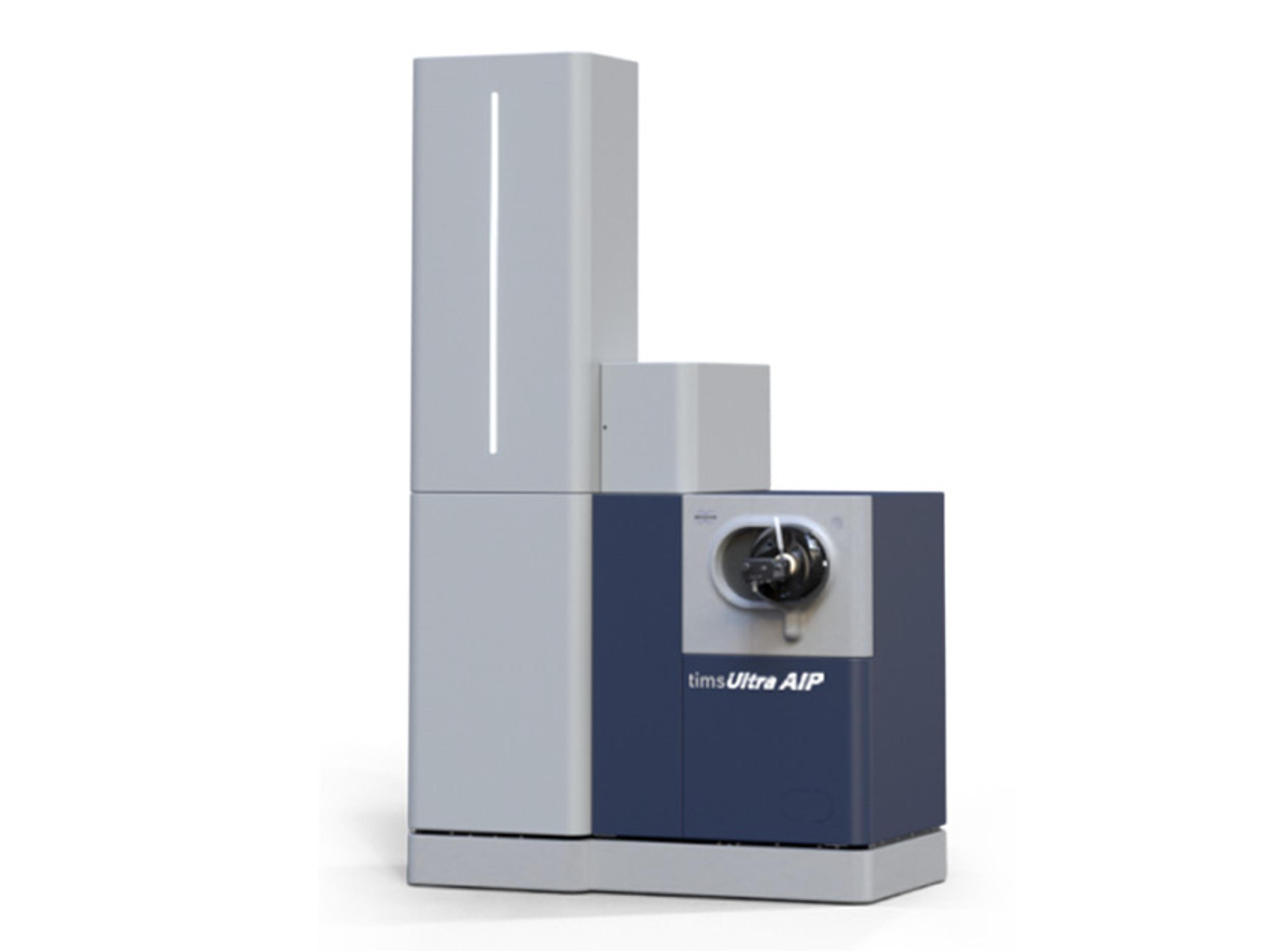
timsOmni™
Bruker DaltonicsUnlock the potential of omnidirectional MSn and trapped eXd: Elevate MS and MSn sensitivity to new heights.
Links
Tags
Frequently asked questions
Show frequently asked questions
What pharmaceutical technologies is Bruker showcasing at AAPS 2026 PharmSci 360?
At Booth 1219, Bruker is presenting timsTOF bioanalytics workflows, MIMETAS organ-on-a-chip integration, FT-NIR and NMR process spectrometers, TOFWERK Vocus volatile monitoring, Chemspeed lab automation, and the SciY software platform for interconnected data management and predictive AI modeling.
How do Bruker’s timsUltra AIP and timsOmni workflows support drug discovery?
Bruker’s timsUltra AIP and timsOmni workflows support functional proteomics, multi-enzyme dia-PASEF, and high-throughput structural analysis of complex biologics. These capabilities can drastically reduce timelines for early-stage target characterization in pharmaceutical research and drug development.
How is Bruker advancing pharmaceutical manufacturing and laboratory automation?
Bruker is demonstrating FT-NIR and NMR process analytical technology for real-time continuous manufacturing monitoring, TOFWERK Vocus workflows for VOC analysis, Chemspeed automated sample processing and formulation synthesis, and SciY software for connecting analytics with predictive AI, process workflows, compliance, and regulatory data integrity.