Editorial ArticleDrug Discovery & Development
Nominations open for the 2027 Scientists’ Choice Awards
Tell us which new products have had the biggest impact on your lab work for a chance to win one of four $100 Amazon.com Gift Cards

Tell us which new products have had the biggest impact on your lab work for a chance to win one of four $100 Amazon.com Gift Cards
New 20-minute molecular test brings rapid identification of common causes of vaginitis directly to the point-of-care
Expert insights into sepsis collaboration, precision medicine and host-response testing for acute infections
This guest editorial from METTLER TOLEDO explores how accurate weighing, rapid moisture analysis, and digital tools support consistent snack formulation and quality control
Why automated vacuum control is the key to reducing manual errors and giving laboratory scientists their time back
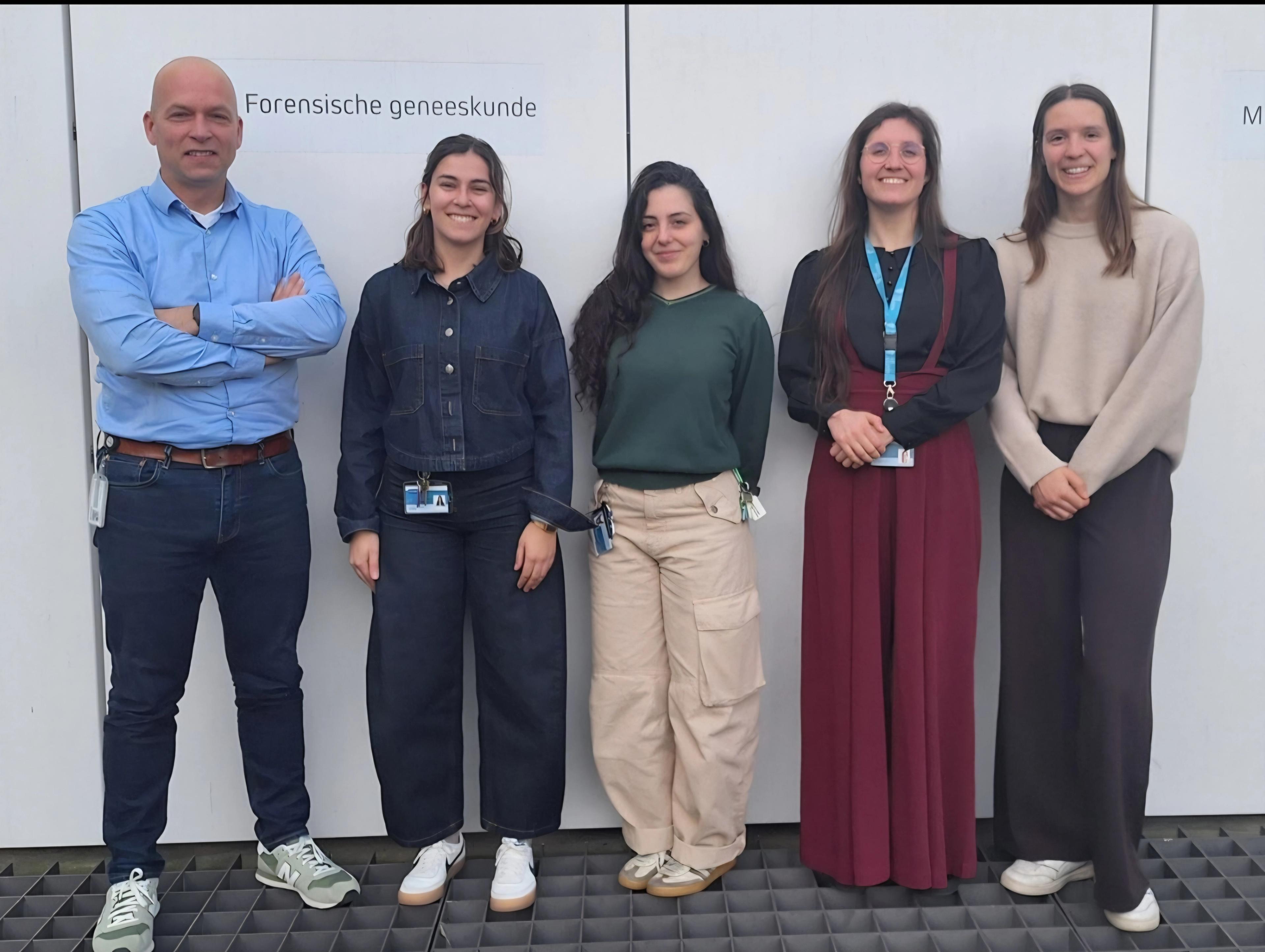
Professor Bram Bekaert and Kristina Fokias of KU Leuven explain how the MA900 Cell Sorter powers SpermFACS, a technique that recovers DNA evidence from the most degraded and delayed forensic samples
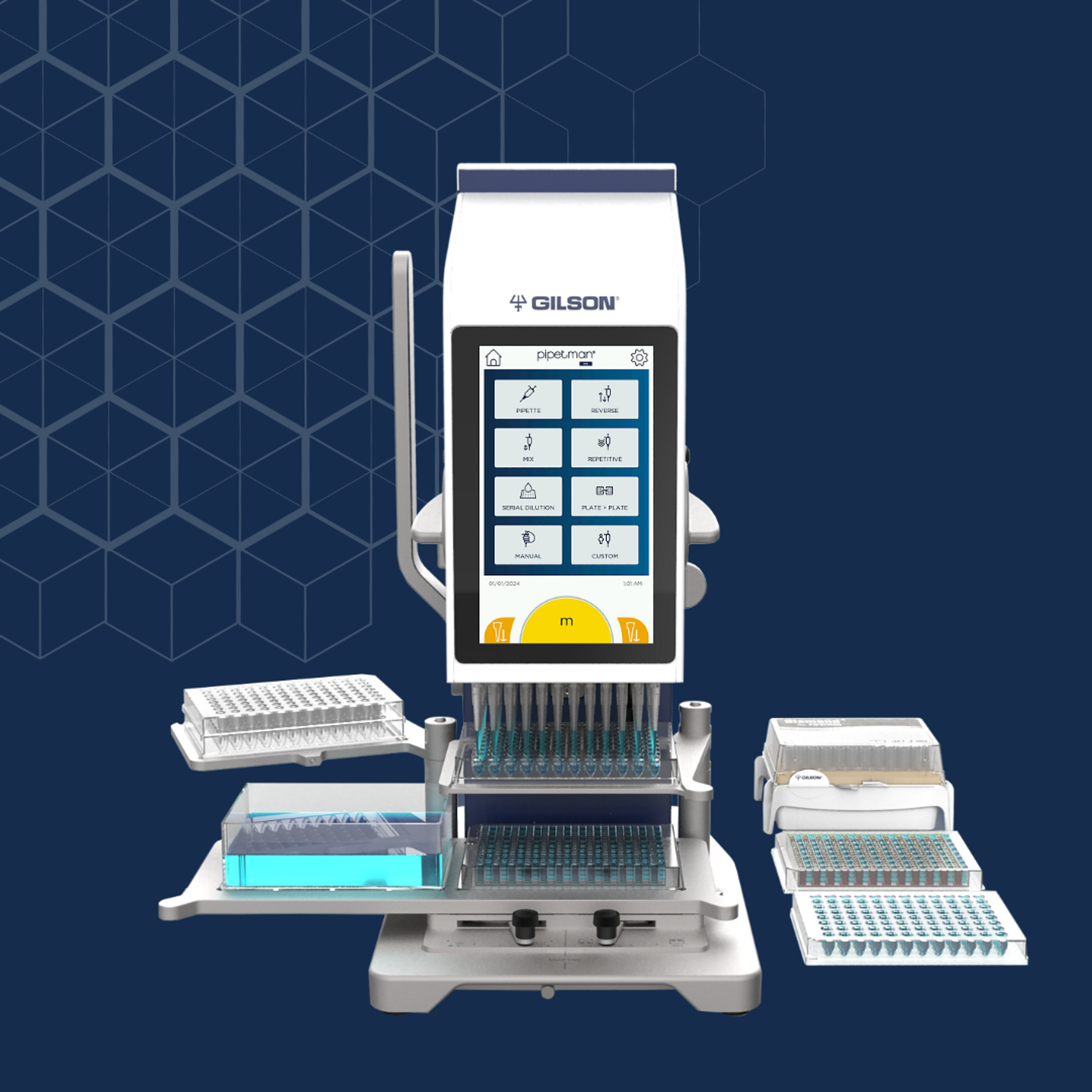
This guest editorial from Gilson explores how PIPETMAN® M96 can significantly reduce pipetting time, streamline ELISA workflows, and minimise repetitive strain in the laboratory.
Roche’s Donald Mason explains how automation, standardization, and core-lab integration could help clinical laboratories expand access to mass spectrometry-based testing
Duncan Porter explores the technologies transforming diagnostics, the barriers to adoption and where laboratory leaders should focus their innovation efforts
A specialist scientist’s move from New Zealand to Queensland reveals how choosing personal wellbeing can renew professional purpose and open the door to positive change
Diana Vargas-Gold explains how optimized, patient-specific ddPCR™ assays could support ultra-sensitive liquid biopsy and minimal residual disease monitoring in laboratories
Evotec experts explain why early de-risking is more than avoiding failure, it is about helping the right drug candidates succeed
What if you could watch living cells for days, or follow them at 100,000 frames per second, without adding a single marker?
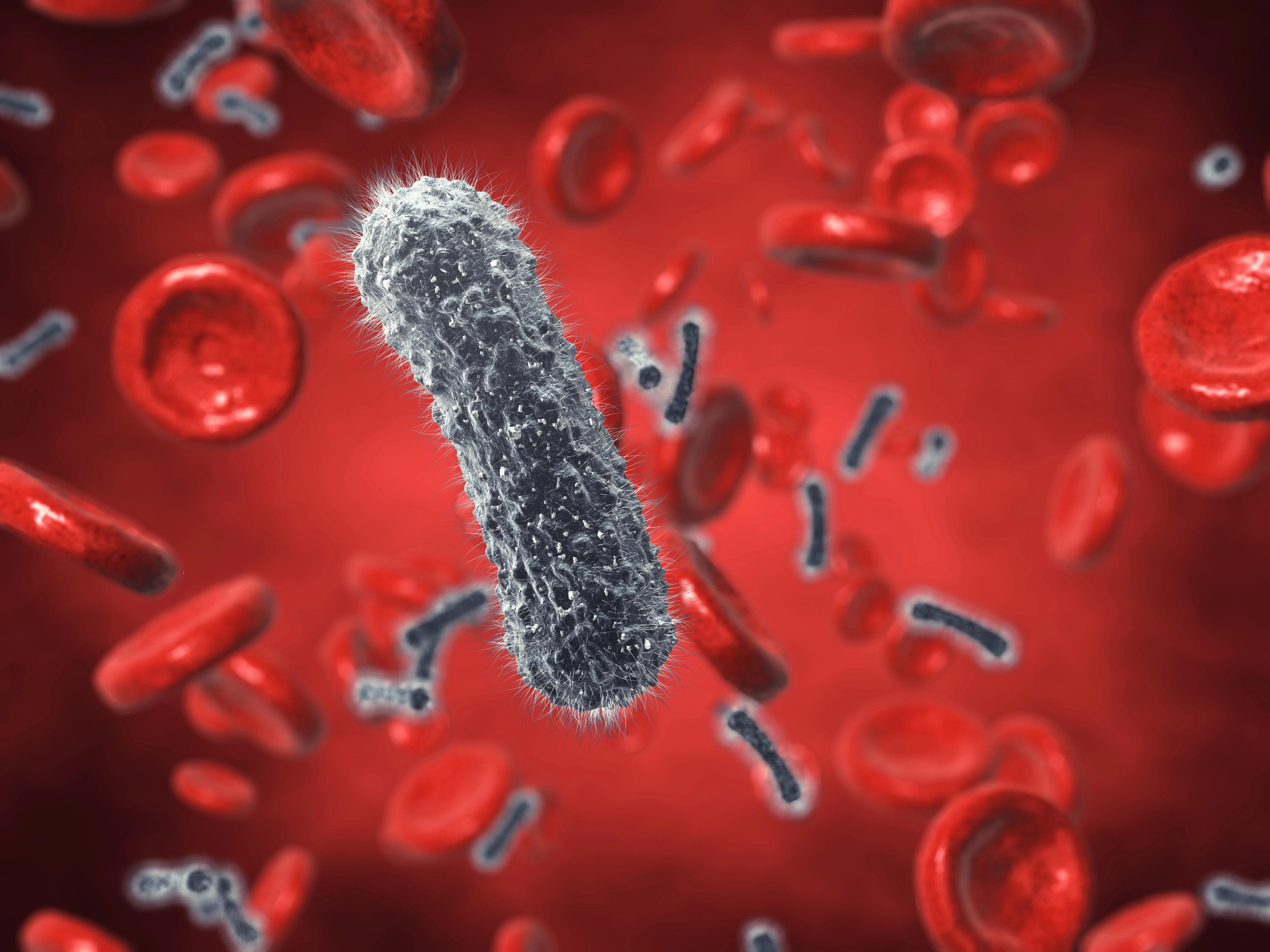
Sepsis, superbugs and speed – inside the changing microbiology laboratory
Leandro Neves, Senior Global Director of R&D Genomics at LGC, discusses the technologies, challenges, and opportunities shaping the future of genomic analysis
Guest editorial features key takeaways from Balancing the Future Podcast, season 2, episode 11, by METTLER TOLEDO
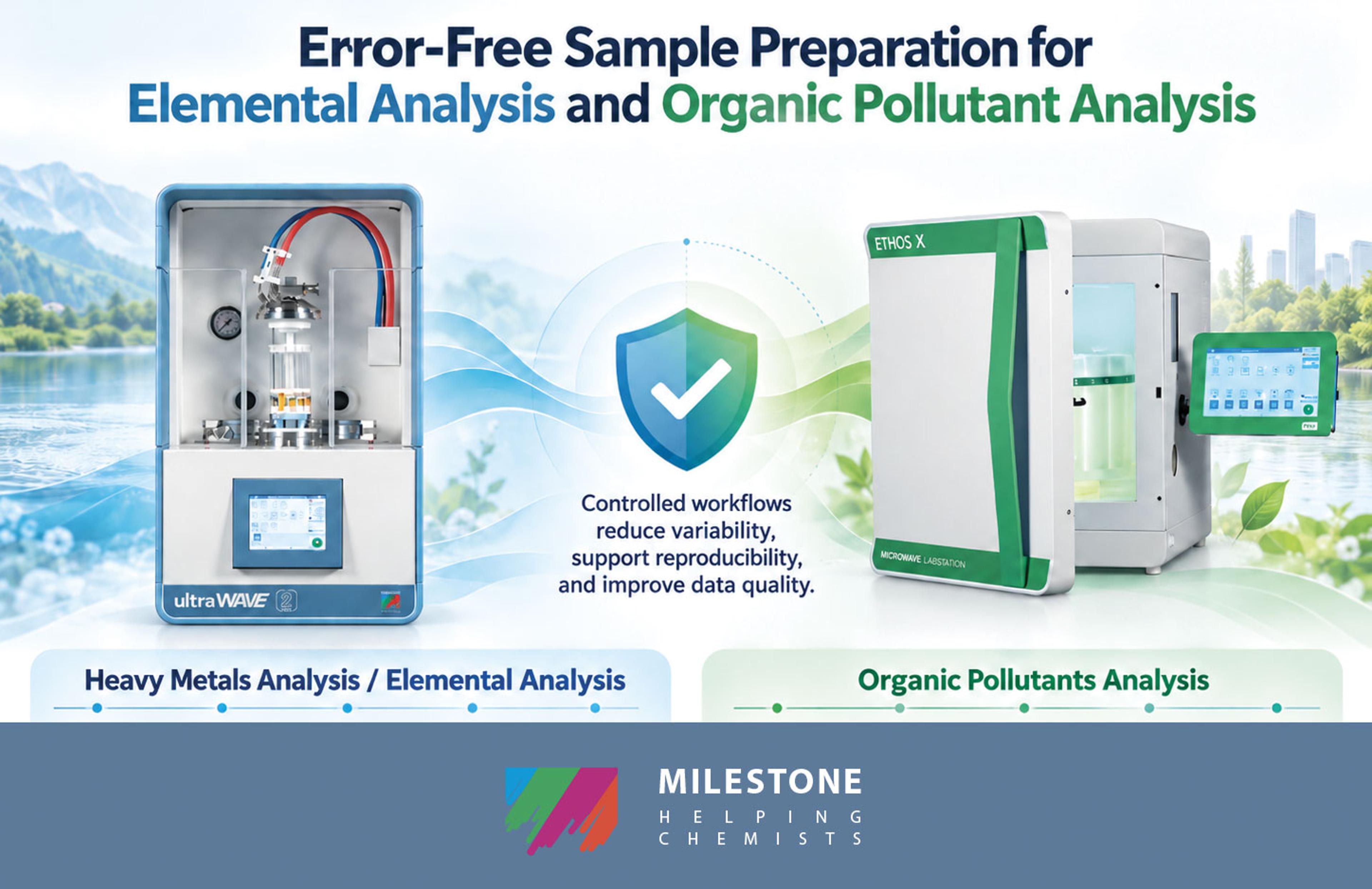
In this guest editorial from Milestone, discover why an error-free laboratory is not created by optimizing one operation in isolation, but by controlling the complete chain of sample preparation
As emerging contaminants expand the scope of water analysis, laboratories need robust reference materials to deliver confident results
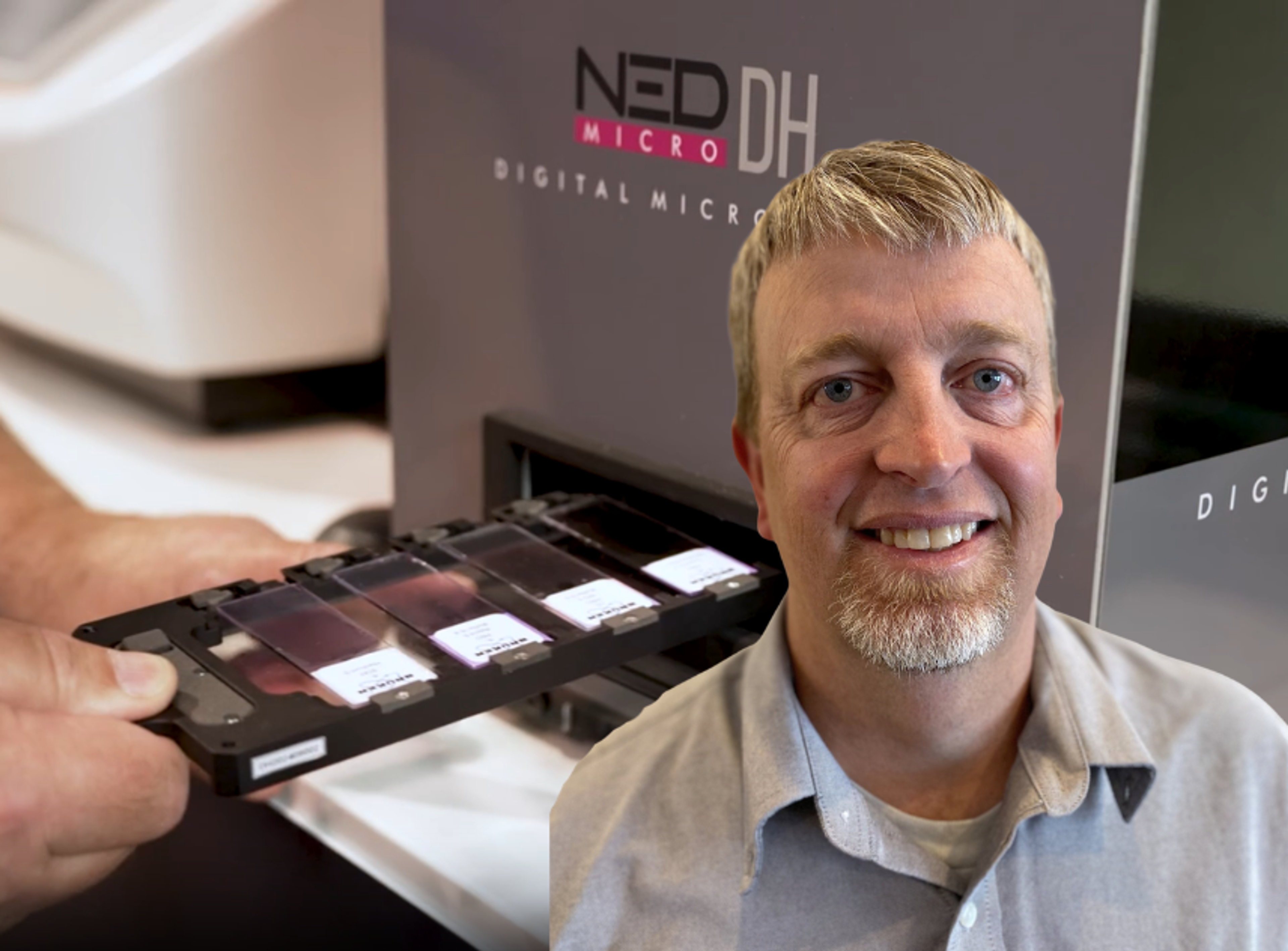
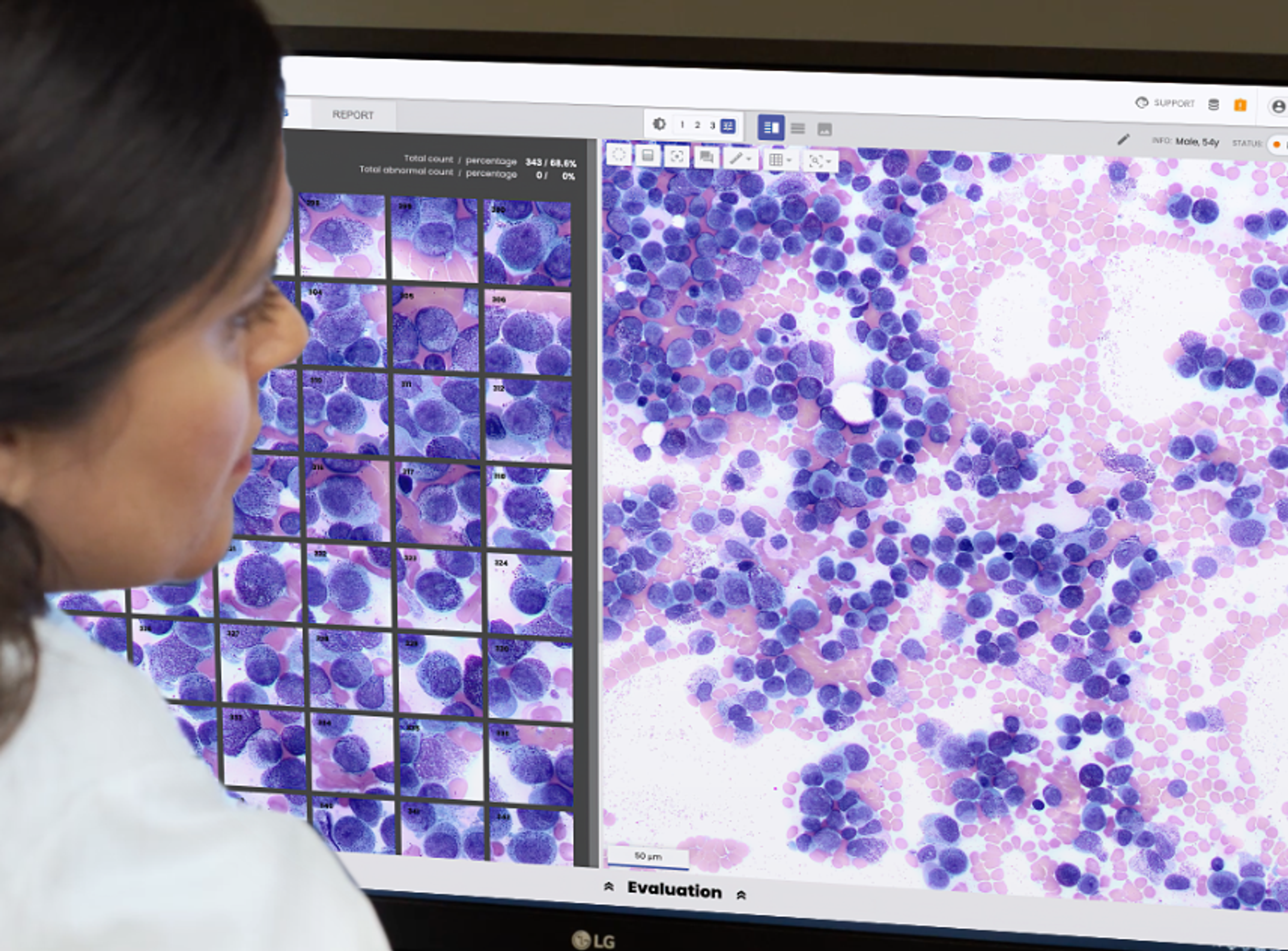
Learn how the NED® Digital Microscope can support real-time remote hematology review and more connected peripheral blood smear workflows
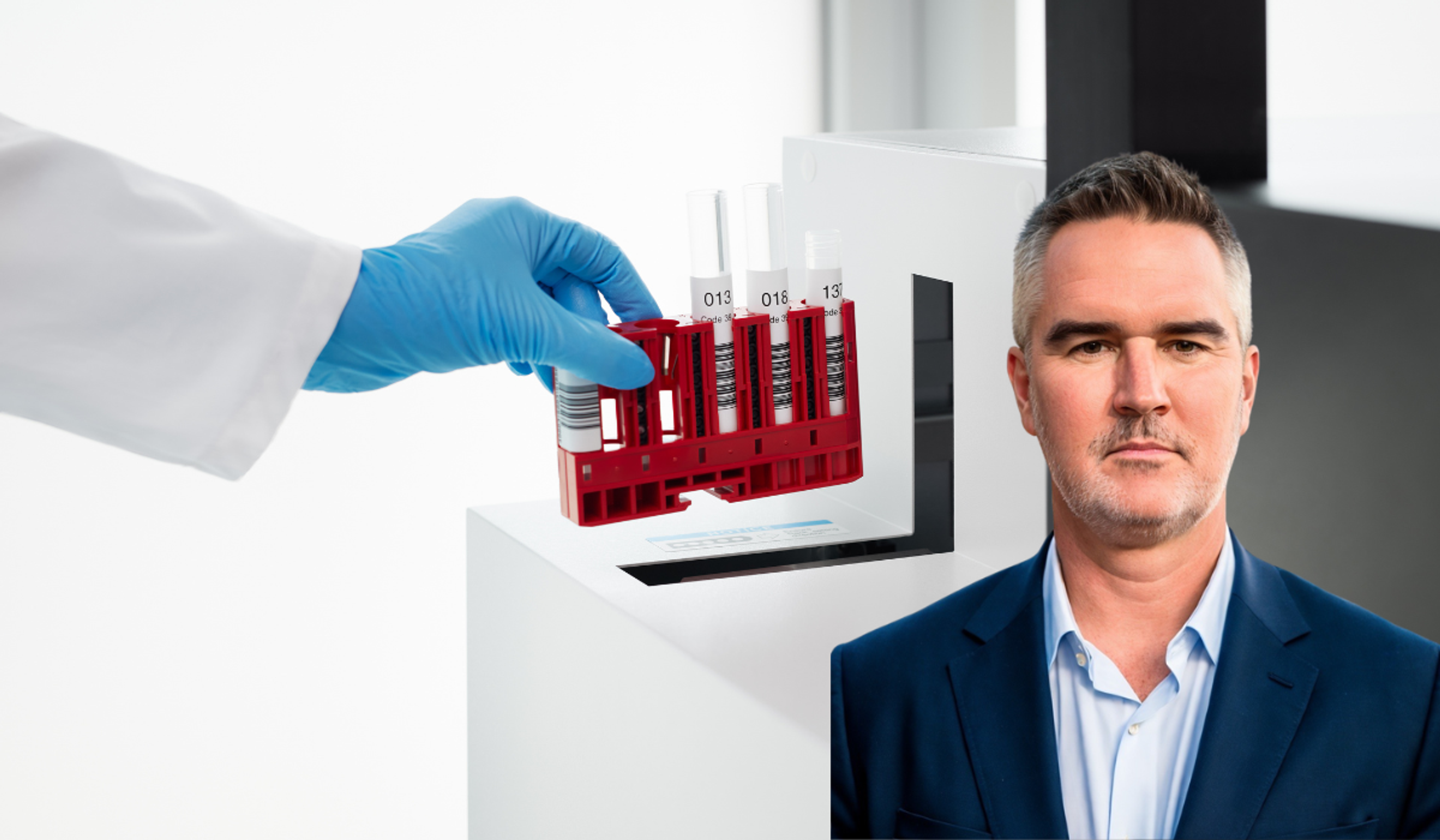
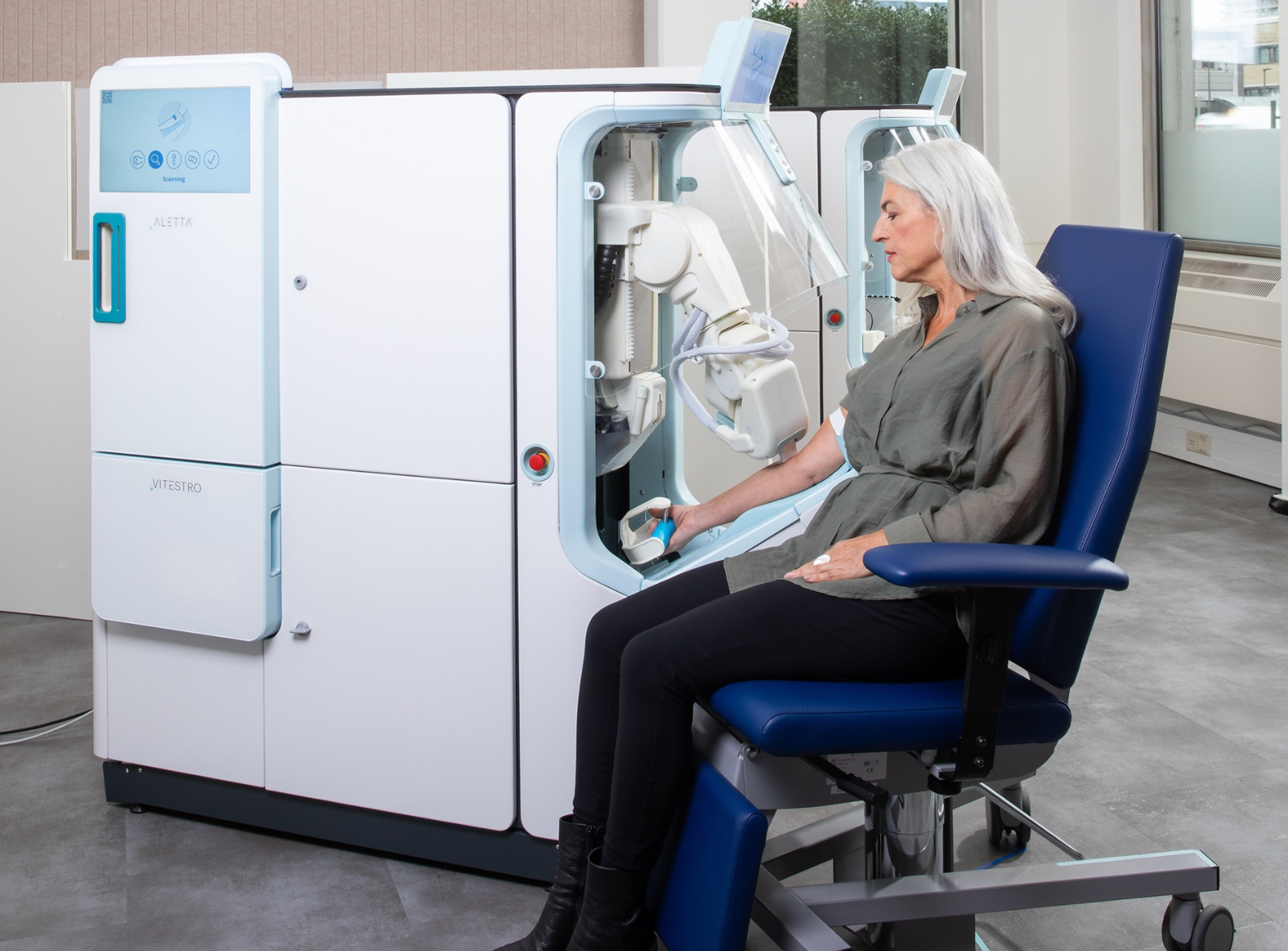
Yale Professor Joe El-Khoury discusses Aletta, the ADOPT study, and how autonomous blood collection could improve standardization, capacity, and quality across laboratory medicine
Q&A with Microbiology in Health and Disease Lead Editor Liang Wang at the Journal of Applied Microbiology
Guest editorial by Eric Pabon, MBA, Senior Manager, Global Product Marketing, Hematology, Beckman Coulter
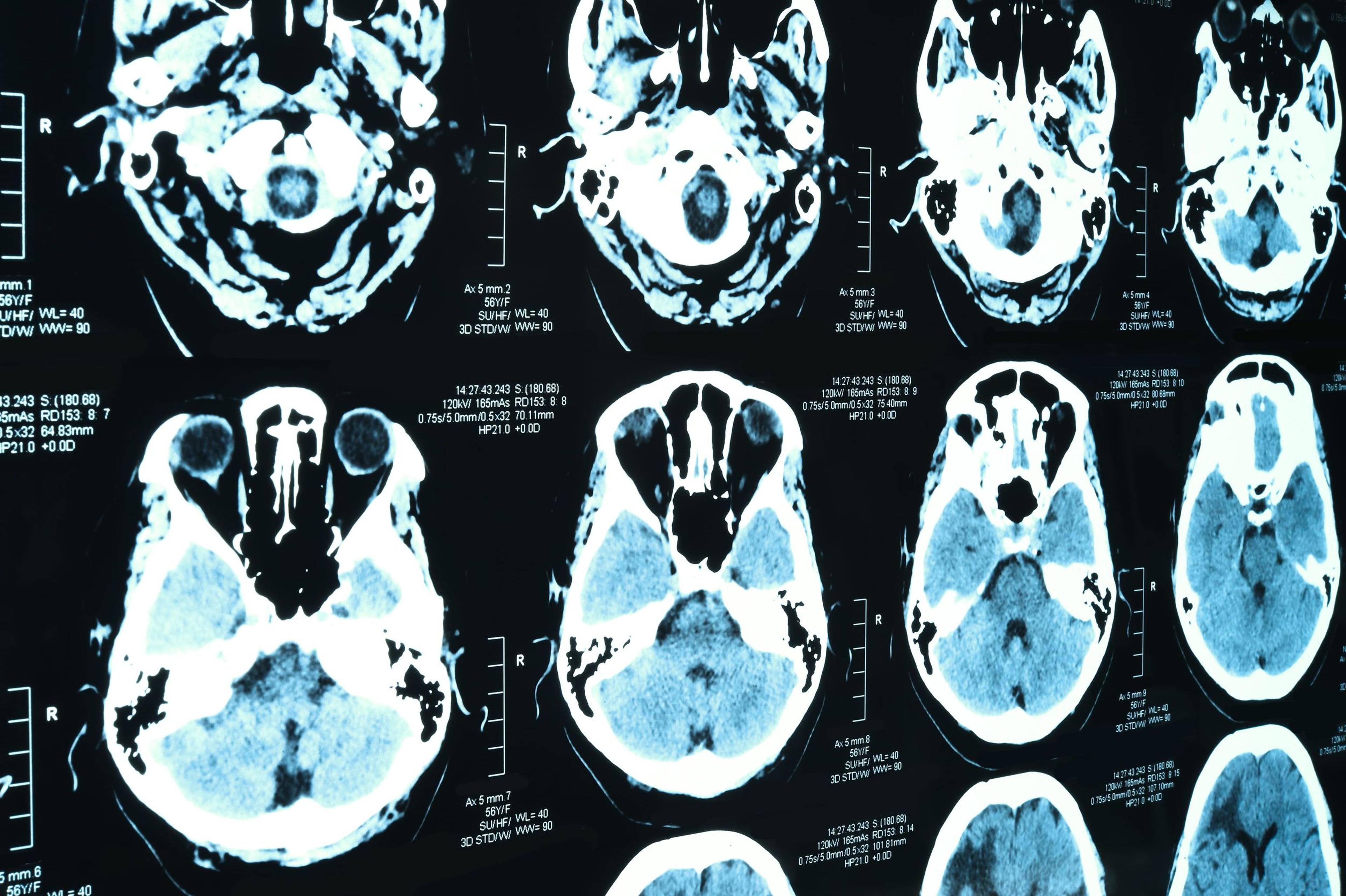
Discover how the HeadSMART II study is combining blood biomarkers, digital neurocognitive testing and AI to identify patients at risk of persistent TBI symptoms
Dr. Vasiliki E. Kalodimou on women in STEM, global collaboration, and the next era of regenerative medicine
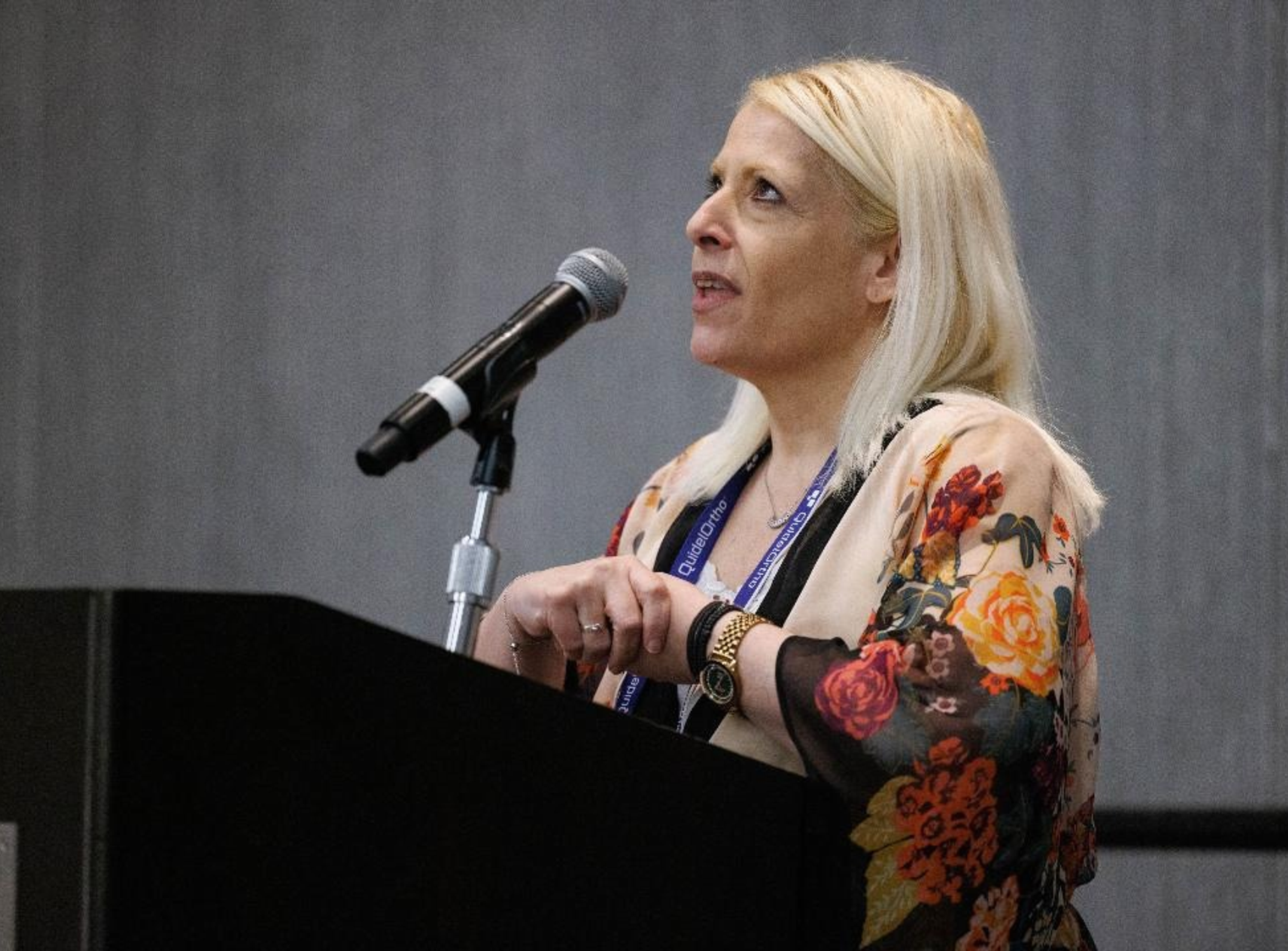
CLINICAL24 Ambassador Bamidele Farinre on workforce development, AI readiness, and creating opportunities for the next generation of laboratory professionals