
The microbiology breakthroughs every lab professional needs to know about in October 2026
Sepsis, superbugs and speed - inside the changing microbiology laboratory
14 Oct 2026
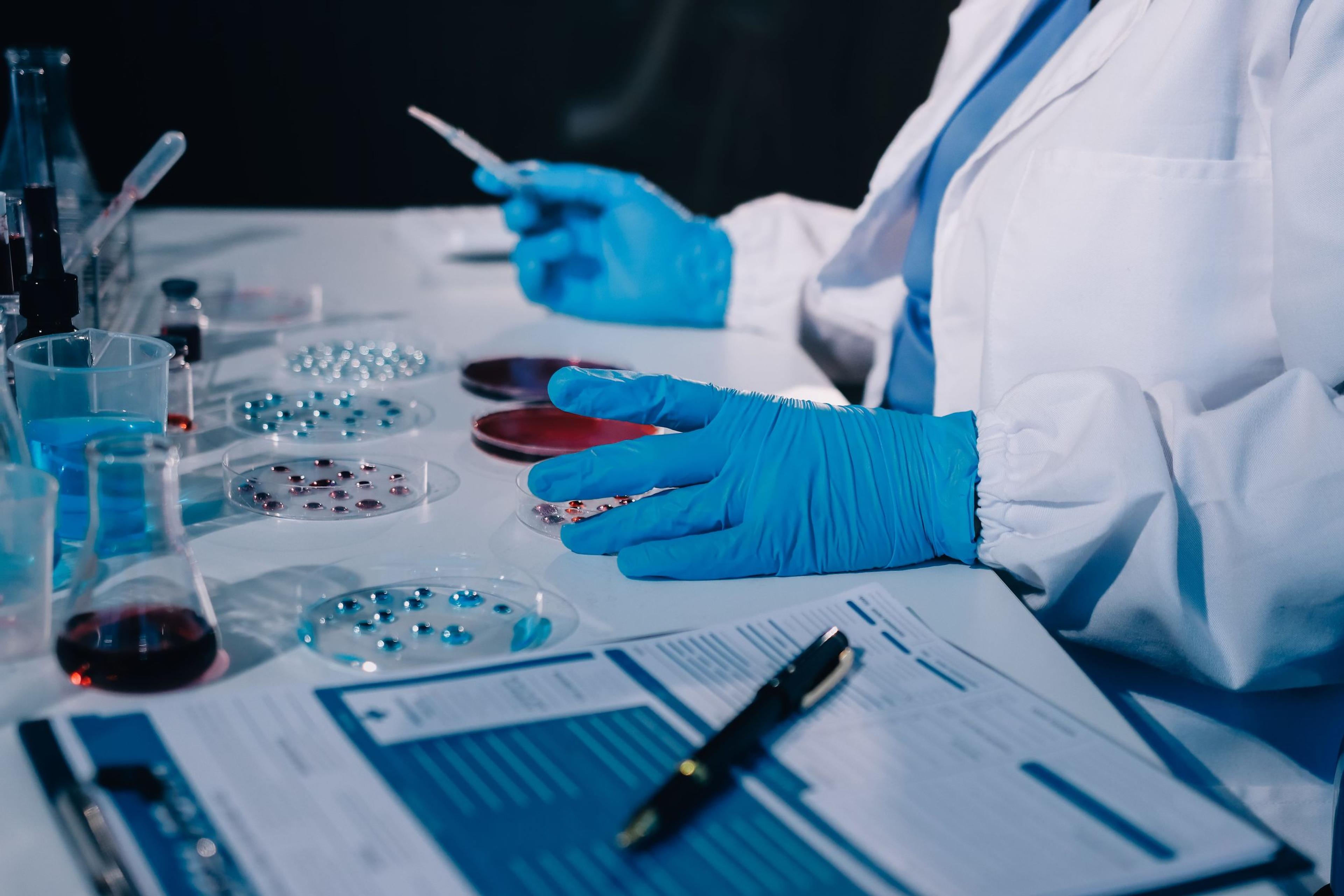
Clinical microbiology has always worked against the clock. Today, however, the pressure is intensifying. Laboratories are being asked to identify pathogens sooner, deliver clinically actionable susceptibility information faster and help clinicians distinguish infection from non-infectious inflammation, all while managing rising workloads, workforce constraints, increasingly complex resistance patterns and the need to demonstrate value across the care pathway. The central question is no longer simply whether a new method is faster, but whether it can produce the right result, for the right patient, at the right time.
AMR raises the stakes for every result
The World Health Organization’s 2025 global surveillance report drew on more than 23 million laboratory-confirmed infections and found that approximately one in six bacterial infections worldwide was resistant to antibiotics, with particularly serious concerns around Gram-negative organisms. For microbiology laboratories, this global trend is encountered case by case: a resistant bloodstream isolate, a narrowing treatment window or an empiric regimen that must be reassessed as evidence emerges. Reliable identification and antimicrobial susceptibility testing therefore sit at the center of patient care, infection prevention, surveillance and antimicrobial stewardship.
Rapid molecular assays can detect pathogens and selected resistance markers much earlier than conventional workflows, while emerging phenotypic AST platforms aim to provide actionable MIC results within hours. Yet speed alone cannot resolve every case. A resistance gene may not fully predict phenotype; a narrow panel can miss an unexpected organism or mechanism; and culture remains essential for comprehensive susceptibility testing, epidemiology and discovery. The future is therefore complementary rather than binary: rapid technologies should accelerate early decisions, while traditional microbiology provides depth, confirmation and the isolate needed for further investigation.
Sepsis: moving from pathogen detection to a fuller biological picture
Sepsis exposes the limitations of waiting. Conventional blood culture remains indispensable, but organism identification and full susceptibility results may arrive after the most critical treatment decisions have been made. Newer approaches are compressing that timeline through direct or accelerated identification, multiplex molecular panels, AMR-marker detection, rapid phenotypic AST and, increasingly, sequencing. The implementation challenge is to connect a faster laboratory result to an equally fast clinical response. Without clear pathways for notification, interpretation and stewardship intervention, analytical speed may not translate into better care.
At the same time, sepsis diagnostics are expanding beyond the pathogen. Host-response biomarkers may help differentiate bacterial from viral infection or identify immune dysregulation when symptoms overlap and conventional testing is inconclusive. Sepsis endotyping takes this further by seeking biologically distinct patient subgroups that could support more precise prognostication and treatment. These approaches remain areas of active evaluation, but they signal a shift from asking only “Which organism is present?” to also asking “How is this patient responding?”
Five webinars to move from emerging science to laboratory practice
1. Protect the result before analysis begins. Accurate gastrointestinal diagnostics depend on the integrity of the specimen that reaches the laboratory. Presented in partnership with MWE Medical, Evaluating fecal specimen transport and automation to preserve enteric pathogens examines how collection, transport, storage temperature, holding time and automated processing affect organism recovery. For laboratories scaling automation, this session is a timely reminder that sophisticated downstream testing cannot compensate for a compromised pre-analytical pathway.
2. Add host biology to the acute-infection toolkit. Presented in partnership with Danaher, Host response testing for acute infections: Clinical and laboratory considerations explores the evidence, potential use cases, result interpretation and workflow requirements behind this emerging approach. It is especially relevant to laboratories and acute-care teams considering how bacterial-versus-viral information could support diagnostic confidence and antimicrobial stewardship.
3. Find the right balance between speed and depth. Presented in partnership with Oxoid Remel (Acquired from Thermo Fisher Scientific), the CLINICAL24 forum on rapid diagnostics and traditional microbiology brings experts together to examine where faster technologies add the greatest value, where culture and susceptibility testing remain indispensable, and how laboratories can design integrated pathways rather than treating methods as competitors.
4. Explore precision medicine in critical illness. Presented in partnership with Danaher, Can endotyping unlock precision medicine for sepsis and critical illness? considers whether characterizing distinct host-response patterns could improve patient stratification and move sepsis care beyond a one-size-fits-all model.
5. Turn positive blood culture information into earlier action. Presented in partnership with QIAGEN, The value of rapid testing in bloodstream infections: From blood culture to clinical insights uses case-based discussion to examine rapid pathogen identification, AMR-marker detection and workflow integration. Its focus on translating results into antimicrobial stewardship and treatment decisions makes it particularly valuable for microbiologists working across laboratory–clinical interfaces.
Implementation is now the defining challenge
Technology is advancing quickly, but adoption depends on more than analytical performance. Laboratories must assess total time to actionable result, organism and drug coverage, discordant-result pathways, quality control, interoperability, staffing, out-of-hours delivery and cost-effectiveness. They also need evidence that a test changes prescribing or patient management, not simply that it reports sooner. Close collaboration with infectious disease, emergency medicine, intensive care, pharmacy, stewardship and infection-prevention teams is essential.
Microbiology professionals also have a growing role in generating and connecting data. Standardized susceptibility results feed local formularies, outbreak detection and national and global surveillance. Genomic and metagenomic approaches are extending what laboratories can detect, while automation and digital tools offer ways to manage volume and complexity. Used well, these innovations can release specialist time for interpretation; used without robust governance, they risk creating more data without more clarity.
A connected professional response
Organizations including the Global Sepsis Alliance (and GSA webinars), The UK Sepsis Trust and Applied Microbiology International provide education, advocacy and professional networks that connect laboratory developments with the wider challenges of sepsis recognition, infection management and microbiological science. Their resources help place day-to-day laboratory decisions within a broader public-health context.
The direction of travel is clear: microbiology is becoming faster, more integrated and more personalized, but its foundations remain unchanged. High-quality specimens, robust culture, reliable susceptibility testing, expert interpretation and communication are still critical. The laboratories that will shape the next era of infection care are those that combine these strengths with new diagnostic intelligence, and ensure that every faster answer leads to a better-informed decision.
Find more microbiology and infectious disease resources, webinars, forums and interviews at CLINICAL24 2026, where SelectScience is highlighting challenges facing clinical labs and exploring the technologies that will help us to overcome them.
Tags
Frequently asked questions
Show frequently asked questions
What are the most important trends in clinical microbiology in 2026?
The most important trends include faster pathogen identification, rapid phenotypic antimicrobial susceptibility testing, multiplex molecular panels, host-response diagnostics, sepsis endotyping, genomic and metagenomic sequencing, laboratory automation and stronger integration with antimicrobial stewardship. Together, these developments aim to shorten the time from specimen collection to an actionable clinical decision.
How are rapid diagnostics changing sepsis care?
Rapid diagnostics can identify pathogens and selected antimicrobial resistance markers earlier than conventional workflows, helping clinical teams reassess empirical treatment sooner. Their clinical value is greatest when results are connected to rapid reporting, expert microbiology interpretation and antimicrobial stewardship intervention.
Why does conventional culture remain important when molecular testing is faster?
Culture provides viable isolates for comprehensive susceptibility testing, epidemiological investigation, surveillance and the detection of unexpected organisms or resistance mechanisms that may fall outside a molecular panel. Rapid diagnostics and traditional microbiology are therefore complementary rather than competing approaches.
What role does the microbiology laboratory play in tackling antimicrobial resistance?
Microbiology laboratories support the fight against antimicrobial resistance by providing accurate organism identification and susceptibility results, informing targeted prescribing, contributing data to local and national surveillance, detecting outbreaks and working with antimicrobial stewardship and infection-prevention teams.
What is host-response testing for acute infection?
Host-response testing measures the patient’s biological response to infection rather than detecting a pathogen directly. Depending on the assay and clinical setting, it may help distinguish bacterial from viral infection or identify immune dysregulation. It is intended to complement clinical assessment and established microbiology testing, not replace them.
What is sepsis endotyping?
Sepsis endotyping groups patients according to distinct biological or immune-response patterns. Researchers are investigating whether these subgroups could improve risk assessment, prognosis and treatment selection, supporting a more personalized approach to sepsis and critical illness.
What should laboratories consider before implementing a rapid microbiology test?
Laboratories should assess analytical performance, time to an actionable result, pathogen and resistance-marker coverage, quality control, staffing, out-of-hours delivery, interoperability, cost-effectiveness and processes for discordant results. They should also establish how the result will be communicated and acted upon by clinical and stewardship teams.
How can pre-analytical factors affect microbiology results?
Specimen collection, transport medium, storage temperature, holding time and processing can all influence organism viability and recovery. Robust specimen pathways are essential because even the most advanced analytical technology cannot fully compensate for a poor-quality or compromised sample.
Which webinars can help microbiology professionals explore these developments?
The featured CLINICAL24 program covers fecal specimen transport and automation, host-response testing for acute infection, rapid diagnostics alongside traditional microbiology, sepsis endotyping and rapid testing for bloodstream infections. These sessions connect emerging science with practical laboratory and clinical implementation.
Where can laboratory professionals find more microbiology and infectious disease resources?
Laboratory professionals can explore further webinars, expert forums and interviews through CLINICAL24 2026. Additional education and professional resources are also available from the Global Sepsis Alliance, The UK Sepsis Trust and Applied Microbiology International.