
Error-free sample preparation for elemental analysis and organic pollutant analysis
In this guest editorial from Milestone, discover why an error-free laboratory is not created by optimizing one operation in isolation, but by controlling the complete chain of sample preparation
12 Oct 2026
Across both heavy metals and organic pollutant workflows, the objective is the same: reduce manual handling, minimize contamination and variability, standardize critical operations, and create reproducible preparation conditions.
By integrating technologies for reagent management, dosing, vessel handling, digestion or extraction, filtration, and cleaning, Milestone’s total workflow approach helps laboratories build a more controlled path from sample to analysis, designed around what matters most in analytical testing: reproducibility, consistency, and reliable data quality.
For environmental testing, this approach can be applied to two major analytical workflow families: heavy metals analysis and organic pollutants analysis.
Heavy metals analysis: controlling every step before measurement
Heavy metals analysis requires particularly careful control of contamination and preparation conditions. Environmental laboratories may handle water, soil, sediments and industrial waste, often working at low reporting limits using techniques such as ICP-OES and ICP-MS. Acid purity, reagent handling, digestion conditions and vessel cleanliness therefore have a direct impact on analytical performance.
An error-controlled workflow starts with the reagents themselves. Milestone’s duoPUR allows laboratories to produce high-purity acids in-house using sub-boiling distillation, helping reduce contamination while providing a consistent supply of acids for trace and ultra-trace analysis.
The next potential source of variability is reagent addition. Manual dosing can introduce inconsistencies, increase operator exposure to concentrated acids, and create additional opportunities for contamination. easyFILL automates reagent dispensing inside a sealed and ventilated compartment, supporting precise and repeatable dosing while reducing manual intervention.
At the core of the workflow is microwave digestion. Milestone’s ETHOS and ultraWAVE platforms provide controlled digestion of environmental matrices in closed systems. Compared with traditional open digestion approaches, closed microwave digestion helps minimize contamination, prevent the loss of volatile elements, and achieve more complete and reproducible digestion.
ultraWAVE 3 further allows different sample types to be digested simultaneously in its Single Reaction Chamber, while the use of disposable glass vials eliminates a vessel-cleaning step.
Post-digestion operations matter as well. SFS-24 enables simultaneous filtration of up to 24 samples, reducing manual handling, while traceCLEAN automates acid-vapor cleaning of vessels and labware. Effective cleaning helps maintain low blanks and reduce cross-contamination between batches.
Mercury represents a special case. With DMA-80 evo, direct analysis of solids and aqueous samples can eliminate digestion and reagents altogether, removing entire preparation steps, and therefore potential sources of variability, from the workflow.
Organic pollutants analysis: reducing variability across extraction workflows
Organic pollutant analysis introduces a different set of challenges. Instead of acid digestion, these workflows rely heavily on solvents and include reagent handling, vessel sealing, extraction, filtration, evaporation when required, and cleaning. Each step can influence analyte recovery, contamination risk, safety and reproducibility.
Here too, workflow control starts with dosing. easyFILL automates the addition of solvents such as methylene chloride, acetone and hexane, improving consistency while minimizing analyst exposure and solvent loss.
For extraction, ETHOS X brings microwave technology to organic pollutant sample preparation. Combined with the fastEX-24 rotor and disposable glass vials, it enables controlled extraction of multiple samples while reducing solvent consumption and operator intervention. Individual temperature monitoring helps ensure uniform processing conditions, while disposable glass inserts remove the need for vessel cleaning and reduce the risk of carryover.
Following extraction, SFS-24 supports simultaneous filtration of up to 24 samples directly into disposable or evaporation vessels, replacing a repetitive manual operation with a more standardized process.
From individual steps to reliable data
In environmental laboratories, every operation performed before instrumental analysis can influence the final result. Reagent purity, dosing accuracy, vessel handling, digestion or extraction efficiency, filtration and cleaning can all introduce variability, contamination or sample loss. For this reason, achieving reliable and reproducible results requires looking beyond individual instruments and considering sample preparation as one integrated workflow.
This is the foundation of an error-free laboratory approach: controlling as many potential sources of error as possible from the moment the sample enters the laboratory until it is ready for analysis.
Explore Milestone’s sample preparation solutions on SelectScience, including technologies for microwave digestion and extraction, acid purification, and direct mercury analysis.
Related products
Request Quote for All Products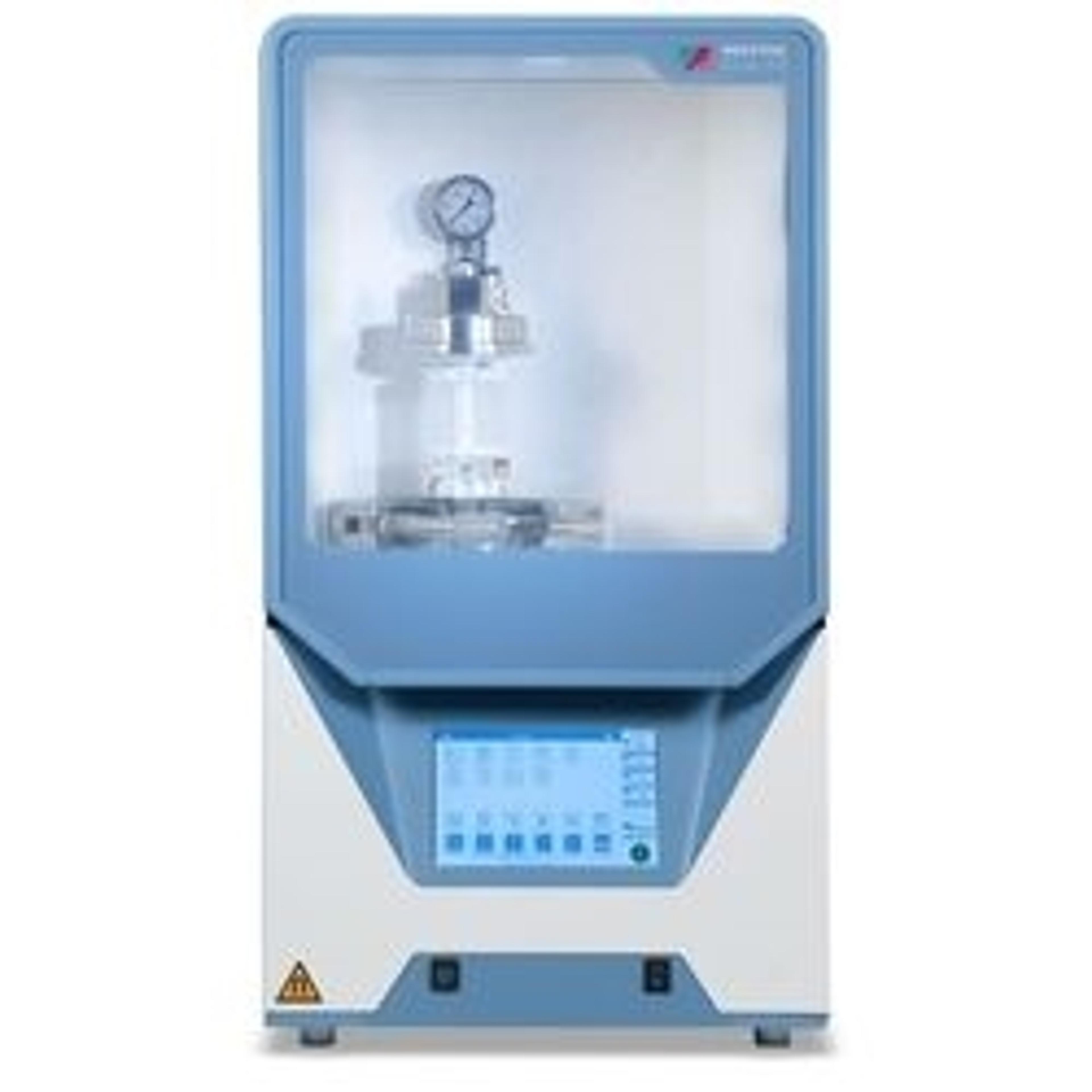
ultraWAVE 3 SRC (Single Reaction Chamber) Microwave Digestion System
MilestoneThe features of the new ultraWAVE 3 merge with those already intrinsic in the SRC technology so that labs will experience higher performance, greater productivity, and more streamlined workflow, providing them with improved competitiveness and a lower cost of ownership. Thanks to its superior digestion capabilities that result from its higher temperature and pressure capabilities, ultraWAVE 3 microwave system provides greater digestion efficiency, making it an ideal solution to address these
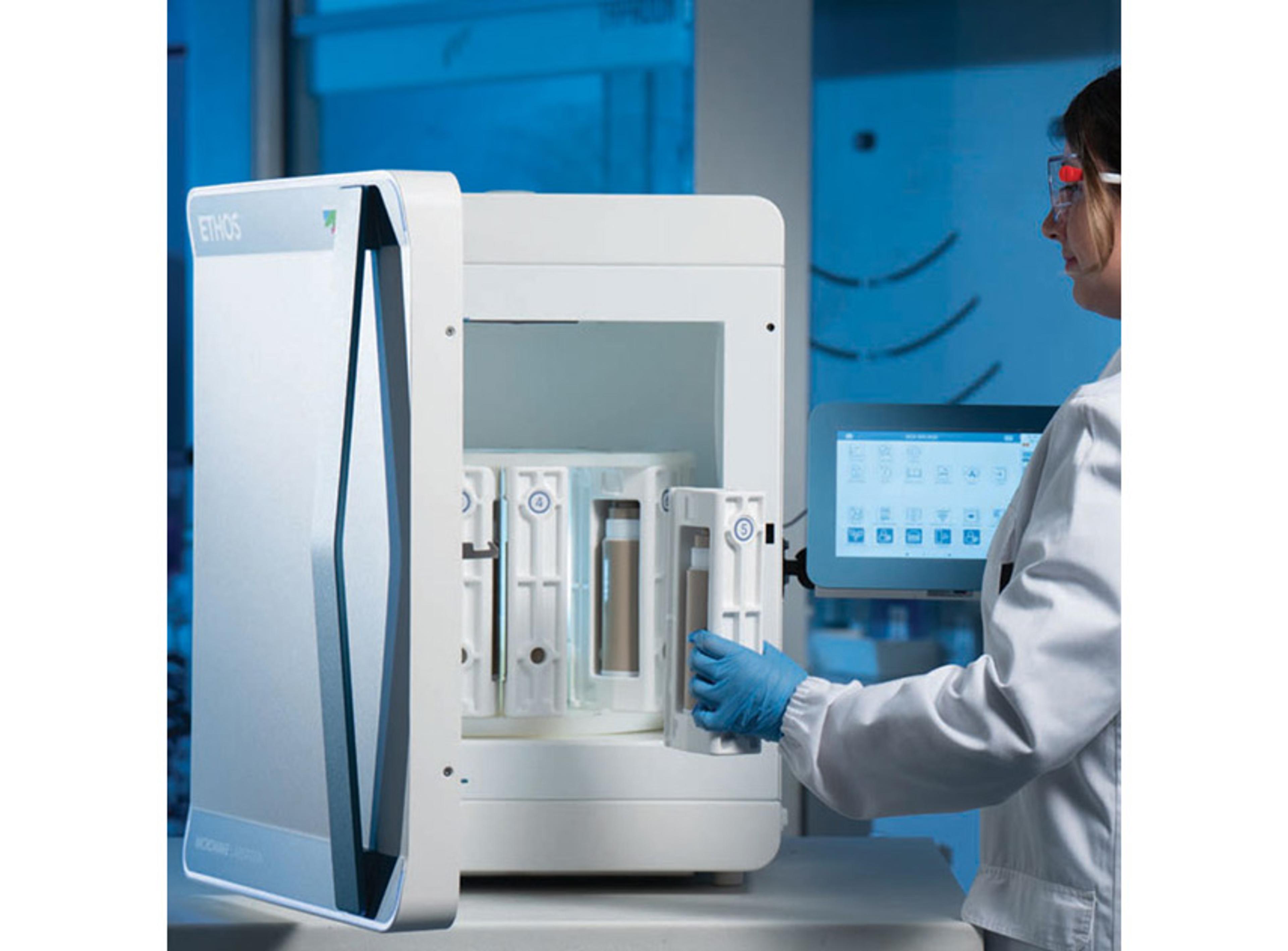
ETHOS microwave labstation
MilestoneWith ETHOS™, Milestone introduces the latest and most advanced evolution of microwave rotor-base digestion technology, delivering unmatched performance and reproducibility. At the same time, ETHOS™ goes beyond digestion: thanks to dedicated accessories, it becomes a true microwave labstation, extending its capabilities to applications such as solvent extraction, evaporation, concentration, high-temperature processes, and more.
Links
Tags
Frequently asked questions
Show frequently asked questions
How does Milestone improve heavy metals analysis for environmental laboratories?
Milestone controls reagent purity, dosing, microwave digestion, filtration, and vessel cleaning. Technologies including duoPUR, easyFILL, ETHOS, ultraWAVE, SFS-24, and traceCLEAN help reduce contamination and variability while supporting reproducible ICP-OES and ICP-MS sample preparation.
How does ETHOS X support organic pollutant extraction workflows?
ETHOS X uses microwave technology for controlled organic pollutant extraction. With the fastEX-24 rotor and disposable glass vials, it processes multiple samples, reduces solvent use and operator intervention, monitors individual temperatures, eliminates vessel cleaning, and lowers carryover risk.
Why is an integrated sample preparation workflow important for reliable environmental testing?
An integrated workflow controls potential errors involving reagent purity, dosing accuracy, vessel handling, digestion or extraction, filtration, and cleaning. Reducing contamination, sample loss, and variability before instrumental analysis improves consistency, reproducibility, and reliable data quality.