
Preparing European water laboratories for TFA and the next PFAS wave
Uncover how ALS is readying its PFAS workflows for TFA and Europe's expanding surface and groundwater rules
28 Sept 2026

Jana Kováčová, PFAS lead for continental Europe at ALS
Per- and polyfluoroalkyl substances (PFAS) monitoring in European waters is changing, with a new directive extending testing to surface water and groundwater, and bringing trifluoroacetic acid (TFA), one of the smallest and most mobile PFAS, as well as other pesticides, microplastics, and pharmaceuticals that have recently been proven dangerous, into regulatory scope for the first time.
For Jana Kováčová, PFAS lead for continental Europe at ALS, constant change and expansion is the nature of the field. “PFAS is an ever-evolving story,” she says. In this SelectScience® interview, she discusses what the new rules demand, why TFA needs a method of its own, and how disciplined contamination control keeps low-level data reliable.
A regulatory shift from drinking water to groundwater
European laboratories have worked to the EU Drinking Water Directive (Directive (EU) 2020/2184) for several years, which set limits for per- and polyfluoroalkyl substances (PFAS): at 0.5 µg/L for total PFAS and 0.1 µg/L for the sum of 20 individual compounds, when monitored in 2026.
Directive (EU) 2026/805 now pushes those requirements further. In force since May 11, 2026, it amends the Water Framework, Groundwater and Environmental Quality Standards Directives, adding surface water and groundwater to the regime.
Kováčová has watched this shift from the inside, having analyzed PFAS for more than two decades as part of her Prague-based role at ALS. She and her team coordinate PFAS testing across ten European laboratories as the PFAS lead for continental Europe. “In Prague, we started more than 20 years ago with only two analytes,” she says. “We extended the scope almost every year, and today we can analyze around 80 individual compounds, plus a total PFAS parameter.”
What Directive (EU) 2026/805 changes
The directive sets environmental quality standards for PFAS in groundwater and surface water. For groundwater, the sum of 20 PFAS matches the drinking-water limit of 0.1 µg/L, with a stricter 0.0044 µg/L standard for the four compounds regulators consider most critical: Perfluorooctanoic acid (PFOA), perfluorononanoic acid (PFNA), perfluorohexanesulfonic acid (PFHxS), and perfluorooctanesulfonic acid (PFOS).
Surface water is where analytical thinking has changed the most. Laboratories are now being tasked with reporting the sum of 25 PFAS, including TFA, expressed as PFOA equivalents using a relative potency factor for each compound, against a combined limit of 4.4 ng/L. Measuring at that level requires solid-phase extraction (SPE) to concentrate the sample first.
The surface-water list is also reshaped entirely, not just lengthened. It drops the long-chain perfluorosulfonic acids, adds long-chain perfluorocarboxylic acids that Kováčová calls “little troublemakers,” and introduces novel PFAS such as HFPO-DA (GenX) and ADONA plus two fluorotelomer alcohols. The alcohols fall outside a standard liquid chromatography-tandem mass spectrometry (LC-MS/MS) method, needing different ion-source conditions or a change of technique to gas chromatography (GC). When we want to achieve low LOQs, “It is better to use GC with positive chemical ionization and MS/MS detection,” Kováčová says.
Why TFA demands its own method
TFA, the biggest addition to this regulatory change, sits at the far end of the PFAS size range and behaves very differently from the legacy compounds teams are used to analyzing. It is highly water-soluble and extremely mobile. “We expected a lot of problems with the method development, because TFA is everywhere. It is one of the biggest contaminants,” Kováčová says, with background coming not only from the instrument but also from consumables across the workflow.
Her team could fold TFA and other ultra-short-chain compounds into one large method or run a dedicated method alongside the classical scope. They chose the latter. “If you create one big method, it will always be a compromise, because you have to analyze ultra-short-chain compounds together with long-chain PFAS,” she says. Long-chain PFAS need organic solvents to stop them sorbing to surfaces; whereas the dedicated method injects the sample directly.
Column chemistry that made it work
Kováčová's laboratory runs Waters instruments and uses a mixed-mode column, Waters' Atlantis™ Premier BEH C18 AX chemistry, to separate ultra-short-chain PFAS. Its strong retention of TFA separates the compound from much of the instrument background and allows a simpler sample preparation.
The use of sensitive tandem-quadrupole instruments brought a second challenge: system background for short-chain compounds such as perfluorobutanoic acid (PFBA). The team combatted it with an isolator column of the same mixed-mode type, fitted ahead of the analytical column. “The isolator column helped us overcome those difficulties and reach lower limits of quantification,” Kováčová explains.
On the newest instruments, a confirmation transition at m/z 19, corresponding to fluorine, distinguishes a genuine PFBA peak from background.
Keeping contamination under control
Low-level PFAS work lives or dies on contamination control. TFA-free solvents and consumables are costly and hard to source, so the laboratory leans on rigorous blanks, spikes and duplicates. “We put real focus on control of blanks to manage cross-contamination,” Kováčová says. Analyzing the whole sample container, rather than a decanted aliquot, also recovers long-chain PFAS that would otherwise absorb to the walls.
What the early data is showing
In a Czech groundwater project that required a limit of quantification (LOQ) of 30 ng/L, the team detected TFA in almost 70% of samples, data that would have been invisible a few years ago. “We usually see classical PFAS at single or tens of nanograms per liter,” Kováčová says. “But for TFA we see concentrations well above 500 nanograms per liter.”
Bringing target and total PFAS together
Looking to the future, the question of what ‘total PFAS’ should actually mean remains elusive. Europe has taken a step toward greater consistency with EN 17892, a European standard published in 2024 that describes a method for determining the summation parameter for 20 PFAS and can be extended to additional compounds.
But Kováčová says a fixed list, however useful, can only tell part of the story. The broader challenge is how to capture the PFAS that targeted methods do not see. Analytical scientists generally approach that question in three ways: the total oxidizable precursor (TOP) assay, total organic fluorine by combustion ion chromatography, and liquid chromatography with high-resolution mass spectrometry.
In Prague, the team has more than eight years' experience with the TOP assay and applies it to drinking water to reveal precursors that targeted methods miss. Kováčová's conclusion is that the two approaches are complementary. “We need to use both a targeted approach and one of these total PFAS approaches,” she says.
Preparing for the next wave
Kováčová's advice for laboratories expanding their PFAS monitoring centers focuses on the entire workflow: advanced instrumentation delivers the greatest value when paired with robust chromatography and disciplined contamination control.
The European Commission has set the transposition deadline for Directive (EU) 2026/805 for December 22, 2027 and already flags total PFAS and TFA for further assessment.
Waters offers workflow resources for laboratories developing PFAS and in particular TFA methods. Explore its PFAS Analysis Solutions to see how ACQUITY Premier LC, Atlantis Premier BEH C18 AX columns and Xevo™ TQ Absolute XR instrumentation support sensitive, routine PFAS testing.
Related products
Request Quote for All Products
Atlantis Premier BEH C18 AX Column
WatersAtlantis Premier BEH Z-HILIC Columns provide an increase in polar analyte retention and offer a different selectivity when compared to other HILIC chemistries, both powerful attributes when performing HILIC methods development. Built using rugged ethylene bridged hybrid particles, these columns are pH stable from pH 2-10; the MaxPeak High Performance Surface hardware technology significantly reduces unwanted analyte/surface interactions that can lead to poor peak shape and losses in signal intensity.
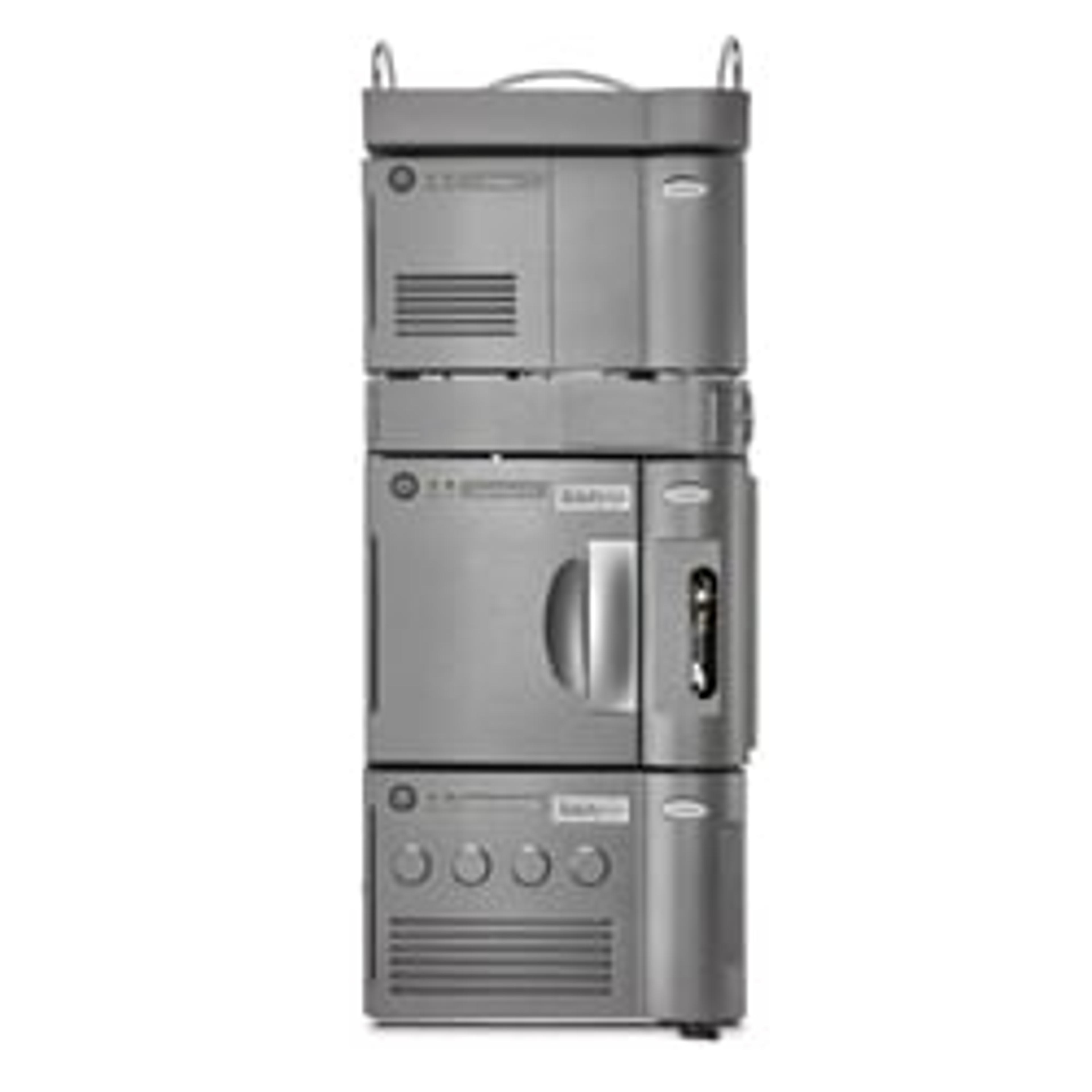
ACQUITY Premier System
WatersAlong with the reliability, ruggedness, high quality, and configuration flexibility you expect from the ACQUITY™ UPLC™ PLUS Series, the Waters™ ACQUITY Premier System delivers a step change in chromatographic performance, lab efficiency, and risk control.
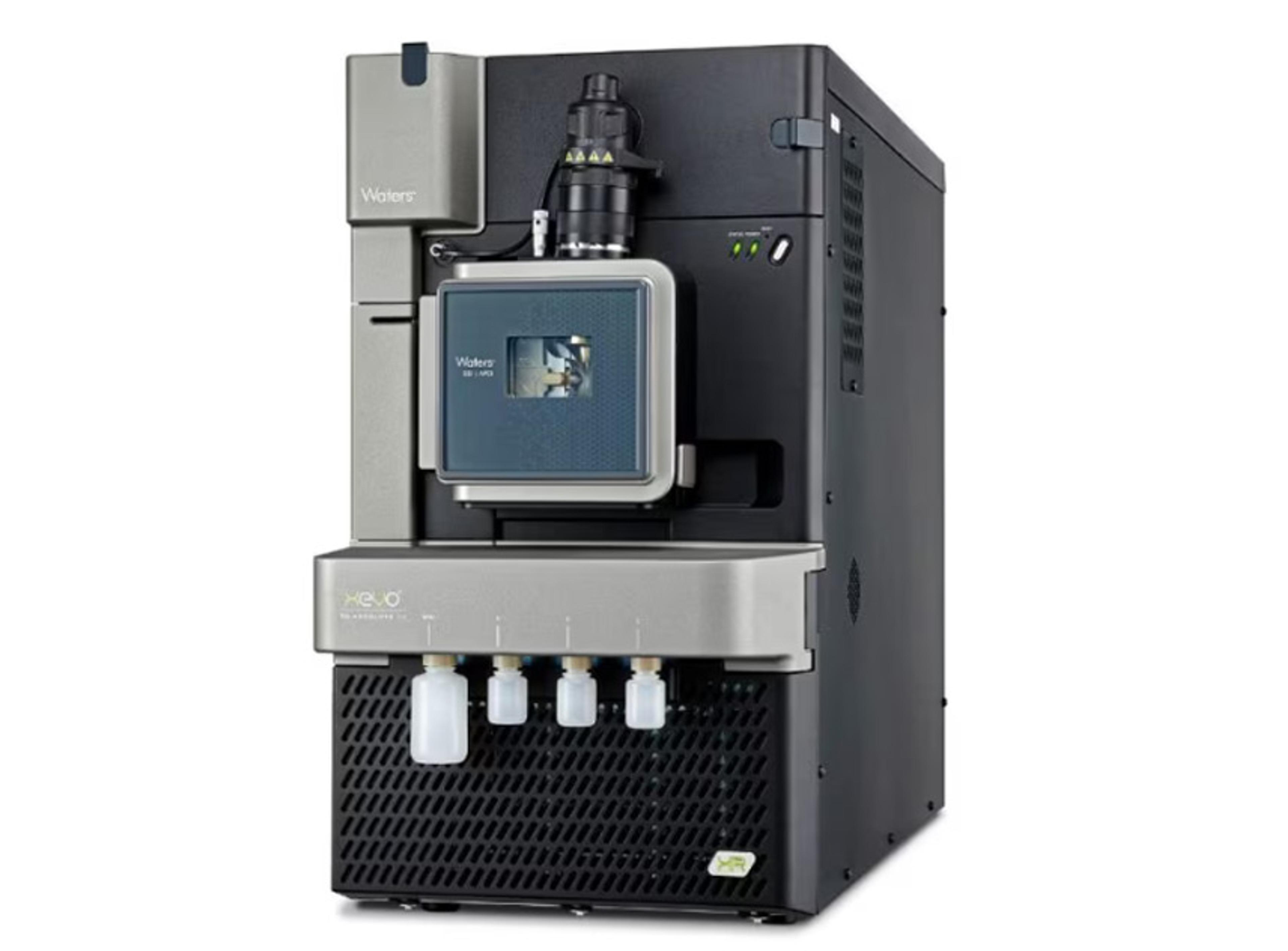
Xevo TQ Absolute XR Triple Quadrupole Mass Spectrometer
WatersQuantitate with Absolute Power and eXtreme Robustness
Links
Tags
Frequently asked questions
Show frequently asked questions
What is changing for PFAS testing in European waters under Directive (EU) 2026/805?
Directive (EU) 2026/805, in force since May 11, 2026, extends PFAS monitoring beyond drinking water into surface water and groundwater. Groundwater follows the drinking-water limit of 0.1 µg/L for the sum of 20 PFAS, with a stricter 0.0044 µg/L standard for four priority compounds: PFOA, PFNA, PFHxS and PFOS. Surface water requires the sum of 25 PFAS, including trifluoroacetic acid (TFA), reported as PFOA equivalents using relative potency factors, against a 4.4 ng/L limit. For routine laboratories, that means longer analyte lists, new ways of expressing results and lower detection requirements.
Why does trifluoroacetic acid (TFA) need a dedicated analytical method?
TFA is an ultra-short-chain PFAS that is highly water-soluble, extremely mobile and ubiquitous, which makes it a major source of background contamination. Folding it into a standard multi-PFAS method is a compromise, because long-chain PFAS need added organic solvent to prevent sorption while ultra-short-chain compounds are best injected directly. A dedicated method on a mixed-mode column that strongly retains TFA, supported by an isolator column and rigorous blank control, allows laboratories to reach the low limits of quantification the compound demands.
What is the difference between target and total PFAS analysis?
Target analysis measures a defined list of individual PFAS, such as the 20 or 25 compounds named in EU directives. Total PFAS analysis aims to capture the far larger universe of PFAS present in a sample. The EU Drinking Water Directive recognizes three routes to total PFAS: the total oxidizable precursor (TOP) assay, total organic fluorine by combustion ion chromatography, and liquid chromatography with high-resolution mass spectrometry. The two approaches are increasingly seen as complementary, since a fixed list of 20 to 60 compounds does not reveal the whole contamination of a sample.