
Can biomarkers and AI transform traumatic brain injury care?
Discover how the HeadSMART II study is combining blood biomarkers, digital neurocognitive testing and AI to identify patients at risk of persistent TBI symptoms
1 Oct 2026
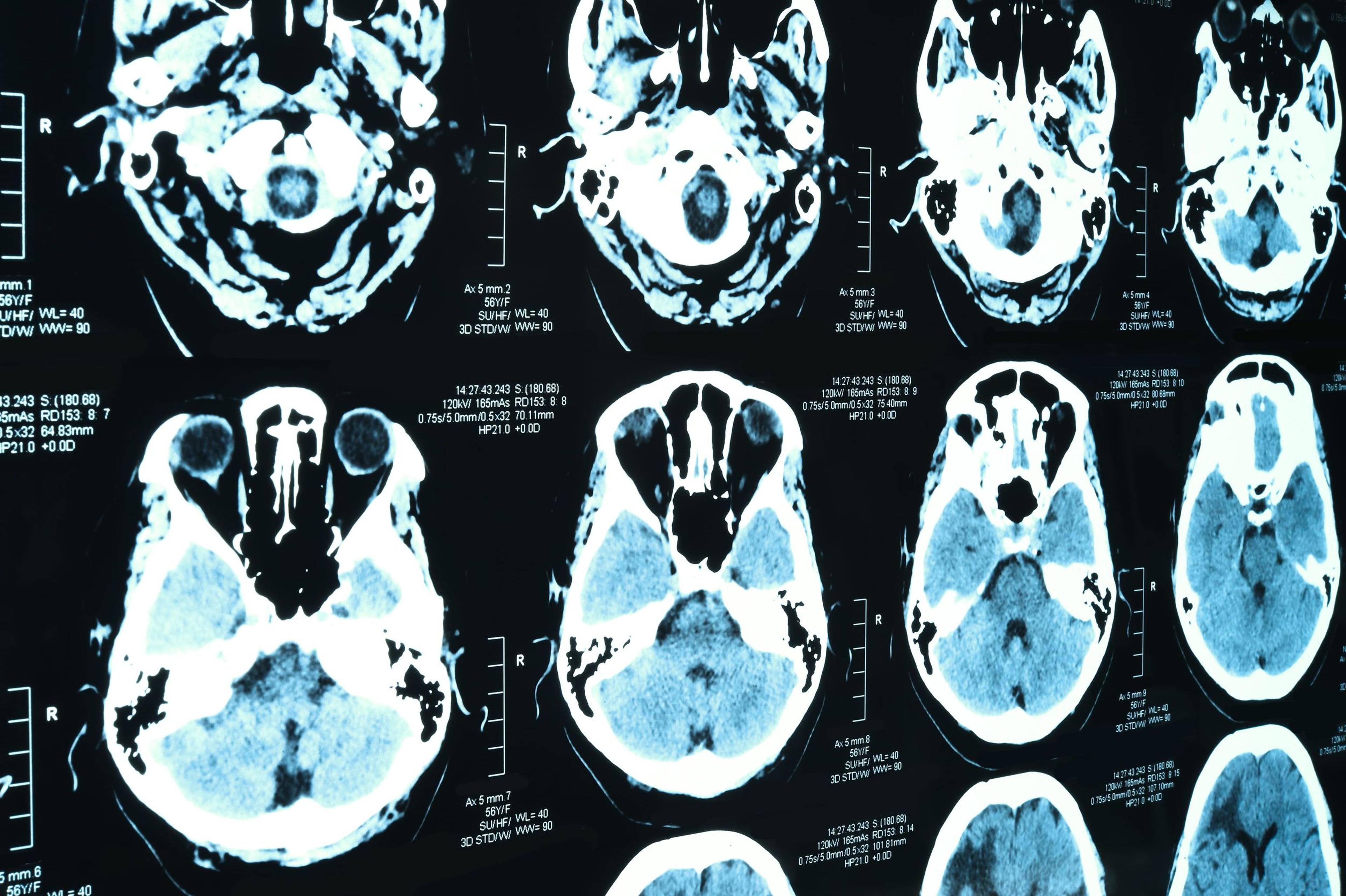
Traumatic brain injury (TBI) remains difficult to diagnose, particularly when patients have a normal CT scan but continue to experience headaches, nausea, poor concentration, sleep disruption and sensitivity to light or noise.
In this interview, Sonia Nicholas, managing editor, SelectScience speaks with Frank Peacock, professor of Emergency Medicine in the Emergency Department at the Baylor College of Medicine, Houston, Texas and Principal Investigator on the HeadSMART II study. Peacock explains how the HeadSMART II program is combining blood biomarkers with digital neurocognitive testing, and why an objective diagnostic could also accelerate the development of new treatments.
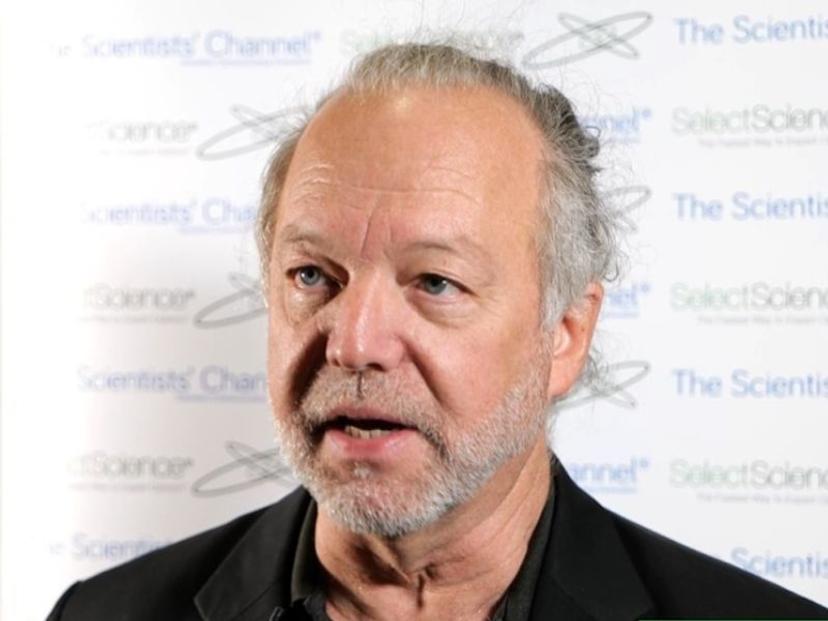
Professor Frank Peacock, Principal Investigator on the HeadSMART II study
Professor Peacock, what have you been working on over the past year?
FP: A lot of our work has focused on blood tests. The traumatic brain injury (TBI) research is becoming more mature, and we are starting to obtain some very interesting data.
We are also continuing our work across the wider biomarker field, including troponin research and infection-related blood markers that could help distinguish viral from bacterial infection. Our goal is to support the early decision making that is so important for emergency physicians.
Why is the HeadSMART II study important for advancing TBI care?
FP: People often assume that we already have a blood test or scan that can tell us whether somebody has a traumatic brain injury, but the reality is that we do not have a definitive test.
A currently available blood test can help predict whether a patient will have an abnormal CT scan. That is valuable because an abnormal scan may indicate bleeding in the brain. However, many patients have a normal CT scan and remain highly symptomatic for months, or sometimes longer.
The goal of HeadSMART II is to develop a combination of tests that can identify patients who are likely to experience persistent symptoms. That matters because early interventions can improve outcomes. Even simple education, such as explaining that headaches may continue and reassuring patients about what to expect, can reduce anxiety and support recovery.
Can clinicians currently identify which patients are at greatest risk?
FP: We can already recognize some risk factors. Our published work found that women were more likely than men to experience persistent symptoms. Previous TBI, a history of headaches, and anxiety or panic disorders were also associated with greater risk.
However, clinical judgement alone is not sufficiently accurate. In an earlier study, we found that emergency physicians were able to predict persistent symptoms with only 8% accuracy. That demonstrates why an objective test is needed.
How does the proposed test combine biomarkers and cognitive assessment?
FP: We have investigated around 41 biomarkers, although we will not ultimately use all of them. The objective is to combine a small panel of blood markers with neurocognitive testing.
The cognitive assessment is completed on a tablet and includes activities such as identifying numbers in sequence or tracking an arrow. The system records factors including speed and accuracy.
Bringing these results together could help us calculate a patient’s likelihood of remaining symptomatic after 30 days. A clinician could then use that information to decide whether the patient needs additional follow-up, referral or early intervention.
What role does AI play in this study?
FP: The final system that we are developing may include four to six blood tests and a similar number of neurocognitive measures. Interpreting eight or more variables together is difficult for a person, particularly when individual results appear to fall within normal ranges.
AI is very good at pattern recognition. It can identify combinations of small changes that a clinician may not recognize and convert them into an individual risk estimate. The aim is not to replace the physician, but to help the physician interpret a complex panel and make a better-informed decision.
How could an objective diagnostic support the development of new treatments?
FP: Many patients with a head injury recover without treatment. If they are included in a clinical trial, it becomes difficult to determine whether an intervention has genuinely worked.
A test that identifies patients at high risk of persistent symptoms would allow researchers to enrol the people most likely to benefit. This could make clinical trials more targeted and give us a better opportunity to demonstrate whether a treatment is effective.
What would success look like five years from now?
FP: I would like to see TBI become an objective diagnosis, with a test that is cleared by the FDA and beginning to enter standard care.
Once we can reliably diagnose and measure the condition, we can enrol the right patients into treatment studies and assess whether interventions improve outcomes. Cardiology advanced significantly once objective diagnostics became available. Traumatic brain injury is at an earlier stage, but achieving the same transition would represent a major step forward.
Learn more about the BRAINBox Solutions™ HeadSMART II study
This interview is published as part of the 2026 global CLINICAL24 conversation.
Related content
Embracing bloodless testing, point-of-care innovations, and AI integration

New research explores traumatic brain injury biomarkers and transcutaneous troponin testing
Tags
Frequently asked questions
Show frequently asked questions
What is the HeadSMART II study?
HeadSMART II is a traumatic brain injury research program, funded by BRAINBox Solutions™ Inc., evaluating whether a combination of blood biomarkers and digital neurocognitive tests can identify patients at risk of persistent symptoms after a head injury.
Can a blood test diagnose traumatic brain injury?
There is not yet a definitive blood test for TBI. Existing blood tests can help predict whether a CT scan may show an abnormality, while HeadSMART II aims to develop a broader test that can help identify patients likely to experience symptoms for 30 days or longer.
How could biomarkers and neurocognitive testing improve TBI assessment?
A small panel of blood biomarkers could be combined with measures of cognitive speed and accuracy from a tablet-based assessment. Together, these results may provide an individual risk estimate to support decisions about follow-up, referral and early intervention.
How is AI being used in traumatic brain injury diagnosis?
AI can analyze patterns across multiple biomarker and neurocognitive results that may be difficult to interpret individually. In the proposed HeadSMART II approach, it would support clinicians by converting these combined findings into a personalized risk estimate rather than replacing clinical judgement.
Why can TBI symptoms persist after a normal CT scan?
A CT scan is valuable for detecting problems such as bleeding in the brain, but a normal result does not rule out TBI or predict recovery. Some patients continue to experience headaches, nausea, difficulty concentrating, sleep disruption, or sensitivity to light and noise despite having no visible CT abnormality.
How could an objective TBI test support clinical trials?
An objective test could help researchers identify and enroll patients at highest risk of persistent symptoms. This would make treatment studies more targeted and help determine more clearly whether an intervention improves outcomes.