
The future of biomedical science: supporting the next generation to shape what comes next
Guest editorial written by Aida Noor, Biomedical Scientist, Founder of Biomedical Science & Beyond, CLINICAL24 Ambassador
30 Sept 2026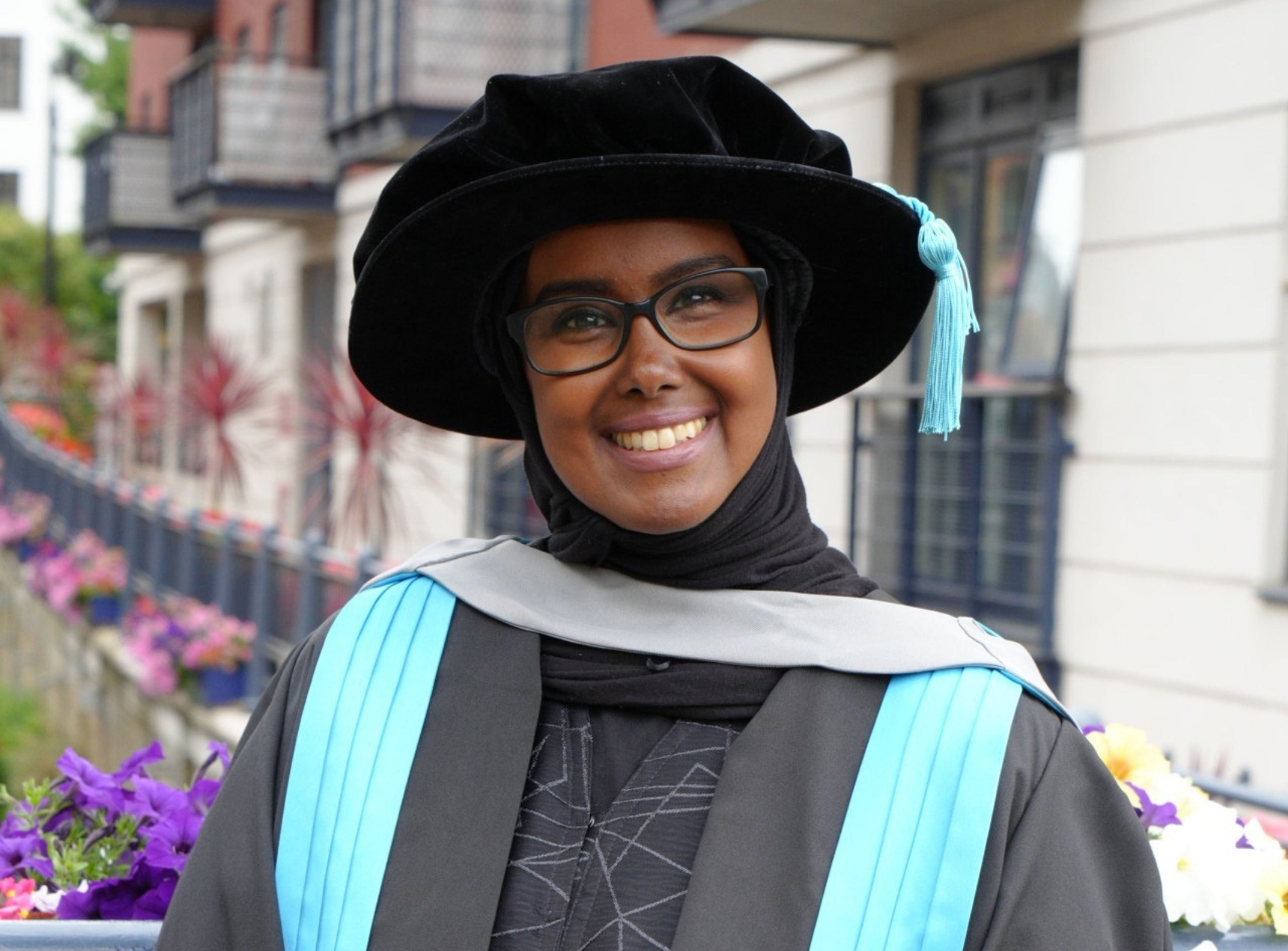
Aida Noor, Biomedical Scientist, Founder of Biomedical Science & Beyond, CLINICAL24 Ambassador
This summer, I returned to Kingston University, my alma mater, to speak to graduates at their graduation ceremony.
Standing in front of a new generation preparing to enter an increasingly complex world of work was a full-circle moment personally, but it also made me reflect on the future of Biomedical Science.
Our profession is changing rapidly. Laboratories are becoming increasingly automated and digitally connected. Molecular diagnostics, genomics and data-driven technologies continue to evolve, while artificial intelligence is becoming part of wider conversations around healthcare and diagnostics.
At the same time, experienced professionals are retiring, laboratories face workforce and recruitment pressures, and valuable expertise risks leaving with them.
The future of Biomedical Science therefore cannot be a conversation about technology alone.
It must also be a conversation about people.
From education to employability
Alongside my work as a Biomedical Scientist, I founded Biomedical Science & Beyond, an educational platform through which I communicate with students, graduates and early-career professionals about careers, employability, professional development and the changing Biomedical Science landscape.
Combined with university talks, career events and face-to-face conversations with students, this gives me regular insight into the questions, ambitions and uncertainties of those preparing to enter the profession.
Many of their questions are remarkably similar.
How do I gain laboratory experience? Which roles should I apply for? How do I move from university into employment? What skills will employers expect? Where can Biomedical Science take me?
These questions reveal an important gap.
Students may leave university with strong scientific knowledge yet still lack clarity about how the profession works how different roles fit together or how their education translates into employability.
If we want to strengthen the future workforce, recruitment cannot begin only when a vacancy appears.
We need to help people understand Biomedical Science earlier: what modern laboratories look like, what different professionals contribute, how careers develop and where the profession may be heading.
Education and employability are connected, but they are not the same thing.
Future laboratories need future skills
Scientific and technical competence will always remain fundamental to Biomedical Science.
But future laboratory professionals will need more than technical knowledge alone.
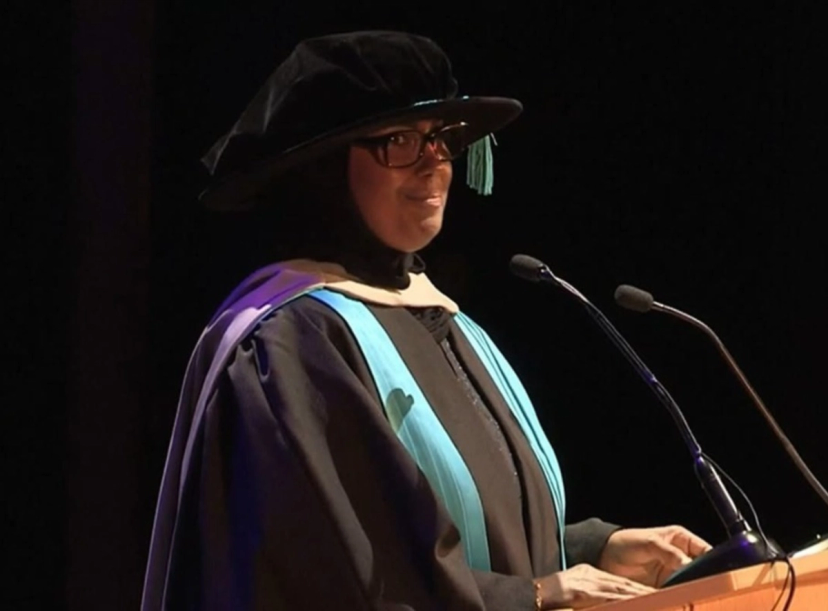
Aida Noor is a Biomedical Scientist, Science Communicator, and Speaker passionate about bridging the gap between education, careers, and the evolving future of work
Adaptability will matter as technology and workflows change. Digital confidence will become increasingly important as laboratories make greater use of automation, informatics and emerging technologies. Critical thinking will remain essential when something does not fit the expected pattern. Communication and collaboration will matter as laboratory medicine becomes increasingly multidisciplinary.
Perhaps one of the most important skills will be a questioning mindset: the confidence to ask why something is done in a particular way and whether there may be a better way of doing it.
Innovation does not happen simply because new technology arrives in the laboratory.
It happens when people understand it, challenge it, validate it and use it intelligently.
Preserving expertise while encouraging new thinking
As experienced Biomedical Scientists retire, laboratories risk losing more than technical knowledge.
They can also lose years of professional judgement, troubleshooting experience and practical understanding that cannot always be captured in a procedure or training manual.
Knowledge transfer is therefore critical.
But I believe that exchange should work in both directions.
Experienced professionals bring depth, judgement and knowledge developed over many years. Early-career professionals may bring different perspectives, digital confidence and fresh questions about established practices.
The strongest laboratories of the future will create space for both.
Supporting the next generation should not simply mean teaching them to reproduce everything that came before. It should mean giving them strong professional foundations while also allowing them to participate in what comes next.
One message I shared with graduates at Kingston was:
“Your future doesn’t have to look like anyone else’s, so don’t spend your life comparing it. Build your own.”
I believe this applies to professional development too.
Future Biomedical Scientists may build careers that look different from those of previous generations. That does not have to weaken the profession. It can broaden it.
Making Biomedical Science visible
Biomedical Science also faces a visibility challenge.
So much of our contribution to patient care happens away from public view.
That matters when we talk about attracting the next generation.
If students and young people do not understand what Biomedical Scientists do, see the environments in which they work or hear from professionals within the field, it becomes much harder for them to imagine themselves joining it.
As a profession, we need to become better at communicating our value.
That may happen through university engagement, careers events, professional organizations, workplace outreach or digital platforms such as Biomedical Science & Beyond.
Not every scientist needs to become a content creator. But more practicing professionals sharing their experiences can help make Biomedical Science visible, accessible and understandable.
It can also demonstrate that Biomedical Science offers more than one possible career trajectory.
Traditional diagnostic laboratory careers remain central, but scientific expertise increasingly intersects with genomics, informatics, quality, research, education, industry, innovation and scientific communication.
Helping students understand those possibilities may also help us retain talented people whose careers evolve in different directions.
Beyond the bench — but grounded in it
For me, “beyond the bench” has never meant leaving the laboratory behind.
My laboratory experience remains the foundation of everything else I do. It informs the educational content I create, the conversations I have with students and the messages I share when speaking publicly.
Going beyond the bench means recognizing that both individuals and professions evolve.
The Biomedical Science workforce of the future will inherit extraordinary expertise from those who came before it while entering a profession shaped by technologies and challenges, we are still learning to understand.
Our responsibility is therefore not simply to fill tomorrow’s vacancies.
It is to transfer knowledge, create opportunities, develop future skills, make the profession visible and give emerging professionals the confidence to contribute.
Standing in front of graduates this summer reminded me that the future of Biomedical Science is not something distant that we are waiting for.
That future is already entering the profession.
Our job is to make sure we are ready to welcome it, develop it — and listen to it.
🔗 Linktr.ee https://linktr.ee/AidaNoor
🔗 YouTube: @Aida-Noor
🔗 LinkedIn: Aida Noor
🔗 Books: Aida Noor on Amazon
🔗 NewsLetter A Scientist With A Vision
🔗 Platforms: Biomedical Science and Beyond I Creating Your Dream Career