
Automated LC-MS/MS brings clinical mass spectrometry closer to routine testing
Roche’s Donald Mason explains how automation, standardization, and core-lab integration could help clinical laboratories expand access to mass spectrometry-based testing
18 Aug 2026

Donald Mason, Senior Marketing Manager for Mass Spectrometry in the United States at Roche
Clinical mass spectrometry is widely valued for its sensitivity and analytical versatility. In areas such as therapeutic drug monitoring, clinical toxicology, endocrinology, newborn screening, and vitamin D testing, mass spectrometry can provide clinically important information for specific patient cohorts and diagnostic questions.
Despite this, mass spectrometry has historically been difficult to implement in routine clinical care settings. Complex instrumentation, manual sample preparation, long turnaround times, specialist staffing needs, and data-processing requirements have often kept LC-MS/MS testing within reference laboratories, specialty chemistry labs, and some academic medical centers.
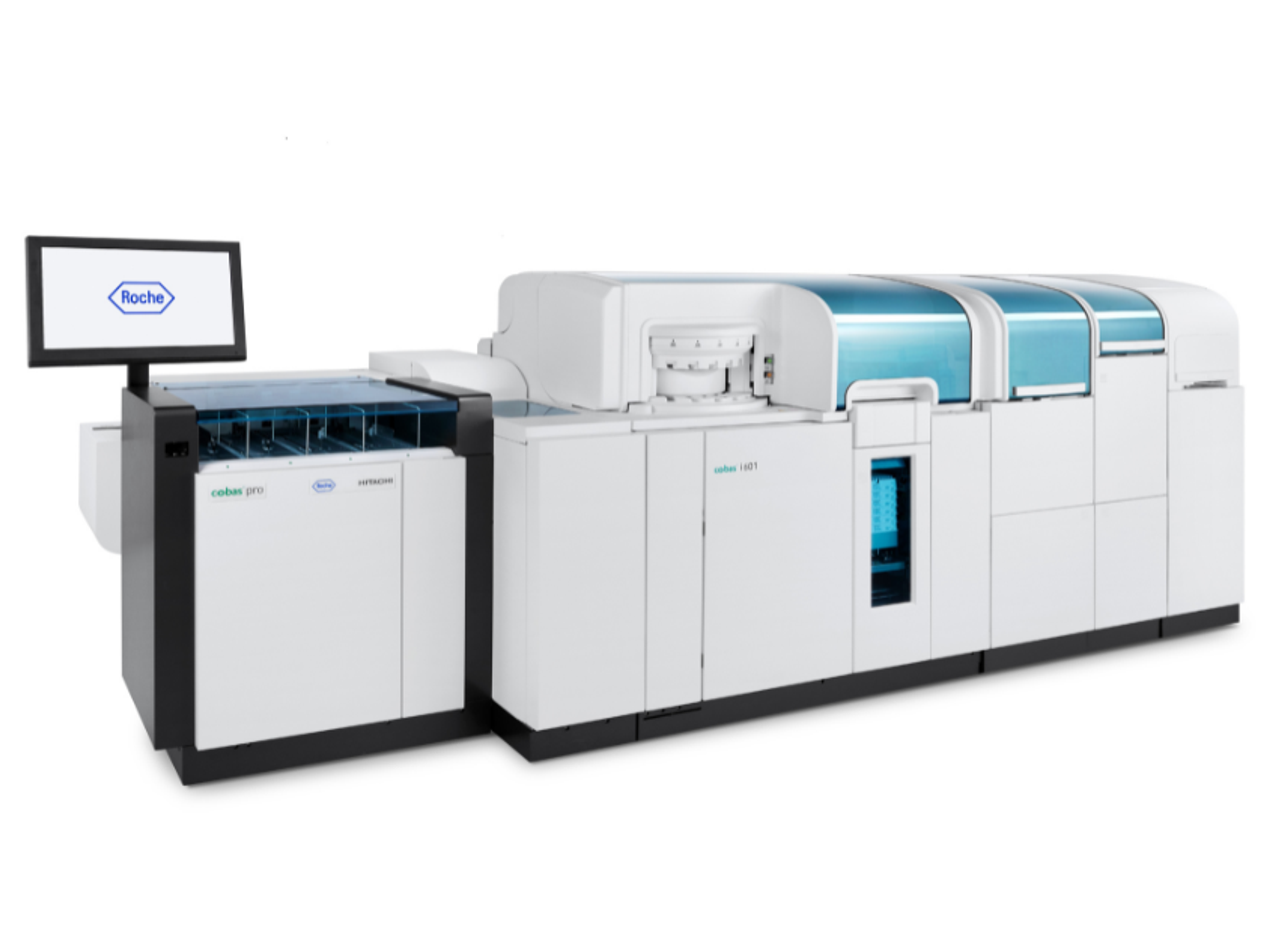
For Donald Mason, Senior Marketing Manager for Mass Spectrometry in the United States at Roche, this gap between clinical value and routine accessibility is one of the key challenges Roche set out to address with the cobas® Mass Spec solution, comprising the cobas® pro i 601 analyzer and Ionify® reagents.
Why clinical mass spectrometry remains underused
Mason has worked with mass spectrometry in clinical diagnostics for more than 25 years. His career began supporting some of the first US newborn screening laboratories that adopted mass spectrometry to screen for inborn errors of metabolism. Since then, he has held roles across technical support, marketing, and medical and scientific affairs, all focused on clinical mass spectrometry.
“I have been involved with the application of mass spectrometry in a clinical diagnostic setting for over 25 years,” says Mason.
For him, the value of clinical mass spectrometry lies in its ability to extend what laboratories can offer clinicians and patients. While many routine tests meet a large proportion of provider needs, more complex clinical questions can require higher analytical sensitivity and selectivity.
“Today’s clinical lab tests satisfy a large percentage of provider and patient needs,” he says. “But as patient needs evolve, laboratory testing must also evolve.”
In specific clinical situations, best practices or guidelines may call for mass spectrometry-based testing. If a healthcare system does not have access to this capability in-house, specimens may need to be sent to a reference laboratory, which can add cost and delay results.
The operational barriers to routine LC-MS/MS testing
Despite its analytical strengths, LC-MS/MS has historically sat outside routine core lab workflows. Mason says this is largely because laboratories have had limited commercially available options that resemble the clinical chemistry and immunochemistry analyzers already embedded in everyday operations.
Mass spectrometry has historically sat at the periphery of laboratory medicine because of its operational complexity, the need for specially trained staff, and the lack of commercial solutions.
Donald Mason Roche
“Mass spectrometry is a powerful analytical technique that is widely sought after by the clinical chemistry community,” says Mason. However, for many laboratories, implementing mass spectrometry has meant building and maintaining laboratory-developed tests, which creates significant operational responsibility.
“Labs become the de facto manufacturer of the mass spec-based Laboratory Developed Tests (LDTs) they offer,” Mason explains. “The design, development, implementation, and maintenance of these tests are the sole responsibility of the lab.”
This model can require laboratories to source components from multiple vendors and assemble them into a routine testing workflow. Under Clinical Laboratory Improvement Amendments (CLIA), LDTs are classified as high-complexity tests, so there are also implications for staff training and laboratory director oversight. Taken together, these factors mean there is limited mass spectrometry adoption in many clinical settings, even where the clinical value is clear.
Automated mass spectrometry for the core clinical chemistry lab
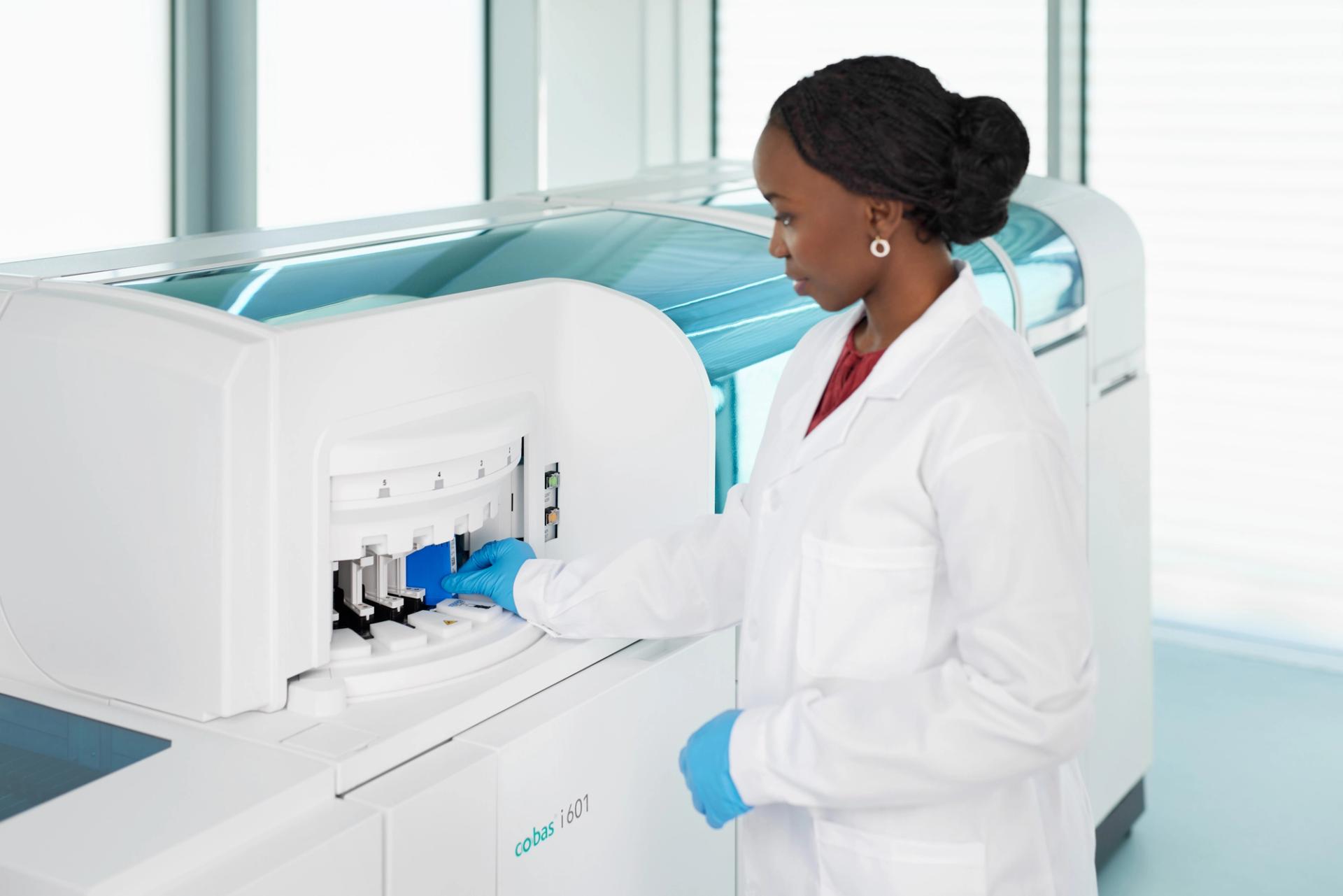
Roche’s approach is to make mass spectrometry operate more like a routine clinical chemistry workflow. The cobas® pro i 601 analyzer is part of the cobas® pro family of instruments and forms part of the cobas® Mass Spec solution alongside Ionify® reagents.
“As a member of the cobas® pro family of instruments, the cobas® Mass Spec solution is a fully automated mass spectrometry-based clinical analyzer that seamlessly integrates into core clinical chemistry labs,” says Mason. “In short, it is a clinical chemistry analyzer that is based on mass spec technology.”
For clinical laboratories, this distinction is important. Rather than requiring a standalone specialist workflow, automated LC-MS/MS can be brought closer to the operational model of the core lab, with random access, high throughput, and reduced hands-on complexity.
Simplifying sample preparation, calibration, and data processing
According to Mason, the cobas® Mass Spec solution is made possible by a combination of innovations across sample preparation, calibration, and data handling.
“There are numerous innovations incorporated into the cobas Mass Spec solution,” he says. “No single innovation makes the solution possible. It is the interplay of literally dozens of innovations.”
One key focus is standardization. The Ionify® assays available on the i 601 are traceable to reference measurement procedures. Combined with a novel calibration approach, this is designed to support comparable results across different locations and over time.
Calibration frequency is also extended, enabling random access operation. This allows laboratories to run tests more flexibly and makes it more practical to bring even lower-volume tests in-house.
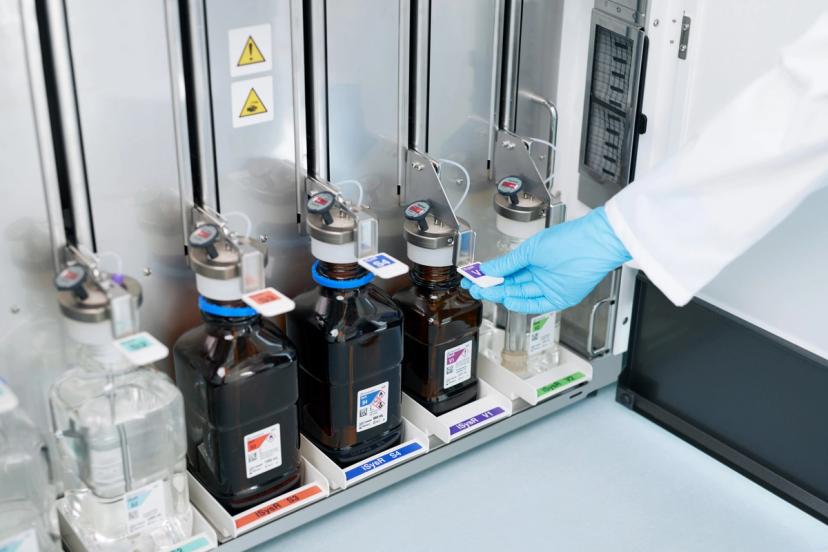
Sample pretreatment, historically one of the largest bottlenecks in clinical mass spectrometry, is automated using paramagnetic particle-based sample preparation. This produces purified and enriched extracts for quantitative testing. The system also automates data reduction and results reporting, helping remove the need for manual data analysis.
Improving turnaround time and throughput in clinical MS workflows
For mass spectrometry to become more routine, automation must translate into practical workflow gains. Mason says that once daily QC is complete and a specimen is registered on the instrument, the cobas® pro i 601 analyzer has a time to first result of 34 minutes. Thereafter, a result is generated every 36 seconds, providing throughput of up to 100 tests per hour.
Daily maintenance is also designed to align with routine core lab expectations. According to Mason, daily maintenance typically requires less than 10 minutes of hands-on time, with a schedule similar to other cobas® pro analyzers such as the e 801 and c 703.
The pro i 601 analyzer is designed to work with most liquid clinical specimen types, including urine, serum, plasma, and whole blood hemolysate. In the United States, seven tests are currently available on the pro i 601: androstenedione, estradiol, progesterone, 17-hydroxyprogesterone, DHEA, DHEA-S, and total 25-hydroxyvitamin D. A further 29 tests are currently in various stages of regulatory approval in the USA.
Expanding access to mass spectrometry-based clinical testing
Mason believes automated mass spectrometry could significantly broaden access to high-quality testing within core clinical chemistry labs.
“The cobas® Mass Spec solution is poised to dramatically increase the accessibility of high-quality mass spectrometry-based testing to core clinical chemistry labs,” he says.
He compares the potential shift to the introduction of automated immunoassay testing, which helped move complex diagnostic capabilities into routine laboratory environments. Today, many mass spectrometry-based tests remain LDTs performed in specialty chemistry laboratories with dedicated staff. The cobas® Mass Spec solution is designed to change that model by making selected MS-based testing more accessible to core lab teams.
The first seven Ionify® assays have received a determination of Moderate Complexity from the FDA, which Mason describes as a first for mass spectrometry. For clinical laboratories, this could help current core lab staff operate testing that was once highly complex and manual.
There may also be wider implications for specialist laboratories. If high-volume routine mass spectrometry tests can move into the core lab, specialist MS teams may be able to focus more time and expertise on developing the next generation of high-value medical laboratory tests.
As laboratories navigate workforce pressures, rising operational complexity, and growing demand for advanced testing, the future of clinical mass spectrometry may depend not only on analytical performance, but on accessibility. By simplifying LC-MS/ MS workflows and integrating mass spectrometry into the core lab, automated solutions could help more laboratories turn a historically specialist technology into a routine diagnostic capability.
Related products
Request Quote for All Products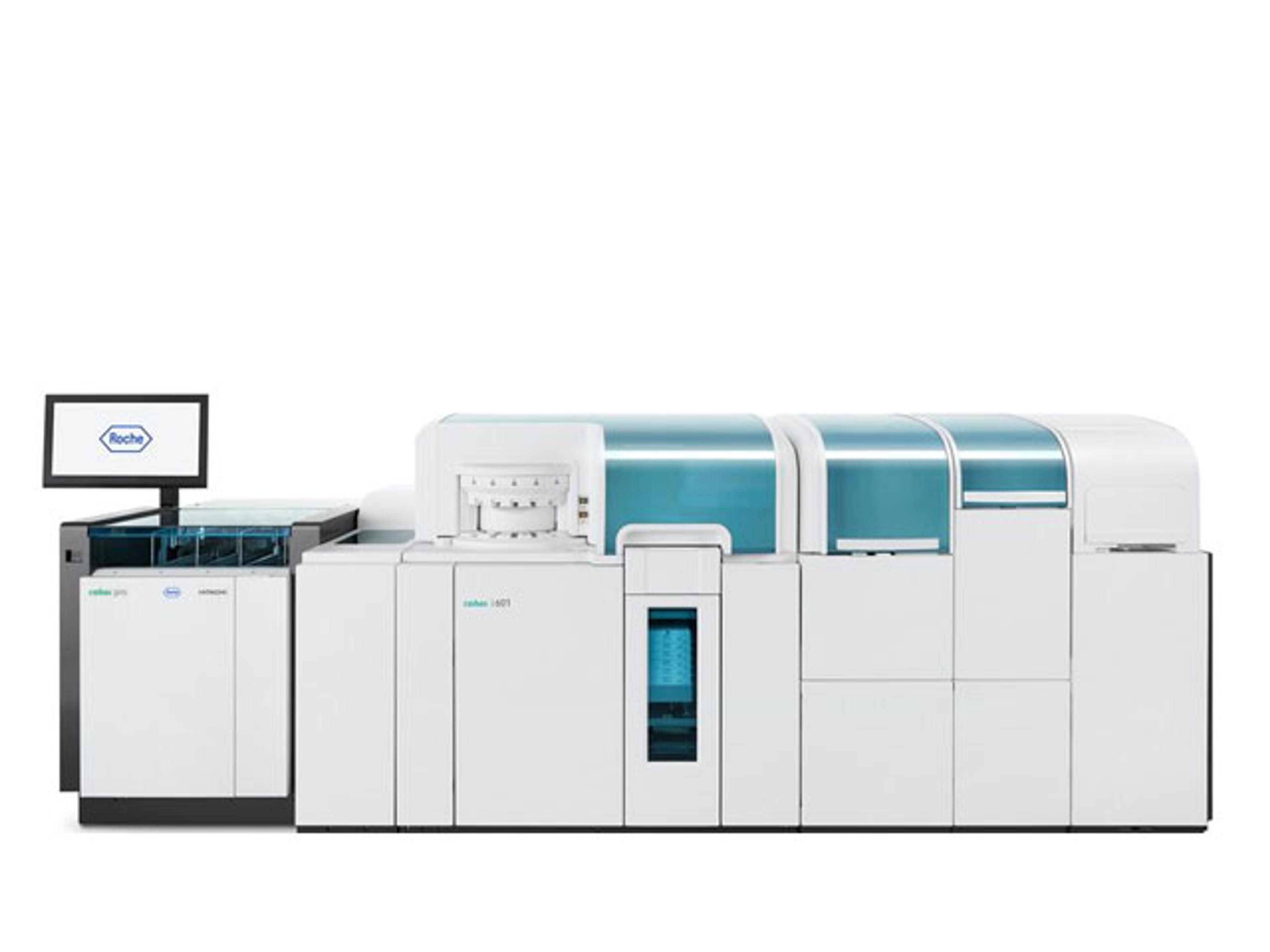
cobas® 6000 Chemistry Analyzer Series
RocheThe cobas® 6000 analyzer series offer tailor-made solutions to medium to large workload laboratories. Flexible combinations of clinical chemistry (cobas c 501 module) and immunochemistry testing (cobas e 601 module) modules are available.
Links
Related content

Roche transforms mass spectrometry diagnostics with launch of cobas Mass Spec solution
Clinical mass spectrometry testing offers sensitivity and specificity, providing clinicians with additional diagnostic insights
Revolutionizing diagnostics with automated, integrated, and standardized clinical mass spectrometry
Guest editorial by Dr. Benjamin Lilienfeld, Lifecycle Leader Serum Work Area Systems, Senior Vice President, Roche
Roche expands automated mass spectrometry menu
The fully automated solution replaces labor-intensive manual workflows, reducing turnaround times and supporting faster, standardized, high-quality care
Tags
Frequently asked questions
Show frequently asked questions
How is Roche’s cobas® Mass Spec solution changing clinical mass spectrometry in core chemistry labs?
Roche’s cobas® Mass Spec solution, combining the cobas® pro i 601 analyzer and Ionify® reagents, makes LC‑MS/MS operate like a routine clinical chemistry analyzer. It offers fully automated sample preparation, calibration, data handling, random access, and high throughput, helping core clinical chemistry labs adopt mass spectrometry-based testing that was previously confined to reference and specialty laboratories.
What operational barriers have historically limited LC‑MS/MS adoption in routine clinical diagnostics?
Clinical LC‑MS/MS has been constrained by complex instrumentation, manual sample preparation, long turnaround times, specialist staffing, and intensive data processing. Labs often had to build and maintain high‑complexity LDTs under CLIA, sourcing components from multiple vendors. This operational burden kept mass spectrometry largely in reference labs, specialty chemistry labs, and academic medical centers despite its strong clinical value.
Which Ionify® mass spectrometry assays are currently available on the cobas® pro i 601 analyzer in the United States?
In the United States, seven Ionify® assays are available on the cobas® pro i 601 analyzer: androstenedione, estradiol, progesterone, 17‑hydroxyprogesterone, DHEA, DHEA‑S, and total 25‑hydroxyvitamin D. These assays have received a Moderate Complexity determination from the FDA, a first for mass spectrometry, helping core clinical chemistry lab staff run tests that were once highly complex and manual.