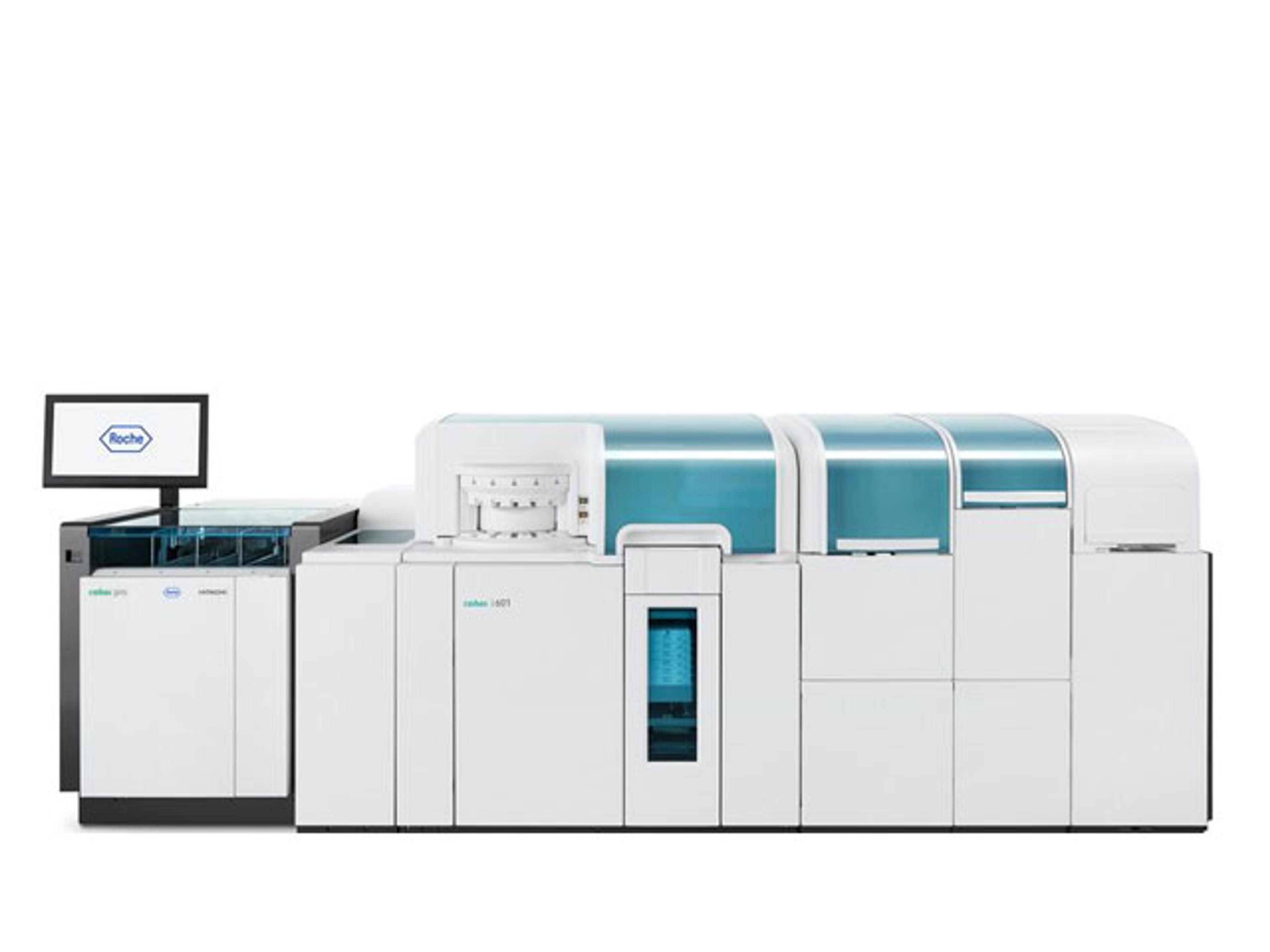
Roche expands automated mass spectrometry menu
The fully automated solution replaces labor-intensive manual workflows, reducing turnaround times and supporting faster, standardized, high-quality care
29 Dec 2025
Roche has announced that it has secured CE Mark approval for its mass spectrometry reagent pack for antibiotics drug monitoring. This establishes Roche's in-vitro diagnostics (IVD) menu as the broadest available for any automated mass spectrometry platform, including already 39 of the most frequently tested targets.
The cobas® Mass Spec solution Ionify® reagent portfolio includes tests for therapeutic drug monitoring for immunosuppressants and antibiotics, along with steroid hormones and vitamin D metabolites. These tests will enable laboratories to transition from labor-intensive and manual operation to a fully automated, standardized, easy-to-use solution.
The cobas Mass Spec solution is currently available in selected markets accepting the CE mark, as well as other markets including the United Kingdom, Canada and Japan. In parallel, Roche achieved 'moderate complexity' categorisation under the Clinical Laboratory Improvement Amendments of 1988 (CLIA) of the first analyte in the US.
As the first mass spectrometry assay to receive this designation, it marks a significant step toward broadening clinical utility across routine laboratories by eliminating the need for specialists to run the assay. Roche is continuously working with regulatory authorities around the world to further expand system and assay availability.
“When patients get results sooner, we increase the likelihood that they will get the right treatment,” said Matt Sause, CEO of Roche Diagnostics. “With a comprehensive menu for automated mass spectrometry, we are giving clinicians and laboratories the tools to make faster, more precise diagnoses, reducing the time from sample to result. This approach also allows clinicians to better monitor the effectiveness of drug therapies and to optimise antibiotic use, a vital step in combating the major global healthcare challenge of antimicrobial resistance."