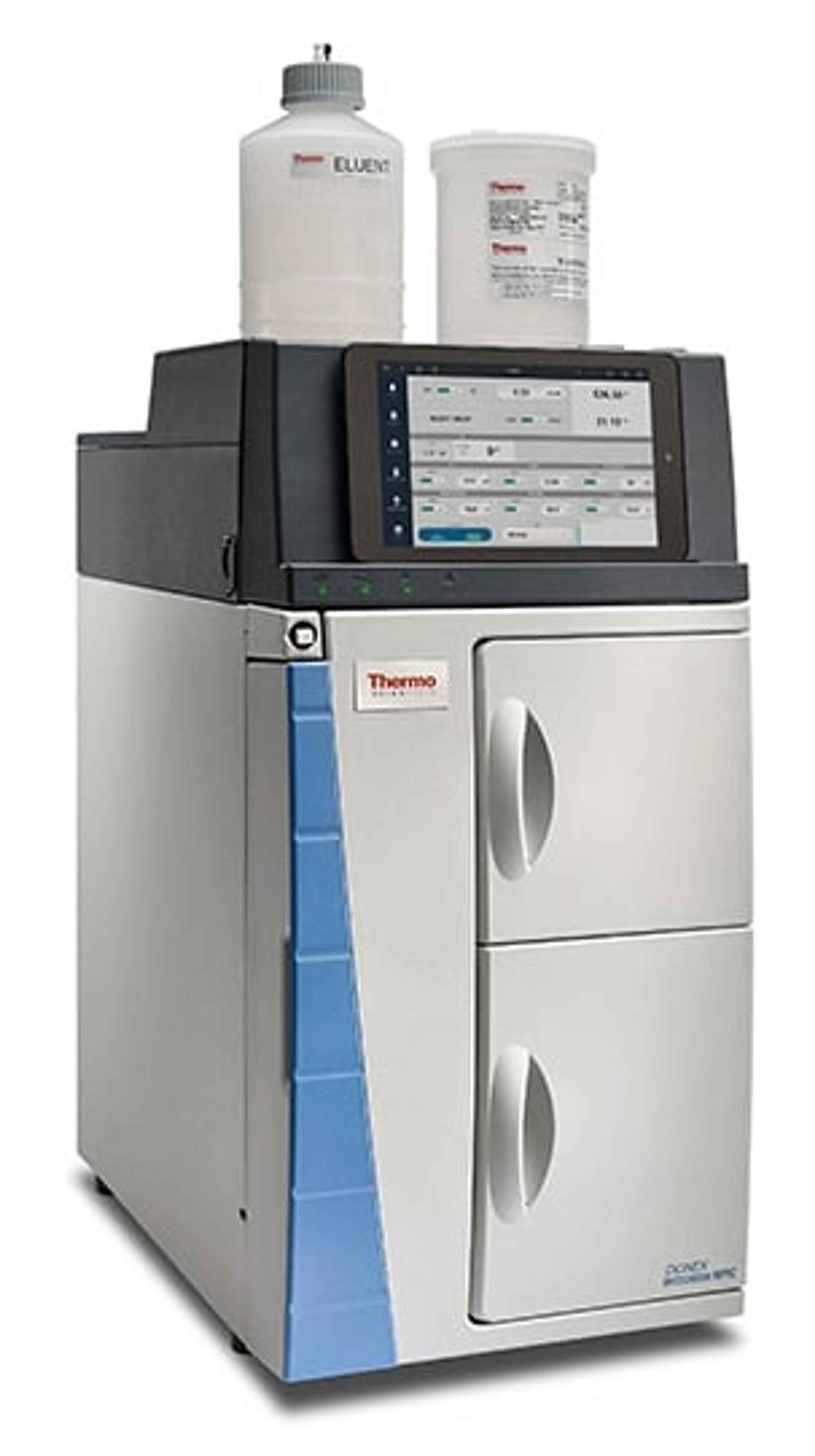
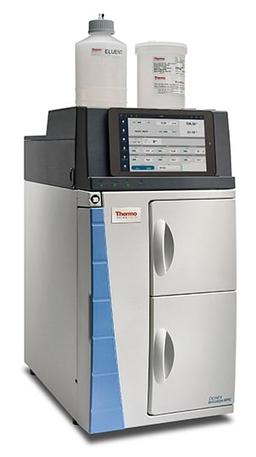
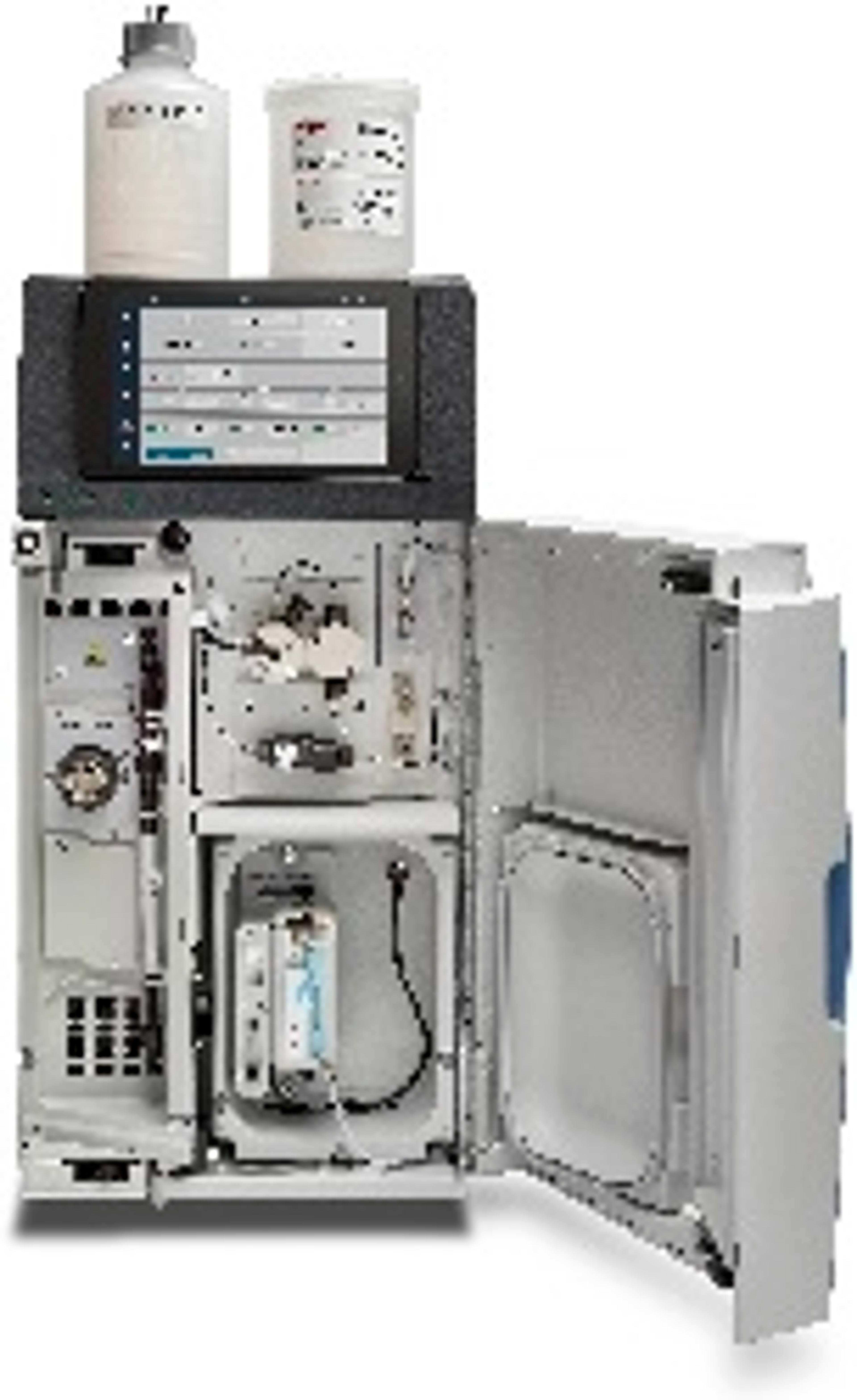
Thermo Scientific™ Dionex™ Integrion™ HPIC™ System
As an ion chromatographer, the routine IC applications you run give the rest of us the peace of mind to use everyday resources like water, food and beverages, biofuels and pharmaceuticals without a second thought. Using this high-pressure-capable IC system to separate and quantify common ionic pollutants in municipal drinking water and wastewater can provide faster, more cost-effective methods for regulatory compliance testing…
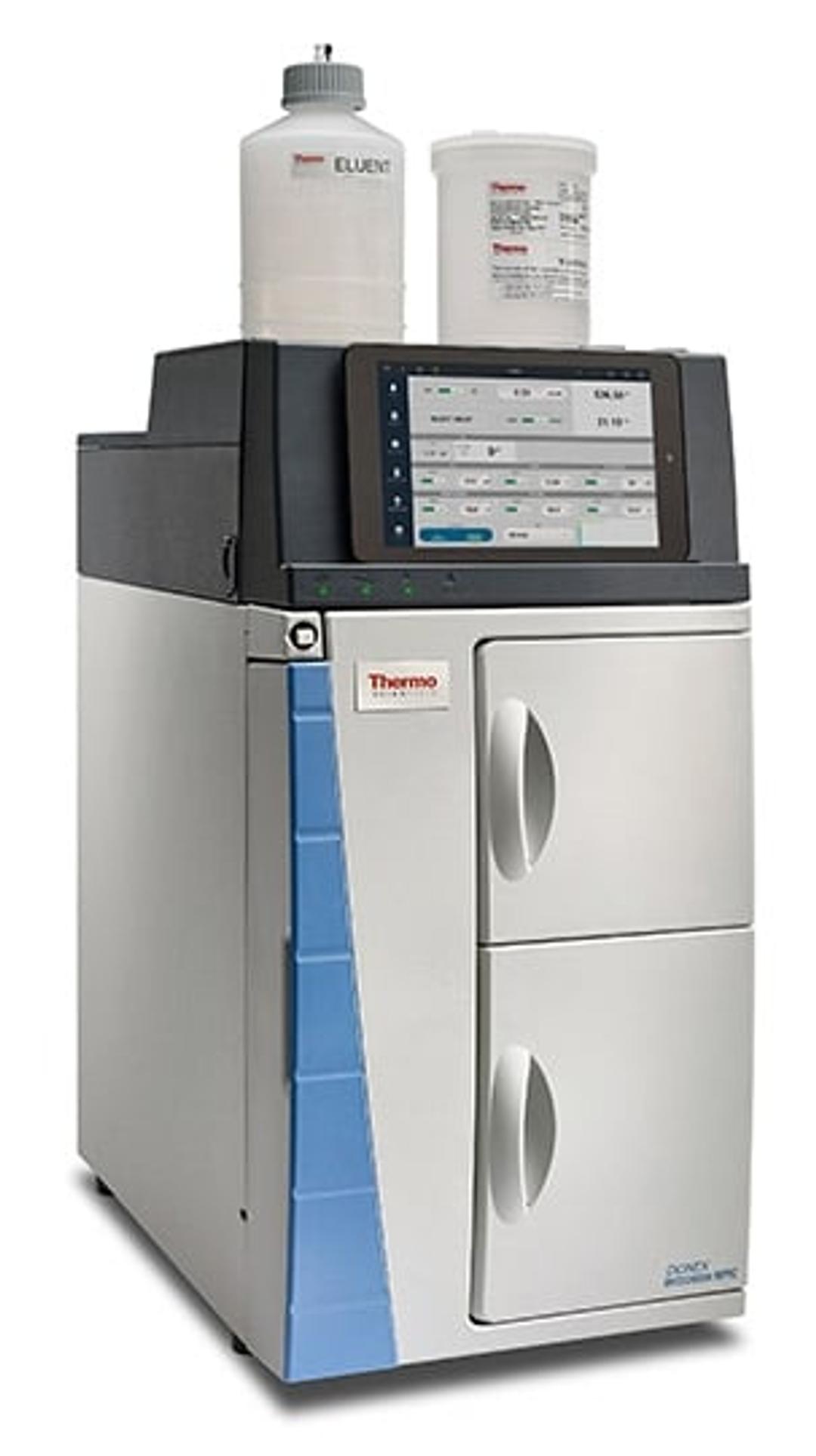
A Design That Blends Seamlessly Into Your Lab
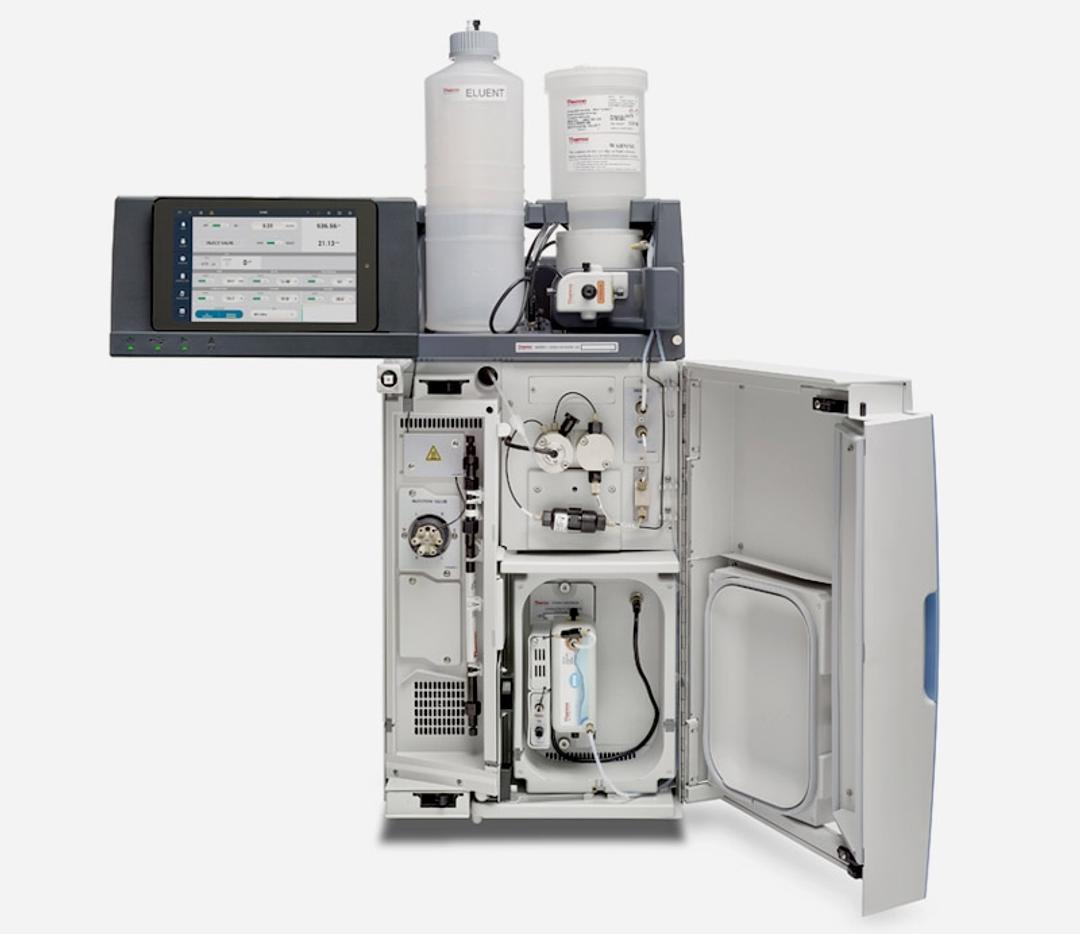
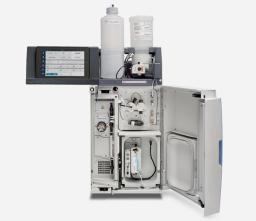
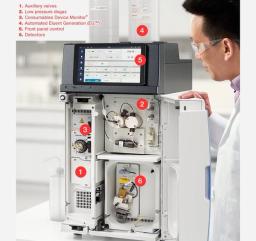
Simplified Plumbing Layout With Integrated Architecture
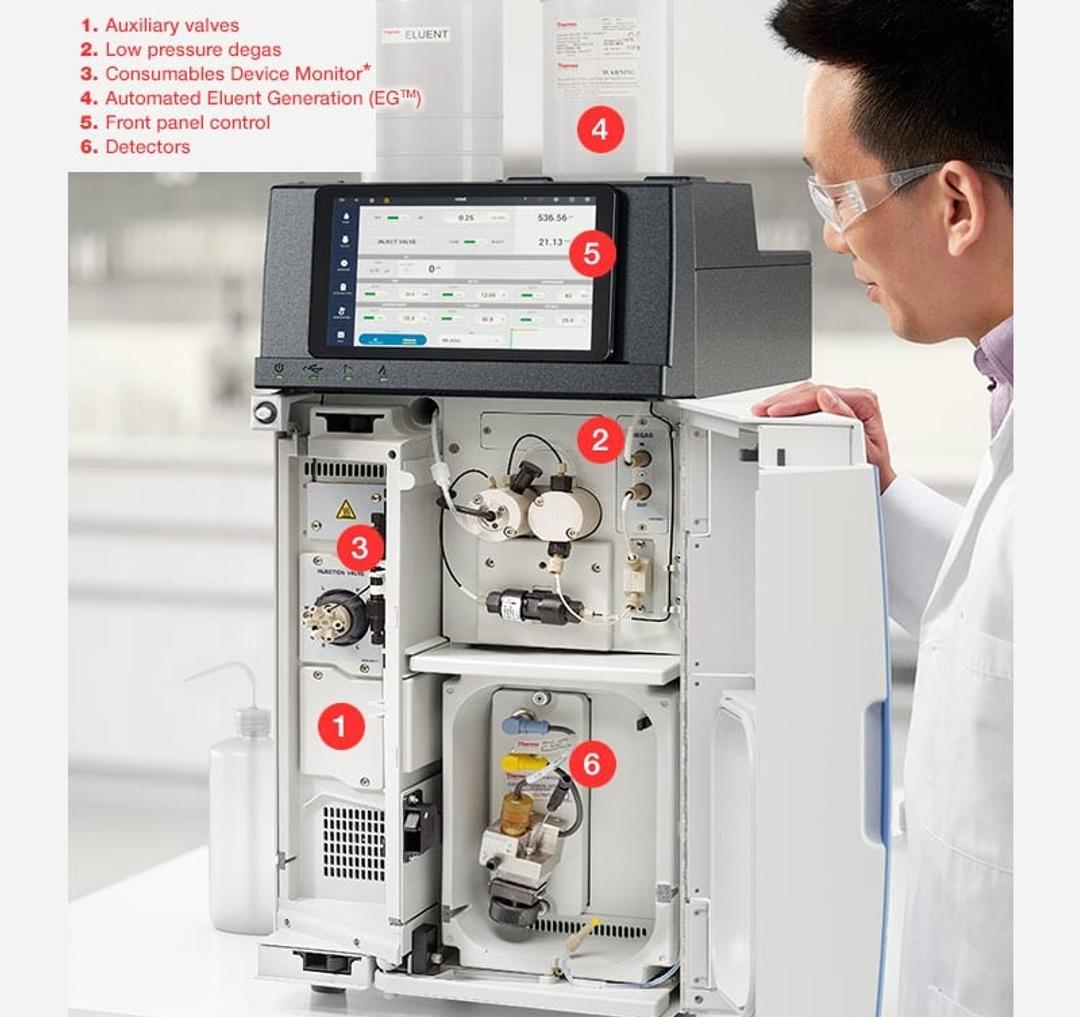
Easy To Install Fittings




The supplier does not provide quotations for this product through SelectScience. You can search for similar products in our Product Directory.
The backbone of our laboratory
Ions in air and precipitation
Achieves high quality data with great sensitivity. The after care with service through Unity is personable, and the technicians that work with us are very knowledgeable.
Review Date: 6 Dec 2021 | Thermo Fisher Scientific
Very fast equilibration.
Ion chromatography
Very fast equilibration, high performance, and easy to use (changing column etc).
Review Date: 12 Mar 2020 | Thermo Fisher Scientific
Great instrument.
Environmental analysis
Great robust product that is a workhorse in our lab.
Review Date: 25 Oct 2018 | Thermo Fisher Scientific
Great Instrument Overall
Trace Inorganic Analysis
Great instrument, easy to use. Is a bit loud compared to its older models.
Review Date: 14 Mar 2018 | Thermo Fisher Scientific
Easy to use. SW Chromeleon 7 is the best CDS
Sugar analysis
Integrion is an amazing instrument. With Dionex Ion chromatography is easier. They are the solution.
Review Date: 29 Jun 2016 | Thermo Fisher Scientific
As an ion chromatographer, the routine IC applications you run give the rest of us the peace of mind to use everyday resources like water, food and beverages, biofuels and pharmaceuticals without a second thought. Using this high-pressure-capable IC system to separate and quantify common ionic pollutants in municipal drinking water and wastewater can provide faster, more cost-effective methods for regulatory compliance testing. Nothing supports you in this role more than your laboratory instruments. The Thermo Scientific™ Dionex™ Integrion™ HPIC™ system is designed to be your reliable lab partner. Features:
- Simplified plumbing layout with integrated architecture - Layout based on logical flow-path for easy component access in a compact platform with a small physical footprint.
- Consumables Device Monitor - Provides positive identification of a consumable's performance metrics, preventing consumable installation errors and mismatches by automatically logging consumable use and performance.
- Detachable tablet with local language support - Flexible access to IC controls that speak your language
- Upgradeable features - In a fluid market with changing demands, the Dionex Integrion IC system offers a wide range of upgradable components, so it can grow with your needs over time. These include electrolytic sample preparation and electrolytic water purification
- Automated Eluent Generation (EG™) - Eliminate human errors associated with manual eluent preparation and improve method reproducibility from operator-to-operator and lab-to-lab. The Dionex Integrion IC system brings consistent results to all your applications. In this case, 100 injections of a simple sugar mixture are highly reproducible.
- Wide range of column support - Choose the column sizes you need for your applications, including smaller-particle-size 4 µm columns that provide faster run times and better resolution.
- Flexibility – two different models to choose from and option to choose right detector or column format for your application

Determination of perchlorate by US EPA Method 332.0 using a compact HPIC system with mass spec
Perchlorate has been used as an oxidizer in rockets, munitions, and fireworks since the 1950s. It has been found to cause thyroid dysfunction and has been linked to tumors in humans. Perchlorate is regulated under the Safe Drinking Water Act (2011) although the Maximum Contaminant Level Goal (MCLG) and Maximum Contaminant Level (MCL) have not yet been established. Explore how Thermo Fisher Scientific identifies and quantitates trace levels of perchlorate in raw and finished drinking waters according to US EPA Method 332.0 using a compact high-pressure ion chromatography (HPIC) system coupled with a single quadrupole mass spectrometer.
Tapping technology to advance your ion chromatography methods
Over the last 45 years, ion chromatography (IC) system and column technology innovations have improved many IC applications for greater ease of execution, accuracy, consistency, and sensitivity. Thermo Fisher Scientific outlines the enhancements in ionic determinations that have resulted from innovations in IC technology. Discover how practically any IC application can be simplified, improved, and optimized for its ease-of-use.
Quality control and quality assurance in the food industry
The production of foods and beverages for human and animal consumption is governed by a whole host of regulatory agencies across the globe and also by guidelines on Good Manufacturing Practice (GMP).
In this eBook, we consider the suite of chromatography solutions from Thermo Fisher Scientific coupled with their various MS technologies (and other add-ons) through case studies demonstrating their application in QC testing of a wide range of food and beverage products.
Understand how these analytical methods overcome problems arising in traditional approaches, such as sample matrix interference or the need for pre-processing (e.g. derivatization), thereby enabling the high-resolution separation of complex samples at greater speed followed by high-sensitivity detection.
In-depth analysis of non-derivatized N-linked glycans using ion chromatography-orbitrap mass spectrometry
The development of reliable, high-throughput workflows for analysis of N-linked glycans is required in the biopharmaceutical industry. In this scientific poster, Thermo Fisher Scientific reports a novel method that couples high-performance anion-exchange chromatography and pulsed amperometric detection (HPAEPAD) to a Q Exactive mass spectrometer, a workflow that promises the fast release and subsequent analysis of N-linked glycans.
Fast Routine Analysis of Polar Pesticides in Foods by Suppressed Ion Chromatography and Mass Spectrometry
The presence of very polar ionic pesticides in surface and drinking water, as well as food and beverages, has become a controversial issue in recent years. The development of genetically modified crops tolerant to glyphosate and glufosinate, for example, promoted the use of these broad spectrum herbicides. The analysis of glyphosate and other polar compounds presents a difficult analytical challenge. Their polarity does not allow the direct analysis by reversed-phase HPLC, so alternative methods need to be applied. Derivatization of glyphosate prior to analysis or application of specific chromatographic columns, such as the Thermo Scientific™ Hypercarb™ column, are the common approaches.
Routine Analysis of Polar Pesticides in Water at Low Levels by Ion Chromatography
The analysis of polar ionic pesticides in surface and drinking water as well as food and beverages has become a controversial issue in recent years. The development of genetically modified organism (GMO) crops tolerant to glyphosate (N-(phosphonomethyl)glycine) and glufosinate ((RS)-2-amino4-(hydroxy(methyl)phosphonoyl)butanoic acid), for example, promoted the use of these broad spectrum herbicides. In addition, glyphosate is used as a crop desiccant and to suppress weeds in parks and at roadsides. Consequently, polar pesticides are found in foods as residues and in the environment as contaminants of surface waters and soils.
Rapid Detection of Pesticides in Food using Ion Chromatography and Mass Spectrometry
Learn an IC-MS/MS multi-residue method for high-throughput screening and quantitation of polar pesticide residues and their metabolites in food matrices below the current legislative requirements.
Analysis of Low Levels of Pesticides in Water using Ion Chromatography and Mass Spectrometry
Learn about an IC-MS/MS based method for the high-throughput screening and quantitation of polar pesticide residues and their metabolites in water matrices below the current legislative requirements.
Determination of High Sugar Concentrations in a Scotch Liqueur Sample Using a Compact Ion Chromatography System
This application note demonstrates a method for determining glucose, fructose and sucrose concentrations in a 100-fold diluted alcoholic beverage sample, in this example a scotch liqueur sample. The method used is HPAE-PAD on a Thermo Scientific™ Dionex™ Integrion™ RFIC™ system equipped with a 0.4 μL internal injection loop and the Thermo Scientific™ High Concentration Carbohydrate Analysis Kit1.
Determination of Sugars in Functional Drinks Using a Compact IC System
This application note demonstrates a high-performance anion-exchange with pulsed amperometric detection (HPAE-PAD) method to accurately determine sugar concentrations. In this proof note, the method is performed using a Thermo Scientific™ Dionex™ Integrion™ HPIC™ system, which allows fast determination of sugars in functional drinks, such as sports and energy drinks, with no eluent preparation or sample derivatization.
Accurate Determination of Water Contaminants Using Ion Chromatography
In this presentation, Chris Pegg, Senior Scientist Chemistry at Anglian Water, discusses the benefits of ion chromatography for determining bromate, chlorate and iodide content in water.
Discover How Thermo Fisher Scientific Enable the Environmental Community to Solve Problems Together
Simon Ellison, Sales Support Manager for Chromatography and Trace Elemental products at Thermo Fisher Scientific, introduces the capabilities of the Hemel Hempstead laboratory facility. This centre of excellence enables scientists to solve their problem to improve results.
Sensitive Conductivity and Electrochemistry Detectors Elevating Environmental Ion Chromatography
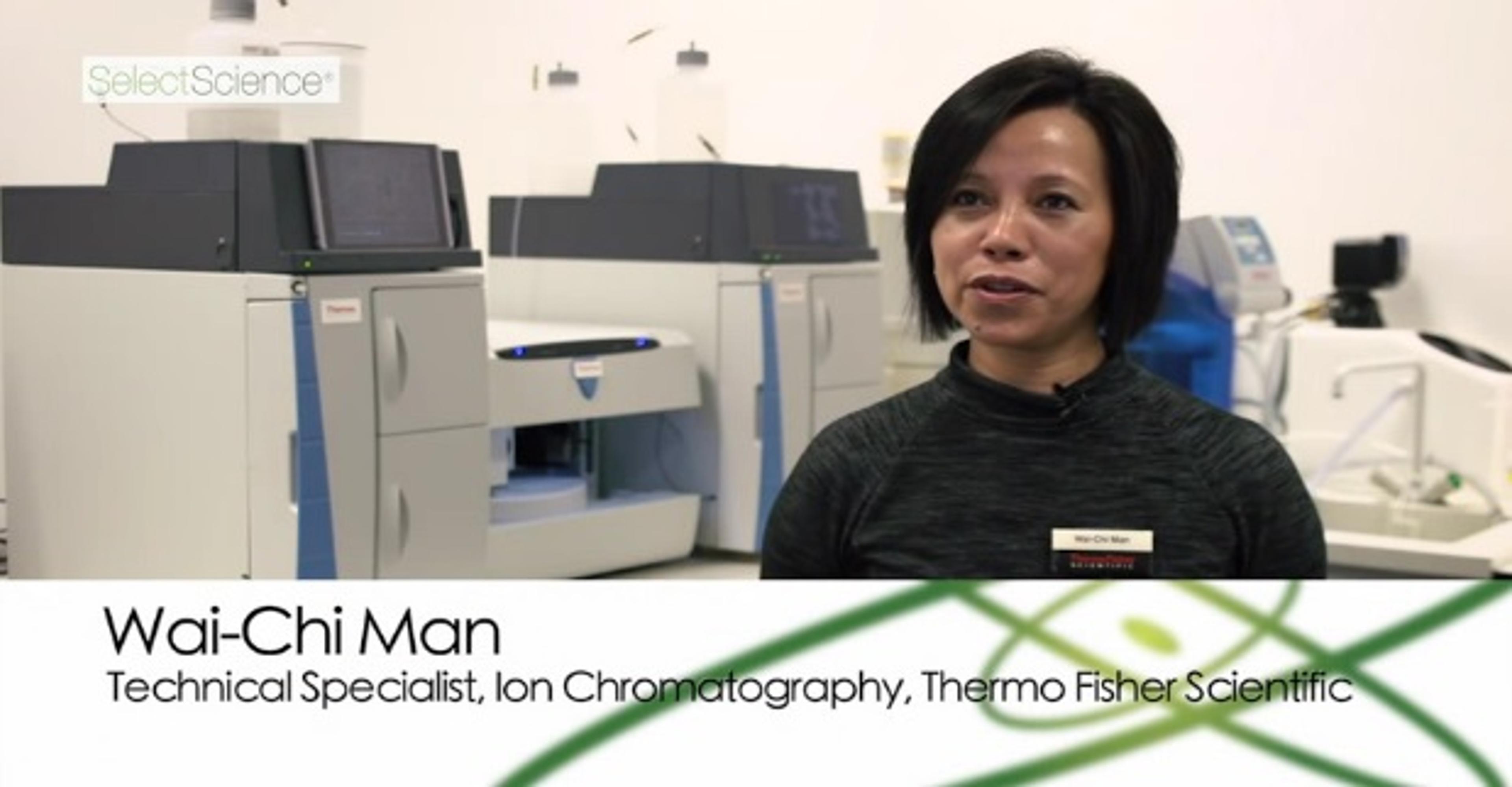
Hear from Wai Chi Man, Technical Specialist, Ion Chromatography, Thermo Fisher Scientific, explain the range of environmental applications that can benefit from ion chromatography technology.
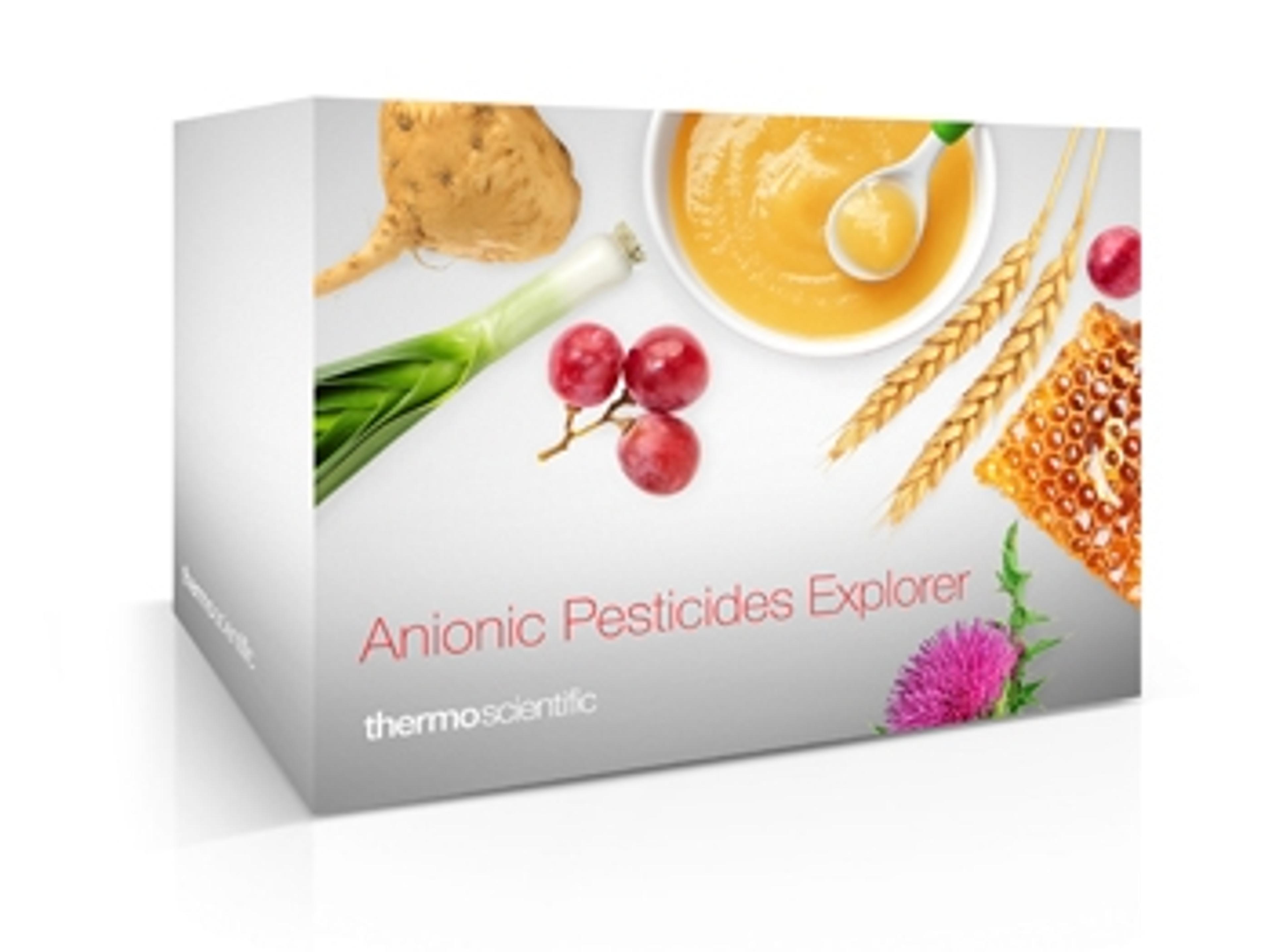
New validated workflow facilitates sensitive determination of anionic pesticides in food
Thermo Scientific anionic pesticides explorer delivers high-throughput detection, identification and quantification of anionic polar pesticides in compliance with the latest EU regulations

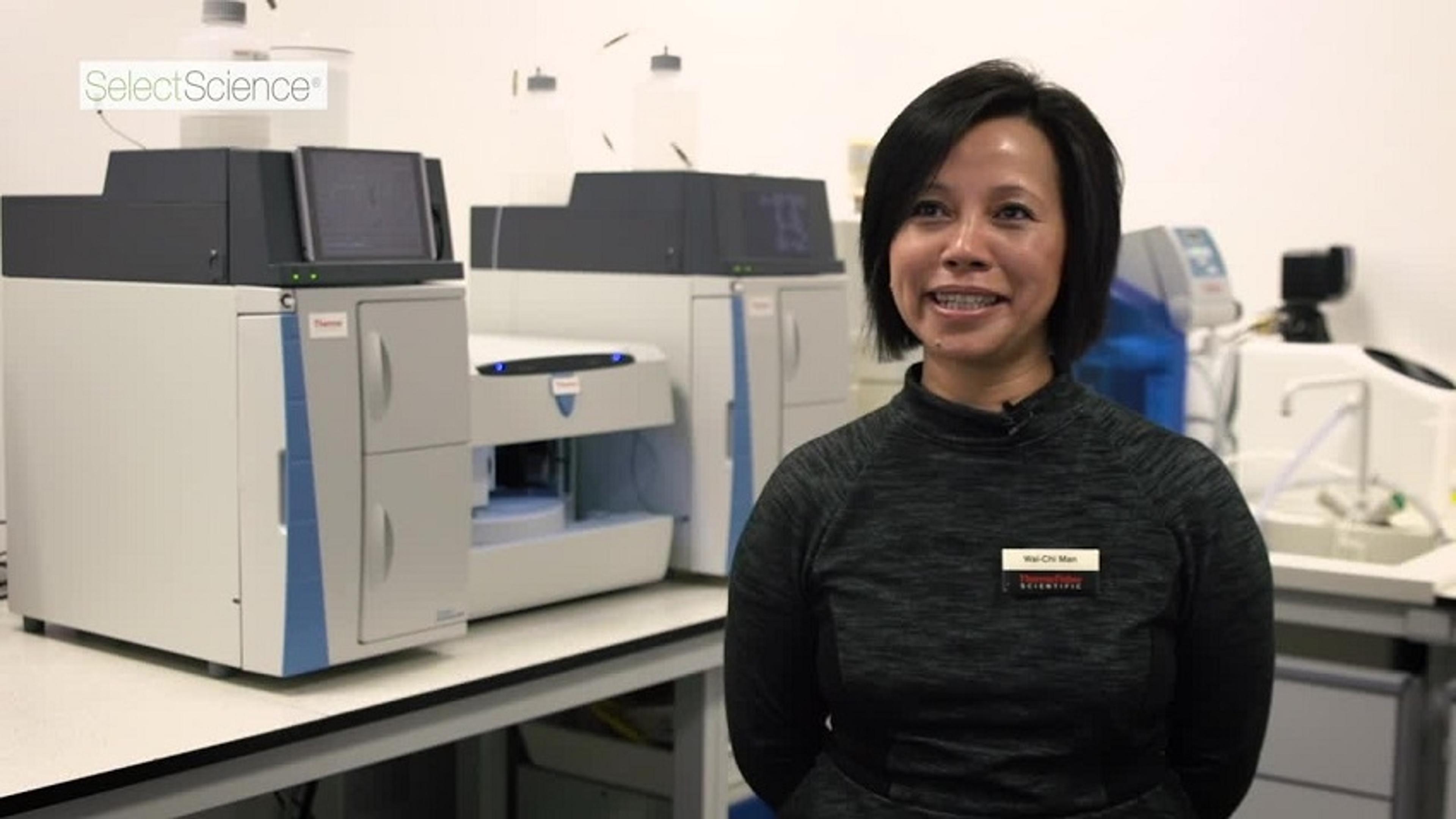
Enabling Efficient Ion Chromatography with Sensitive Conductivity and Electrochemistry Detectors
Wai Chi Man, Technical Specialist at Thermo Fisher Scientific, explains how ion chromatography can improve water contaminant analyses

Addressing the Trends in Food Quality Control
Meeting the demands of the food and beverage industry with advances in technology
Monitoring Contamination Through Environmental Soil Testing at Stanford University
SelectScience® spoke to Dr Guangchao Li, Technical Director of the Environmental Measurements Facility at Stanford University, about the technology enabling his research
High-Pressure Ion Chromatography System Delivers New Levels of Simplicity and Flexibility
Thermo Scientific Dionex Integrion High-Pressure Ion Chromatography (HPIC) system breaks new ground in productivity and efficiency for environmental, food safety, pharmaceutical and industrial/petrochemical laboratories