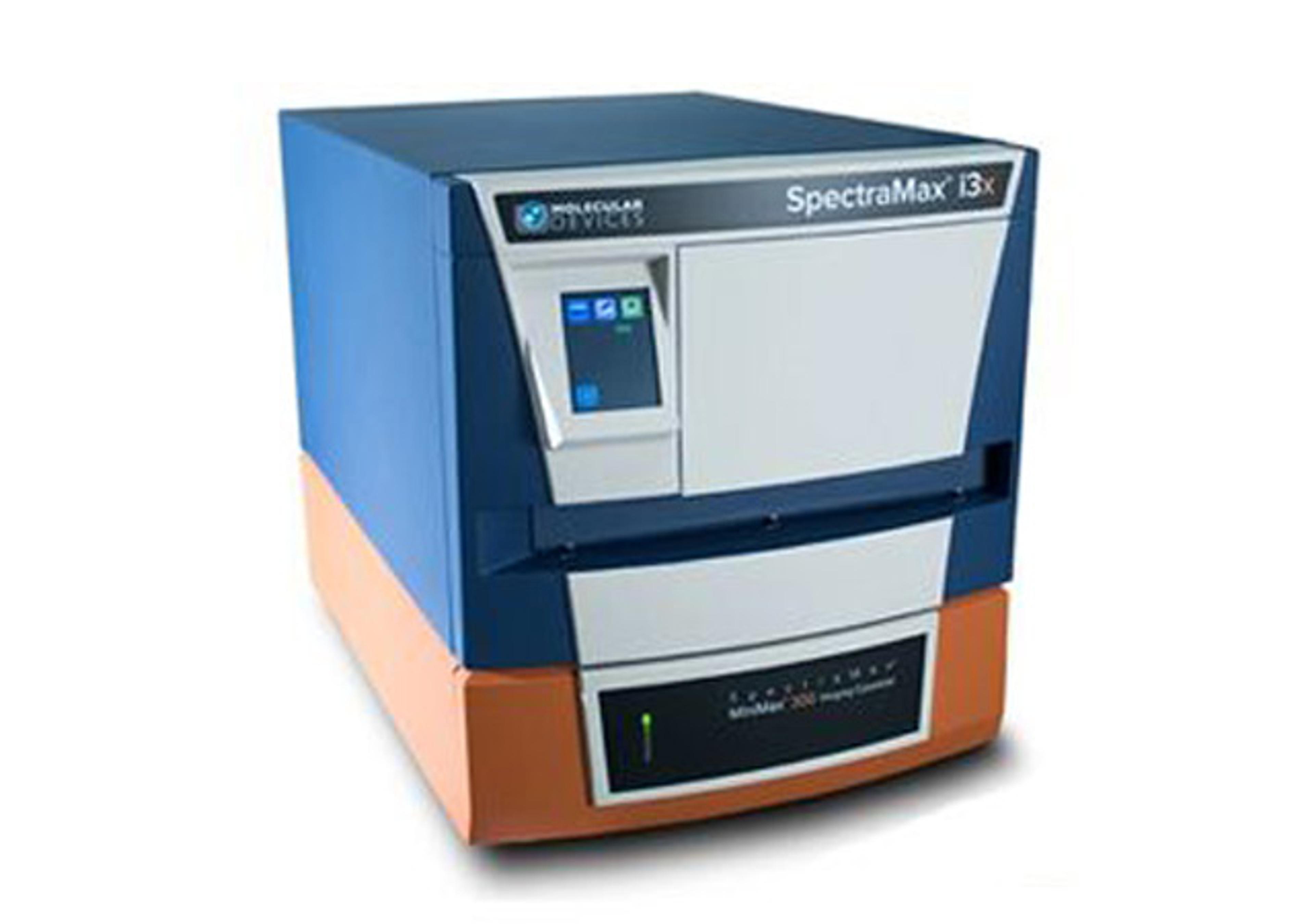
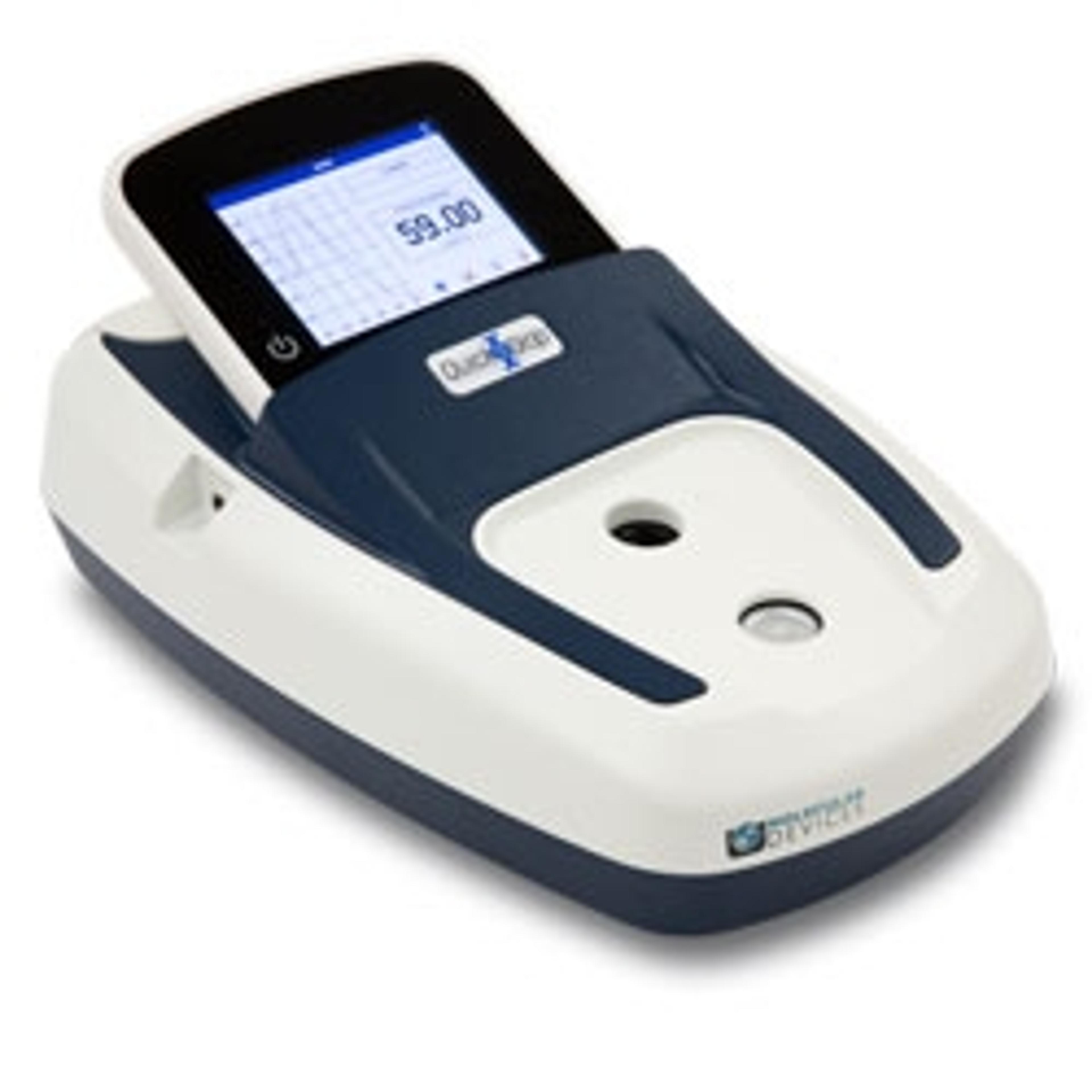
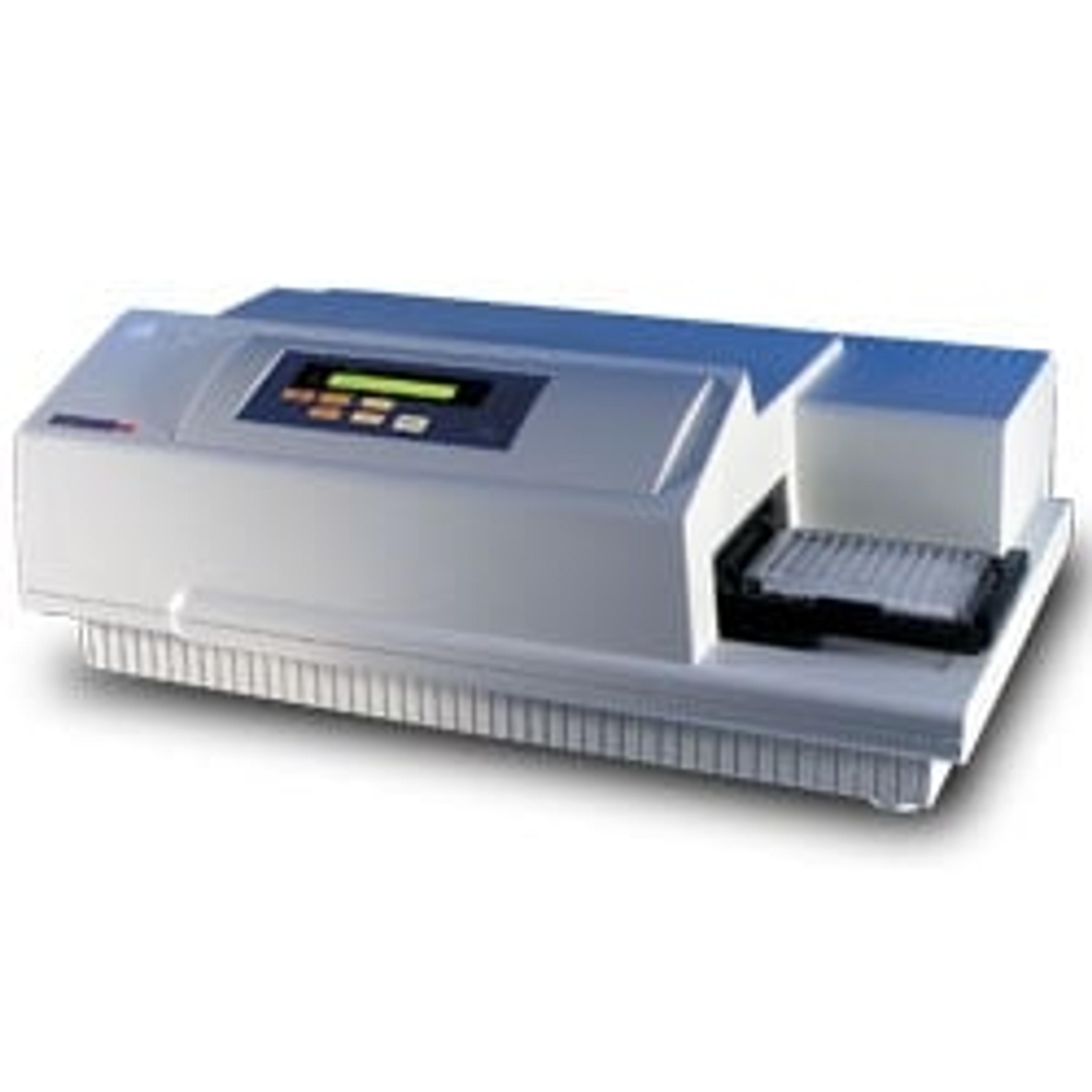
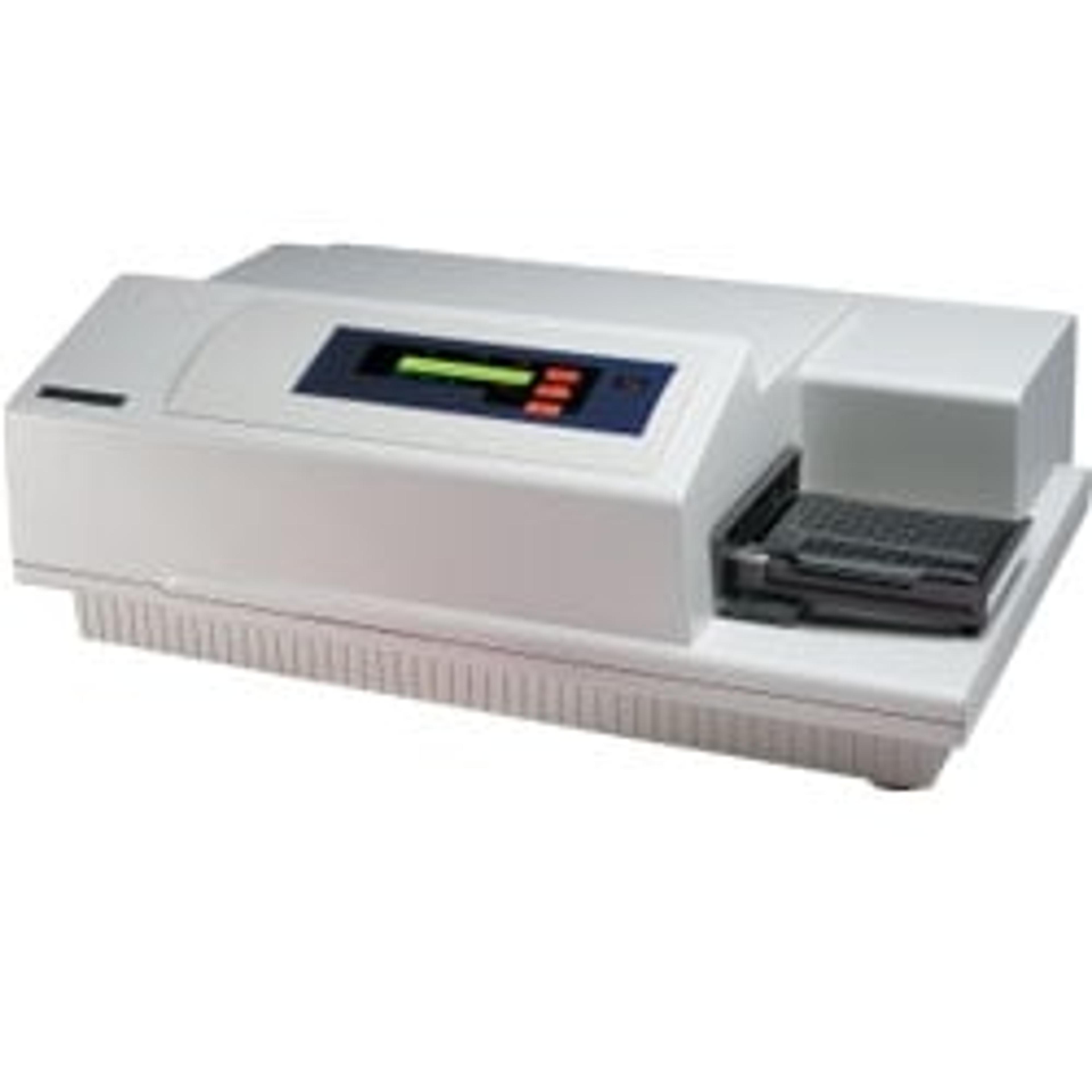
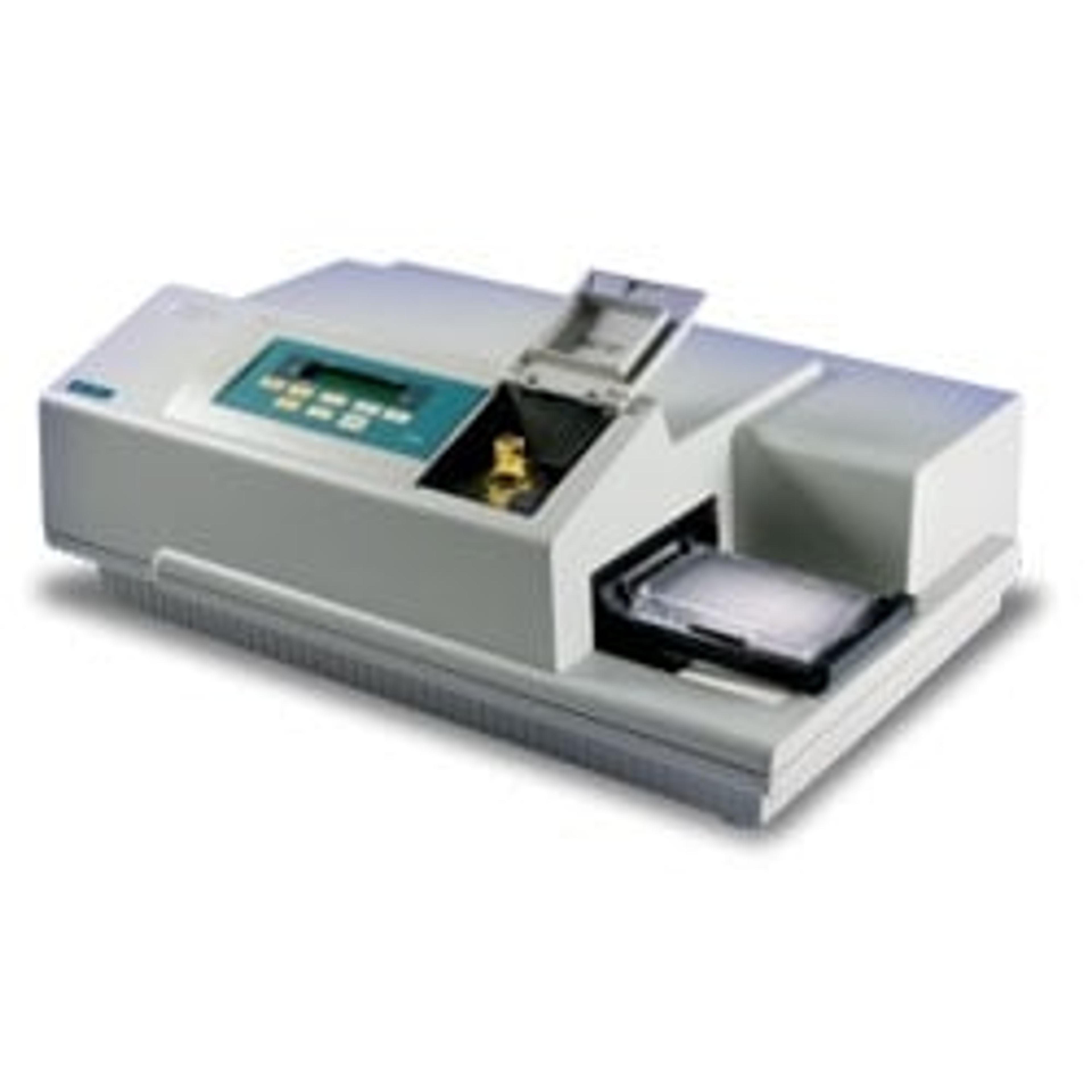
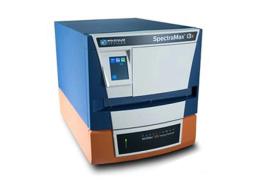
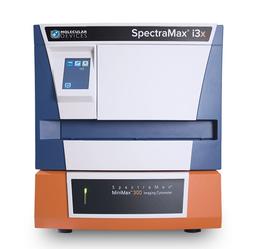
SpectraMax i3x Multi-Mode Microplate Reader with MiniMax Imaging Cytometer
Measures Absorbance, Fluorescence, and Luminescence with the added functionality of modular upgrades
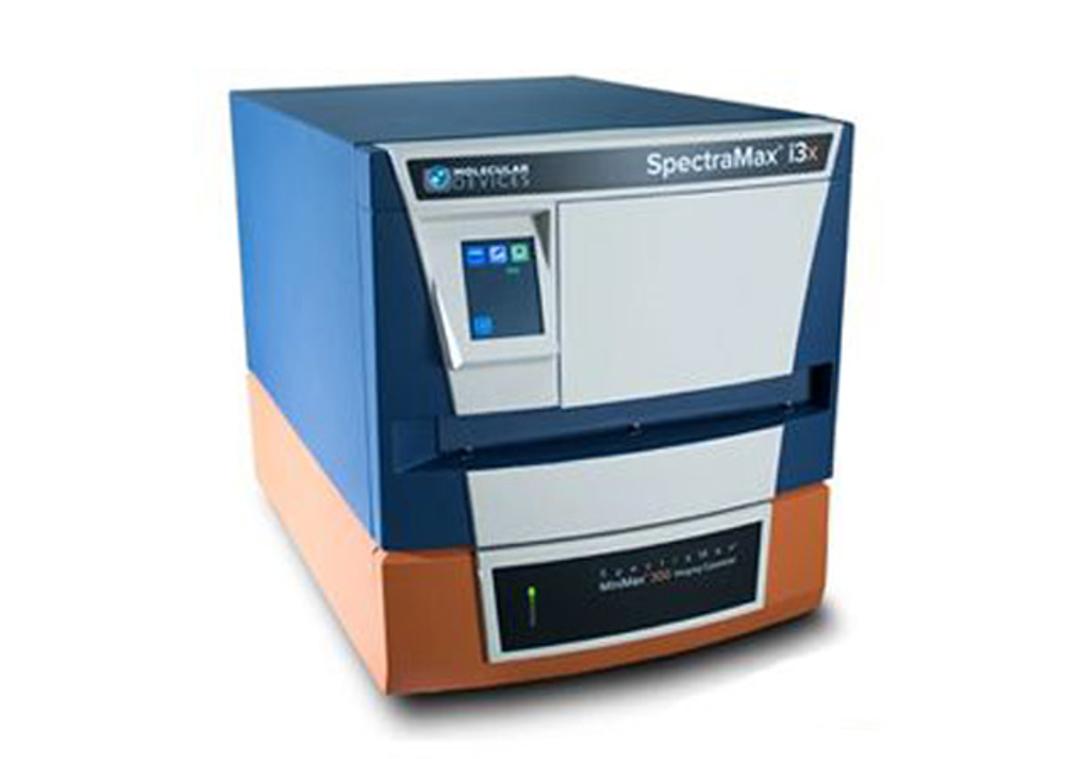
SpectraMax i3x Multi-Mode Microplate Reader
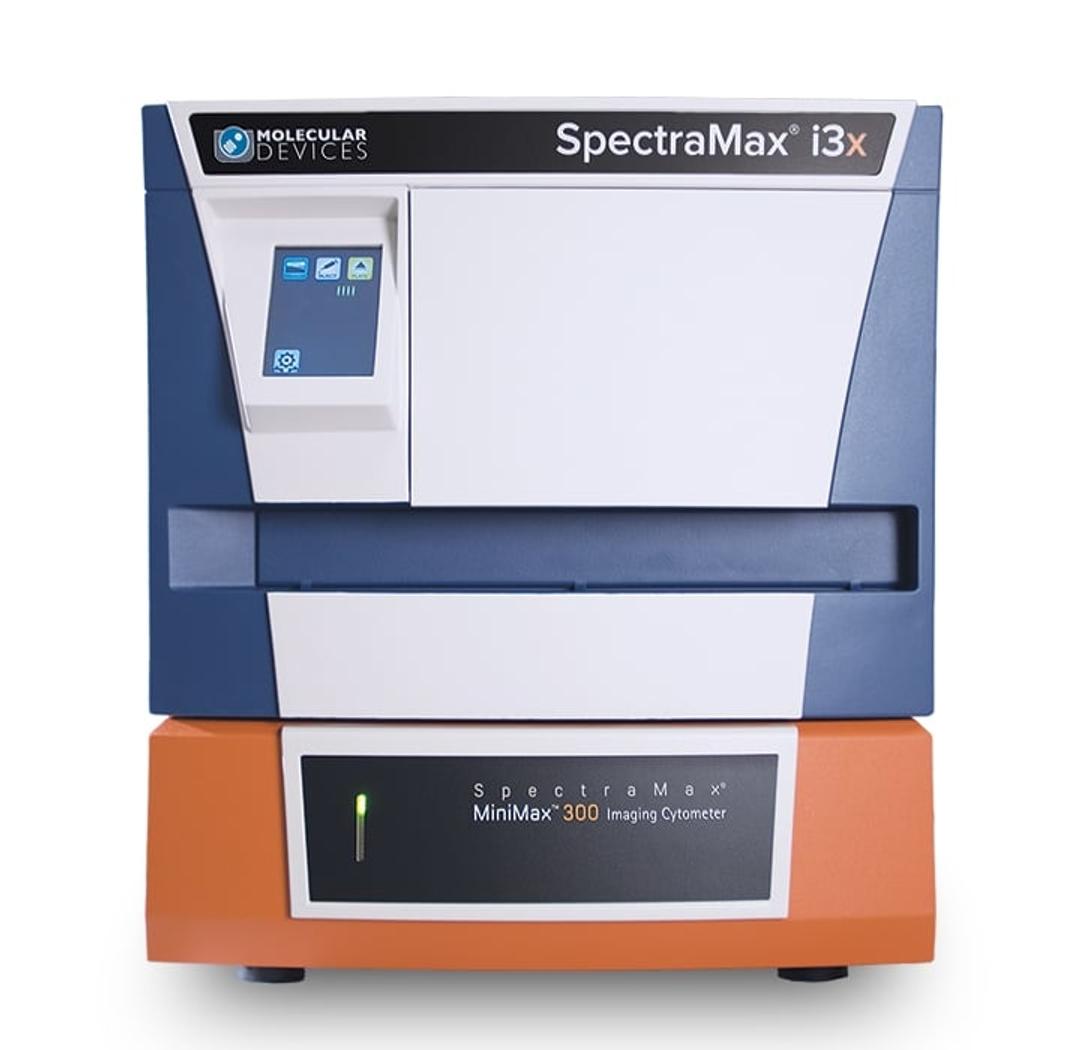
SpectraMax i3x Multi-Mode Microplate Reader
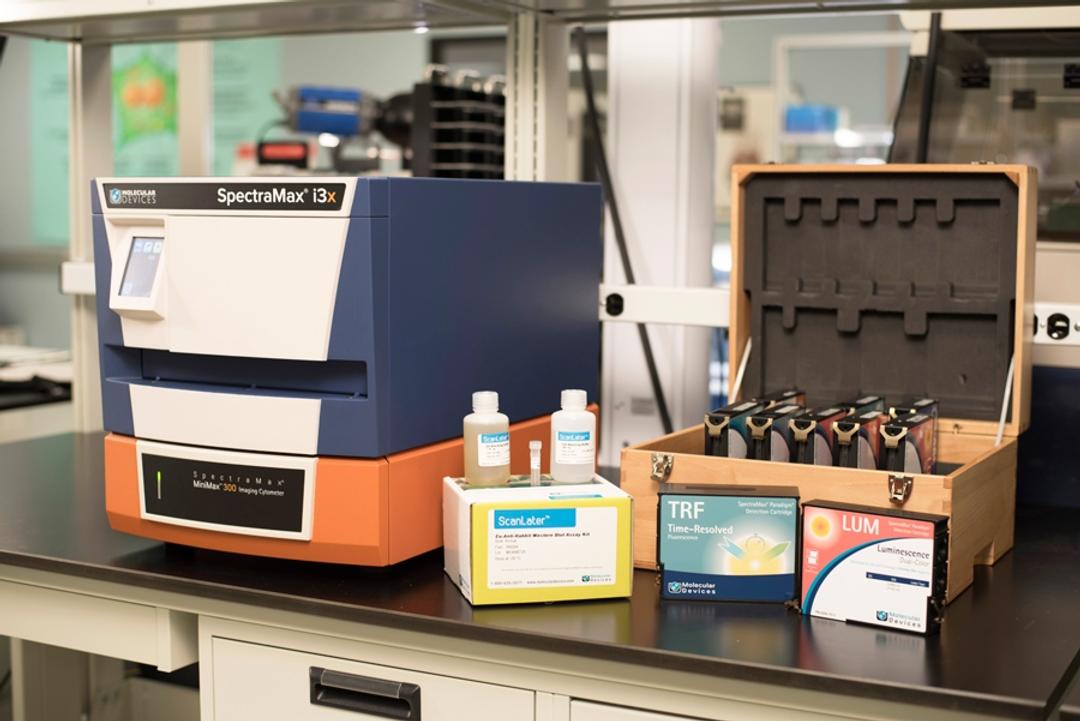
SpectraMax i3x Multi-Mode Detection Platform

Receive your quote directly from the manufacturer.
Not worth it
Biotechnology
I have unit, which I bought new. The plate reader is great, when it is not broken, which happens often. Costly maintenance and repairs makes the unit unviable for standard science labs. Other models and brands have similar capabilities with higher reliability and lower cost.
Review Date: 7 Jan 2026 | Molecular Devices®
Excellent instrument in any application you need from a plate reader.
ELISA, enzymatic assays, coagulation factors analysis
This instrument is the best that you can get as a plate reader. It can read absorbance, fluorescence, and luminescence in the same instruments with infinite possibilities of combinations between static and dynamic readings. It fits all kinds of applications and it comes (optional) with an extra plate that you can use for multiple RNA, DNA, and protein quantification (same as Nanodrop). Super recommended if you can afford an instrument that is in the middle/high price range.
Review Date: 28 Jun 2022 | Molecular Devices®
Instrument is very good and application wise is broad spectrum.
Plate reader
It's good for analysis as it combines absorbance fluorescence and luminesnce all in one and it's esasy.
Review Date: 23 Jul 2021 | Molecular Devices®
High performance instrument, highly recommended!
ELISA assays
SpectraMax plate reader is very easy to use, with detection of absorbance, fluorescence, luminescence, etc.. For prep samples treated with the ELISA kit reagents, it is fast and user friendly. The equipment has integrated software that's also very easy to use, flexible settings and the ability to create protocols and templates for specific assay parameters.
Review Date: 21 Jul 2021 | Molecular Devices®
Great results; it has been a life saver and time saver for ELISA testing.
Immunology
The plate reader has enhanced our lab capabilities quite a bit. It is very easy to use and even when we are starting a new application, the tutorial videos are easy enough to follow. The data generated is helpful in our immunology studies. We use it primarily for ELISA testing and it is extremely sensitive. I highly recommend this piece of equipment as a staple in any immunology lab. I wish we could purchase another one!
Review Date: 19 Jan 2021 | Molecular Devices®
Quick and easy to use.
Research
The instrument provides easy and quick UV-Vis, luminescence and fluorescence measurements for a variety of plates. Customer service is awesome! Once, I had the software not working, after which the team helped immediately to solve the problem.
Review Date: 6 Mar 2020 | Molecular Devices®
One of the best instruments in the market at present and best value for money
multimode reader
Most wonderful instrument to work with, less issues technically and easiest software to analyze
Review Date: 17 Jan 2019 | Molecular Devices®
Great results, can not work with out it!
Protein estimation, proliferation assay, western blot, migration assay
Excellent results for end time analyses to check proliferation of cancer cells.
Review Date: 5 Nov 2018 | Molecular Devices®
Cannot imagine obtaining proliferation results without this instrument
End point analysis, protein estimation
Great plate reader so far. Can not imagine life without this plate reader. Multiple use of the instrument.
Review Date: 28 Jun 2018 | Molecular Devices®
The workhorse of my lab!
Multi-mode Microplate Reader
This multimode microplate reader from Molecular Devices is perfect for labs working with ELISA, fluorescence and luminescence measurements. It's very easy to use with a small footprint and reliable multifunctionality. It has added functionality of modular upgrades for western blot, imaging, and fast kinetics with injectors which makes it future ready too.
Review Date: 19 Mar 2018 | Molecular Devices®
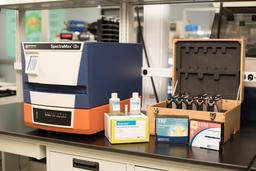
Explore a wealth of applications in one future-ready system. The SpectraMax® i3x Platform from Molecular Devices is a multi-mode microplate reader that evolves with your future needs and offers an unlimited breadth of application possibilities.
The SpectraMax® i3x Multi-Mode microplate reader measures spectral-based Absorbance, Fluorescence, and Luminescence with the added functionality of modular upgrades for Western Blot, Imaging, and Fast Kinetics with Injectors.
Available options for upgrade include SpectraMax MiniMax™ 300 Imaging Cytometer, ScanLater™ Western Blot cartidge, reagents optimized for high performance, and the industry-leading data acquisition and analysis tool SoftMax Pro.
Benefits:
- User-upgradeable application modules including cellular imaging
- Sensitivity across spectrum with Spectral Fusion™ Illumination
- Expanded dynamic range with cooled PMT
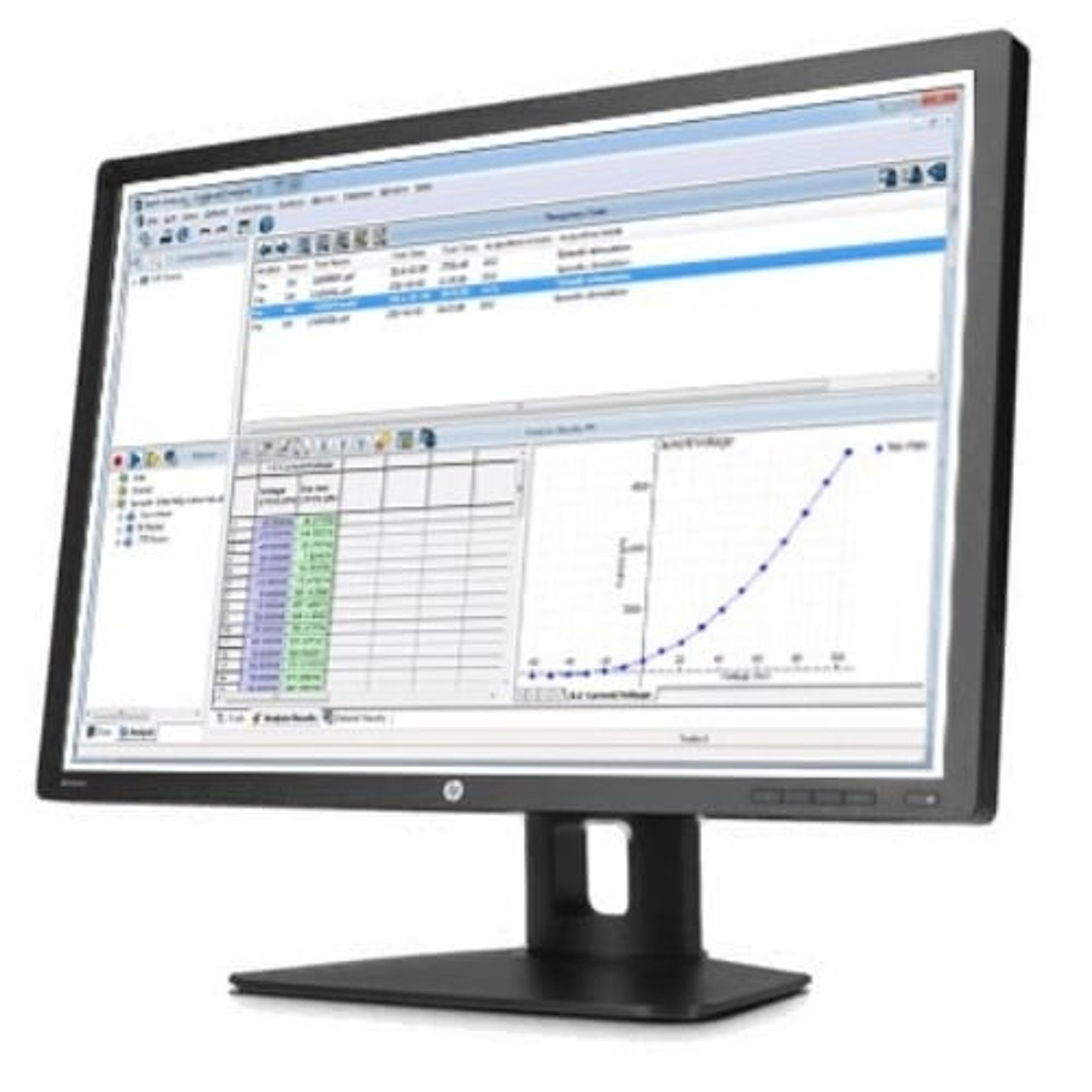
- Control and analytics provided by SoftMax® Pro Software

Explore cells from the inside out
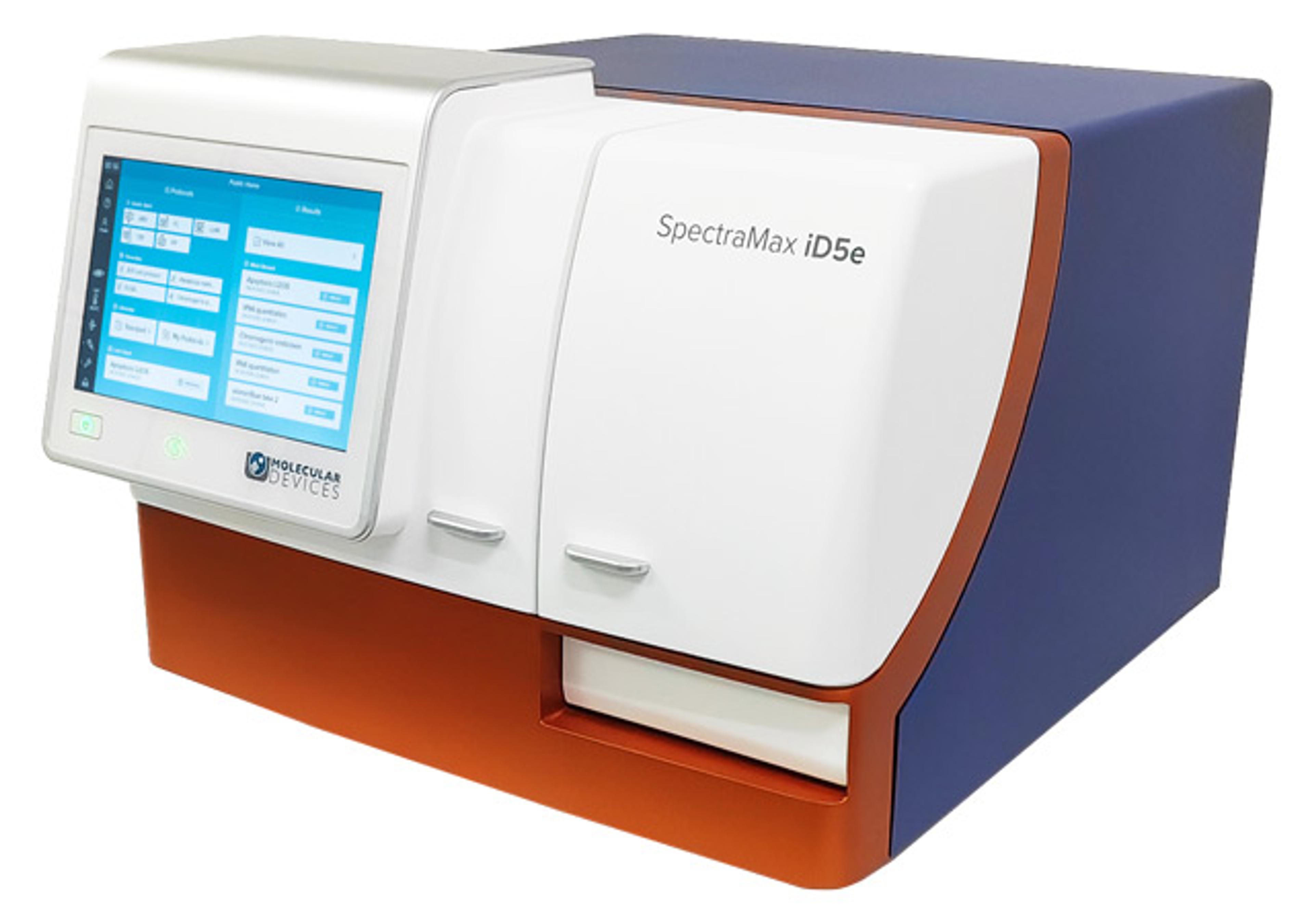
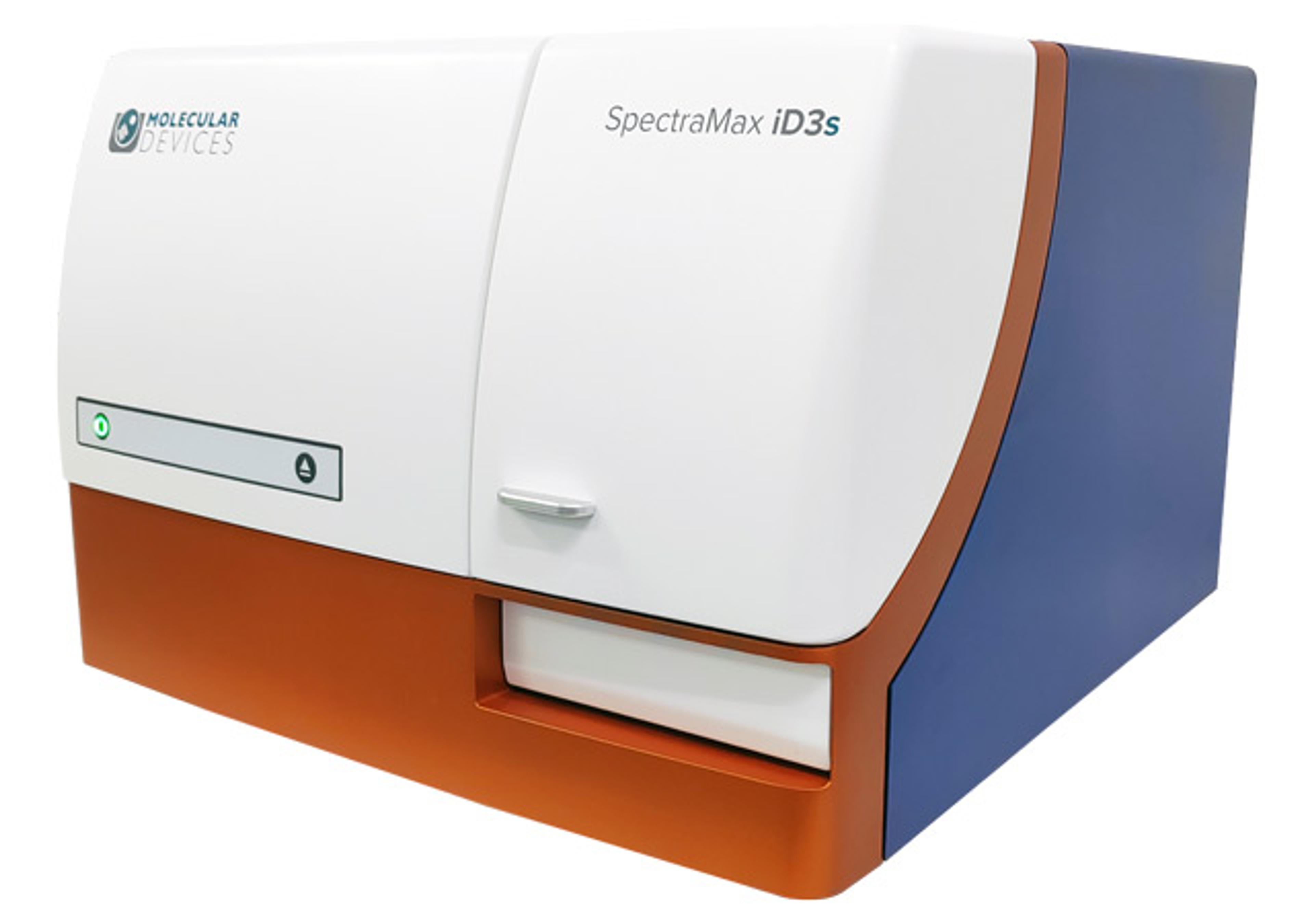
Modern cell biology requires a wide variety of applications to keep up with the numerous directions of research. Detection technologies ranging from fluorescence to cellular imaging have become common in today’s laboratories. In this application eBook from Molecular Devices, explore the SpectraMax® i3x and iD3/iD5 Multi-Mode Microplate Readers which measure the activity of G-protein coupled receptors, reactive oxygen species, and cytokines, and even enable analysis of spectral signature of nanoparticles. With onboard injectors, Western blot detection, image analysis, and preconfigured SoftMax® Pro Software protocols, they open new doors from protein-protein interaction to cell cycle analysis in spheroids.
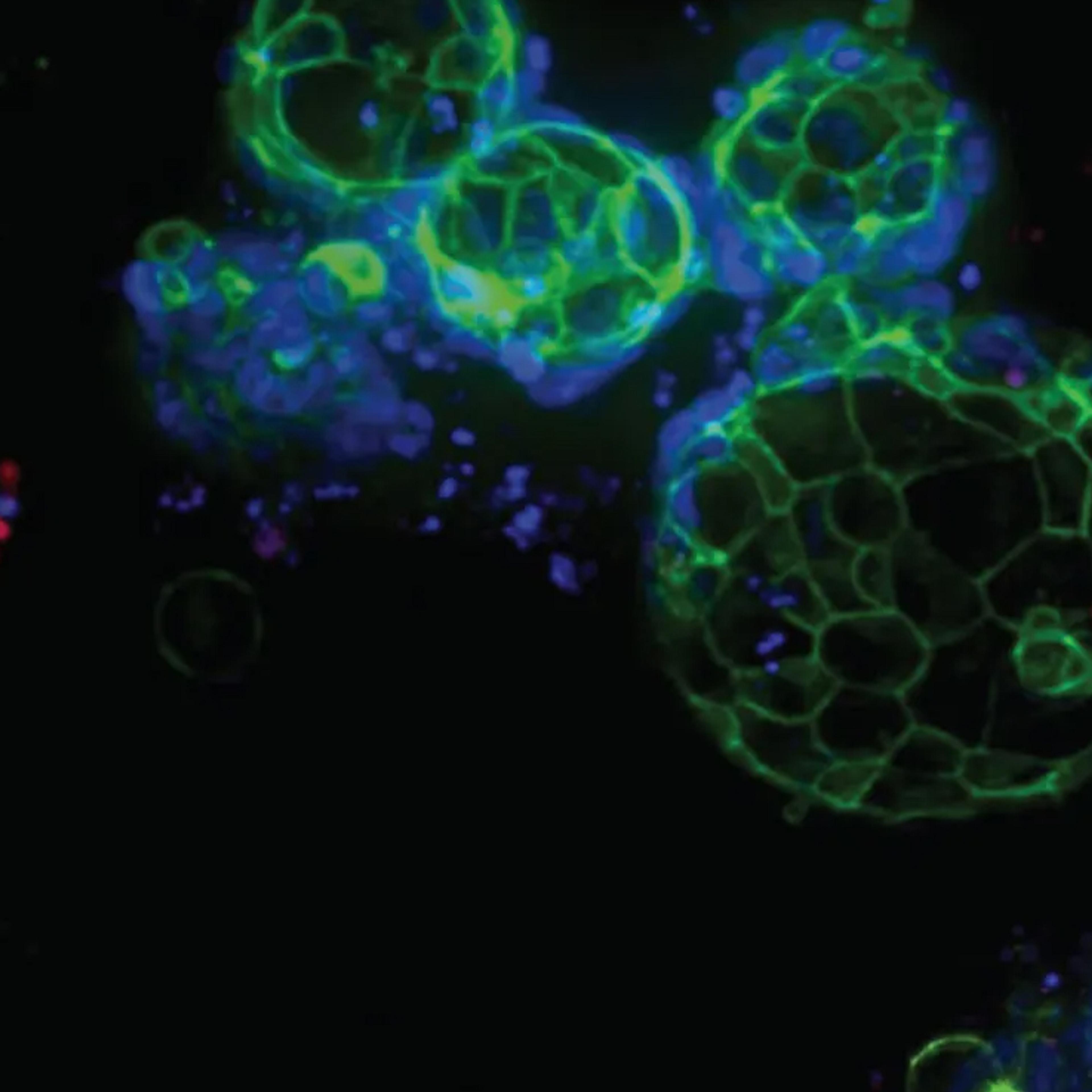
Acquire and analyze images of FUCCI spheroids on the SpectraMax MiniMax cytometer
Spheroids are small three-dimensional (3D) cellular microenvironments grown using a variety of specialized culture methods such as low-adhesion microplates. FUCCI (fluorescent ubiquitination-based cell-cycle indicator) spheroids have been developed to study cancer cell cycle progression as they allow the identification of cells in various phases of the cell cycle.
In this application note, Molecular Devices demonstrate how the MiniMax cytometer can easily acquire and analyze images of FUCCI spheroids.
Get a front row view of your cells
In this application note, Molecular Devices® demonstrates what you can do with an imaging cytometer that enables rapid imaging and cell analysis, giving you a better view of cell proliferation, marker expression, and cytotoxicity.
Assay apoptosis in magnetically bioprinted HepG2 spheroids
Two-dimensional (2D) cell culture has been used for over a century to investigate a wide range of cellular processes. However, more recent studies have shown that responses in 2D systems can differ significantly from those seen in vivo (Duval et al., 2017). A variety of methods for transforming 2D cultures into 3D spheroids have been devised, but many of these require a long time to form spheroids that can be difficult to handle.
Explore Cell Pathways Like A Pro with the SpectraMax i3x
In this eBook, Molecular Devices explains how to better explore cell pathways through multiple techniques (including cell imaging, cell-based viability and proliferation assays, western blots, DNA quantitation and more) and illustrates how data for several related cellular parameters can be collected using a single instrument, the SpectraMax i3x Multi-Mode detection platform.
Advanced Kinetic Analysis of a Bacterial Growth Assay
Difficult-to-kill bacteria have become a problem in hospital-acquired infections. Identifying compounds which kill these bacteria is of interest to many pharmaceutical companies. Developing and optimizing assays to screen for the efficacy of these compounds is a challenge faced by many microbiologists.
Measure Oxidative Metabolism and Glycolytic Activity on the SpectraMax i3x Reader
To survive, cells require fuel in the form of ATP to carry out most essential bioprocesses. This fuel is generated through glycolysis and mitochondrial respiration. While both produce ATP, glycolysis can function in the absence of oxygen, whereas mitochondria require oxygen for the final step in oxidative phosphorylation (OXPHOS). These pathways dynamically shift to meet energy demands of the cells while adapting to environmental stresses, substrate availability, and hypoxia. Generally, measurements of changes give more information about metabolic responses than a single point measurement (e.g. ATP endpoint). Perturbed respiration is a sensitive indicator of mitochondrial dysfunction following drug toxicity. Aberrant mitochondrial function has been implicated in a growing spectrum of diseases, from neurodegeneration to cancer.
Cardiomyocyte Beating and Cytotoxicity Assays on the SpectraMax i3 Multi-Mode Microplate Platform with SpectraMax MiniMax Imaging Cytometer
Stem cell-derived human cardiomyocytes have phenotypic characteristics and electrophysiological profiles similar to those of native human cardiac cells. Cardiomyocytes in culture are able to form a beating syncytium, which behaves similarly to native cardiomyocytes. Oscillation of intracellular calcium levels occurring with synchronized contractions of the cells can be monitored using a calciumsensitive dye, and treatment-induced changes in the pattern of oscillation can be monitored via changes in fluorescent signal over time.
Complete cAMP Workflow Solution Using the CatchPoint cAMP Fluorescent Assay Kit
In this study, Molecular Devices demonstrate how the CatchPoint® cAMP Fluorescent Assay Kit combined with the SpectraMax® i3 MultiMode Detection Platform can be used to monitor the response of HEK293 cells to forskolin, an activator of adenylate cyclase.
Compound Effects on Calcium Transients in Beating Axiogenesis Cor.4U Human iPS Cell-Derived Cardiomyocytes
The assessment of cardiotoxicity is important in the early stages of drug discovery to enable elimination of potentially toxic compounds from further development. This is critical to reduce the inefficiencies and high costs associated with compounds that fail during cardiac safety assessment. There is a growing need for highly predictive in vitro cardiotoxicity assays that use biologically relevant cell-based models and are
suitable for high-throughput screening.

Critical considerations for choosing the right microplate reader
In this webinar, Dr. Caroline Cardonnel, Senior European Application Scientist at Molecular Devices, will outline the key questions to consider before buying a microplate reader, and will provide expert insight on how to select the best technologies for your application workflow.
Key learning objectives
- Learn what features to look for when choosing a microplate reader
- Explore example applications and case studies
- Discover the benefits of combining microplate readers with automated imaging systems to improve lab efficiency and get results faster
Who should attend?
- Academia, Biotech, Pharma, CROs/CDMOs
- Laboratory managers, Scientists, Scientific Staff Members, Facility Managers, Researchers, and Technicians
Certificate of attendance
All webinar participants can request a certificate of attendance, including a learning outcomes summary, for continuing education purposes.
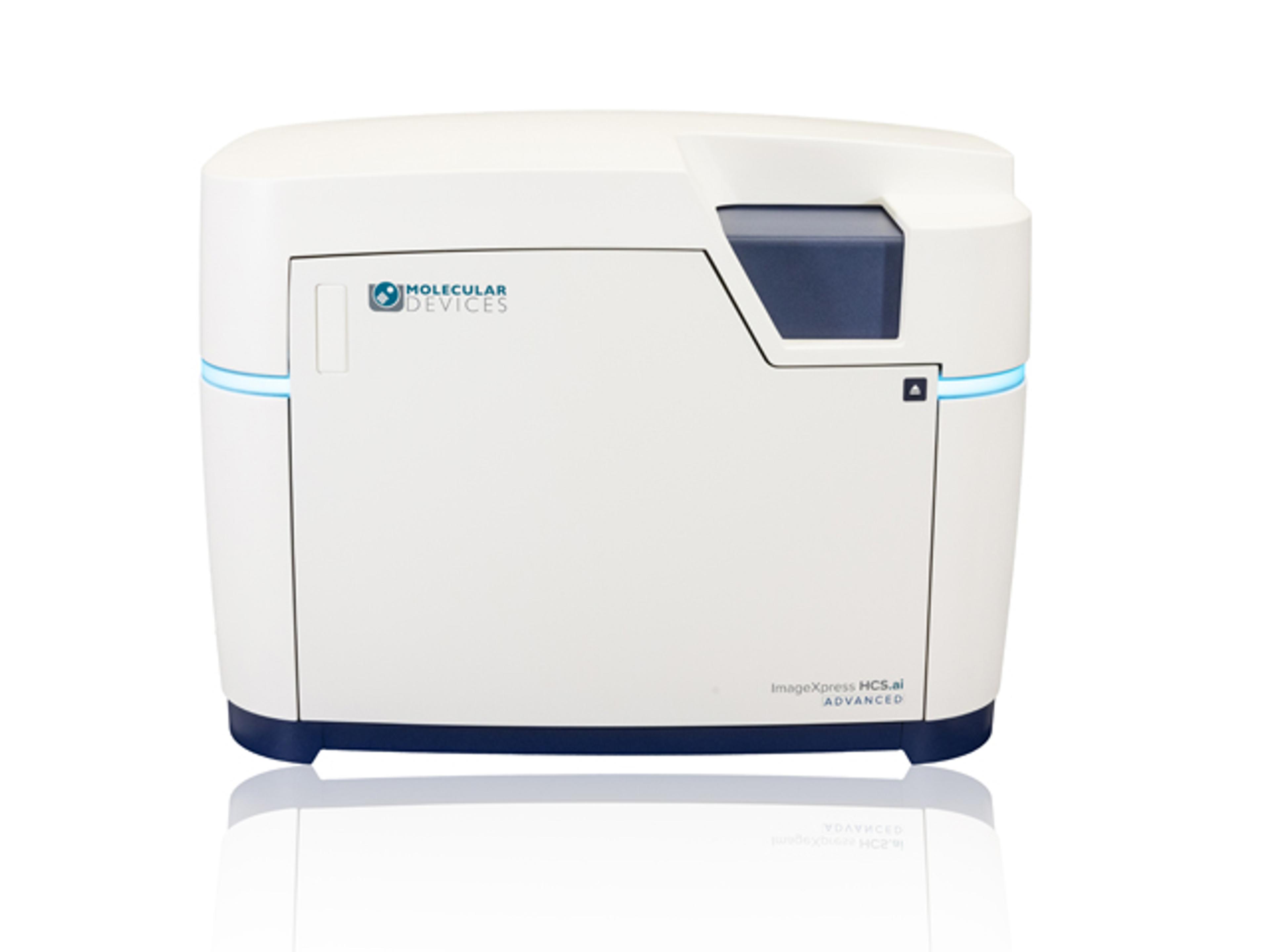
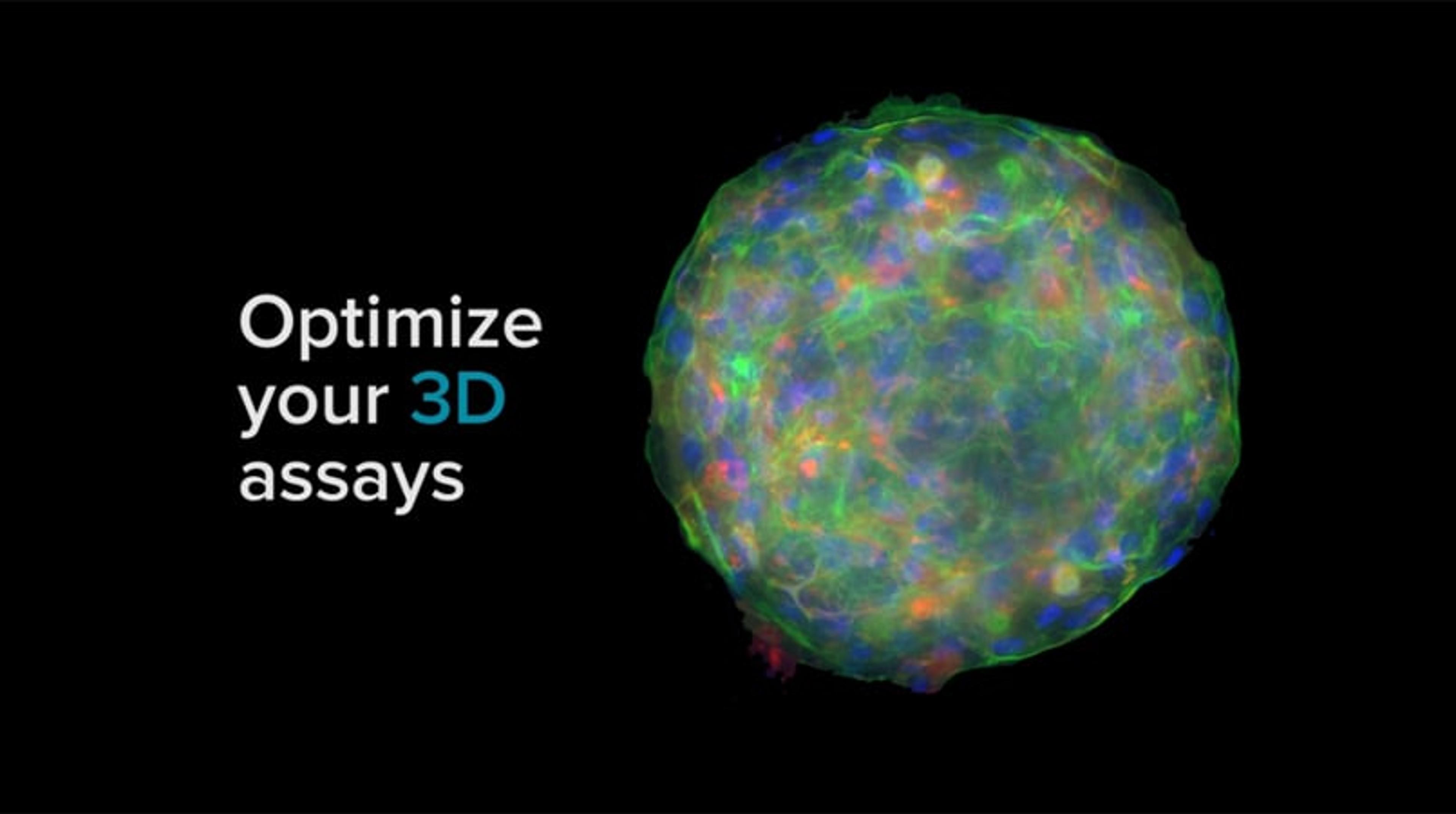
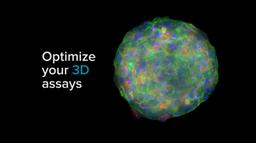
Optimize Your 3D Assays with ImageXpress
Optimize your 3D assay and make your next breakthrough in cellular imaging - with intelligent, innovative imaging solutions.

‘A scientific discovery is only as good as its communication’
Meet this week’s Reviewer in the Spotlight, Dr. Noelle Cutter, a humanitarian who loves helping people whether it’s patients, students, or scientific peers through her reviews

Trends in Drug Discovery & Development: March 2019
Expert interviews on a novel target for glioblastoma, new approach to Alzheimer’s disease therapy, mapping tumors at the molecular level and more