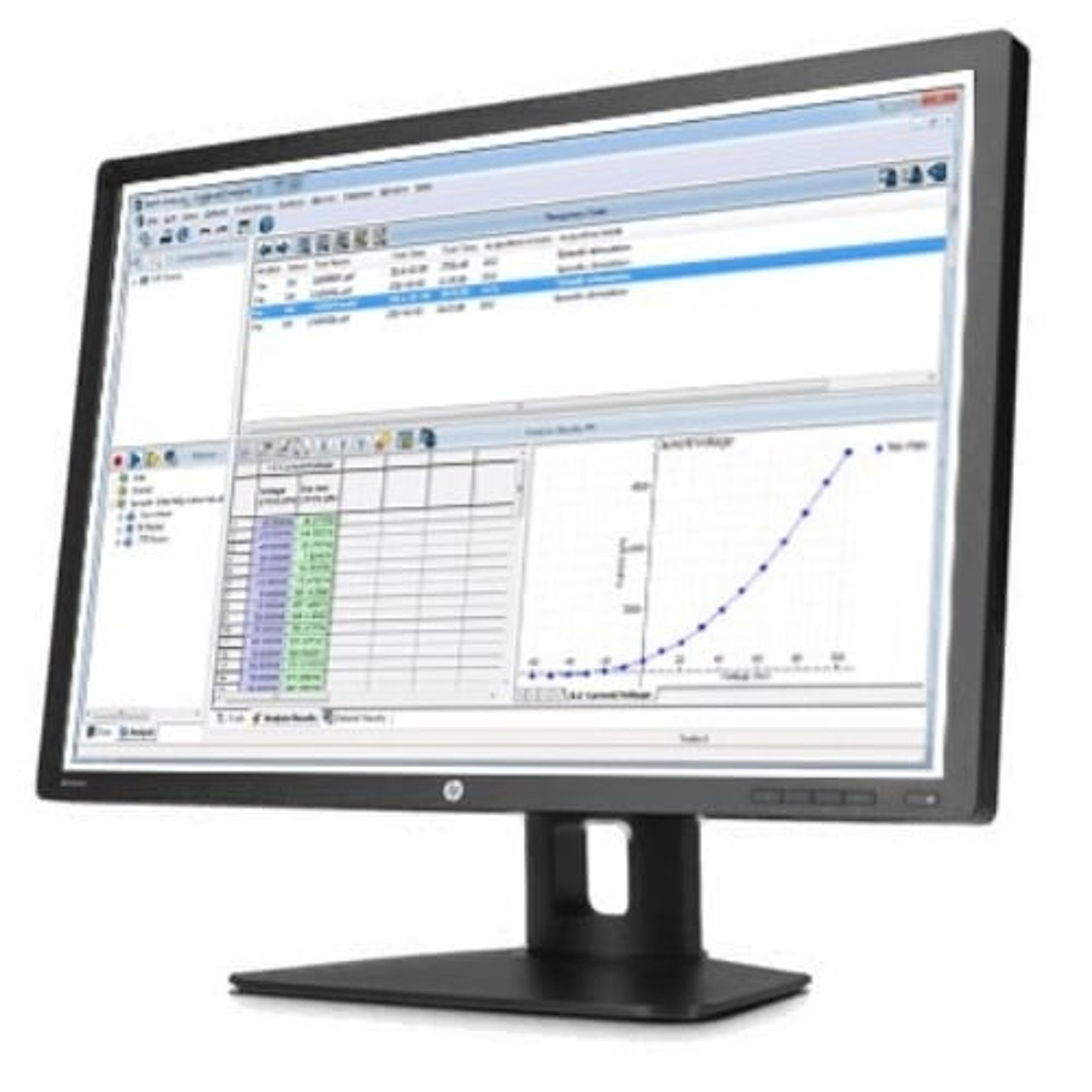
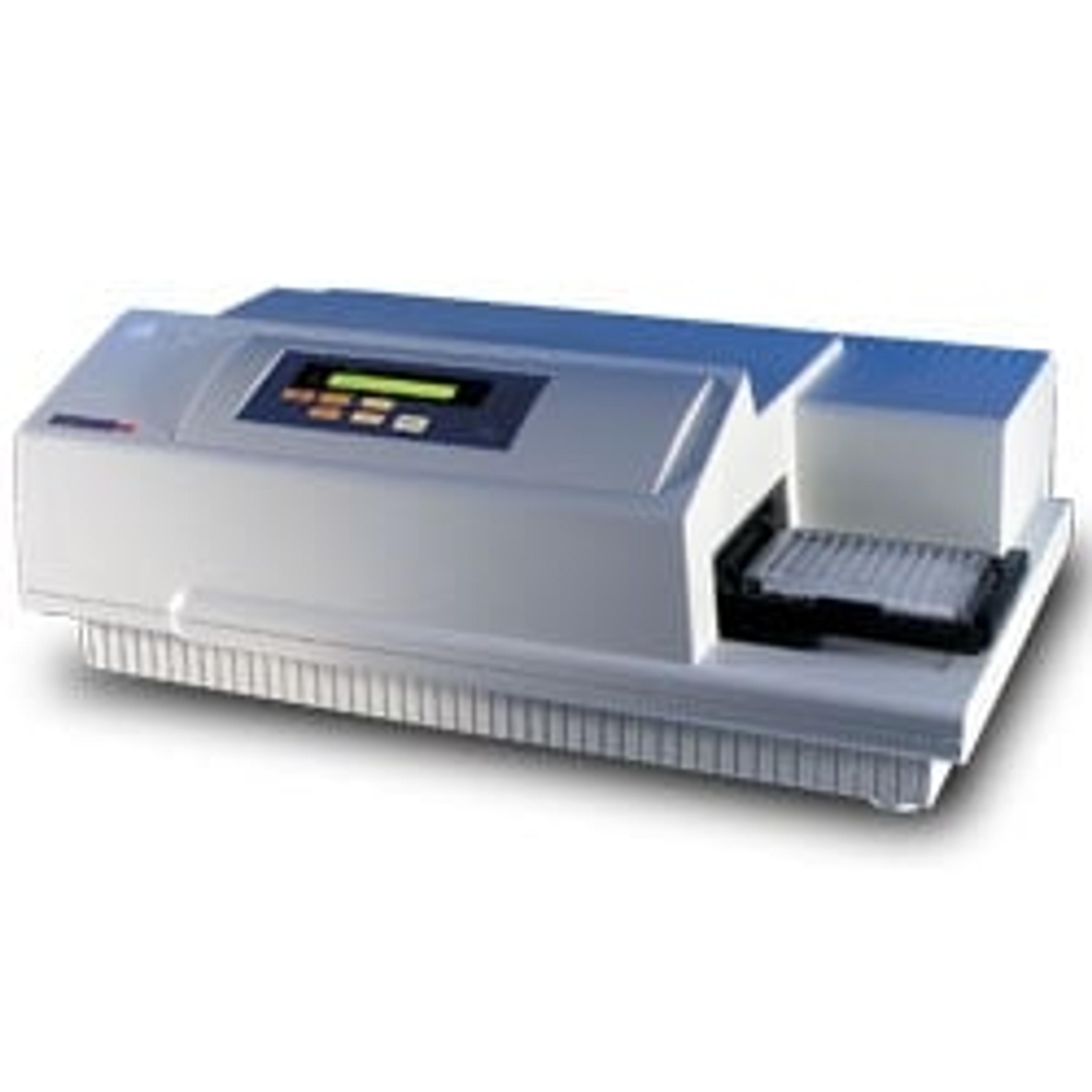
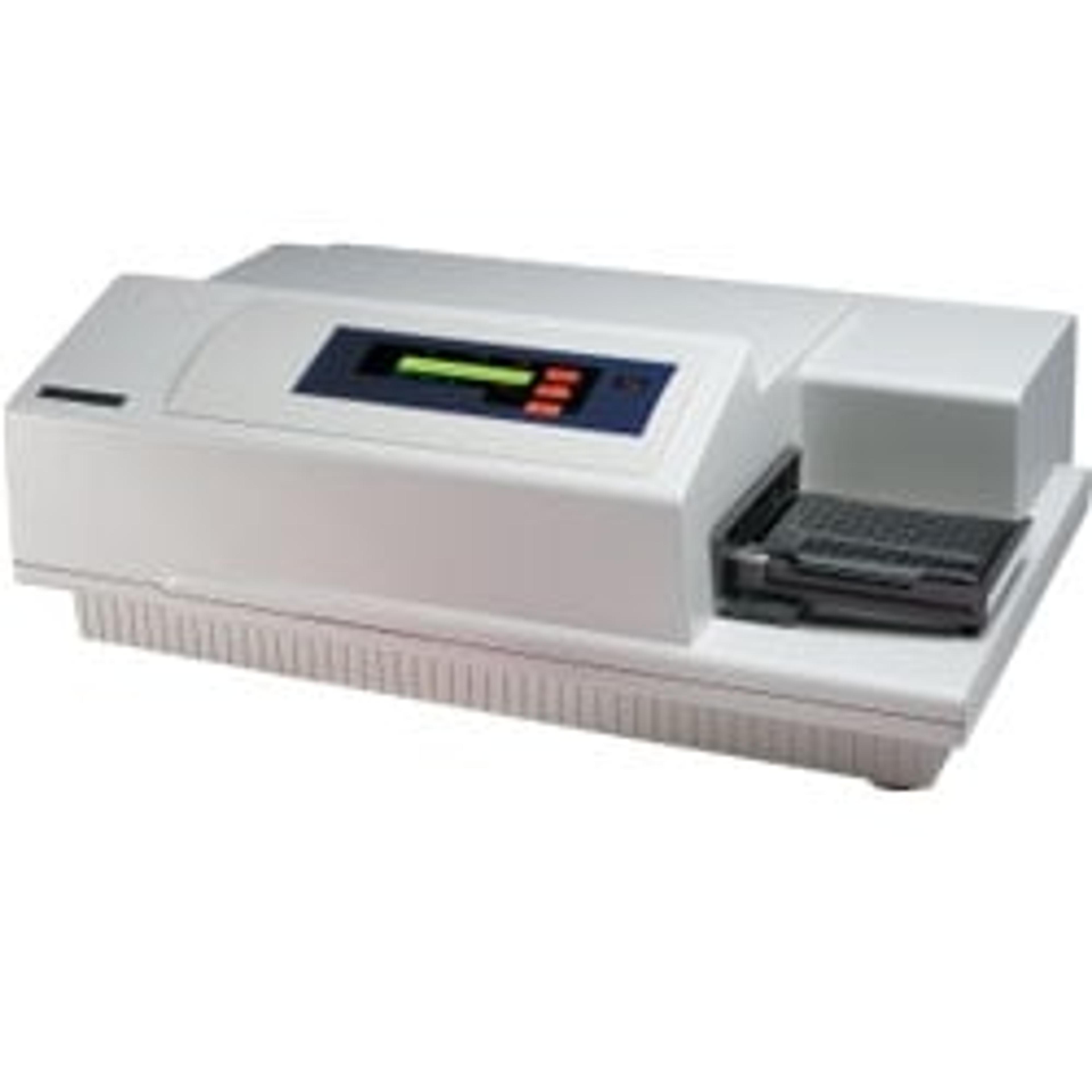
SpectraMax® Microplate Readers
The SpectraMax® line of user-friendly microplate readers provide great flexibility for labs conducting applications ranging from ELISAs to nucleic acid and protein quantitation, and include absorbance, fluorescence, luminescence and more



Receive your quote directly from the manufacturer.
Not worth it
Biotechnology
I have unit, which I bought new. The plate reader is great, when it is not broken, which happens often. Costly maintenance and repairs makes the unit unviable for standard science labs. Other models and brands have similar capabilities with higher reliability and lower cost.
Review Date: 7 Jan 2026 | Molecular Devices®
Good Instrument but terrible after sales support
anti-body discovery, anti-body characterization
I am reviewing the SpectraMax ABS Plus. After 2-3 years of use, unit gave an out of spec result during its calibration verification procedure. When I tried to service the unit myself, it started giving a 401 filter wheel error indicating the instrument's optical alignment needs to be corrected. We have another Mol Dev instrument that is ~15-20 years old - The SpectraMax M2. It still works great. I can service the instrument myself without disrupting the optic bench. It still passes annual calibration certification with Mol Dev's ABS1 and FL validation plates. And if it doesn't, it just requires a bit of cleaning in the carriage and it will pass afterward. Molecular Devices would not provide any resources for servicing their equipment except offer to repair it (I'm still waiting on the quote which I know will be thousands of $). You have very little control over the instrument for servicing. For example, I could realign the optic bench of this unit if I knew how to manually control the lamp. They would not provide any resources/procedures for optically aligning the instrument and in fact stated 'Molecular Devices does not support customer servicing of instruments' in an email to me. I know a lot of companies have adopted these kinds of repair prevention tactics, but Mol Dev is definitely one of the worst offenders in this regard. They will not sell you spare parts either. For this reasons I recommend you skip on this company's products if you can. Or at least be aware that you will be unable to avoid a service contract or perform in-house repair with their instruments.
Review Date: 23 Mar 2024 | Molecular Devices®
Manufacturer's Response
Thank you for taking the time to share your feedback and your perspective as an in-house engineer for a biotech company. We greatly appreciate your positive comments about our SpectraMax ABS Plus microplate reader and sincerely apologize for the inconvenience you’ve experienced regarding our after-sales support. Unfortunately, we do not offer self-service support. At Molecular Devices, we—as is standard for most companies within and outside of our industry, as you aptly note in your review—have a policy where only in-house, factory-trained tech support and service engineers provide comprehensive repair or maintenance. This approach enables us to honor any warranty, maintain stringent quality control, and ensure optimal performance of our customers’ instruments. We do offer troubleshooting guides which you can access direct via our SpectraNet customer portal or by contacting our technical support team. We also offer spare parts for our equipment. To order, please contact our technical support at www.moleculardevices.com/service-support. We understand from our in-house service engineer that you were able to adjust the instrument successfully, resulting in the system passing the ABS test. We are pleased to hear that the issue has been resolved.
Excellent instrument in any application you need from a plate reader.
ELISA, enzymatic assays, coagulation factors analysis
This instrument is the best that you can get as a plate reader. It can read absorbance, fluorescence, and luminescence in the same instruments with infinite possibilities of combinations between static and dynamic readings. It fits all kinds of applications and it comes (optional) with an extra plate that you can use for multiple RNA, DNA, and protein quantification (same as Nanodrop). Super recommended if you can afford an instrument that is in the middle/high price range.
Review Date: 28 Jun 2022 | Molecular Devices®
Instrument is very good and application wise is broad spectrum.
Plate reader
It's good for analysis as it combines absorbance fluorescence and luminesnce all in one and it's esasy.
Review Date: 23 Jul 2021 | Molecular Devices®
High performance instrument, highly recommended!
ELISA assays
SpectraMax plate reader is very easy to use, with detection of absorbance, fluorescence, luminescence, etc.. For prep samples treated with the ELISA kit reagents, it is fast and user friendly. The equipment has integrated software that's also very easy to use, flexible settings and the ability to create protocols and templates for specific assay parameters.
Review Date: 21 Jul 2021 | Molecular Devices®
Great results; it has been a life saver and time saver for ELISA testing.
Immunology
The plate reader has enhanced our lab capabilities quite a bit. It is very easy to use and even when we are starting a new application, the tutorial videos are easy enough to follow. The data generated is helpful in our immunology studies. We use it primarily for ELISA testing and it is extremely sensitive. I highly recommend this piece of equipment as a staple in any immunology lab. I wish we could purchase another one!
Review Date: 19 Jan 2021 | Molecular Devices®
Quick and easy to use.
Research
The instrument provides easy and quick UV-Vis, luminescence and fluorescence measurements for a variety of plates. Customer service is awesome! Once, I had the software not working, after which the team helped immediately to solve the problem.
Review Date: 6 Mar 2020 | Molecular Devices®
One of the best instruments in the market at present and best value for money
multimode reader
Most wonderful instrument to work with, less issues technically and easiest software to analyze
Review Date: 17 Jan 2019 | Molecular Devices®
Great results, can not work with out it!
Protein estimation, proliferation assay, western blot, migration assay
Excellent results for end time analyses to check proliferation of cancer cells.
Review Date: 5 Nov 2018 | Molecular Devices®
Cannot imagine obtaining proliferation results without this instrument
End point analysis, protein estimation
Great plate reader so far. Can not imagine life without this plate reader. Multiple use of the instrument.
Review Date: 28 Jun 2018 | Molecular Devices®
The SpectraMax® line of user-friendly microplate readers provide great flexibility for labs conducting applications ranging from ELISAs to nucleic acid and protein quantitation, and include absorbance, fluorescence, luminescence and more.

Microplate readers in cancer research: applications, advancements, and future perspectives
Despite significant advances in understanding cancer's molecular and cellular basis, there is still much to learn about its causes, progression, and potential treatments. Researchers increasingly rely on innovative tools and techniques to continue making headway in this critical field. One such indispensable instrument is the microplate reader. In this application eBook from Molecular Devices, explore a comprehensive overview of the role of microplate readers in cancer research and development. Furthermore, dive into the science behind these versatile devices, exploring how they have revolutionized our ability to study cancer at a cellular level.
Assessing reader capability for NanoBRET technology
This application note demonstrates the performance of NanoBRET™ technology for detecting protein interactions in living cells, using SpectraMax® Multi-Mode Microplate Readers. By leveraging the high sensitivity and flexible detection options of these instruments, researchers can accurately measure NanoBRET signals and analyze data with SoftMax® Pro Software. The note highlights assay validation across five reader models, showcasing their capability to deliver reliable results with enhanced signal quality and low background.
ELISA explained: From basics to practical application
ELISA methods have become widely used across various fields of biology, from healthcare and food safety to cancer research and vaccine development. Whether you need to measure gluten in beer or neutralizing antibodies in serum, there is an ELISA available to provide answers to your scientific questions. Despite being first introduced over 50 years ago, ELISAs continue to be an essential tool for many researchers. In this application eBook from Molecular Devices, explore an introduction to ELISAs and how you can effectively use them in your own research.
Rapidly assess drug response in 2D and 3D breast cancer model systems with a luminescent viability assay
In recent years, the culture of cancer cells, along with other cell types, in three-dimensional (3D) formats where they can form multi-layered structures is enabling new models for cancer research that are considered more biologically relevant. In this application note from Molecular Devices, explore a small-scale study of cell viability in 2D and 3D cell cultures, measured using the CellTiter-Glo® 3D Cell Viability assay (Promega). Discover how Molecular Devices assayed the viability of two cell types grown in 2D and 3D and challenged with several previously tested compounds.
Streamline absorbance assays for nucleic acid & protein quantification
Absorbance microplate readers are widely used in basic research, drug discovery, bioassay validation, quality control, and manufacturing processes in pharmaceutical, biotech, food and beverage, and academic industries. These readers provide rapid and sensitive measurements of a variety of analytes across a wide range of concentrations for a wide range of assays, including ELISAs, microbial growth, detection of key compounds and contaminants, and protein quantification. In this application note from Molecular Devices, explore various applications using SpectraMax® absorbance readers and SoftMax® Pro Software to illustrate how these technologies can help save time and effort while easily generating the required data.
Measure cancer cell viability using a homogeneous, stable luminescence assay
Luminescent cell viability assays offer sensitivity and an easy workflow for monitoring the effects of various experimental conditions. These use the firefly luciferase reaction as a way to determine the relative numbers of living cells under different treatments or experimental conditions. Metabolically active cells produce ATP, which is required by the luciferase reaction. When ATP is the limiting component in the reaction, the amount of light produced is proportional to and serves as the readout for the number of viable cells. In this application note, explore how Molecular Devices validated the performance of Promega’s CellTiter-Glo® 2.0 Cell Viability Assay on the SpectraMax® iD5 Multi-Mode Microplate Reader.
Measuring cell health on the SpectraMax iD3 reader with cell viability assays
Measuring cell health from the multiple vantage points of viability and apoptotic pathways can provide insight into the impacts of a variety of experimental treatments including drug candidates, pathway activators and inhibitors, and reporter genes. One of the most popular methods for assaying cell health is fluorescence detection with a microplate reader. In this application note, Molecular Devices reports the use of the EarlyTox™ Cell Viability suite of assay kits on the SpectraMax® iD3 Multi-Mode Microplate Reader.
Adapting your laboratory microplate reader for bacterial endotoxin testing
This video provides a comprehensive overview of the Bacterial Endotoxin Test (USP <85>), presented by Timothy Francis of Fujifilm Wako Chemicals. It details the three LAL methodologies, essential testing parameters, and FUJIFILM Wako's kinetic reagents. Cathy Olsen from Molecular Devices® then highlights SpectraMax® Microplate Readers and SoftMax Pro® Software, explaining the details of the software protocol itself, especially focusing on the data compatibility in terms of data compliance with CFR and FDA GMP guidelines.
Discover how Fujifilm Wako Chemicals' endotoxin test reagents, in concert with Molecular Devices' SpectraMax microplate readers and the SoftMax Pro software that powers them, are a fully validated solution for your bacterial endotoxin testing.
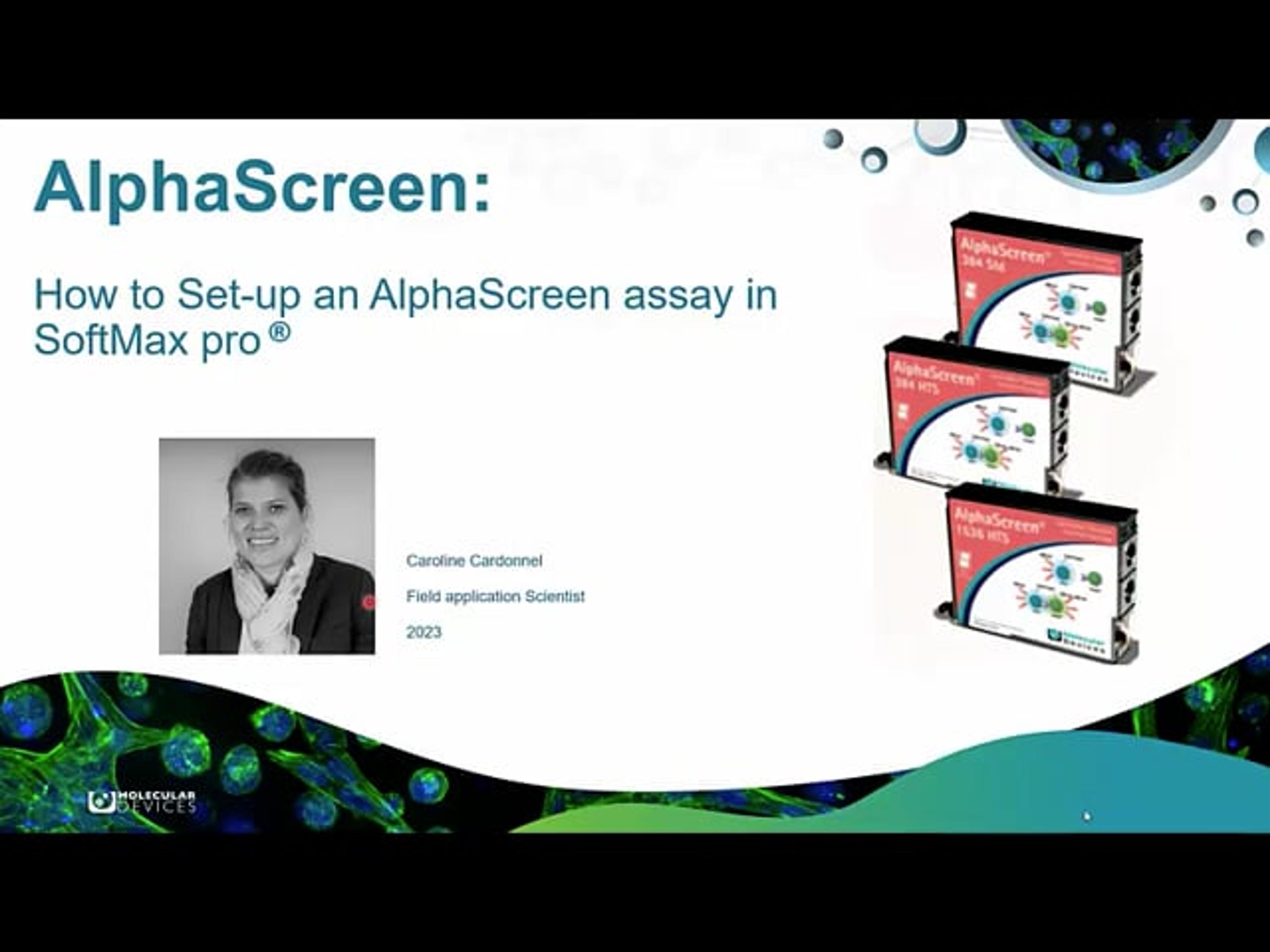
SoftMax pro AlphaScreen assay setup
This video provides a comprehensive guide to setting up an AlphaScreen® assay using SoftMax Pro® software. Learn how to install the AlphaScreen® cartridge, configure protocol settings, and optimize plate dimensions and labware for accurate results. Discover techniques like interlaced reading and proper plate selection to minimize crosstalk and enhance signal-to-noise ratio for reliable data analysis.
Product Overview
Links
Products Model Information
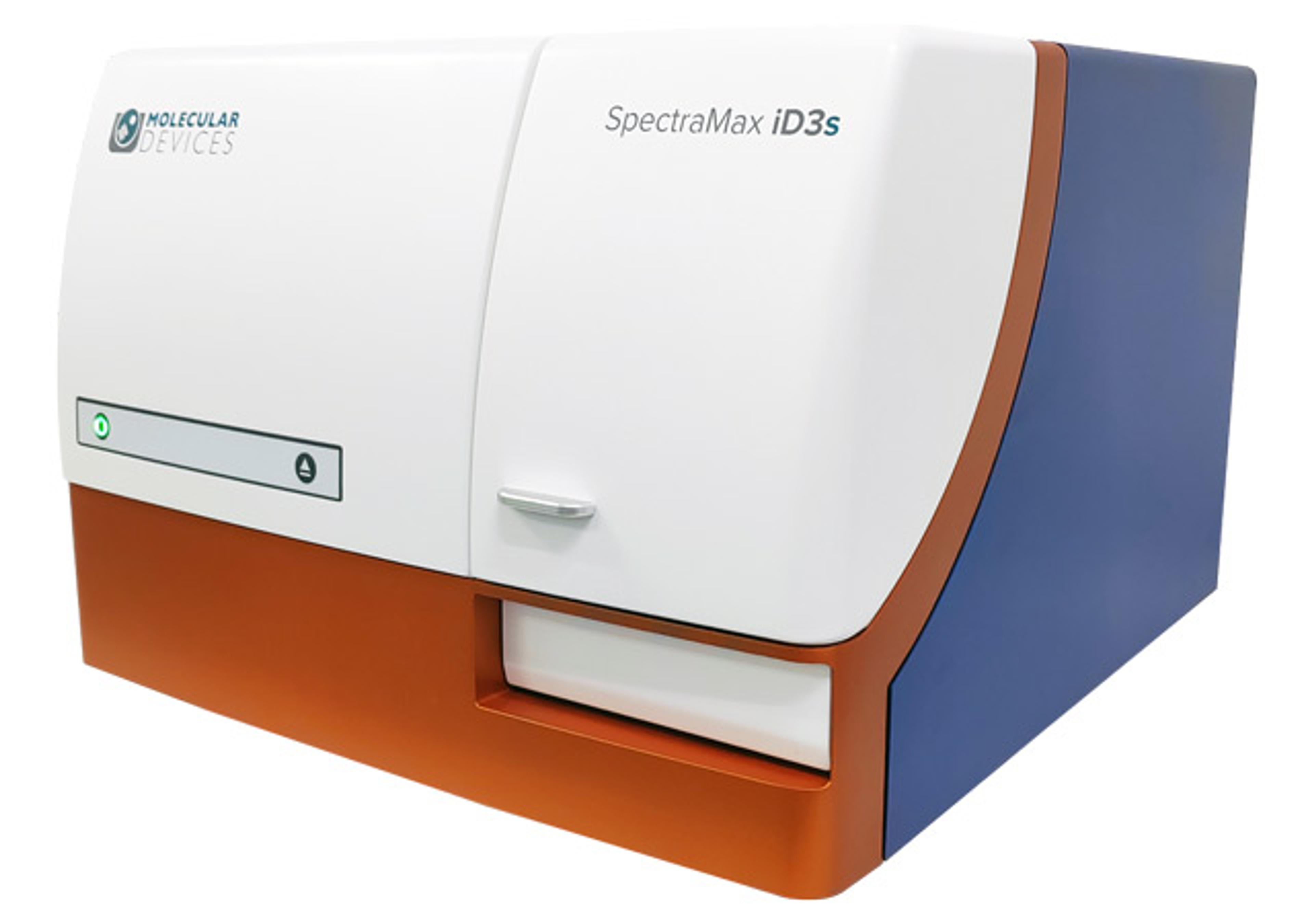
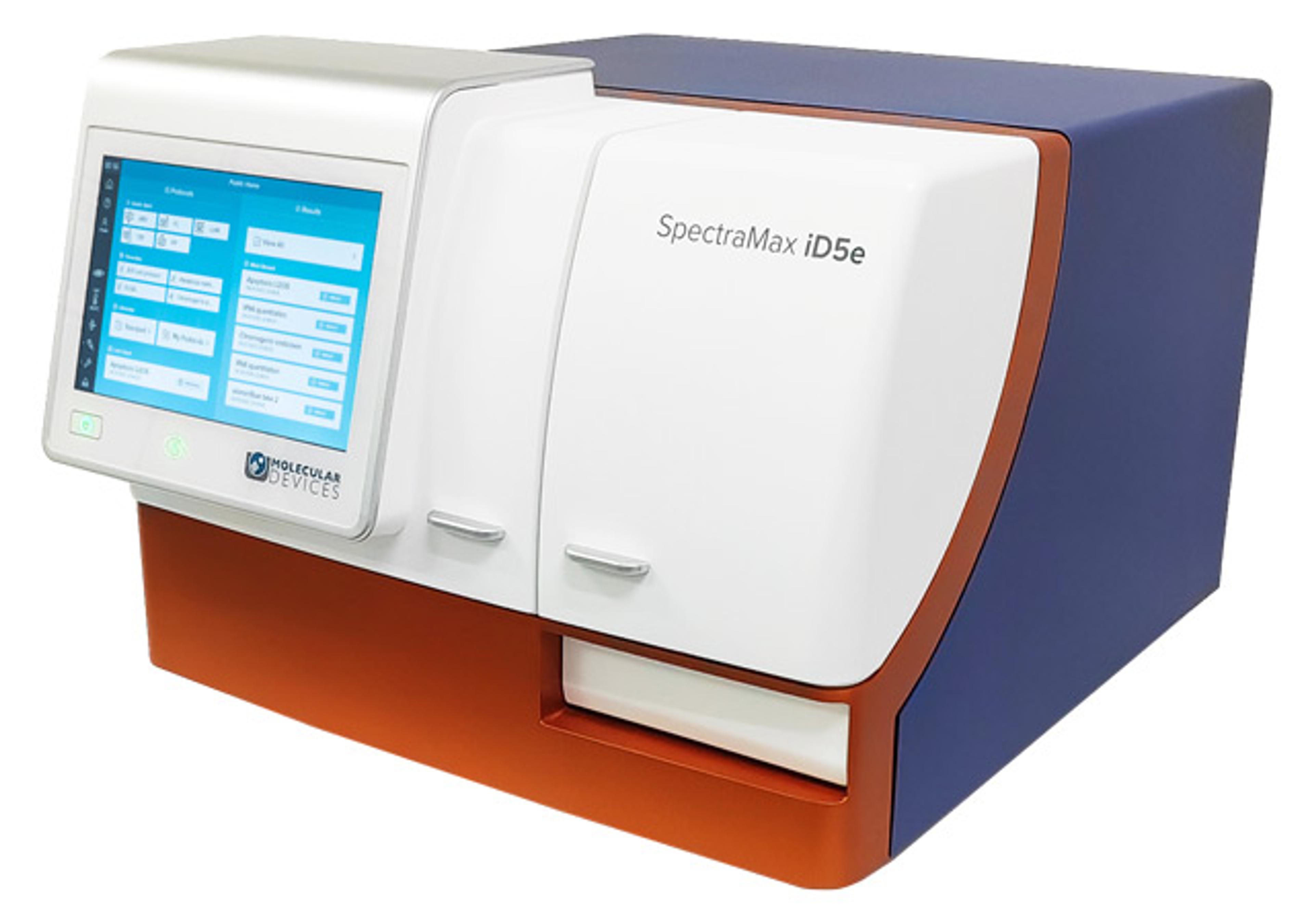
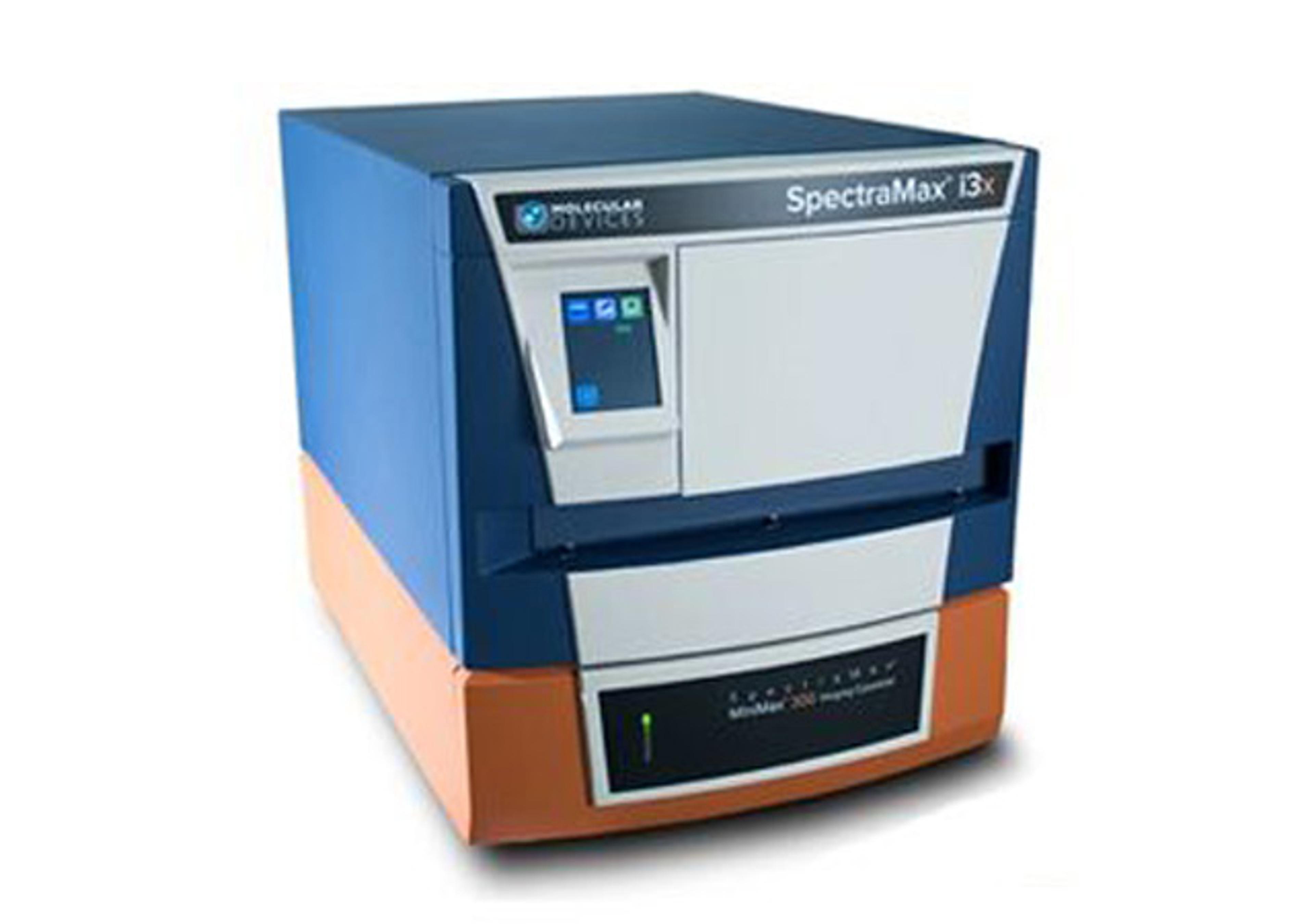
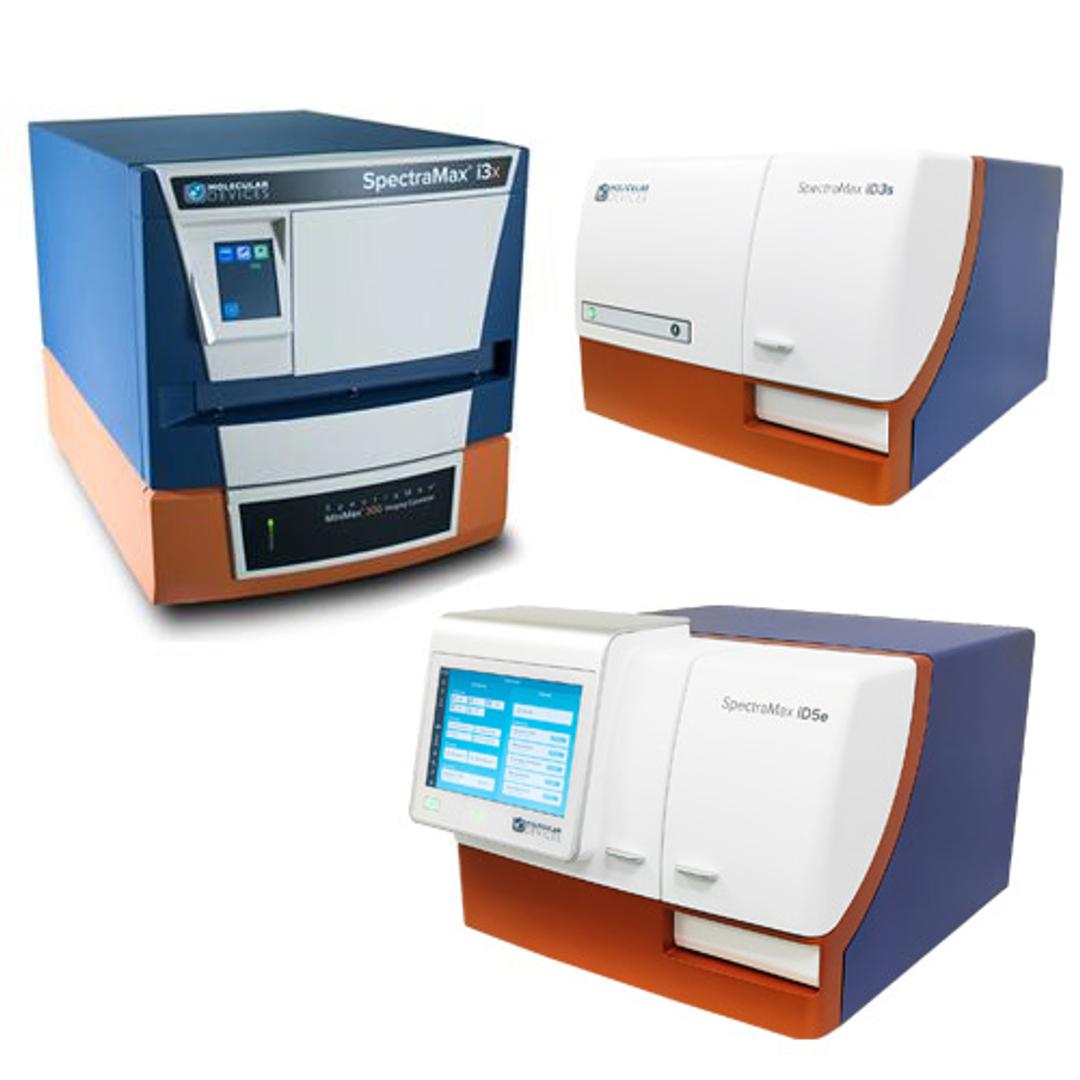
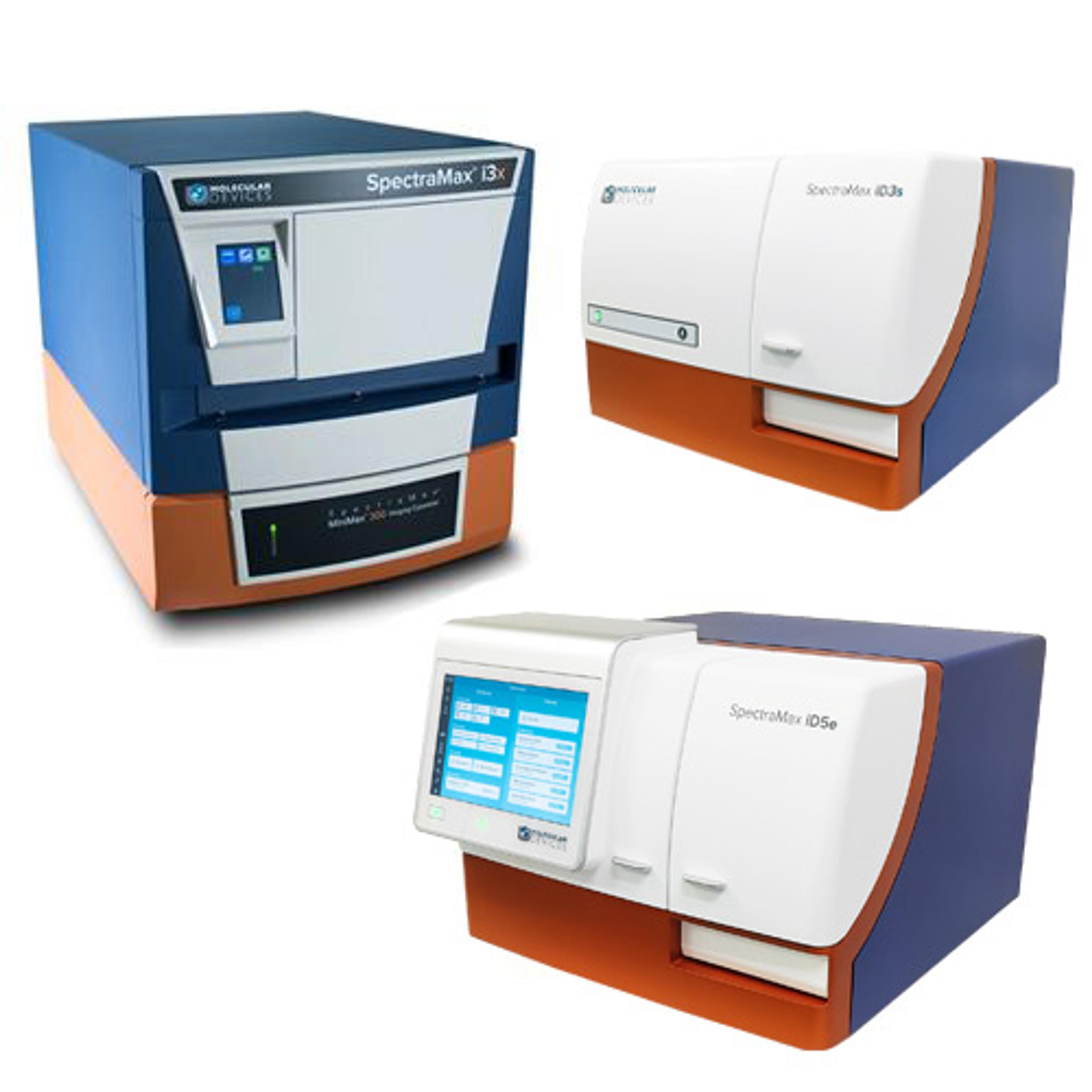
SpectraMax i3x Multi-Mode Microplate Reader with MiniMax Imaging Cytometer
Molecular Devices®Measures Absorbance, Fluorescence, and Luminescence with the added functionality of modular upgrades