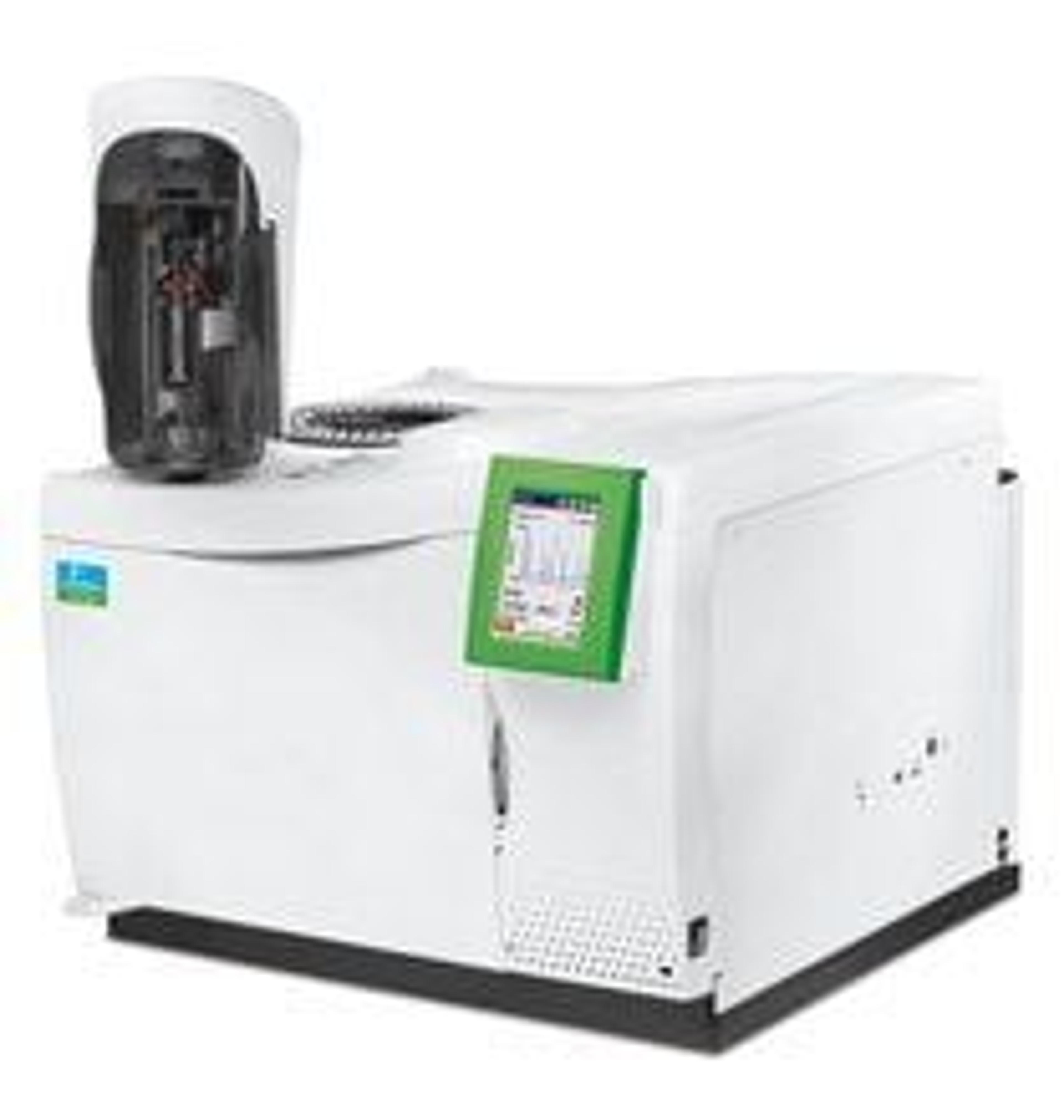
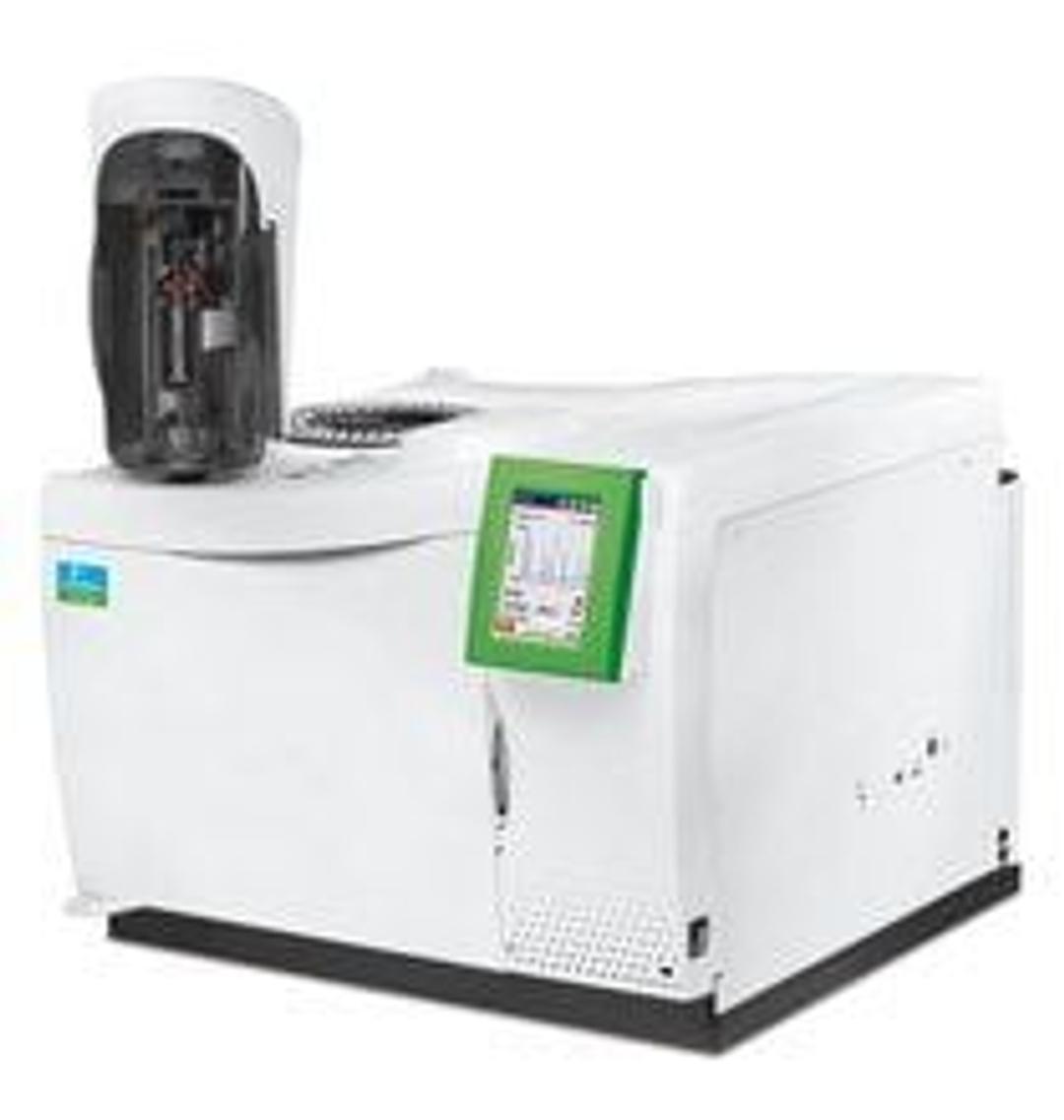
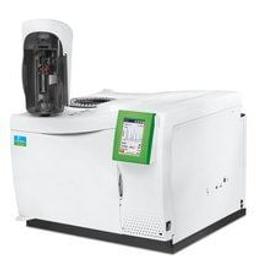
Clarus 680 GC
The Clarus® 680 GC is designed for fast-paced, high-volume laboratories that require fast analytical cycle times. It maximizes throughput with the fastest injection-to-injection time of any conventional gas chromatograph. The Clarus 680 GC incorporates many other PerkinElmer innovations that provide unprecedented operational simplicity and outstanding flexibility while removing the barriers to productivity that can arise with…

The supplier does not provide quotations for this product through SelectScience. You can search for similar products in our Product Directory.
A very sophisticated instrument
Solvents purity, assay of raw materials, oil and ghee profile
A very sophisticated instrument with high sensitivity, run up to 100 samples in one time
Review Date: 10 Feb 2022 | PerkinElmer
Very reliable easy to use instrument.
Essential oil analysis
Very robust easy to use instruments. The only downside is the TotalChrom software used to control the instrument is not very sophisticated, even though there is a manual integration option it is very basic.
Review Date: 1 Oct 2021 | PerkinElmer
Great accuracy and speed of analysis.
Solvents analysis
Clarus 680 GC is a great fast analysis system for solvents analysis. We typically have a sample analysis load of about 40 samples per 8 hours of shifts. Clarus 680 GC helps in cooling down time reduction so the maximum number of samples can be analyzed. The accuracy of this GC system is perfect and we get great results of RSD.
Review Date: 13 Nov 2020 | PerkinElmer
Not as expected and GC not efficient in our lab.
Simple gas analyses and residual solvents
Not happy with this system. Use with Empower 3 is very difficult and after sales care does not help. Method transfer for routine residual solvent analysis were either very difficult or not completed for several of our raw materials.
Review Date: 26 Oct 2020 | PerkinElmer
As good as previous OR GCs.
Routine material and finished product analysis
Following on from a tradition of great GCs, this one is great, versatile and easy to use.
Review Date: 26 Oct 2020 | PerkinElmer
Rugged instrument with merely OK software.
Calibration for determination of %ethanol in solutions using flame ionization detector
I was impressed with the reproducibility of the instrument. The flame jet is more resilient than those offered by other manufacturers. The software is not the best but the instrument makes up for it.
Review Date: 4 Mar 2020 | PerkinElmer
Some aspects are user-friendly, some are not
Cholesterol analysis
The software that comes with it is not the most user-friendly. I much prefer Waters' Empower. Instrument maintenance is pretty user-friendly. Results are reproducible as long as syringe and liners are appropriately chosen and changed regularly.
Review Date: 4 Mar 2020 | PerkinElmer
Simple and very effective piece of kit for the bench!
Analyse enzyme activity and residuals
Love this machine! Methods and sequences so easy to set up on Total Chrom! The auto sampler is great, usually running 167 samples the sample holder holds 108, but is so easy to pause run and switch vials over. Depending on the individual run time you can just leave to run overnight and results will be there by the morning. Column changing is just easy and PerkinElmer also have videos online to show you how step by step. Changing the septum is also easy! Very simple to lid fit and check gas flow on the touch screen pad too! Great piece of neat kit for the benchtop!
Review Date: 23 Jun 2019 | PerkinElmer
Would by a used Agilent system over a new PE setup.
Environmental analyses
Although the price point was great, the equipment and software did not perform to the standard established by using Agilent equipment.
Review Date: 25 Oct 2018 | PerkinElmer
Recommended!
Pharmaceutical
Clarus 680 has met our expectations with excellent accuracy, even in low concentrations. The operation, column installation and analysis, is easy. It's works very well using the software Empower, considering our needs.
Review Date: 28 Jan 2017 | PerkinElmer
The Clarus® 680 GC is designed for fast-paced, high-volume laboratories that require fast analytical cycle times. It maximizes throughput with the fastest injection-to-injection time of any conventional gas chromatograph.
The Clarus 680 GC incorporates many other PerkinElmer innovations that provide unprecedented operational simplicity and outstanding flexibility while removing the barriers to productivity that can arise with more demanding samples and applications. The fastest temperature programmable inlets available combined with programmable pneumatic control (PPC) provides simple and straightforward solutions to complex analyses such as analysis for methanol in crude oil or determination of pesticides in food.
Its near-ambient performances make the Clarus 680 GC the instrument of choice for the separation of light volatile components or when Large Volume Injection is required to run high-sensitivity GC/MS applications.
Complete instrument control is available through TotalChrom and TurboMass as well as Waters® Empower™ 2 and Agilent® EZChrom Elite™ drivers.
Features/Benefits
Patented high-performance oven - the unique oven design of the Clarus 680 GC provides the fastest available heat-up and cool-down rate, enabling shorter injection-to-injection and analytical cycle times, maximizing your sample throughput and achieve maximum return on your investment
• Its twin-walled oven design with concentric air exhaust* allows the user to achieve greater separation at near-ambient temperatures without the use of special coolants, especially important for the analysis of Volatile Organic Compounds (VOCs).
• Fast oven heat-up allows faster chromatography, particularly useful when speeding up the elution of late eluting compounds.
• Fastest available cool-down rate is delivered using forced convection air. This greatly reduces non-productive time between runs.
• Universal Programmable Split-Splitless (PSS) and Programmable On-Column (POC) injectors design enables Large Volume Injection of volatile solvents and cold on-column injections without the use of expensive cooling agents
• Novel Swafer™ micro-flow technology dramatically simplifies complex tasks helping to make the Clarus 680 GC easily used by operators at all skill levels
• Complete instrument control is available through TotalChrom™, TurboMass™ as well as Waters® Empower™ 2 and Agilent® EZChrom Elite™ drivers.

Increasing Sensitivity in the Determination of Volatile Organics in Toys with Headspace Trap-GC/MS
The safety of toys has gained publicity on a global scale, with numerous recalls and new regulations. One aspect of toys which needs to be considered under European Union regulations (EN-71) is the content of volatile organic compounds (VOCs). These compounds, such as benzene and toluene, are residual after the manufacture of various types of polymers, additives and coatings. VOCs are potentially hazardous to the health of children if present at high levels in toys. As a result, it is necessary to accurately determine the level of VOCs in toys to ensure safety. This application note will present an approach developed to measure VOCs at low levels using headspace trap (HS Trap) sample introduction with gas chromatography/mass spectrometry (GC/MS).
Mercury Speciation in Biological Tissue and Sediments by GC / ICP-MS Using the NexION 350
The focus of this application note is to examine the instrumental conditions and parameters necessary for the coupling of a Clarus® GC to a NexION® ICP-MS system with a GC transfer line and its application towards the speciation of mercury in biological tissues and sediments.
Fast Detailed Hydrocarbon Analysis by Modified ASTM Method D6730
This application note presents a modified method designed to reduce the time required for analysis, while meeting the quality criteria of the ASTM® method D6730. The improvements related to this method are achieved by modifying the carrier gas, the temperature ramps and the precolumn length, which will shorten the run time of the method to approximately 70 minutes. Improvements related to the overall throughput encompass not only the analysis run time but also the time needed for the oven to cool down and the time needed for pre-run events. Presented are the detailed conditions used to achieve this throughput improvement, examples of critical separations, and discussion of retention-index difference between the current ASTM® method and the Fast DHA method.
Milk Adulteration with Melamine – Screening, Testing and Real-Time Detection
This case study highlights where testing, screening and RTD have been used to measure melamine content in milk. Traditional testing methods LC/MS and GC/MS, NIR Screening methods, and real-time detection via DSA-TOF/MS are described.
Methane, Ethylene, and Ethane in Water by Headspace-Gas Chromatography (HS-GC) with Flame Ionization Detection (FID)
This application note presents a method, using PerkinElmer’s TurboMatrix™ HS and Clarus® 680 GC in combination, offering a simple, economical and reliable measurement technique for determining methane and other target gases in water. The results confirm the viability of this method for delivering accuracy and ease of use.
Characterizing Interaction of Nanoparticles with Organic Pollutants Using Coupling Thermal Analysis with Spectroscopic Techniques
There are a wide range of organic and inorganic pollutants that become associated with the partitioning of hazardous organic compounds (HOC) to nanoparticles. Dynamics of nanoparticle-water partitioning can significantly influence the speciation, and hence, understanding the fate, transport and toxicological impact of POPs such as PAHs, PCBs is critical. In this Application Note it is shown that TGA-GC-MS is a useful technique to study nanoparticle influence on adsorption and partitioning PAHs.
Mercury Speciation in Biological Tissue and Sediments by GC/ICP-MS
Gas chromatography coupled with inductively coupled plasma mass spectrometry (GC/ICP-MS) is the method of choice for trace analysis because of its high sensitivity, selectivity and multi-elemental and multi-isotopic detection capabilities. In this application note from PerkinElmer the instrumental conditions and parameters necessary for the coupling of a Clarus® GC and NexION® ICP-MS system from with a GC transfer line are described. The applications of GC/ICP-MS for the speciation of mercury in biological tissues and sediments are also demonstrated.
Ozone Precursor Analysis Using a Thermal Desorption-GC System
This white paper describes a method to collect and measure C2 to C12 automatically in the field, without the use of liquid cryogen. This system has been updated to support the use of thermal desorption (TD) systems, the PerkinElmer® TurboMatrix™ Thermal Desorbers. With quantitation limits below 0.1 ppb (FID) and the capability of sampling for 40 minutes of every hour, the system meets the requirements of this exacting method.
Detection and Quantification of Formaldehyde by Derivatization with Pentafluorobenzylhydroxyl Amine in Pharmaceutical Excipients
This application note presents a simple and effective method for the determination of formaldehyde in pharmaceutical excipients using SHS-GC/MS. This is a fast and reliable method that can be used for the quantification of low-molecular-weight aldehydes in most excipients commonly used in pharmaceutical products. Excellent quantification and linear instrument response was reported across a 1 to 50 ppb concentration range of formaldehyde.

PerkinElmer launches CRM reagent and consumable kit to streamline cannabis pesticide testing workflows
ONE Pesticide420™ solution delivers enhanced cannabis & hemp testing experience with 70+ ready-to-use certified calibration levels