
Mercury Speciation in Biological Tissue and Sediments by GC / ICP-MS Using the NexION 350
20 May 2015The focus of this application note is to examine the instrumental conditions and parameters necessary for the coupling of a Clarus® GC to a NexION® ICP-MS system with a GC transfer line and its application towards the speciation of mercury in biological tissues and sediments.
Related products
Request Quote for All Products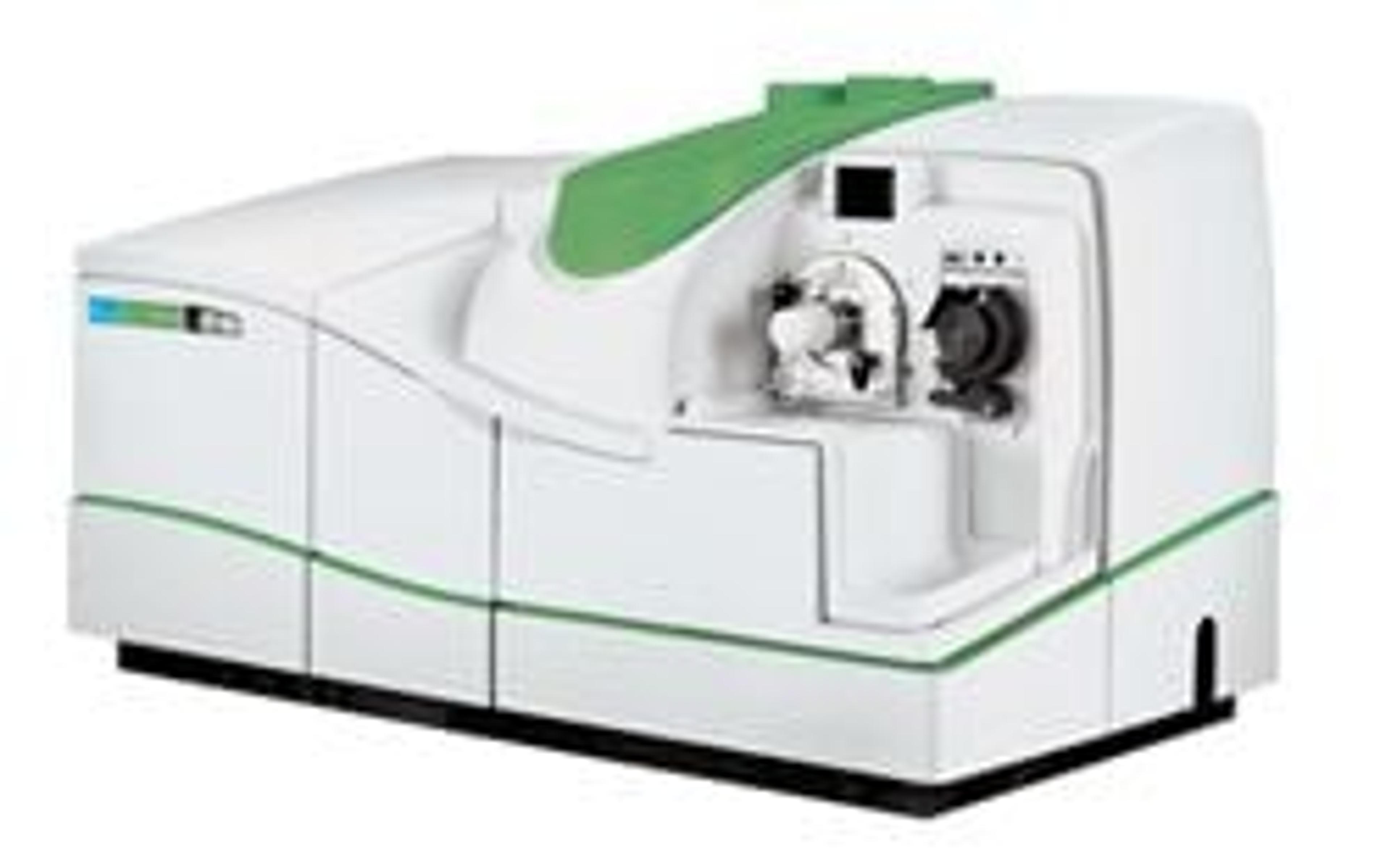
NexION 350 ICP-MS Spectrometers
PerkinElmerWhen your instrument is more efficient and productive, so too are your scientists and your lab. And nothing puts the flow in your workflow better than the NexION® 350 ICP-MS. With a data acquisition speed 10 times faster than any other ICP-MS on the market, the new NexION 350 ICP-MS opens up a whole new world of efficiency and opportunity, allowing you to measure more in less time, and accurately characterize nanoparticles. In addition to the exceptional application flexibility afforded by its speed, the instrument also delivers superior uptime and productivity through a variety of unique features engineered to enhance signal stability: Triple Cone Interface produces the industry’s most tightly focused ion beam and prevents sample deposition on internal components. Quadrupole Ion Deflector turns positively charged ions 90° into the Universal Cell and filters off neutrals. Analyzing Quadrupole made of a unique steel alloy for negligible thermal expansion for unparalleled stability. No extraction lenses to clean for minimized maintenance.
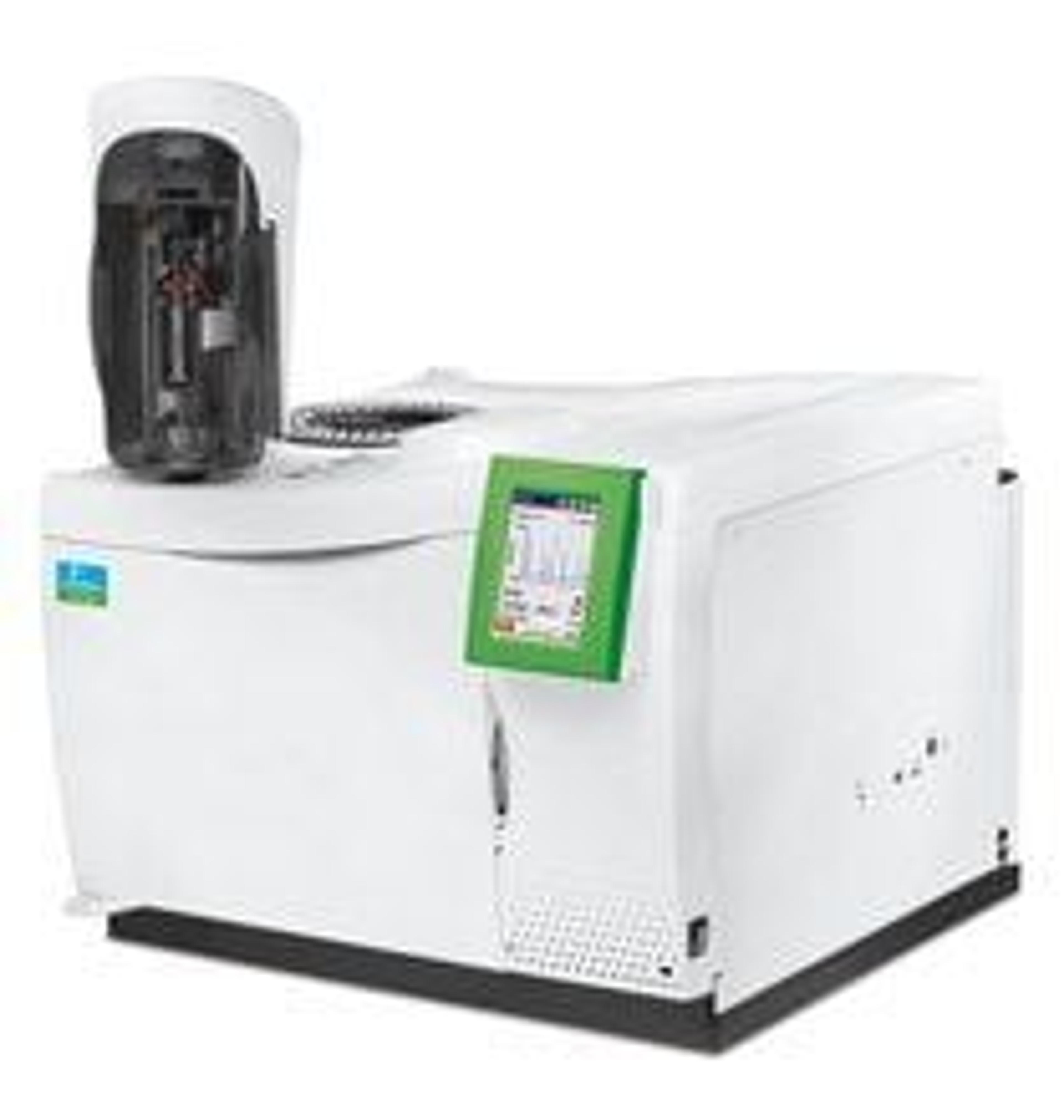
Clarus 680 GC
PerkinElmerThe Clarus® 680 GC is designed for fast-paced, high-volume laboratories that require fast analytical cycle times. It maximizes throughput with the fastest injection-to-injection time of any conventional gas chromatograph. The Clarus 680 GC incorporates many other PerkinElmer innovations that provide unprecedented operational simplicity and outstanding flexibility while removing the barriers to productivity that can arise with more demanding samples and applications. The fastest temperature programmable inlets available combined with programmable pneumatic control (PPC) provides simple and straightforward solutions to complex analyses such as analysis for methanol in crude oil or determination of pesticides in food. Its near-ambient performances make the Clarus 680 GC the instrument of choice for the separation of light volatile components or when Large Volume Injection is required to run high-sensitivity GC/MS applications. Complete instrument control is available through TotalChrom and TurboMass as well as Waters® Empower™ 2 and Agilent® EZChrom Elite™ drivers. Features/Benefits Patented high-performance oven - the unique oven design of the Clarus 680 GC provides the fastest available heat-up and cool-down rate, enabling shorter injection-to-injection and analytical cycle times, maximizing your sample throughput and achieve maximum return on your investment • Its twin-walled oven design with concentric air exhaust* allows the user to achieve greater separation at near-ambient temperatures without the use of special coolants, especially important for the analysis of Volatile Organic Compounds (VOCs). • Fast oven heat-up allows faster chromatography, particularly useful when speeding up the elution of late eluting compounds. • Fastest available cool-down rate is delivered using forced convection air. This greatly reduces non-productive time between runs. • Universal Programmable Split-Splitless (PSS) and Programmable On-Column (POC) injectors design enables Large Volume Injection of volatile solvents and cold on-column injections without the use of expensive cooling agents • Novel Swafer™ micro-flow technology dramatically simplifies complex tasks helping to make the Clarus 680 GC easily used by operators at all skill levels • Complete instrument control is available through TotalChrom™, TurboMass™ as well as Waters® Empower™ 2 and Agilent® EZChrom Elite™ drivers.