BHQ™ Probes
Dual-labelled probes featuring the original BHQ dye technologies



Place your order directly with the manufacturer.
decent results
Analyze mRNA expression in brain tissues and cell cultures of Drosophila melanogaster
Probes are of high quality and very easy to use. I would give it 5 stars if it could be less expensive.
Review Date: 3 Aug 2017 | LGC Diagnostics & Genomics - Biosearch Technologies Oligo Synthesis
it is very good company and I would recommended to other colleagues.
analyzed swab, whole blood as well as tissues samples
It is easy to you, meet our requirement. Delivery on time to commitment. Pre order and quotation are very fast.
Review Date: 1 Aug 2017 | LGC Diagnostics & Genomics - Biosearch Technologies Oligo Synthesis
Competitive prices and fast shipping.
Diagnostics
As always, the primers and probes worked well as intended. I recently took over ordering for my lab and they made ordering as easy as possible and made sure to follow up with me when I failed to submit the complete order. Arrived timely and at a competitive price compared to another vender we use for the same reagents.
Review Date: 1 Aug 2017 | LGC Diagnostics & Genomics - Biosearch Technologies Oligo Synthesis
Overall good services and products
Recombinase Polymerase Assay
Products were good and packing was also okay but delivery takes time.
Review Date: 1 Aug 2017 | LGC Diagnostics & Genomics - Biosearch Technologies Oligo Synthesis
So far, so good!
Genotyping
Product is value for money for our application. Quality is reproducible. I do notice that the colour intensity of resuspended probes varies from batch to batch although I made sure to add the right amount of resuspending bufffer. I would presume that it might have to do with the concentration (OD) of probes among batches? For our application, fluorescence values are interpreted in LOG form, so the effects are negligible.
Review Date: 1 Aug 2017 | LGC Diagnostics & Genomics - Biosearch Technologies Oligo Synthesis
The LGC Biosearch Technologies TaqMan Chemistry probes are a part of ever day work!
Quantitative real time PCR
The LGC Biosearch Technologies TaqMan Chemistry probes for real time quantitative PCR are of very good quality, suitable for multiplex PCR reactions, and always give precise and reproducible results. We rely a lot on the LGC Biosearch Technologies probes which allow us perform high quality assays at a good price
Review Date: 31 Jul 2017 | LGC Diagnostics & Genomics - Biosearch Technologies Oligo Synthesis
Great results! Probe turnaround time fastest yet.
qPCR for Zika Virus detection in various murine mouse tissues.
A high-quality probe that provides reproducible results. Commonly used in our lab and commonly requested by our collaborators down in Nicaragua.
Review Date: 31 Jul 2017 | LGC Diagnostics & Genomics - Biosearch Technologies Oligo Synthesis
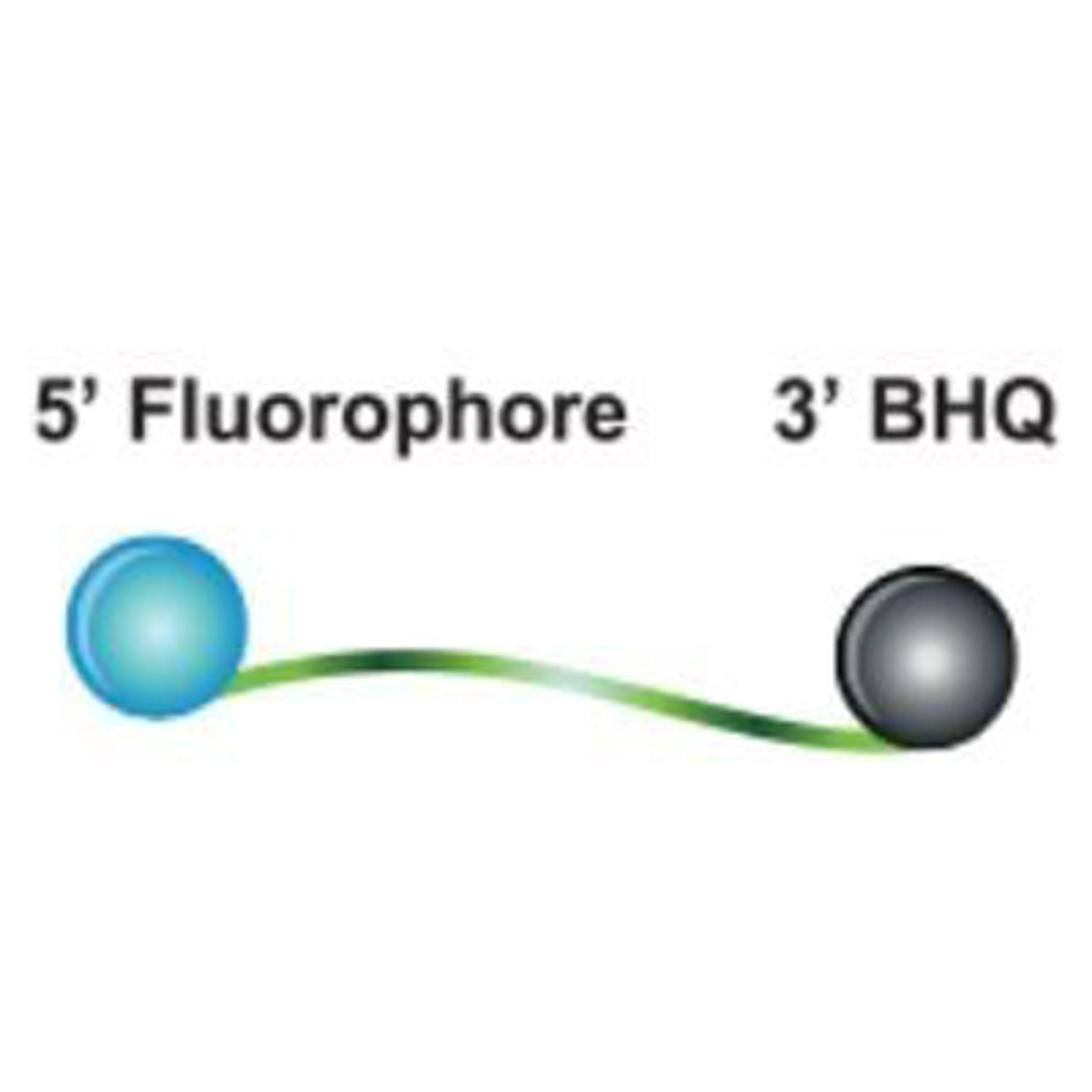
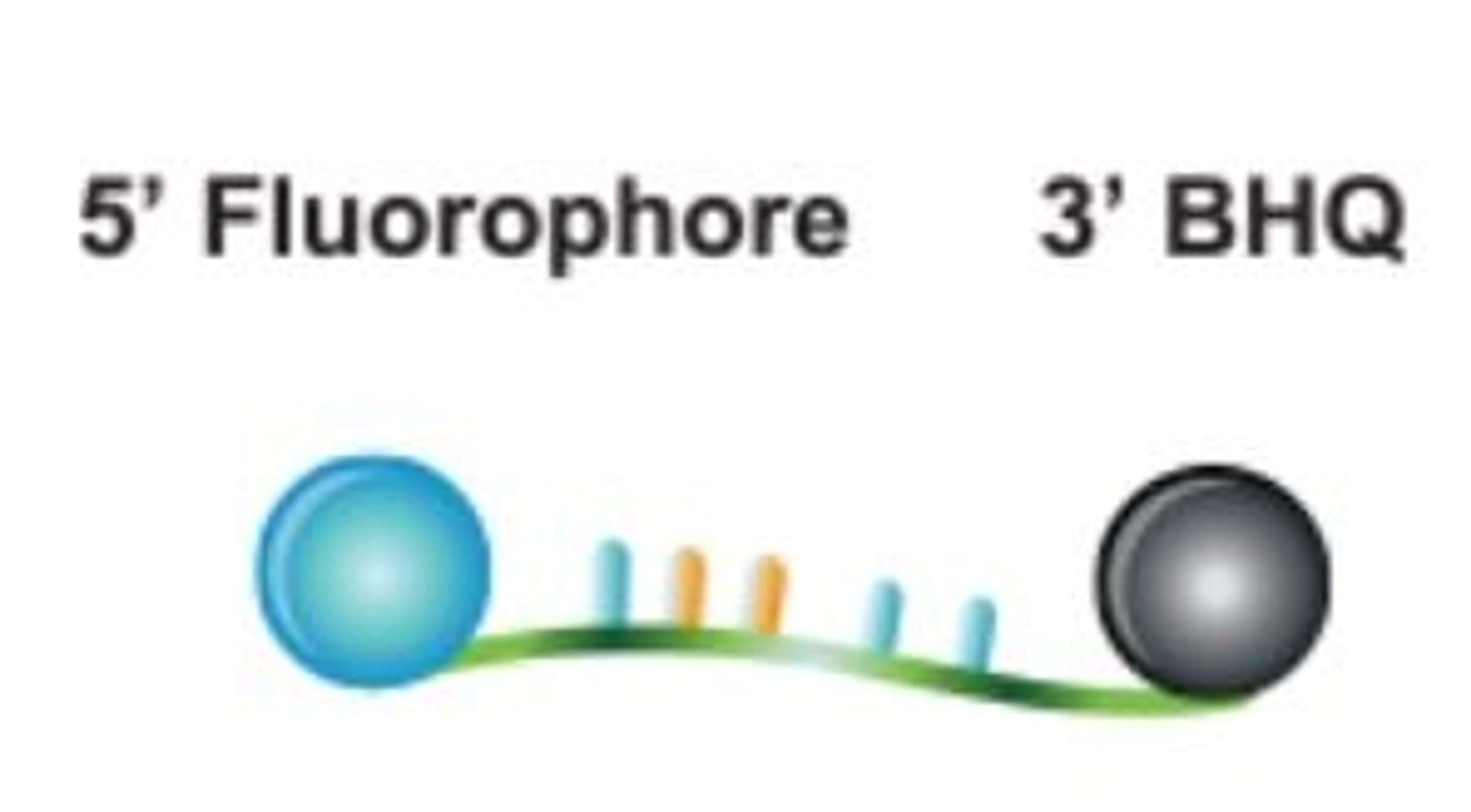
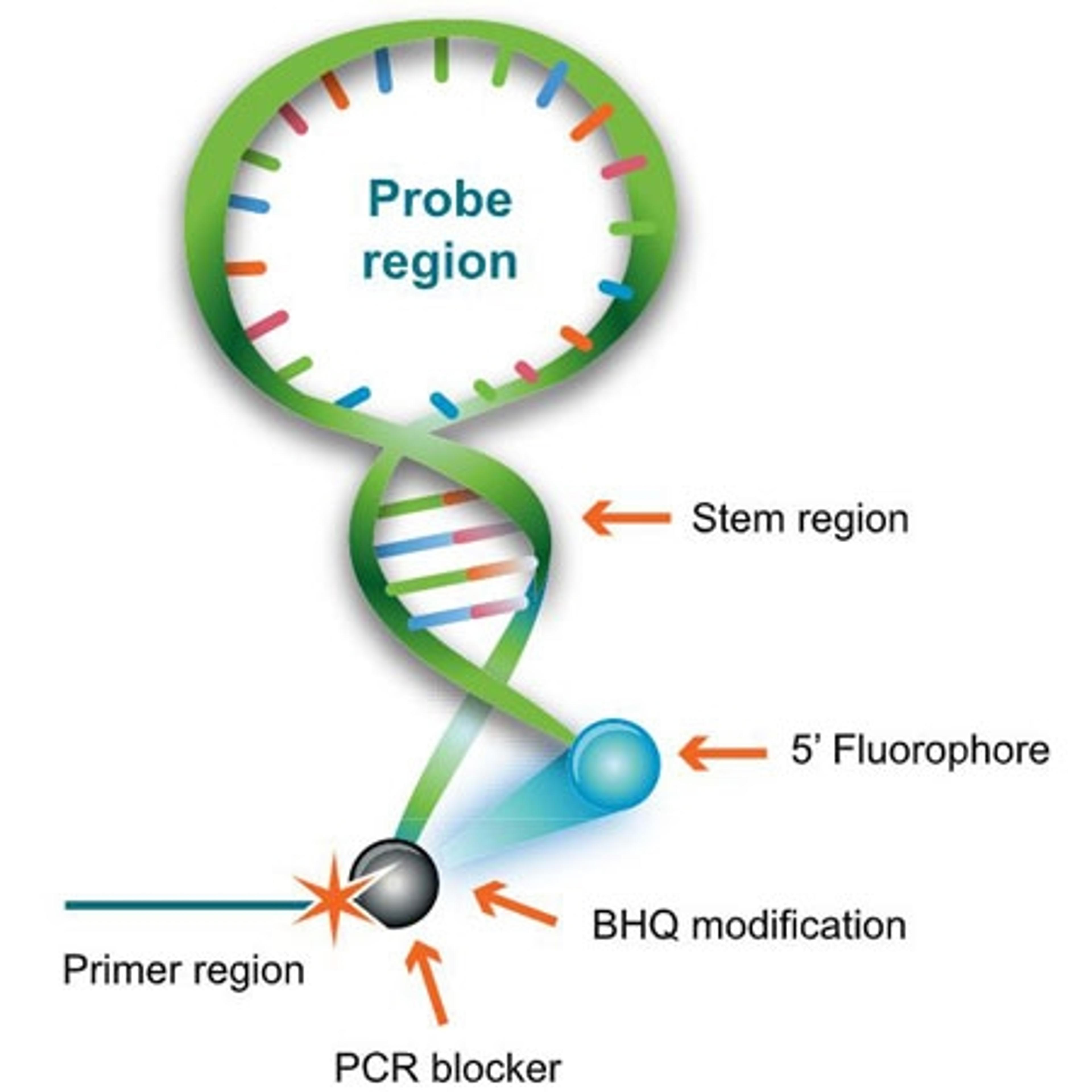
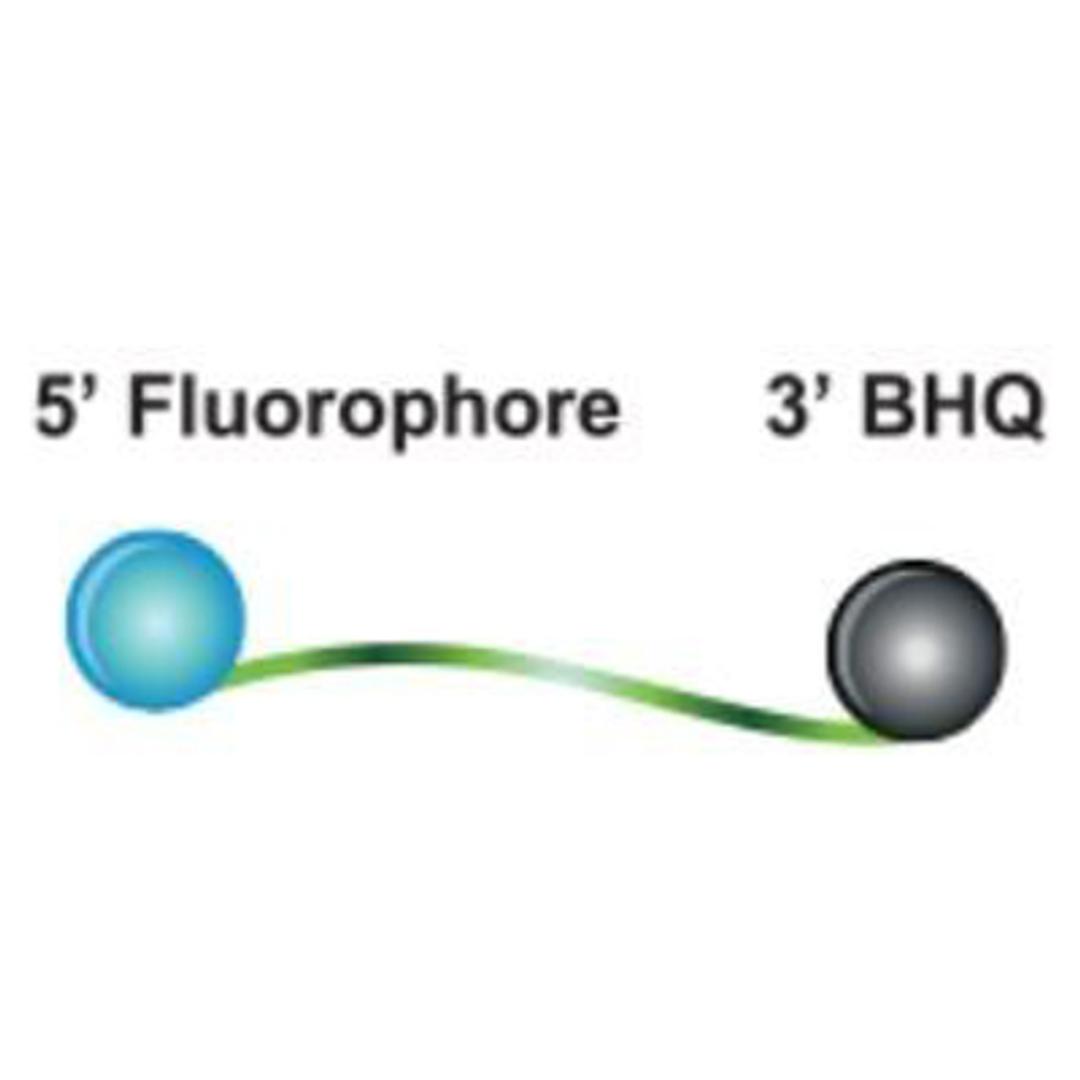
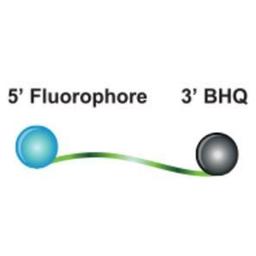
Dual-Labeled BHQ Probes are traditional, linear, FRET probes incorporating a fluorophore and quencher covalently attached to the 5' and 3' ends of an oligo typically 20 to 30 bases in length. Fluorescence is released through the 5' exonuclease activity of Taq polymerase, which cleaves off the fluorescent dye upon the probe's hybridization to its complementary sequence.
Dual-Labeled BHQ Probes are ideal for detecting the presence and quantifying the amount of specific target sequences.

Top tips for robust qPCR results
Reproducibility issues are a common pain point experienced by scientists carrying out quantitative polymerase chain reaction (qPCR), or real-time PCR, with challenges being linked to suboptimal design, probe selection, or workflow execution. The inconsistencies impact not only data quality, but also wasted time, lost samples and delayed research milestones.
A successful qPCR experiment relies on a well‑designed workflow, from high‑quality sample preparation to optimized reagents, primers, and probes, supported by thoughtful assay design that avoids issues like nonspecific binding or inefficient amplification. Expert probe‑selection strategies enhance specificity, especially in multiplexing, while effective troubleshooting helps diagnose common problems such as poor efficiency, primer‑dimers, or high variability. By applying key optimization techniques, researchers can achieve sensitive, accurate, and reproducible qPCR results.
Download this SelectScience guide to explore:
- How to overcome challenges in qPCR assay design
- A guide to selecting the right qPCR probe
- The best way to troubleshoot your qPCR
- Tips for qPCR optimization and validation
Resource details:
- Document type: SelectScience guide
- Page count: 49
- Read time: 69 mins
- Edition: 1st

Simplifying the journey from molecular diagnostic assay development to commercialization
Molecular diagnostics (MDx) is rapidly advancing, with a growing array of DNA- and RNA-based tests now available to physicians, pharmacists, geneticists, research scientists, and other healthcare professionals.
As labs work with human and microbial genes, test developers must comply with clinical guidelines and regulations. Both established companies and start-ups face challenges, including meeting regulatory standards, ensuring quality, and managing supply chain issues. Early planning and robust partnerships are key to overcoming these obstacles.
This essential guide explores these challenges through detailed case studies. It covers everything from early development and assay formulation, to supply chain security, offering expert insights on successfully bringing PCR, next-generation sequencing (NGS), and other nucleic acid-based diagnostic tests to market.
The future of diagnostics: How innovators in molecular techniques are shaping healthcare
From enzymatics to informatics, Hillary Sullivan, Vice President of R&D at LGC Biosearch Technologies, shares her thoughts on some of the latest advancements in molecular diagnostics. With insights from successful partnerships in healthcare, Sullivan provides her perspective on what the most promising areas of scientific advancements might hold for this rapidly developing field in the next 25 years.
7 innovative qPCR probe types explained
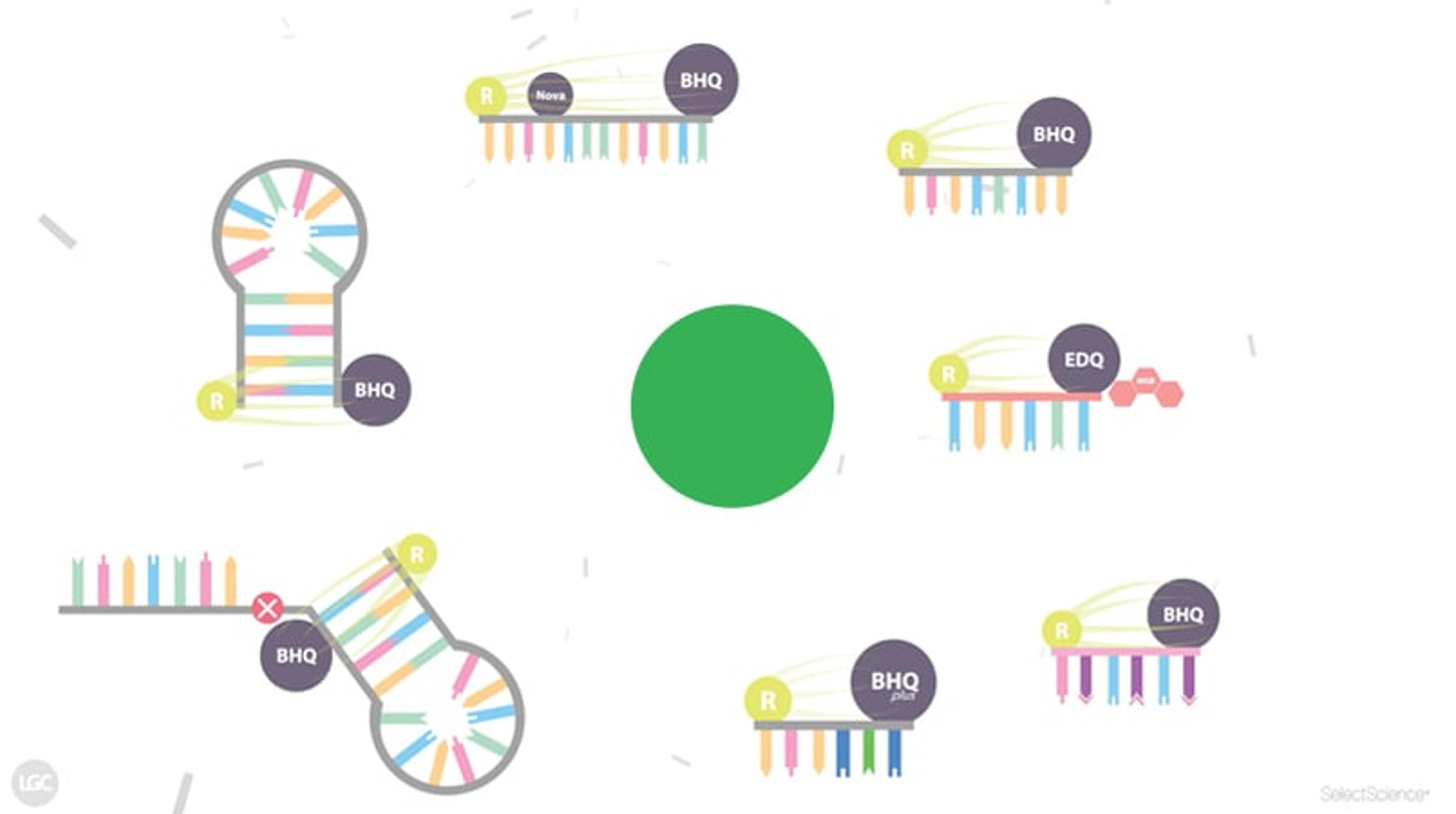
This comprehensive walkthrough animation outlines the latest developments in probe technologies in the qPCR field, highlighting the mechanisms of seven different real-time PCR probe and primer formats:
- Dual-labelled hydrolysis probes [00:19]
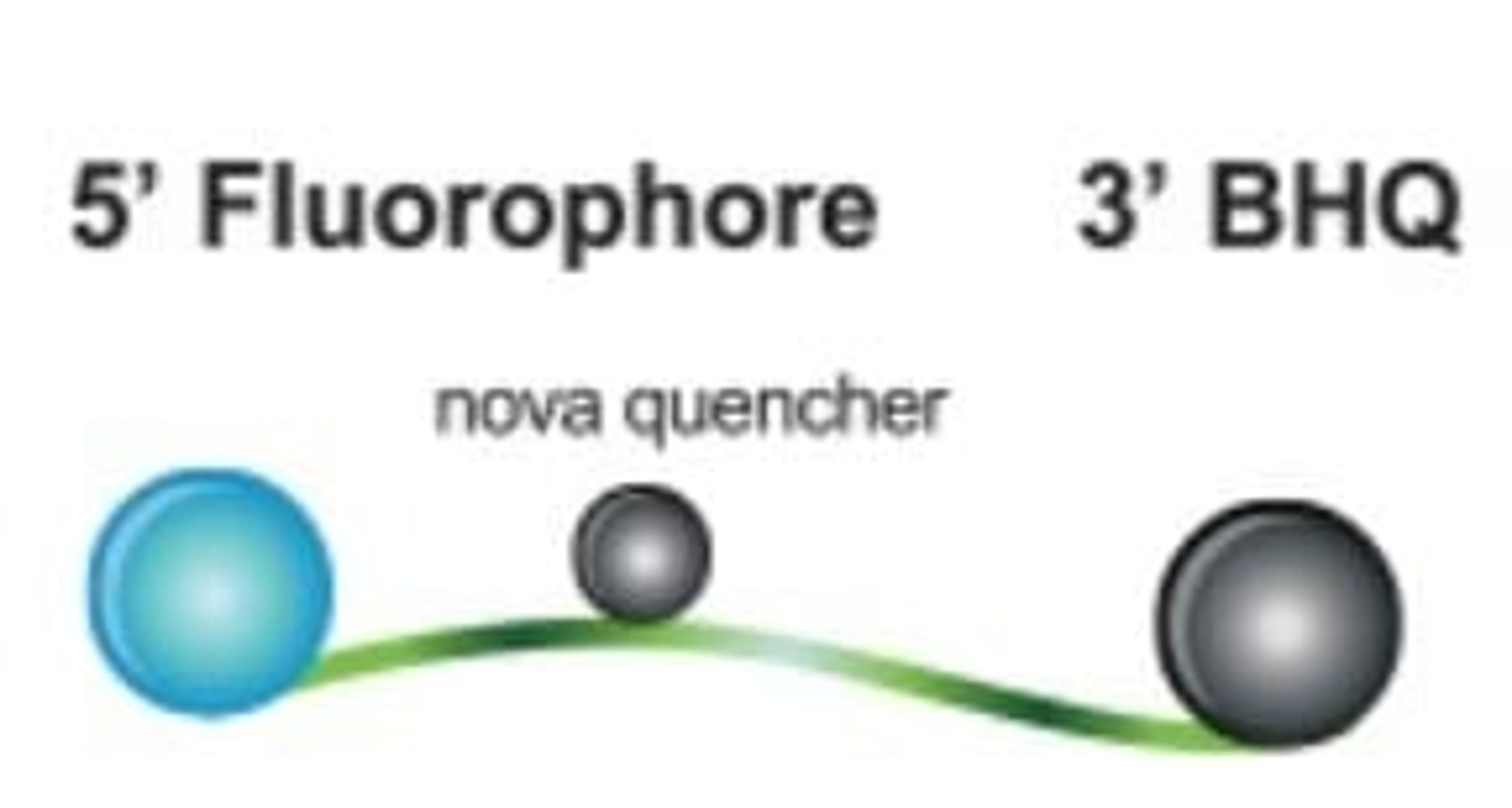
- BHQnova™ Probes [01:17]
- Minor groove binder (MGB) probes [01:49]
- Locked nucleic acid (LNA) probes [02:31]
- BHQplus™ Probes [03:15]
- Molecular Beacons [04:45]
- Scorpions™ Primers [06:00]

PCR Forge cuts through the guesswork of multiplex PCR design
Explore how a free web-based design tool is removing the barriers to building robust PCR assays

Web-based design software streamlines multiplex PCR assay development
Discover how free software can help design oligos for PCR assays, reducing guesswork and enabling creation of effective diagnostic assays

Decentralizing healthcare through point-of-care diagnostics
Portable testing platforms are set to drive precision medicine and community health into 2024, so when will they see a more widespread adoption amongst healthcare providers and individuals alike?

LAMP-based diagnostics: Rapid and truly portable molecular testing at the point-of-need
Discover how a multi-disciplinary team located at Imperial College London created a novel portable diagnostic platform and delivered a rapid and accurate 5-in-1 respiratory pathogen detection test panel
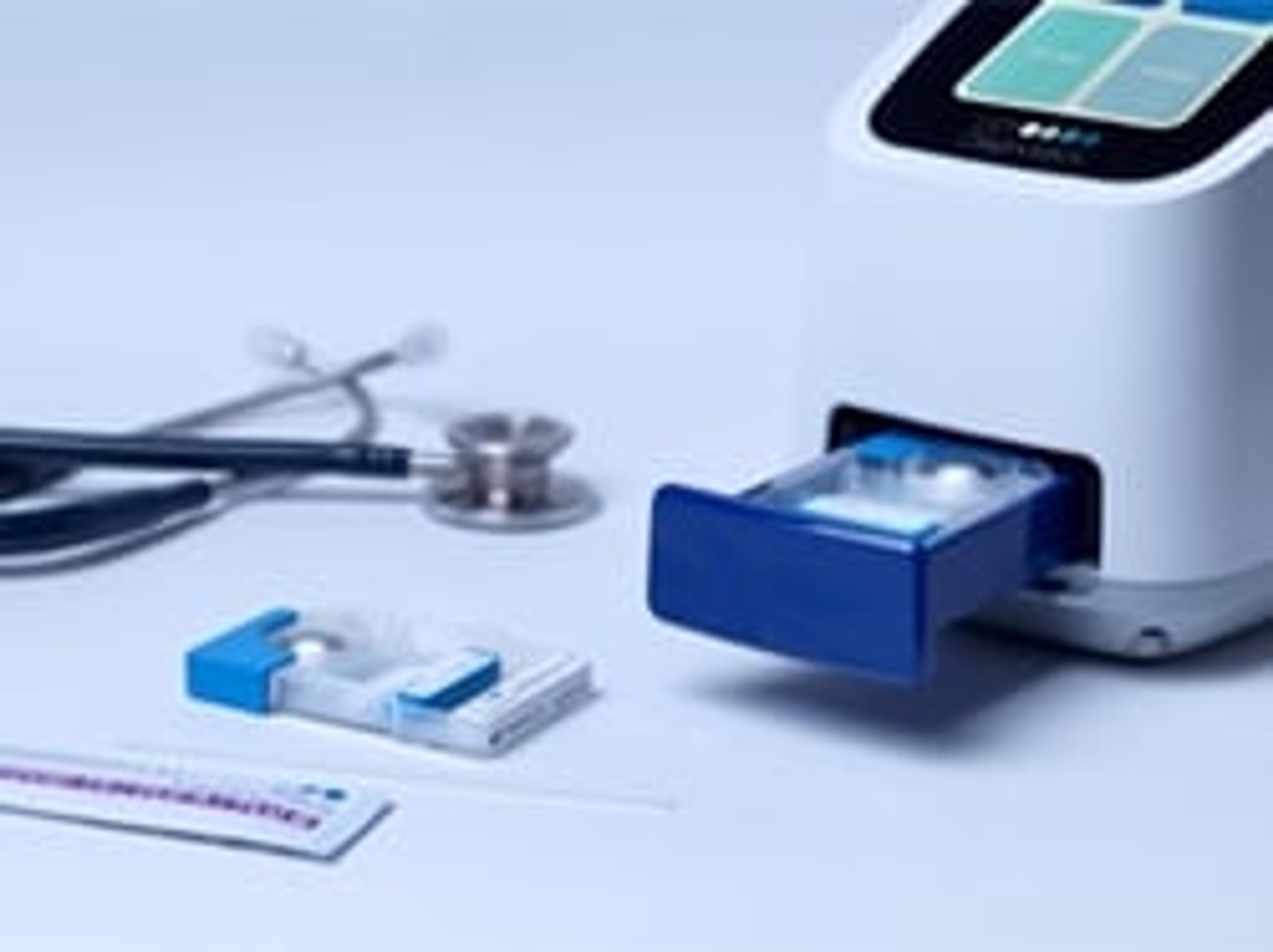
A revolution in diagnostics – The race for five-minute point-of-care PCR testing
Learn how UK-based diagnostics company, LEX Diagnostics, is working with LGC Biosearch Technologies to precipitate a step-change in PCR usability and speed

8 game-changing resources for infectious disease research
Explore the solutions, expert insights, and newest technologies that are driving COVID-19 and infectious disease research

Combating antibiotic-resistant sexually transmitted infections with molecular diagnostics
Explore how a partnership between a lead researcher in sexual health and a molecular diagnostics innovator helped to overcome the therapeutic hurdles that come with antibiotic resistance

Transition to molecular diagnostics: How agricultural expertise has helped to keep COVID-19 positive rates low
Making the most of agrigenomic expertise and existing technologies to enable a rapid response to the pandemic