BHQnova™ Probes
Double-quenched probes that offer improved quenching over longer probe sequences

Place your order directly with the manufacturer.
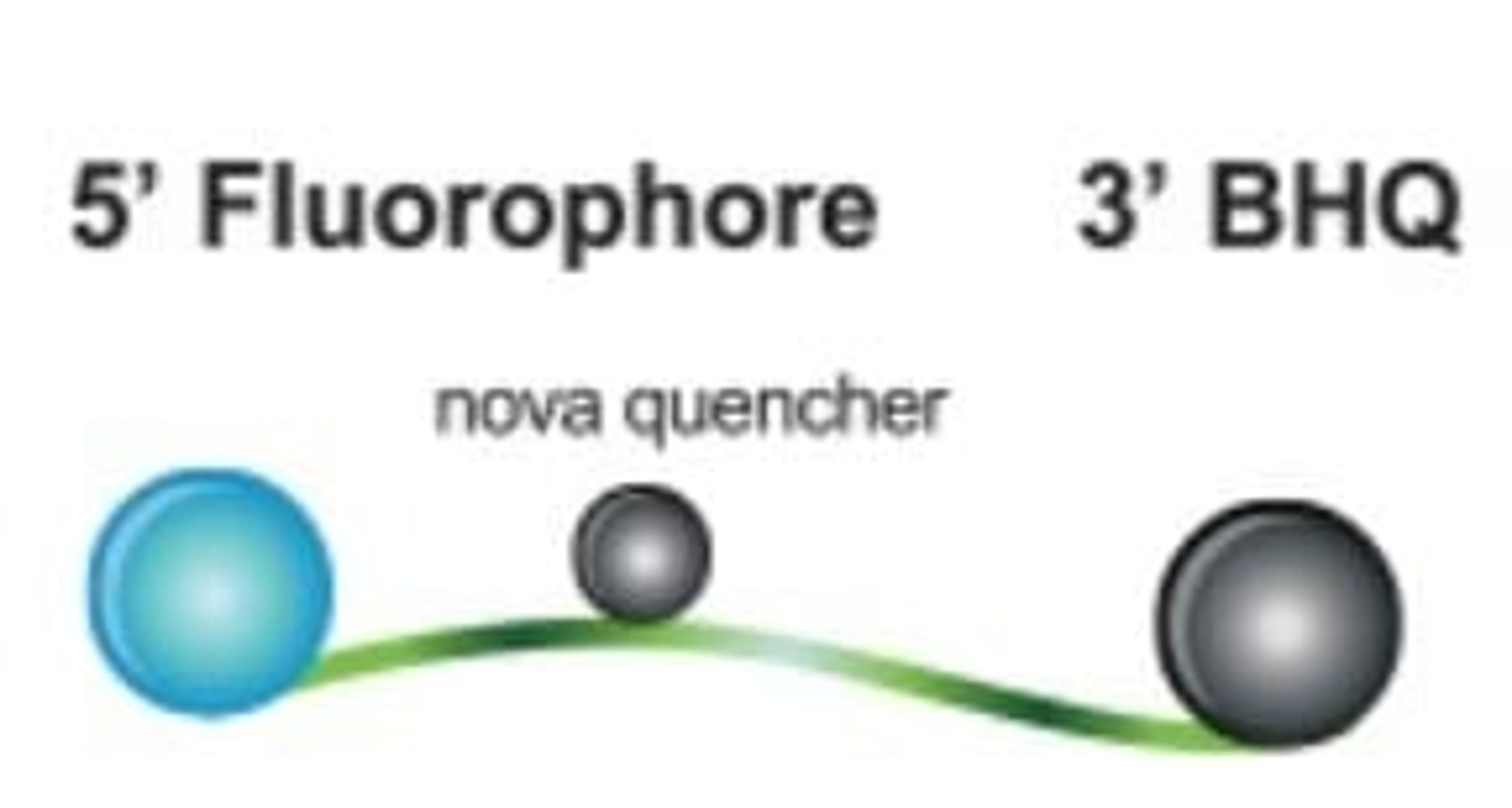
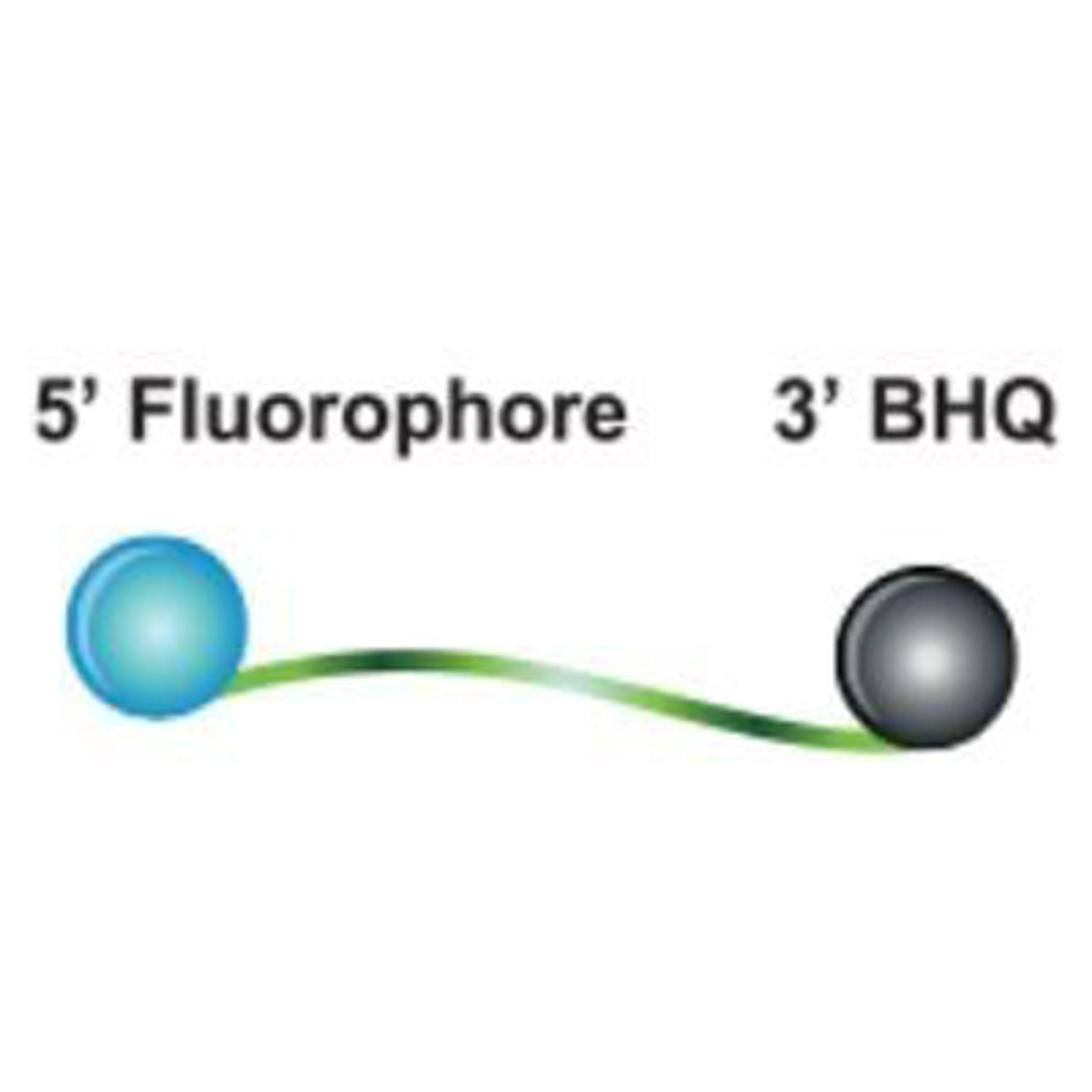
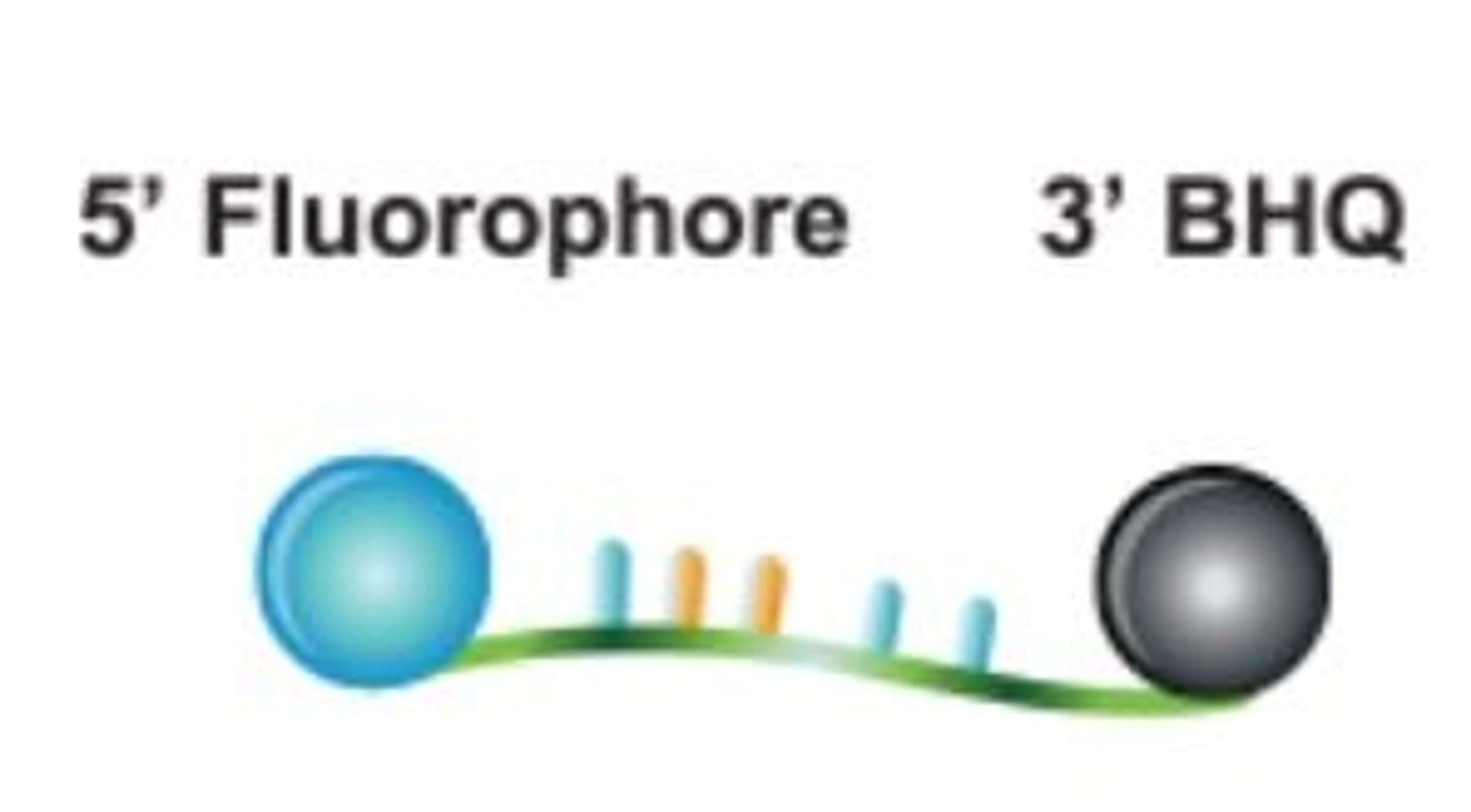
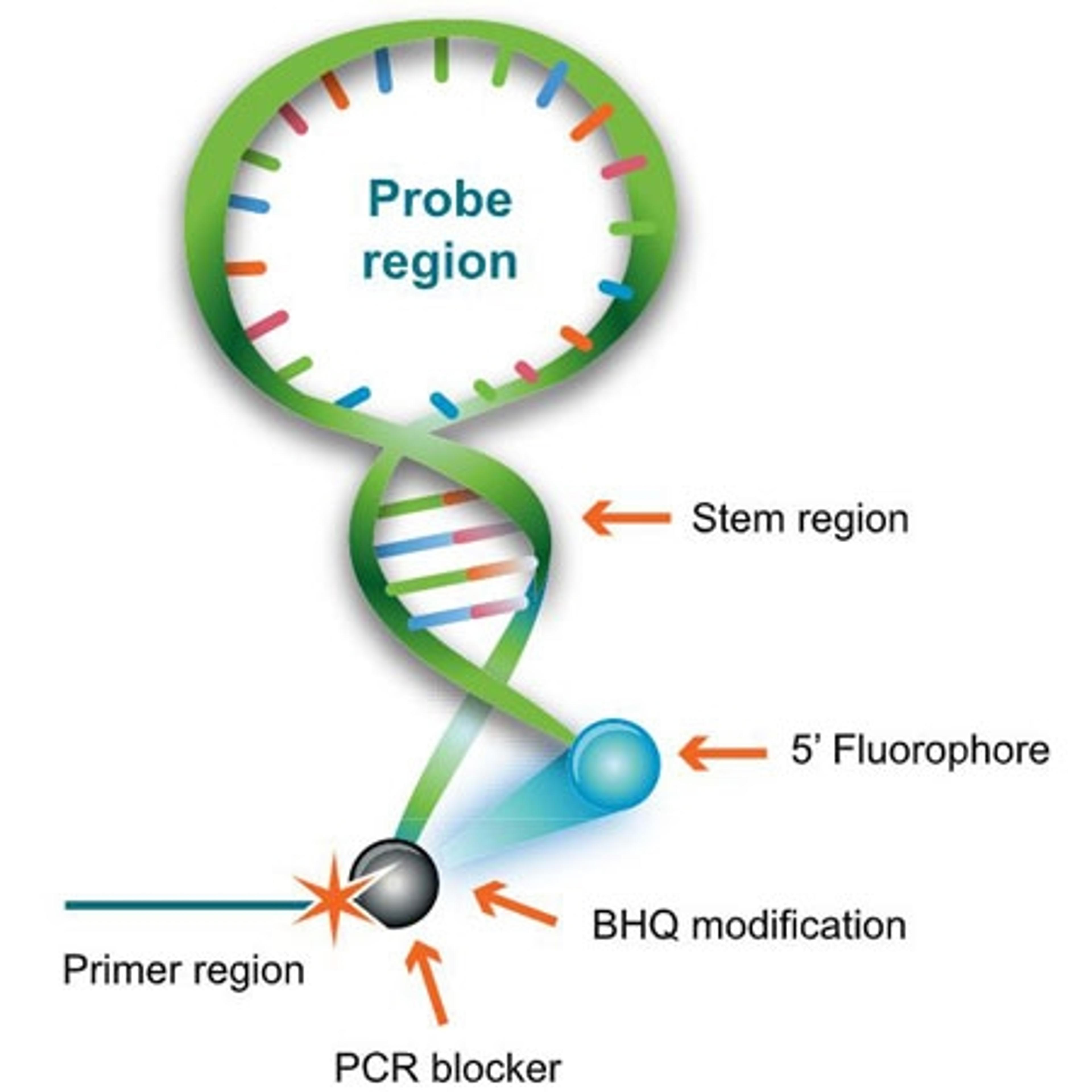
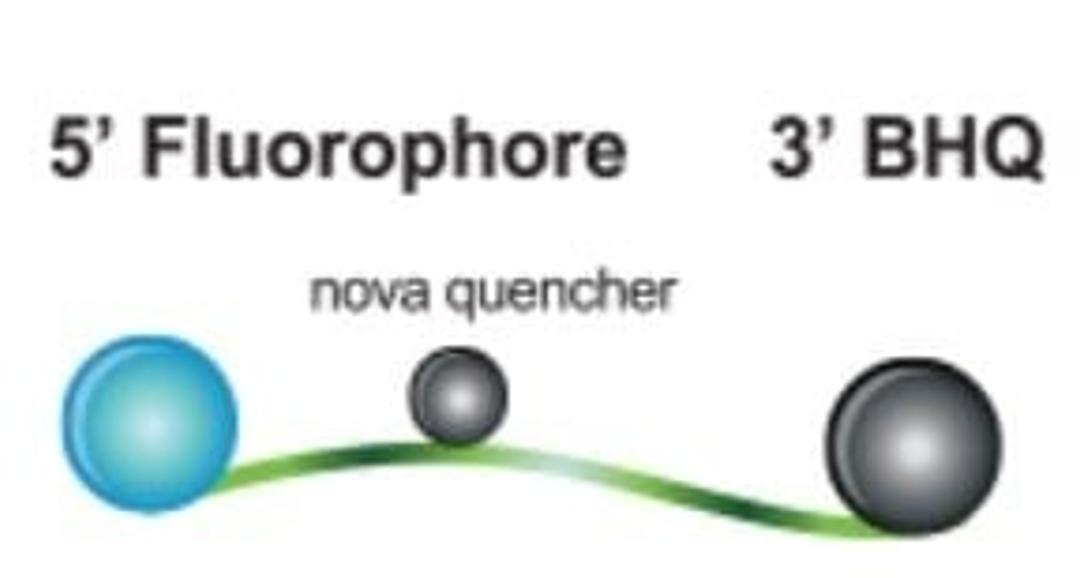
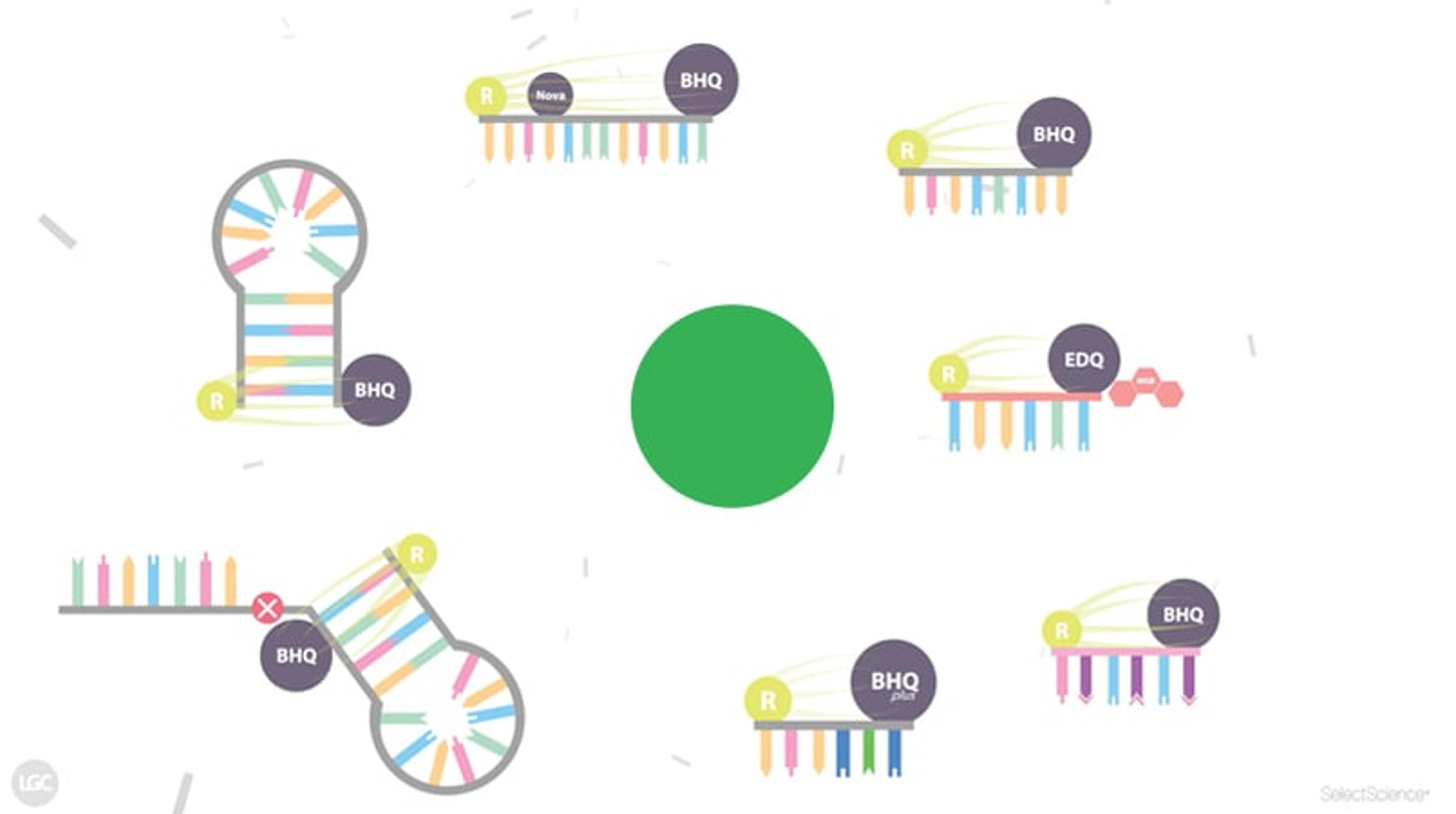
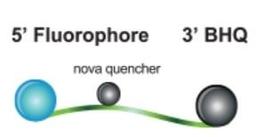
BHQnova™ Probes are a double-quenched probe format that improves quenching efficiency and signal release. This quencher configuration is particularly suited to longer probes sequences, typically 25 bases or longer, which otherwise may suffer from poor quenching efficiency as traditional end-labeled probes. What distinguishes BHQnova probes is the incorporation of the new internal “Nova” quencher between base residues 9 & 10. The system of dye modifications and their precise position within the strand improves assay function for qPCR applications such as gene expression analysis, copy number variation, and infectious disease detection. The internal Nova quencher improves the signal-to-noise ratio of longer probe sequences, as may be necessary to achieve the proper melting temperature, or TM. The double-quenched configuration overcomes the upper limit on sequence length, to achieve robust amplification curves irrespective of base composition. Now probes can be targeted to AT-rich regions without sacrificing their performance characteristics.

Top tips for robust qPCR results
Reproducibility issues are a common pain point experienced by scientists carrying out quantitative polymerase chain reaction (qPCR), or real-time PCR, with challenges being linked to suboptimal design, probe selection, or workflow execution. The inconsistencies impact not only data quality, but also wasted time, lost samples and delayed research milestones.
A successful qPCR experiment relies on a well‑designed workflow, from high‑quality sample preparation to optimized reagents, primers, and probes, supported by thoughtful assay design that avoids issues like nonspecific binding or inefficient amplification. Expert probe‑selection strategies enhance specificity, especially in multiplexing, while effective troubleshooting helps diagnose common problems such as poor efficiency, primer‑dimers, or high variability. By applying key optimization techniques, researchers can achieve sensitive, accurate, and reproducible qPCR results.
Download this SelectScience guide to explore:
- How to overcome challenges in qPCR assay design
- A guide to selecting the right qPCR probe
- The best way to troubleshoot your qPCR
- Tips for qPCR optimization and validation
Resource details:
- Document type: SelectScience guide
- Page count: 49
- Read time: 69 mins
- Edition: 1st

Simplifying the journey from molecular diagnostic assay development to commercialization
Molecular diagnostics (MDx) is rapidly advancing, with a growing array of DNA- and RNA-based tests now available to physicians, pharmacists, geneticists, research scientists, and other healthcare professionals.
As labs work with human and microbial genes, test developers must comply with clinical guidelines and regulations. Both established companies and start-ups face challenges, including meeting regulatory standards, ensuring quality, and managing supply chain issues. Early planning and robust partnerships are key to overcoming these obstacles.
This essential guide explores these challenges through detailed case studies. It covers everything from early development and assay formulation, to supply chain security, offering expert insights on successfully bringing PCR, next-generation sequencing (NGS), and other nucleic acid-based diagnostic tests to market.
7 innovative qPCR probe types explained
This comprehensive walkthrough animation outlines the latest developments in probe technologies in the qPCR field, highlighting the mechanisms of seven different real-time PCR probe and primer formats:
- Dual-labelled hydrolysis probes [00:19]
- BHQnova™ Probes [01:17]
- Minor groove binder (MGB) probes [01:49]
- Locked nucleic acid (LNA) probes [02:31]
- BHQplus™ Probes [03:15]
- Molecular Beacons [04:45]
- Scorpions™ Primers [06:00]

Web-based design software streamlines multiplex PCR assay development
Discover how free software can help design oligos for PCR assays, reducing guesswork and enabling creation of effective diagnostic assays

Combating antibiotic-resistant sexually transmitted infections with molecular diagnostics
Explore how a partnership between a lead researcher in sexual health and a molecular diagnostics innovator helped to overcome the therapeutic hurdles that come with antibiotic resistance