Locked Nucleic Acid probes
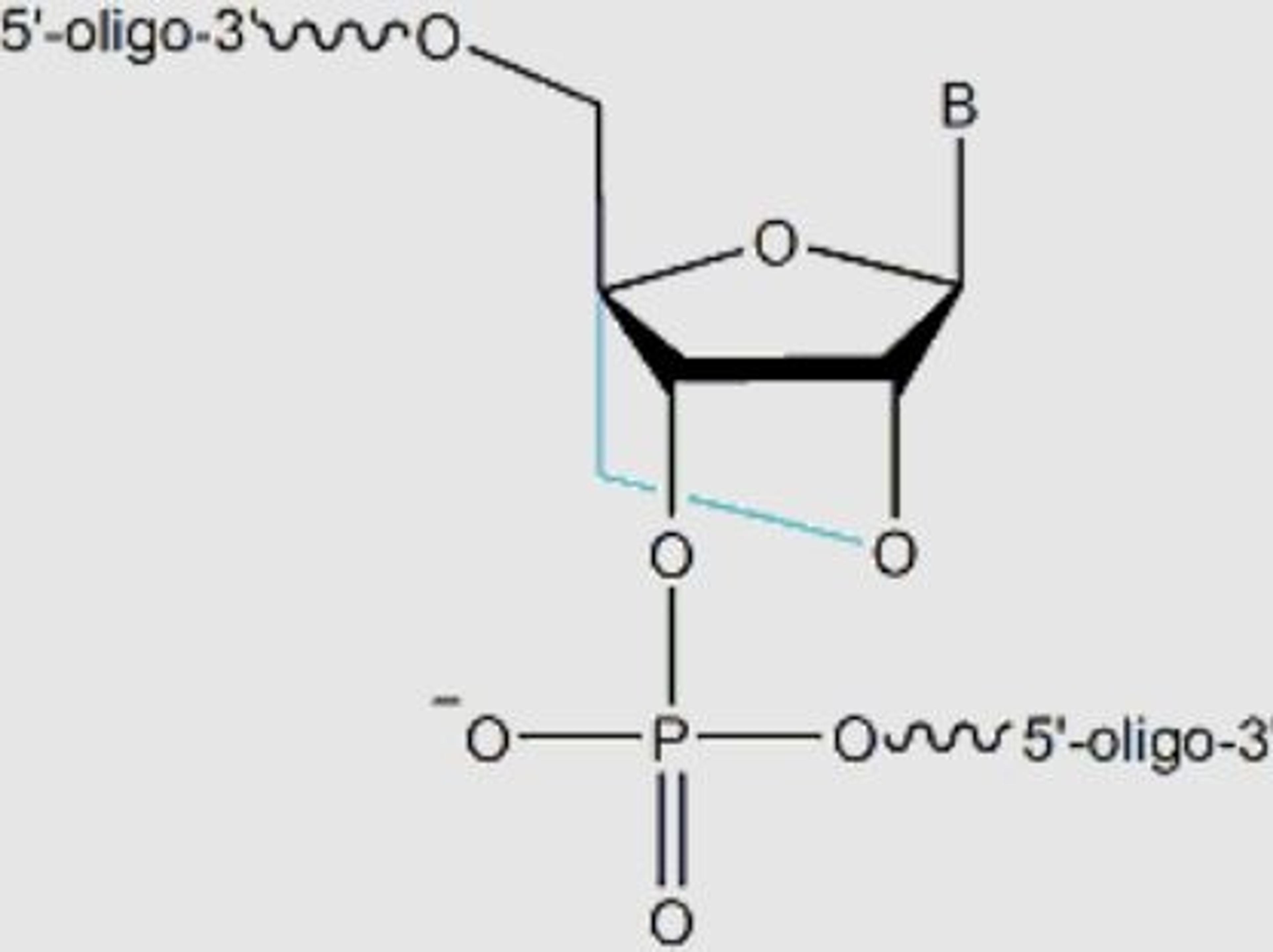
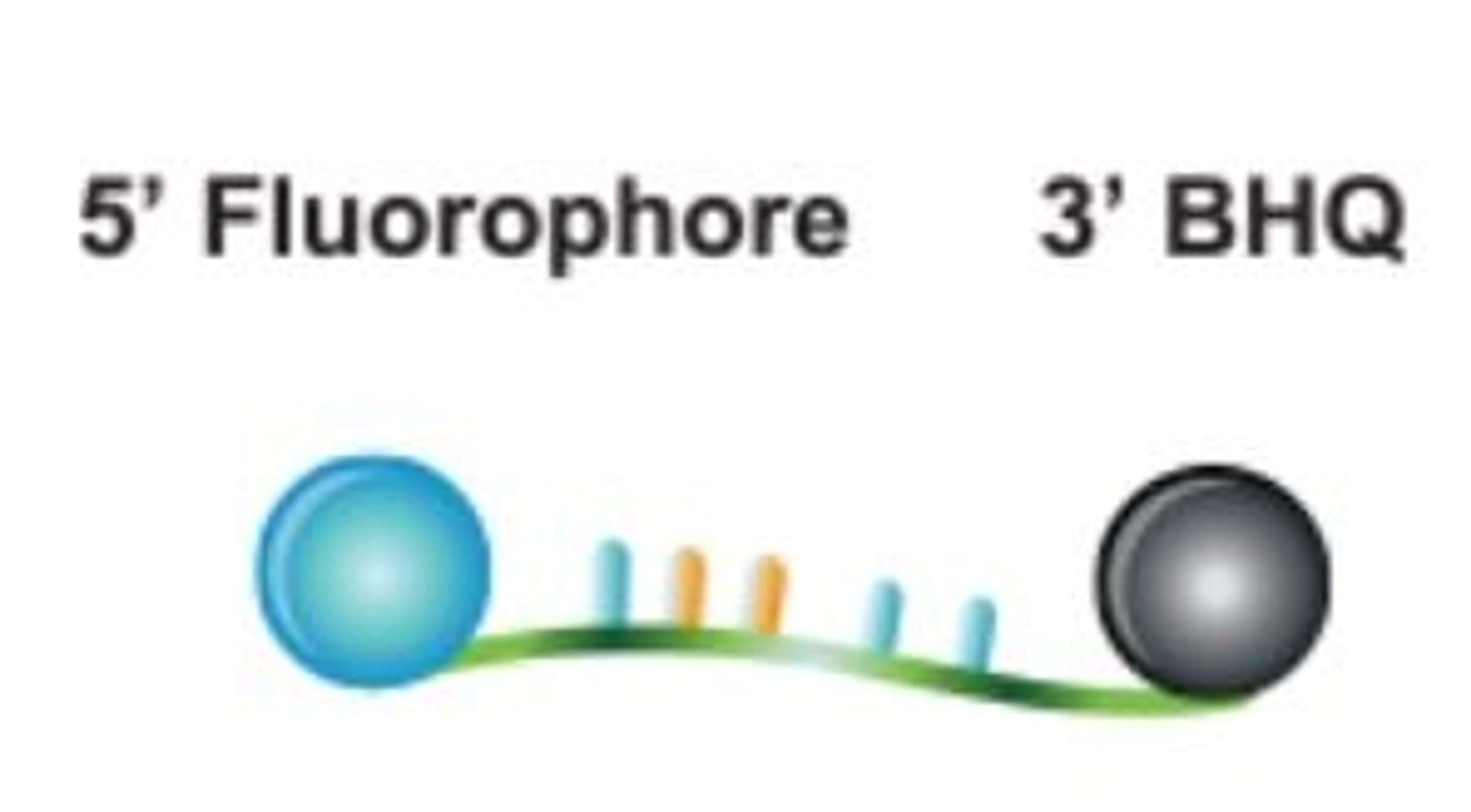
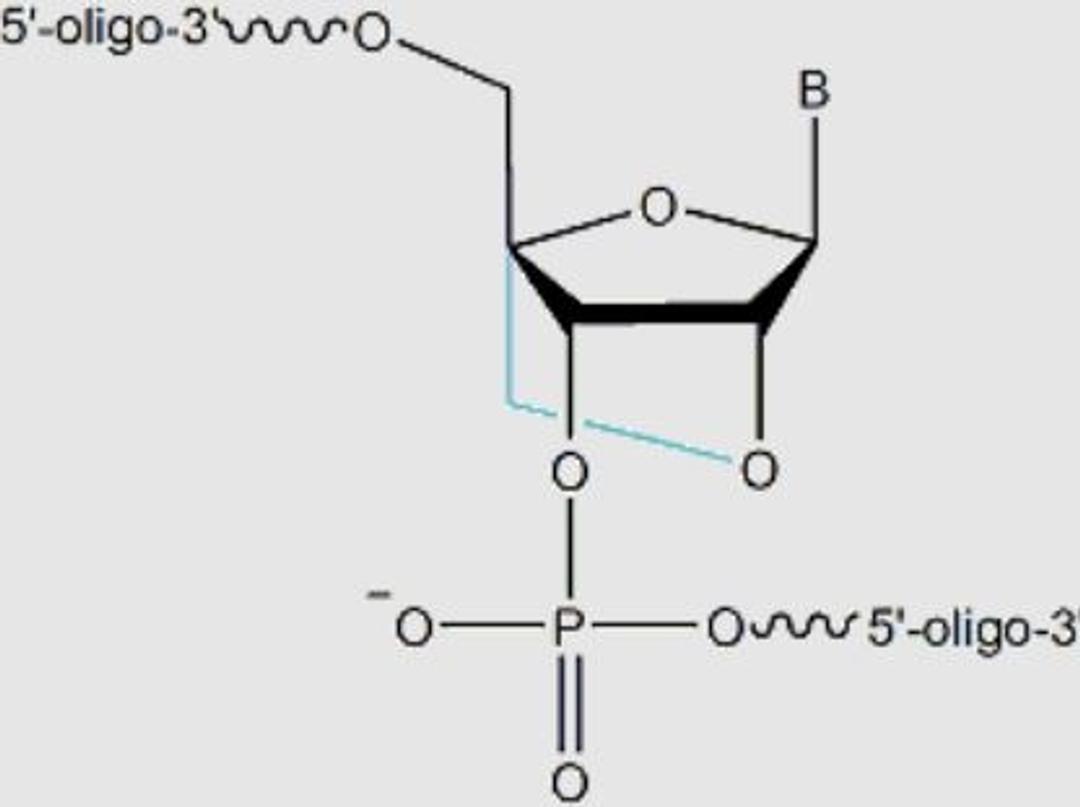
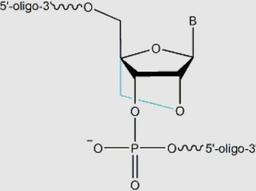
Improve assay sensitivity and specificity with Locked Nucleic Acid oligonucleotides (LNA oligos). LNAs are modified RNA bases in which the ribose is “locked” with a methylene bridge, connecting the 2' oxygen atom to the 4' carbon atom, fixing it in the C3'-endo conformation.

Place your order directly with the manufacturer.
LNAs enable a shorter probe, which supports assay design for:
- Improved assay sensitivity
- Higher quenching efficiency (lower background)
- Greater signal-to-noise ratio
- Increased hybrization specificity
- Targeting A-T rich sequences
- Better mismatch discrimination in SNP genotyping assays

Top tips for robust qPCR results
Reproducibility issues are a common pain point experienced by scientists carrying out quantitative polymerase chain reaction (qPCR), or real-time PCR, with challenges being linked to suboptimal design, probe selection, or workflow execution. The inconsistencies impact not only data quality, but also wasted time, lost samples and delayed research milestones.
A successful qPCR experiment relies on a well‑designed workflow, from high‑quality sample preparation to optimized reagents, primers, and probes, supported by thoughtful assay design that avoids issues like nonspecific binding or inefficient amplification. Expert probe‑selection strategies enhance specificity, especially in multiplexing, while effective troubleshooting helps diagnose common problems such as poor efficiency, primer‑dimers, or high variability. By applying key optimization techniques, researchers can achieve sensitive, accurate, and reproducible qPCR results.
Download this SelectScience guide to explore:
- How to overcome challenges in qPCR assay design
- A guide to selecting the right qPCR probe
- The best way to troubleshoot your qPCR
- Tips for qPCR optimization and validation
Resource details:
- Document type: SelectScience guide
- Page count: 49
- Read time: 69 mins
- Edition: 1st

A probe for every occasion: A how-to guide for qPCR probe selection
In this eBook, discover how samples influence primer and probe choices and gain insight into how to choose the right probe for the right assay. Plus, learn tips and tricks to troubleshooting probe-based quantitative real-time PCR (qPCR).
7 innovative qPCR probe types explained
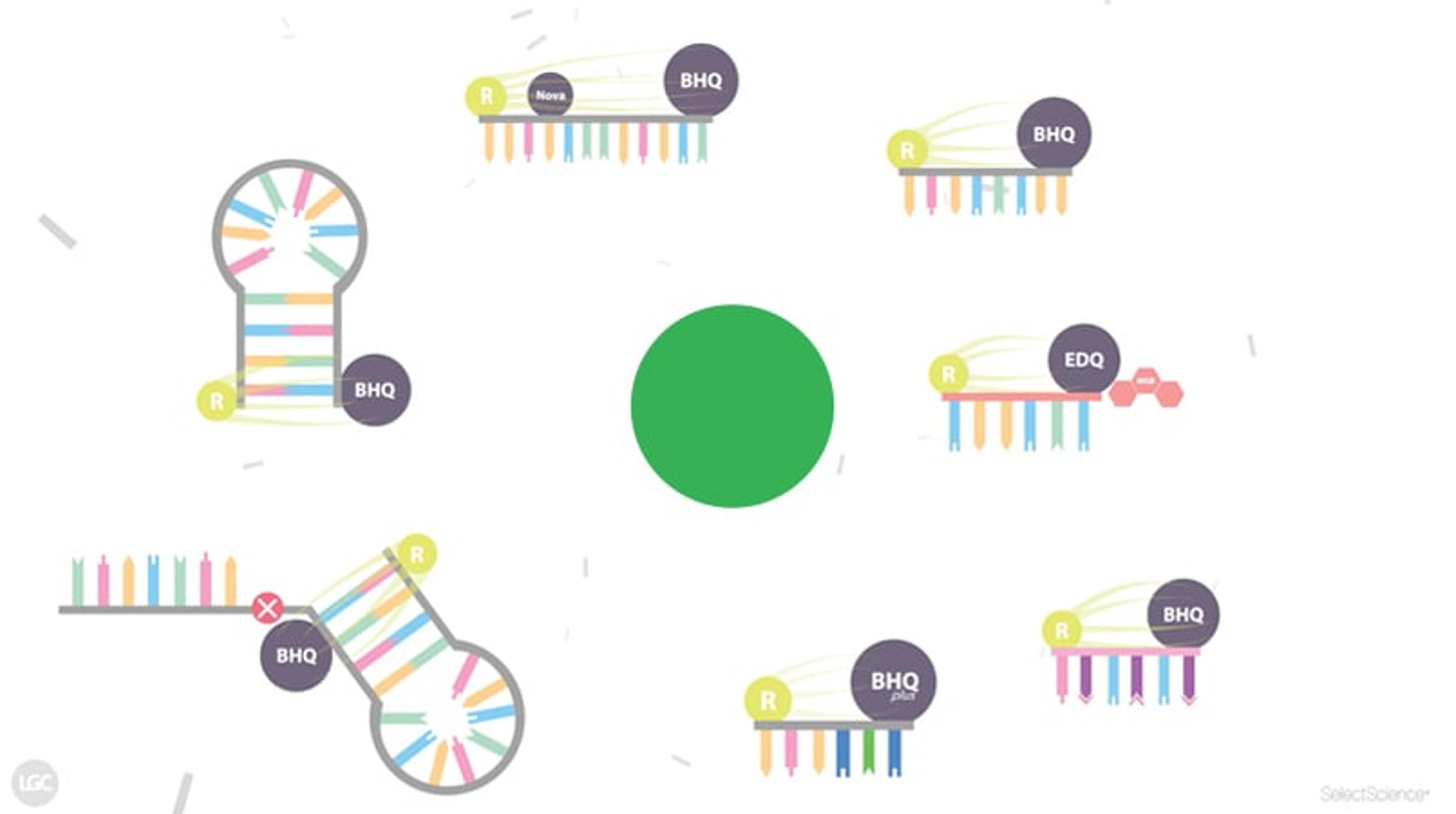
This comprehensive walkthrough animation outlines the latest developments in probe technologies in the qPCR field, highlighting the mechanisms of seven different real-time PCR probe and primer formats:
- Dual-labelled hydrolysis probes [00:19]
- BHQnova™ Probes [01:17]
- Minor groove binder (MGB) probes [01:49]
- Locked nucleic acid (LNA) probes [02:31]
- BHQplus™ Probes [03:15]
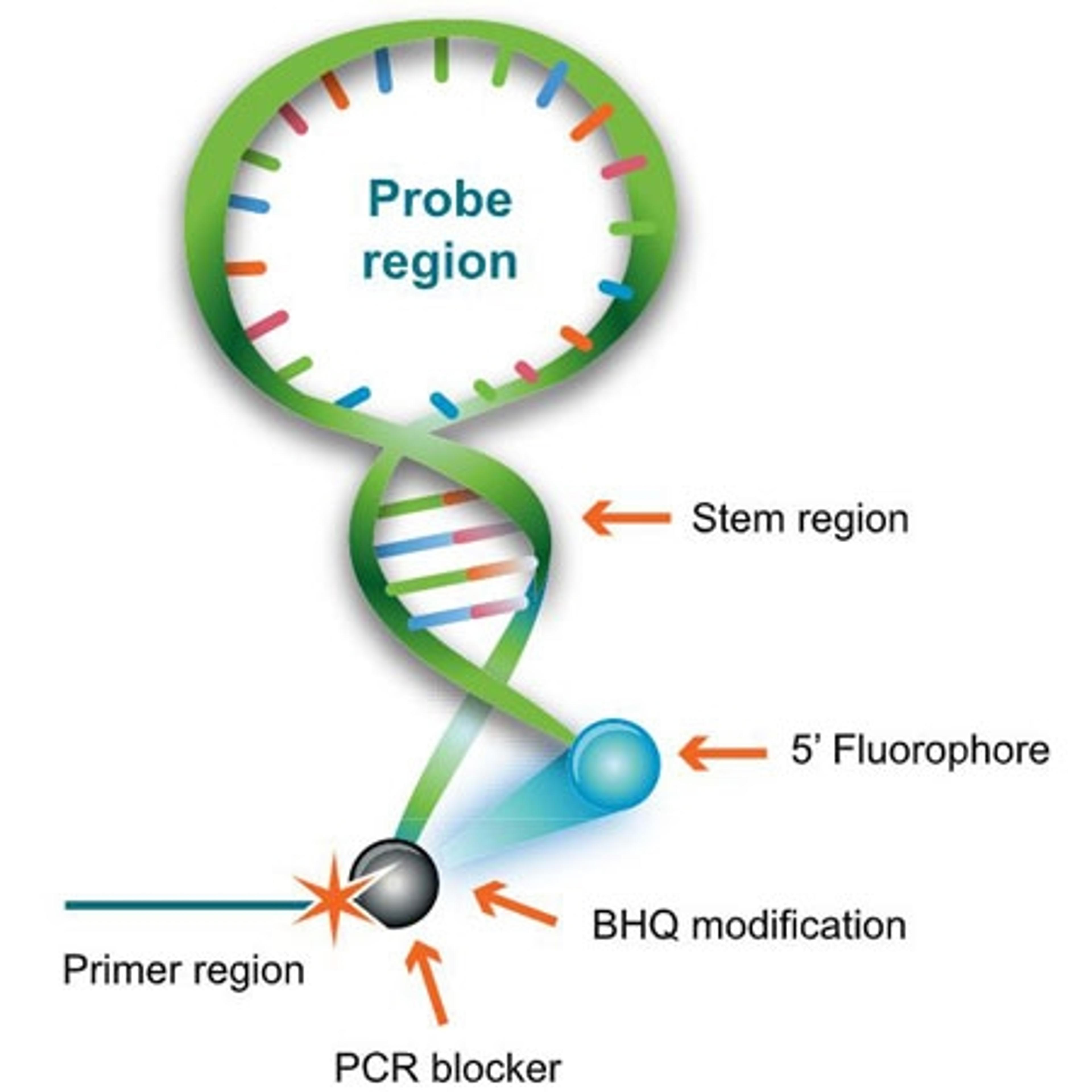
- Molecular Beacons [04:45]
- Scorpions™ Primers [06:00]