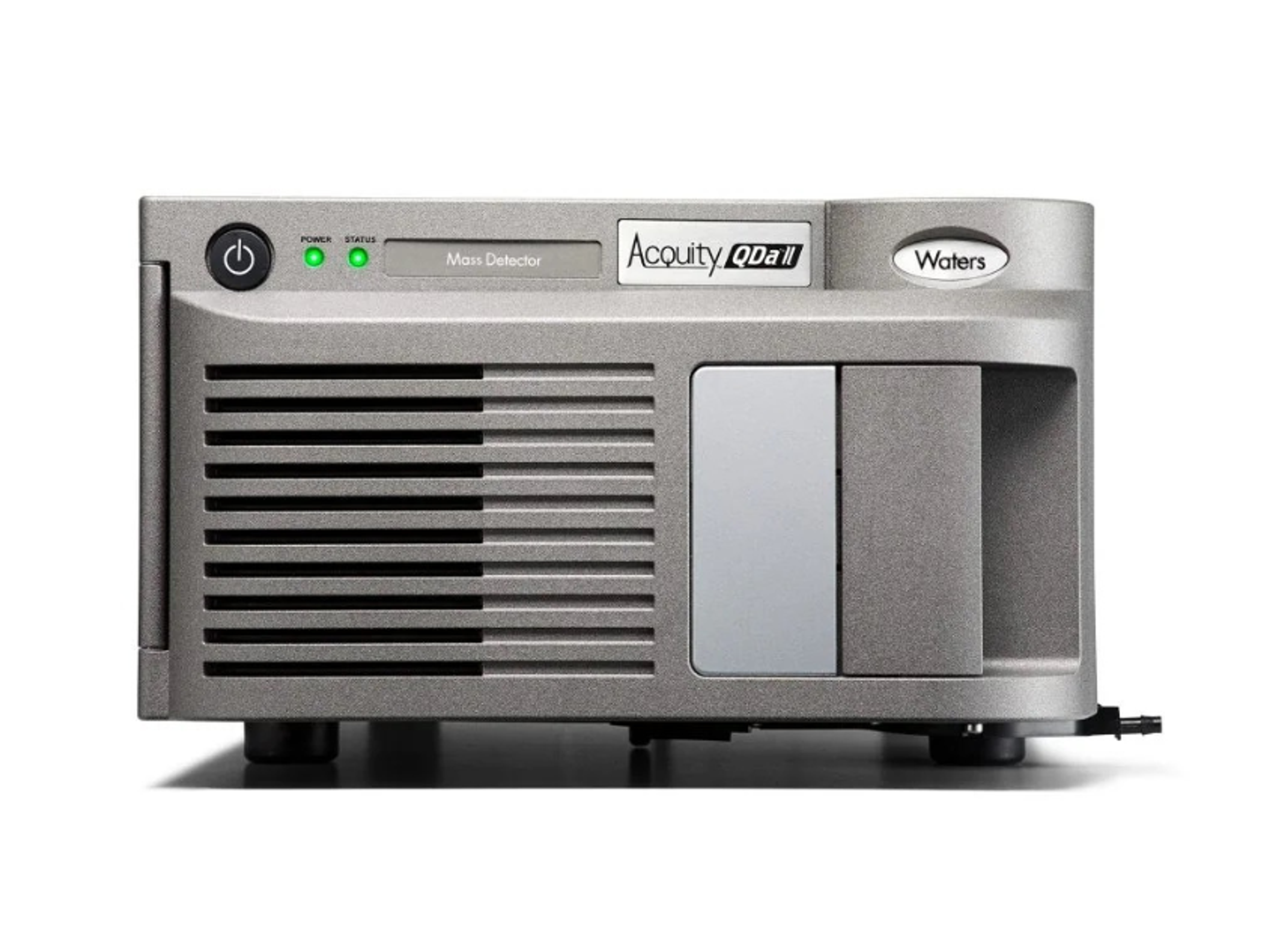
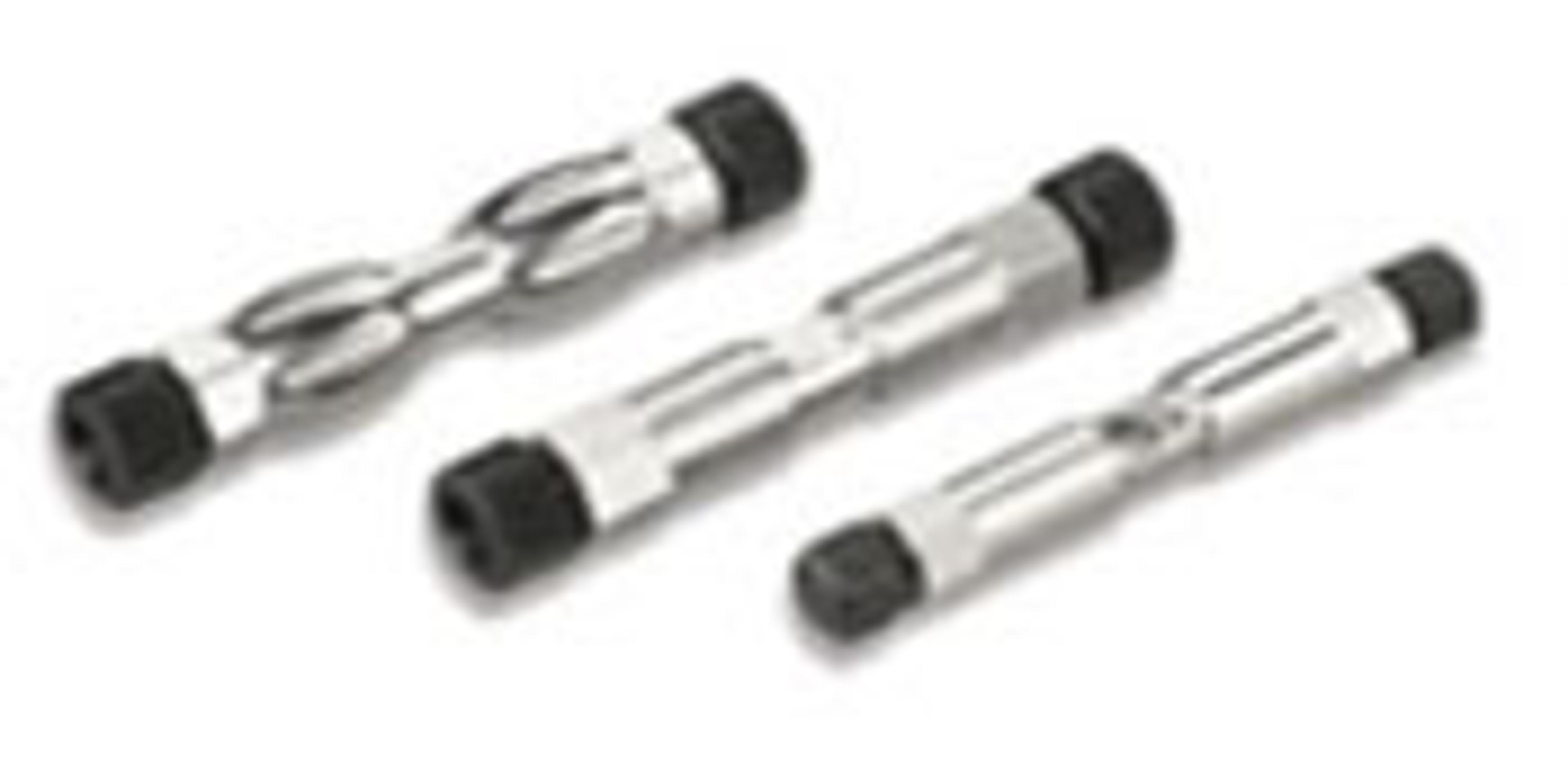
ACQUITY UPLC System
Waters ACQUITY UPLC - Dramatic Improvements in Speed, Sensitivity and Resolution Whether you work in methods development or quality assurance, in drug discovery and development or testing for safety in food supplies, you seek a productivity edge. With the ACQUITY UPLC® System, now you can get more information in a single, short run than you've ever seen with HPLC. Waters ACQUITY UPLC System UltraPerformance LC® (UPLC®) techn…











Place your order directly with the manufacturer.
Excellent product quality
Method development for Biosimilar samples
Product quality is consistent, and it gives a precise, reproducible and accurate results. Better separation technique for drug samples, and their impurities.
Review Date: 7 Dec 2023 | Waters
I think Waters UPLC is a leader with great reliability
Pharmaceutical
Being a user of Waters UPLC for a decade I can say this instrument is very reliable and meets our needs. The service is exceptional
Review Date: 30 Oct 2023 | Waters
Great results, saving
phamaceutical
Is a good system can be applied to get saving through of transference of methodologies from HPLC to UPLC.
Review Date: 24 Jul 2023 | Waters
Precise robust results with minimal downtime
Pesticide residue analysis
Reproducible and robust
Review Date: 18 Apr 2023 | Waters
Good instrument with space for improvement
Analyse small molecules, such as metabolites, drugs and phytochemicals, etc.
The system delivers good results for experienced practitioners, and we have produced good data and publications from Waters instruments. However, after using ThermoScientific UPLC system and the software, we gradually realized that the Water software and connection are not as smooth as other vendors, e.g. ThermoScientific and Agilent. Another thing is mass spectrometry data file format conversion and downstream analysis, which is not as convenient and competitive as other vendors, e.g. ThermoScientific. Waters can develop a new market on the database or curation, etc, using the large amount of data created by users, rather than limiting itself.
Review Date: 17 Apr 2023 | Waters
Great accuracy and precision
Peptide mapping
Easy to use. Highly accurate and robust with repeatable results. Fully automated, very elaborate and easy to learn software with multiple data generation.
Review Date: 23 Mar 2023 | Waters
Accurate and precise results
Chromatography analysis
The advance application helps to deliver the quality assessment of the drug product with accurate and precise results. The run time of the Chromatography of the method can be lessened and analysis time can be reduced to deliver the product dispatches.
Review Date: 16 Dec 2022 | Waters
Great instrument
Bioanalysis
The instrument is very useful, enhances the timeline and shorter payback period.
Review Date: 29 Sept 2022 | Waters
Great
Seperation
Very effective product with solution driven capabilities
Review Date: 5 May 2022 | Waters
Great equipment, but it is necessary to have robust methods and trained users
SEC / Analisis of DEHP
The product requires the training, aptitude, and attitude of the users. Carelessness can cause the system to crash. My experience is not very good, but is not ever a problem of the equipment as of the method and the users.
Review Date: 27 Apr 2022 | Waters
Waters ACQUITY UPLC - Dramatic Improvements in Speed, Sensitivity and Resolution
Whether you work in methods development or quality assurance, in drug discovery and development or testing for safety in food supplies, you seek a productivity edge. With the ACQUITY UPLC® System, now you can get more information in a single, short run than you've ever seen with HPLC.
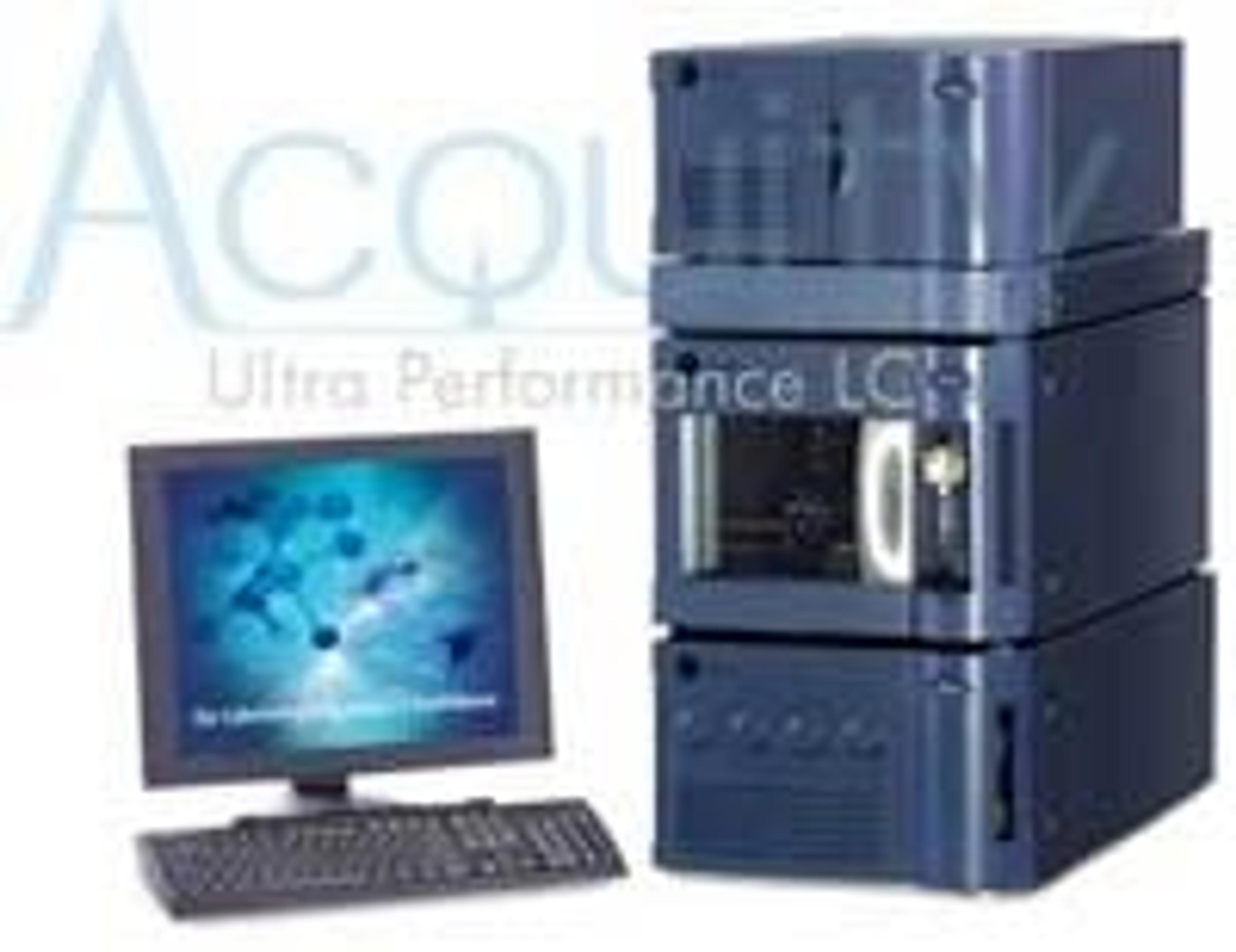
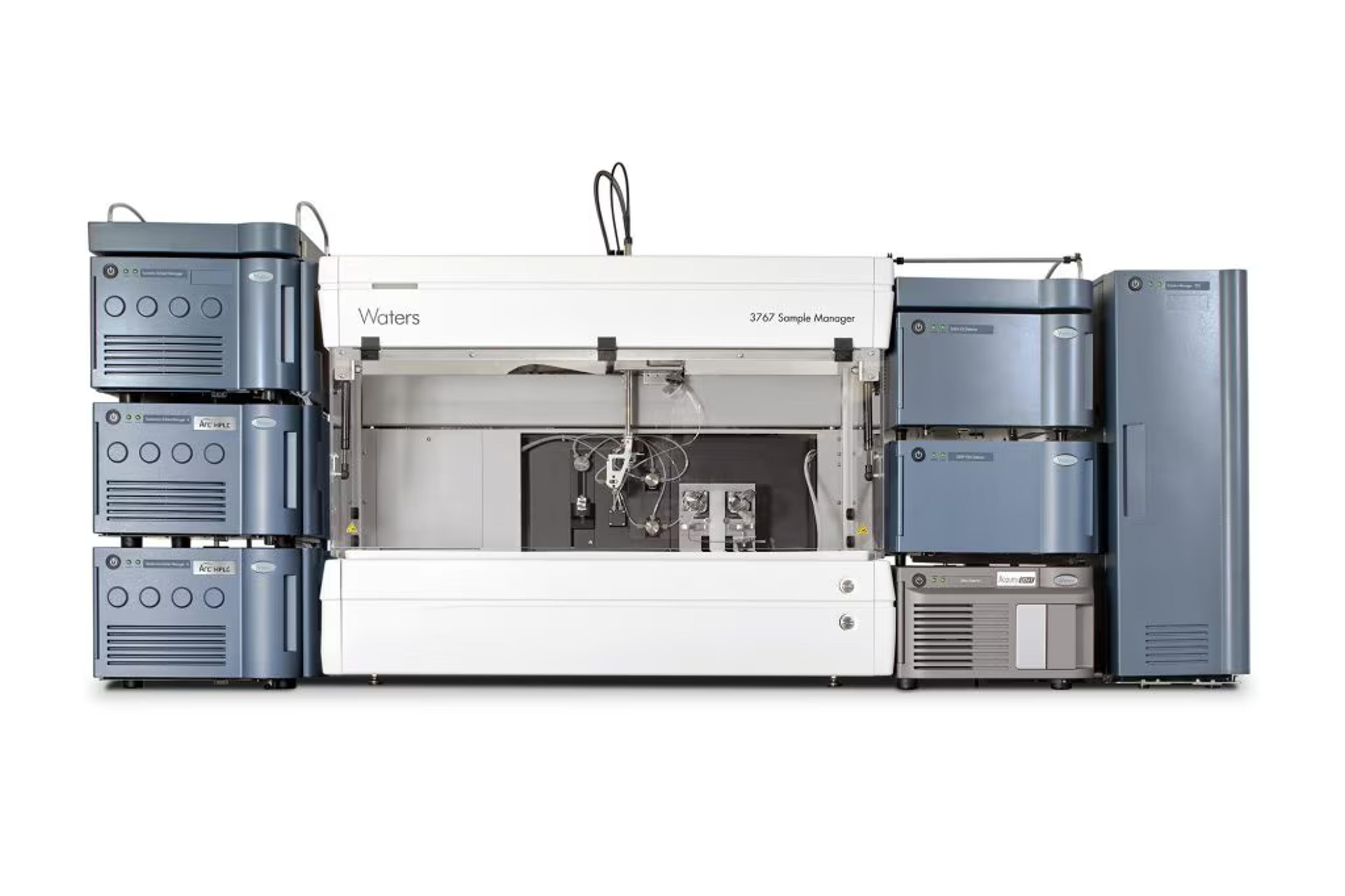
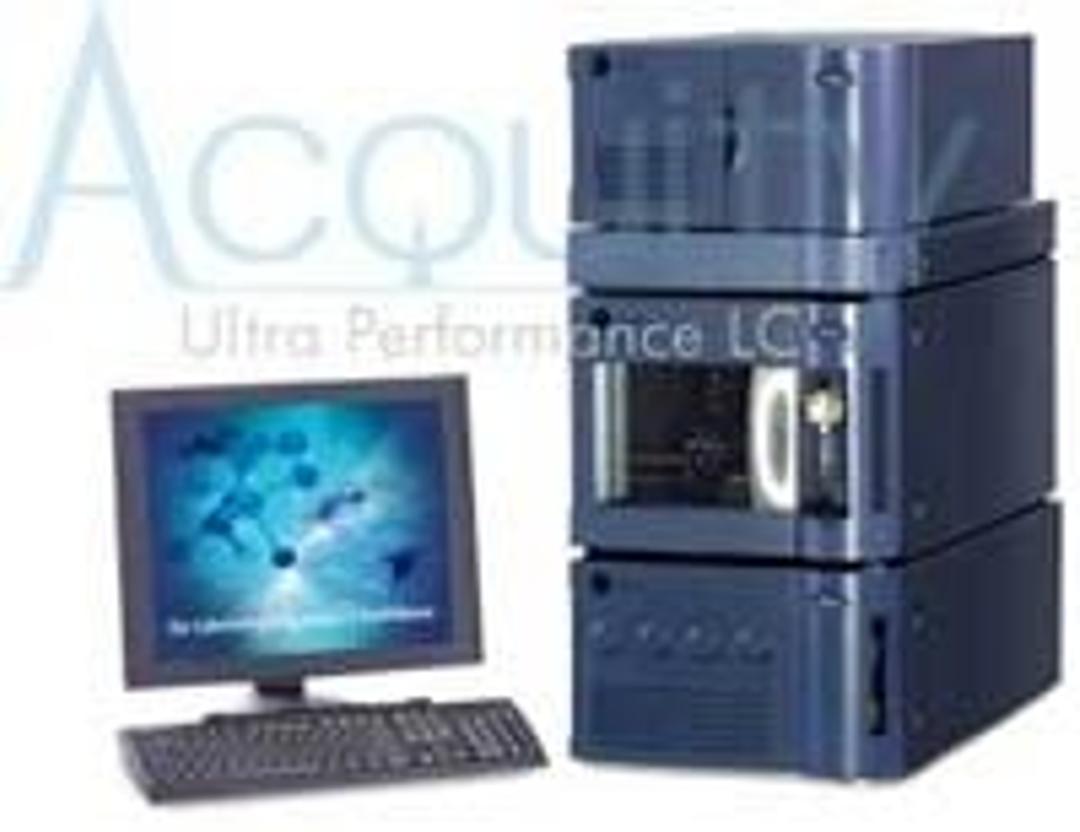
Waters ACQUITY UPLC System
UltraPerformance LC® (UPLC®) technology starts with unique 1.7 μm small-particle chemistries. Chromatographers no longer need to choose between speed and resolution–with UPLC you get both.
Instrument Designed for Chemistry; Chemistry Designed for the Instrument
The ACQUITY UPLC System has been holistically designed to match the performance needs of our innovative column chemistries with robust hardware, easy-to-use software and specialized support services.
- Small, pressure-tolerant particles
- High-pressure fluidic modules
- Minimized system volume
- Negligible carryover
- Reduced cycle times
- Fast response detectors
- Integrated system software and diagnostics
With UPLC you have the ability to work more efficiently with higher speed, sensitivity and resolution at a much wider range of linear velocities, flow rates and backpressures to obtain superior results.
The Waters ACQUITY UPLC System's high-pressure fluidics optimizes flow rates to make the most of small particle technology. The ACQUITY UPLC System's sample-handling design is designed to ensure exceptionally low carryover and reduced cycle time. And when interfaced with the Sample Organizer, it increases unattended sample capacity by ten times.
High-speed detectors, both optical and mass, contribute to increased sensitivity and help manage the heightened speed and resolution requirements of UPLC.
ACQUITY UPLC Systems are easily controlled, diagnosed, and monitored via a graphical system console interface. The console offers:
- Quick and easy access to critical instrument parameters
- Simple system start-up, elegant system status monitoring and predictive performance indicators to ensure maximum productivity
- Data management capabilities that are supported by both MassLynx™ and Empower™ software
- The ACQUITY UPLC System is also supported by Intelligent Device Management technology with our Connections® INSIGHT™ service, providing instrument diagnostics.
Brochures
Waters chromatography solutions
In this brochure, Waters™ chromatography solutions are presented as critical components for achieving reliable, consistent, and defensible data in a variety of lab scenarios, addressing key issues such as spec compliance, safety validation, understanding diseases, and identifying effective treatments. Waters provides a comprehensive portfolio that helps laboratories produce quality data and prepares them for future opportunities, ensuring that results are accurate and compliant with the latest guidelines. Waters Chromatography Solutions are highlighted as a comprehensive and adaptable suite of tools and systems that support critical laboratory analyses while ensuring compliance, scalability, and reliability.
Waters clinical solutions: Analytical technology for better care
In this brochure, Waters provides an overview of its products and services tailored for clinical diagnostic laboratories.
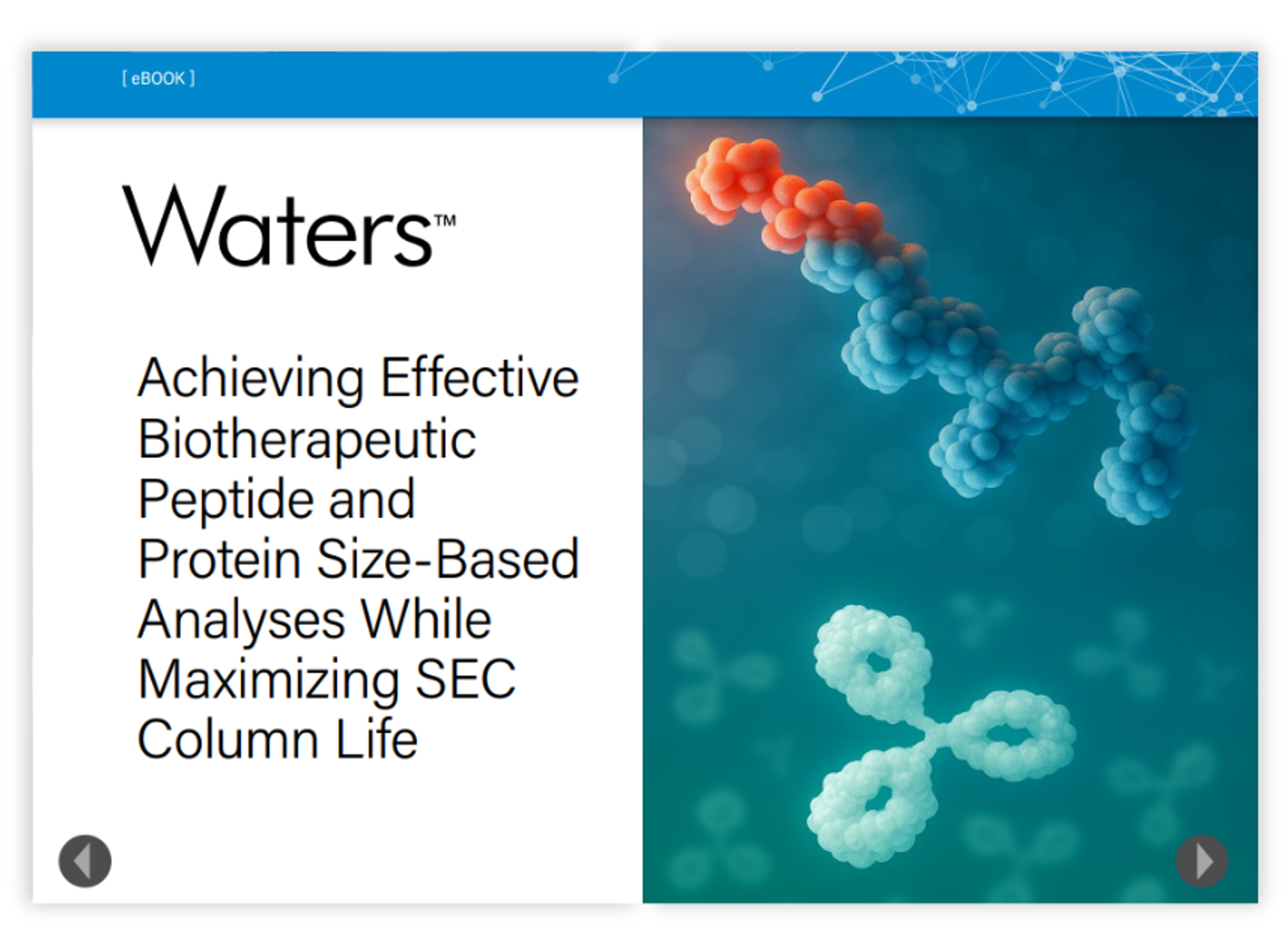
Achieving effective biotherapeutic peptide and protein size-based analyses while maximizing SEC column life
Success with size exclusion chromatography (SEC) depends on more than choosing the right column. System dispersion, unwanted interactions, contamination, and poor handling practices can all undermine peptide and protein analyses, affecting both data quality and column lifetime.
In this resource, discover how you can optimize SEC workflows for biotherapeutic peptides and proteins. Learn how to improve separations, extend column life, and avoid common analytical pitfalls, while gaining practical guidance to support more reliable results and greater confidence in your biotherapeutic characterization workflows.
Resource details:
Resource type: eBook
Page count: 31
Read time: 48 mins
Waters automation portal solution
In this application note, Waters™ describes how the Automation Portal enhances laboratory efficiency, throughput and consistency by automating the ACQUITY™ and Arc™ UPLC™, UHPLC, and HPLC Systems. It accomplishes this by streamlining the liquid chromatography (LC) workflow, specifically through the use of robotic arms to manage physical sample transfers into ACQUITY and Arc Sample Managers, thus reducing the potential for analyst errors. Waters emphasizes the Portal's versatility, as it can work with scheduling software for managing laboratory tasks and can integrate with different lab environments and preferred integration partners.
Evaluation of the performance of a total workflow approach for the analysis of perand polyfluoroalkyl substances (PFAS) in fish, using an interlaboratory study
Due to rising concerns about the long-term impacts of per- and polyfluoroalkyl substances (PFAS) on human health, many agencies across the globe have been studying the occurrence of PFAS in food. Waters™ previously developed a method for the determination of PFAS in complex food commodities such as fish, meat, edible offal, and eggs which requires a comprehensive sample extraction and clean-up. This application brief shows the successful evaluation of the performance of this method by interlaboratory study. It is based upon an alkaline extraction, sample clean-up using Oasis™ WAX for PFAS Analysis SPE cartridge and determination using ACQUITY™ UPLC™ System fitted with the PFAS Analysis Kit, Isolator Column and Xevo™ TQ-XS Tandem Quadrupole Mass Spectrometer. A reference material of fish containing PFHxS, PFOS, PFOA, and PFNA was sent to seven Waters laboratories, along with standard solutions containing native PFAS compounds and isotopically labelled analogues. For the four PFAS analytes, trueness of the method was determined to be within the range of 102 to 121%. Repeatability within laboratories was <20% and between laboratory reproducibility ≤30%.
Best practices for oligonucleotide analysis using ion-pair reversed-phase (IP-RP) liquid chromatography
Ensuring high-quality oligonucleotides, either in diagnostic applications or as therapeutic entities, relies on robust analytical methods. In this application note, Waters presents some critical column and chemistry best practices for performing successful oligonucleotide analysis by ion-pair reversed-phase (IP-RP) liquid chromatography.
Improved peak shape and wide selectivity range with ACQUITY PREMIER Columns
In this application note, Waters demonstrates that, when using the new PREMIER columns, which utilize MaxPeak High Performance Surface (HPS) Technology, dramatic improvements in peak shape for these metal-sensitive analytes were observed.
Implementing accurate-mass mass spectrometry for biotherapeutic development
Despite the widespread practice of exact-mass mass spectrometry (MS) analysis in the biotherapeutics development processes, experienced MS users are typically required to manage the instrument operation, data processing, and interpretation. In this study, Waters reports on the development of a new high-performance bench-top orthogonal acceleration time-of-flight (oa-TOF) LC-MS system (BioAccord) designed with simplified and optimized operation modes to deliver automated, accurate, and reproducible mass measurements for proteins, peptides, and released glycans.
Increase productivity for N-linked glycan analysis of biosimilars
This application note demonstrates how the BioAccord can increase confidence and productivity in released glycan analysis for the development of biosimilars.
Complete automated workflow for comparison of N-glycan profiles
In this application note, Waters demonstrates an improved N-glycan preparation on the Andrew Alliance pipetting robot with automated vacuum controls.
Robust and reproducible characterization of mAb and ADC charge variants
In this application note, Waters perform strong cation exchange ultra-performance liquid chromatography coupled to UV with a non-volatile salt/pH gradient as well as LC-UV-MS using volatile MS-compatible salts. In-depth analyses were performed on AJICAP mAb and ADC charge variants to allow for effective resolution and characterization of charge variants throughout the ADC manufacturing process.
Online IEX-MS characterization and monitoring of mAb charge heterogeneity
Ion exchange chromatography (IEX) is a method of choice for the analysis of charge heterogeneity encountered with biotherapeutic drug candidates. In this study, Waters conducted MS-compatible IEX separations combined with a new small footprint benchtop time-of-flight (TOF) MS instrument and applied to a case study on identifying the charge variants formed upon forced degradation.
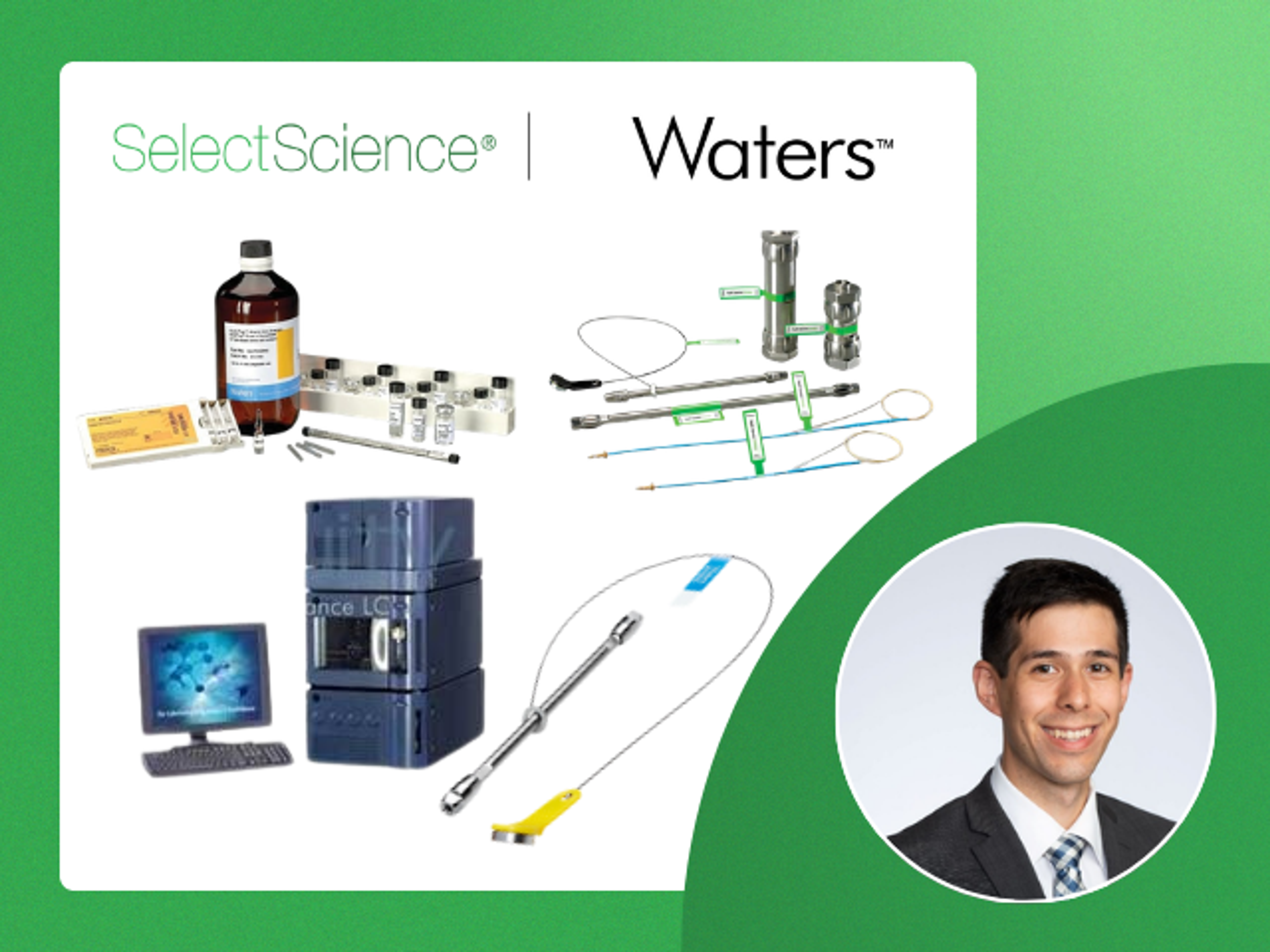
TechTalk: Clear the noise for better chromatographic separation of GLP‑1 receptor agonists and insulin impurities
Friday, June 12 at 14:00 BST | 15:00 CEST | 09:00 EDT | 06:00 PDT
In the race to launch GLP‑1 generics and novel agonists, complex impurity analyses can directly impact your speed to market. Conventional columns often obscure peaks of critical impurities, leading to costly rework and increased regulatory scrutiny.
Join this SelectScience® TechTalk and discover new analytical tools designed to streamline your process and deliver reproducible, high-resolution separations of GLP‑1 receptor agonists (GLP-1 RAs) and insulin-related impurities – without relying on suppressive mobile‑phase additives. Michael Zagieboylo, Principal Product Manager at Waters Corporation, will share how improved resolution can accelerate method development, increase confidence in your results, and support faster time to market for your GLP-1 RA and insulin products.
Certificate of attendance
If you attend the live TechTalk, you will automatically receive a certificate of attendance, including a learning outcomes summary, for continuing education purposes.
If you view the on-demand TechTalk, you can request a certificate of attendance by emailing editor@selectscience.net.
TechTalk details
- Cost: Free to attend
- Location: Online
- Duration: 20 minutes
Registration is required to secure your place. If you register but can’t attend live, you will receive a link to the on‑demand recording once it becomes available.
Expert tips to mastering polar analyte separation
Monday, November 3, at 16:00 GMT | 17:00 CET | 11:00 EST | 08:00 PST
Many chromatographers face challenges with polar analyte separation, due to their strong interactions with the stationary phase or poor retention in reversed-phase systems. These challenges often result in suboptimal resolution, peak tailing, or co-elution, often leading to time-consuming re-analysis and column chemistry adjustments.
Join Dr. Chris Collins, Waters Corporation, as he reveals the mechanisms behind polar analyte retention and guides you in how to select the perfect column for seamless separations.
Key learning objectives:
- Understand polar compound retention in reversed-phase HPLC and explore mixed-mode and HILIC alternatives.
- Explore the underlying principles and challenges of retaining and separating polar analytes.
Who should attend?
- Chromatographers who need support in retaining and separating polar analytes in the pharmaceutical, environmental and material science industries.
Certificate of attendance
If you attend the live webinar, you will automatically receive a certificate of attendance, including a learning outcomes summary, for continuing education purposes.
If you view the on-demand webinar, you can request a certificate of attendance by emailing editor@selectscience.net.
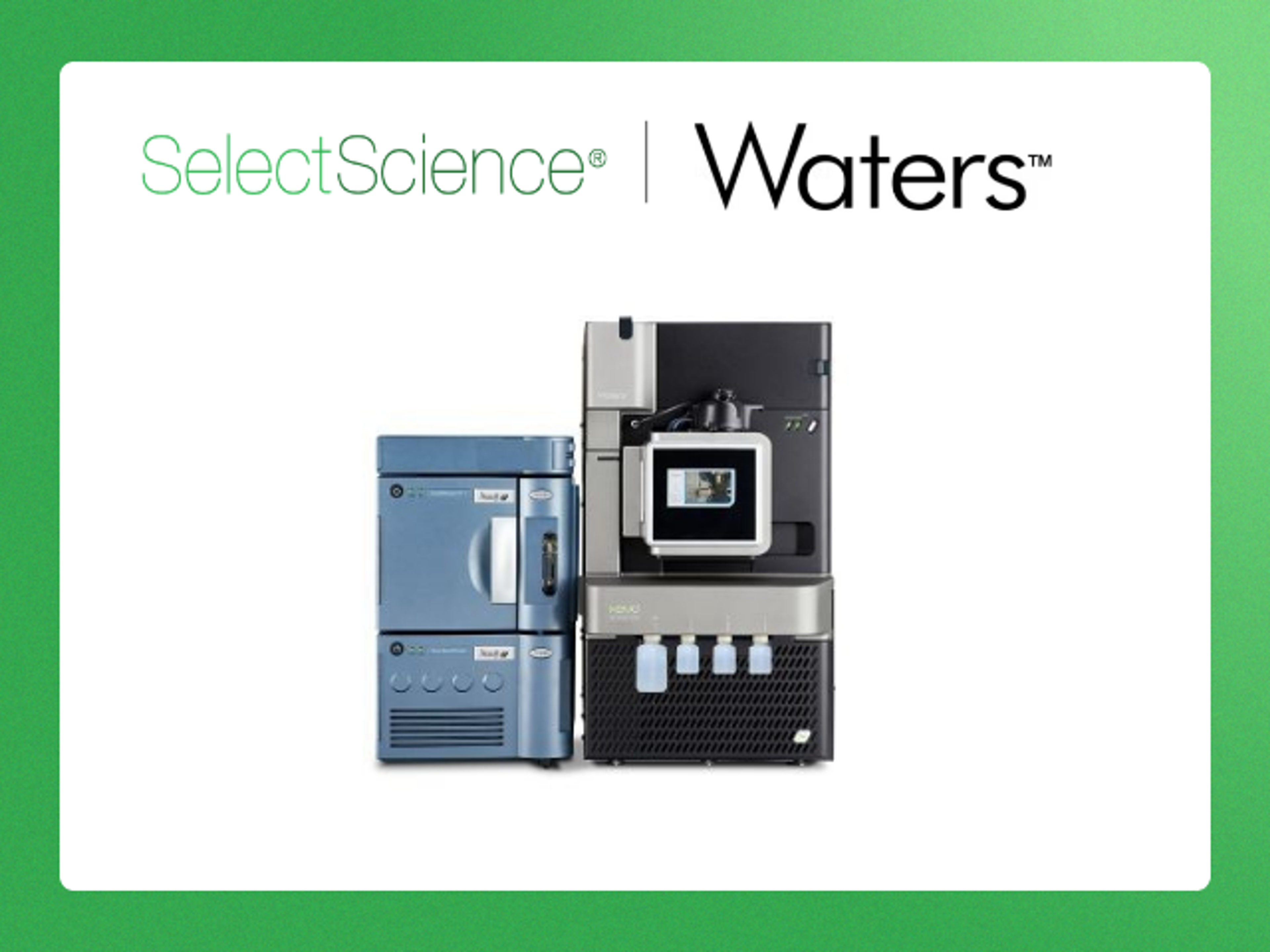
TechTalk: GLP-1 & GIP under the lens: HRMS strategies for synthetic peptide profiling
Friday, October 2 at 15:00 BST | 16:00 CEST | 10:00 EDT | 07:00 PDT
Synthetic peptides like GLP-1 analogs (e.g., semaglutide, tirzepatide) present analytical challenges due to complex modifications and potential degradation products. High resolution accurate mass spectrometry (HRMS) offers the sensitivity, resolution, and mass accuracy needed for confident sequence confirmation and impurity profiling.
In this Tech Talk, attendees will discover how integrated workflows from high-throughput screening using the INTACT Mass App to detailed degradation characterization with UNIFI streamline synthetic peptide analysis, support quality attribute monitoring, and ensure regulatory compliance.
Certificate of attendance
If you attend the live TechTalk, you will automatically receive a certificate of attendance, including a learning outcomes summary, for continuing education purposes. If you view the on-demand TechTalk, you can request a certificate of attendance by emailing editor@selectscience.net.
TechTalk details
- Cost: Free to attend
- Location: Online
- Duration: 20 minutes
Registration is required to secure your place. If you register but can’t attend live, you will receive a link to the on-demand recording once it becomes available.
The Impact of Mass Spectrometry on Biomedical Research
Understand the value of accurate and precise measurement in biomedical research: Professor of Medicine, Dr. Stokes Peebles, and Research Associate Professor of Medicine, Dr. Ginger Milne, from Vanderbilt University School of Medicine, discuss how mass spectrometry provides analytical rigor not achievable with immunoaffinity technologies.
Liquid Chromatography Tandem Mass Spectrometry (LC-MS) Advances Clinical Sample Analysis
Liquid chromatography tandem mass spectrometry is advancing the analysis of clinical samples and helps improve efficiency in patient sample processing. Learn how Waters Xevo® TQ-S and ACQUITY UPLC® systems are being used at UC San Diego to develop new methods for accurate quantitation of analytes in a short amount of time.
Mass Spectrometry in Food Fraud Detection and Quality Control
Mass spectrometry is now a reliable and user-friendly technique. The current data analysis software available is unable to keep up with the volume of data produced in industrial laboratories. The simplification and acceleration of analyses is the step forward needed to see mass spectrometry become a routine technique in industry.
Integrating LC-MS into the Clinical Laboratory
As a leading clinical LC-MS/MS solutions partner, Waters is a trusted provider of in vitro diagnostic medical devices, consumables, informatics, and support services for high performance LC-MS/MS systems. Learn how and why University Hospital of South Manchester has introduced Waters LC-MS/MS IVD instrumentation into their busy clinical laboratory.
Method Transfer Made Easy with Waters
Watch this video to learn how to easily transfer methods from existing instrumentation to the Waters ACQUITY and Alliance systems. For more information, click on the website link below.
Waters ACQUITY Wins Inaugural Product of the Year Award
Hear Art Caputo, President of Waters Corporation, and Ian King, Vice President of Separations Technology, celebrate Waters’ success as the winner of Product of the Year 2015 for the ACQUITY UPLC System at the Reviewers’ Choice Awards. The ACQUITY UPLC System was the most reviewed product of the year by the global SelectScience community. The award was presented at the exclusive Scientists’ Choice Awards ceremony at Pittcon 2105 in New Orleans, LA.
World Cup Athlete Analysis in Focus
Discover how the mass spectrometry analysis is used to help Bruno manage his hydration and glucose levels, to ensure he performs at the optimum level and recovers properly.
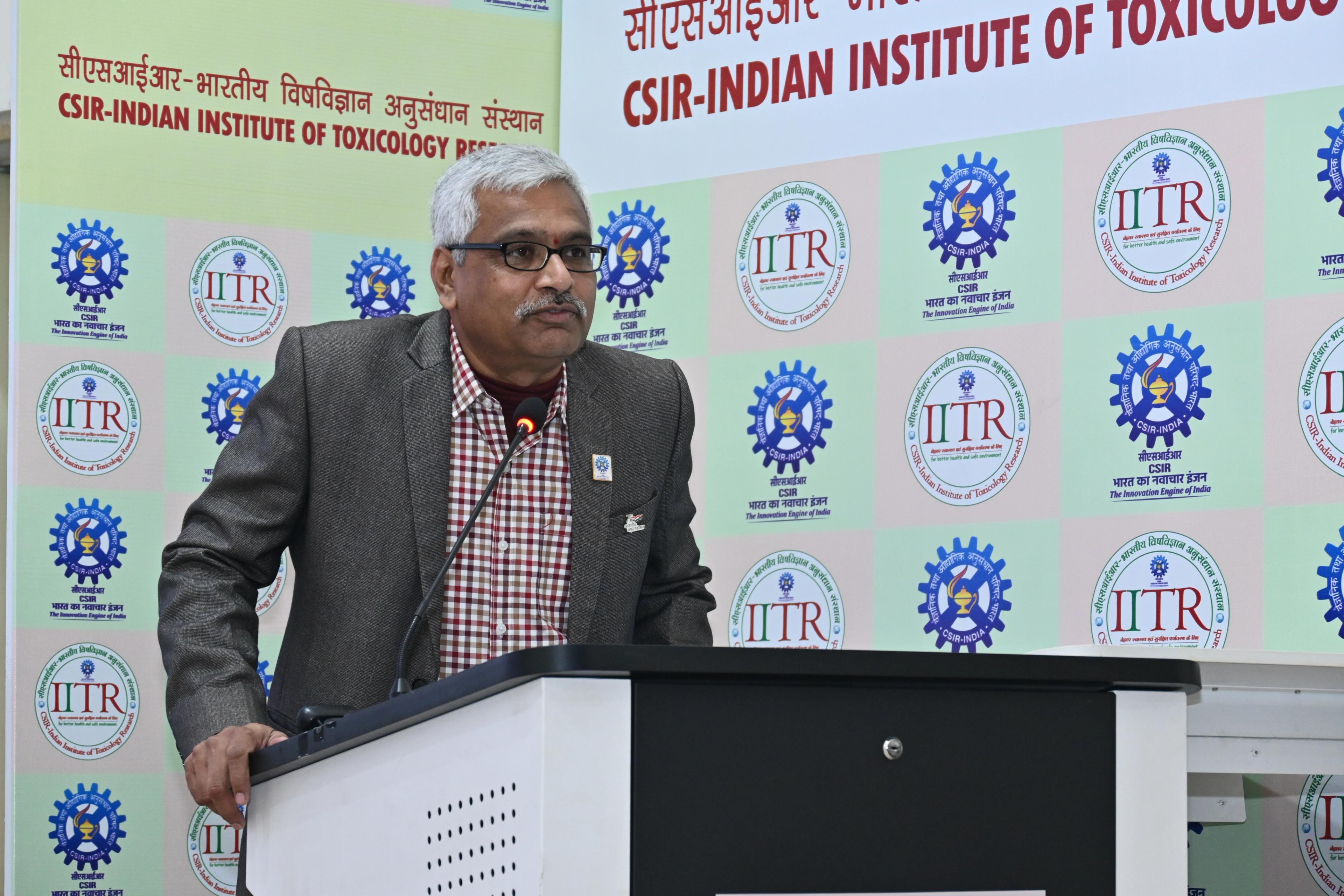
CSIR-IITR leads India’s national PFAS monitoring push
As India starts to tackle PFAS, CSIR-IITR is leading the charge in developing detection methods using Waters’ advanced technologies
Waters launches a new HPLC/UPLC data bridge for light scattering
The announcement at Pittcon 2024 highlights the integration of essential instruments for large molecule characterization

The pursuit of the perfect HPLC column: Reflecting on 50 years of innovation
Dr. Thomas H. Walter, of Waters Corporation, looks back at the trials, tribulations, and triumphs that paved the way to today’s advanced separation technologies
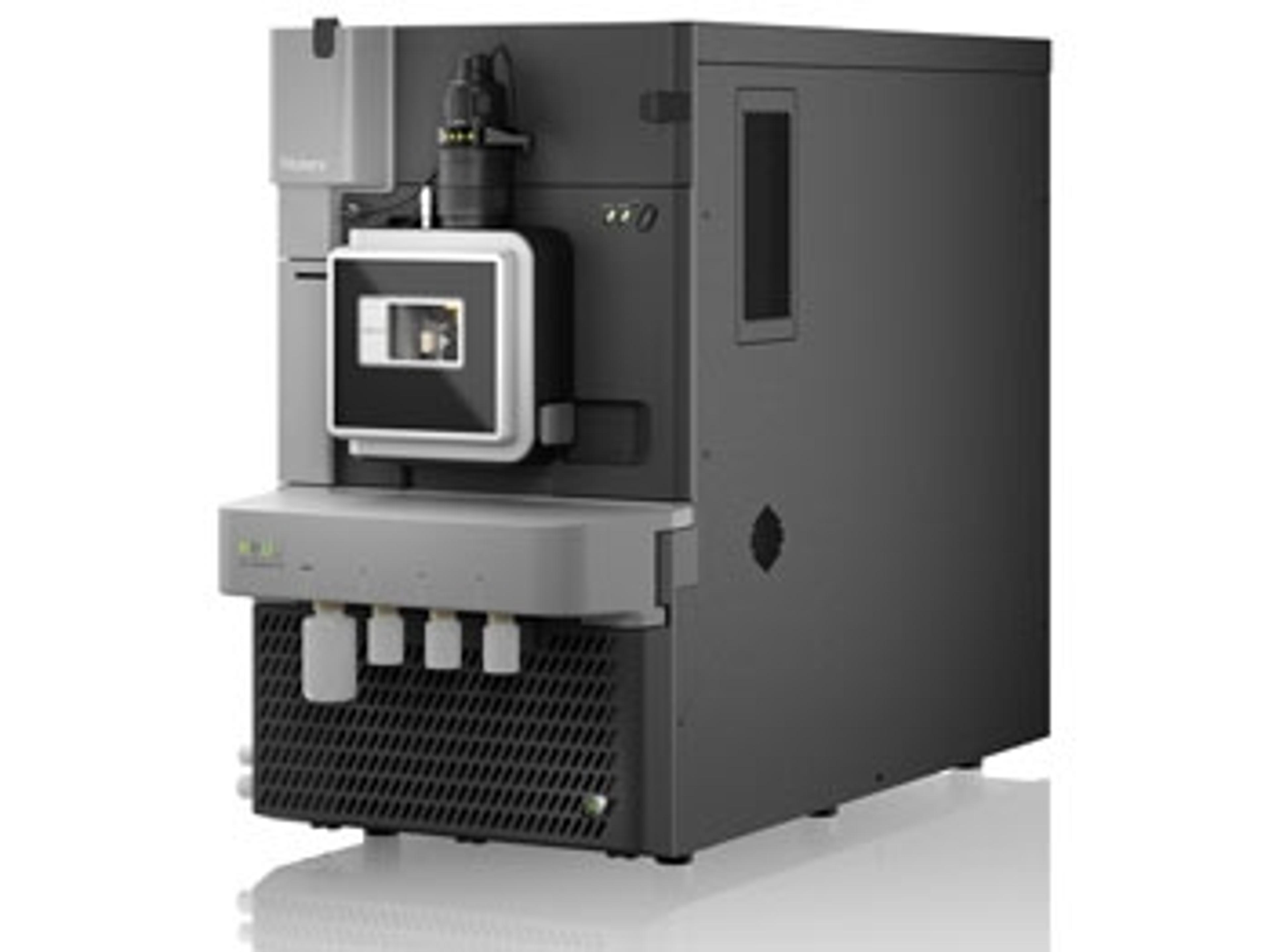
Waters introduces Xevo TQ Absolute: The most sensitive and compact benchtop tandem quadrupole mass spectrometer
Waters’ newest tandem quadrupole mass spectrometer is up to 15X more sensitive for analyzing negatively ionized compounds

Biomarker discovery for lysosomal storage disorders using a metabolomic approach: Your questions answered
Watch this on-demand webinar to learn how to perform untargeted/semi-targeted metabolomic studies to discover novel biomarkers by mass spectrometry
10 top-rated lab products win Seals of Quality at Virtual Summit on Cancer and Immunology Research
The Incucyte Live-Cell Analysis System from Sartorius becomes the fifth product in history to be awarded a Platinum Seal of Quality

How to choose the best LC autosampler design for your application needs – on demand webinar
Experts Dr. Paula Hong and Jennifer Simeone review how each autosampler aliquots and delivers the sample and discuss their differences

Choosing the best UPLC system for your application – quaternary versus binary systems
In this popular on-demand webinar, learn more about which applications may benefit from a particular pump and how to select an LC system based on your application needs
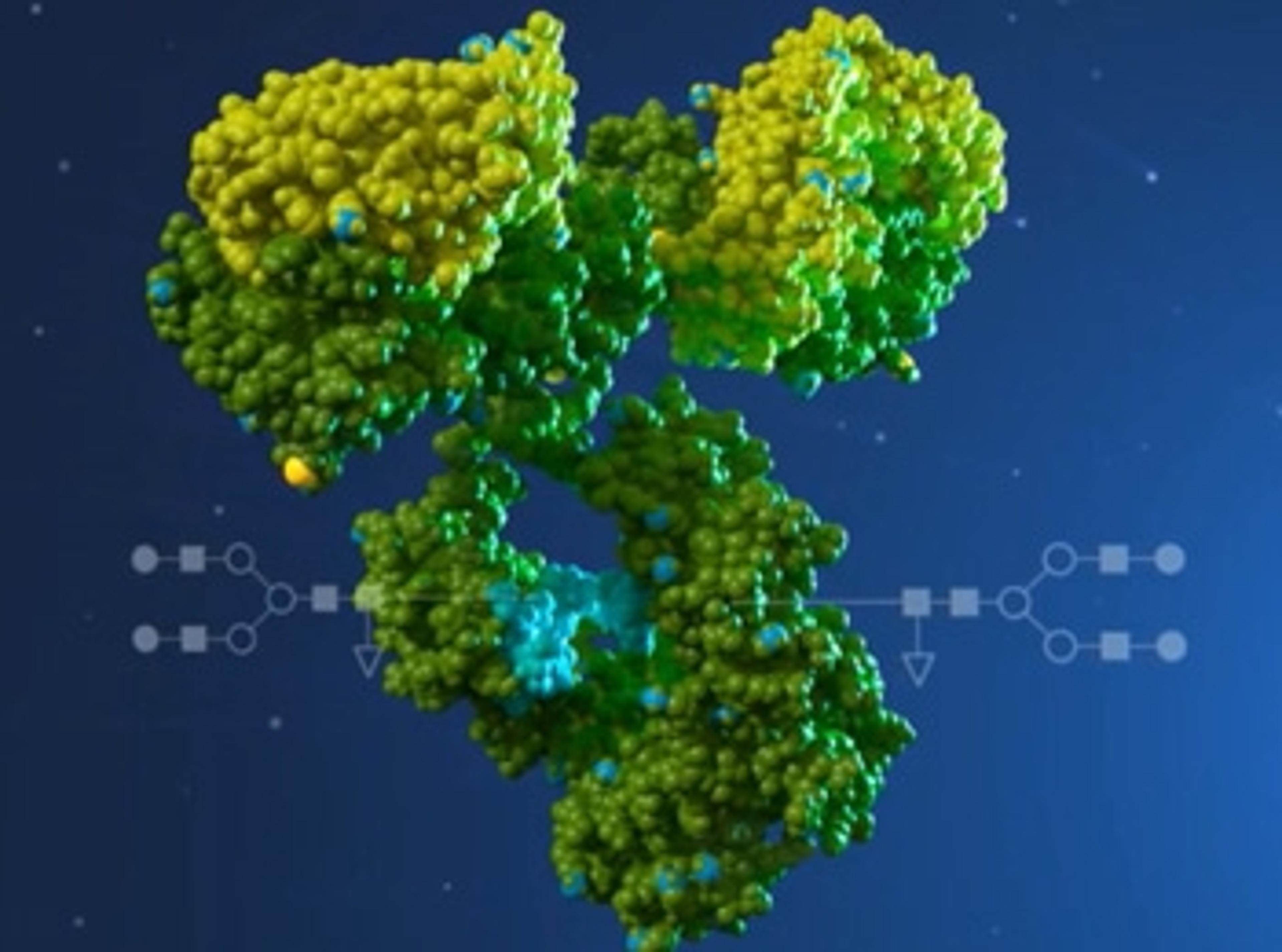
How Analytical Techniques Accelerate the Field of Glycomics
Dr. Pauline Rudd explains why glycosylation matters, how it is measured using tandem analytical methods, and the potential that glycobiology has in therapeutics