Top mass spectrometry launches at ASMS 2026
Major vendors unveil new instruments and workflow solutions, highlighting a continued focus on performance, integration, and data-driven analysis
11 Jun 2026
ASMS 2026 highlighted a clear shift in mass spectrometry, with technologies and software focusing not just on higher performance, but on helping scientists handle complex data and make faster, more confident decisions across real-world workflows.
SelectScience Editor Olivia Long highlights key technology announcements from this year's conference, reporting live from the exhibition. Catch up on all ASMS 2026 coverage, including video interviews and product news, here >>
Key mass spectrometry launches
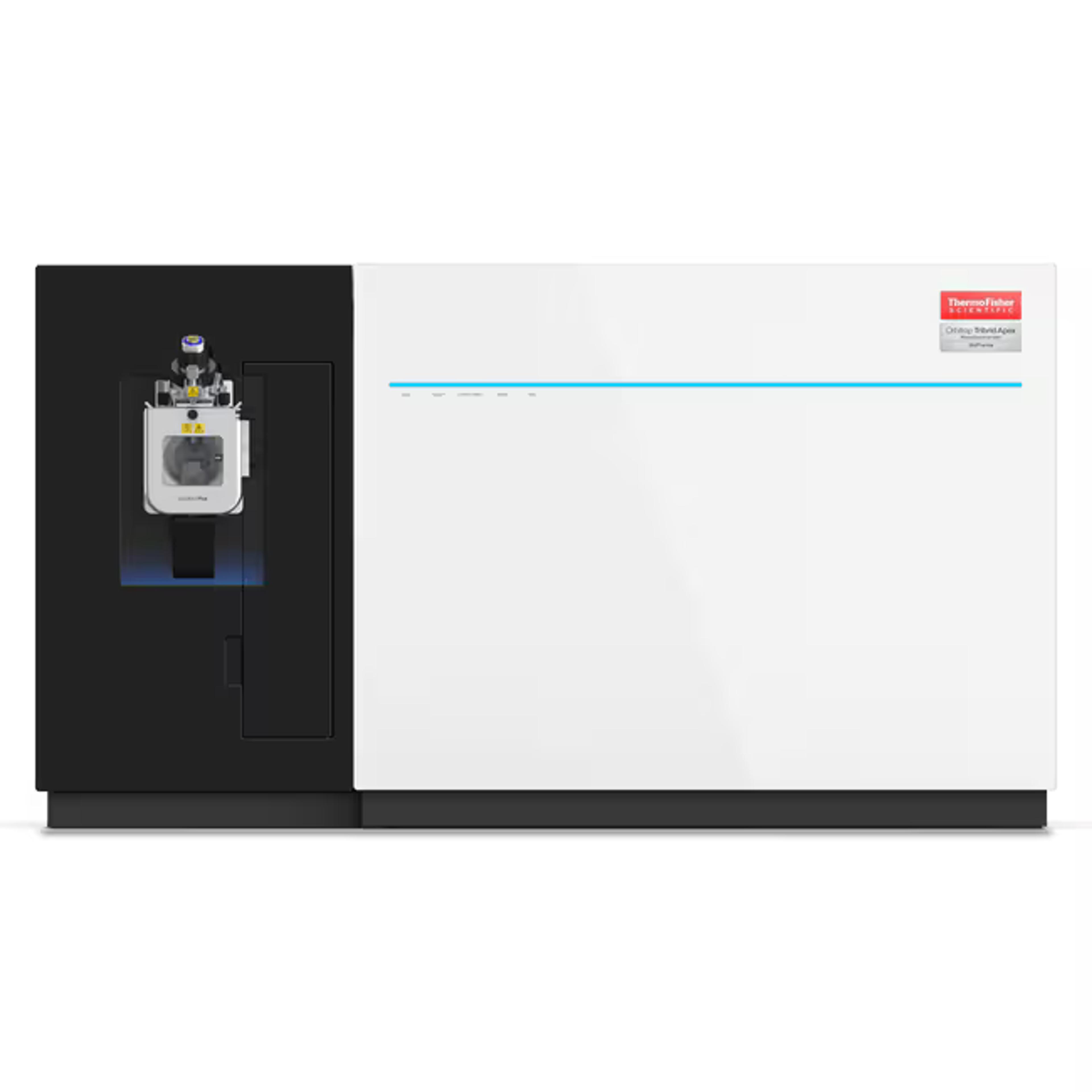
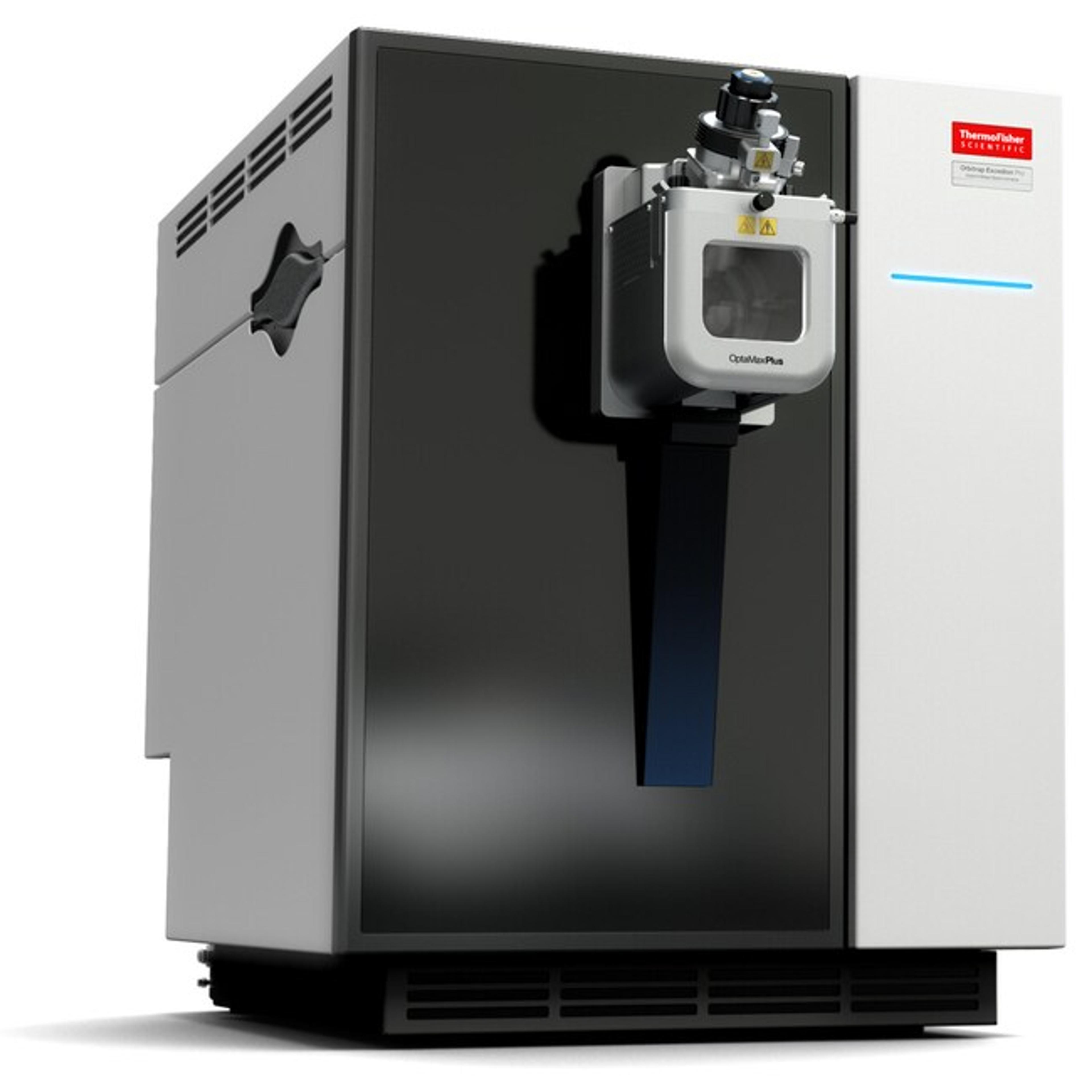
Thermo Fisher Scientific™ Orbitrap™ Tribrid™ Apex and Excedion™
Next-generation high-resolution systems delivering higher sensitivity and faster multiomics workflows.
Dr. Neil Kelleher, Director, Northwestern Proteomics Center of Excellence, Northwestern University, comments on the announcement: "Direct Mass Technology mode on the Orbitrap Tribrid Apex Mass Spectrometers opens an exciting frontier to obtain deep sequence coverage for proteoform targets with unparalleled sensitivity. This technology is highly versatile, and it is the best proteoform sequencer I've seen in my 25 years in translational research."
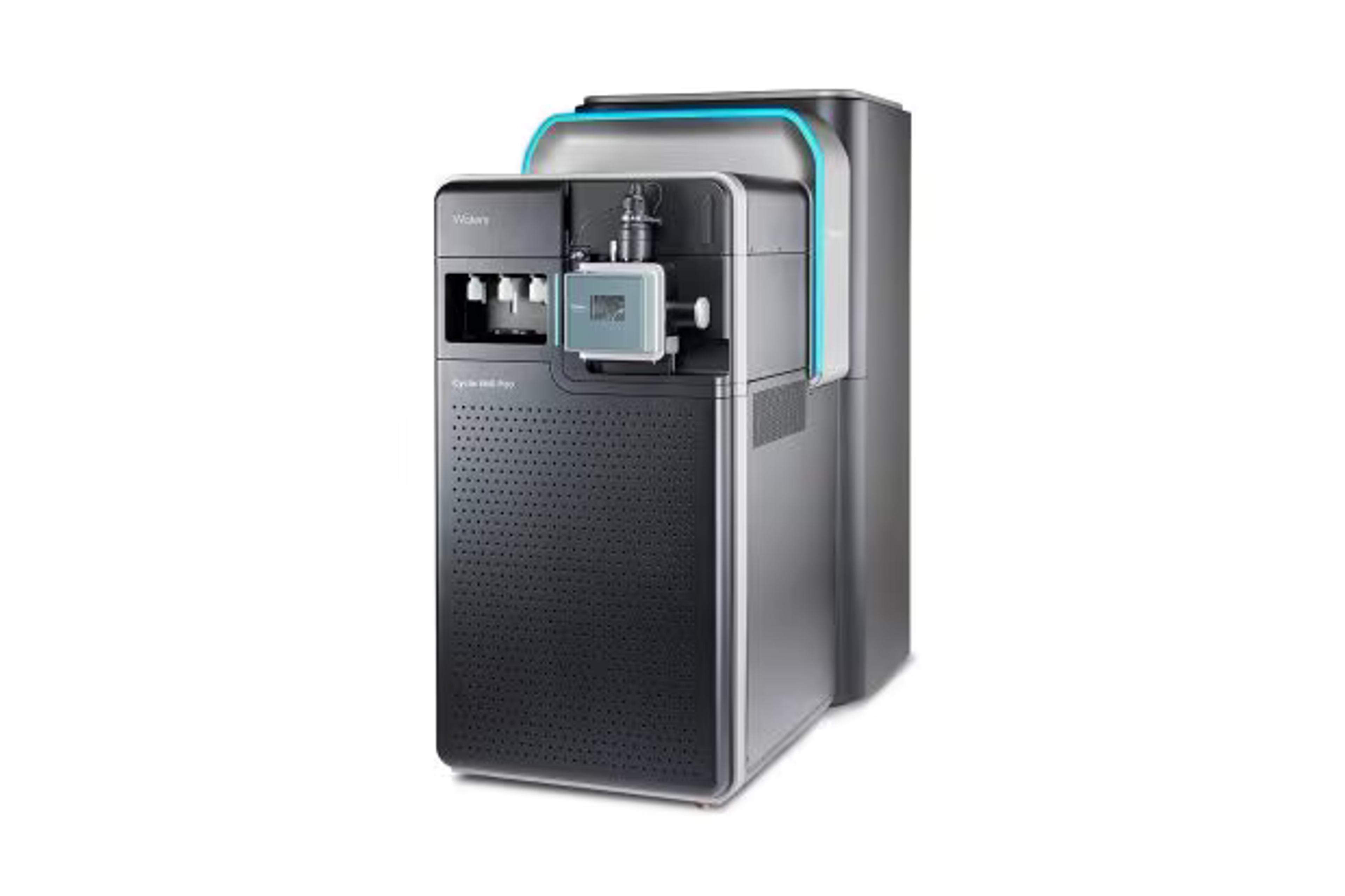
Waters Xevo MRT P10 and Cyclic IMS P20
High-sensitivity LC-MS platforms designed for large-scale multiomics and advanced structural and spatial analysis.
"My lab studies proteins involved in misfoldings that drive human disease, which are notoriously difficult to characterize. We leverage the advanced capabilities of Cyclic IMS P20 MS to perform complex tandem ion mobility experiments on low‑abundance forms of a key molecule involved in the pathogenesis of Type II diabetes," shares Dr. Kostas Thalassinos, Professor of Mass Spectrometry and Academic Lead, Institute of Structural and Molecular Biology, University College London. "The increase in sensitivity delivered by the new functionality is truly remarkable. It stands to significantly accelerate our analyses, potentially by an order of magnitude, and enables us to probe critical low‑abundance species in far greater detail."
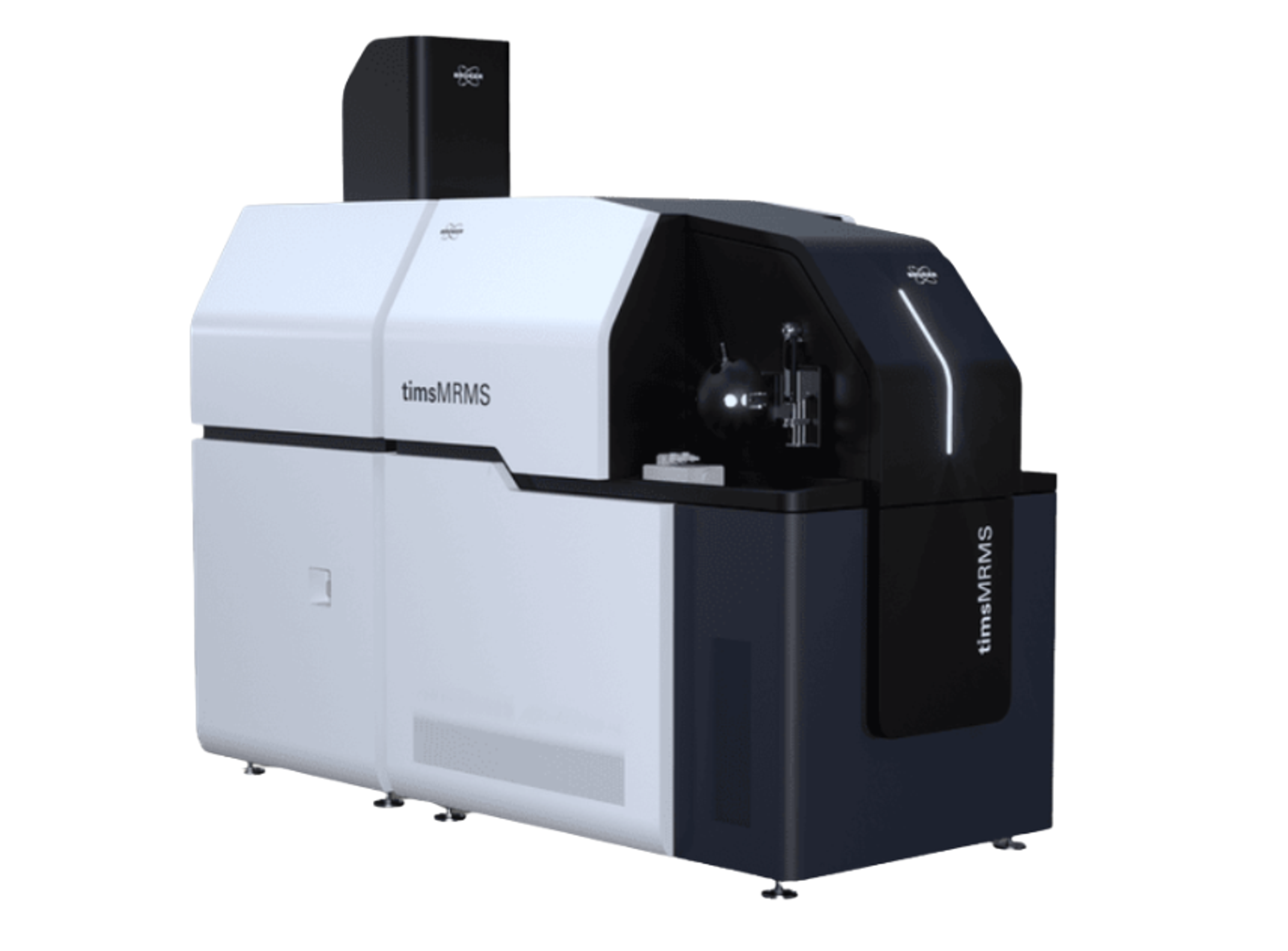
Bruker timsMRMS™
A new ultra high-resolution system combining ion mobility and magnetic resonance for complex sample analysis.
Dr. Madeline E. Colley, Research Instructor, Vanderbilt University, comments: "The new timsMRMS system combines the high spatial resolution qualities of the timsTOF fleX and the high spectral resolving power and dynamic range of the FT-ICR for a perfect pairing of high specificity molecular imaging for capturing spatial biology at cellular resolution."
SCIEX ZenoTOF platform expansion
Features include an improved accurate mass platform enabling higher sensitivity and more confident proteomics and biopharma workflows.
"Scanning DIA on the ZenoTOF 8600 system enables ultra-sensitive and quantitative proteomics from single cells to post-translational modifications in a compact platform," states Matthias Mann, Professor, Max Planck Institute of Biochemistry.
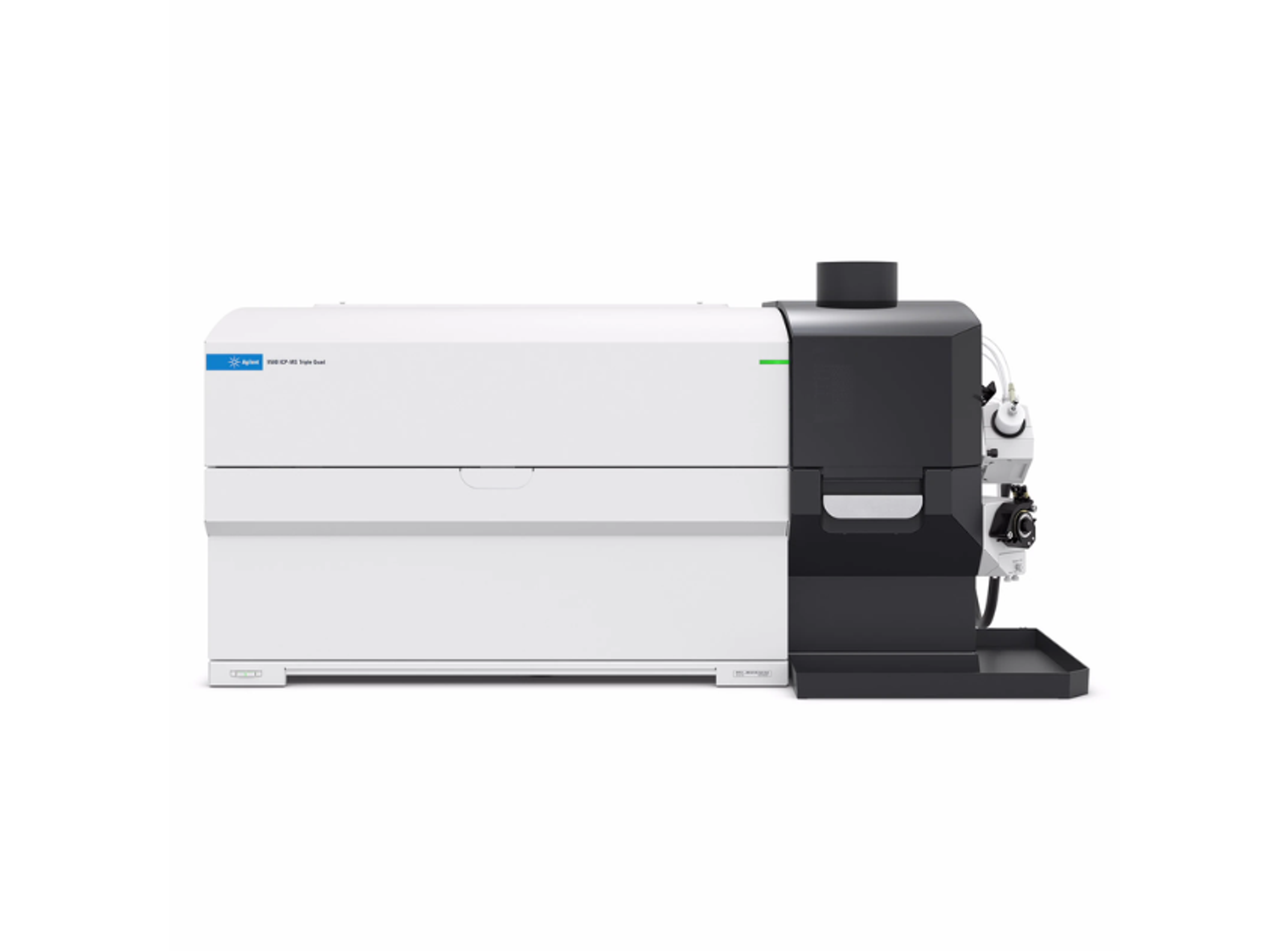
Agilent 8890B GC and 8860B GC with GC assist, 9500 Triple Quadrupole ICP-MS, and MAM solutions
Workflow-focused systems designed to simplify analysis and improve data reliability in routine and regulated labs.
Lauren Jenkins, Air Liquide, shares her experience with the instrument so far: "The 8890 is wonderful - easy to use, easy to manage, and great results. I just bought 5 to upgrade from instruments from 80s-00s and the resolution is beautiful."
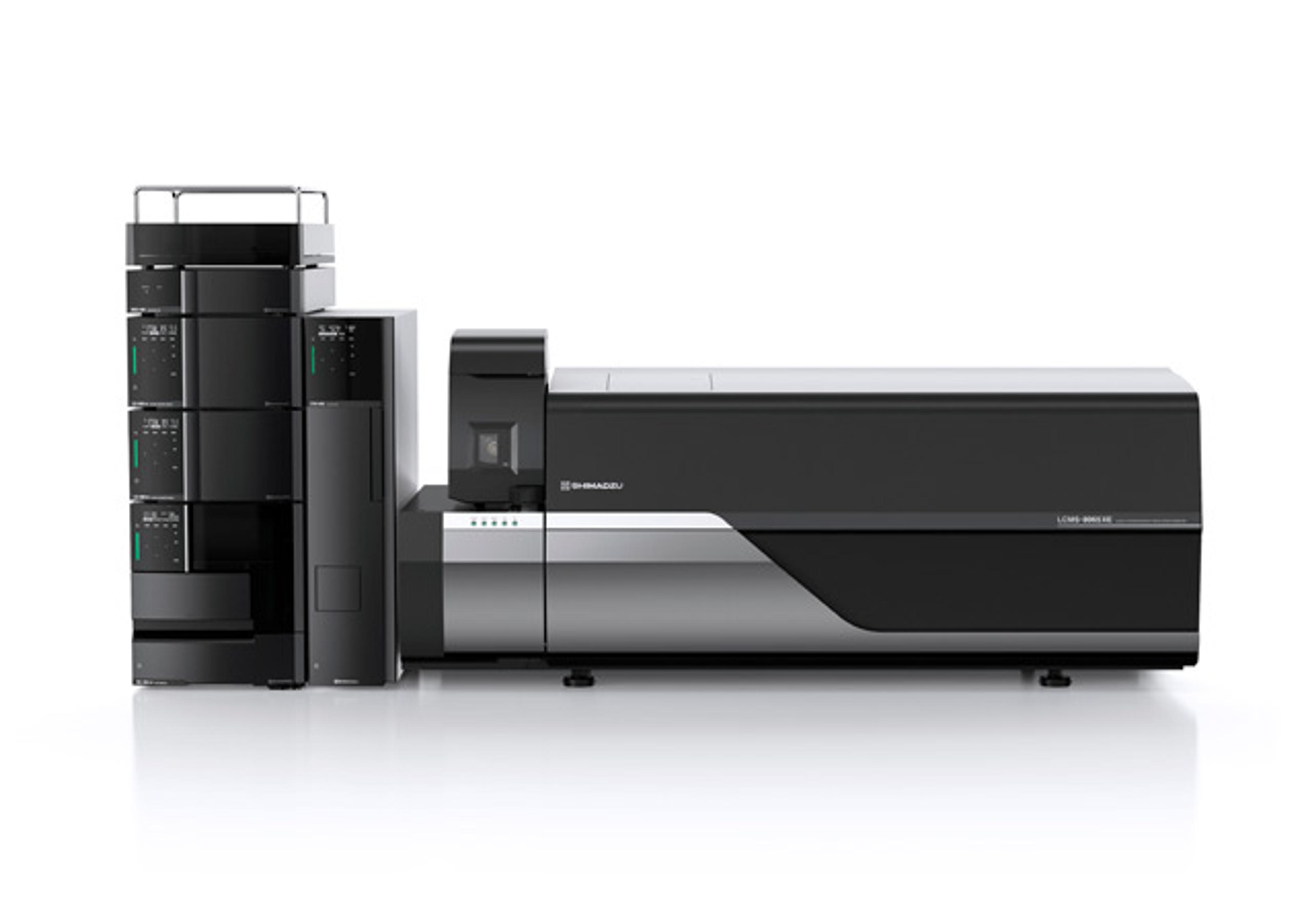
Shimadzu AI-enabled mass spectrometry workflows
Automated, AI-supported systems designed to reduce manual analysis and increase efficiency in high-throughput labs, plus SICRIT Ion Source Technology.
"The LCMS QTOF stands out for its exceptional high-resolution mass spectrometry, delivering accurate and sensitive results. Its intuitive interface and efficient workflow boost productivity, and its advanced data acquisition capabilities offer in-depth molecular analysis. It remains a valuable tool for complex research tasks," comments Ameya Parkar, ICT.
Impacts felt by scientists in attendance
Scientists are dealing with more complex samples, larger datasets, and increasing pressure to deliver results quickly and confidently.
The latest systems launched at ASMS 2026 are designed to address these challenges by reducing the time spent interpreting data, improving confidence in results, and supporting a wider range of applications on fewer systems. In practice, this means scientists can move faster from data to insight, make better-informed decisions, and focus more on the science rather than the process.
Presenting the 2026 Scientists’ Choice Awards®
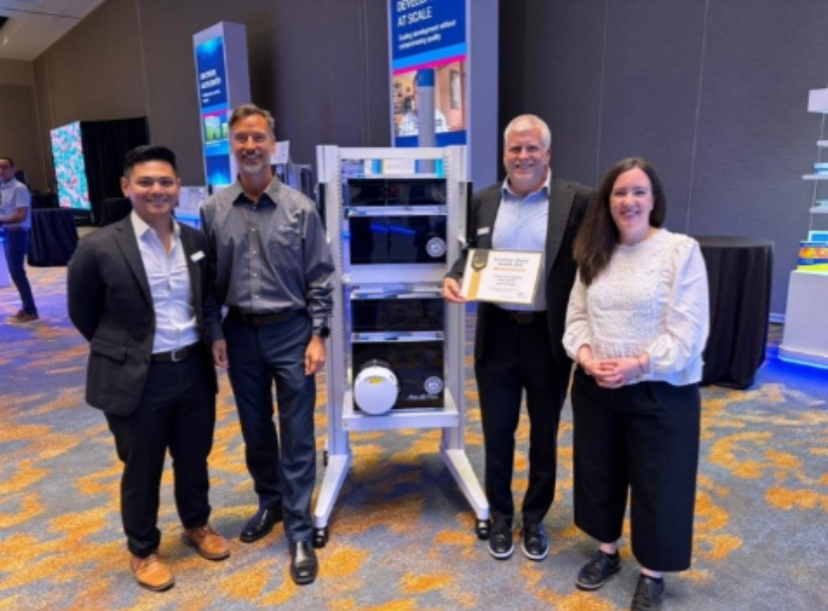
Lois Manton-O’Byrne, Editorial Director at SelectScience presents the Best New Analytical Science Product of the Year to Shane Tichy, Associate Vice President, LC/MS R&D at Agilent Technologies, for the The InfinityLab Pro iQ Series Mass Detector
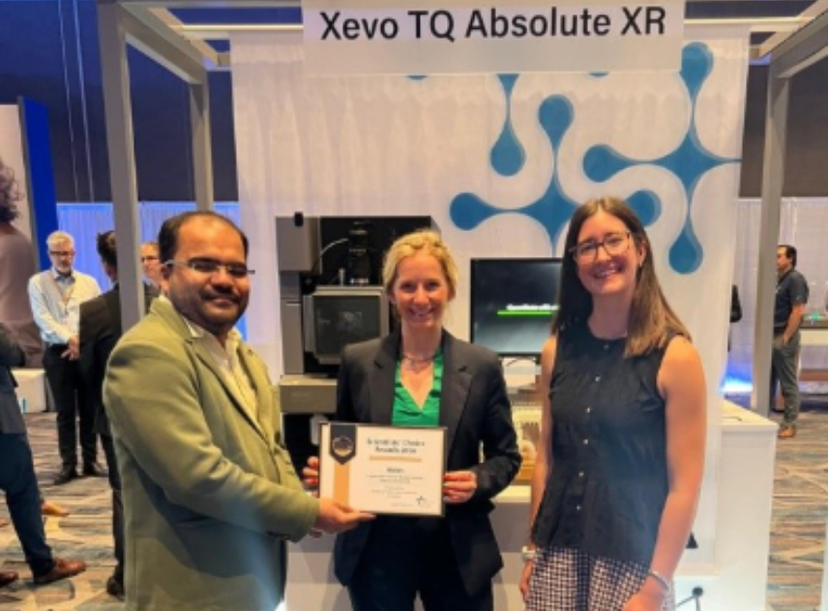
SelectScience Editor Olivia Long presents the Article of the Year award to Dr. Rowan Moore, Senior Director, Waters Corporation
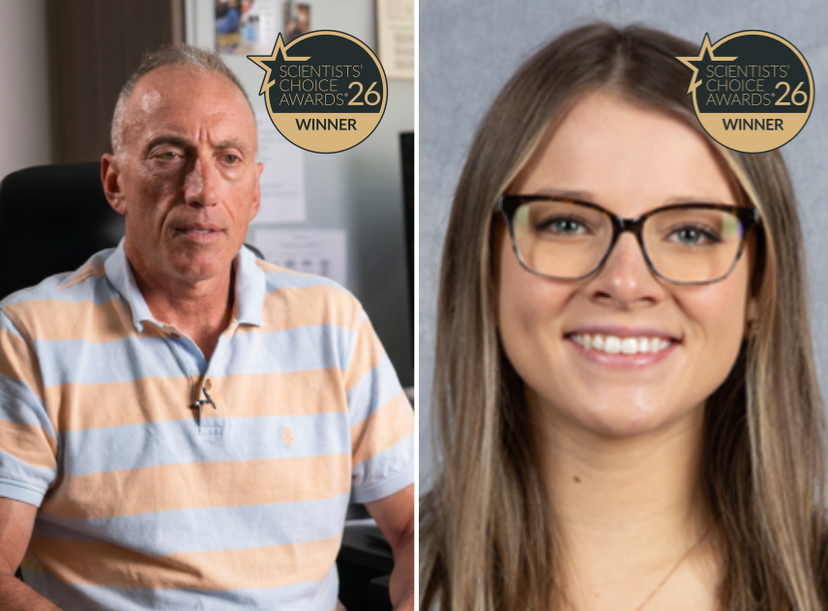
Dr. Tom Spudich for Video of the Year (left) and Samantha Herbick, Restek for Webinar of the Year (right)
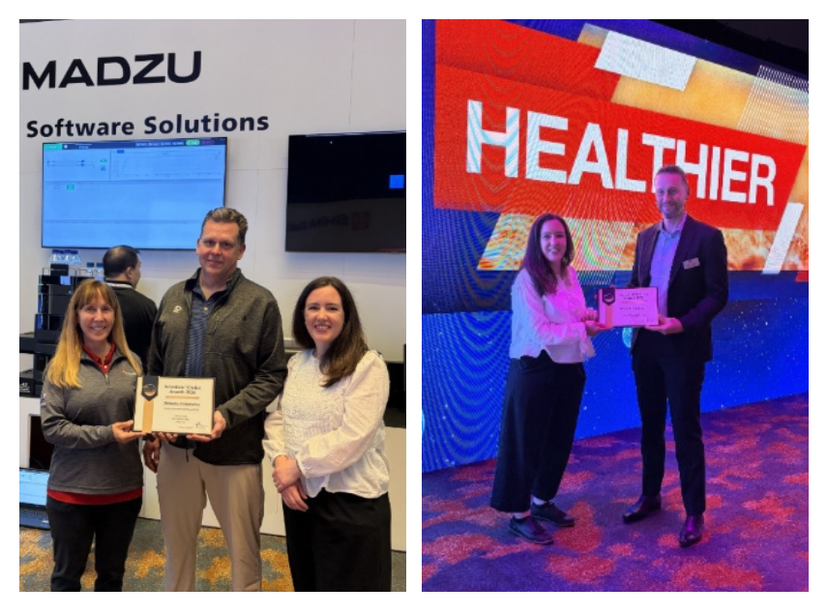
Lois Manton-O’Byrne, Editorial Director at SelectScience, presents the award for the 2026 Life Sciences Video of the Year to Jeff Elleraas, Principal Scientist at Pfizer (left) and to Shane Elliott, Vice President and General Manager LSMS, Thermo Fisher Scientific (right)
The Analytical Science winners were announced at ASMS, recognizing the most impactful technologies and content in analytical science, as voted for by scientists worldwide.
Best New Analytical Science Product of 2025:
The InfinityLab Pro iQ Series Mass Detector by Agilent Technologies and the TLC Explorer by Merck.
The runners up for this category include:
- timsOmni™ by Bruker Daltonics
- Evosep Eno™ by Evosep
- i-Raman NxG Systems by Metrohm AG
- QSight® 500 LC/MS/MS System by PerkinElmer
- ZenoTOF 8600 system by SCIEX
- LCMS-8065XE by Shimadzu Corporation
- Thermo Scientific™ Orbitrap™ Astral™ Zoom Mass Spectrometer by Thermo Fisher Scientific
- Xevo TQ Absolute XR Triple Quadrupole Mass Spectrometer by Waters Corporation
Article of the Year:
'CSIR-IITR leads India’s national PFAS monitoring push' and features technology from Waters.
Video of the Year:
Speeding up forensics with advanced spectroscopy tools, Dr. Tom Spudich, Professor of Analytical Chemistry, Southern Illinois University in collaboration with Shimadzu.
Webinar of the Year:
Why biphenyl is replacing C18 in HPLC, in collaboration with Restek Corp.
eBook of the Year:
‘A practical guide to navigating water testing demands', in collaboration with Thermo Fisher Scientific.
We also presented the award for the 2026 Life Sciences Video of the Year: 'Pfizer drives cancer research breakthroughs with supercritical fluid chromatography' featuring Shimadzu technology.
Catch up on all ASMS 2026 coverage, including video interviews and product news, here >>
Related content
Your ASMS Day 4 briefing: Looking ahead & what to take home
The final day of ASMS offers a chance to catch remaining sessions, revisit key conversations, and look ahead to how this year’s themes will translate into future workflows
Your ASMS Day 3 briefing: Enabling technologies & data interpretation
Midweek at ASMS brings another full day of technical sessions, posters, and workshops, with increasing focus on how complex data are generated, interpreted, and applied
2026 Scientists’ Choice Awards: Analytical Science winners announced
Recognizing the most impactful technologies and content in analytical science, as voted for by scientists worldwide
Tags
Frequently asked questions
Show frequently asked questions
What is ASMS?
The American Society for Mass Spectrometry (ASMS) is a professional organization dedicated to advancing the science and application of mass spectrometry. The annual ASMS conference is one of the largest global meetings in the field, bringing together researchers, instrument developers, and industry professionals to share new data, technologies, and applications.
What is the ASMS 2026 conference?
The 74th ASMS Conference on Mass Spectrometry and Allied Topics is the 2026 annual meeting of the society. The program includes oral presentations, poster sessions, award lectures, workshops, networking events, and a large exhibition featuring instrument vendors and technology providers.
Where is ASMS 2026 being held?
ASMS 2026 is being held in San Diego, California, at the San Diego Convention Center, a large waterfront venue that hosts the conference’s multiple parallel sessions, exhibition halls, and poster areas. The program references spaces within the convention center such as Hall D, Grand Ballroom suites, Pacific Ballroom rooms, and the Exhibit–Poster Hall, which are all part of the convention center complex.
Who attends ASMS?
The conference attracts a global audience including academic researchers, industry scientists, instrument manufacturers, software developers, and students, all working in areas where mass spectrometry plays a role, such as proteomics, metabolomics, clinical analysis, environmental science, and drug development.
How are the Scientists’ Choice Awards selected each year?
The Scientists’ Choice Awards are chosen through a global voting process in which researchers and laboratory professionals recognize the technologies and scientific content that have had the greatest impact on their work. Rather than being selected by a panel, the awards reflect the real‑world experiences and preferences of scientists across analytical science.
Each year, thousands of scientists nominate and vote for standout innovations, from instruments to editorial articles, videos, webinars and eBooks that support their research. Winners are announced at major scientific conferences, such as ASMS, and often highlight broader industry trends.