
Bruker advances 4D proteomics, functional proteoform analysis and hybrid metabolomics at ASMS 2026
New systems, workflows, and AI-driven software enhance proteoform analysis, multiomics research, and high-performance mass spectrometry
3 Jun 2026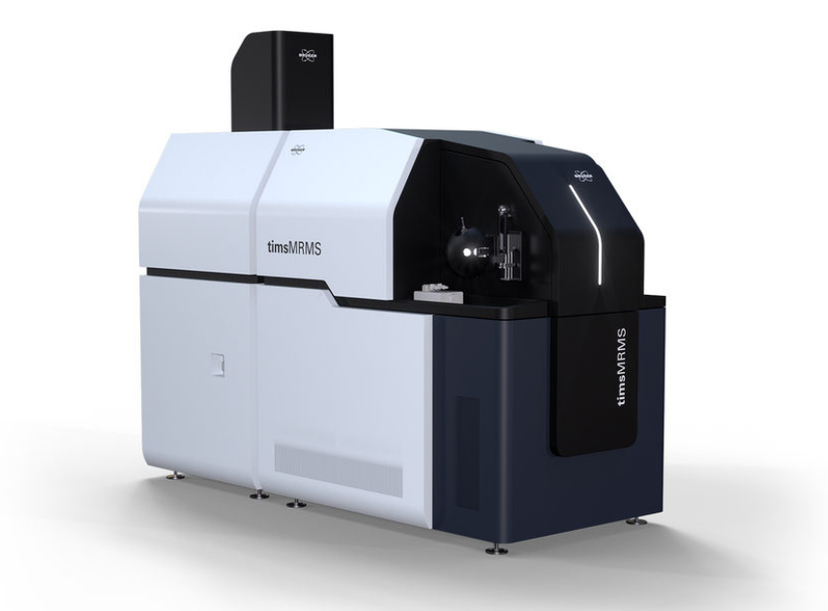
The timsMRMS™ redefines extreme-resolution mass spectrometry of complex mixtures
At the 2026 American Society for Mass Spectrometry (ASMS) conference, Bruker Corporation has announced new mass spectrometry systems, software and workflows that expand 4D proteomics, intact and top-down functional proteoform analysis, and hybrid qualitative/quantitative 4D metabolomics.
The launches in San Diego are designed to help translational researchers, biopharma scientists, environmental scientists and semiconductor manufacturers gain deeper insights into disease biology, energy applications and process optimization.
Bruker launches timsMRMS for ultra-complex mixture analysis in energy and life science research
Bruker has introduced the timsMRMS™ system, which combines trapped ion mobility separation (TIMS) with ultra-high-resolution magnetic resonance mass spectrometry (MRMS). The timsMRMS redefines extreme-resolution mass spectrometry of complex mixtures, delivering mass resolving power of 1M to 10M, down to parts-per-billion mass accuracy, and a four orders of magnitude single-acquisition dynamic range.
This performance enables molecular-level characterization in petroleomics, dissolved organic matter, biofuel fingerprinting and battery research in the energy industry, as well as advanced life science applications.
timsUltra AIP delivers major strides in high-throughput 4D bottom-up proteomics
Bruker has reported further instrument improvements, razor-PASEF methods and Spectronaut 21 software enhancements on the timsUltra™ AIP platform. These developments enable identification and label-free quantification of more than 10,000 proteins in HeLa cell lines and more than 6,500 proteins at 500 samples per day (SPD).
timsOmni and trapped ExD enable deeper functional proteoform and PTM analysis
Bruker has highlighted major advances in intact and top-down functional proteoform analysis with the timsOmni™ platform. The system enables multi-stage, ultra-sensitive trapped electron-based dissociation (trapped ExD, tExD) fragmentation for deeper structural and functional characterization of proteoforms and post-translational modifications (PTMs). This includes enhanced top-down sensitivity, with a four-fold increase for proteoforms, antibodies, glycoproteins, oligonucleotides and small molecule structural characterization.
A new Argon option for timsOmni further enhances collision-induced dissociation (CID) sensitivity by a factor of four for biomolecules. As a heavy, mono-atomic noble gas with no internal vibrational or rotational modes, Argon efficiently transfers collision energy to precursor ions, driving efficient and reproducible dissociation.
The OmniScape AI-driven top-down software is designed to transform this biological complexity into clarity and insights. Deep functional proteoform analysis can compress the path from discovery to biomarkers, precision medicine and novel therapies, supporting what Bruker describes as functional proteomics 2.0 at scale.
High-throughput intact and top-down workflows through partnership with Integrated Protein Technologies
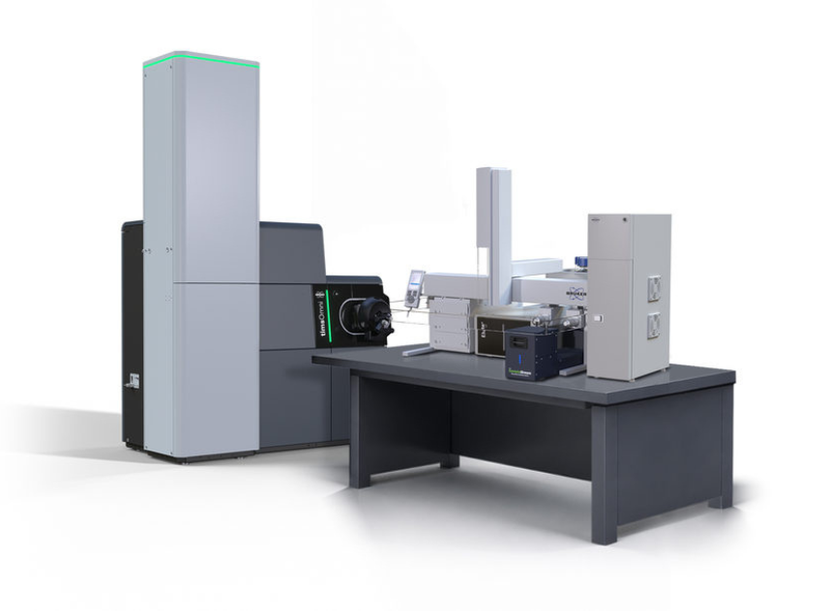
Integration of Bruker timsOmni with Integrated Protein Technologies’ SampleStream enables automated, high-throughput sample preparation for intact and top-down proteomics workflows
Bruker has entered a new partnership with Integrated Protein Technologies (IPT) to support high-throughput sample preparation for intact and top-down biotherapeutic characterization on timsOmni.
IPT now interfaces its SampleStream system directly with timsOmni under HyStar control. This setup delivers automated, high-throughput buffer exchange via a molecular weight cutoff membrane that concentrates protein in a microfluidic flow cell while flushing buffers, salts and adduct-forming excipients to waste. The workflow achieves mass spectrometry-ready sample elution in under two minutes per sample with no carryover.
AI-driven software: OmniScape 2027, ProteoScape 2027 and GlycoScape 2027
Bruker has also announced new releases of OmniScape 2027, ProteoScape 2027 and GlycoScape 2027 software to support confidence in top-down proteoform sequence and PTM analysis.
A novel addition to OmniScape 2027 is LYRA, a de novo algorithm that transforms high-quality sequence reads from complex top-down spectra into annotated protein sequences. LYRA offers ultrafast PTM screening for proteoform identification across billions of possibilities and includes an advanced result combination module for higher sequence coverage and more robust proteoform and PTM assessment.
New automated glycoproteomics workflows in GlycoScape 2027 incorporate both trapped electron capture dissociation (tECD) with low-energy electrons and complementary trapped electron ionization dissociation (tEID) using higher-energy electrons, with dissociation reaction times as short as 10 milliseconds. All glycoproteomics workflows are now compatible with MSFragger.
Hybrid 4D metabolomics and air exposomics for disease biology and environmental health
Bruker has expanded its 4D metabolomics and air exposomics portfolio with new software capabilities and an early-access program for hybrid metabolomics workflows.
MetaboScape® now supports ecTOF™ dual ionization, enabling processing of simultaneous electron ionization (EI) and chemical ionization (CI) spectra for gas chromatography high-resolution accurate mass (GC-HRAM) chemical exposure coverage.
Bruker has also launched an early-access program for hybrid metabolomics on timsMetabo, combining kit-based absolute quantitation with discovery in a single experiment that integrates targeted and untargeted metabolomics.
Following its acquisition of TOFWERK, Bruker is launching an Air Exposomics initiative that combines TOFWERK Vocus real-time volatile organic compound (VOC) monitoring and mipTOF field-deployable trace-metal aerosol analysis with 4D metabolomics and lipidomics. This portfolio is designed to connect real-time environmental exposure measurements to respiratory illness, neurodegeneration and cancer.
New TOFWERK airborne molecular contaminant solutions for semiconductor manufacturing
Bruker has also announced novel TOFWERK airborne molecular contaminants (AMC) time-of-flight mass spectrometry (TOF-MS) solutions for yield optimization in semiconductor manufacturing. These systems are designed to monitor airborne molecular contaminants that can impact device performance and yield in advanced semiconductor fabrication.
Want the latest science news straight to your inbox? Become a SelectScience member for free today>>
Related products
Request Quote for All Products
timsOmni™
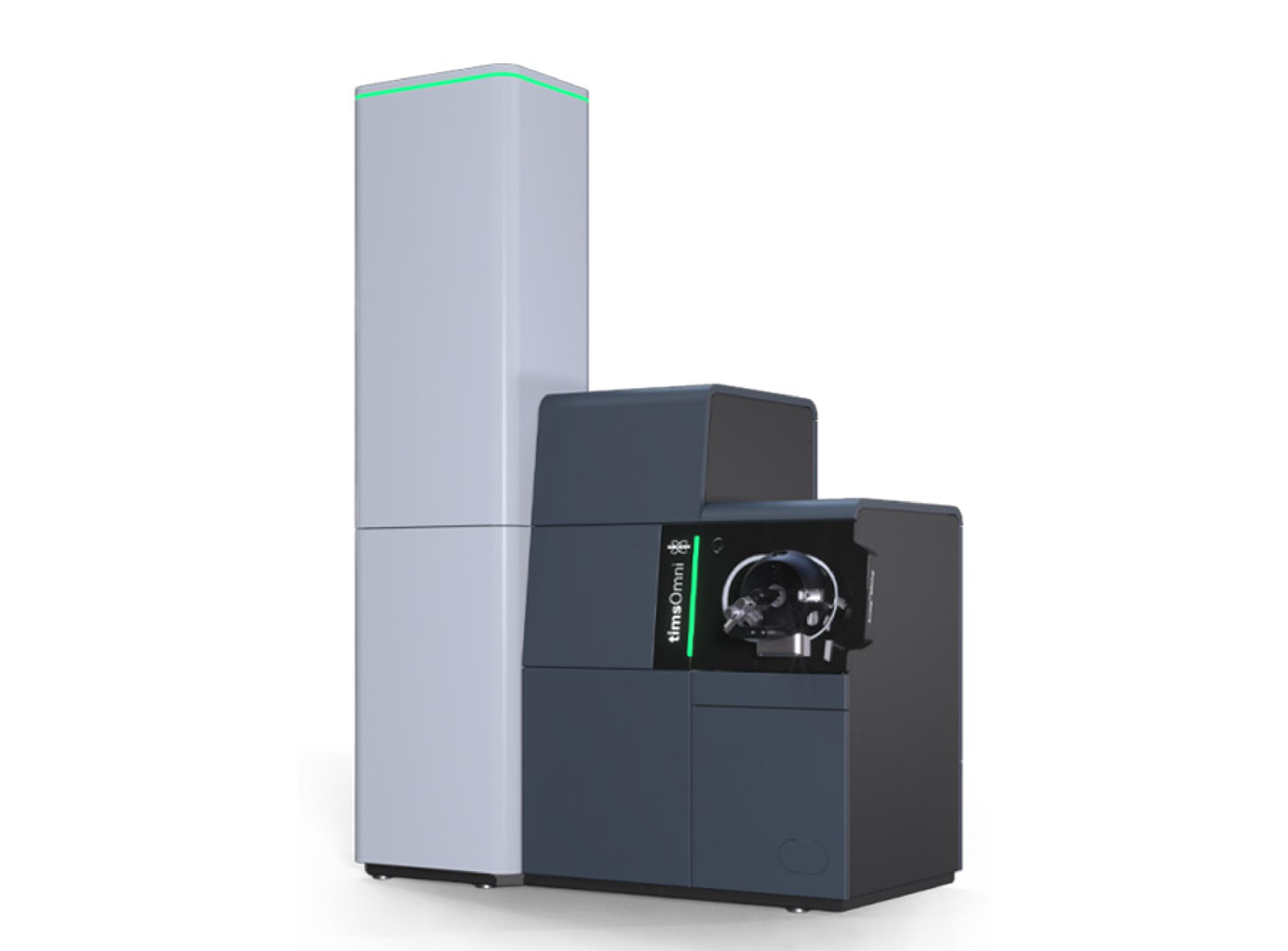
Bruker DaltonicsUnlock the potential of omnidirectional MSn and trapped eXd: Elevate MS and MSn sensitivity to new heights.
Links
Tags
Frequently asked questions
Show frequently asked questions
How is Bruker advancing 4D proteomics and functional proteoform analysis with timsUltra AIP and timsOmni at ASMS?
Bruker is expanding 4D proteomics and functional proteoform analysis through new systems and workflows showcased at the American Society for Mass Spectrometry (ASMS) conference. The timsUltra AIP platform now incorporates further instrument improvements, razor-PASEF methods and Spectronaut 21 software enhancements, enabling identification and label-free quantification of more than 10,000 proteins in HeLa cell lines and more than 6,500 proteins at 500 samples per day. The timsOmni platform advances intact and top-down functional proteoform analysis with multi-stage, ultra-sensitive trapped electron-based dissociation (trapped ExD, tExD), delivering a four-fold increase in top-down sensitivity for proteoforms, antibodies, glycoproteins, oligonucleotides and small molecule structural characterization. A new Argon option for timsOmni further boosts collision-induced dissociation sensitivity by a factor of four for biomolecules. Together with AI-driven OmniScape 2027 software and the LYRA de novo algorithm, these technologies support deep functional proteoform and PTM analysis, which Bruker describes as functional proteomics 2.0 at scale.
What are the key features and applications of Bruker’s timsMRMS system for ultra-complex mixture analysis in energy and life science research?
Bruker’s timsMRMS system combines trapped ion mobility separation (TIMS) with ultra-high-resolution magnetic resonance mass spectrometry (MRMS) to redefine extreme-resolution mass spectrometry of complex mixtures. The system delivers mass resolving power of 1M to 10M, parts-per-billion mass accuracy and a four orders of magnitude single-acquisition dynamic range. This performance enables molecular-level characterization in petroleomics, dissolved organic matter, biofuel fingerprinting and battery research in the energy industry, as well as advanced life science applications. By providing deeper molecular insights into ultra-complex mixtures, timsMRMS supports translational researchers and industrial scientists working on energy applications, disease biology and process optimization.
How is Bruker integrating AI-driven software, hybrid 4D metabolomics and air exposomics to link environmental exposure to disease biology?
Bruker is integrating AI-driven software with hybrid 4D metabolomics and air exposomics platforms to connect environmental exposure data to disease biology and human health. New releases of OmniScape 2027, ProteoScape 2027 and GlycoScape 2027 support confident top-down proteoform sequence and PTM analysis, with OmniScape’s LYRA algorithm enabling ultrafast PTM screening and de novo sequence annotation. In metabolomics, MetaboScape now supports ecTOF dual ionization for simultaneous EI and CI spectra processing in GC-HRAM chemical exposure studies, and an early-access hybrid metabolomics program on timsMetabo combines targeted absolute quantitation with untargeted discovery in a single experiment. Following the acquisition of TOFWERK, Bruker’s Air Exposomics initiative links TOFWERK Vocus real-time VOC monitoring and mipTOF trace-metal aerosol analysis with 4D metabolomics and lipidomics. This portfolio is designed to relate real-time environmental exposure measurements to respiratory illness, neurodegeneration and cancer, providing a multiomics framework for understanding how air pollutant exposures are expressed in human biological systems.