
Agilent presents its integrated mass spectrometry and chromatography solutions at ASMS 2026
New instruments, software, and workflows aim to simplify complex analysis and improve data confidence across multiple application areas
2 Jun 2026
Agilent Technologies Inc. will showcase its latest integrated mass spectrometry and chromatography solutions at the 74th ASMS Conference on Mass Spectrometry and Allied Topics, taking place May 31–June 4 at the San Diego Convention Center in San Diego, California.
Agilent will highlight new instruments, software, and workflows designed to simplify complex analytical processes, improve data confidence, and deliver more consistent results for laboratories in life sciences, pharmaceutical, environmental, and food safety markets.
Advancing analytical science with integrated workflows
At ASMS 2026, Agilent will feature solutions spanning elemental analysis, molecular mass spectrometry, and intelligent chromatography platforms. These innovations are designed to streamline workflows, improve data quality, and support more efficient, reliable decision‑making across regulated and non‑regulated laboratory environments.
Agilent advances analytical science through integrated instruments, software, services, and expertise that support laboratories across a wide range of applications. The company focuses on delivering high‑performance solutions that help scientists address complex analytical challenges with confidence, from trace elemental analysis to biotherapeutic characterization and multiomics discovery.
Agilent 9500 Triple Quadrupole ICP‑MS for advanced elemental analysis
The Agilent 9500 Triple Quadrupole ICP‑MS is designed to simplify the transition from single quadrupole to triple quadrupole ICP‑MS while maintaining familiar workflows for elemental analysis laboratories. The system introduces innovations including Air Cell and Advanced Helium Mode (AHM), enabled by Agilent’s proprietary Dual‑Cell System (DCS).
These technologies support confident interference removal and fast data acquisition for advanced trace elemental analysis in applications such as environmental monitoring, food safety, and pharmaceutical testing.
Agilent 8890B and 8860B GC Systems with GC Assist for intelligent chromatography
Agilent 8890B and 8860B GC Systems with new GC Assist instrument intelligence combine updated hardware with integrated monitoring, diagnostics, and guided troubleshooting. These intelligent gas chromatography platforms are designed to help laboratories improve data quality, reduce unplanned downtime, and operate more efficiently across routine analytical applications, including environmental analysis, petrochemical testing, and food and flavor profiling.
Agilent Multi‑Attribute Method (MAM) Solution for regulated biopharmaceutical QC
The Agilent Multi‑Attribute Method (MAM) Solution is designed to support adoption of LC/HRMS in regulated biopharmaceutical quality control environments. Agilent’s MAM solution integrates software, instrumentation, and consumables into a single, standardized workflow.
The solution enables monitoring of multiple critical quality attributes and supports routine QC workflows in regulated environments through integration with OpenLab CDS and high‑resolution mass spectrometry systems such as the Agilent 6230C LC/TOF. This approach helps biopharmaceutical laboratories implement robust, compliant MAM workflows for confident biologics analysis.
Agilent events at ASMS 2026
In addition to product demonstrations, Agilent will host a series of events at ASMS 2026. Attendees can engage with experts, explore live demonstrations, and learn how integrated workflows can support quality, safety, and productivity across the analytical lifecycle.
Agilent breakfast sessions
Agilent will host a series of breakfast sessions from Monday, June 1, through Wednesday, June 3, from 7:00 to 8:15, at the San Diego Convention Center. These sessions will feature presentations from customers and Agilent experts on topics including multi‑attribute method workflows, laboratory productivity, multiomics discovery, and simplified elemental analysis.
Throughout the ASMS 2026 conference, Agilent experts will also participate in technical sessions and poster presentations, sharing insights into emerging analytical approaches and real‑world laboratory challenges.
Want the latest science news straight to your inbox? Become a SelectScience member for free today>>
Related products
Request Quote for All Products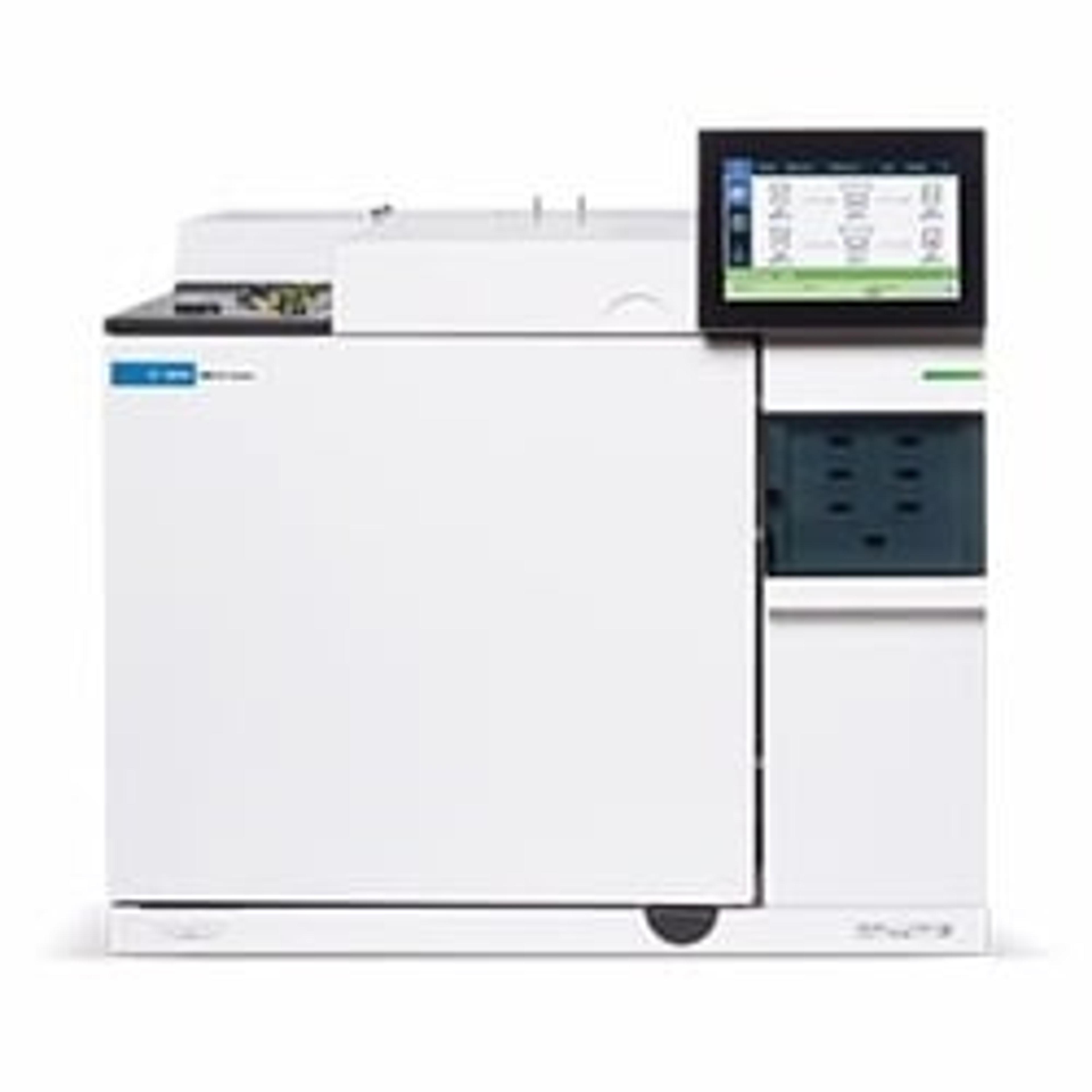
Agilent 8890 GC System
Agilent TechnologiesThe 8890 Gas Chromatograph system meets specific analysis demands with speed, accuracy, and reliability. Built-in intelligence, 6th-generation electronic pneumatic control (EPC), and a unique browser interface that lets you monitor your system from home, office, or remote location increase productivity and uptime.
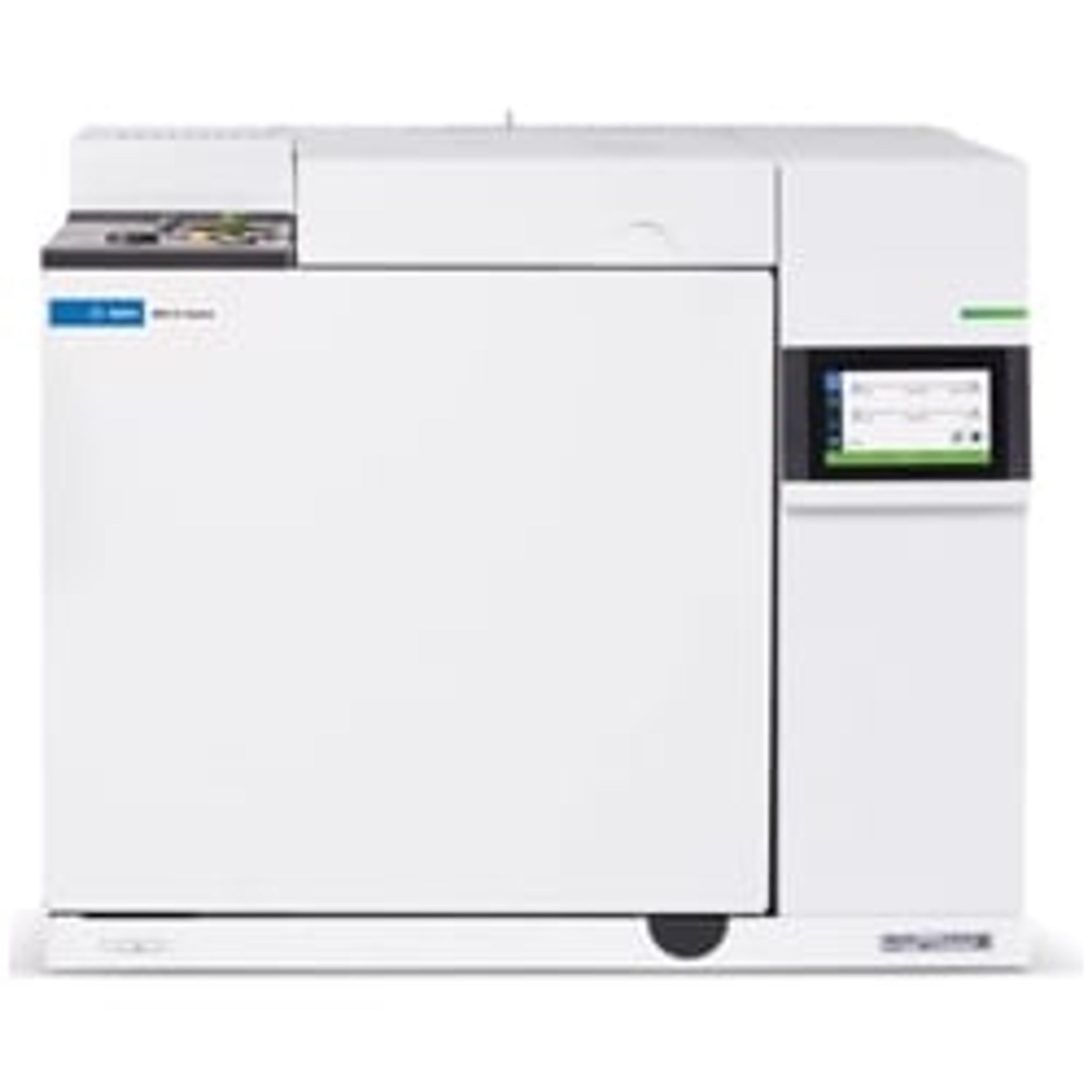
Agilent 8860 GC System
Agilent TechnologiesThe 8860 Gas Chromatograph (GC) System is the standard for routine GC analysis. Dependable and robust, the system offers new levels of performance, reliability, built-in intelligence, and cost-effectiveness.
Links
Tags
Frequently asked questions
Show frequently asked questions
What integrated mass spectrometry and chromatography solutions will Agilent Technologies showcase at the 74th ASMS Conference 2026 in San Diego?
Agilent Technologies Inc. will showcase its latest integrated mass spectrometry and chromatography solutions at ASMS 2026. Agilent will highlight new instruments, software, and workflows designed to simplify complex analytical processes, improve data confidence, and deliver more consistent results for laboratories in life sciences, pharmaceutical, environmental, and food safety markets.
Featured solutions span elemental analysis, molecular mass spectrometry, and intelligent chromatography platforms, including the Agilent 9500 Triple Quadrupole ICP‑MS, Agilent 8890B and 8860B GC Systems with GC Assist, and the Agilent Multi‑Attribute Method (MAM) Solution for regulated biopharmaceutical quality control.
How does the Agilent 9500 Triple Quadrupole ICP‑MS and GC Assist‑enabled GC systems support environmental, pharmaceutical, and food safety laboratories?
The Agilent 9500 Triple Quadrupole ICP‑MS is designed to simplify the transition from single quadrupole to triple quadrupole ICP‑MS while maintaining familiar workflows for elemental analysis laboratories. It introduces Air Cell and Advanced Helium Mode (AHM), enabled by Agilent’s proprietary Dual‑Cell System (DCS), to support confident interference removal and fast data acquisition for advanced trace elemental analysis in environmental monitoring, food safety, and pharmaceutical testing.
The Agilent 8890B and 8860B GC Systems with GC Assist combine updated hardware with integrated monitoring, diagnostics, and guided troubleshooting to improve data quality, reduce unplanned downtime, and enhance operational efficiency across routine analytical applications, including environmental analysis, petrochemical testing, and food and flavor profiling.
What Agilent events and expert sessions will take place at ASMS 2026, and which analytical topics will they cover?
At ASMS 2026, Agilent will host multiple events to engage with the mass spectrometry and chromatography community. A User Group Meeting will be held on Sunday, May 31 bringing together industry experts and customers to discuss analytical workflows, emerging technologies, and real‑world laboratory challenges.
Agilent will also run breakfast sessions from Monday, June 1, through Wednesday, June 3, from 7:00 to 8:15 at the San Diego Convention Center. Monday’s sessions focus on multi‑attribute method (MAM) solutions and laboratory productivity.
Tuesday’s sessions address multiomics discovery and simplified elemental analysis, and Wednesday’s sessions will explore the laboratory ecosystem and biotherapeutics analysis, with contributions from Brian Rivera, Andreas Otto, Patrick Batoon, Russell Burge, and Stephen Sciuto on unified data systems, Agilent’s Small‑Form‑Factor Quadrupole LC/MS evolution, and advanced LC/MS workflows for biotherapeutic characterization.