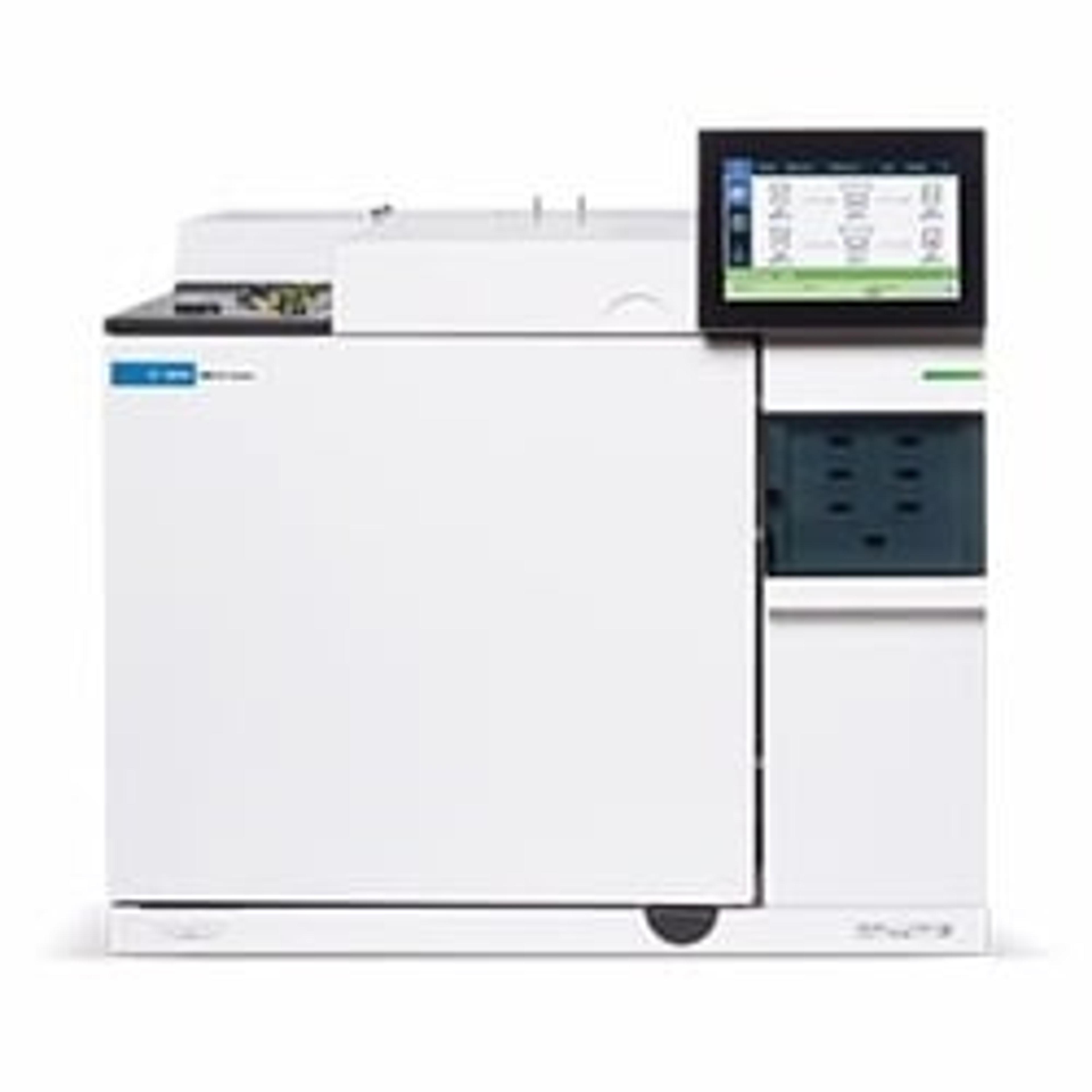
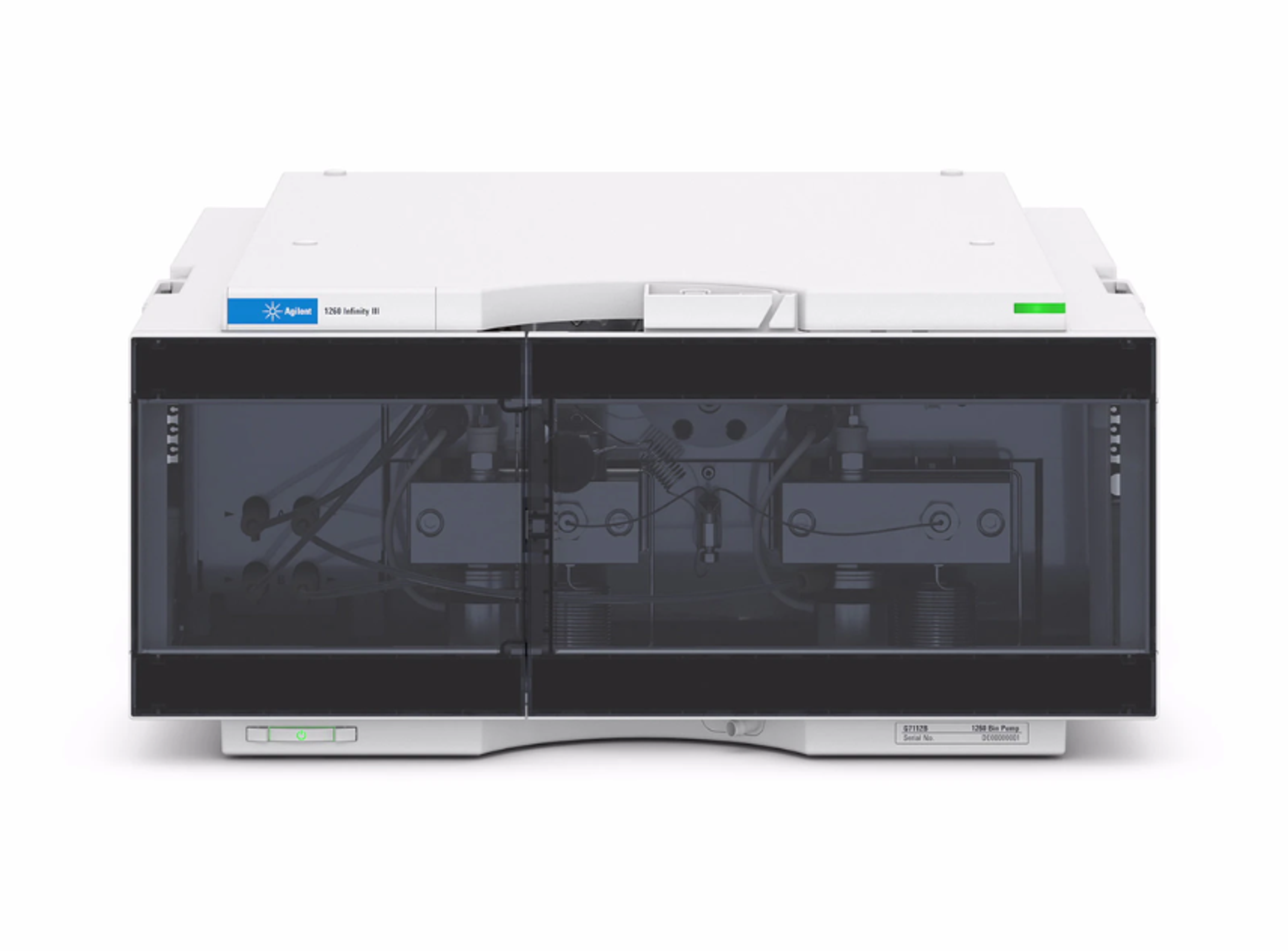
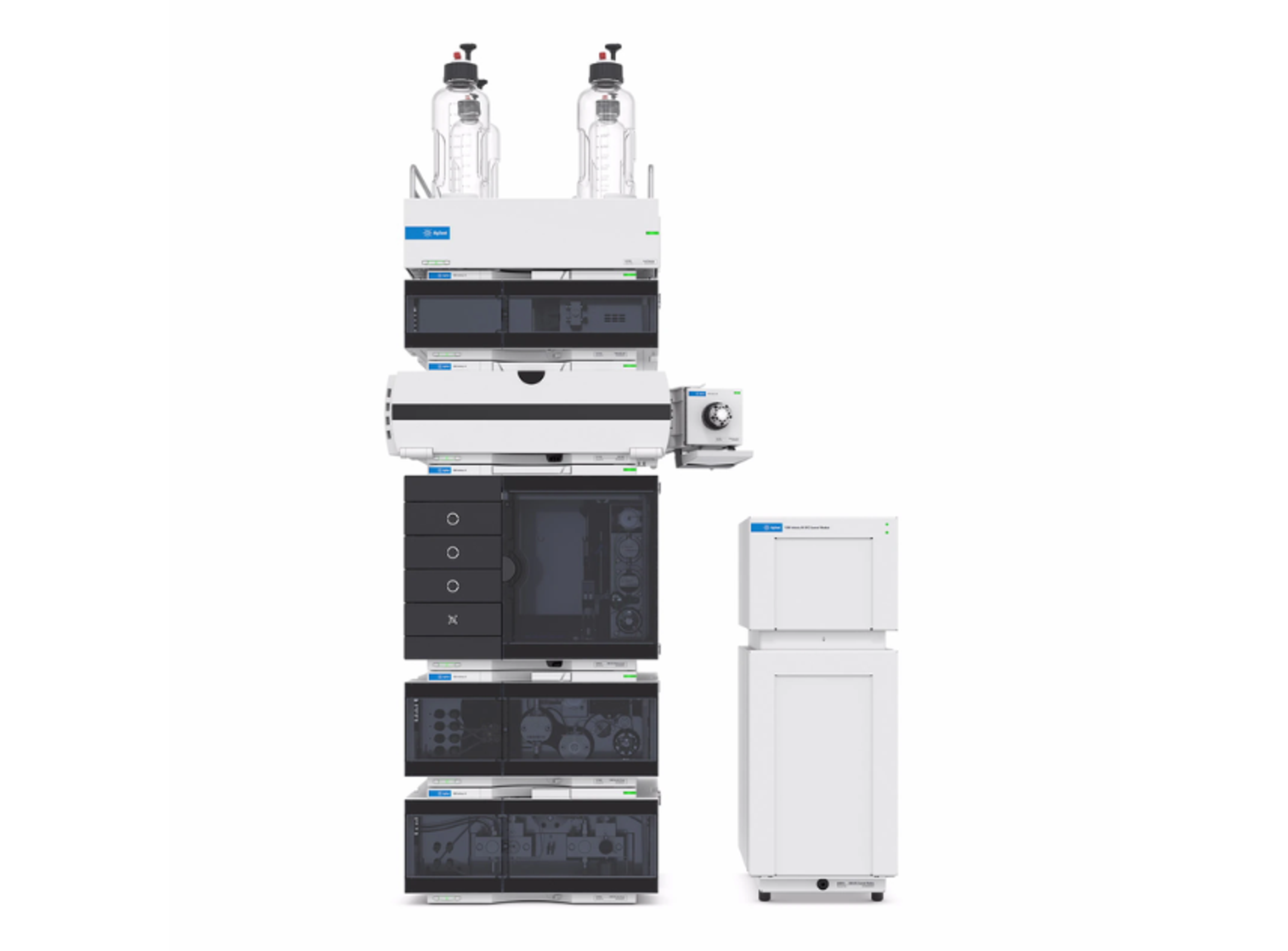
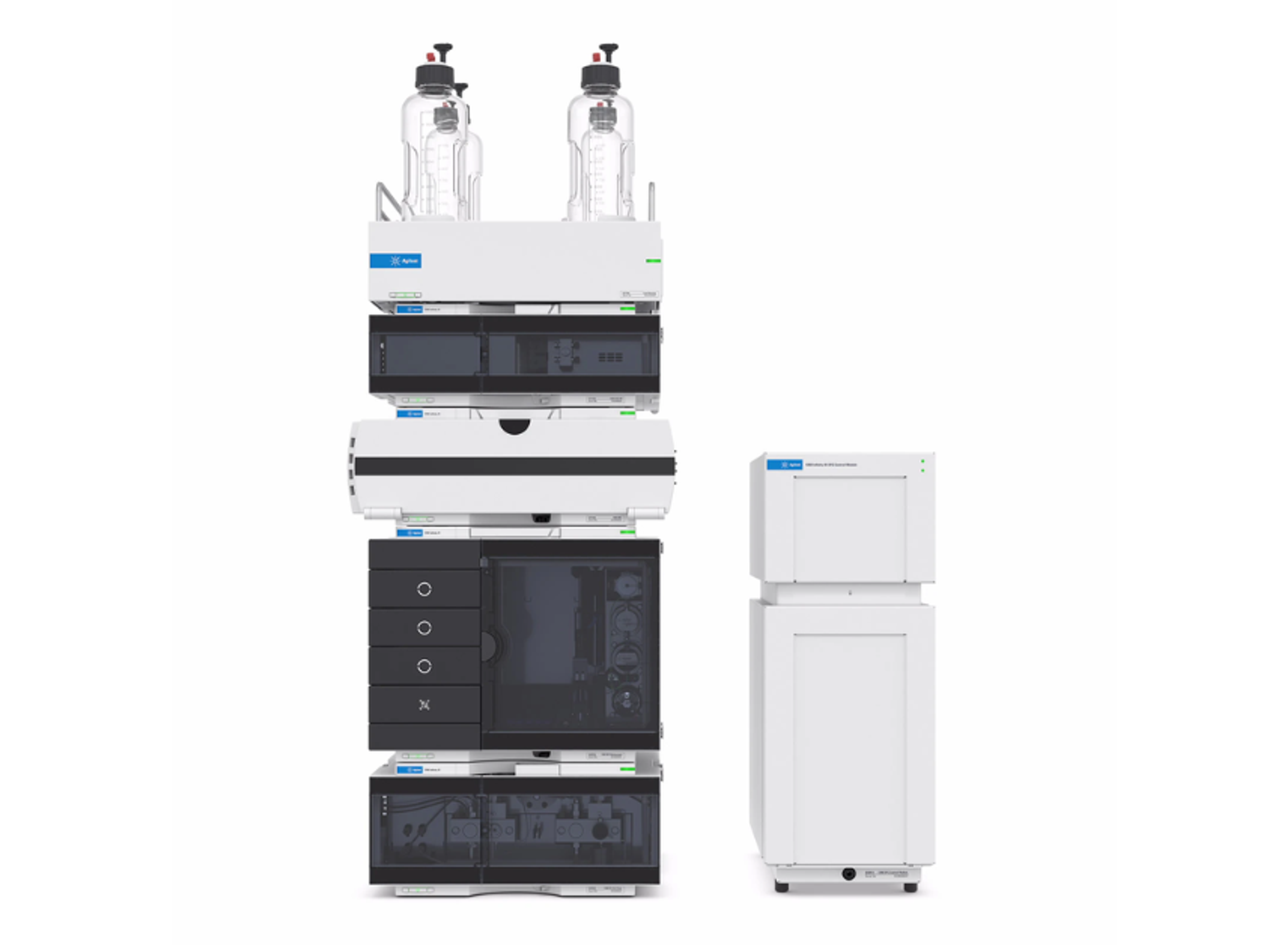
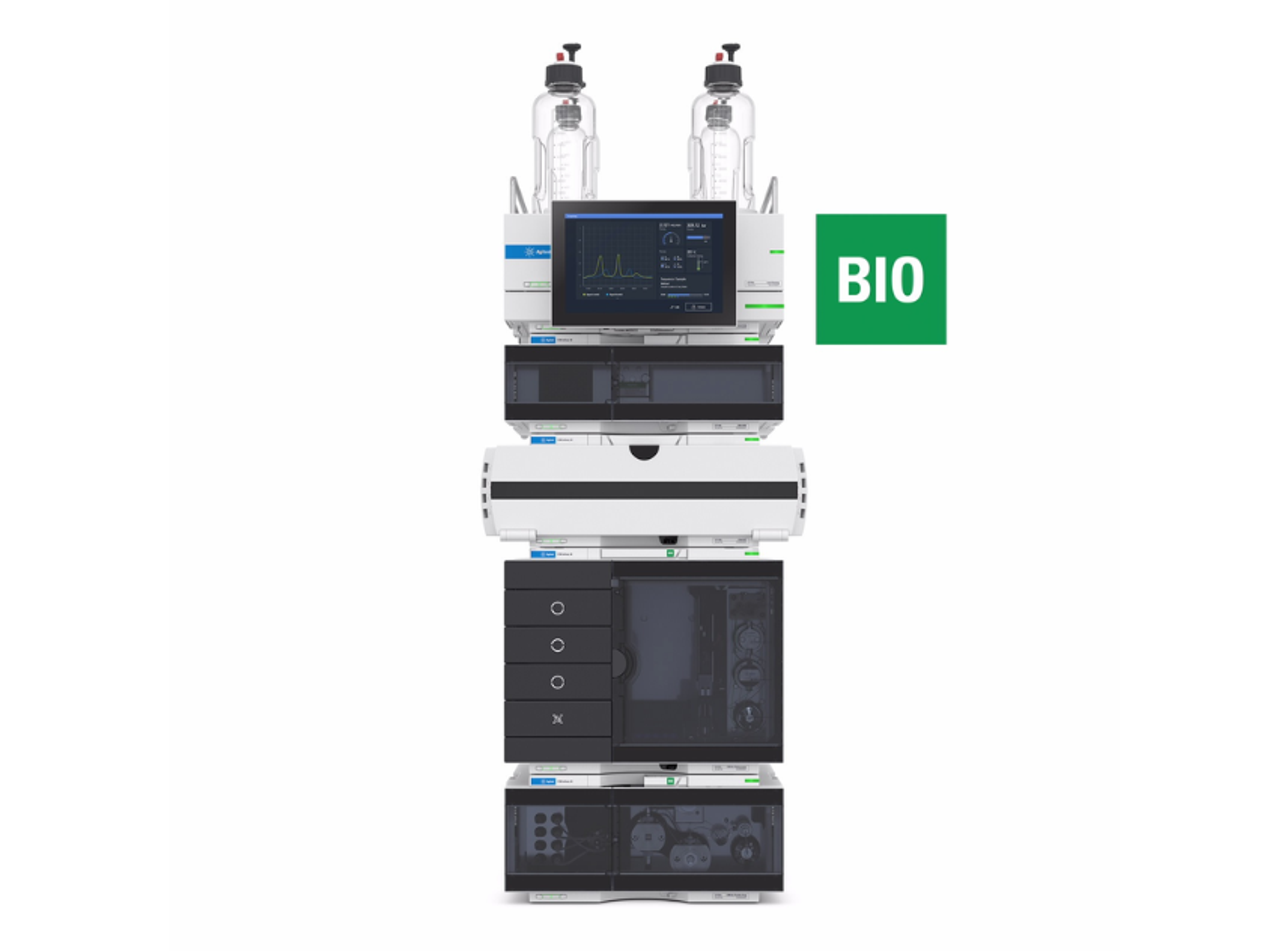
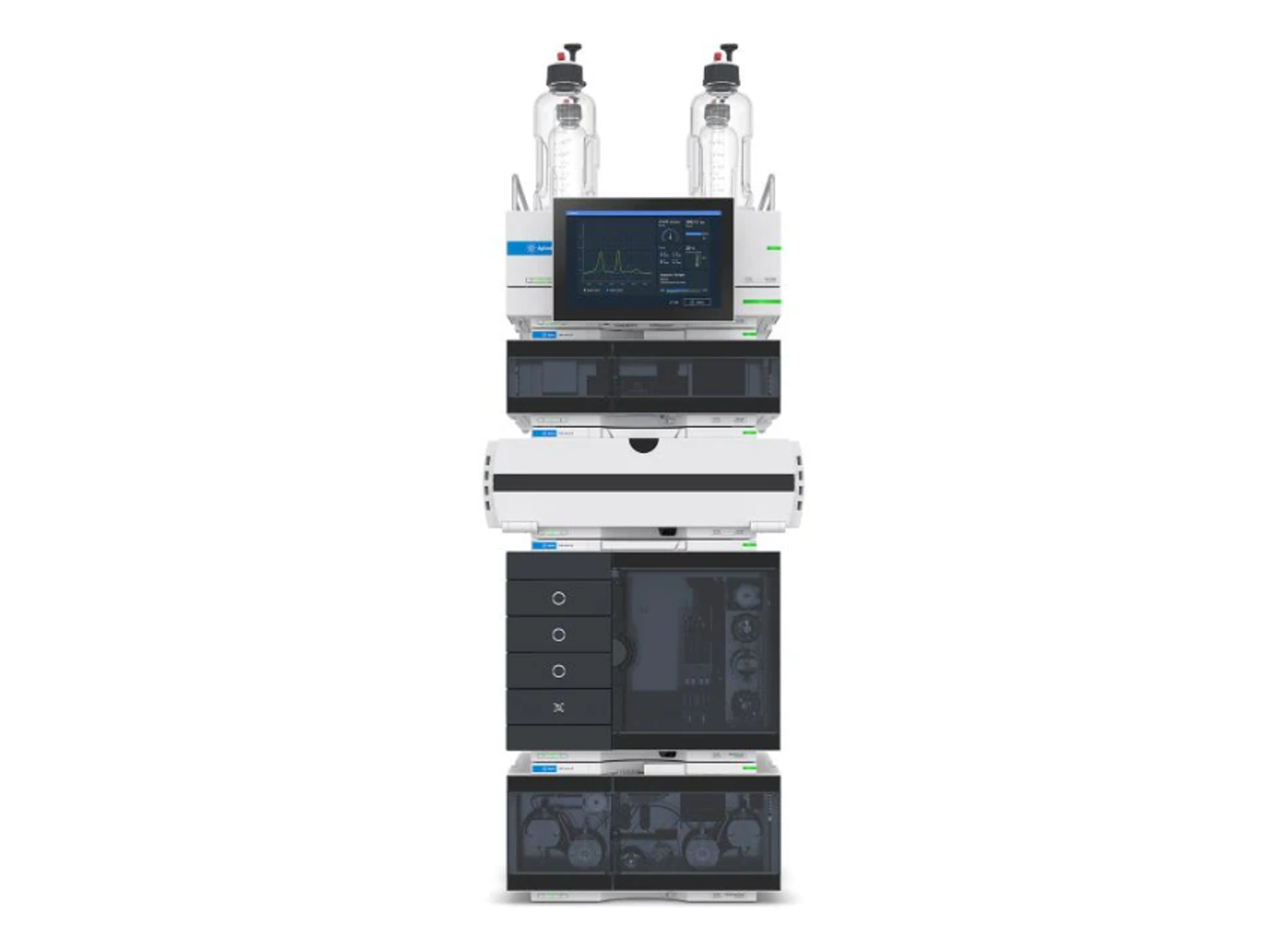
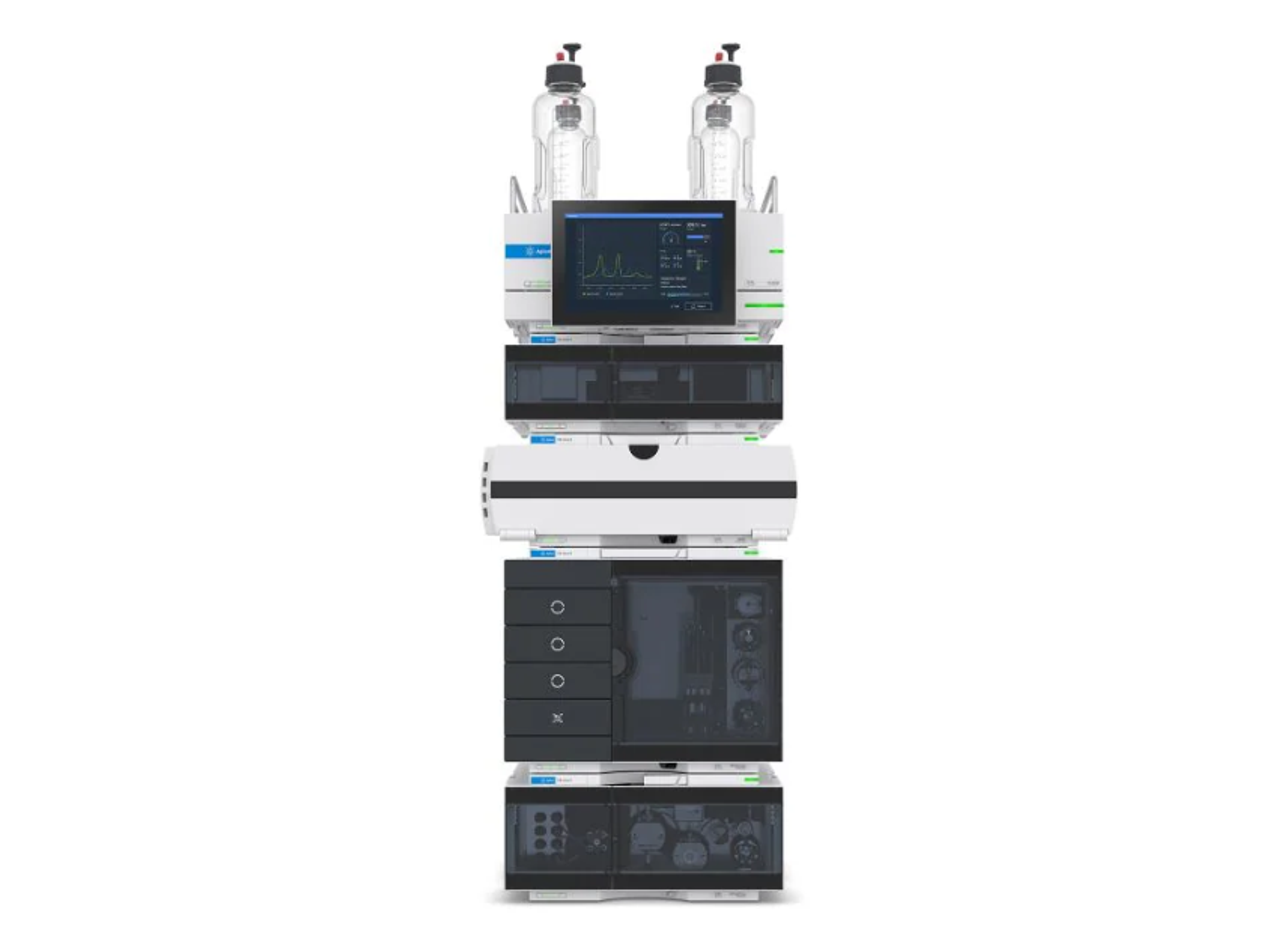
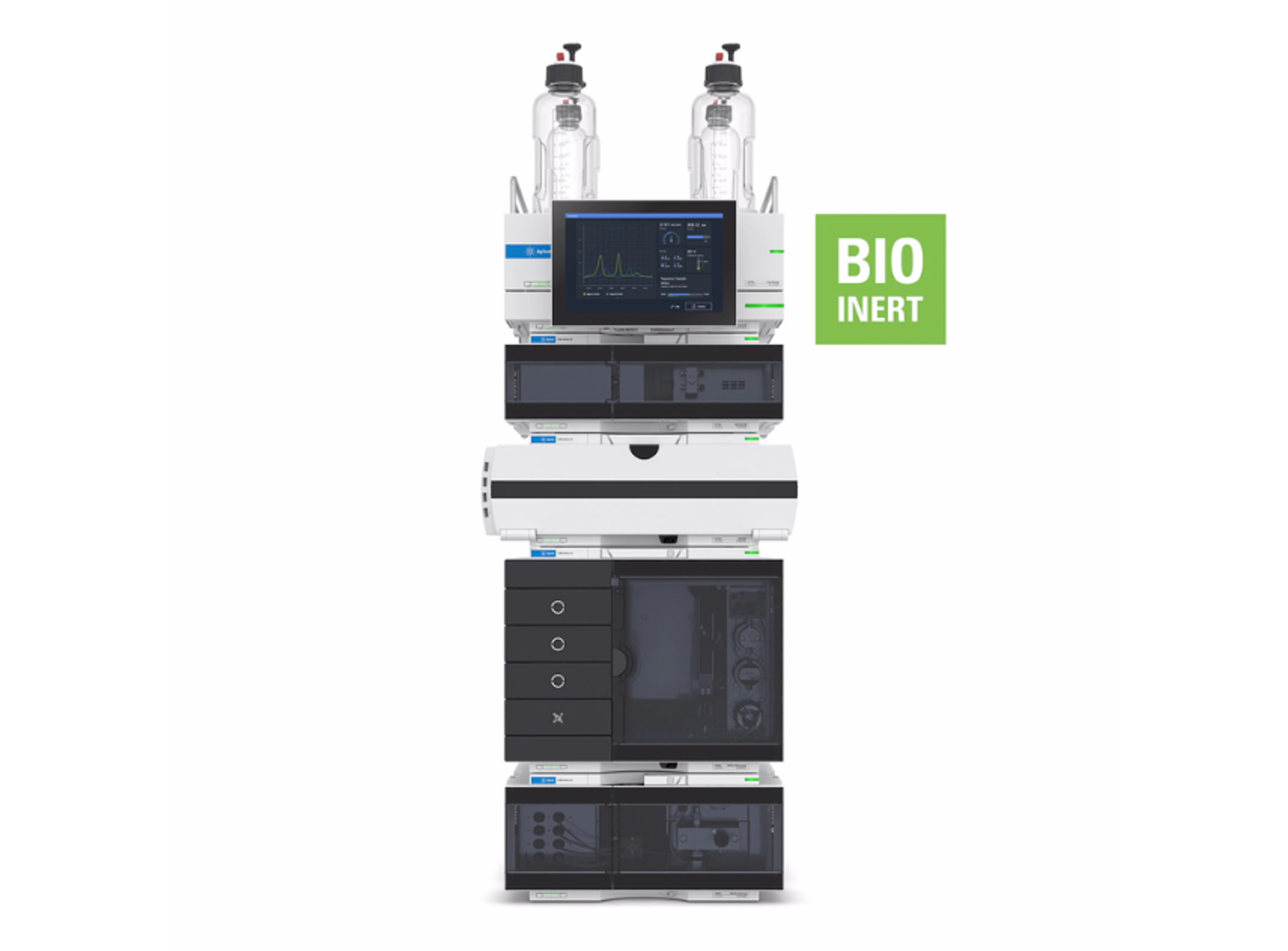
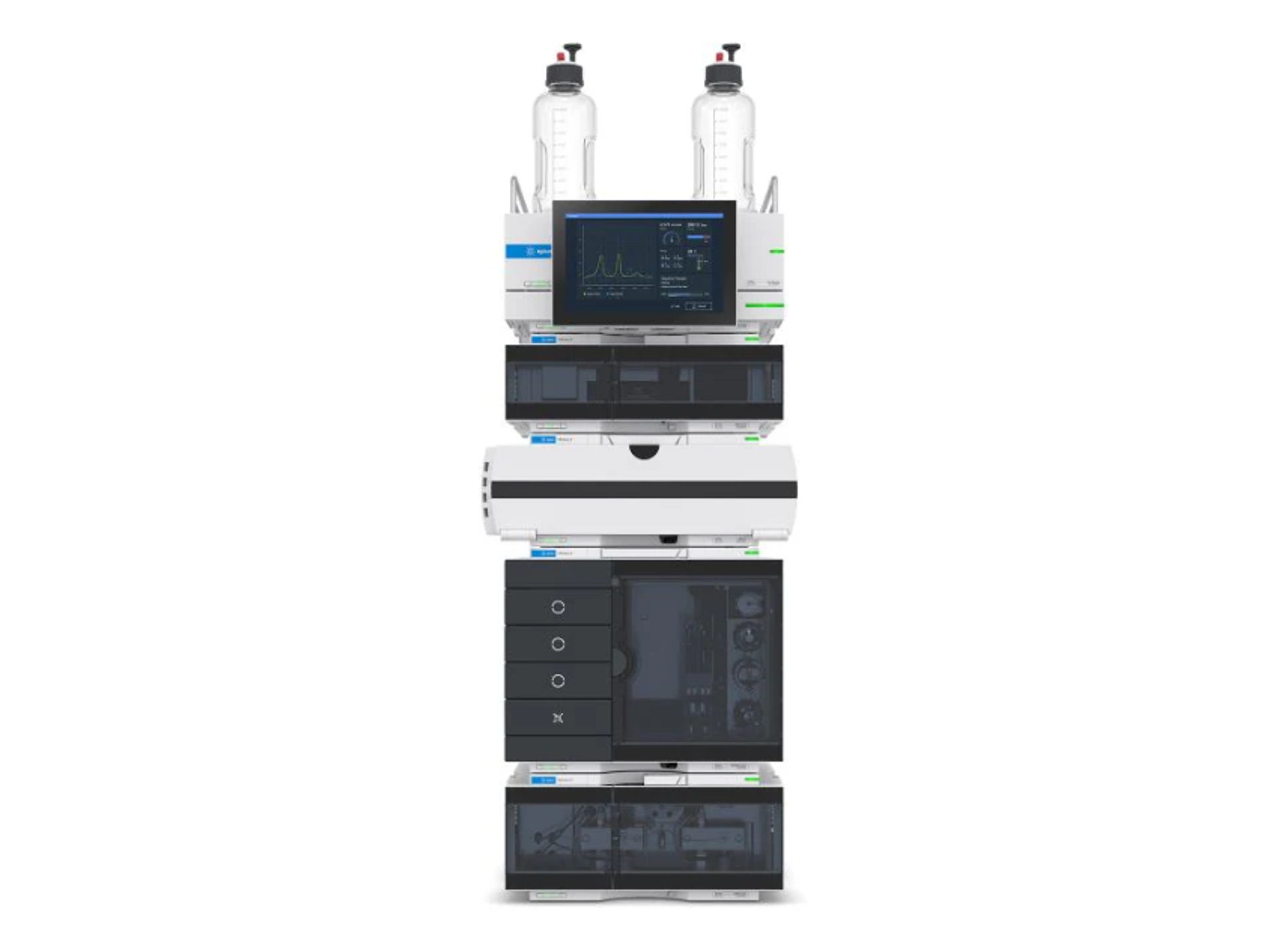
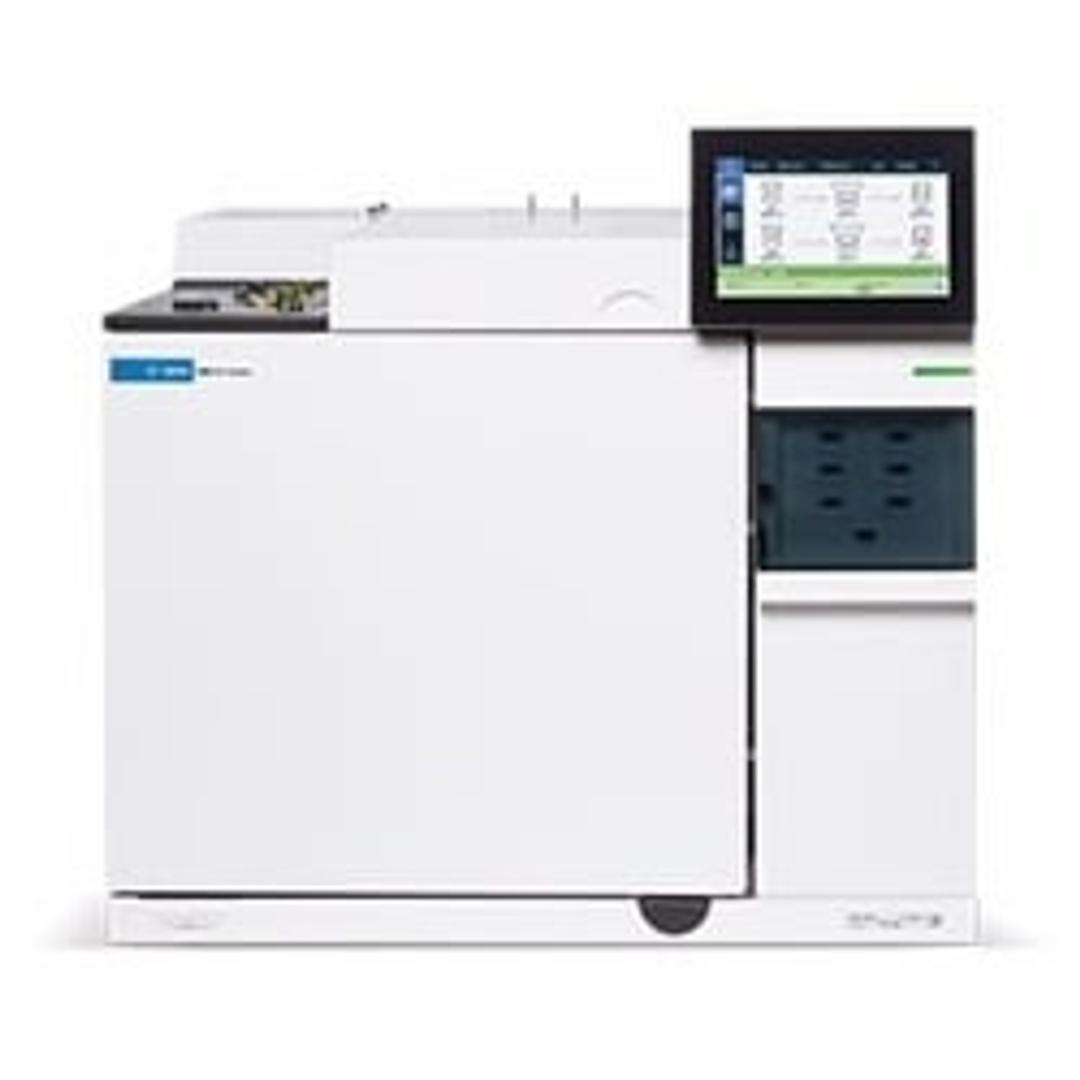
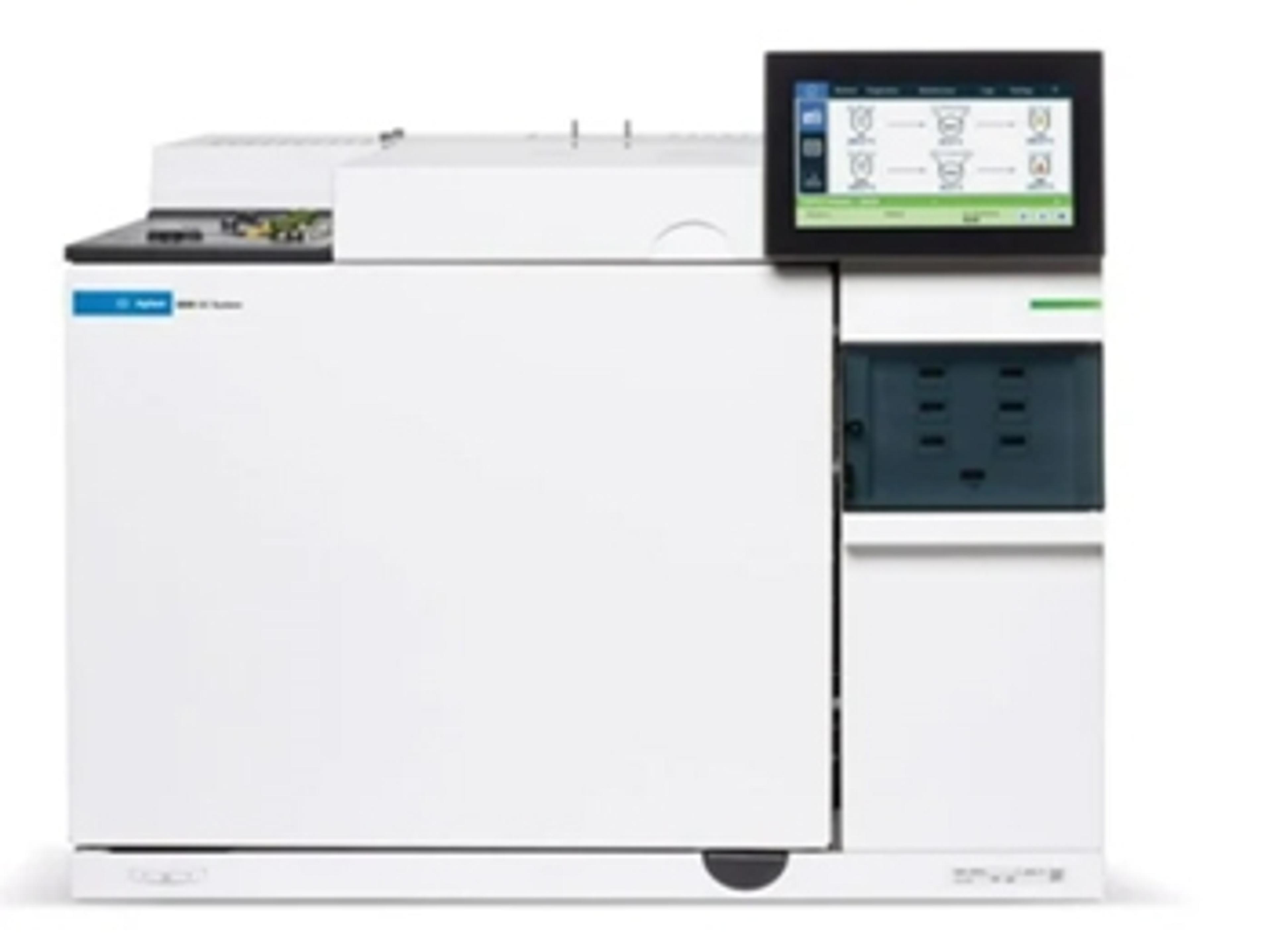
Agilent 8890 GC System
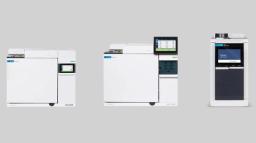
The 8890 Gas Chromatograph system meets specific analysis demands with speed, accuracy, and reliability. Built-in intelligence, 6th-generation electronic pneumatic control (EPC), and a unique browser interface that lets you monitor your system from home, office, or remote location increase productivity and uptime.



Receive your quote directly from the manufacturer.
Great GC for any lab
Gas Chromatogrphy
8890 is an upgrade from 7890. The GC is well made and not overengineered while there are improvements over the previous model. Any issues within the warranty period will be resolved. For any issues after that Agilent will gladly guide you to solve the problem.
Review Date: 30 Apr 2024 | Agilent Technologies
It's very accurate and you get better results. Es muy preciso y se obtienen mejores resultados
Determination of solvents in paint. Determinación de disolventes en pintura
The equipment is very intuitive, and easy to operate, you can schedule maintenance events and reminders. El equipo es muy intuitivo, y fácil de manejar, puedes programar eventos de mantenimiento y recordatorios.
Review Date: 27 Mar 2024 | Agilent Technologies
Excellent!!!
Solvents
Agilent services are best as far as equipment manufacturer's are concerned. The response time and resolutions is commendable.
Review Date: 19 Feb 2024 | Agilent Technologies
Sophisticated, User Friendly Hardware and software, Best in the Market.
Food, Water, Air & Gas and Water Samples Testing and Analysis
The GCs of Agilent Technologies are very sophisticated instruments. As a user of a range of GCs (7820A, 7890B, 8860, 8890) with detectors like FID, ECD, TCD, NPD, and MS, we are able to accomplish testing and analysis from ppb to % level with ease.
Review Date: 11 Dec 2023 | Agilent Technologies
Very sensitive and reproducible results
Pesticides and environmental contaminants
Relatively easy to use and integrate to regular workflow
Review Date: 18 Apr 2023 | Agilent Technologies
Great instrument and reliable results. This instrument is a major asset to our lab
Speciated TPH GCXGC
Our Agilent 8890 GCXGC with two columns has dramatically reduced sample prep and runs samples in half the time compared to our old system with a single column. It is very reliable, robust and user friendly. It has also more than doubled our throughput and capacity.
Review Date: 17 Mar 2023 | Agilent Technologies
Excellent equipment
analysis of residual solvents in pharmaceuticals
Using the equipment is very easy and has a wide range of applications.
Review Date: 11 Feb 2023 | Agilent Technologies
A state-of-the-art GC that delivers quality results and lasting value to your lab.
Flavor analysis
The Agilent 8890 is a robust, reliable, and user-oriented GC system, ideally suited for routine and experimental analysis. The touchscreen and software interface permits practical and flexible control of a variety of modes of operation, from a wide range of settings for inlet and column conditions, to detector parameters and data acquisition modes. Reliable and reproducible results are readily obtained, and the overall stability of the system results in reduced maintenance, and thus minimal off-line time. The Agilent MassHunter Software, included with all Agilent GC systems, enables fast, easy, customizable and flexible data analysis and interpretation, with advanced functionality such as dedicated peak deconvolution, unknown compound identification, and quantitative calibration (which includes automated quantitation using internal standard standards). The 8890 can be coupled to the 5977B quadrupole mass spectrometer, as well as a variety of other detectors (FID, FPD, NPD, TCD and ECD). Additional system modifications, such as the as 7650 Automatic Liquid Sampler, the 7697A Headspace Sampler, and the Multimode Inlet (with cryogenic functionality) equip the analyst with the ability to deal with different sample phases (liquids or solids) of different properties (e.g.: highly volatile or labile species). In terms of service and care, Agilent is attentive and timely in its response, and maintain good value for your investment.
Review Date: 13 Dec 2022 | Agilent Technologies
Great machine for analysis
Flavour analysis
Easy to use with good guidance within the system
Review Date: 27 Oct 2022 | Agilent Technologies
Reliable,
Medical research
Agilent machine are user friendly especially the manuals- you can easily follow them. You can even instruct some one who has never used it.
Review Date: 27 May 2022 | Agilent Technologies
The 8890 Gas Chromatograph (GC) System delivers fast and accurate results with flexible configuration capabilities to address specific analysis demands. When accurate results are critical and instrument uptime is a must, this intelligent, high-performance GC consistently exceeds expectations. Built-in intelligence and sixth-generation EPC enable autonomous diagnostics that check system health and alert you to potential issues and how to solve them. Step-by-step instructions for common maintenance procedures are presented on the touchscreen or remotely through the browser interface.
Features
- The browser interface provides remote connectivity enabling you to monitor your smart GC system, check system logs, and perform diagnostics tests, from inside or outside the laboratory
- The full-function touch screen gives a visual report of the system configuration letting you update the active method, perform maintenance routines, and check instrument status
- Built-in intelligence autonomously monitors the health of the system, alerts the user of potential issues before they affect chromatographic performance, and offers helpful step-by-step guides to resolve issues
- Unique sixth-generation microchannel-based EPC architecture provides a significant improvement in reliability and longevity against gas contaminants such as particulates, water, and oils, extending system uptime and the life of the instrument consumables
- Capillary Flow Technology (CFT) modules, which are oven mountable and very low thermal mass, provide unique gas flow connections for multidimension gas chromatography (GC x GC/Deans Switch), comprehensive two-dimensional gas chromatography (2D-GC) with flow modulation, and backflush at the beginning, middle, or end of an analytical column
- Single-filament TCD does not require a separate reference gas or manual potentiometer adjustment, yet provides a stable baseline with a minimal amount of signal drift commonly seen with valve switching
- Autoranging FID provides the ability to detect and quantitate from percent levels to parts per billion (ppb) in a single injection
- Compatible with all GC/MS platforms
- Sulfur or nitrogen chemiluminescence detector provides low ppb detection, equimolar response, and quantitation for sulfur or nitrogen contaminants without quenching from matrix
- Cost-saving advanced electronic pneumatic controllers such as Helium Conservation Module, Hydrogen Sensors, and Alternate Carrier Gas Solutions, dramatically reduce the amount of helium used offering flexibility, cost savings, and higher levels of safety
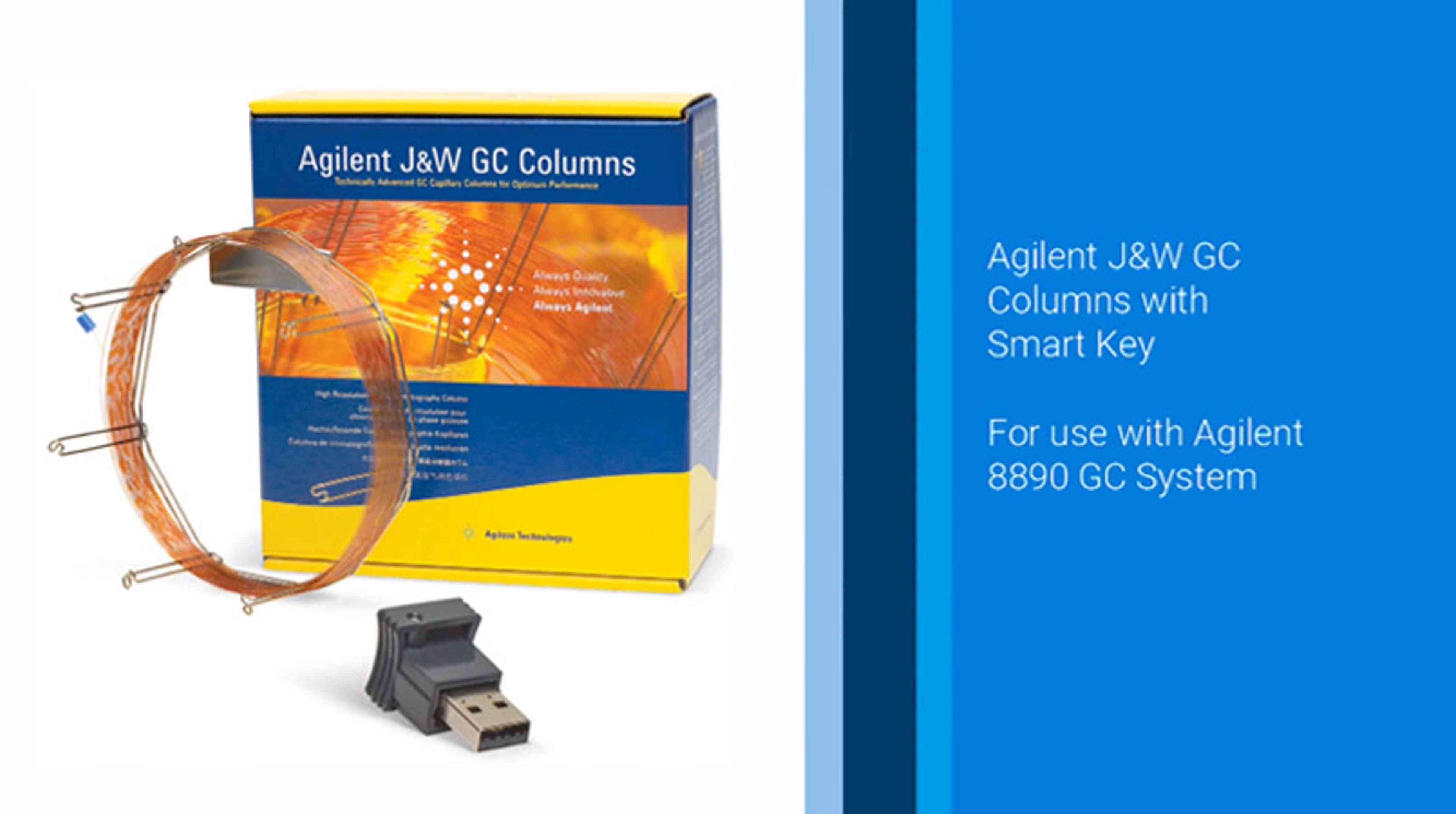
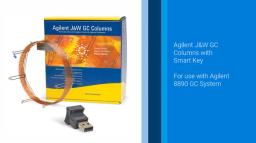
- Optional Smart Keys, included with GC columns, provide information such as column usage with default parameters for configuration that helps automate method setup
Brochures

Agilent EI GC/MS instrument helium to hydrogen carrier gas conversion
Historically, helium, an inert gas, is the preferred carrier gas for GC/MS. Recurring difficulties with the availability and price of helium have resulted in users considering changing to alternative carrier gases. For EI (Electron Impact) GC/MS, the only practical alternative is hydrogen. The purpose of this document is to help users of Agilent EI GC/MS systems determine if hydrogen can be used as a carrier gas for their analyses and what considerations and procedures are necessary to make the transition successful.
Intelligent and configurable: Meet your analytical needs today and tomorrow
In this product brochure, Agilent Technologies introduces the 8890 gas chromatography system. Download now to explore the benefits of this system, and how it can increase the productivity of your workflows.
Quantitating pesticides in black tea with steady performance and maximized uptime by GC/MS/MS
Tea is one of the most commonly consumed non-alcoholic beverages globally, and assessing pesticide levels in tea is essential for ensuring safe consumption, as required by many multinational regulatory bodies. Agilent Technologies presents a complete GC/TQ workflow solution for the accurate and reliable analysis of 246 volatile and semivolatile pesticides in black tea, with the Agilent 7010D GC/TQ. Discover how this workflow solution allows for quantitation of pesticide residues with LOQs as low as 0.01 ppb, yet also demonstrates calibration accuracy over a dynamic range, spanning up to five orders of magnitude over 0.01 to 1,000 ppb in the complex black tea extract.
Adding more confidence to sensitive quantitation in complex foods by triple quadrupole GC/MS (GC/TQ)
Concern about trace-level food contaminants is driving the demand for robust, rapid, and reliable methods for identification and quantitation of chemical residues and contaminants in food matrices. Agilent describes the use of the novel simultaneous dMRM/scan (dynamic multiple reaction monitoring/scan) data acquisition mode for reliable identification and quantitation of pesticides in challenging food matrices. Simultaneous dMRM/scan mode eliminates the need to reanalyze the sample in each data acquisition mode separately, enabling retrospective analysis, yet demonstrating comparable performance for quantitation to dMRM only mode. Explore an outline of this method using the Agilent 8890/7000E and 8890/7010C triple quadrupole GC/MS systems (GC/TQ), for spinach, walnut, and cayenne pepper extracts.
Optimized GC/MS analysis for PAHs in challenging matrices using the Agilent 5977 Series GC/MSD
Polycyclic aromatic hydrocarbons (PAHs) are toxic to aquatic life and are suspected human carcinogens. Discover how the Agilent 8890 GC combined with an Agilent 5977 Series MSD system provides a precise and robust means of analyzing PAHs in difficult matrices, using proper instrument configuration and operating conditions. Explore how mid-column backflushing, continuous hydrogen source cleaning (JetClean), and use of an alternative draw-out lens result in excellent linearity across a calibration range of 1 to 1,000 pg.
Hydrogen carrier gas for analyzing pesticides in pigmented foods with GC/MS/MS
Due to recurring helium shortages and increased prices experienced in recent years, there is an intensified demand for adapting the GC/MS analysis to hydrogen carrier gas. Agilent describes the key strategies for pesticide analysis with gas chromatography/triple quadrupole mass spectrometry (GC/TQ) using hydrogen as the carrier gas, while maintaining sensitivity to meet maximum residue limits (MRLs). Explore key strategies for column configuration, optimized injection conditions, and choice of mass spectrometer (MS) electron ionization (EI) source hardware developed for use with hydrogen carrier gas – the Agilent HydroInert source and the Agilent High Efficiency Source (HES).
EPA TO-15 analysis using hydrogen carrier gas and the Agilent HydroInert source
This application note shows how the use of a canister autosampler, an innovative trap-based water removal device, and thermal desorption-gas chromatography/mass spectrometry (TD) GC/MS together with hydrogen carrier gas and the Agilent HydroInert source, allow the analysis of a range of volatile "air toxics" from canisters at 100% relative humidity, in accordance with U.S. EPA method TO-15.
Optimized PAH analysis using triple quadrupole GC/MS with hydrogen carrier
In this application note, the Agilent 8890/7000D triple quadrupole GC/MS system with hydrogen carrier gas was used for the analysis of polycyclic aromatic hydrocarbons (PAHs).
Safeguard against helium uncertainty
Global helium shortages jeopardize the operations of labs that depend on gas chromatography. Hydrogen is a renewable, low-cost alternative, but because it’s not inert, hydrogen can sometimes cause reactions in certain analytes in the source. Here, Agilent Technologies presents the Agilent HydroInert source as a potential solution to this problem.
Agilent Inert Plus GC/MS system with HydroInert source
With increased price on the helium (He) market, laboratories are exploring the option of hydrogen (H2 ) carrier gas. Since hydrogen is a reactive gas, hydrogenation and dechlorination reactions can and do occur in the mass spectrometer electron ionization (EI) source. Here, Agilent Technologies presents a newly designed extractor source for the Agilent 5977B Inert Plus GC/MSD and Agilent 7000D/E Inert Plus triple quadrupole GC/MS systems and explains how it can address these hydrogen-related issues.
Volatile organic compounds analysis in drinking water with headspace GC/MSD using hydrogen carrier gas and HydroInert source
Recent concerns with the price and availability of helium have led laboratories to look for alternative carrier gases, such as hydrogen, for their GC/MS methods. Agilent Technologies explains how HydroInert, a new EI source for GC/MS and GC/MS/MS, was developed, and optimized for use with hydrogen carrier gas, and describes how the system can be used to analyze volatile organic compounds (VOCs) in drinking water.
A fast and robust GC/MS/MS analysis of 203 pesticides in 10 minutes in spinach
Agilent describes two approaches for achieving robust, multiresidue pesticide analysis in 10 minutes by GC/MS/MS, while maintaining sufficient chromatographic resolution for the analysis of over 200 pesticides in spinach; a challenging high chlorophyll, fresh matrix. Results demonstrate that excellent linearity, over a calibration dynamic range of 0.1 to 1,000 ppb or 0.5 to 1,000 ppb, was achieved with the Agilent 7010C and 7000 series triple quadrupole GC/MS systems. Method robustness was shown with 700 consecutive injections of spinach extract spiked with pesticides at 20 ppb, that spanned over 175 hours of continuous running of the GC/TQ.
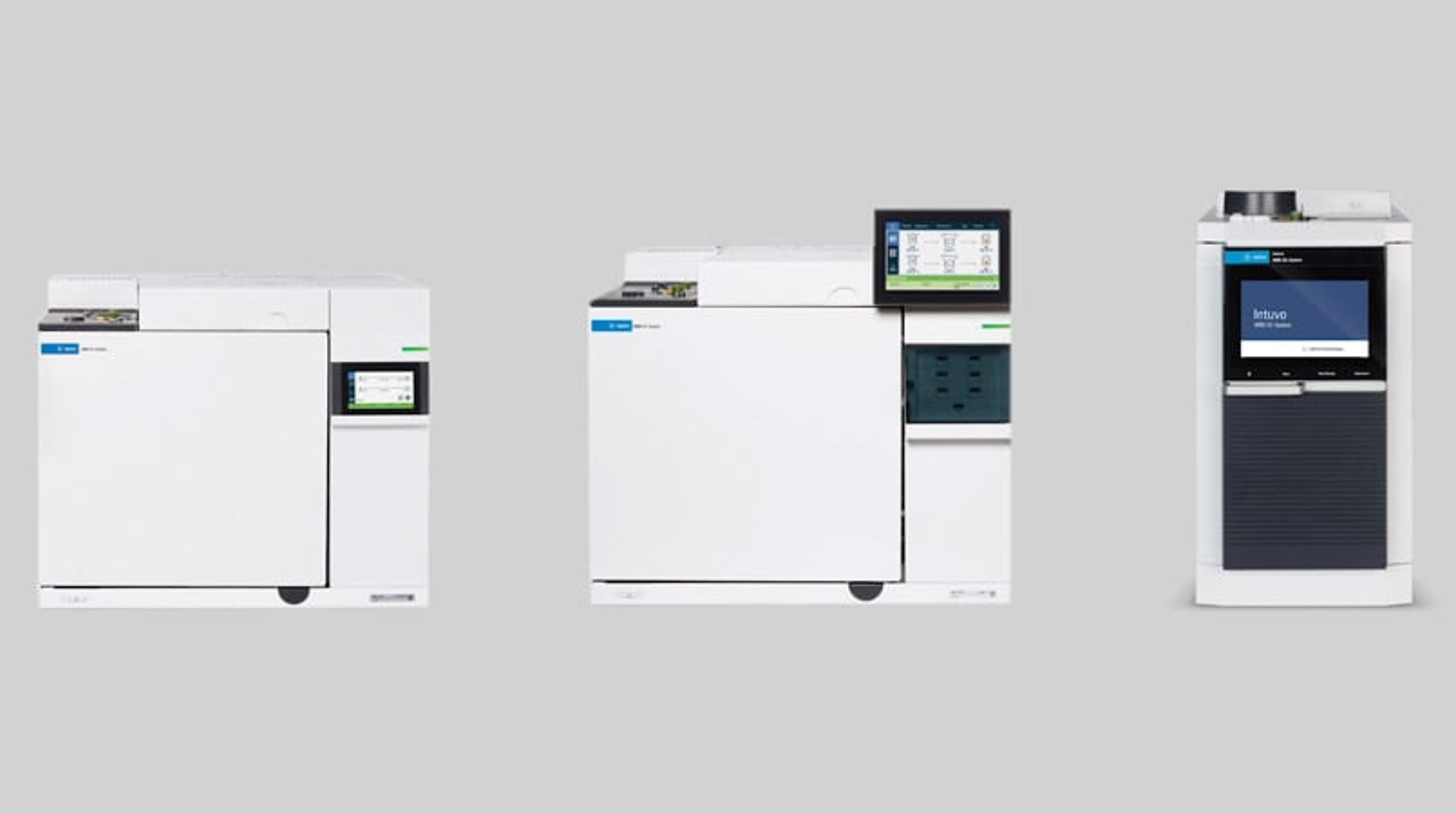
Agilent's portfolio of intelligent GC systems
Wondering how to increase productivity in your lab? In this short video, Agilent Technologies introduces its portfolio of intelligent GC systems. Watch to discover how these smart, connected suite of solutions are designed to save time in the lab, today, and into the future.
GC column installation made easier
In this video, Agilent Technologies discusses GC column installation and introduces the tools available which make this routine procedure truly routine. Watch to discover tips on supply selection, insights into the assembly process, and find out how to overcome the challenges of GC column installation.
Reduce downtime with Agilent GC column smart key
With the Agilent 8890 GC system, it is now possible to automatically capture information on your GC column's health by using the Smart Key, included with your Agilent J&W GC column. In this video, Agilent Technologies demonstrates the benefits of the Smart Key, and how to use it with your 8890 GC system.
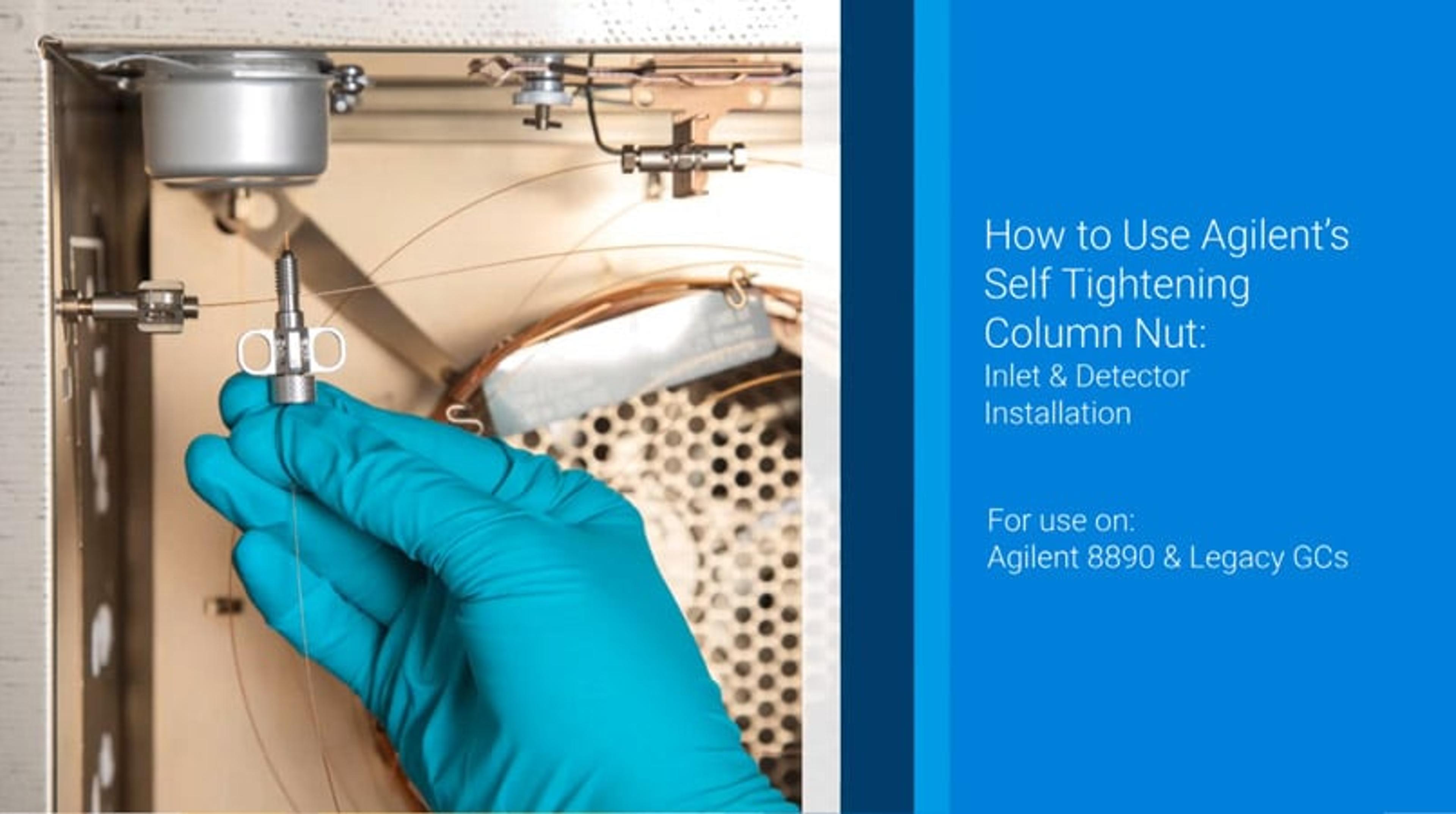
How to use Agilent’s self tightening column nut: Inlet and detector installation
Column installation can be a tedious and time consuming task. That’s why Agilent Technologies has launched the next generation of self tightening column nuts, to get your instrument up and running with less hassle and less time. In this video, Agilent reviews how to install these new column nuts into your split/splitless inlet.
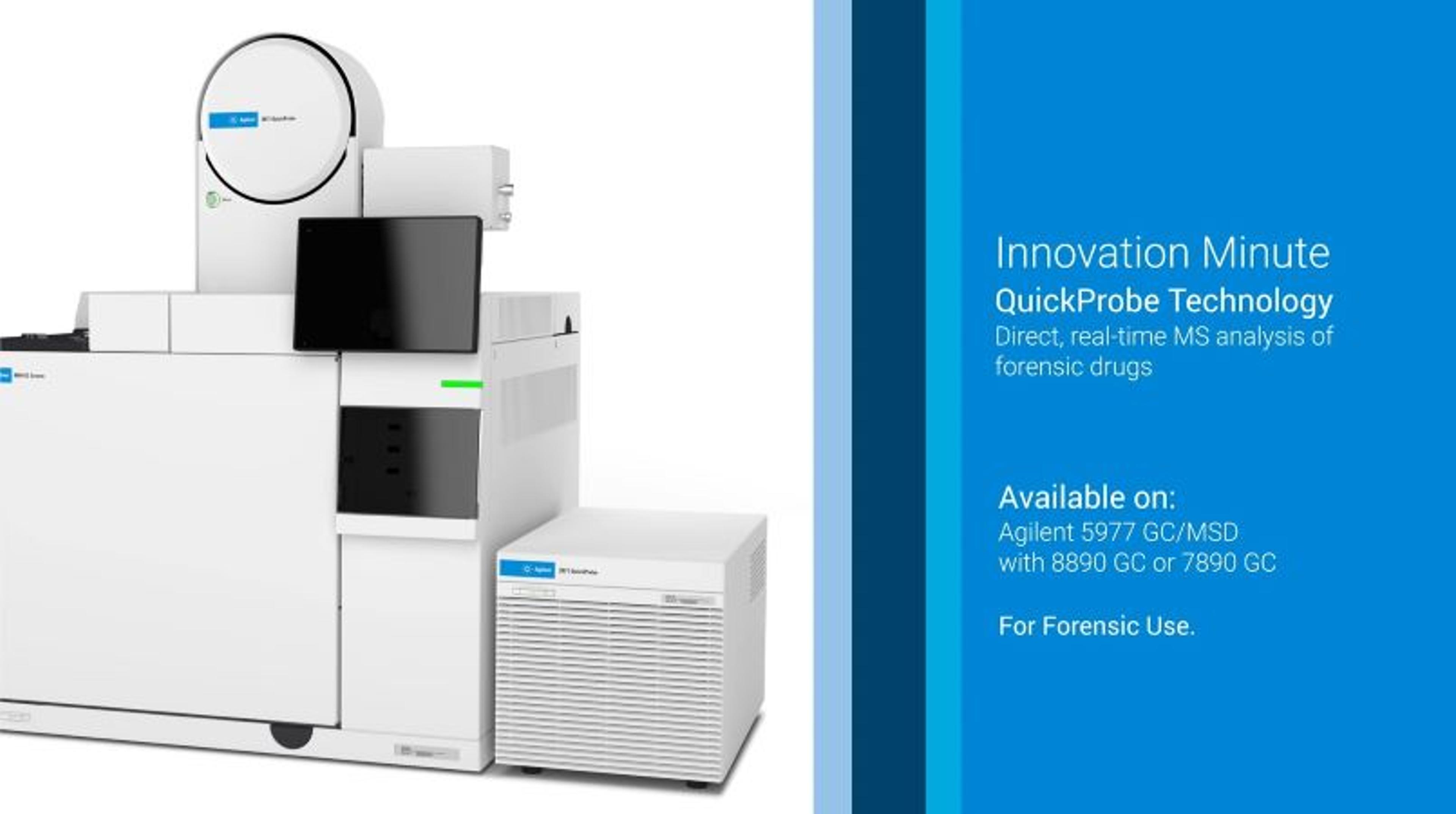
Innovation Minute: QuickProbe technology
This video illustrates how QuickProbe and MS can identify compounds in a mixture, without sample preparation, in under a minute. QucikProbe contains Agilent's new sample introduction technology that is designed to provide rapid heating in the inlet coupled to a short separation column.

Agilent presents its integrated mass spectrometry and chromatography solutions at ASMS 2026
New instruments, software, and workflows aim to simplify complex analysis and improve data confidence across multiple application areas
Have you visited our new gas chromatography content hub?
Delve into our new content hub, highlighting an integrated, intuitive and intelligent gas chromatography portfolio

Simplify life in the lab with the new 8697 Headspace Sampler
Watch this on-demand webinar to find out how you can streamline residual solvent analysis according to USP

Climbing the peaks of GC intelligence: Discover the smart new features in Agilent GCs
Watch this on-demand webinar to learn more about the new features available and how they could change the way you work

Cannabis testing - pesticides, topicals, simple standards and more
Keep up to date with the latest techniques and technologies driving cannabis research into 2021

Don't miss out on these 6 new expert webinars
Explore topics from in vitro diagnostics and advances in COVID-19 sample prep to neonatal hypocalcemia and cytotoxicity assay development

Top tools and new techniques to ensure food quality and fight fraud
Discover the latest advances in food quality testing and authenticity determination

A total workflow for multi-class, multi-residue analysis of pesticides in fatty food matrices: Your questions answered
Watch this on-demand webinar to learn strategies for sample preparation, instrument method development and optimization, plus workflow applicability to their practical applications