2026 Scientists’ Choice Awards: Analytical Science winners announced
Recognizing the most impactful technologies and content in analytical science, as voted for by scientists worldwide
3 Jun 2026The world’s most innovative and effective technologies advancing laboratory workflows in analytical science have been recognized in the latest release of the 2026 Scientists’ Choice Awards®.
Each year, SelectScience invites its scientist readers and members from around the globe to participate by nominating, reviewing, and voting for the lab products that have had the greatest impact on their work.
Your chosen winners
Best New Analytical Science Product of 2025
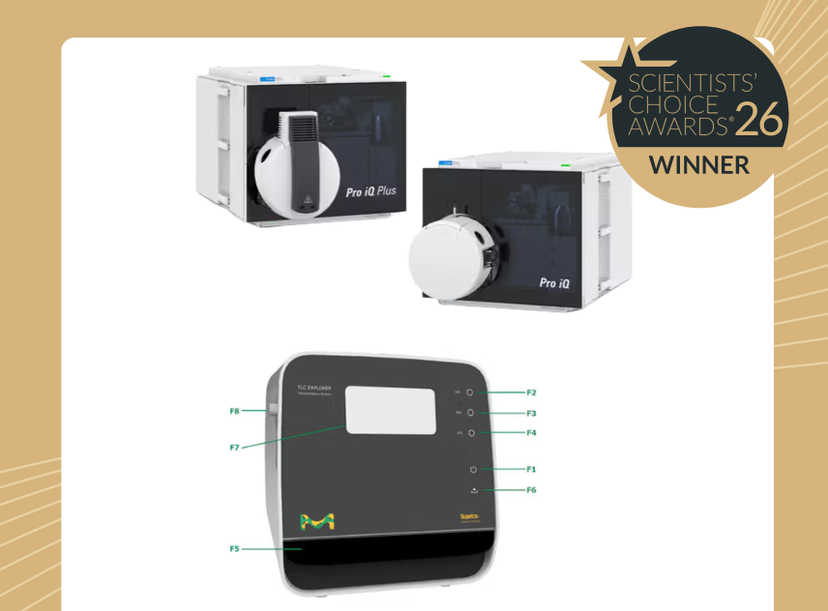
Joint winners of the Best New Analytical Science Product of 2026: The InfinityLab Pro iQ Series Mass Detector by Agilent Technologies and the TLC Explorer by Merck.
This year's award for Best New Analytical Science Product of 2025, voted for by scientists around the world, was a tie, and is jointly awarded to two products: The InfinityLab Pro iQ Series Mass Detector by Agilent Technologies and the TLC Explorer by Merck.
The TLC Explorer is a digitalized solution for thin-layer chromatography (TLC), that enhances the efficiency and accuracy of quantitative analysis for more consistent and easily shareable data interpretation. The system enables precise TLC imaging, streamlined workflows, and offers a number of user-friendly features for easy operation.
The InfinityLab Pro iQ Series Mass Detector is a next-generation, small-footprint mass detector for LC. The detector integrates with Agilent Infinity III LC separation and Agilent OpenLab CDS to help labs manage diverse analytical needs with confidence.
On receiving the award, Shane Tichy, Associate Vice President, LC/MS R&D, Agilent, shared: “We’re honored to receive the SelectScience Award for the Pro iQ LC/MS detector, an achievement that highlights Agilent’s leadership in analytical innovation. This recognition reflects our commitment to customers, redefining performance through superior sensitivity, exceptional reliability, and ease of use, all within a sustainable footprint. Agilent remains dedicated to delivering cutting-edge solutions that accelerate progress and unlock new possibilities in science.”
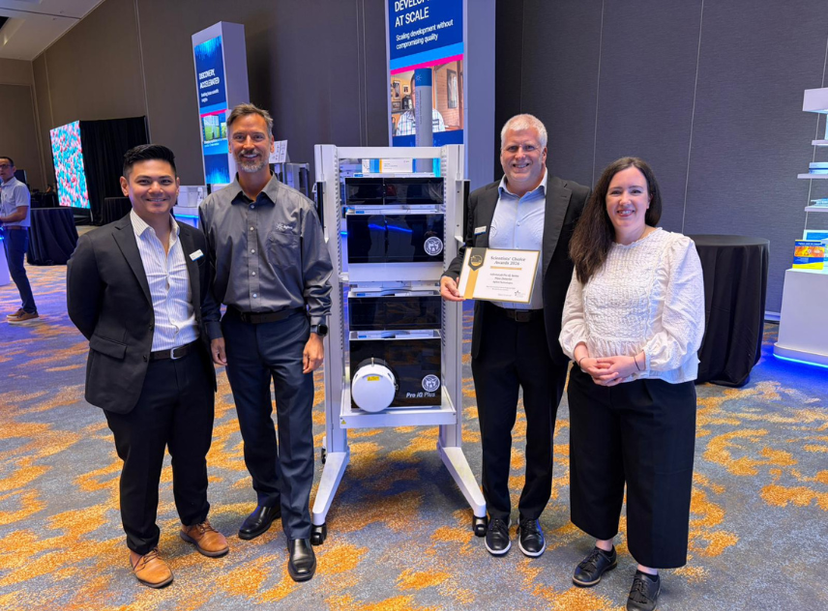
SelectScience Editorial Director Dr. Lois Manton-O'Byrne presents Agilent Technologies with the award for Best New Analytical Science Product of 2025 at ASMS 2026
The runners up for this category include:
- timsOmni™ by Bruker Daltonics
- Evosep Eno™ by Evosep
- i-Raman NxG Systems by Metrohm AG
- QSight® 500 LC/MS/MS System by PerkinElmer
- ZenoTOF 8600 system by SCIEX
- LCMS-8065XE by Shimadzu Corporation
- Thermo Scientific™ Orbitrap™ Astral™ Zoom Mass Spectrometer by Thermo Fisher Scientific
- Xevo TQ Absolute XR Triple Quadrupole Mass Spectrometer by Waters Corporation
Article of the Year
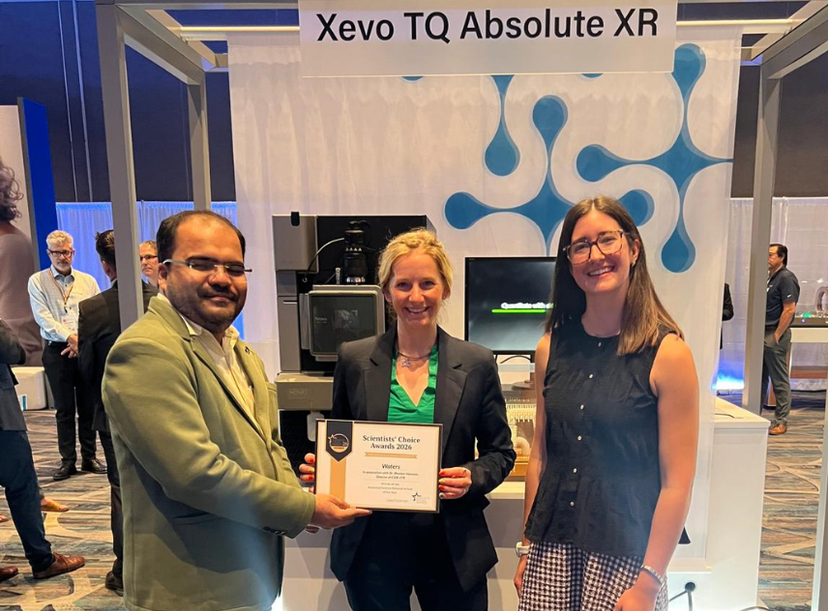
Waters accepts the award for Analytical Science Editorial Article of the Year at ASMS 2026, presented by Olivia Long, SelectScience
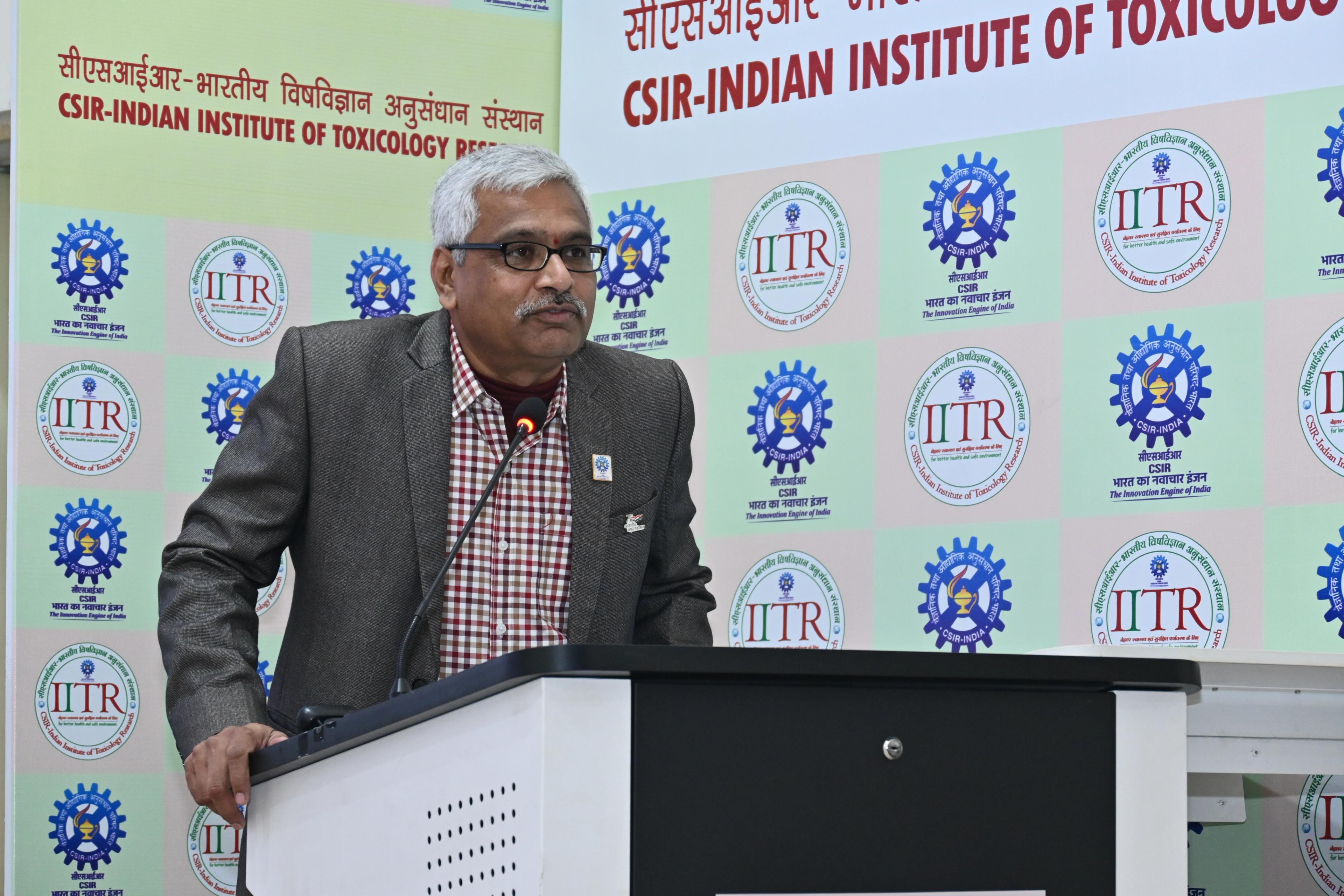
The winning article is titled 'CSIR-IITR leads India’s national PFAS monitoring push' and features technology from Waters.
In the Analytical Science Article of the Year, Dr. Bhaskar Narayan, Director of CSIR-IITR, shares how CSIR-IITR is leading the charge in India, developing PFAS detection methods using Waters’ advanced technologies. Learn about the company's goal to build a nationwide dataset that can serve as scientific evidence for regulators and policymakers.
Video of the Year
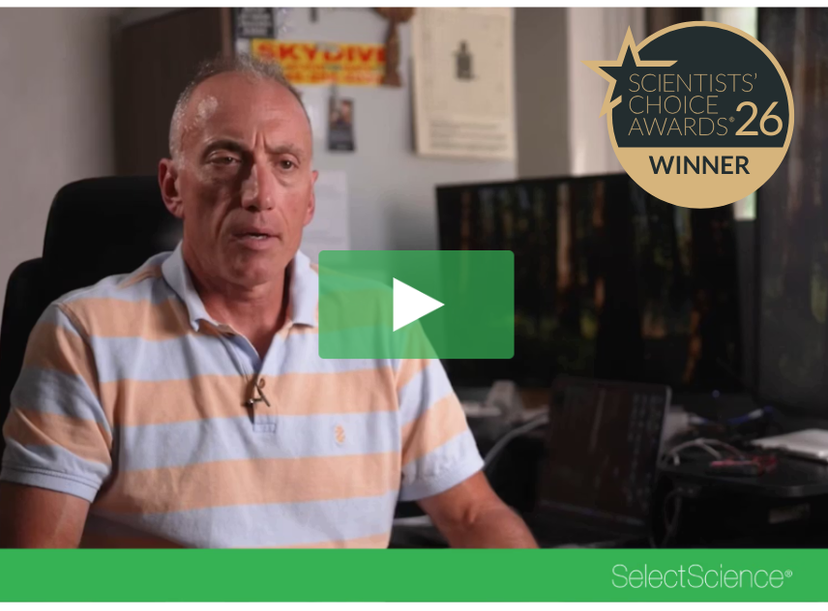
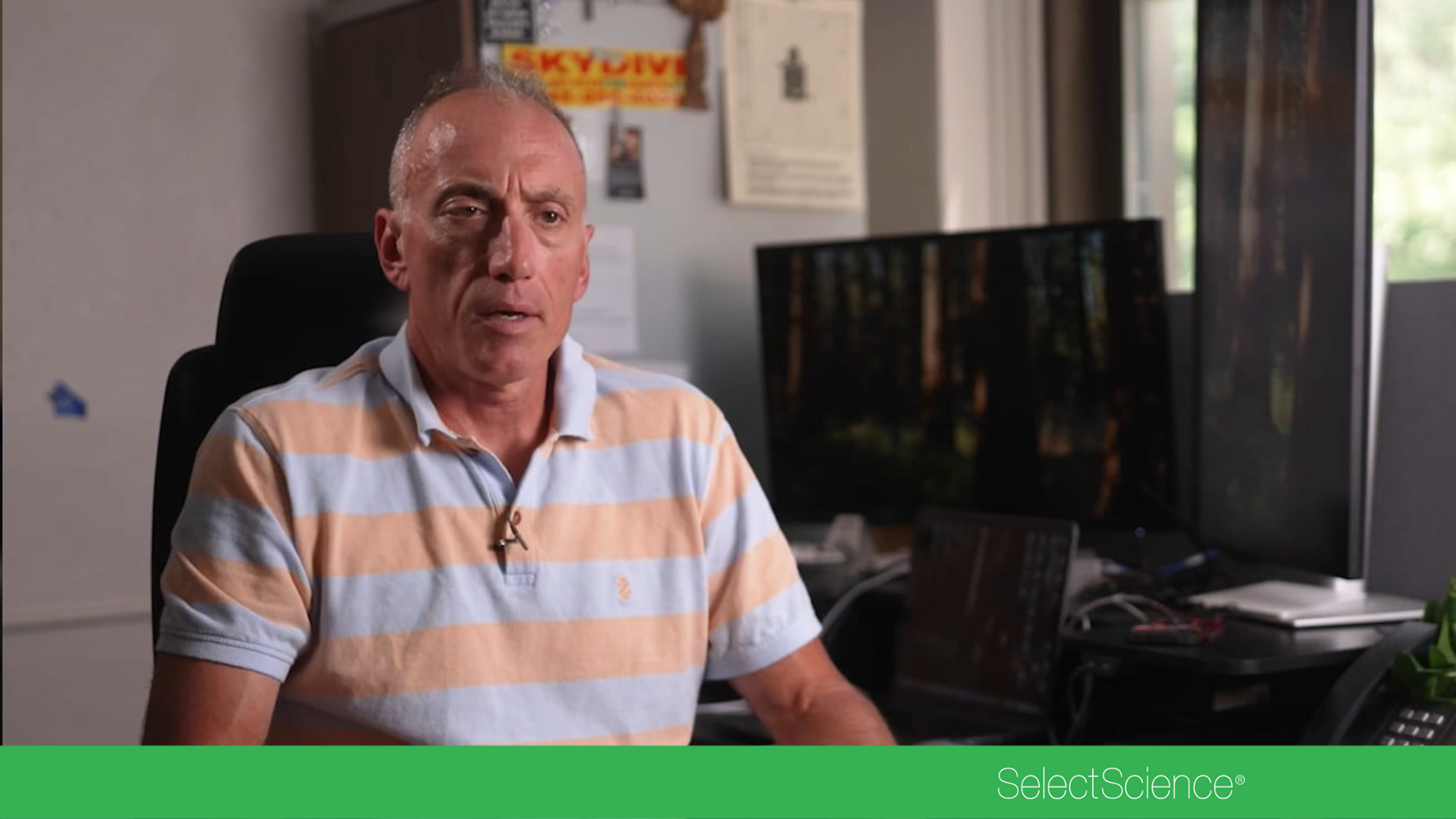
This year’s Analytical Science Video of the Year is awarded to Dr. Tom Spudich, Professor of Analytical Chemistry. The SelectScience interview, sponsored by Shimadzu Corporation, explores how advanced tools like UV-Vis spectroscopy, GC-MS, FTIR with ATR, and ICP-OES are transforming forensic science workflows.
Watch the interview to learn how these methods are instrumental in diverse applications, from preserving historic documents through elemental analysis to detecting beverage adulterants like 1,4-butanediol.
Webinar of the Year
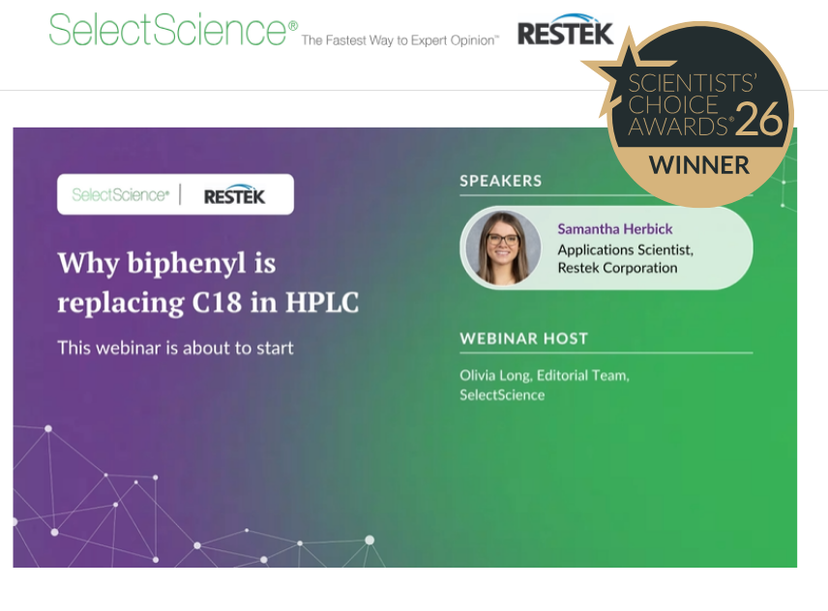
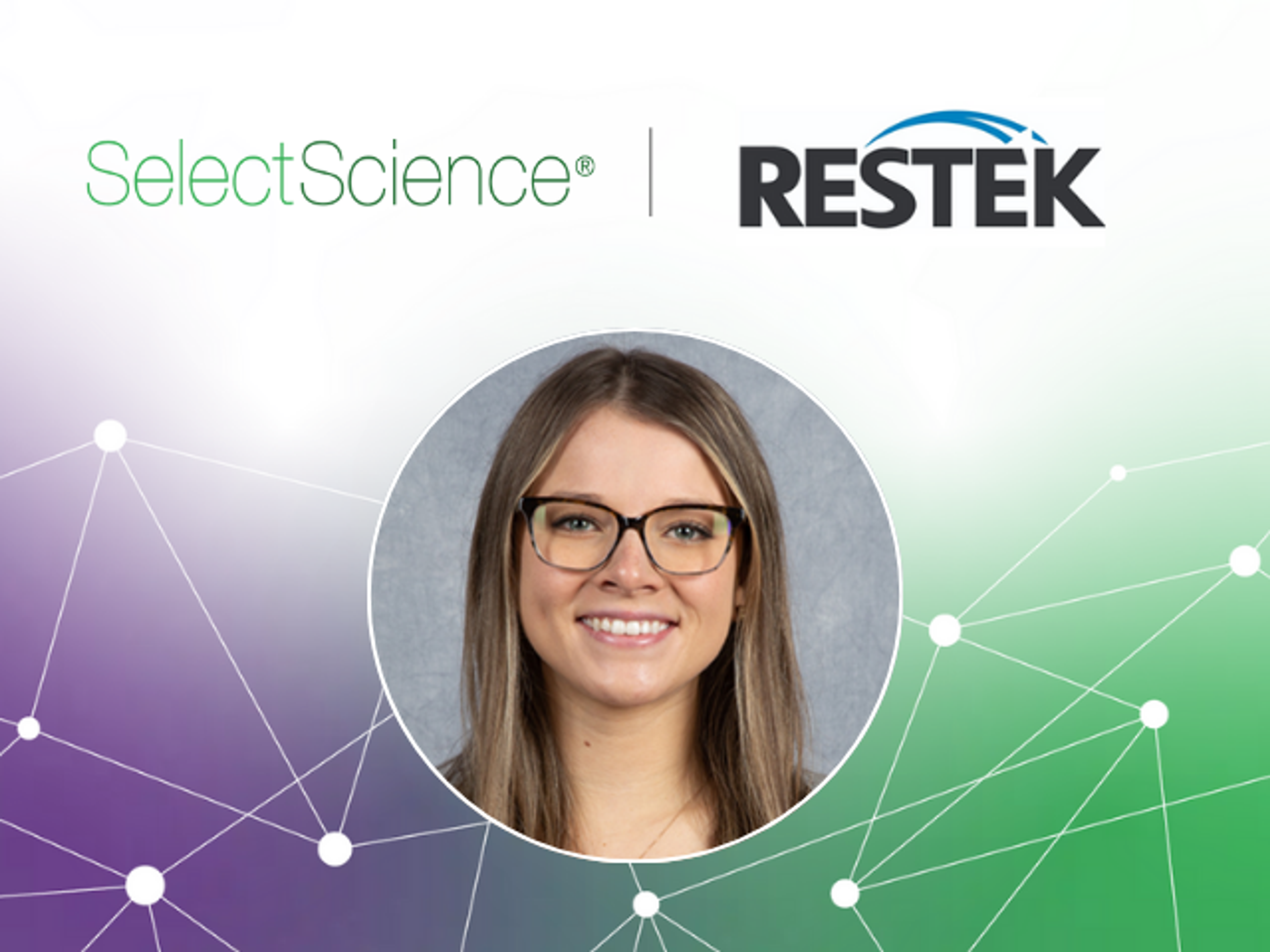
Why biphenyl is replacing C18 in HPLC takes home the award for Analytical Science Webinar of the Year.
This webinar, presented by Samantha Herbick, Application Scientist, Restek Corp., introduces a fresh perspective on what is often considered a 'generic' choice. The session explores the retention profiles of various C18 columns, highlighting that not all C18 phases are created equal, and examines the structural modifications permitted within the USP L1 classification.
eBook of the Year
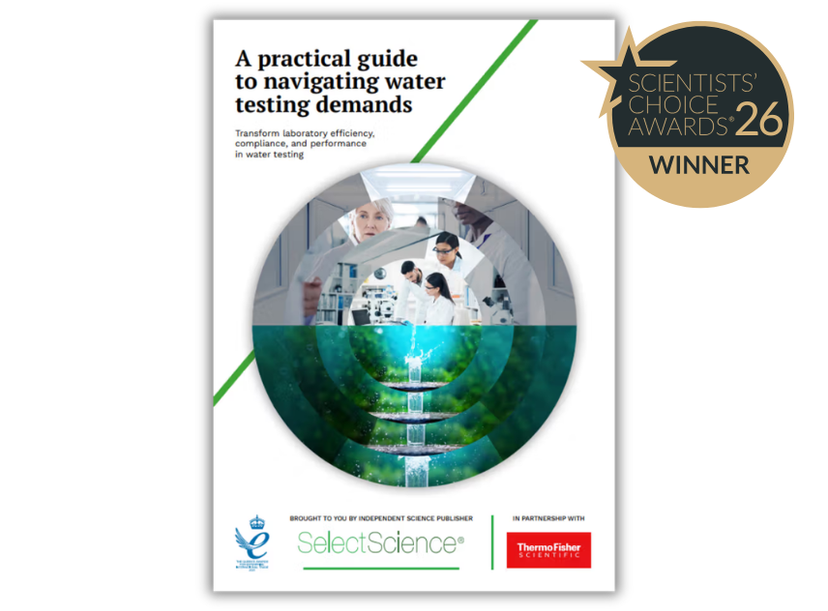
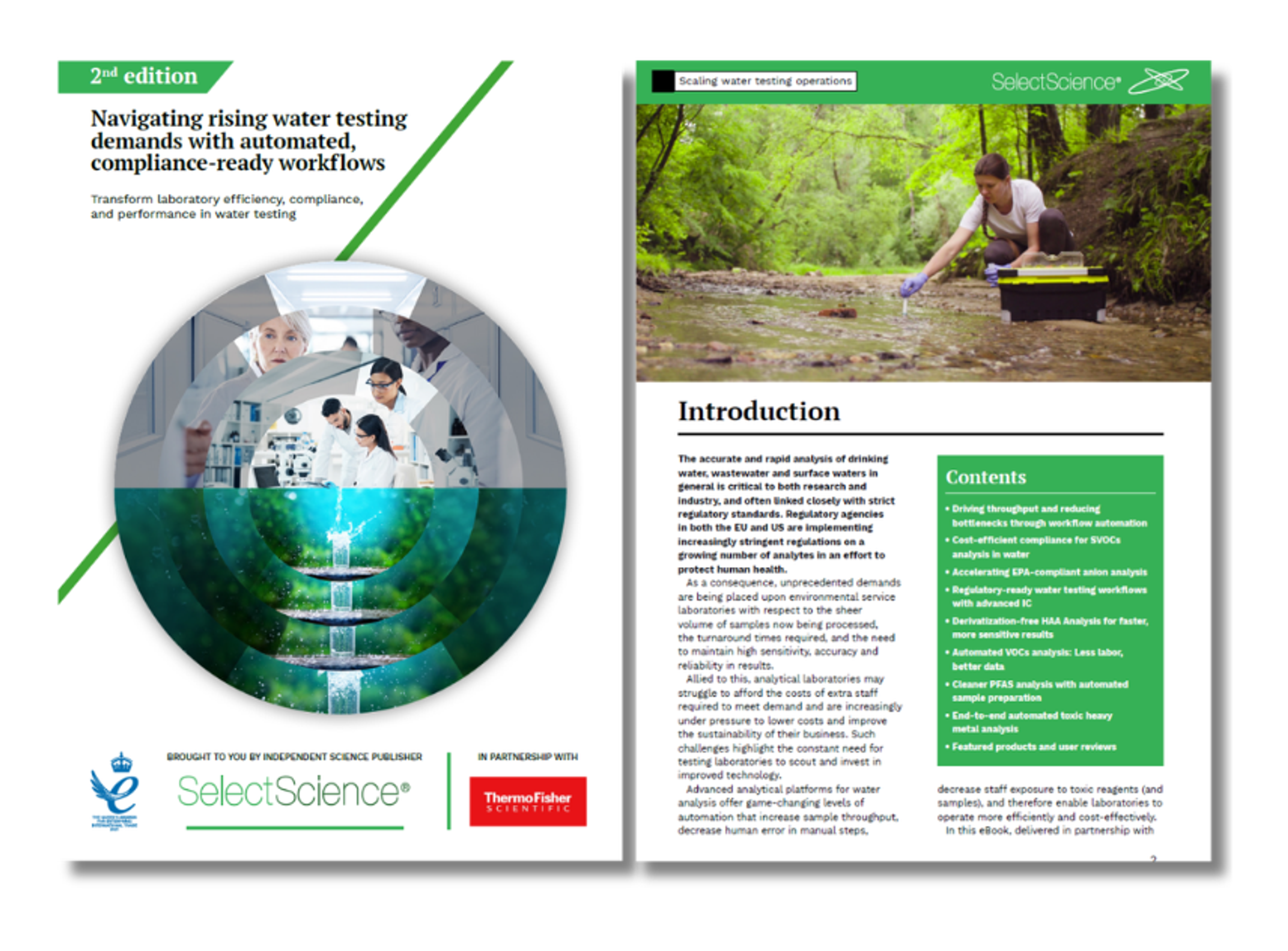
The SelectScience eBook, titled 'A practical guide to navigating water testing demands', has been awarded the Scientists’ Choice Award for Analytical Science eBook of the Year, for 2025.
This eBook, created in partnership with Thermo Fisher Scientific, explores how cutting-edge analytical platforms are revolutionizing water analysis. Discover how to improve lab efficiency, reduce costs, and maintain data integrity, even as regulatory pressure increases.
Celebrating innovation together
Thank you to our global scientific community for nominating, reviewing, and voting in this year’s Scientists’ Choice Awards. Your engagement continues to drive innovation in analytical science, and we look forward to celebrating even more breakthrough technologies, inspiring content, and impactful scientific achievements in the year ahead.
Want to discover more category winners or nominate future contenders? Explore the full awards program here >>
Related products
Request Quote for All Products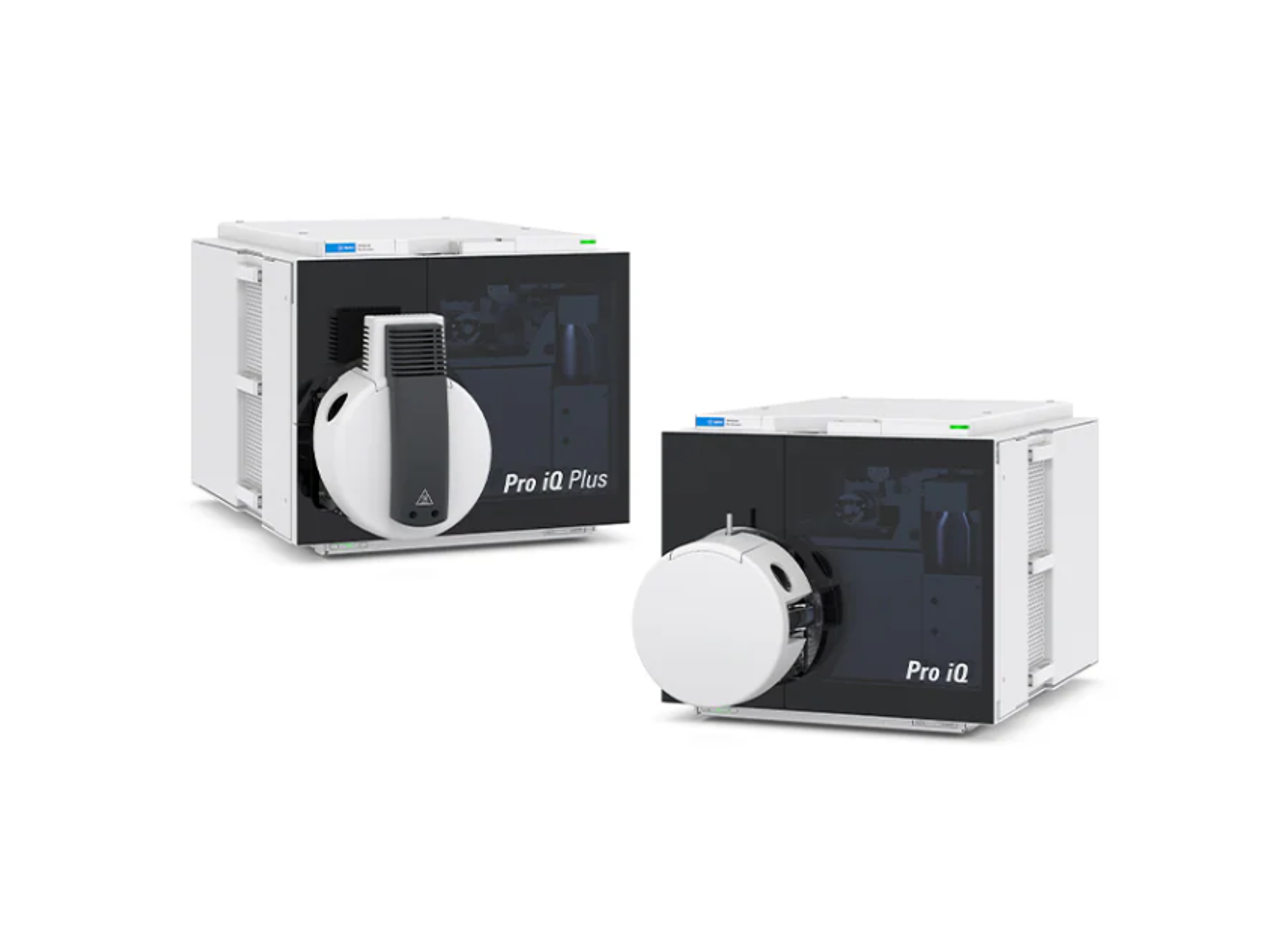
InfinityLab Pro iQ Series Mass Detector
Agilent TechnologiesThe InfinityLab Pro iQ is a next-generation, small-footprint mass detector for LC
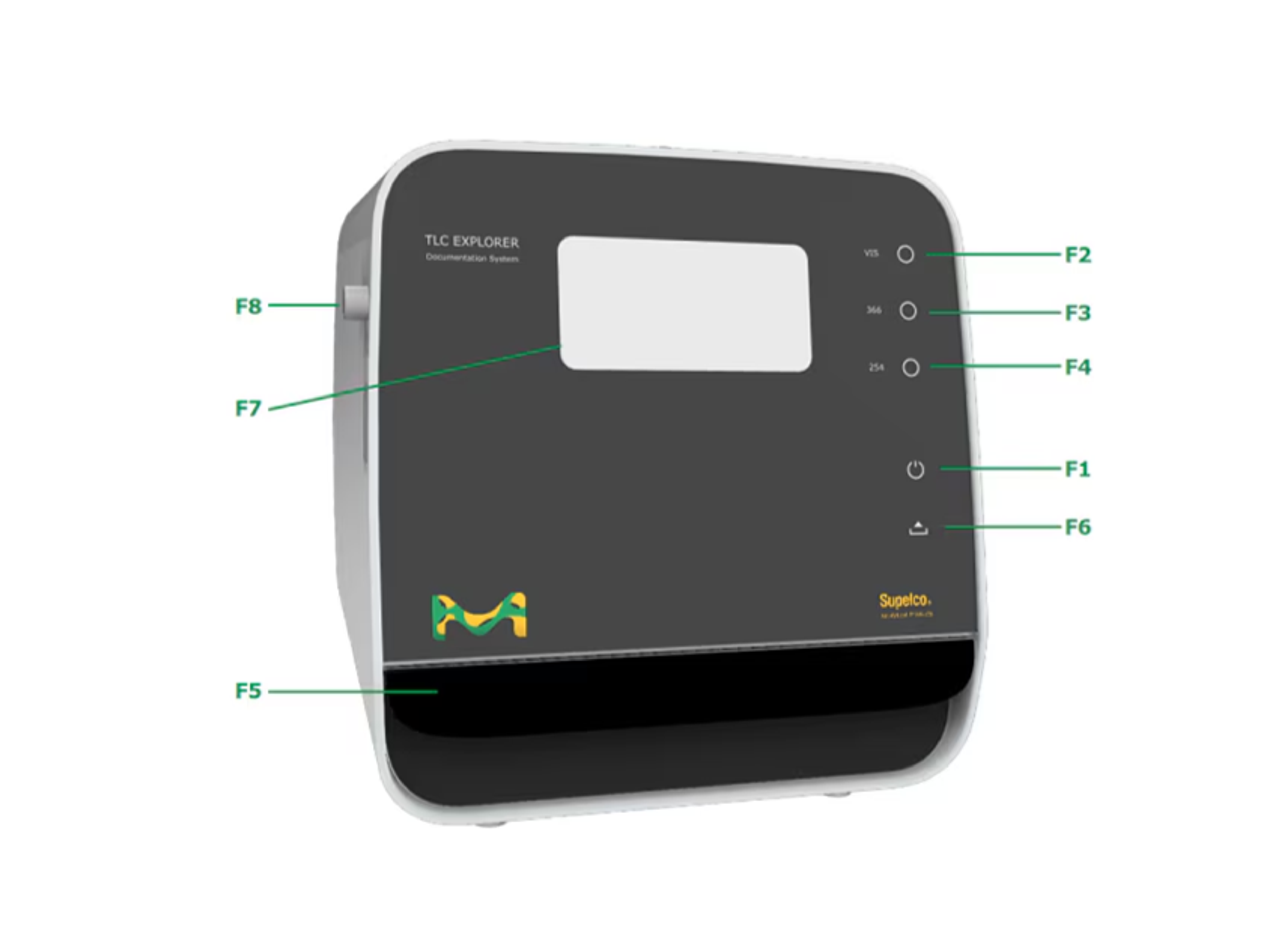
TLC Explorer
MerckDigitalized solution to enhance the efficiency and accuracy of quantitative analysis for more consistent and easily shareable data interpretation