Application NoteFood and Beverage
Search results for "minichiller"
Results per page
25
10000 Results Found | Selected Filters:


Product NewsLife Sciences
Countable Labs launches Certified Service Provider program to expand global access to Countable PCR system
Countable Certified Service Providers are certified by Countable Labs for demonstrated expertise using Countable PCR technology to support studies of all sizes

Industry NewsDrug Discovery & Development
WuXi Biologics recognized by BioPharma APAC for leading sustainable biopharma practices in 2026
The 2026 list highlights the pharmaceutical companies, biotechnology firms and CRDMOs are advancing decarbonization, green manufacturing and sustainable operations


Editorial ArticleDrug Discovery & Development
Signals Synergy breaks down sponsor-CRO data silos
As sponsor–CRO collaborations become even more central to drug discovery, fragmented data and manual processes continue to slow progress – but more structured, connected workflows are beginning to reshape how teams share and act on information


How to Buy eBooksLife Sciences
How to Buy Cell Imaging Technology
Cell imaging plays a vital role in the analysis of cellular systems, offering valuable insights into various aspects of cell health, behavior, and structure. It enables researchers to understand fundamental cellular processes, monitor changes in response to treatments, investigate structural alterations, and gather data on both individual cells and populations.

SelectScience InterviewsClinical Diagnostics
How genomics, AI, and quality are shaping the future of healthcare

Industry NewsDrug Discovery & Development
Thermo Fisher Scientific collaborates to advance proteomics-enabled Parkinson’s precision medicine
Thermo Fisher Scientific and The Michael J. Fox Foundation expand the Parkinson’s Precision Medicine Initiative (PPMI) proteomic data resource

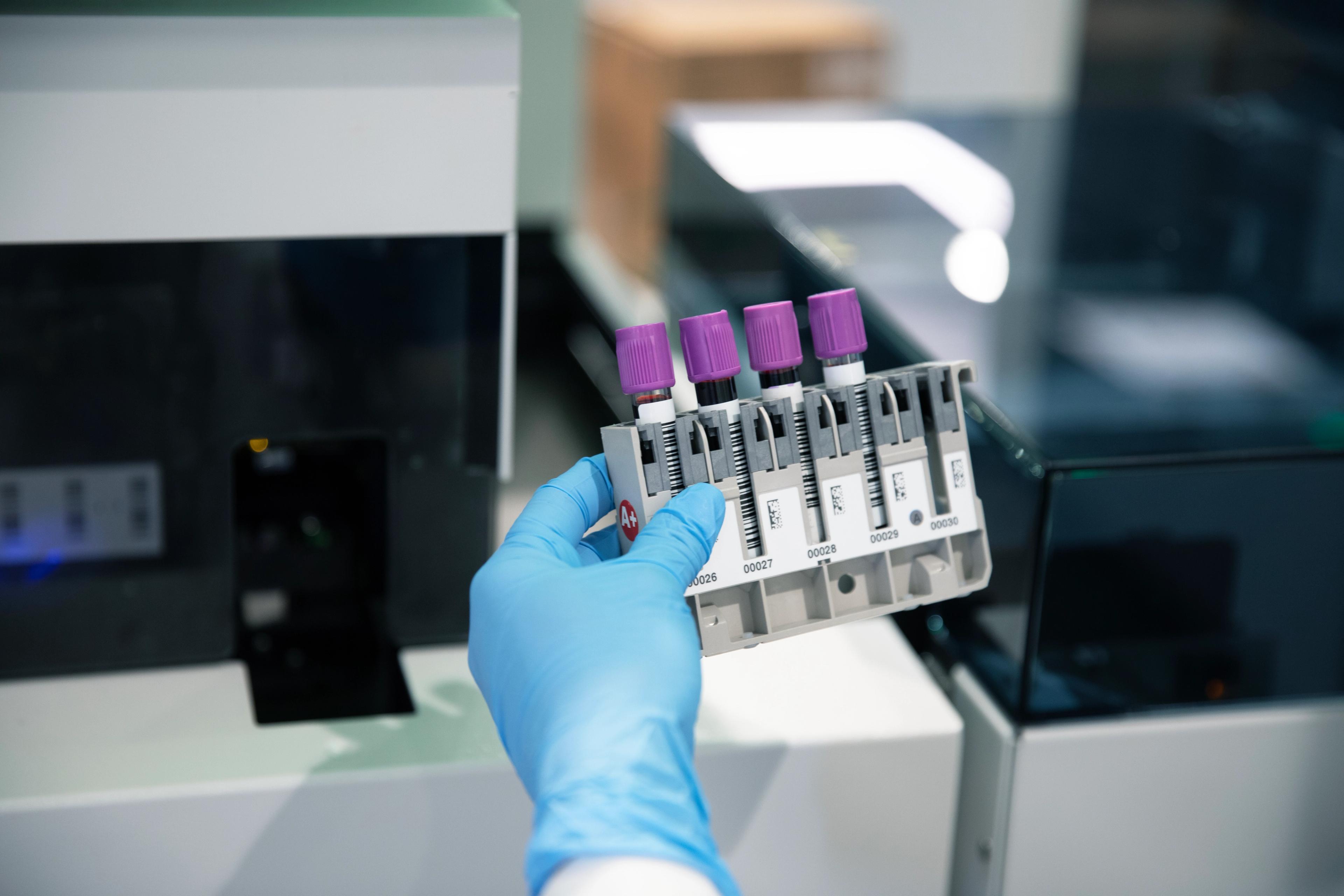
Expert InsightsClinical Diagnostics
The clinical value of mean platelet volume (MPV) in hematology
In this guest editorial, Dr. Elena Sukhacheva, Director of Medical & Scientific Affairs, Beckman Coulter, explores how MPV helps laboratories deliver accurate diagnoses efficiently and maintain consistent, high-quality patient care

Product NewsLife Sciences
SynGenSys introduces expanded CHO.SET synthetic promoter library for enhanced biomanufacturing
CHO.SET® 2.0 library of synthetic promoters provide tuneable expression of transgenes whilst maximizing CHO cell productivity

Editorial ArticleLife Sciences
Cambridge spinout reveals overlooked PFAS gut microbiome link
Cambiotics’ co-founder Dr. Anna Lindell traces how PFAS move through the gut, and how microbes are fighting back

Product NewsLife Sciences
Slingshot Bio launches ViaComp Ultra XT to accelerate flow cytometry workflows
Single-vial cell mimic scatters and fluoresces with unmatched accuracy in compensation, viability, and spectral unmixing
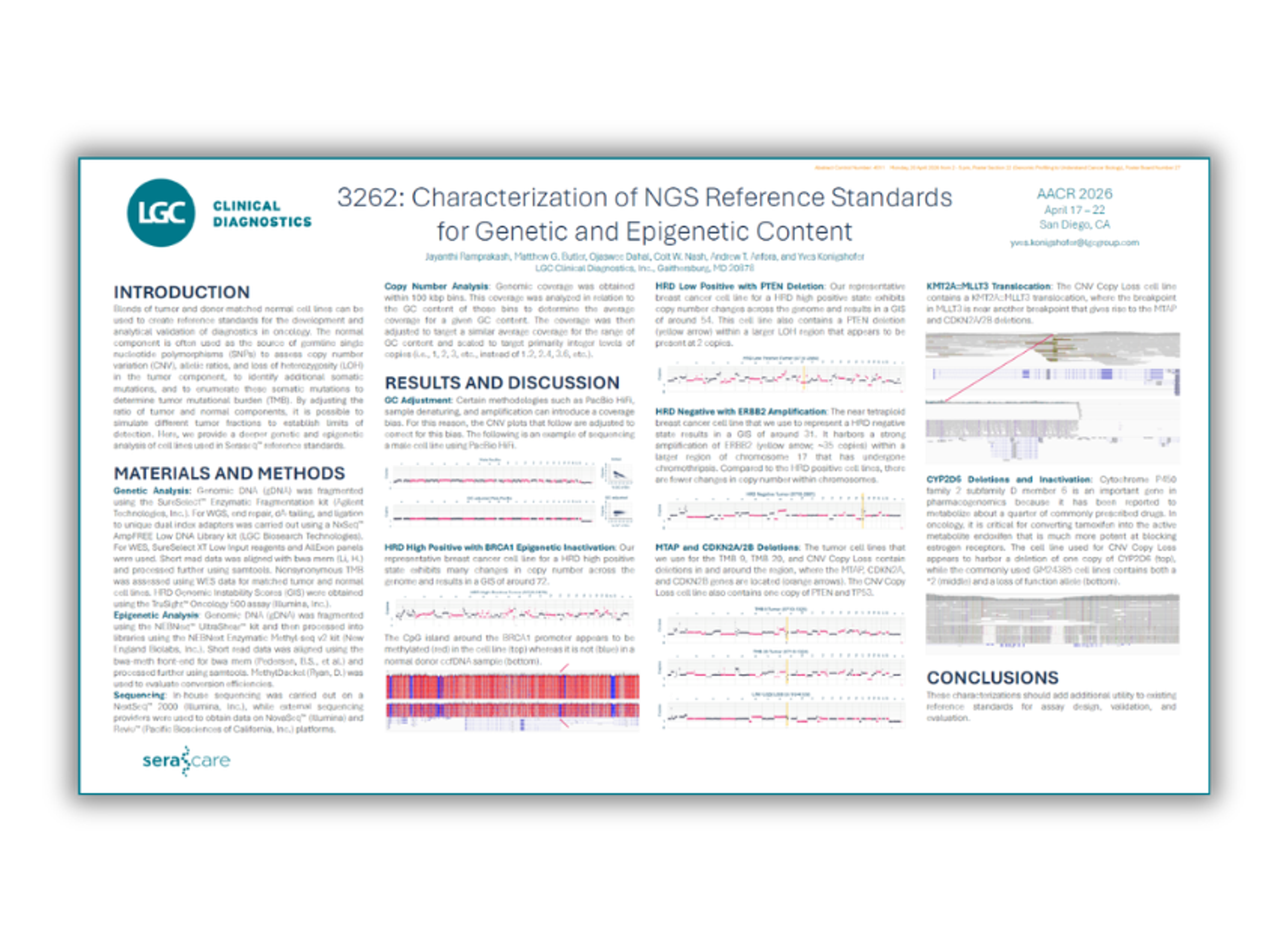
Scientific PosterClinical Diagnostics