
Automated PFAS sample prep that cuts human error and handles every matrix
30 Jun 2026PFAS sample prep is one of the toughest challenges in the lab, with ultra‑low analyte levels, high contamination risk, and constantly shifting matrices from soil and water to food and biological samples. Manual workflows struggle to keep up. In this video, discover how the PAL System turns complexity into confidence with flexible, fully automated sample preparation that cuts human error, adapts to any matrix, and delivers reliable, high‑quality PFAS results at scale.
This video was filmed at ASMS 2026.
About the company
PAL System
PAL System, a brand of CTC Analytics, leads automated sample preparation for GC-MS and LC-MS.
More than 70,000 users worldwide in gas and liquid chromatography, mass spectrometry, and optical spectroscopy rely on CTC Analytics - a strong testament to our quality, reliability, and performance.
We offer complete sample prep workflow solutions for food, environmental, life science and clinical labs that are brought to market by leading instrument manufacturers and solutions providers globally. The PAL System is fully integrated into all major instrument control systems. PAL Smart consumables save costs per analysis through usage-based management. Our automated micro methods reduce the costs per sample in the lab by consuming fewer resources. Our leading automated extraction/enrichment techniques include SPME, Micro-SPE, static and dynamic headspace and cover the entire range of cleanup and sample prep. Engineered and made in Switzerland, designed for reliability, the PAL System offers an extraordinary long lifetime.
Video transcript
Show transcript
CTC Analytics' mission in PFAS analysis is to help laboratories achieve more reliable, reproducible, and efficient analysis by automating some of the key steps in the sample preparation and analysis workflow.
PFAS analysis is technically very demanding. It requires very careful handling to avoid contamination, variability, and sample loss during the process. The targeted compounds are often present at very low levels, and with the PAL system, we aim to help laboratories achieve more streamlined and automated workflow from sample preparation all the way to the LC-MS and GC-MS analysis.
For us, automation is not only about saving manual time, it’s also about improved data quality and making high-quality analysis more accessible and scalable.
One of the key challenges in PFAS analysis is the large variety of sample matrices. PFAS need to be analyzed in different sample types such as water, soil, food, packaged material, consumer products, biological samples, and so on. That means there’s no single method that fits to all the different applications and the different metrics can introduce different interferences which require different sample preparation techniques.
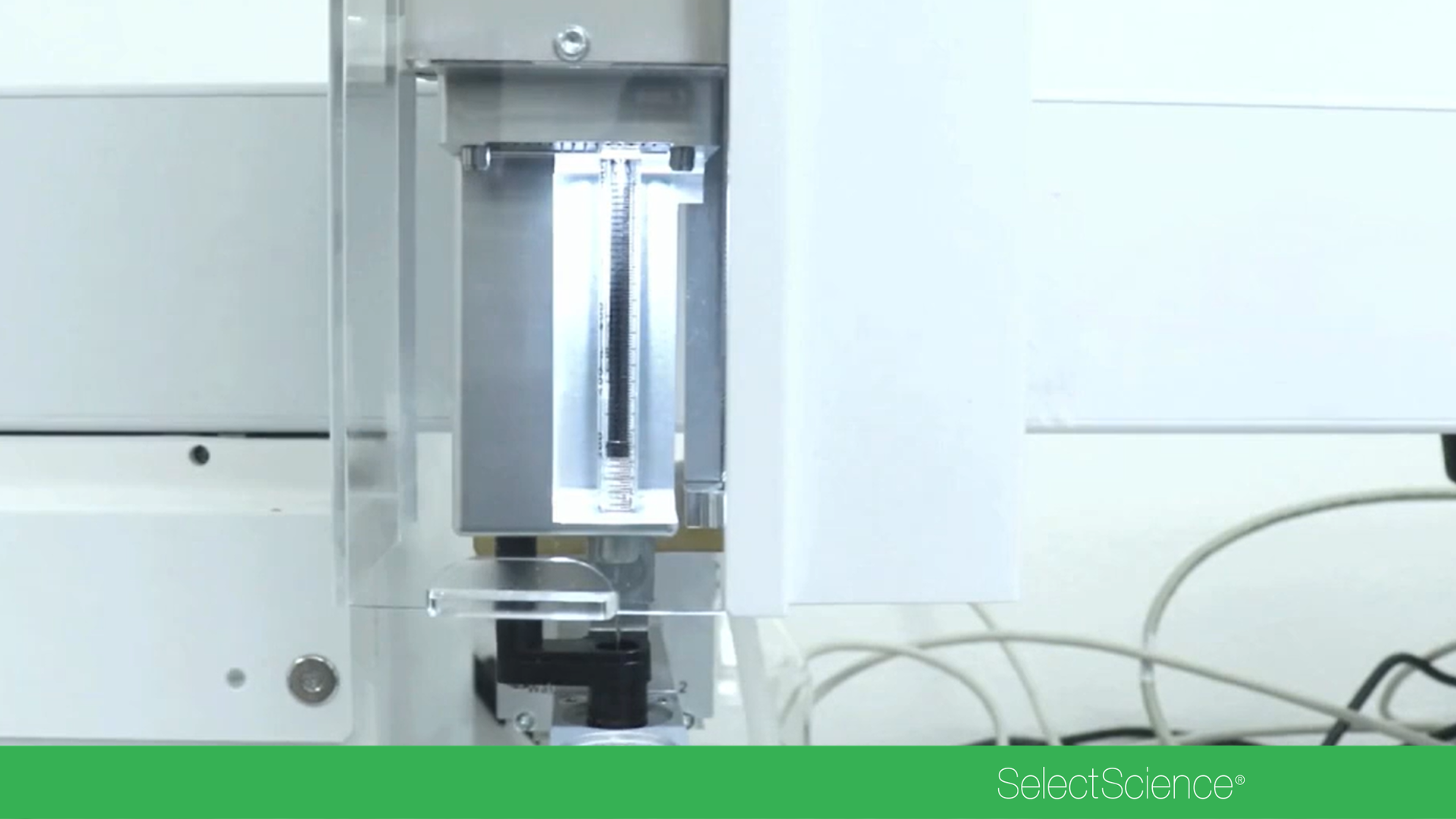
This is where the PAL System brings very strong value because the PAL system is an open and highly flexible system that can be equipped with a variety of different tools and modules to enable different sample prep techniques such as vortex, centrifugation, incubation, filtration, extraction and microextraction, with everything automated using the single hardware platform.
Another big advantage of the PAL System is the option to connect the PAL System directly online into the analytical LC-MS and GC-MS instruments. In the prep ahead mode, the samples can be prepared while the last sample is being analyzed so the PAL handles the whole workflow from sample preparation to online introduction of the samples directly into the analytical instruments. This way, the PAL helps laboratories create producible transferable workflows to provide PFAS data with high confidence.
I think there are different key aspects in terms of the benefits of automation. First, it improves reproducibility. So the same sample prep steps are conducted every time in the same way, independent of the operator. That is especially important for PFAS analysis because differences in sample handling can lead already to large variety in the final results.
Second, it reduces the risk of contamination. With fewer manual interventions involved in the whole process, there is lower risk for the samples to be exposed to external influences. Third, automation helps improve lab efficiency. The scientists or operators will spend less time on repetitive manual work and have more time to focus on more creative work and also on method development data interpretation and innovative ideas.
As mentioned, the PAL System can combine automated sample preparation with direct online injection and provides a streamlined and smooth workflow from sample to results. In terms of the impact of the automation to PFAS analysis, I think in the short term, automation will help laboratories address the growing demand in PFAS testing. The laboratories will need not only methods that are reliable, but also scalable and sustainable. Further down the line, I think automation will become a part of the standard PFAS analysis. It can enhance method harmonization, reduce the operator dependent variability, and make it easier for laboratories to transfer methods across sites and labs.
Ultimately, our goal is to help laboratories move from manual fragmented sample workflow towards an integrated automated workflow that deliver high-quality data with high efficiency.
What does this video cover?
Topics covered in this video
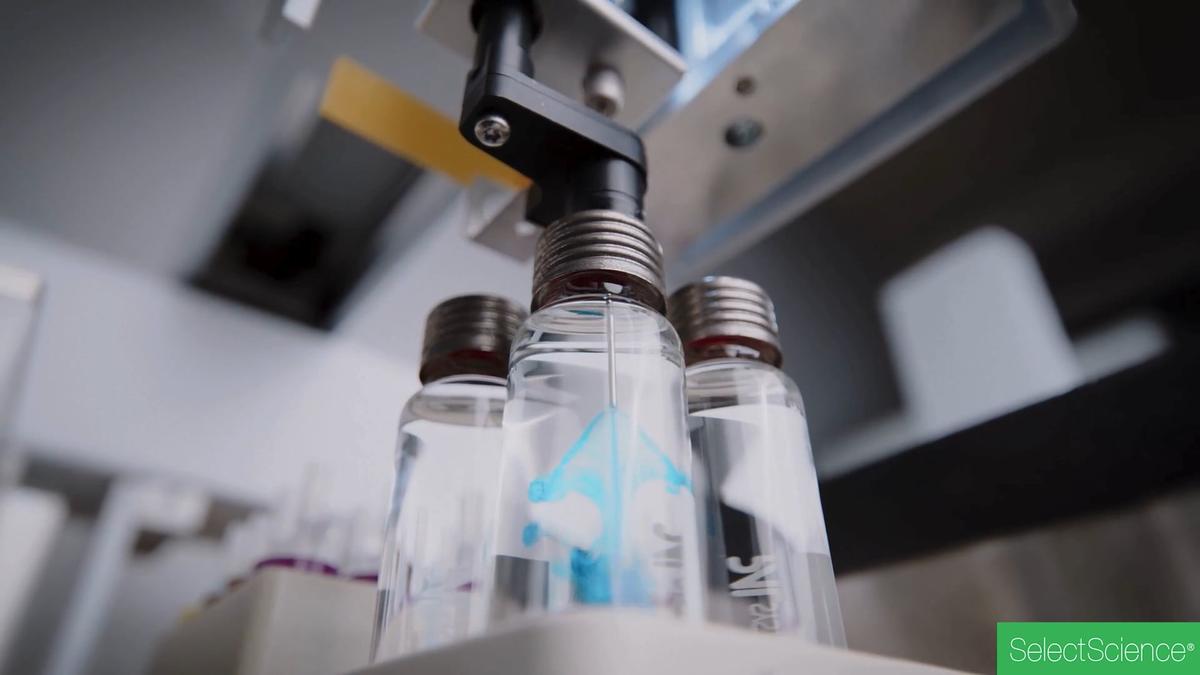
- How does the PAL System automate PFAS sample preparation across diverse matrices?
- Why is automated PFAS sample prep critical for reliable LC-MS and GC-MS analysis?
- How does CTC Analytics’ PAL System reduce PFAS contamination and variability risks?
Related products
Request Quote for All Products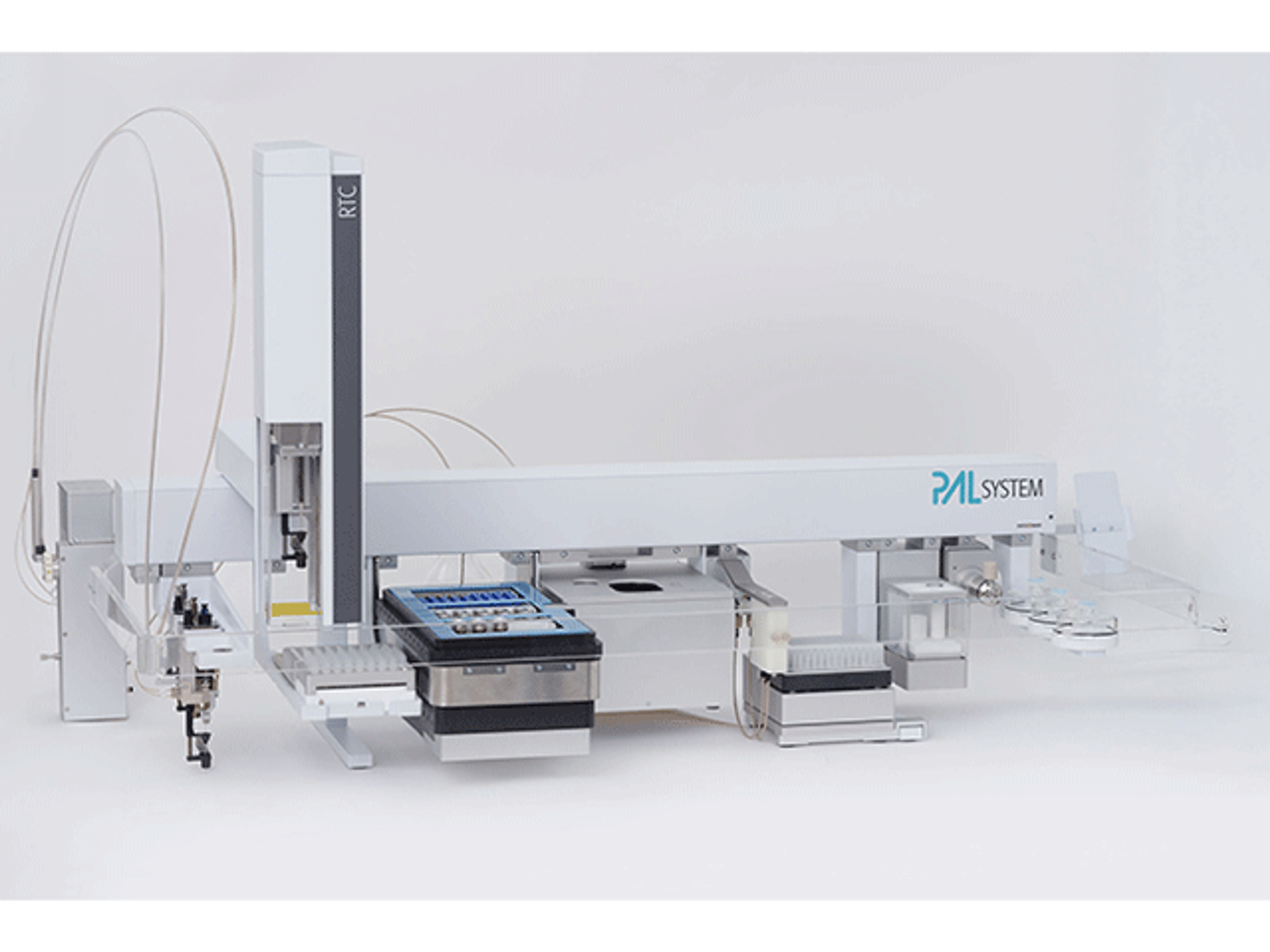
Other videos from PAL System
Links
Tags
Frequently asked questions
Show frequently asked questions
How does the PAL System improve PFAS sample preparation for complex matrices like water, soil, food, and biological samples?
The PAL System automates PFAS sample preparation across diverse matrices, including water, soil, food, packaged materials, consumer products, and biological samples. Its open, flexible platform supports vortexing, centrifugation, incubation, filtration, extraction, and microextraction. By standardizing these steps, it reduces variability, contamination risk, and sample loss, enabling laboratories to obtain reliable, high‑quality PFAS data from ultra‑low analyte levels across changing sample types.
What are the benefits of integrating the PAL System with LC‑MS and GC‑MS for PFAS analysis workflows?
The PAL System can be connected directly online to LC‑MS and GC‑MS instruments, enabling a streamlined workflow from automated sample preparation to direct sample introduction. In prep‑ahead mode, samples are prepared while the previous one is analyzed, increasing throughput. This integration supports reproducible, transferable PFAS workflows, improves data quality, and helps laboratories meet growing PFAS testing demand with scalable, sustainable methods.
Why is automation with the PAL System critical for reliable, reproducible PFAS analysis in modern laboratories?
Automation with the PAL System standardizes PFAS sample handling, improving reproducibility by ensuring identical prep steps regardless of operator. Fewer manual interventions lower contamination risk, which is crucial at ultra‑low PFAS levels. The system boosts lab efficiency by freeing scientists from repetitive tasks, supporting method development and data interpretation. Over time, such automation enables method harmonization and easier transfer of PFAS workflows across sites and laboratories.