Next-generation nanomedicine to reprogramme the immune system
15 Jun 2026
Professor Willem Mulder, of Radboud University and Eindoven University of Technology, has seen the nanomedicine field shift from trying to evade the immune system to deliberately engaging and reprogramming it. Here, Mulder describes how his lab leverages lipoprotein biology to design nanomedicines that can precisely modulate immune responses while remaining extremely “sterile” to avoid unwanted activation. He details how his company Nanoworx, a contract research organization (CRO), utilizes Unchained Labs’ automation suite for automated nanomedicine production, screening, and more. This integration enables a workflow from early nanomedicine prototyping to GMP manufacturing, supported by data-rich automation and AI-driven experimentation.
This SelectScience interview was filmed at SLAS Europe 2026.
About the company

Unchained Labs
Unchained Labs is committed to building the first cool biologics tools company. One with products that’ll make a real difference in the research scientists do every day. One that helps biologics researchers break free from sub-optimal tools. Founded in January 2015, we have raised $31M of venture capital and have purchased 3 product lines. First, we let loose the UNit, the world’s fastest stability screening platform. Next, we landed another big win with the HUNK, the world's first quantitative stability predictor. Our most recent add, the pUNk, is the smallest, fastest and easiest system out there for measuring protein size and aggregation. With these 3 products, we have established ourselves as the biologics stability experts.
Video transcript
Show transcript
As a field and a nanomedicine field for a long time has actually been working on evading the immune system. And so all the technology and all the efforts were focused on getting nanomaterials that circulate for a very long time and then maybe reach the tumor. And what was in the way was the immune system because it was capturing everything.
Nanomedicine comes in all kinds of shapes and sizes, figuratively speaking. So, there’s not one challenge that has to be overcome. We have to overcome challenges when we want to use mRNA. We have to overcome challenges when we are delivering proteins. These are conceptually very different challenges to deal with. If I think about what we are specifically trying to do is that we try to very efficiently reprogram the immune system, which can have repercussions.
But that also means that your technology itself needs to be sterile in a way because otherwise it provokes immune responses that are unwanted. For us, it’s much easier to activate the immune system than actually to do the exact opposite. And that requires that the technology is even more sterile. And that is a current challenge we’re focusing on as a research group.
What we try to do is we try to leverage lipoprotein biology to create nanomedicines that can reprogram the immune responses in all kinds of different settings so we can empower the immune system to fulfill its natural task. And that’s not just an academic endeavor because we want to train talent and we want to achieve very nice academic publications. We also have the ambition to actually make the real-life product that can help patients. And so a big part of what we’re doing is also entrepreneurship.
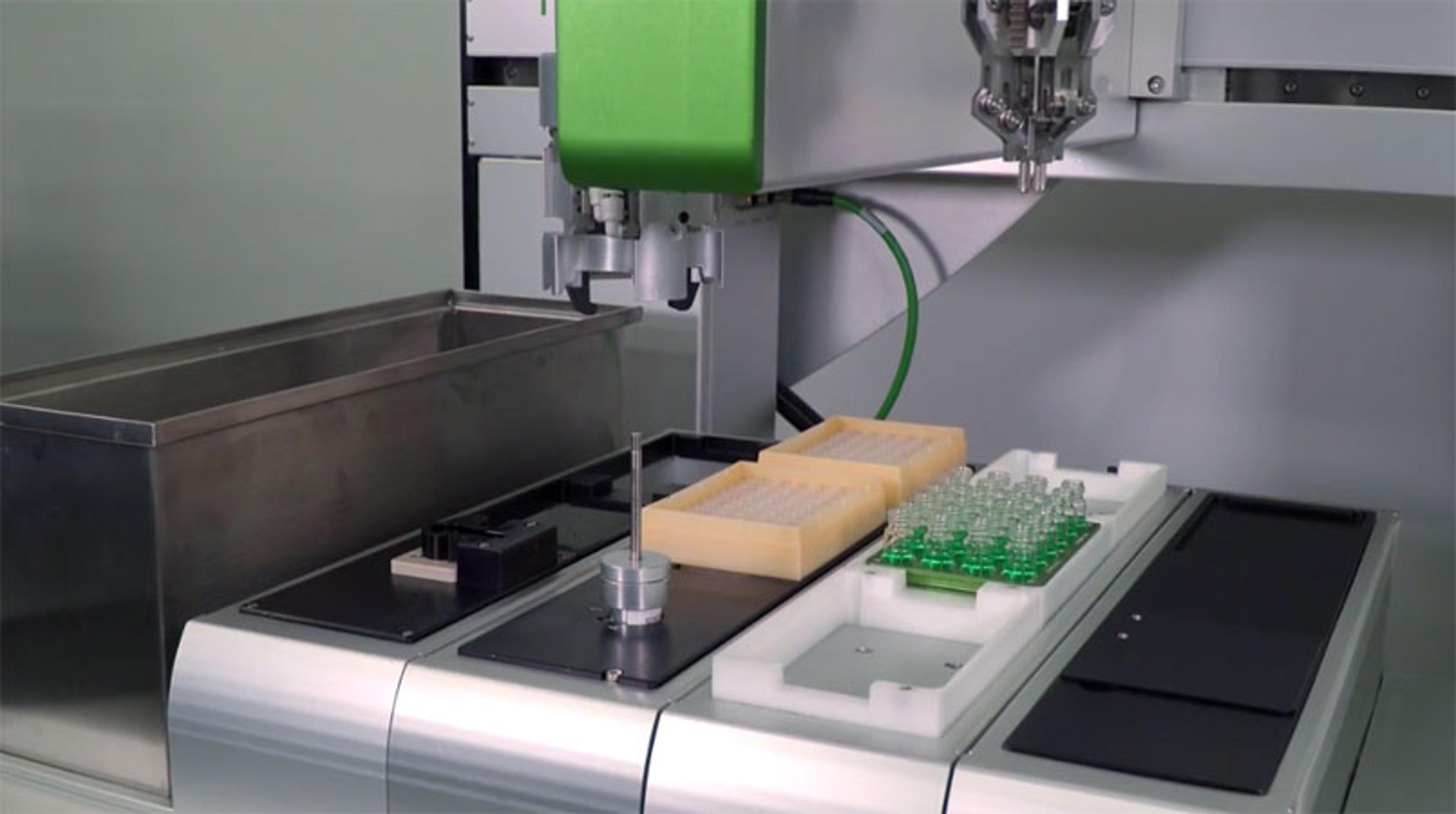
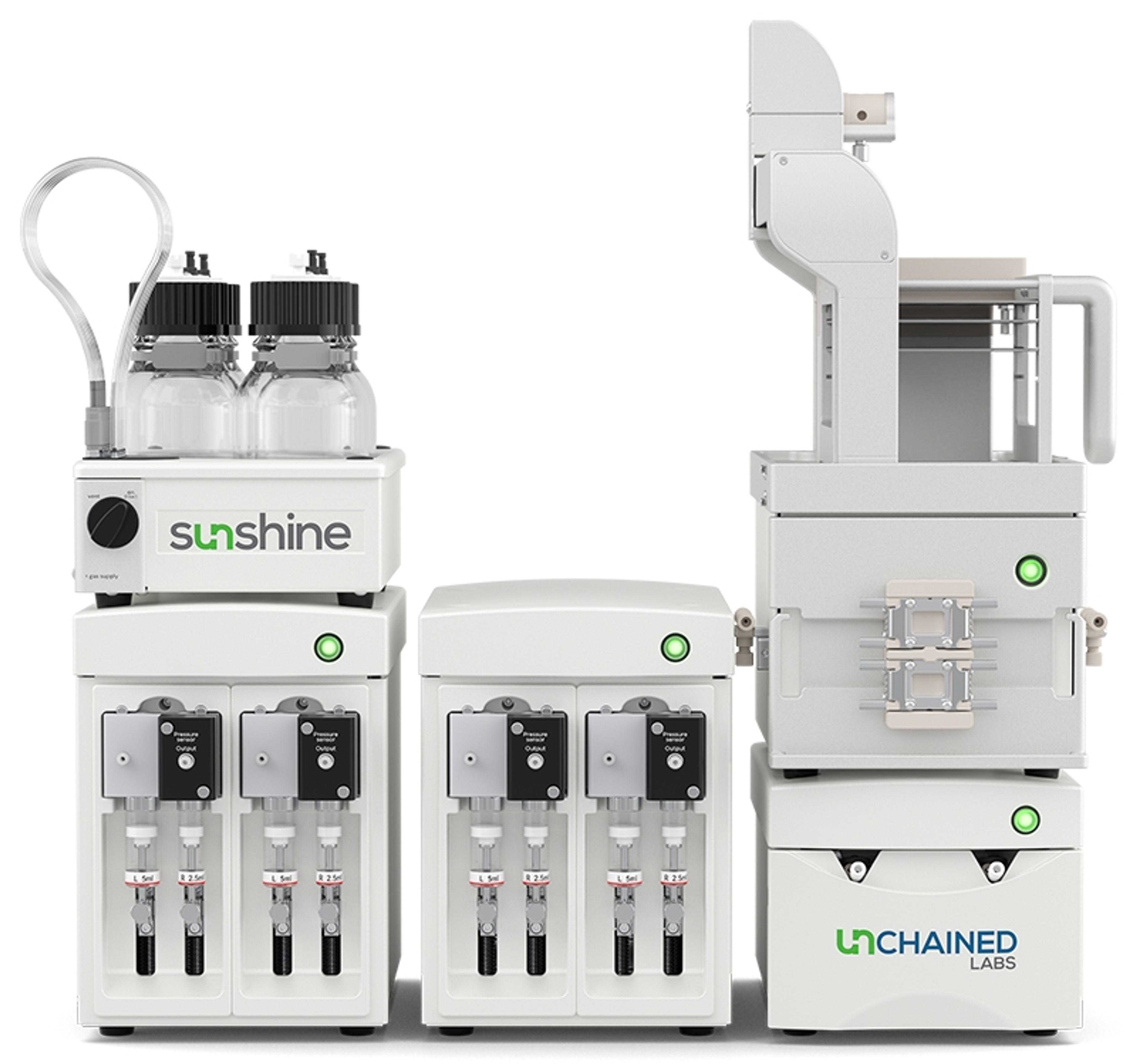
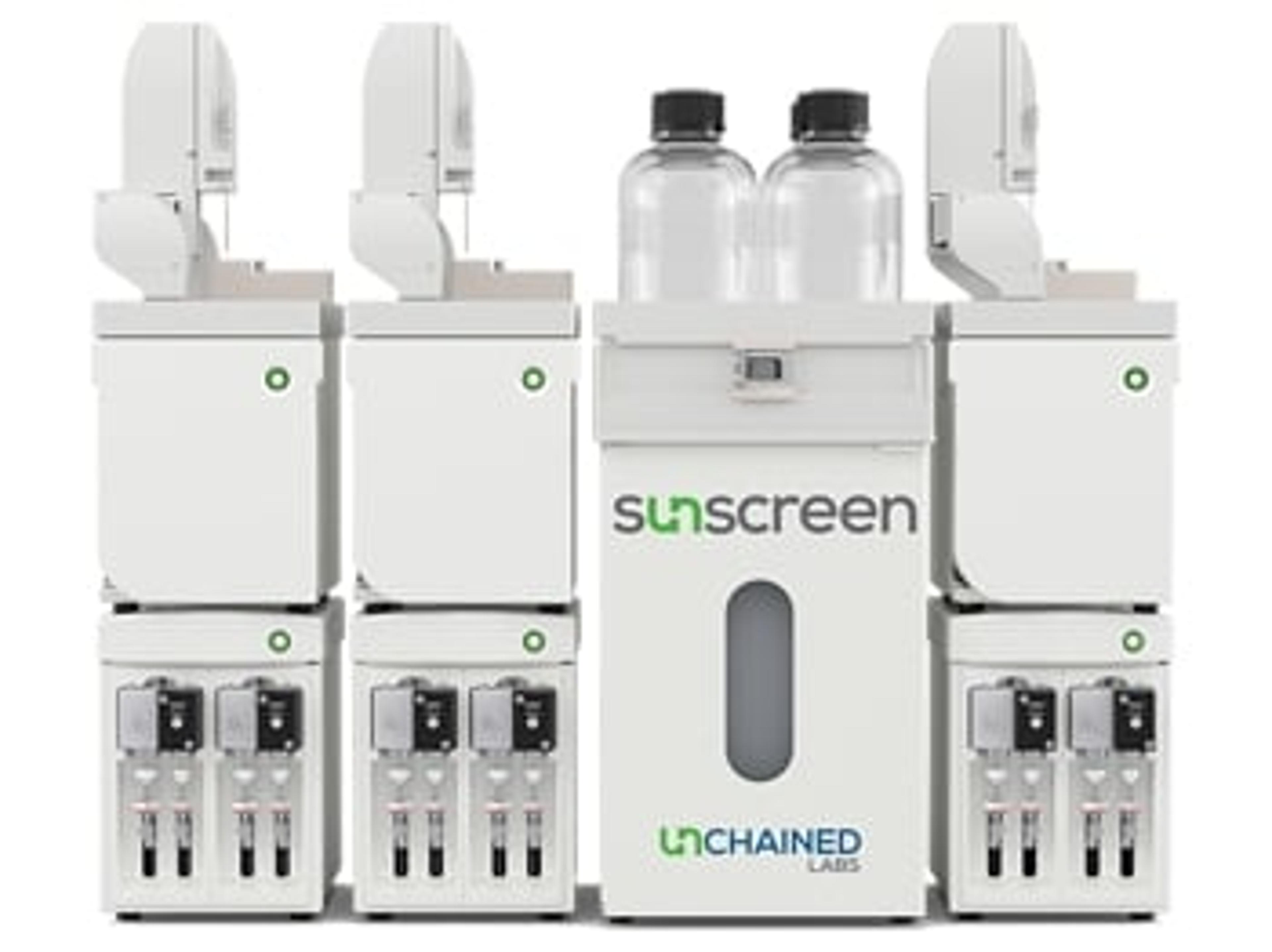
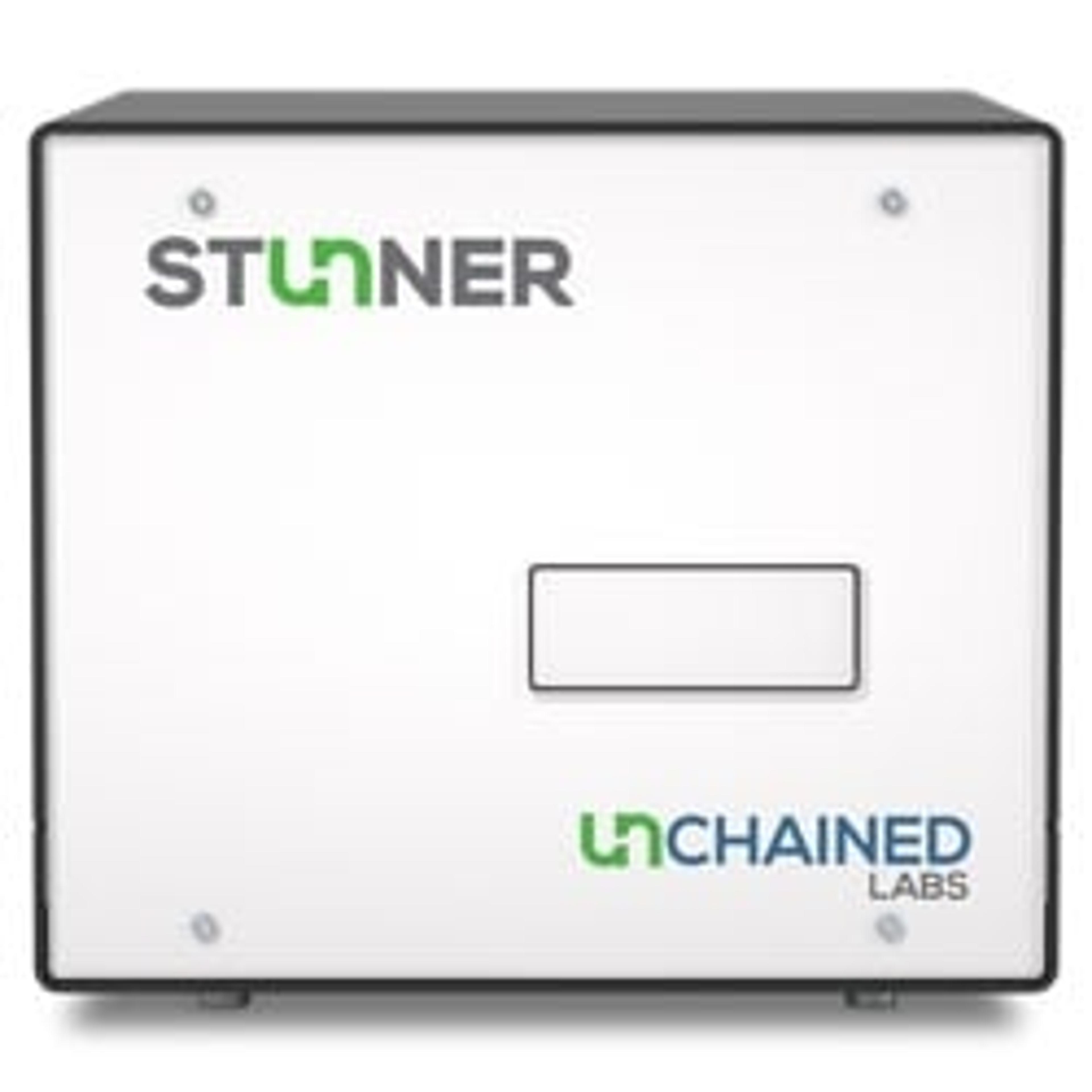
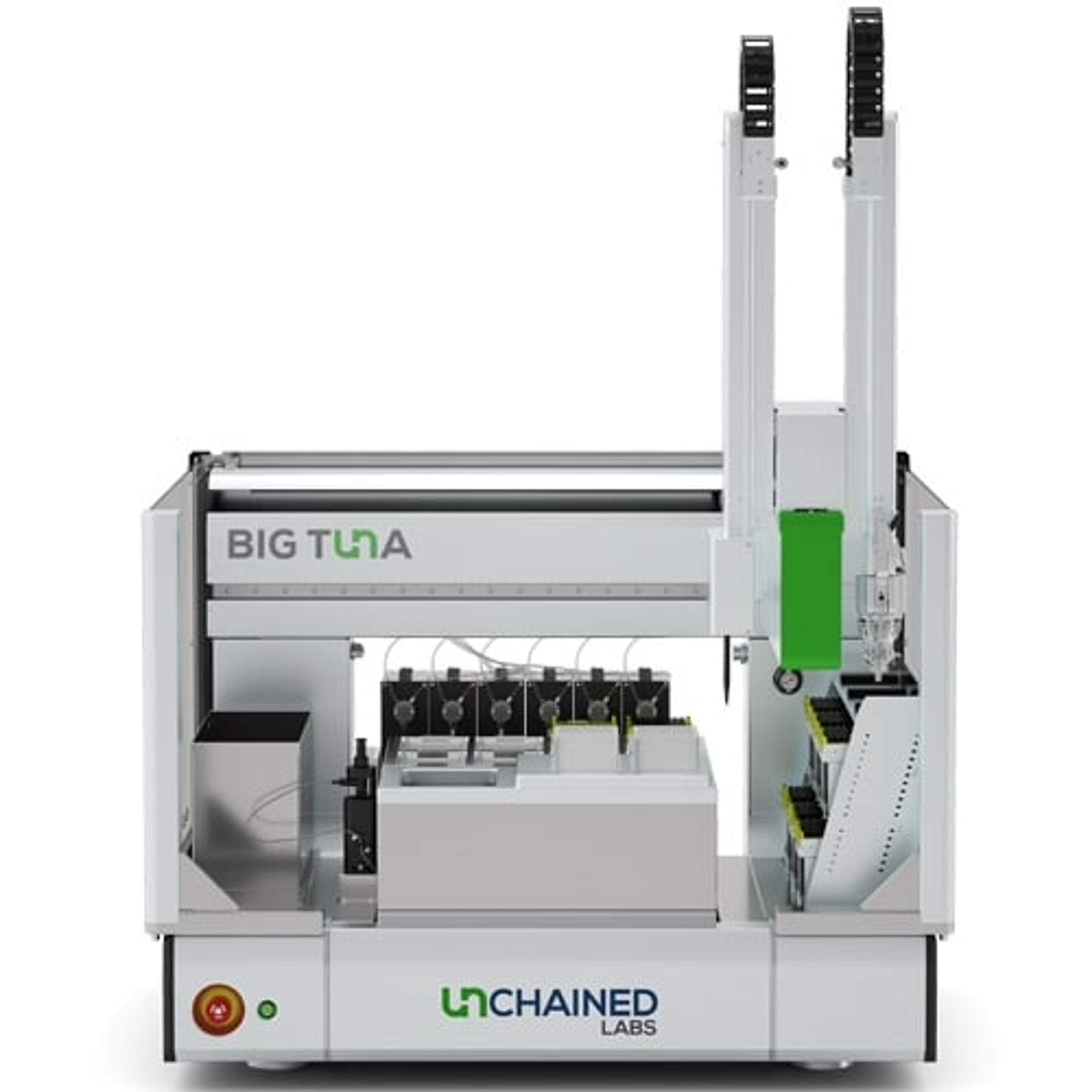
In Nanoworx, that is one of the companies that we founded as a contract resource organization, we are plugged into the ecosystem of Unchained Labs, and they have all this fancy equipment. So, they have what’s called the Sunshine. That’s just for the production, automated production of nanomedicines at, let’s say, larger scale. But they also have a system called Sunscreen, where you can do this at 96-well plate throughput. It takes five hours on 96-well plate. There is particle analysis. There’s an equipment, a machine called a Stunner, and it allows us to measure particle size. There’s also equipment, this Big Tuna, to do buffer exchange. Also, the Sunbather, which is their GMP system, we also have at Nanoworx. And so that, in principle, would allow us to do prototyping, screening, lead optimization, all the way to GMP manufacturing. So, they have a whole suite of equipment that we’ve integrated in Nanoworx.
I’ve been very resistant to all kinds of automation and AI, but I’ve actually become pretty enthusiastic about it. One of the reasons is that you can generate a lot of failures. So, what we do as academics, you have a bias to what works, but it doesn’t educate you enough. We also know just generally in life, it’s good to fail and learn from it, right? So, we also need a lot of data on things that don’t work, to get a better understanding of what you can extract from nanomedicine and then how you can refine it to do specifically what it’s capable of.
What does this video cover?
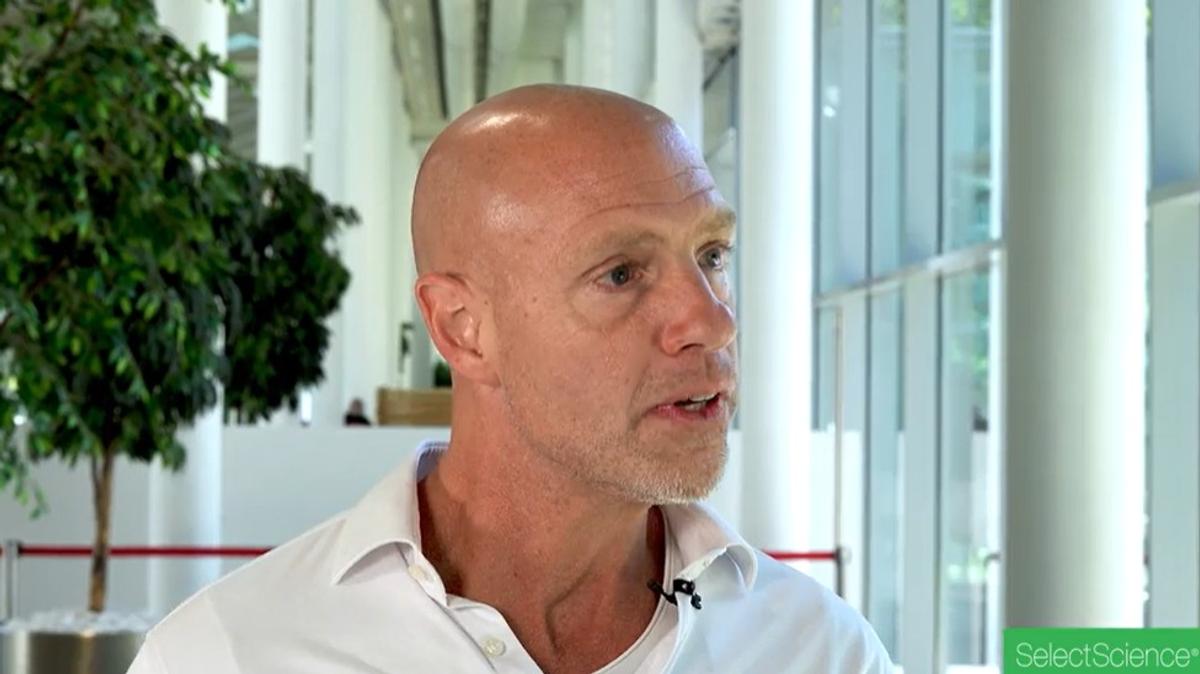
Prof. Willem Mulder was the keynote speaker at SLAS Europe 2026
Topics covered in this video
- How are Nanoworx approaching the translation of academic nanomedicine research into real-world immune-modulating therapies?
- How can lipoprotein-based nanomedicines be used to deliberately reprogram the immune system instead of evading it?
- In what ways is Nanoworx integrating AI-driven experimentation and automation to generate data-rich nanomedicine studies?
- How does the Stunner, Big Tuna, and Sunbather from Unchained Labs enable a seamless workflow from nanomedicine prototyping to GMP manufacturing?