PAL System for PFAS Analysis
Fully Automated Workflows for PFAS Analysis


Receive your quote directly from the manufacturer.
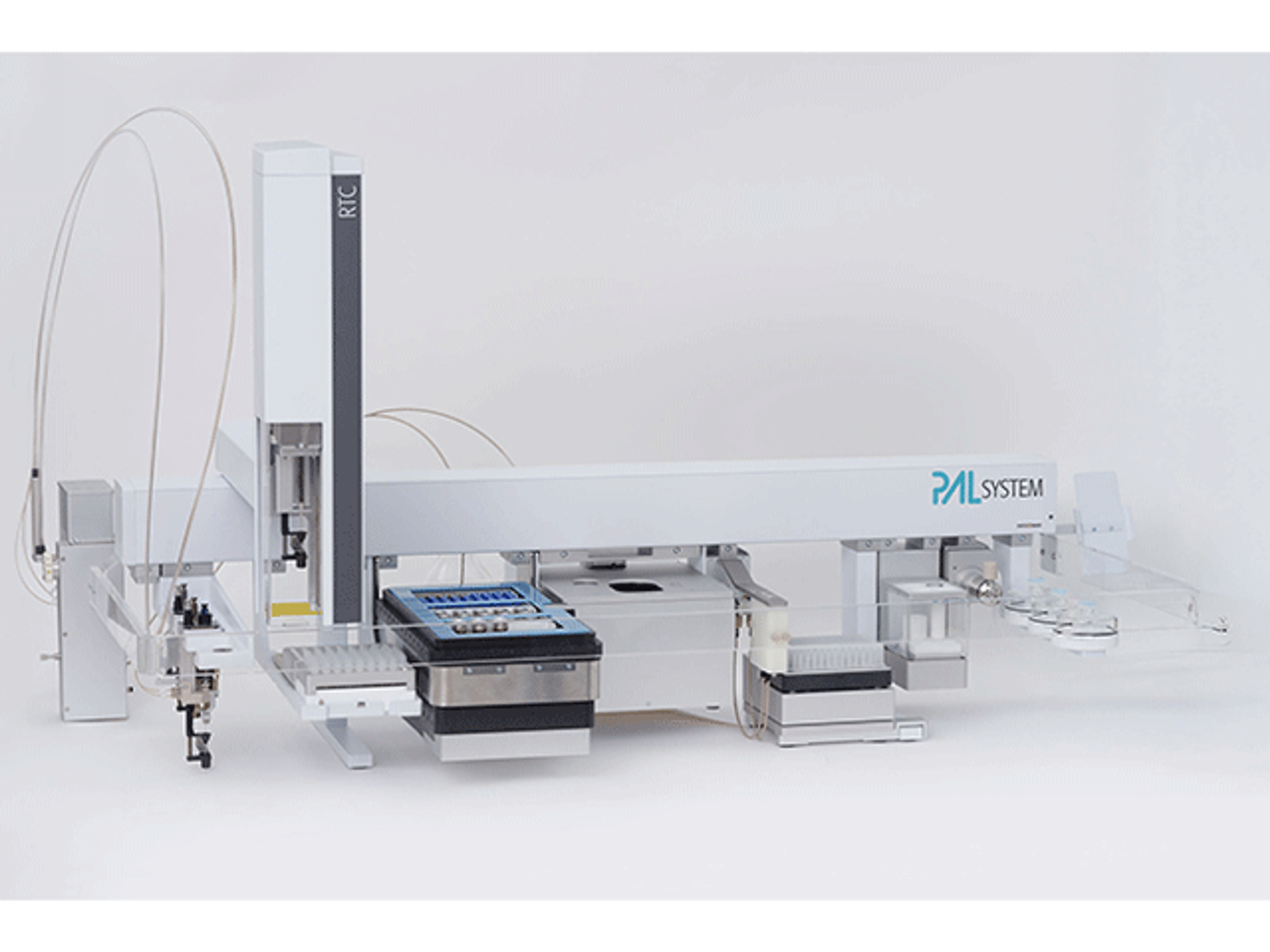
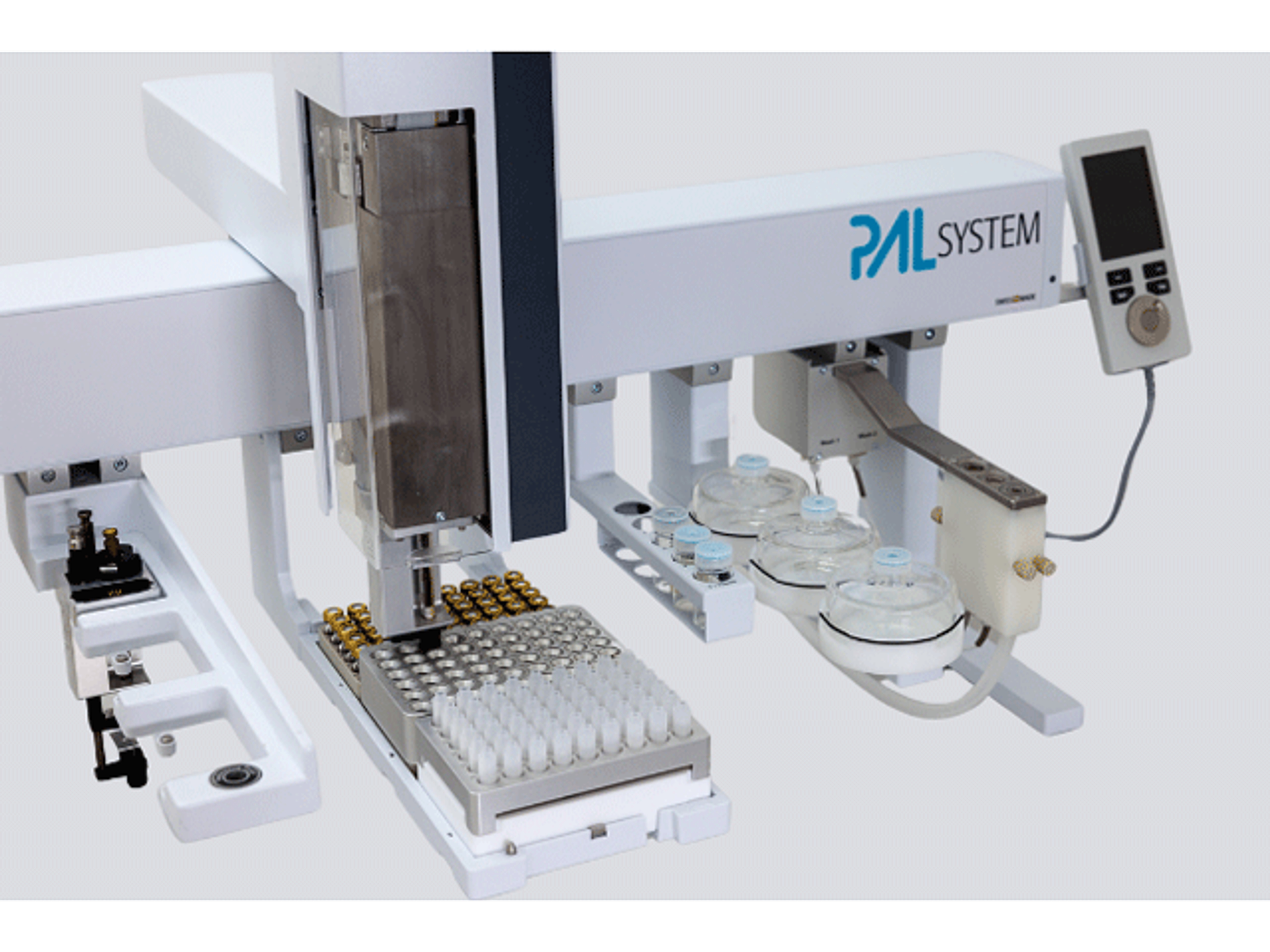
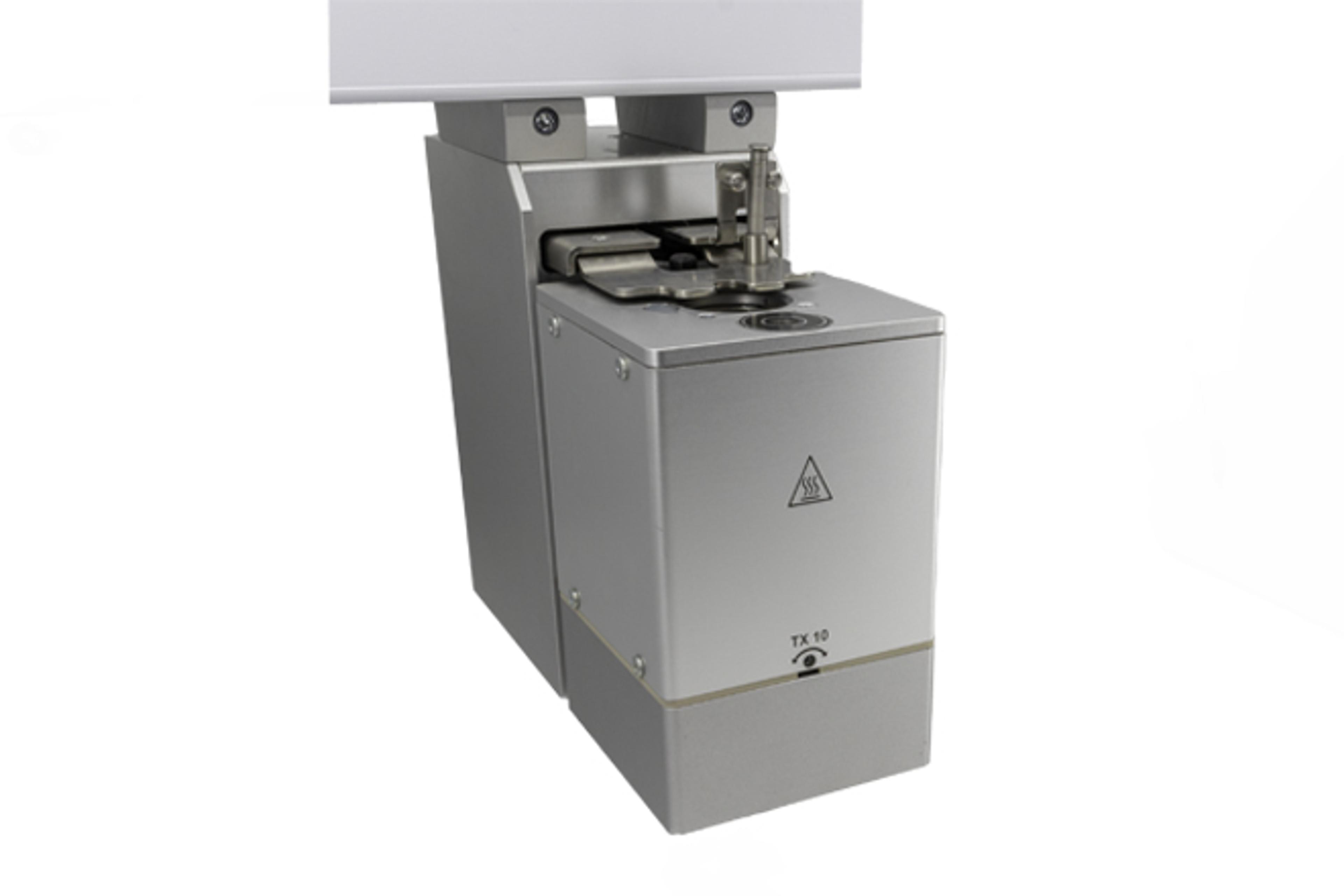
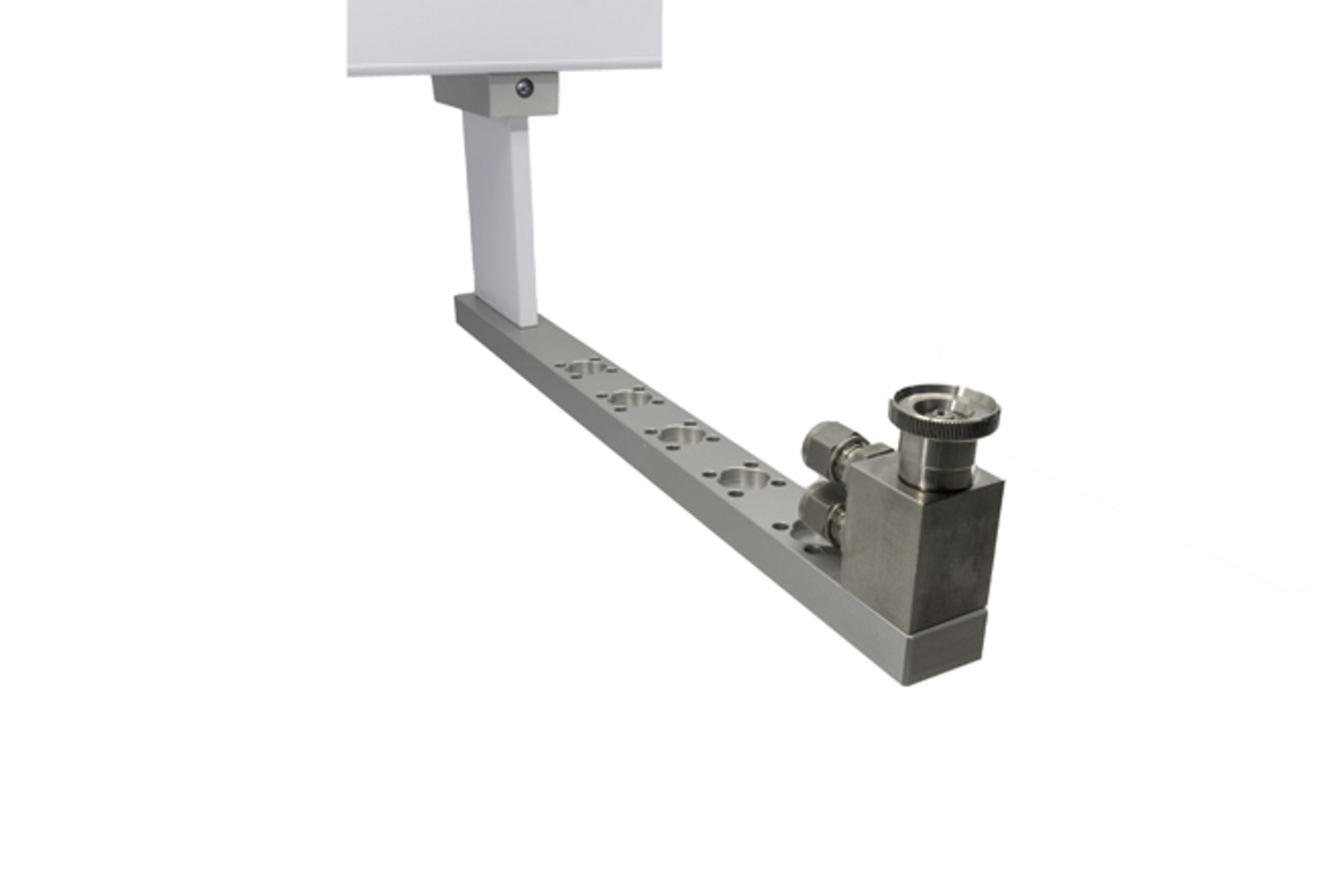
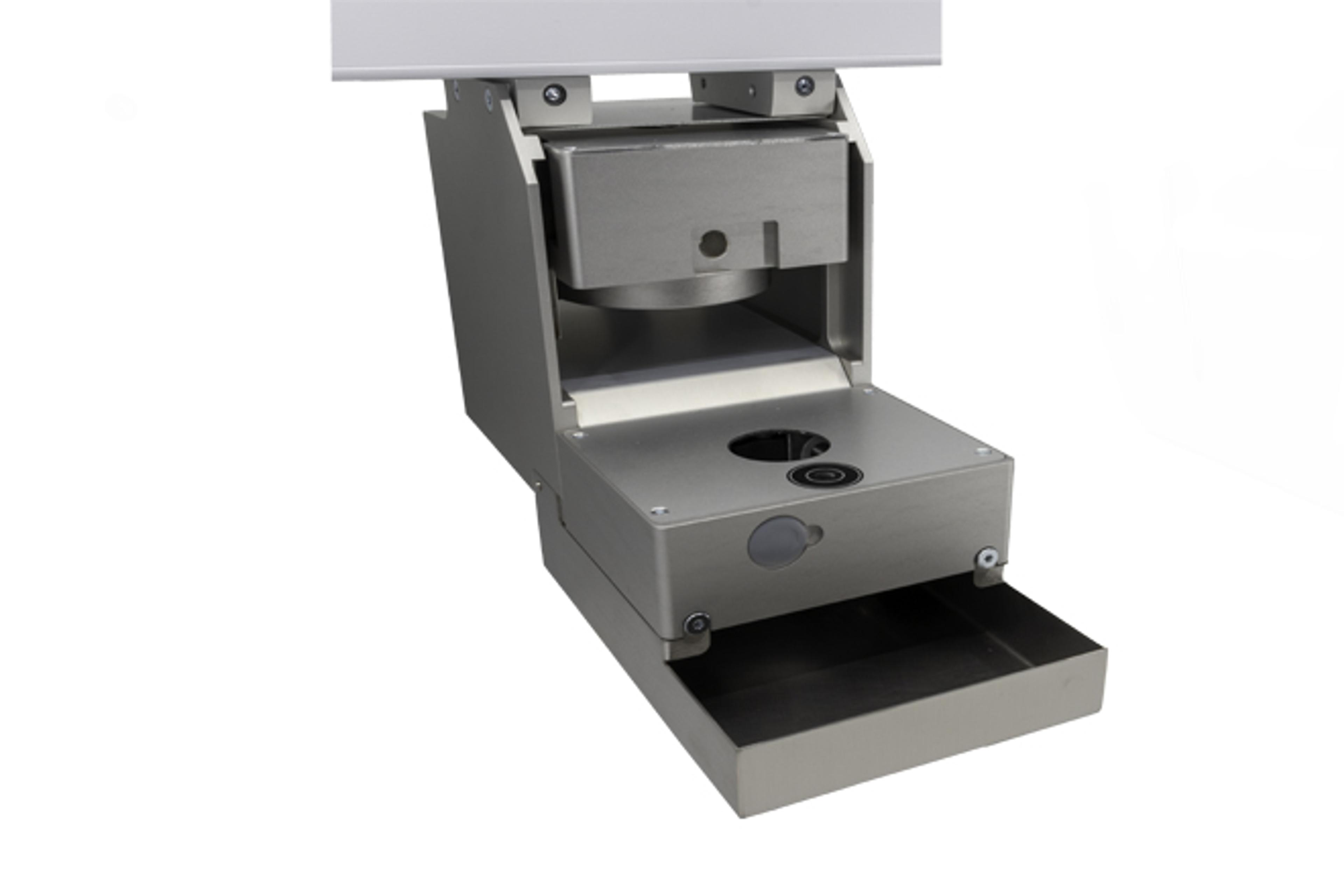
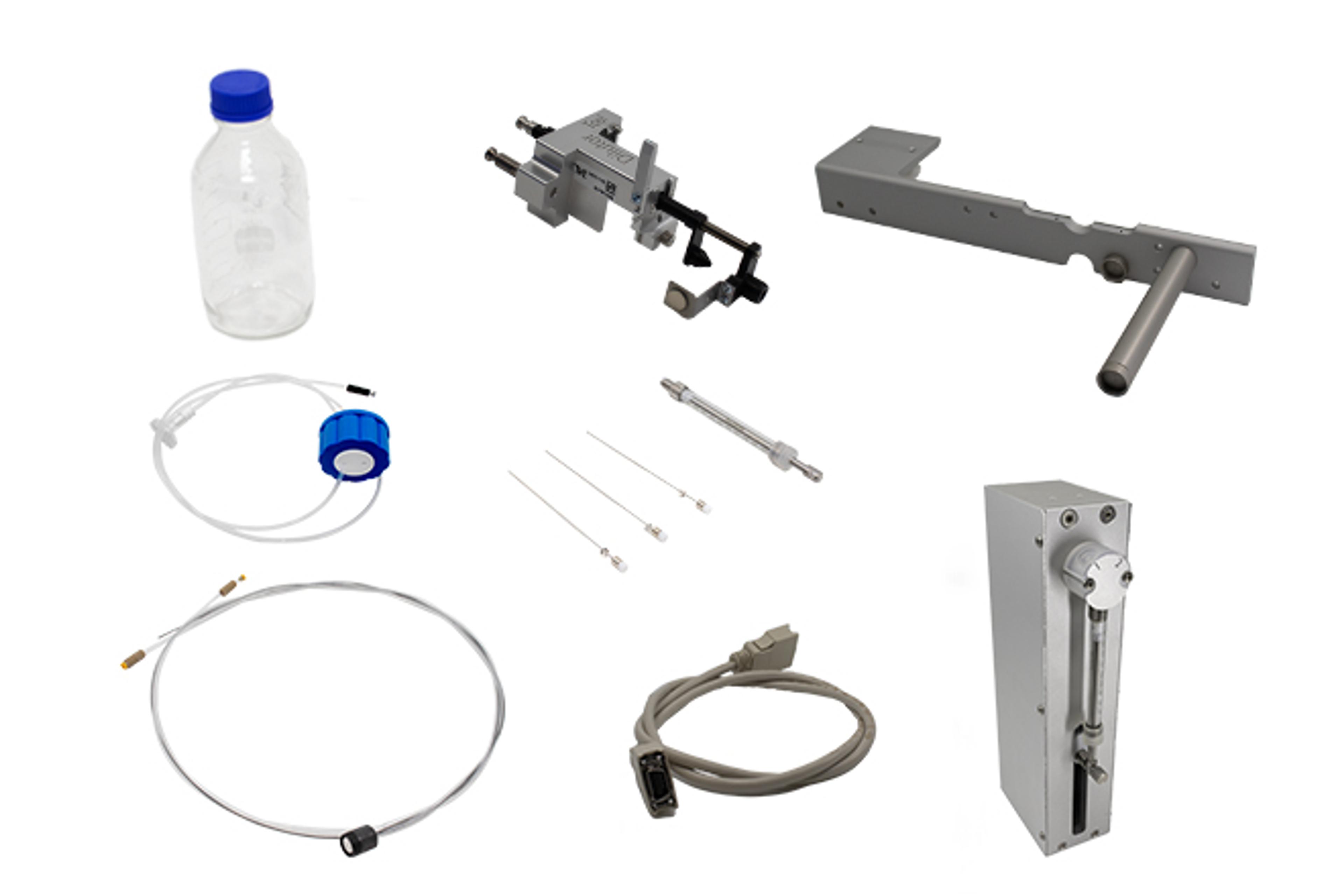
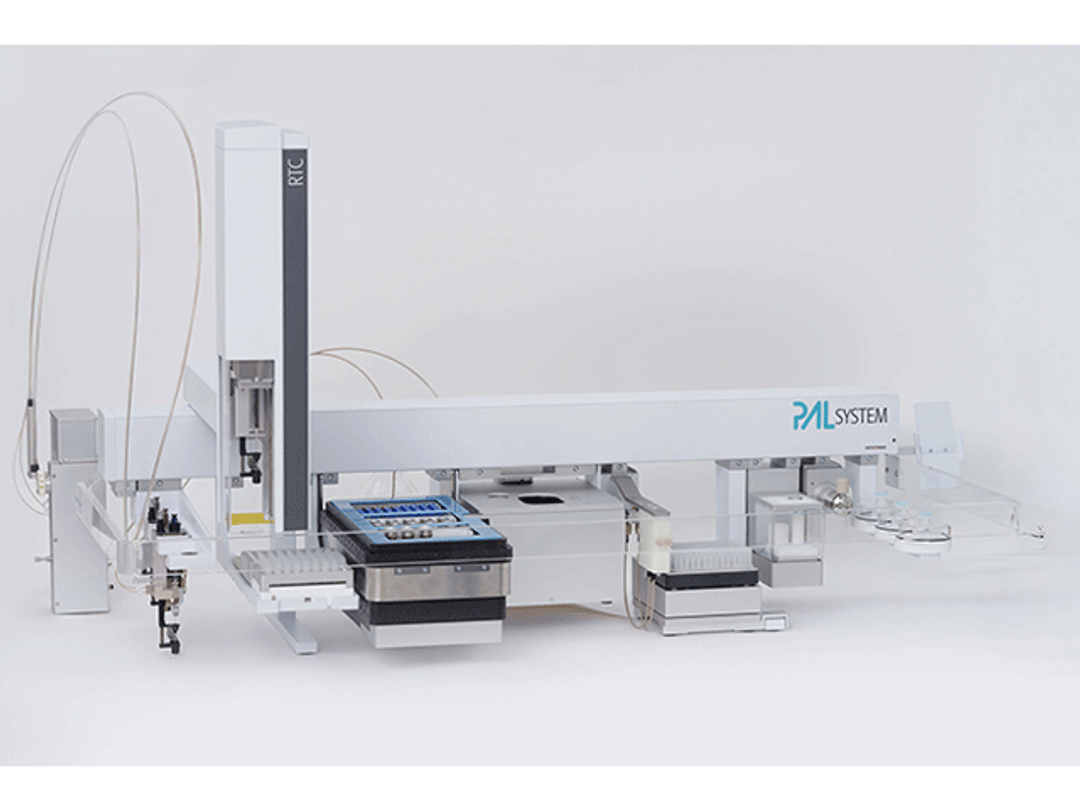
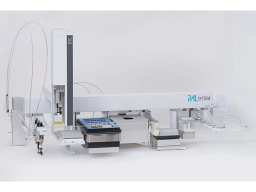
The PAL System enables fully automated online sample preparation and injection for a wide range of PFAS analysis workflows. It has been successfully applied in automating EPA1633 Method for environmental samples using LC-MS/MS, sensitive quantitation of PFAS in seafood for regulatory screening using LC-MS/MS, and volatile PFAS analysis in food contact materials and cosmetic products using GC-MS/MS. The automated workflows minimize manual errors and enhance reproducibility, precision, and efficiency.
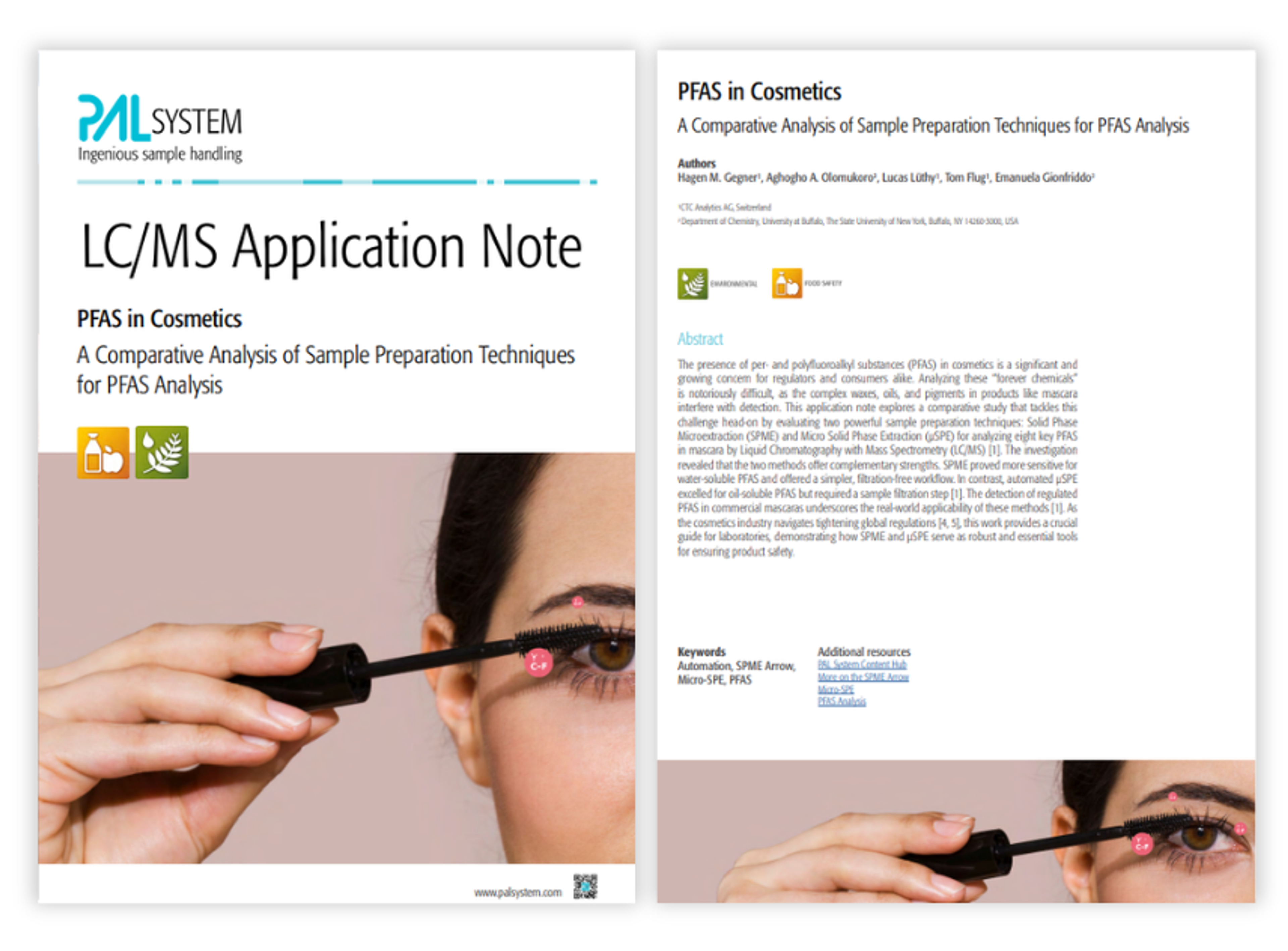
PFAS in cosmetics: A comparative analysis of sample preparation techniques for PFAS analysis
Per- and polyfluoroalkyl substances (PFAS), known as ‘forever chemicals’, are utilized in the cosmetics industry, added to products such as lipstick and mascara, to improve water resistance and durability. The presence of these compounds in cosmetics is a growing concern for consumers and regulators, but analyzing PFAS chemicals can be complex and difficult.
In this application note, PAL System, a brand of CTC Analytics, explores a comparative study that evaluates two sample preparation techniques for the analysis of eight key PFAS in mascara by LC-MS.

TechTalk: Advancing PFAS analytics across complex matrices
Friday, July 24 at 16:00 BST | 17:00 CEST | 11:00 EDT | 08:00 PDT
In this SelectScience® TechTalk, Dr. Stefan Christian Gaugler, Professor of Applied Analytics at the Institute for Chemistry and Bioanalytics, University of Applied Sciences Northwestern Switzerland (FHNW), will provide an up-to-date overview of per- and polyfluoroalkyl substances (PFAS), focusing on their environmental impact, regulatory landscape, and associated analytical challenges. Highlighting the growing concern surrounding PFAS contamination across Europe, alongside the complexity arising from their chemical diversity and persistence.
The session will explore current analytical workflows and sample preparation techniques, including the use of a novel PFAS-selective polymer for micro solid-phase extraction (µSPE), supporting efficient and automated analysis across diverse sample matrices. Attendees will gain insight into approaches for detecting both ultra-short and long-chain PFAS, as well as practical strategies to improve sensitivity, selectivity, and sustainability in PFAS analysis.
Certificate of attendance
If you attend the live TechTalk, you will automatically receive a certificate of attendance, including a learning outcomes summary, for continuing education purposes. If you view the on-demand TechTalk, you can request a certificate of attendance by emailing editor@selectscience.net.
TechTalk details
- Cost: Free to attend
- Location: Online
- Duration: 20 minutes
Registration is required to secure your place. If you register but can’t attend live, you will receive a link to the on‑demand recording once it becomes available
Automated PFAS sample prep that cuts human error and handles every matrix
PFAS sample prep is one of the toughest challenges in the lab, with ultra‑low analyte levels, high contamination risk, and constantly shifting matrices from soil and water to food and biological samples. Manual workflows struggle to keep up. In this video, discover how the PAL System turns complexity into confidence with flexible, fully automated sample preparation that cuts human error, adapts to any matrix, and delivers reliable, high‑quality PFAS results at scale.
This video was filmed at ASMS 2026.

Meet the automated system mastering complex PFAS matrices
Discover how the PAL System supports reliable PFAS analysis, from environmental testing to clinical and life science research

Automated PFAS analysis opens window to hidden sources
Researchers are uncovering previously unknown sources of PFAS using robotic sample preparation and high-resolution mass spectrometry