
Randox receives FDA 510(K) clearance for clinical drug testing device
New drug testing panel supports rapid, automated screening of 15 drugs of abuse in clinical and critical care settings
30 Jun 2026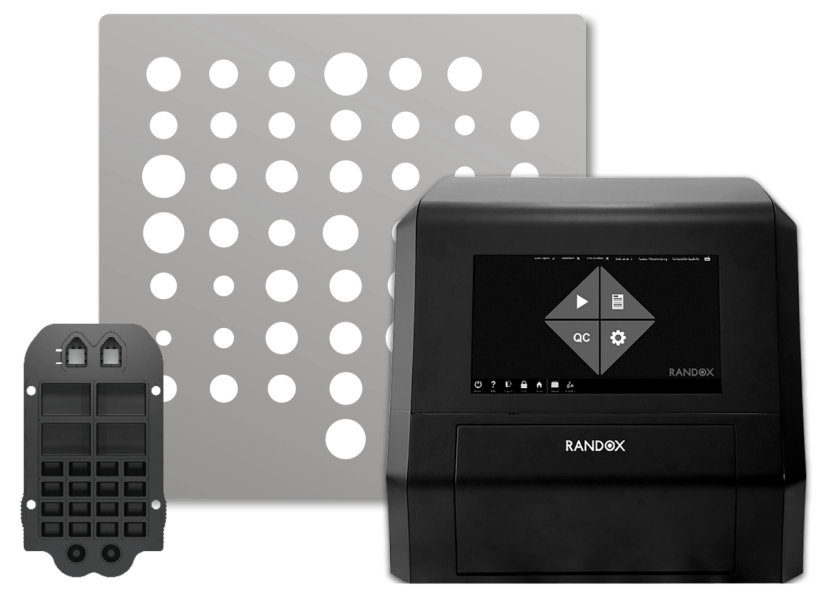
Randox showcases its FDA-cleared clinical drug testing panel for the Evidence MultiSTAT for rapid drug screening
Randox USA has announced that the U.S. Food and Drug Administration (FDA) has granted 510(k) clearance for its newest clinical drug testing panel, available on the Evidence MultiSTAT fully automated multi analyte analyzer, powered by patented Biochip Technology.
Developed to provide accurate results, the panel is cost-effective and offers easy-to-use testing for efficient drug screening with an extensive cross-reactivity profile, reducing the negative impact on patient care.
The panel provides simultaneous detection of 15 drugs of abuse from urine in 21 minutes. With a simple 3 step testing process, pre-filled reagent cartridges and results with very high accuracy comparable to confirmatory methods, the Evidence MultiSTAT gives clinicians and healthcare systems the quality they require to better patient clinical pathways.
Randox provides the detection of common and novel drug classes, covering analytes such as fentanyl and 6 MAM. This breadth of capability supports efforts to address illicit drug use and excessive use of prescription medicine across the US amid a severe opioid crisis. Although overdose fatalities were reported to have declined by nearly 27% in 2024, many individuals first encountered opioids through legitimate prescriptions. Over time, however, a significant shift has occurred toward illicit substances including heroin and highly potent synthetic opioids like fentanyl, which continue to be the primary contributors to overdose cases today.
The Evidence MultiSTAT, which is also FDA cleared, is an easy to use, small footprint, cartridge based, real immunoassay analyzer facilitating on-site simultaneous detection of multiple drug targets. Using chemiluminescence as a measurement principle, and with minimal sample preparation required, this versatile benchtop analyzer can achieve accurate, results in minutes with minimal risk of human error or cross contamination.
David Ferguson, Randox Chief Operating Officer said, “Trusted across multiple industries, with widespread adoption and notable placements benefiting forensic toxicology, our latest panel broadens access to drug testing across a wide range of clinical and critical care environments, including emergency departments, hospital laboratories, pain management services, behavioral and psychiatric centers, and the criminal justice system to reduce the negative impact on patient care.”
Want the latest science news straight to your inbox? Become a SelectScience member for free today>>
Related products
Request Quote for All Products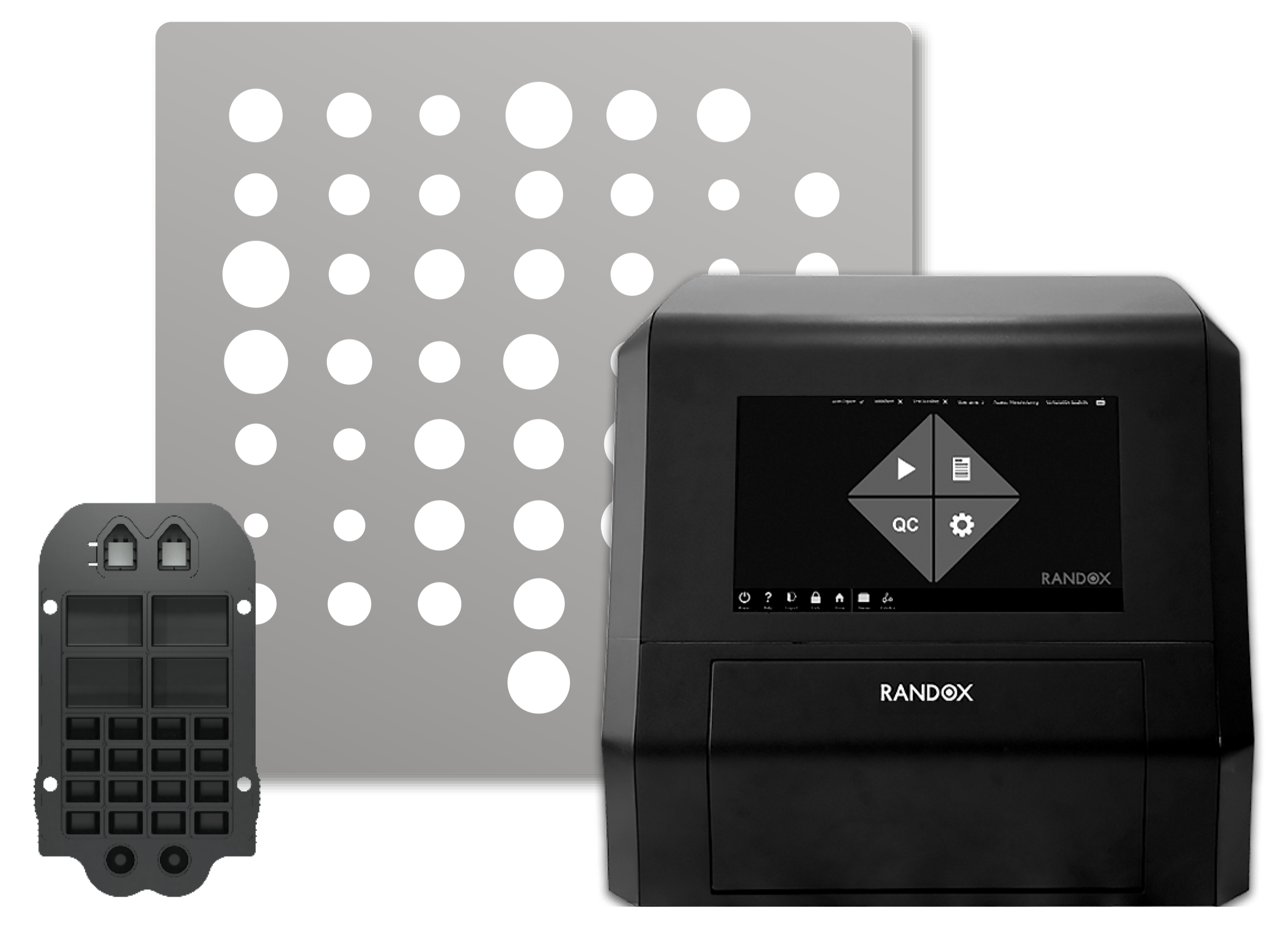
Evidence MultiSTAT™ Multiplex Immunoassay Analyzer
Randox Laboratories Ltd.A compact, fully automated multiplex immunoassay analyzer using Biochip Array Technology for rapid detection of multiple analytes from a single sample. Supports high-throughput drug testing and clinical diagnostics with a simple cartridge-based workflow and results in under 30 minutes.
Links
Tags
Frequently asked questions
Show frequently asked questions
What is the FDA-cleared Randox clinical drug testing panel on the Evidence MultiSTAT, and which drugs of abuse can it detect?
The Randox clinical drug testing panel is an FDA 510(k)-cleared assay for the Evidence MultiSTAT analyzer. It enables simultaneous detection of 15 drugs of abuse from urine in 21 minutes. The panel covers common and novel drug classes, including analytes such as fentanyl and 6-MAM, supporting rapid, accurate clinical drug screening.
How does the Evidence MultiSTAT analyzer improve clinical drug screening workflows in U.S. healthcare settings?
The Evidence MultiSTAT offers a simple three-step process, pre-filled reagent cartridges, minimal sample preparation, and rapid results in minutes. This small-footprint benchtop system reduces human error and cross-contamination, enhancing efficiency and accuracy in clinical and critical care environments.
In what clinical and forensic environments is the Randox Evidence MultiSTAT drug testing panel particularly beneficial amid the U.S. opioid crisis?
According to Randox COO David Ferguson, the Evidence MultiSTAT panel is trusted across multiple industries and widely adopted in forensic toxicology. It broadens access to drug testing in emergency departments, hospital laboratories, pain management services, behavioral and psychiatric centers, and the criminal justice system, supporting efforts to address illicit opioid use, including fentanyl.