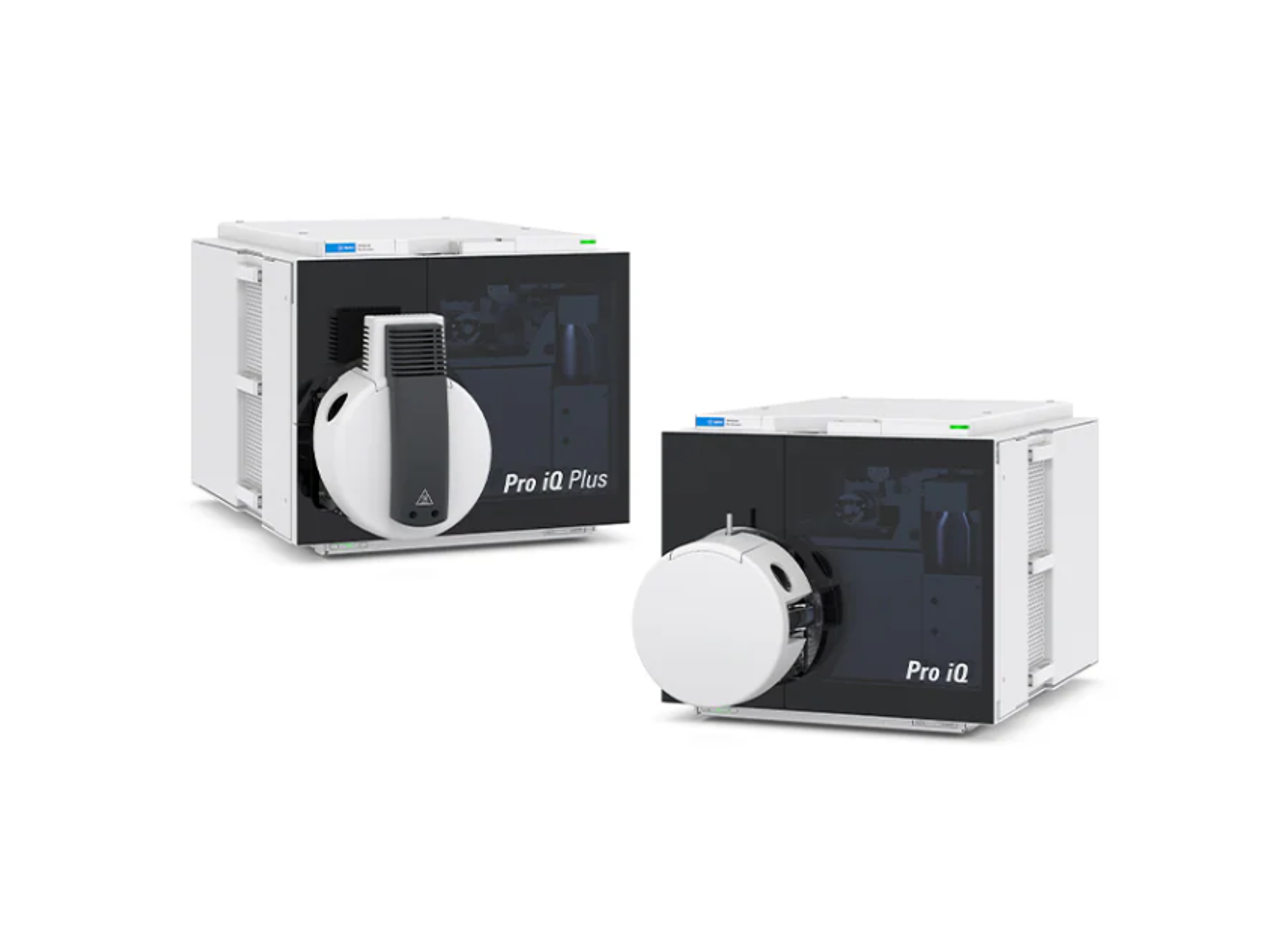
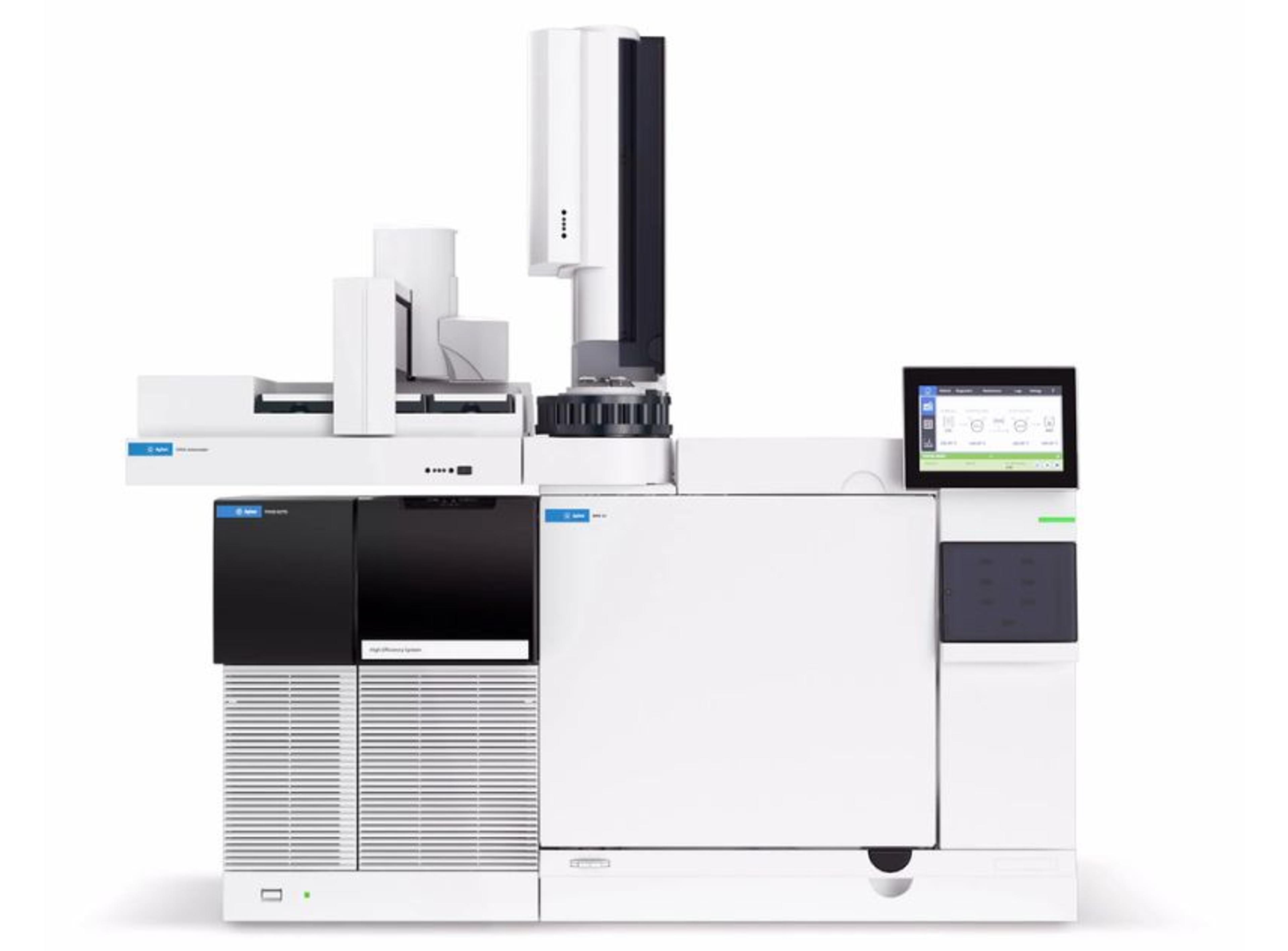
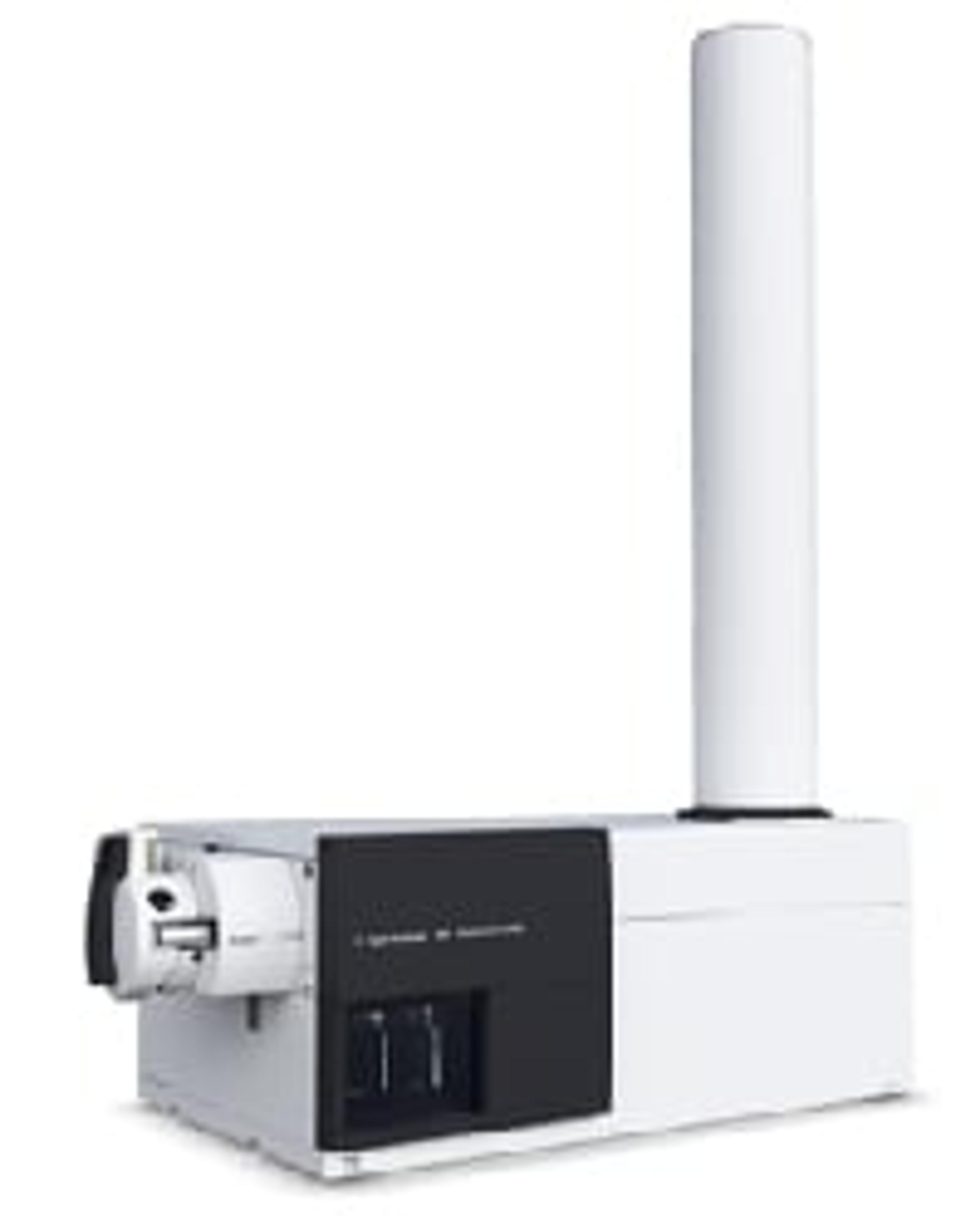
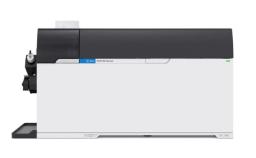
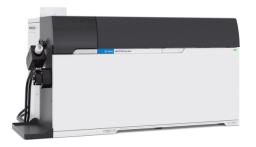
8900 Triple Quadrupole ICP-MS
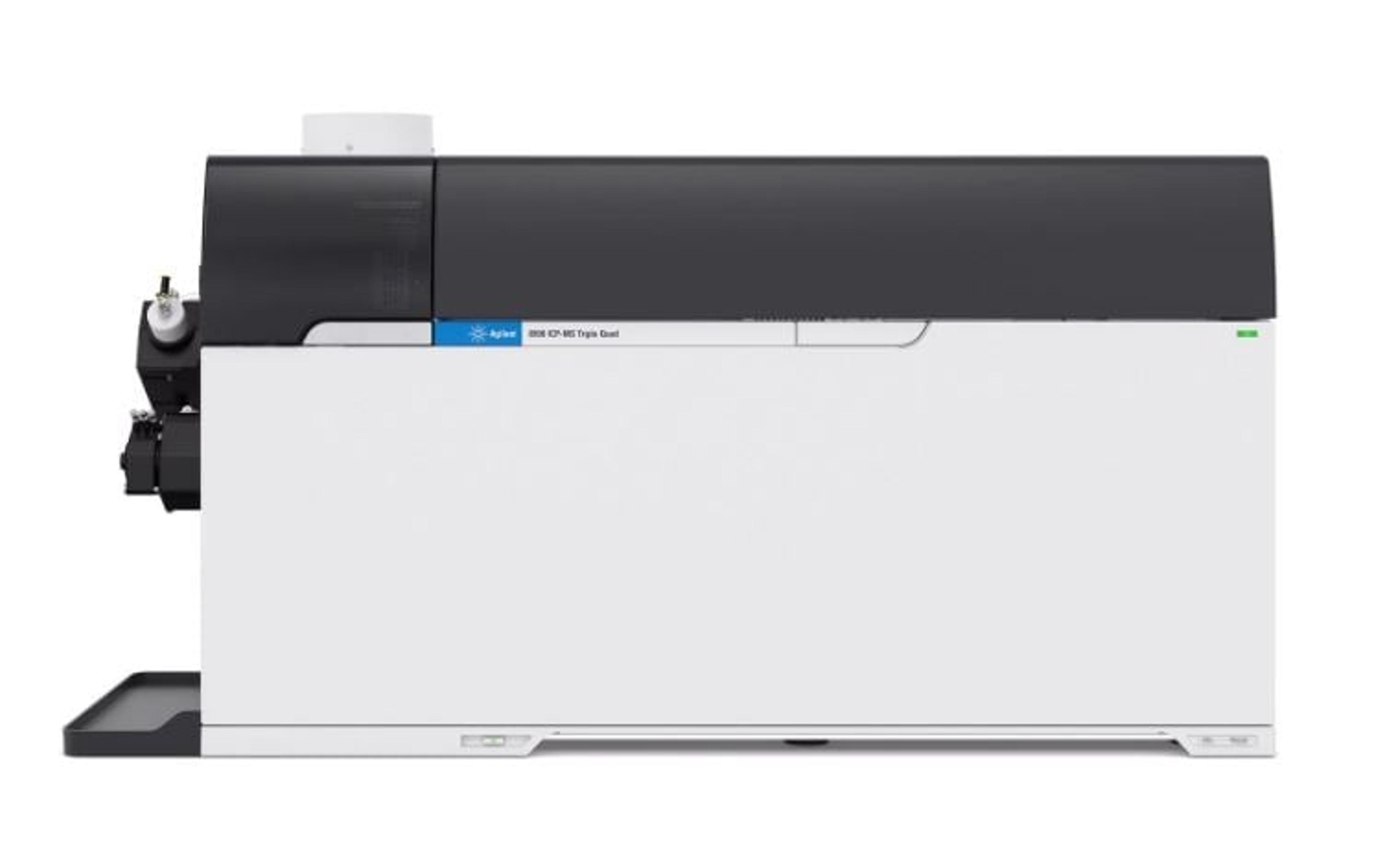
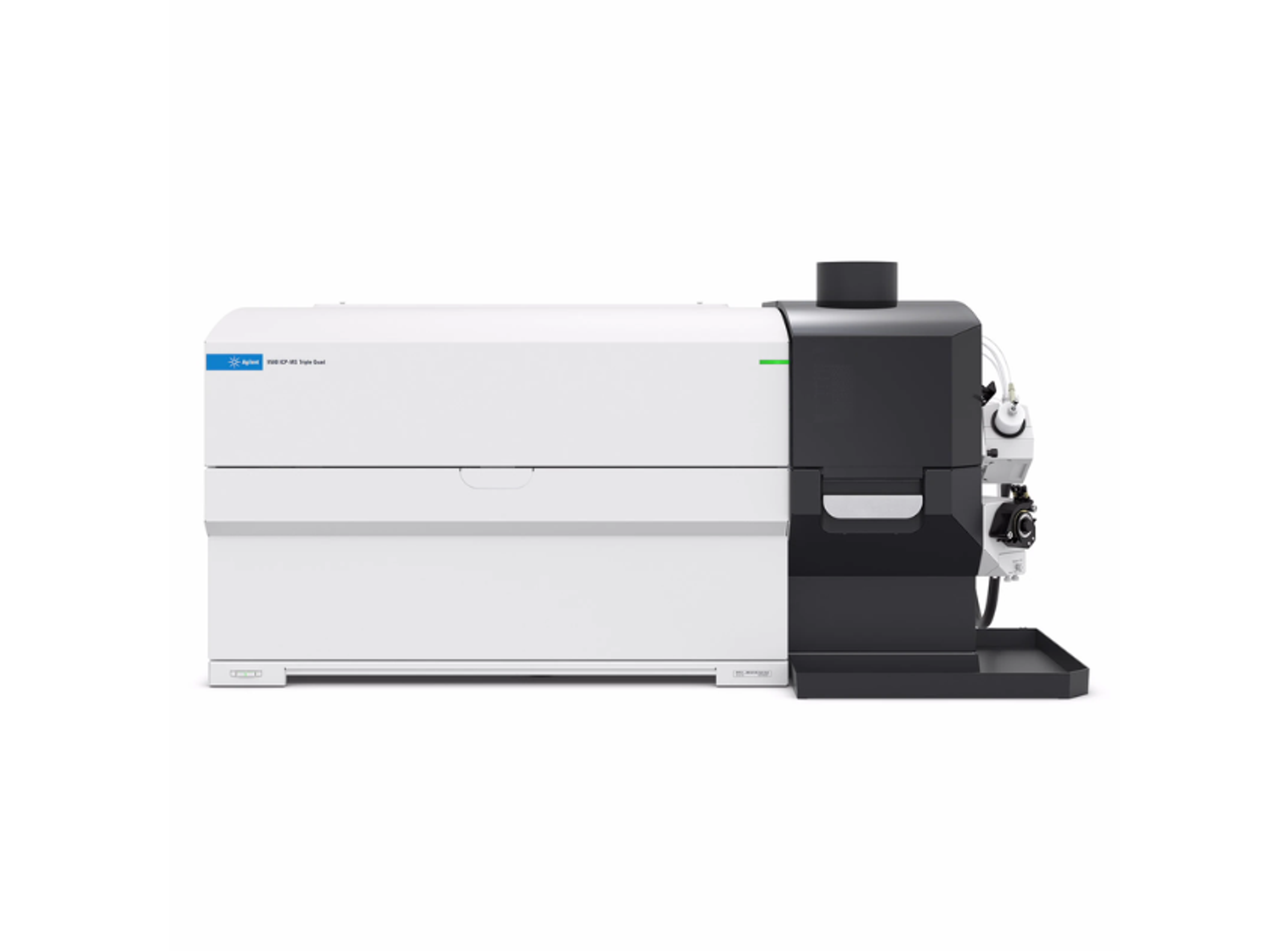
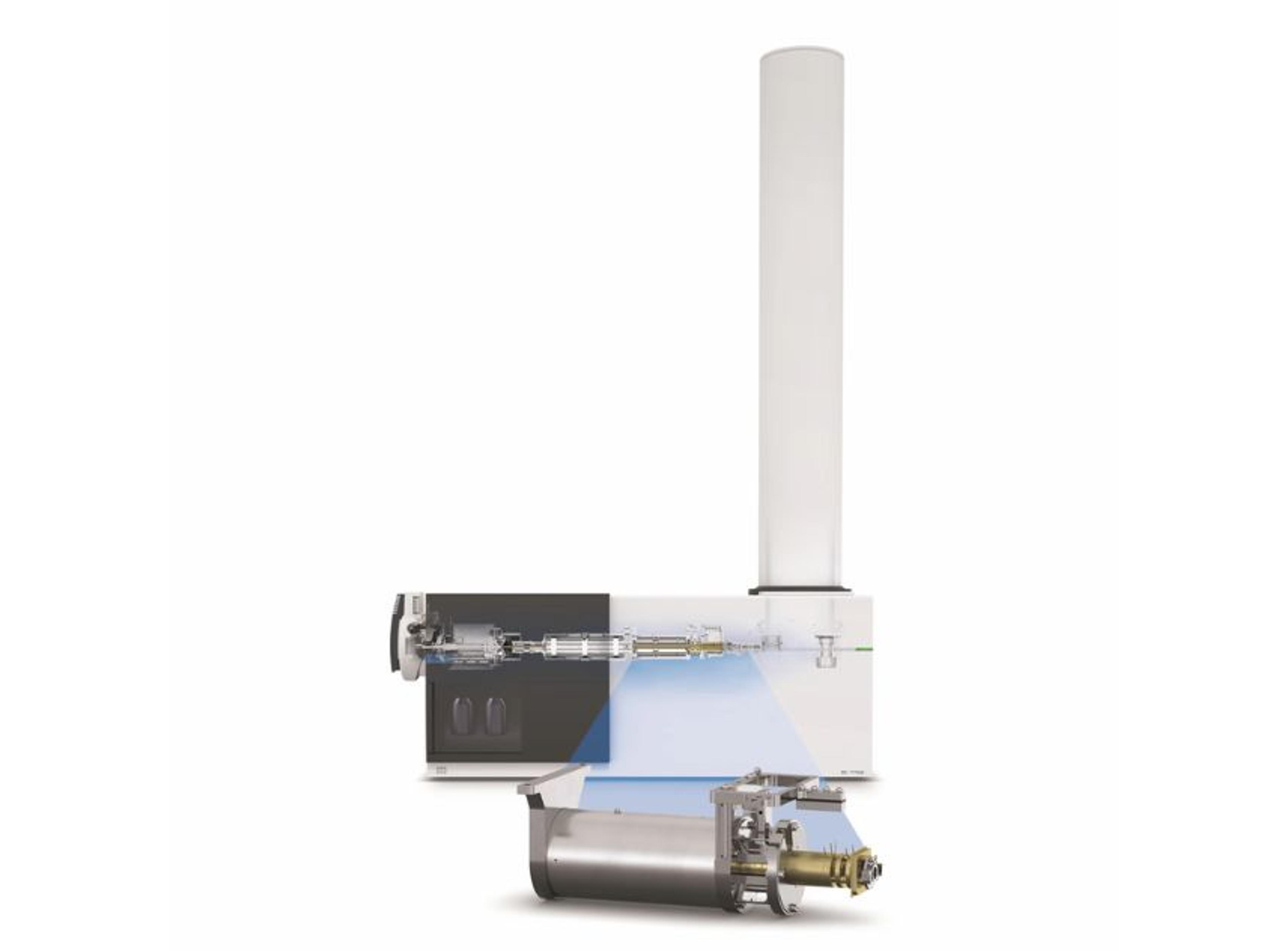
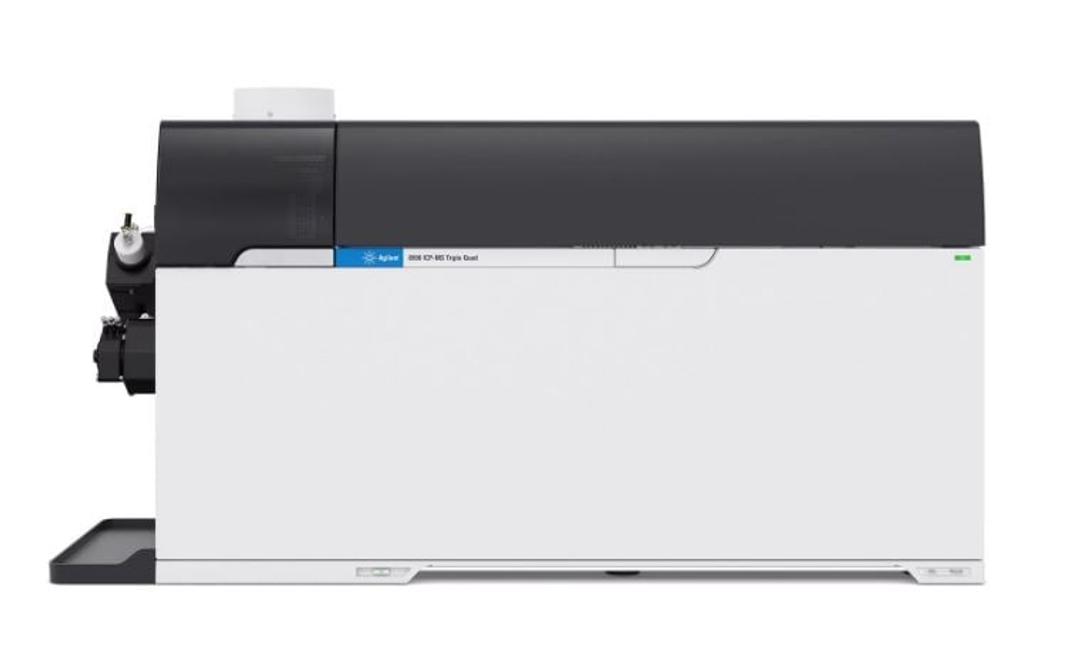
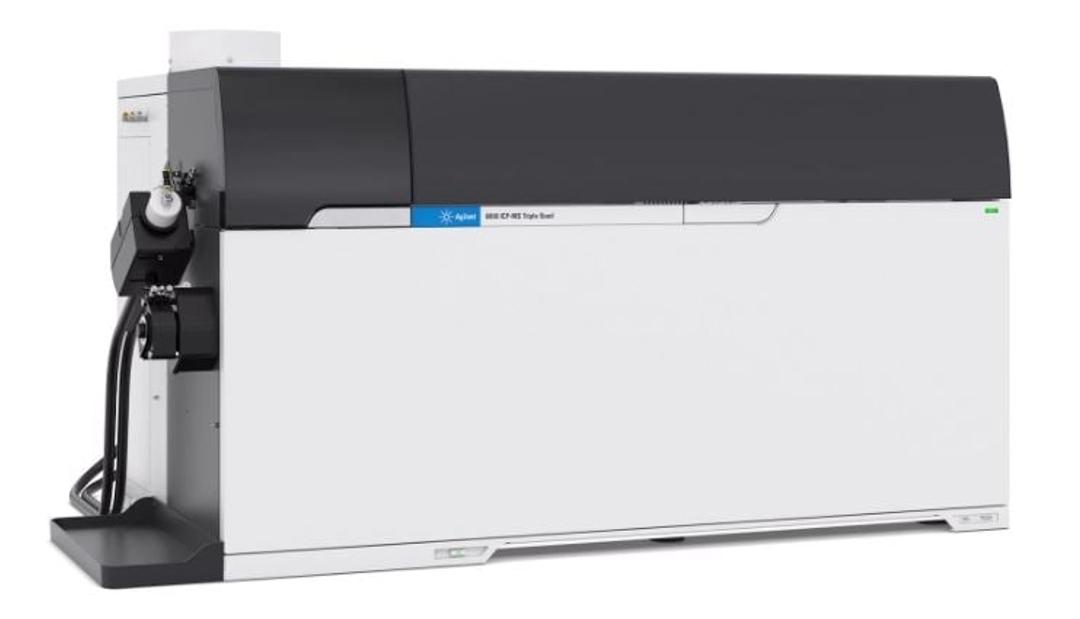
The Agilent 8900 triple quadrupole ICP-MS (ICP-QQQ) is the world’s most successful and widely used tandem ICP mass spectrometer. Available in a range of configurations to cover applications from routine contract analysis to advanced research and high-purity materials analysis, the Agilent 8900 ICP-QQQ redefines ICP-MS performance, delivering results you can trust.








Receive your quote directly from the manufacturer.
Can't imagine sample analysis without it
Analysis of heavy metals
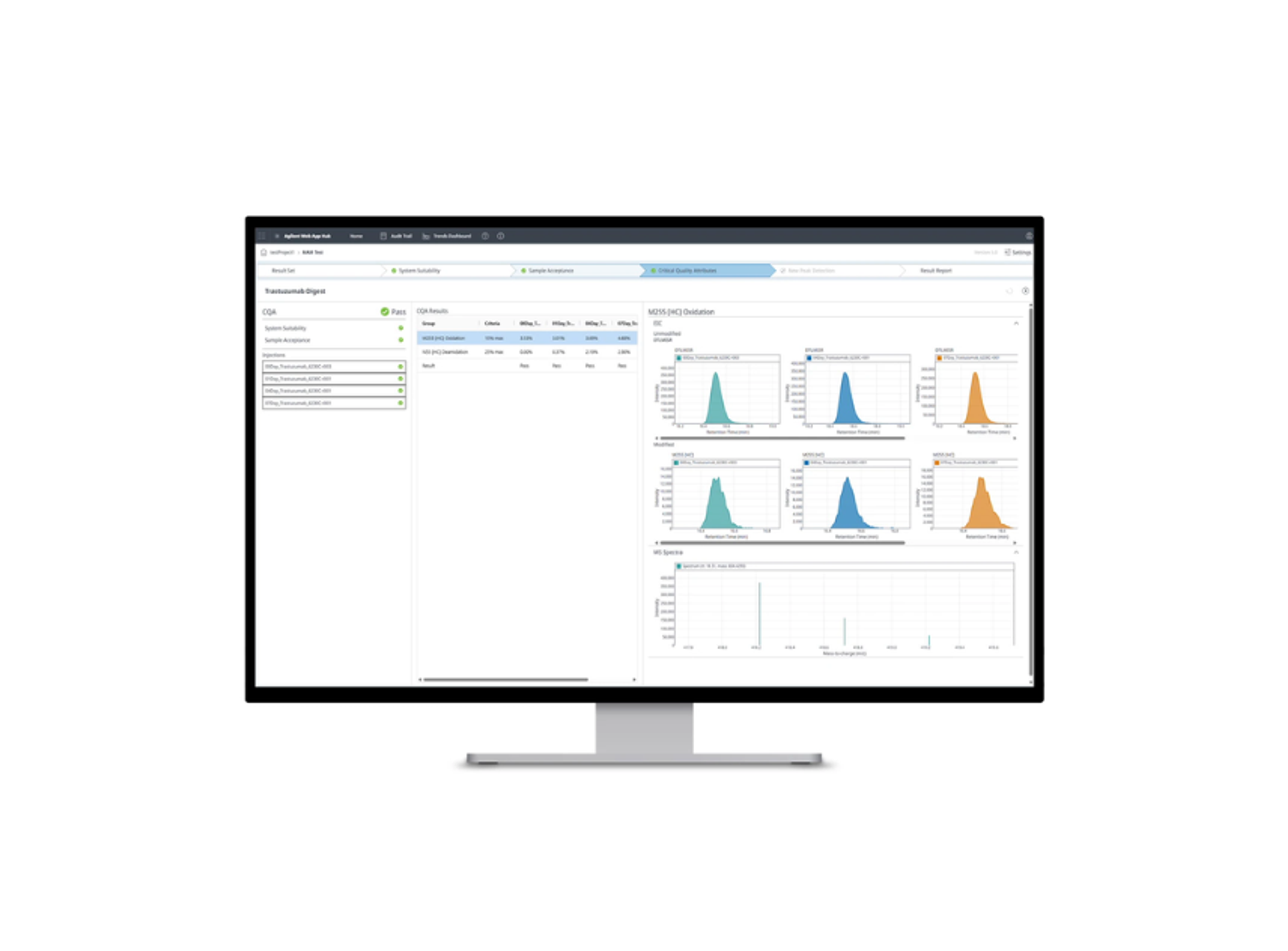
Easy to use mass hunter software and interface. Makes analysis easy for heavy metals into samples.
Review Date: 9 Jun 2023 | Agilent Technologies
A robust, fast and easy to use equipment.
Analysis of waste water, and clean water
Is a very complete team. It has increased the productivity of the laboratory, valid for multiple matrices, with a very user friendly software. acceptable technical service, although it needs improvement
Review Date: 8 Dec 2022 | Agilent Technologies
The instrument is necessary for our lab
Analysis of metal in water, chemical
The MDL is better than other manufacturers. The instrument is stable and reliable. The service is quick and good
Review Date: 12 Jul 2022 | Agilent Technologies
Great product
Analyze the human plasma and mice serum samples
Easy to use and easy for maintenance. Performance/Data are consistence.
Review Date: 1 Apr 2022 | Agilent Technologies
Agilent systems are a work horse!
Environmental/Analytical Lab
For the past 25-years, we enjoyed working with Agilent GC, GC-MS, LC-MS and 3-ICP-MS
Review Date: 1 Apr 2022 | Agilent Technologies
Excellent value and durable
Speciation of Toxic Elements in the Environmental behavior in the vicinity of land affiliation
Effective at aiming targets
Review Date: 11 Feb 2022 | Agilent Technologies
Good company to buy from.
Environmental analysis
Great service, product and price.
Review Date: 5 Mar 2020 | Agilent Technologies
Great instrument.
Chemical analysis
Easy to use; particularly for those with no experience.
Review Date: 10 Dec 2019 | Agilent Technologies
various, also in prop 65 chemicals
Effectiveness, as expected. Also, very effective in prop 65 litigation
Review Date: 17 Jan 2019 | Agilent Technologies
Fantastic instrument- getting results with ease
Metals in biological matrices
We are getting great reproducible results!!! The information embedded in the software is helping to create methods that would have taken months to develop.
Review Date: 29 Jun 2016 | Agilent Technologies
The Agilent 8900 triple quadrupole ICP-MS (ICP-QQQ) is the world’s most successful and widely used tandem ICP mass spectrometer. Available in a range of configurations to cover applications from routine contract analysis to advanced research and high-purity materials analysis, the Agilent 8900 ICP-QQQ redefines ICP-MS performance, delivering results you can trust.
The 8900 offers the same matrix tolerance and robustness as Agilent’s market-leading single quadrupole ICP-MS systems, combined with the industry’s most effective helium (He) collision mode. But the 8900 adds tandem mass spec operation (ICP-MS/MS) for unmatched control of reaction chemistry in the collision reaction cell (CRC), making it the world’s most powerful and flexible multi-element analyzer. Let the 8900 ICP-QQQ take control of your interferences and put your results beyond doubt.
Features:
- MS/MS controls the reaction chemistry ensuring consistent, reliable results, even for previously difficult elements like Si, P, and S
- Reaction chemistry resolves isobaric overlaps, which are beyond the capability of high-resolution ICP-MS
- Four-channel cell gas control provides fast, flexible, multi-mode operation
- A suite of pre-set methods simplifies method setup for routine analysis
- Helium mode provides simple, effective control of common polyatomic interferences
- Robust (low CeO/Ce) plasma for unmatched matrix tolerance
- Ultra High Matrix Introduction (UHMI) technology tolerates samples with up to 25% total dissolved solids (TDS)
- High sensitivity and low background provide the lowest detection limits for ultratrace analytes
- Versatility and high performance combine to support advanced research and demanding applications
- Flexible modes of operation (precursor/product ion scan) support research into reaction chemistry modes

Analysis of metallic impurities in specialty semiconductor gases using gas exchange device (GED)-ICP-MS
In this application note, the GED_LAB was integrated with the Agilent 8900 Triple Quadrupole ICP-MS (ICP-QQQ) for the analysis of HF and Cl2 gases. Using the Agilent Software Developer’s Kit for ICP-MS MassHunter, IAS developed software to fully control the GED-MSAG-ICP-MS workflow from the GED software.
How to choose the right atomic spectroscopy technique?
Atomic spectroscopy describes several analytical techniques used to determine the elemental composition of a sample by examining its electromagnetic spectrum or its mass spectrum. In this application note, Agilent describes the best method for selecting the correct atomic spectroscopy technique for your needs.
Single quadrupole ICP-MS vs triple quadrupole ICP-MS
Agilent offers two configurations of quadrupole ICP-MS:
Conventional or “single quadrupole” ICP-MS, and
“Triple quadrupole” ICP-MS, also known as ICP-QQQ, ICP triple quad, or “TQ”.
Download this application note to see which configuration is best for your needs.
Particle size analysis of polystyrene microplastics by single particle (sp) ICP-MS
In this study, polystyrene microbeads were subjected to simulated UV degradation for 20 hours. The resultant micro- and nano-sized particles were quantified, and their size measured by monitoring the 13C signal using a single particle ICP-MS method. Such data can be used to predict the long-term secondary microplastics generation process and the retention of microplastics in the environment.
Automated analysis of ultratrace elemental impurities in isopropyl alcohol
In this application note, Agilent presents a study where trace element impurities in IPA were quantified by online MSA using an IAS ASAS and Agilent 8900 Triple Quadrupole ICP-MS (ICP-QQQ). The method allows the accurate and reliable quantification of ultratrace level impurities in IPA without requiring a highly skilled analyst.
Multielement nanoparticle analysis of semiconductor process chemicals using spICP-QQQ
In this application note, Agilent presents a study where multiple element NPs were measured in semiconductor grade tetramethyl ammonium hydroxide (TMAH). The Agilent 8900 Triple Quadrupole ICP-MS (ICP-QQQ) was used for the analysis because of its high sensitivity, low background, and effective interference removal capability.
Automated analysis of semiconductor grade hydrogen peroxide and di water using ICP-QQQ
In this application note, Agilent presents a study where an automated procedure was developed to quantify ultratrace elemental impurities in de-ionized (DI) water and H2O2 using an Agilent 8900 ICP-QQQ fitted with an ESI prepFAST S automated sample introduction system.
Measuring inorganic impurities in semiconductor manufacturing
The new edition of the Agilent ICP-QQQ Semiconductor Applications Compendium contains 20+ optimized methods to measure impurities in:
- Wafer precursor and substrate materials
- Ultrapure water and hydrogen peroxide
- Acids and other process chemicals
- Solvents and other organic chemicals
- High purity metals
- Precursor and process gases
The methods include instrument configuration and tuning parameters, sample and standard preparation details and representative results.
The compendium will be a valuable resource for suppliers to fab plants aiming to control inorganic impurities to meet product specifications.
Analysis of nanoparticles in organic reagents by Agilent 8900 ICP-QQQ in spICP-MS mode
In this application note, the Agilent 8900 ICP-QQQ operating in MS/MS mode was used for the determination and characterization of iron-based nanoparticles in isopropyl alcohol (IPA), propylene glycol methyl ether acetate (PGMEA), and butyl acetate (BuAc).
Measurement of 87Sr/86Sr isotope ratios in rocks by ICP-QQQ in mass-shift mode
This application note details how the Agilent 8900 ICP-QQQ can be used for the accurate measurement of 87Sr/86Sr isotope ratios in a range of rock samples.
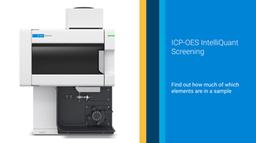
Discover unknown elements in your samples before they cause trouble
Got an ICP-OES sample from a new source? Not sure if there are any elements in it that might cause interferences?
In this video, Agilent Technologies provides an insight into how to use its Intelliquant screening software to determine all the elements in an unknown sample along with their concentrations. This promises to quickly screen ICP-OES samples without the need for any method development or element selection.
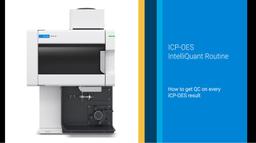
How to get quality control on every sample
Agilent Technologies’ ICP-OES IntelliQuant Routine helps to improve the efficiency of your analysis.
In this video, discover how to get quality control on the results for every sample you measure using ICP-OES without making up any extra solutions.
How to double-check an ICP-MS result without rerunning the sample
Ever doubted a result and wished you could quickly confirm it was correct without having to rerun the sample? Now you can with the IntelliQuant function.
Celebrating 10+ years of advances enabled by proven MS/MS technology
In this video, Agilent Technologies shares what an Agilent ICP-QQQ could do for your lab. For more information, explore Agilent's comprehensive ICP-QQQ applications bibliography here >>
Free your ICP-MS workflow from common time traps
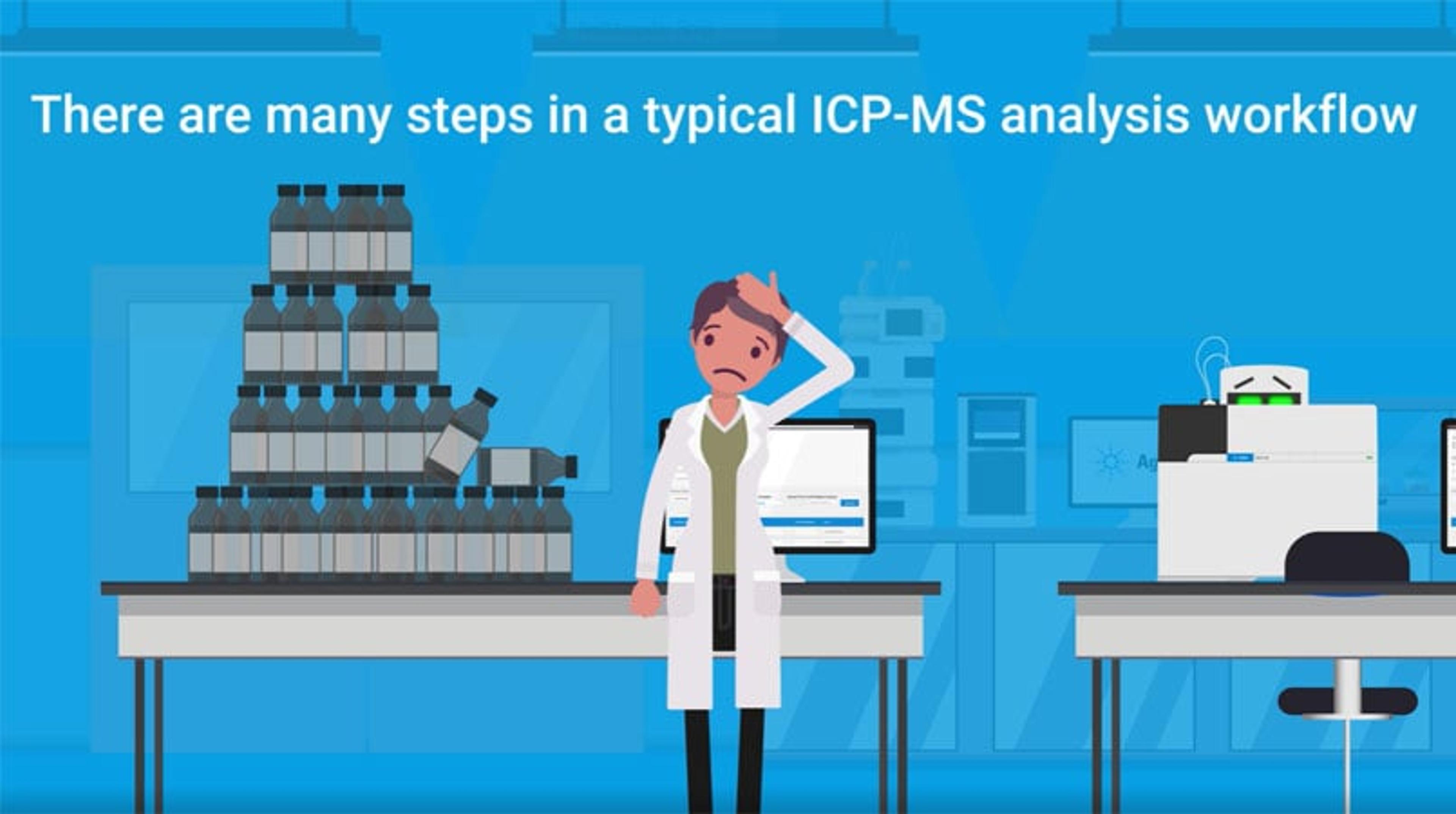
There are many steps in a typical ICP-MS workflow and each step can have hidden time traps. Discover how you can escape the unproductive and often unnecessary activities that may be impacting your lab.
Using helium mode to deal with tricky chemistry in ICP-MS analysis
Learn how helium mode in a collision reaction cell can reduce the complexities of sample preparation when dealing with ICP-MS samples with tricky chemistry problems.
Reliable targeted analysis solutions to fight food fraud
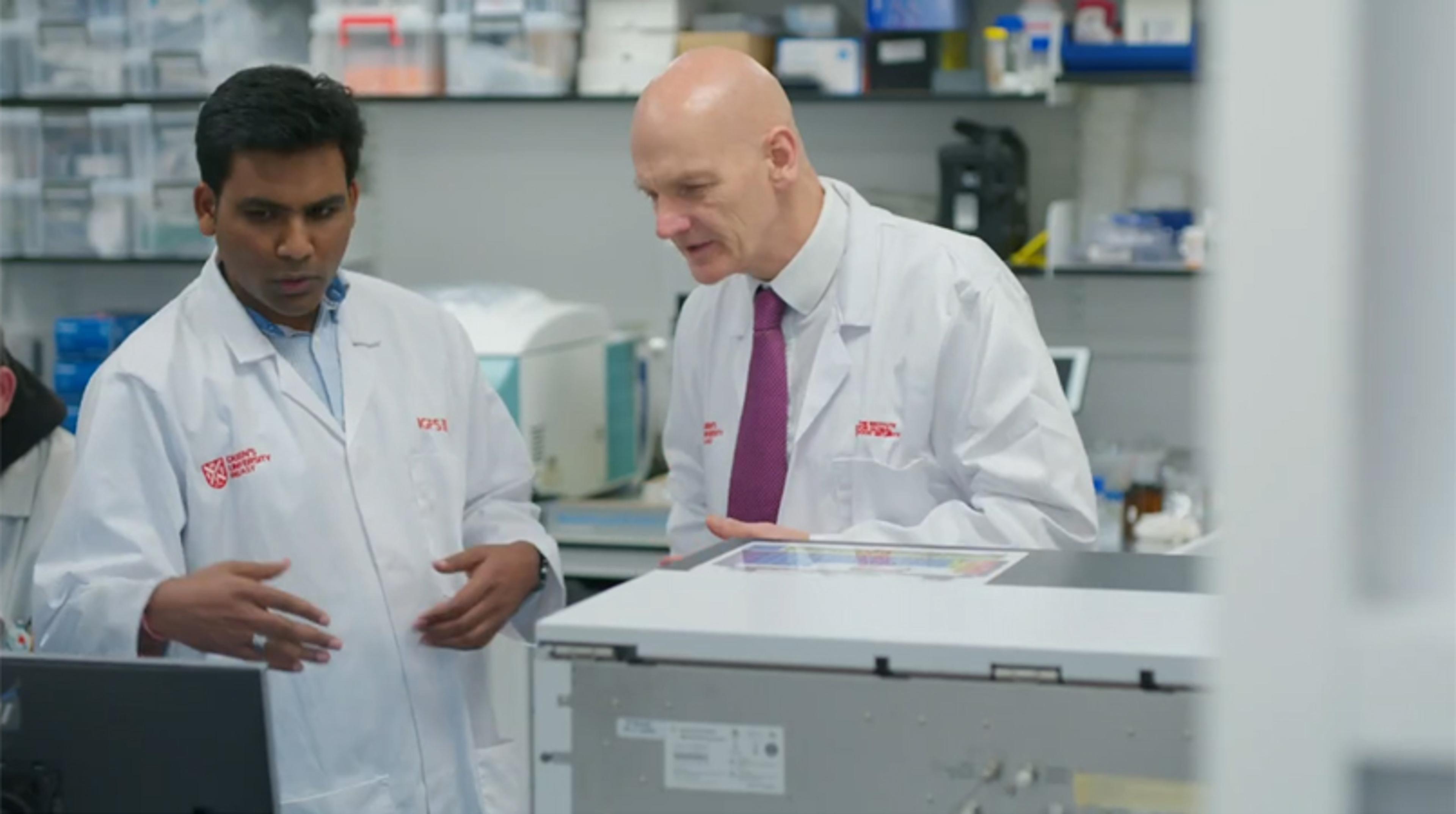
See how Chris Elliott, Professor of Food Safety and founder of the Institute for Global Food Security at Queen's University Belfast employs Agilent mass spectrometry to help reliably analyze food fraud.
Materials science: Key technological advancements to celebrate

Agilent announced as My Green Lab’s first ‘Transformative Level’ sponsor
Agilent has undertaken the highest sponsorship level of My Green Lab and is the first institution to sponsor the My Green Lab certification program
New interactive atomic spectroscopy content hub launched
With spotlights on ICP-OES, ICP-MS, and ICP-QQQ, get ahead with this eye-catching application-focused resource

Meet the experts speaking at the Virtual Analytical Summit 2021
Watch our curated collection of The Scientists' Channel interviews from some of the experts joining us at this year's summit