Advanced Dilution System ADS 2

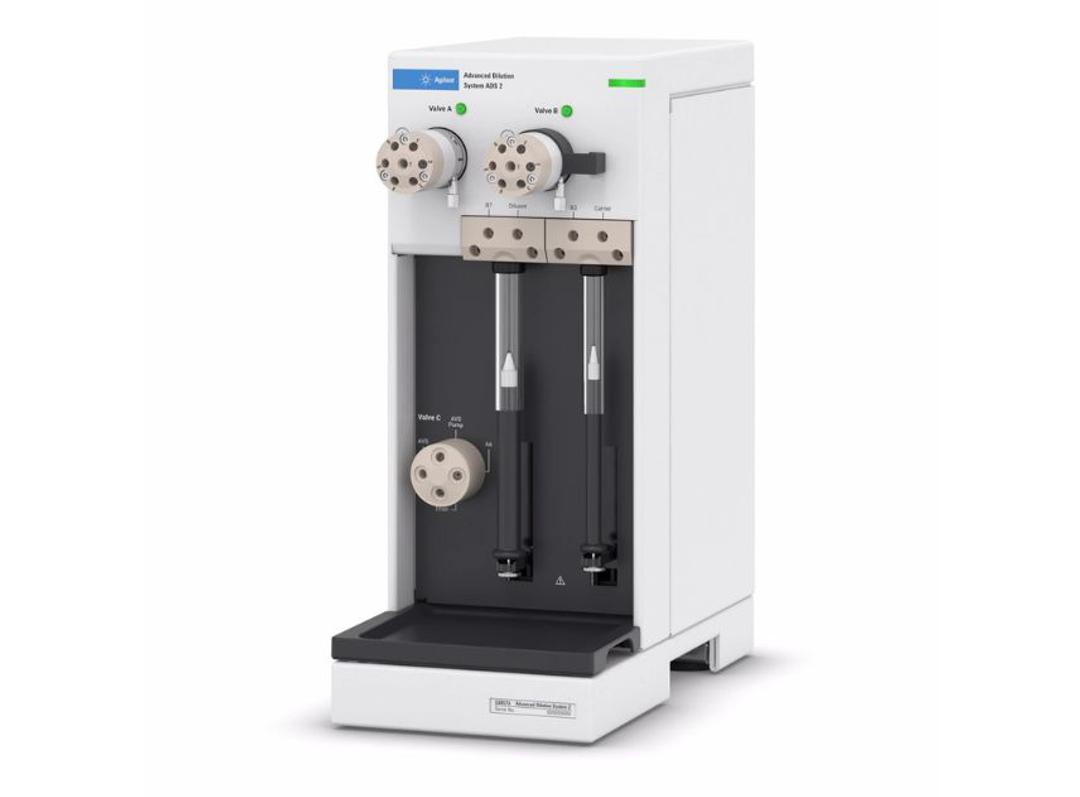
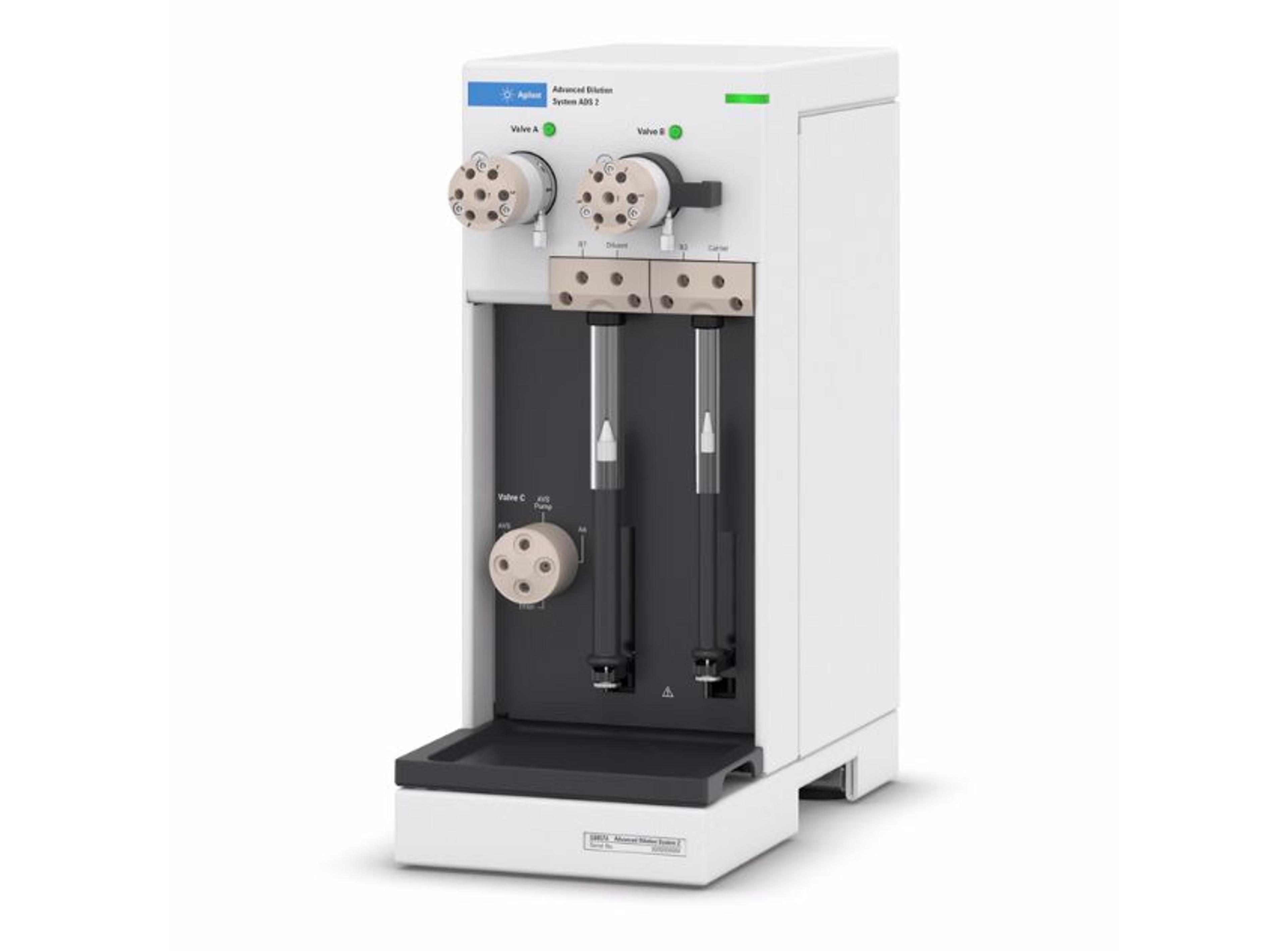
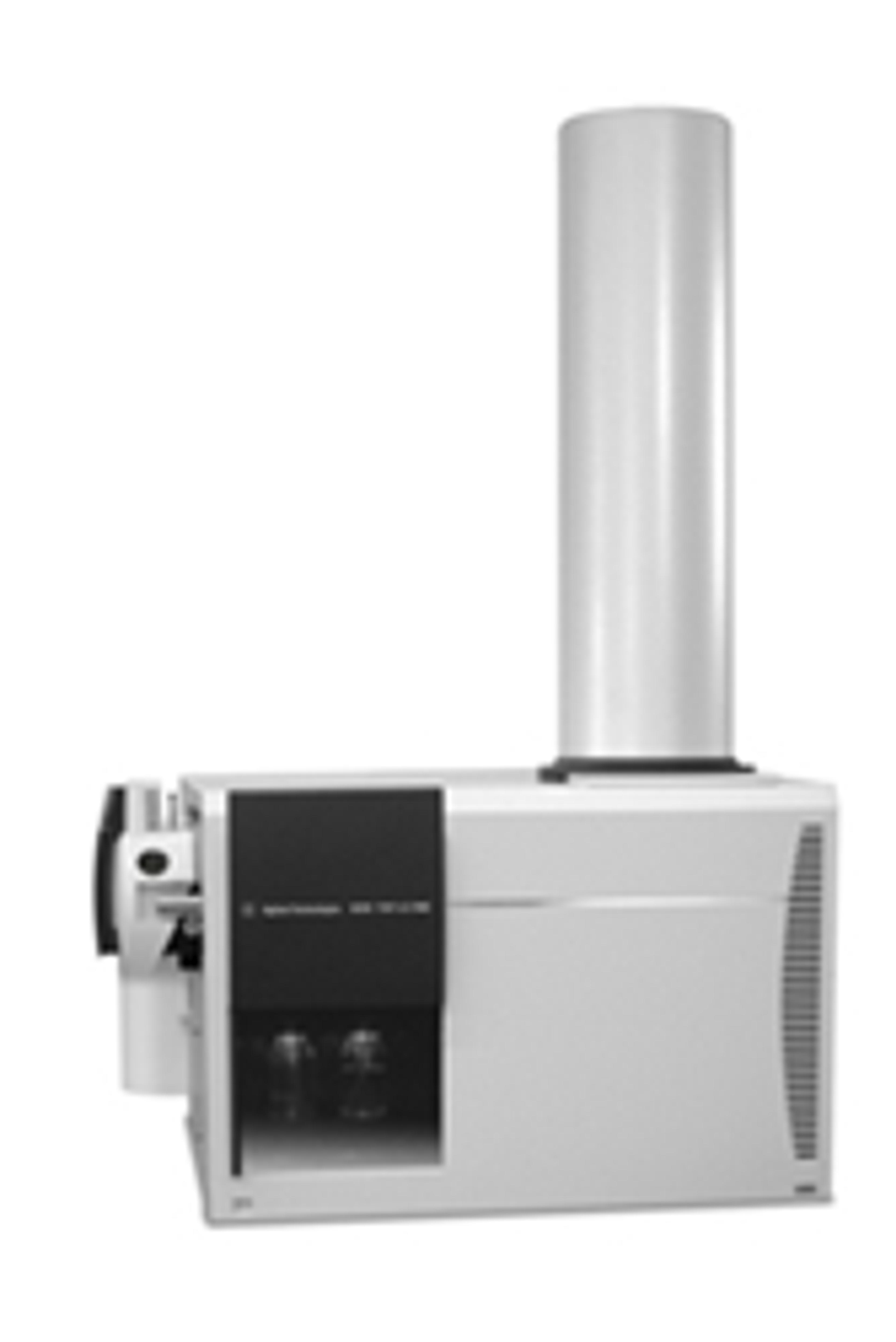
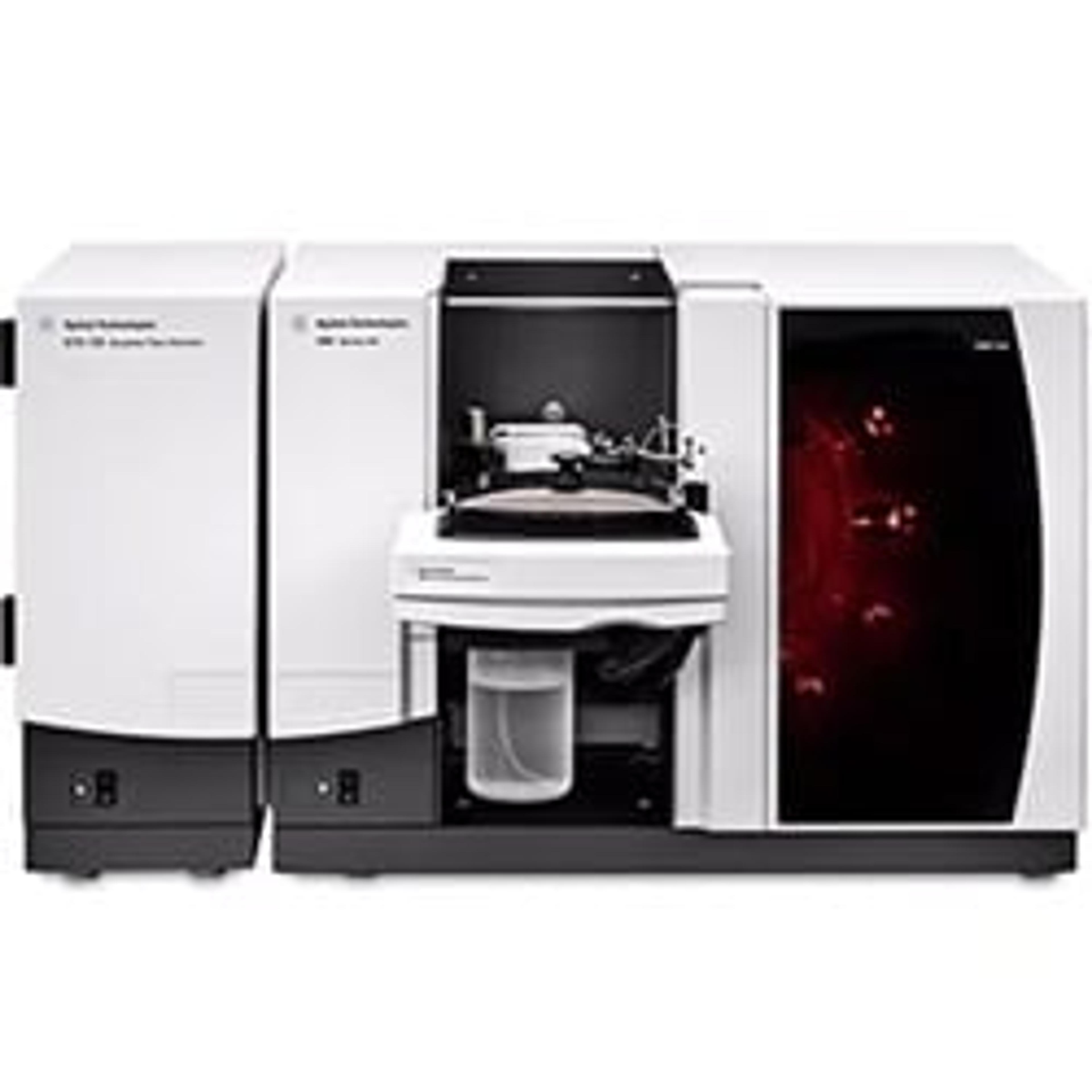
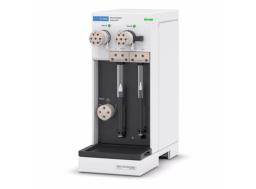
The Agilent ADS 2 is an integrated autodilutor for ICP-OES and ICP-MS designed to automate analysis workflows to improve cost per sample and turnaround time.
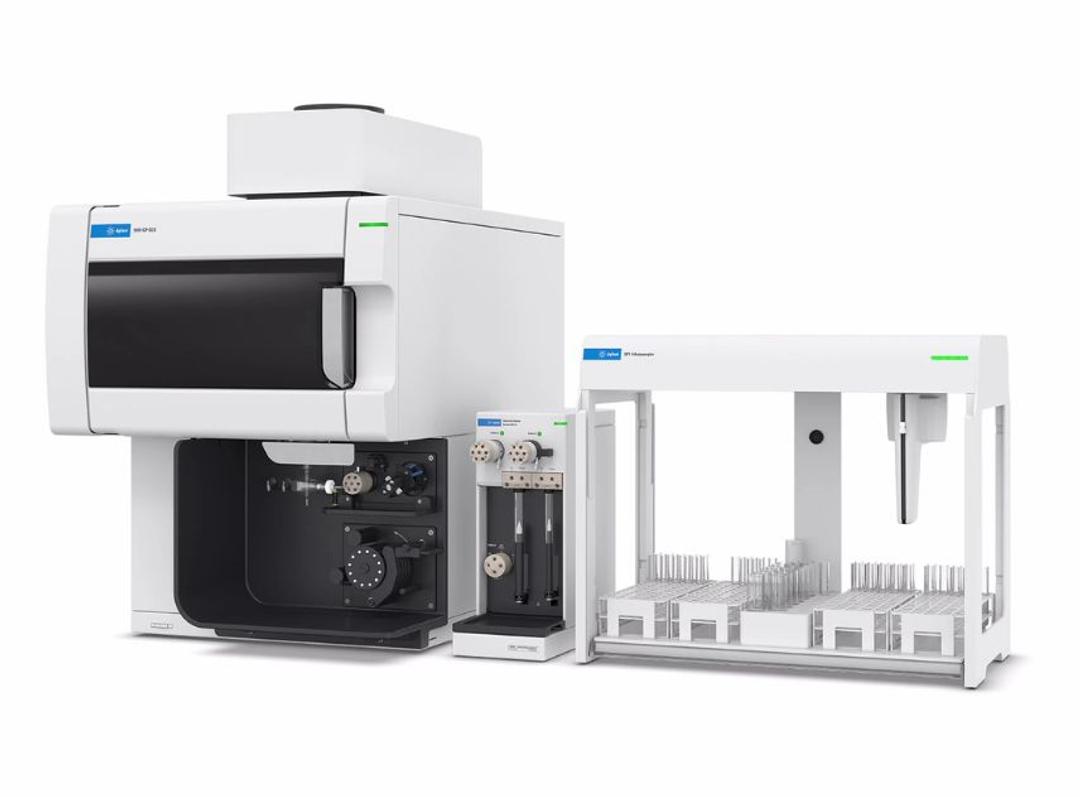
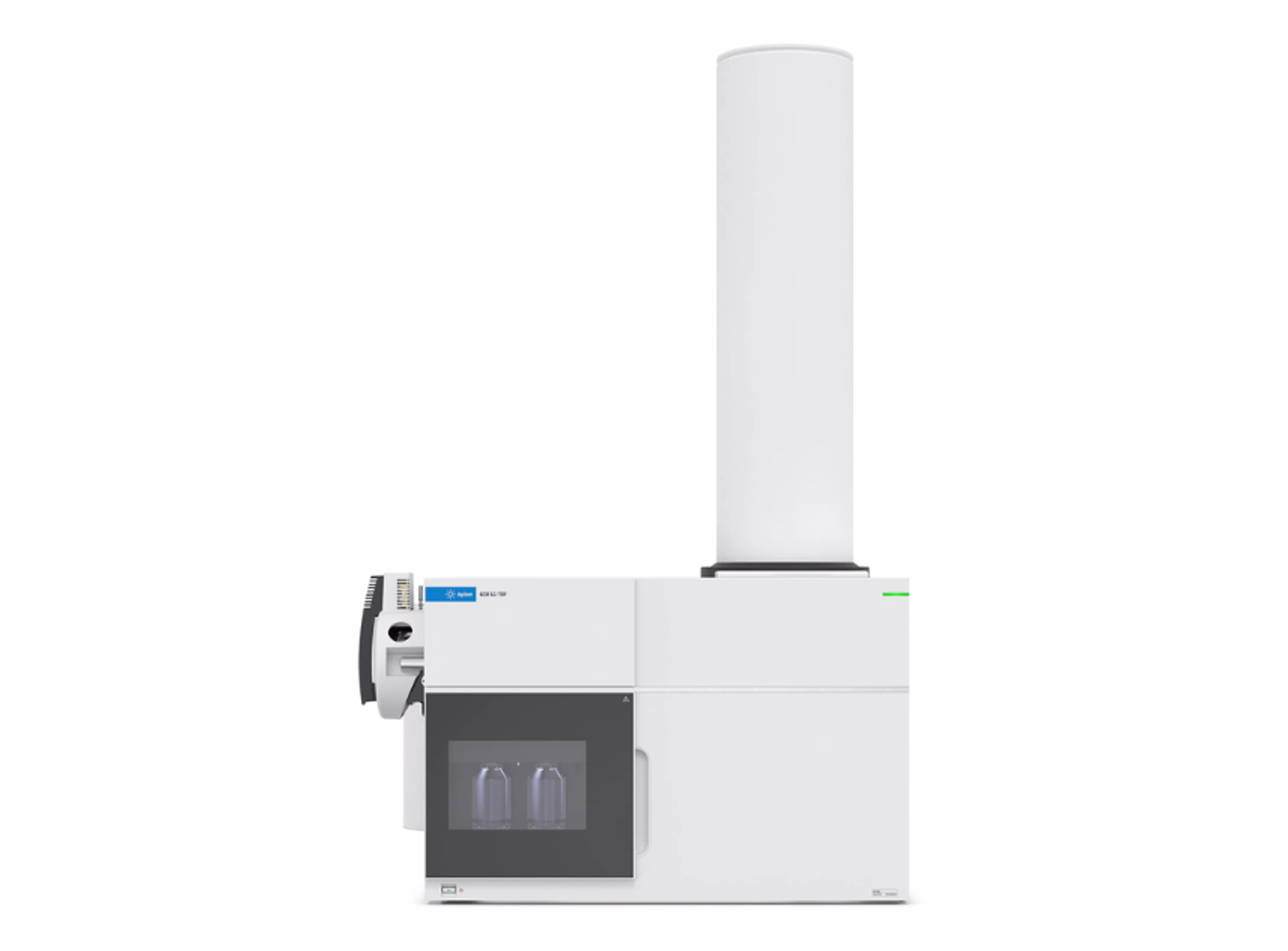
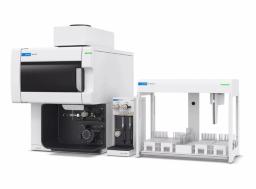
The ADS 2 is an auto dilution system designed to perfectly complement Agilent ICP-OES systems.
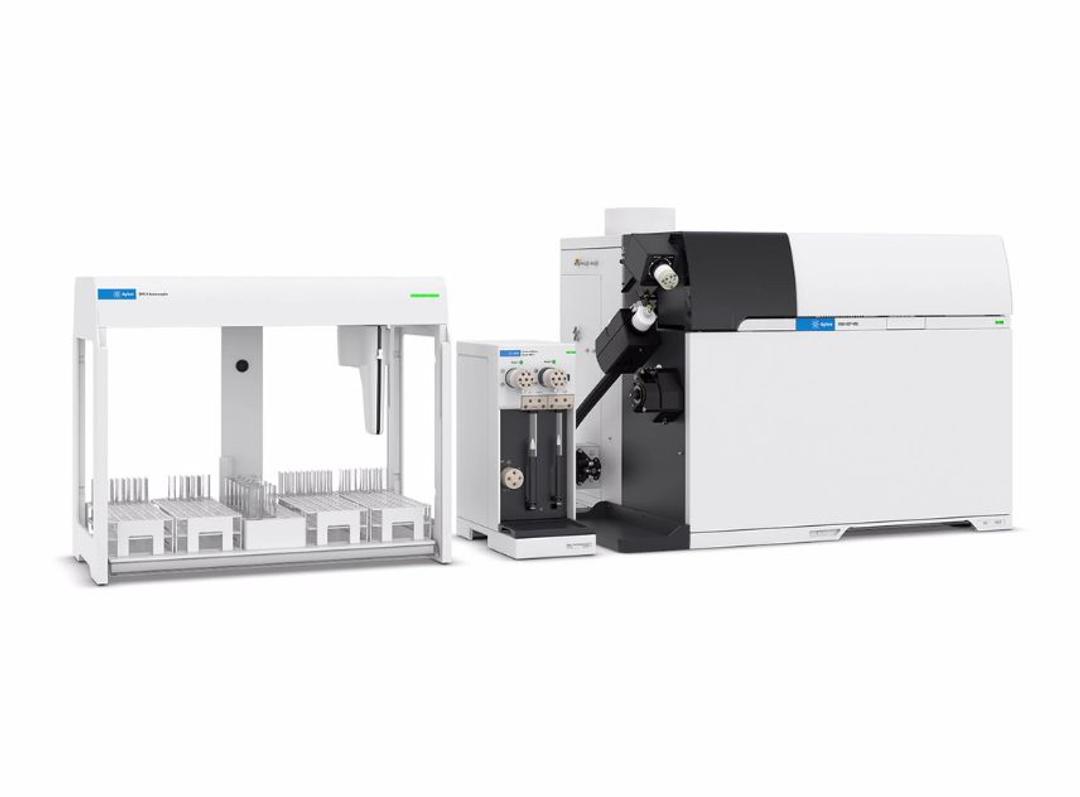
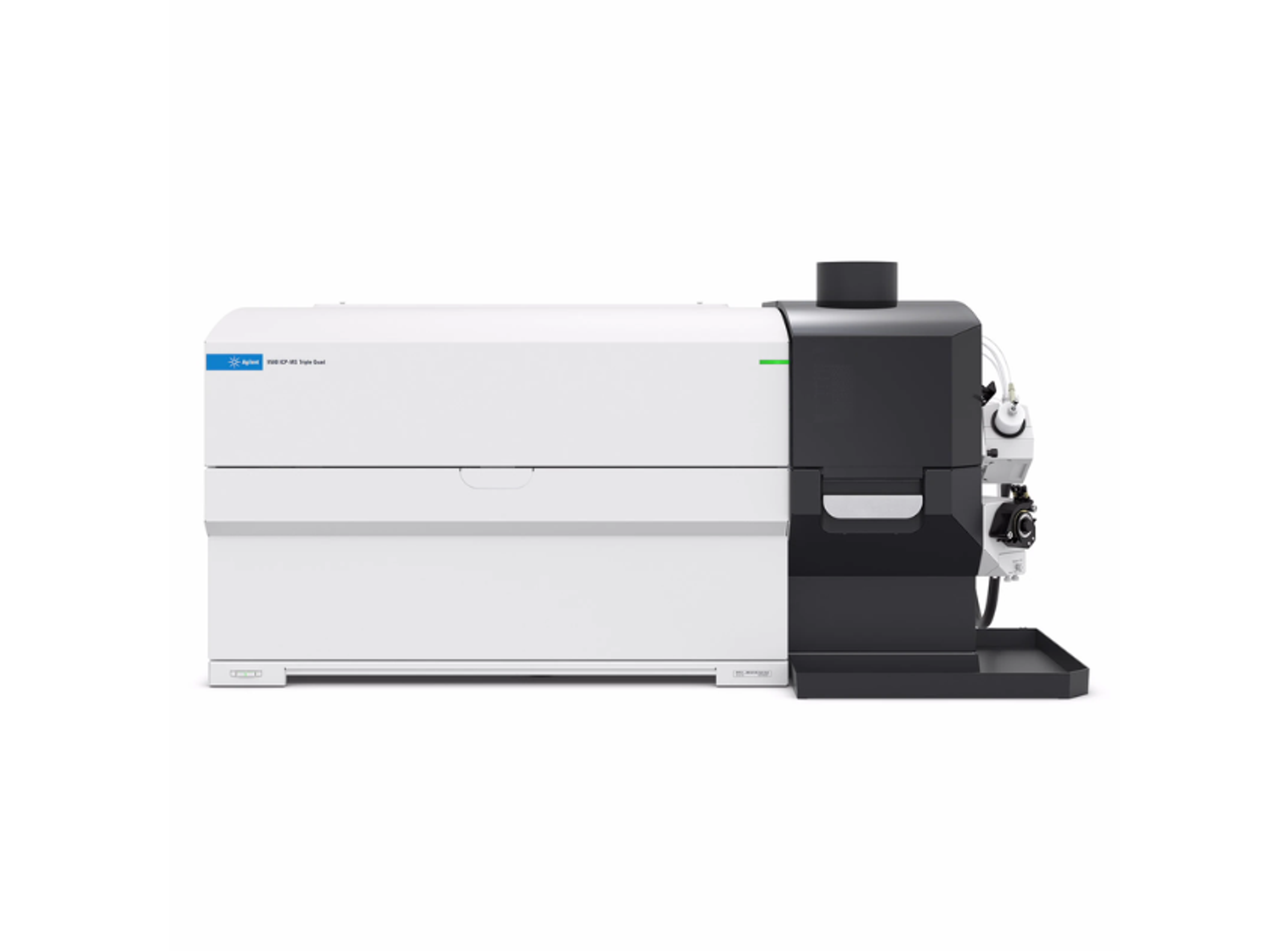
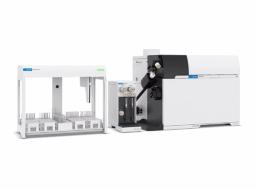
The ADS 2 is an auto dilution system designed to perfectly complement Agilent ICP-MS systems.


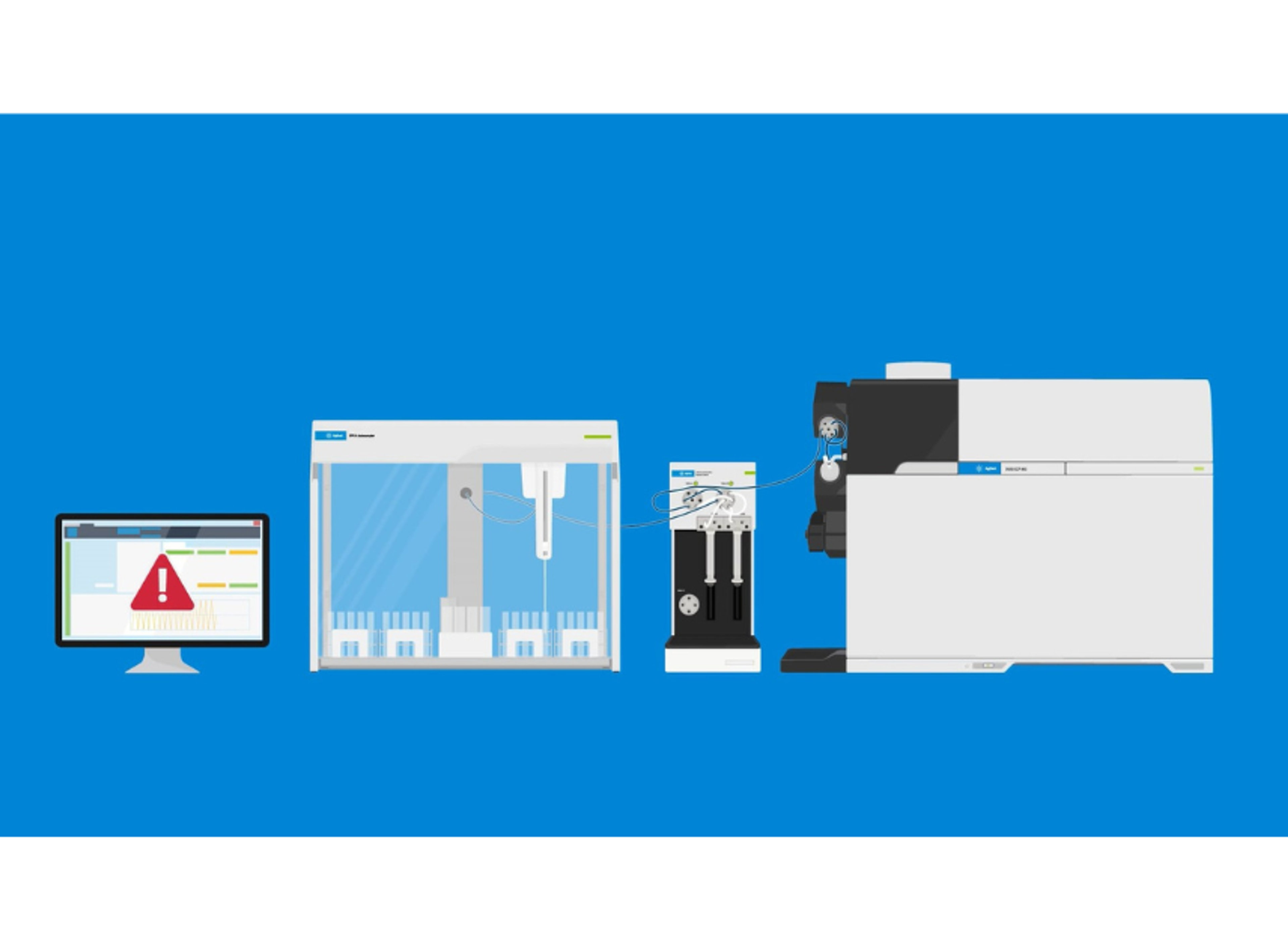



Receive your quote directly from the manufacturer.
The Agilent Advanced Dilution System 2 (ADS 2) is an integrated auto dilution system. The ADS 2 can simplify your laboratory workflow by automating several laborious and error-prone tasks, such as preparing calibration standards, diluting samples before analysis, and preparing reactive dilutions for over-range samples and QC solution failures. Automating these tasks frees up analyst time, removes the risk of human error, and improves sample throughput.
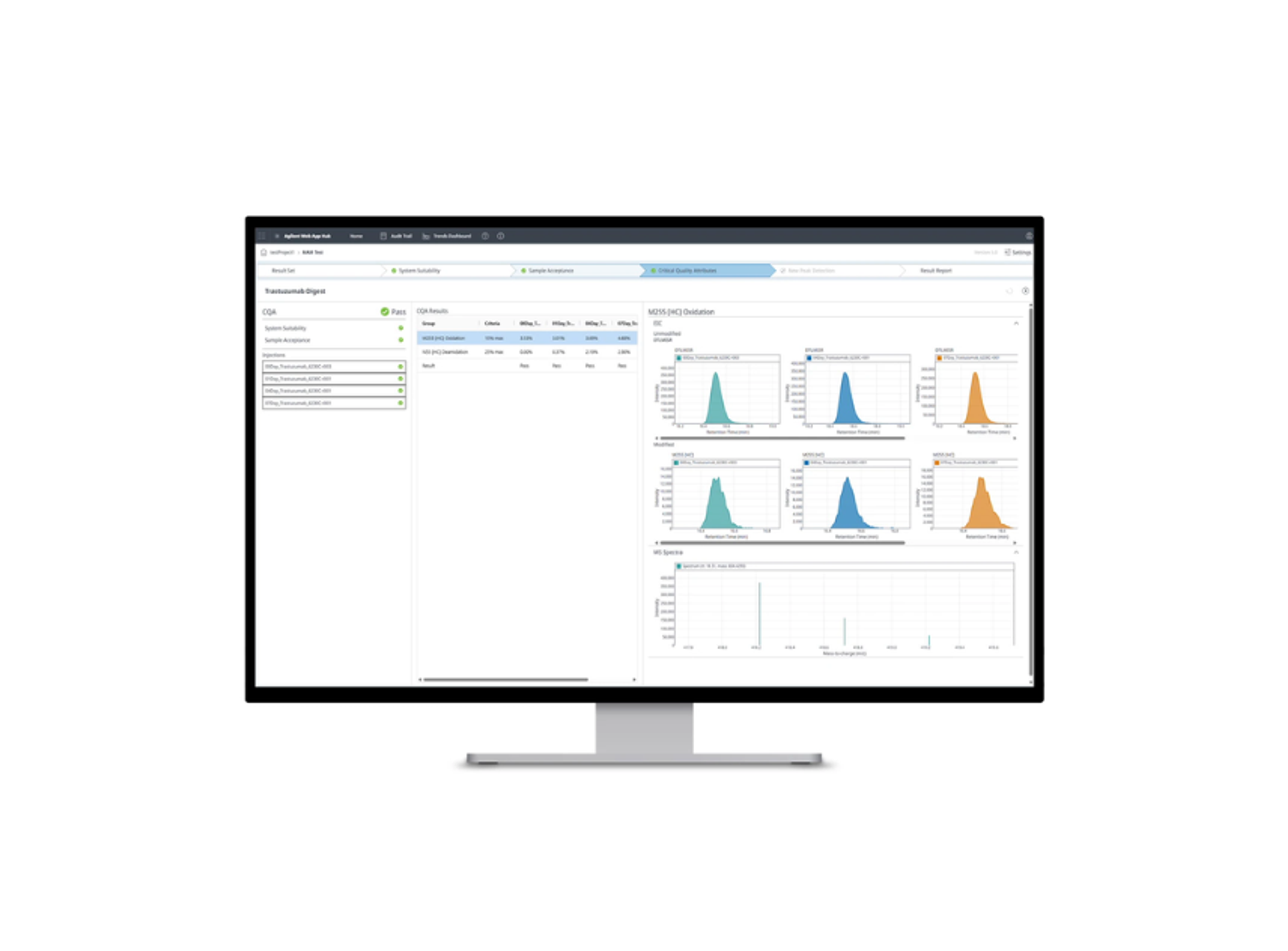
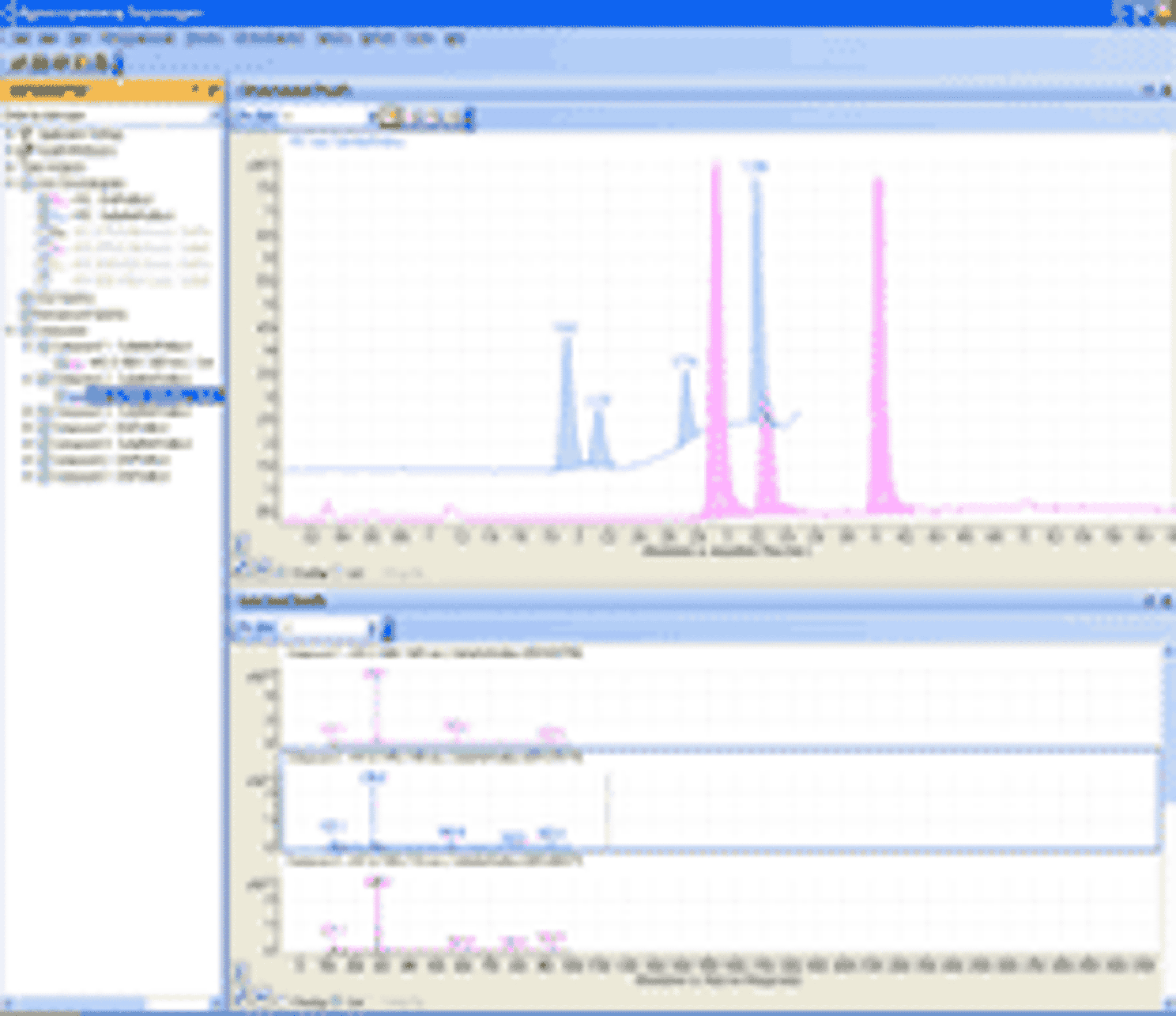
The ADS 2 is designed to work seamlessly with Agilent ICP-OES and ICP-MS spectrometers and is fully integrated into the ICP Expert and ICP-MS MassHunter instrument control software, giving you complete control. Designed with productivity and simplicity in mind, discover how the ADS 2 could transform your laboratory workflows.
Brochures

Agilent automation for ICP workflows
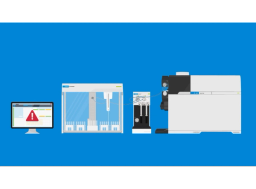
Agilent Technologies offers a completely integrated ICP workflow automation system – comprising hardware, software, and support – designed to free up analysts for more productive pursuits. Agilent's simple and reliable single-vendor solution integrates automated calibration, dilution, analysis, and reporting to lower cost-per-sample and turnaround time while improving the quality of results. Explore the features of Agilent's ICP workflow automation system, comprising the ADS 2 Autodilutor, Advanced Valve System, and SPS 4 Autosampler, fully integrated with the ICP-OES and ICP-MS instruments. Learn how the system can increase productivity and improve workflow efficiency in the lab.
Capabilities and operation of Agilent's Advanced Dilution System 2
To increase the efficiency of labs equipped with Agilent ICP-OES or ICP-MS instrumentation, Agilent Technologies has developed the Advanced Dilution System 2 (ADS 2) – a fully integrated inline autodilution system designed for routine, high-throughput applications. The ADS 2 can automatically dilute stock standards and samples up to 400 times, making it ideal for the auto-preparation of calibration standards and samples, or dilution of over-range samples. Explore the features, applications, and benefits of AGS 2 that are helping to automate calibration and sample dilution for ICP-OES and ICP-MS technologies.

Overcoming high matrix sample analysis challenges by optimizing ICP methods
May 7, 2025 at 16:00 BST / 17:00 CEST / 11:00 EDT / 08:00 PDT
Performing trace and ultra-trace elemental analysis is important to meet regulations in various industries including environmental and food testing. However, often the presence of high total dissolved solids (TDS) in samples introduces challenges in spectroscopy analysis such as spectral interferences, nebulizer blockages, and the need for frequent dilutions. These issues can result in sample re-runs and increased instrument maintenance.
Discover an innovative solution that prioritizes both the hardware and software of Inductively Coupled Plasma-Optical Emission Spectroscopy (ICP-OES) and Inductively Coupled Plasma-Mass Spectrometry (ICP-MS) instruments, that can help analysts generate high-quality data easier and more quickly with less user intervention.
Join Dr. Raimund Wahlen, Product Specialist at Agilent Technologies, and Dr. Pierre Burckel, Application Engineer in Atomic Spectroscopy, at Agilent Technologies as they introduce the IntelliQuant feature on Agilent ICP platforms.
Learn how this semiquantitative analysis tool can quickly provide a full picture of the entire sample composition for method development and thereby guide the analyst in deciding which wavelengths, or isotopes, are the best options for target analytes or internal standard elements.
Different high TDS nebulizers are compared and evaluated in terms of their sensitivity, precision, tolerance to total dissolved solids, particle size handling, and maintenance requirements. Finally, automated hardware features to address high levels of dissolved solids in solutions will be discussed.
Certificate of attendance
If you attend the live webinar, you will automatically receive a certificate of attendance, including a learning outcomes summary, for continuing education purposes.
If you view the on-demand webinar, you can request a certificate of attendance by emailing editor@selectscience.net.
Webinar details
- Cost: Free to attend
- Location: Online
- Duration: 60 minutes
Registration is required to secure your place. If you register but can’t attend live, you will receive a link to the on‑demand recording once it becomes available.
Solutions for common metals lab stresses
Agilent’s automated sample dilution systems can solve a range of common problems in a metals analysis lab. Discover how the use of an autosampler means analyses can be performed 24/7, how a switching valve doubles sample throughput, and how the autodilutor automates sample dilutions and standard preparation. Explore how these components work seamlessly together, reducing pressure on laboratories with a single-vendor solution that enables the automation of ICP-OES and ICP-MS analyses.
Introducing the Agilent ADS 2 autodilutor
Explore Agilent’s new Advanced Dilution System 2 (ADS 2) autodilutor, which creates an intelligent, all-Agilent automation system for ICP-OES and ICP-MS analyses. Discover how you can simplify your laboratory workflow by automating several laborious and error-prone tasks, such as preparing calibration standards, diluting samples before analysis, and preparing reactive dilutions for over-range samples and QC solution failures.
How the new Agilent ADS 2 autodilutor works
Agilent’s intelligent new Advanced Dilution System (ADS 2) has been designed to integrate into and fully automate Agilent ICP-OES and ICP-MS metals analysis workflows. This frees up time in the laboratory for analysts to focus on less manual tasks, reducing error, cost, and improving turnaround time. See how the ADS 2 works, with mechanisms such as in-line dilution with dilution factors from 2 to 400x; auto-calibration assistant; and automatic sample dilution. Understand the benefits of an all-Agilent workflow, which works seamlessly and simplifies support calls.

Sustainability Scientists’ Choice Award 2025 winners announced
Azenta Life Sciences and Thermo Fisher Scientific among those recognized

Vote for the Best New Sustainable Lab Product and the Sustainable Supplier of the Year in the Scientists’ Choice Awards 2025
Cast your vote today for the chance to win a $100 Amazon Gift Card

Auto dilution system redefines sustainability in labs
Find out how Agilent Technologies' Advanced Dilution System 2 (ADS 2) enhances lab efficiency and accuracy, while significantly reducing environmental impacts by minimizing plastic waste and argon usage