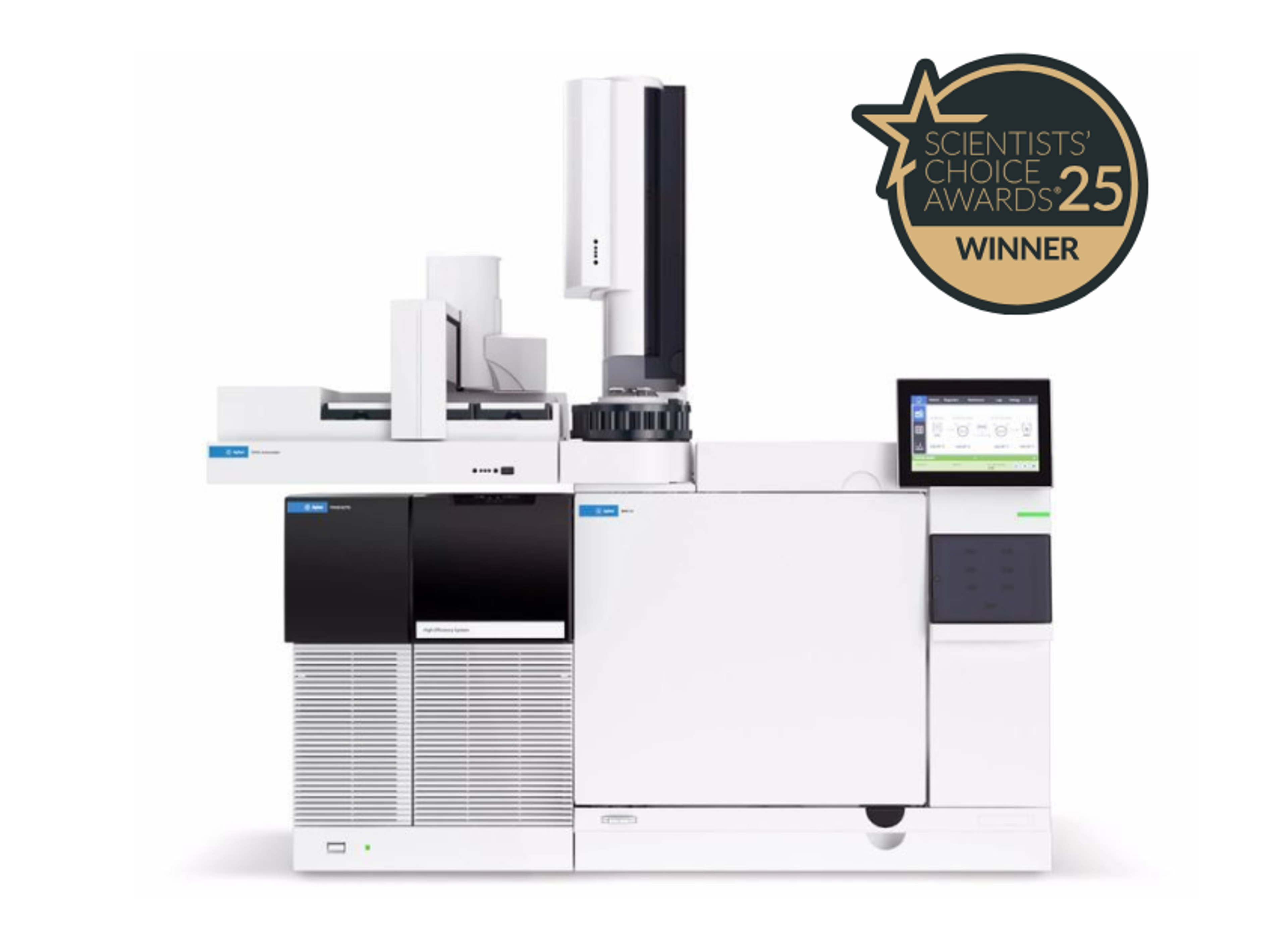
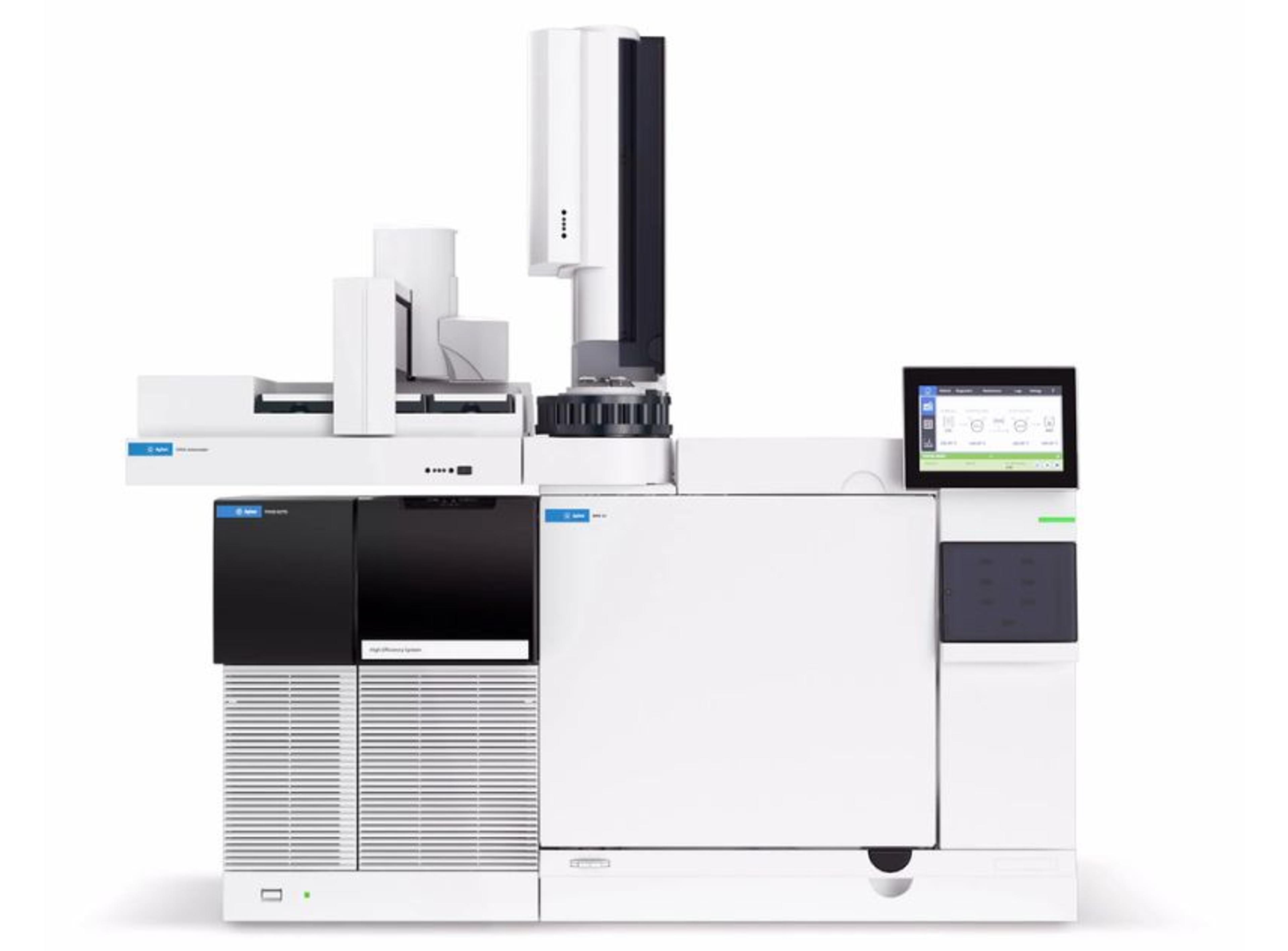
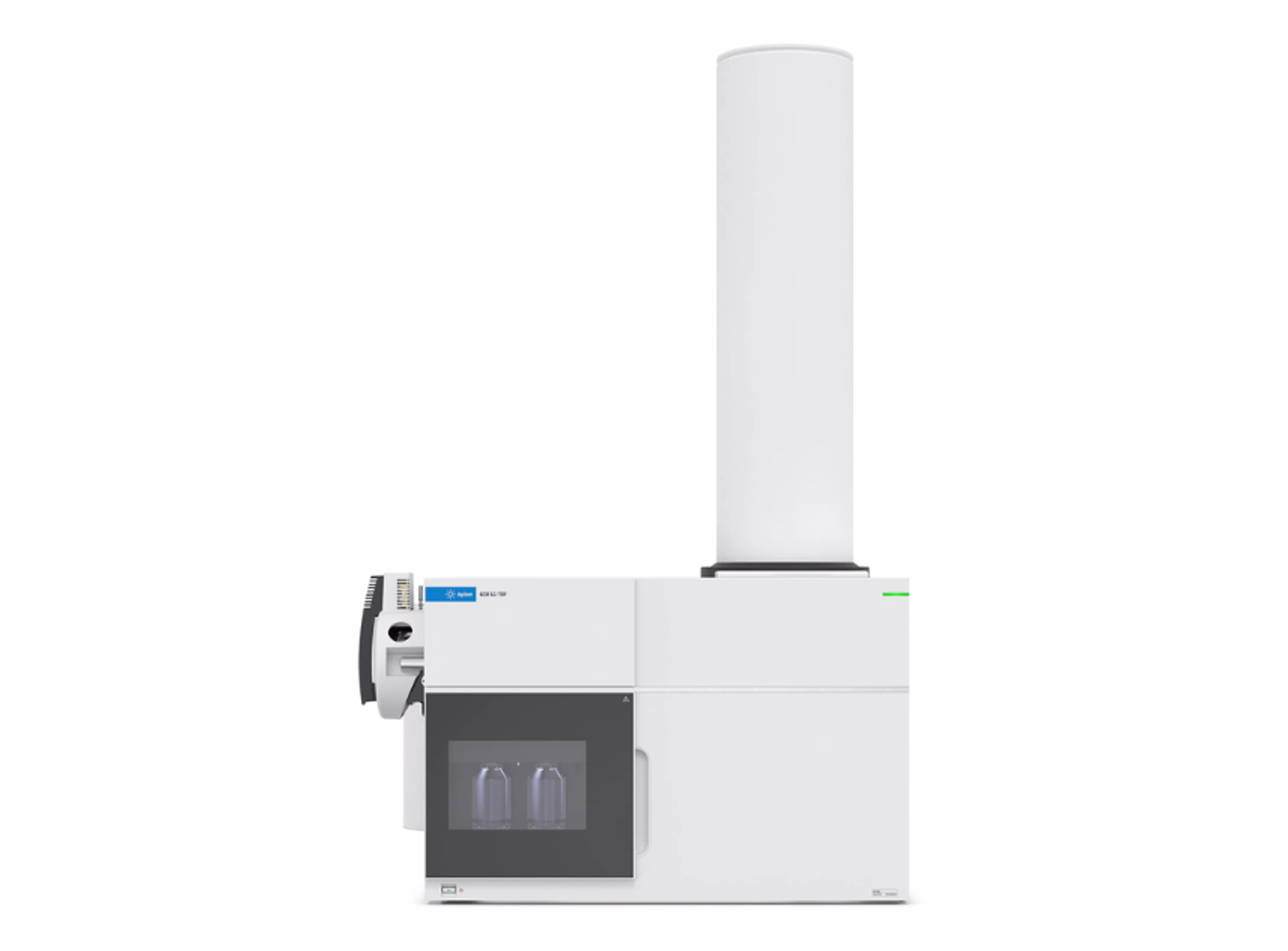
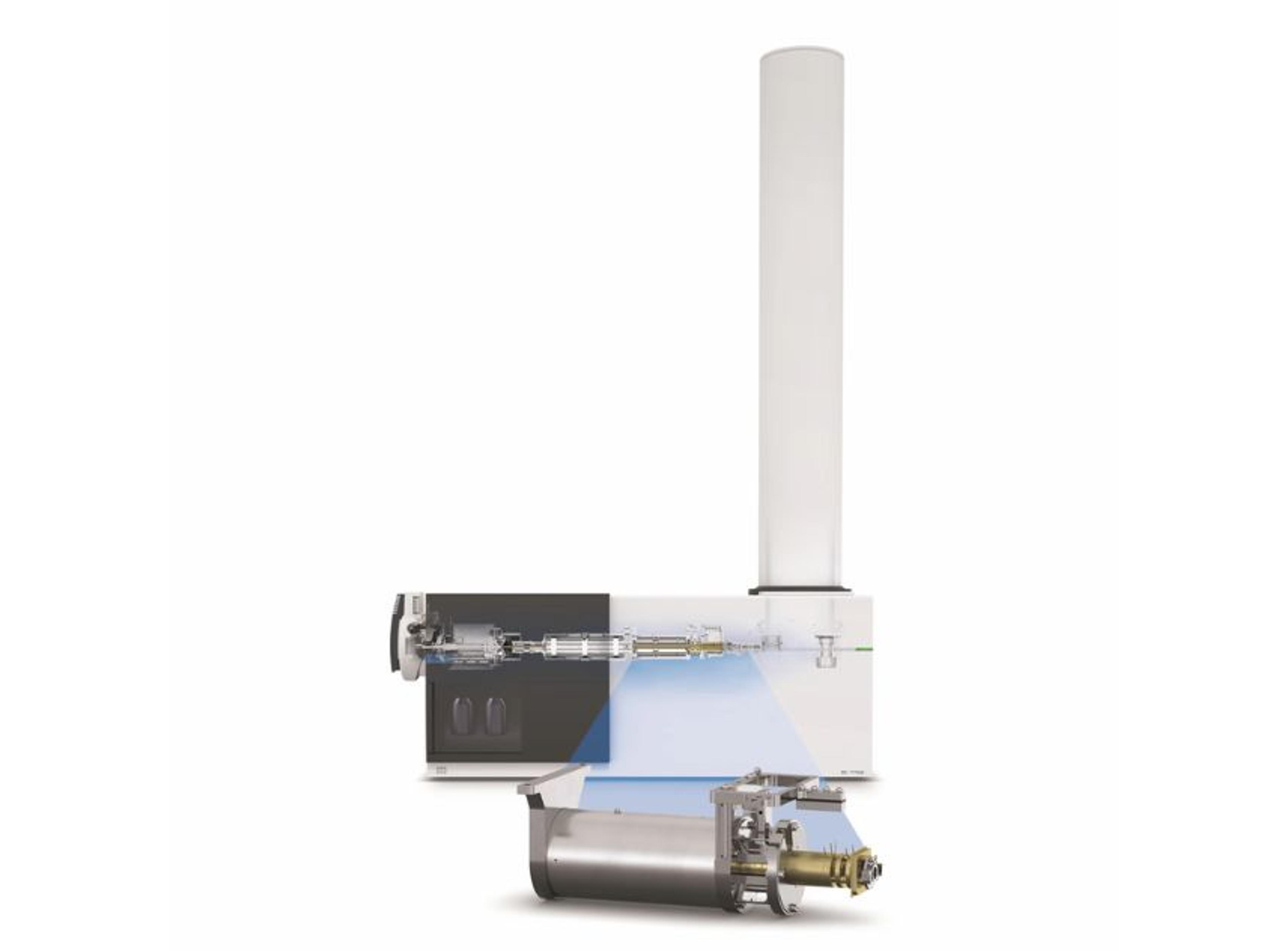
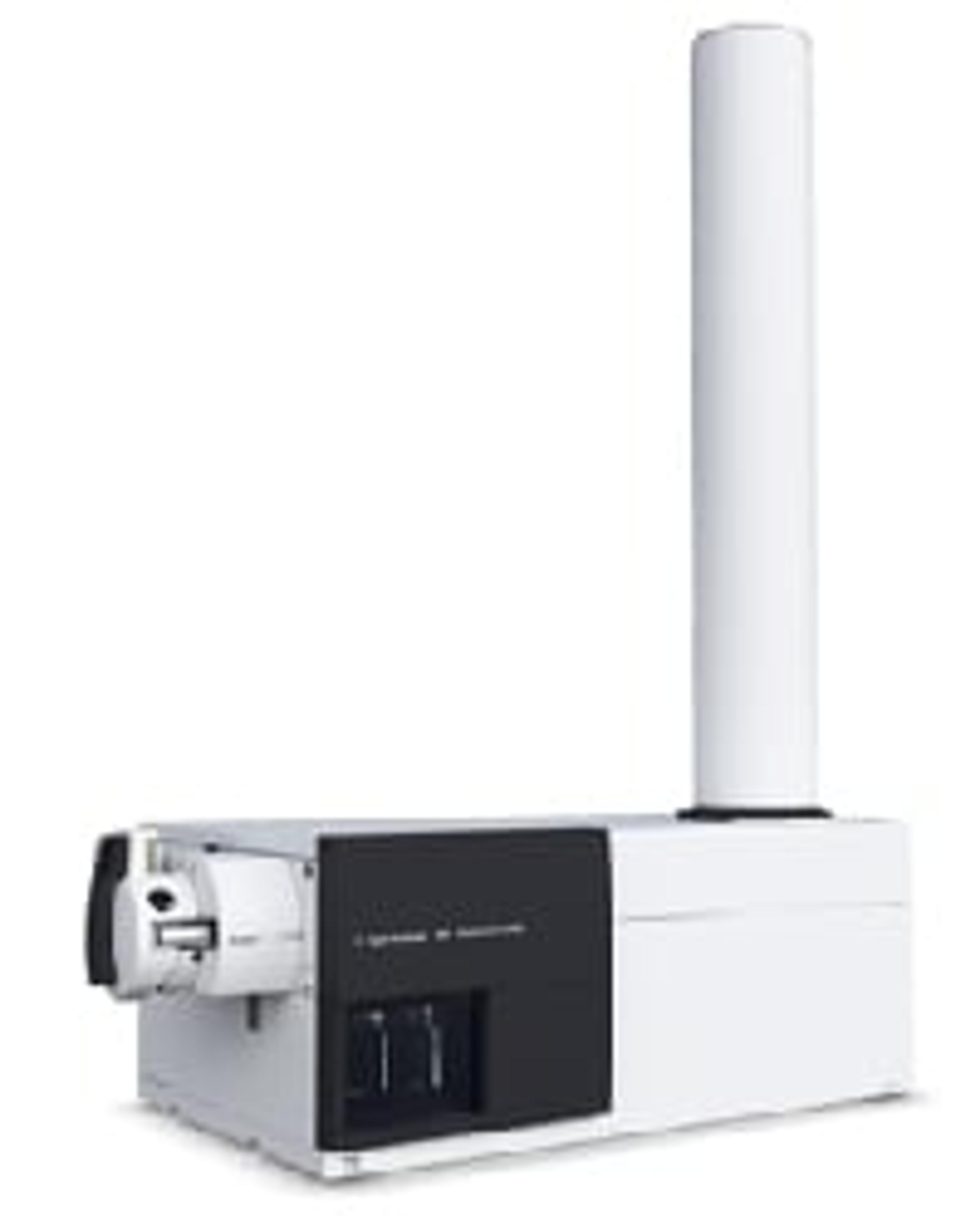
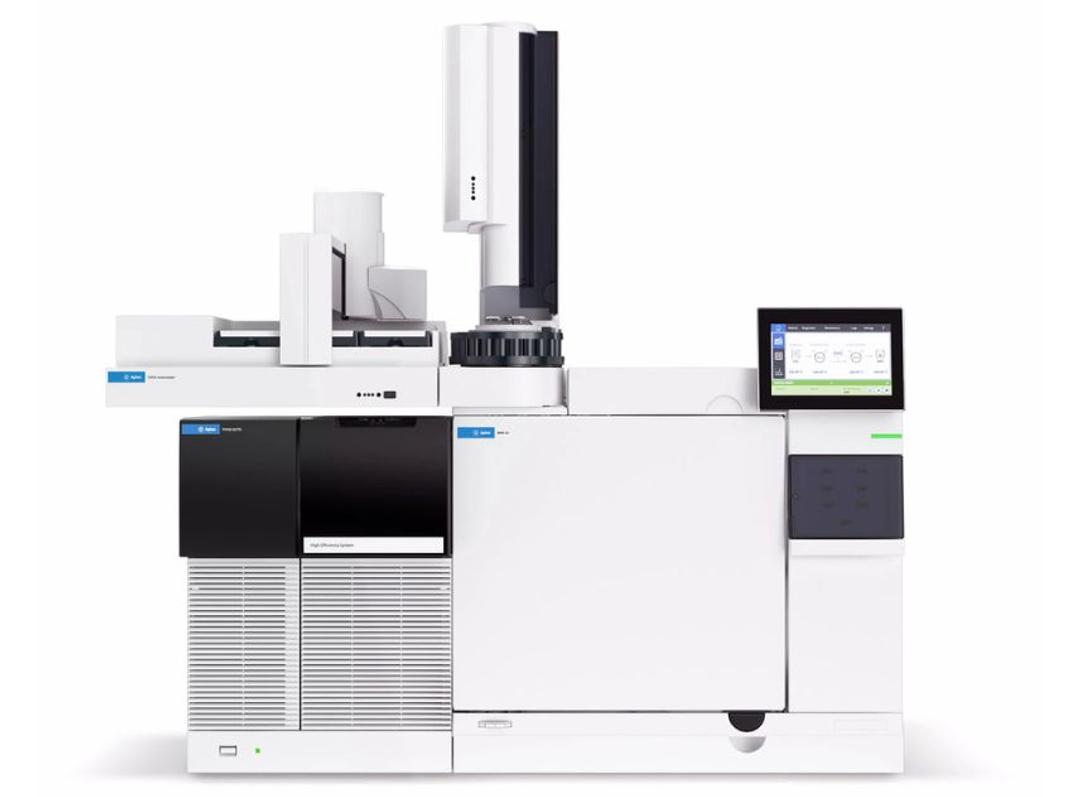
7010D Triple Quadrupole GC/MS


Receive your quote directly from the manufacturer.
Very sensitive and easy to use equipment
Contaminant testing
Very sensitive and easy to use. Optimization of new molecules also very simple
Review Date: 1 Dec 2025 | Agilent Technologies
The Agilent 7010D triple quadrupole GC/MS redefines high-end GC/TQ performance. Featuring the HES 2.0 ion source, it achieves ultratrace-level limits of detection, while heated gold quadrupoles and Agilent JetClean ion source deliver performance and uptime that are second-to-none. Designed for applications requiring the utmost sensitivity, such as food safety analysis, environmental contaminants, and pharmaceutical impurities assessment, the 7010D delivers unparalleled results with remarkable uptime.
Setting itself apart, the 7010D boasts intelligent features like SWARM autotune and Agilent MassHunter Optimizer for GC/TQ, streamlining performance and method optimization for consistent and reliable data acquisition. As the market leader, Agilent is committed to more than innovation, fostering partnerships with you to navigate evolving regulatory landscapes together, staying one step ahead of key changes. The 7010D GC/TQ builds on this commitment with features designed to enable your success.

Quantitating pesticides in black tea with steady performance and maximized uptime by GC/MS/MS
Tea is one of the most commonly consumed non-alcoholic beverages globally, and assessing pesticide levels in tea is essential for ensuring safe consumption, as required by many multinational regulatory bodies. Agilent Technologies presents a complete GC/TQ workflow solution for the accurate and reliable analysis of 246 volatile and semivolatile pesticides in black tea, with the Agilent 7010D GC/TQ. Discover how this workflow solution allows for quantitation of pesticide residues with LOQs as low as 0.01 ppb, yet also demonstrates calibration accuracy over a dynamic range, spanning up to five orders of magnitude over 0.01 to 1,000 ppb in the complex black tea extract.

Advancing gas chromatography workflows with smarter and smaller systems
Monday, October 20, at 16:00 BST | 17:00 CEST | 11:00 EDT | 08:00 PDT
Gas chromatography (GC) has powered analytical labs for decades, delivering precision across industries from petrochemicals to food and beverage. But traditional gas chromatography systems are often large, expensive to operate, and demanding in terms of space, utilities, and maintenance. As labs face increasing pressure to do more with less, the need for smarter, more efficient solutions has never been greater.
Join James Cain, PhD, Agilent Technologies, as he showcases the latest innovations in GC-mass spectrometry (GC-MS) that are reshaping how labs approach throughput, cost-efficiency, and footprint.
Plus, learn how a next-generation GC system supports both single and triple quadrupole mass spectrometry, and enables high-performance analysis across a range of applications, including gasoline aromatic composition (ASTM D5769), Total Petroleum Hydrocarbons (TPH), distilled spirits profiling, and more.
Who should attend?
- Lab analysts using GC and GC/MS who are interested in increasing efficiency and throughput
- Analytical lab managers looking to save time, operational expenses, and bench space
- Analytical chemists interested in the latest innovations in GC and GC/MS
Certificate of attendance
If you attend the live webinar, you will automatically receive a certificate of attendance, including a learning outcomes summary, for continuing education purposes.
If you view the on-demand webinar, you can request a certificate of attendance by emailing editor@selectscience.net.
Webinar details
- Cost: Free to attend
- Location: Online
- Duration: 60 minutes
Registration is required to secure your place. If you register but can’t attend live, you will receive a link to the on‑demand recording once it becomes available.