Winners announced for the 2025 Analytical Science Scientists Choice Awards

3 Jun 2025

Cameron Smith-Craig
Cameron Smith-Craig
Pharma and Applied Sciences Editor

Editorial article

The world’s most innovative and effective technologies advancing analytical science have been recognized in the latest release of the 2025 Scientists’ Choice Awards®.

Each year, SelectScience® invites its scientist readers and members from around the globe to participate by nominating, reviewing, and voting for the lab products that have had the greatest impact on their work. Read on to reveal your chosen winners.

Best New Analytical Science Product of 2024
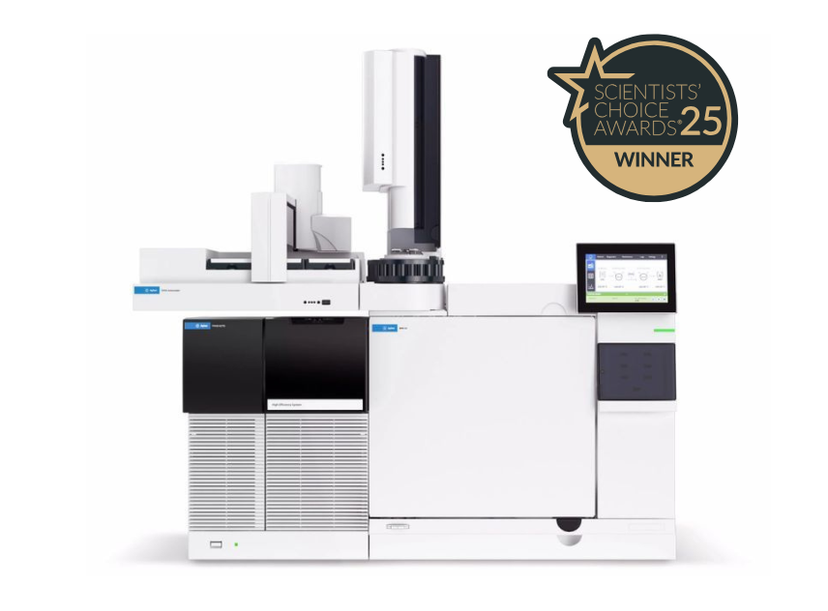
7010D Triple Quadrupole GC/MS System by Agilent Technologies 2025 Scientists' Choice Awards winners badge

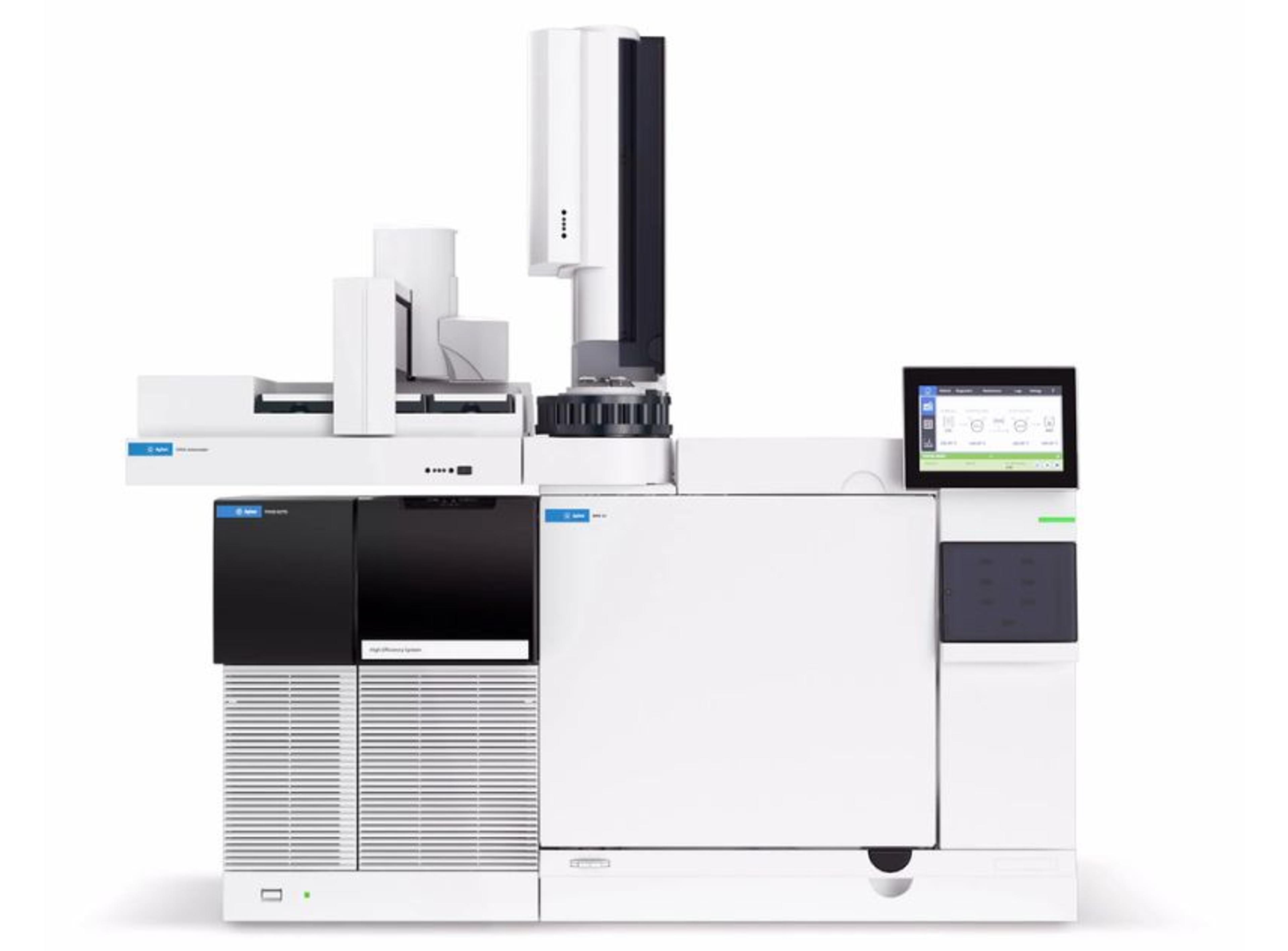
7010D Triple Quadrupole GC/MS System by Agilent Technologies was voted Best New Analytical Science Product of 2024

The award for Best New Analytical Science Product of 2024 goes to the 7010D Triple Quadrupole GC/MS System by Agilent Technologies, as voted for by scientists around the world. The 7010D Triple Quadrupole GC/MS delivers ultratrace-level detection limits, rendering it well-suited for highly sensitive applications such as food safety testing, environmental contaminant monitoring, and pharmaceutical impurity analysis.

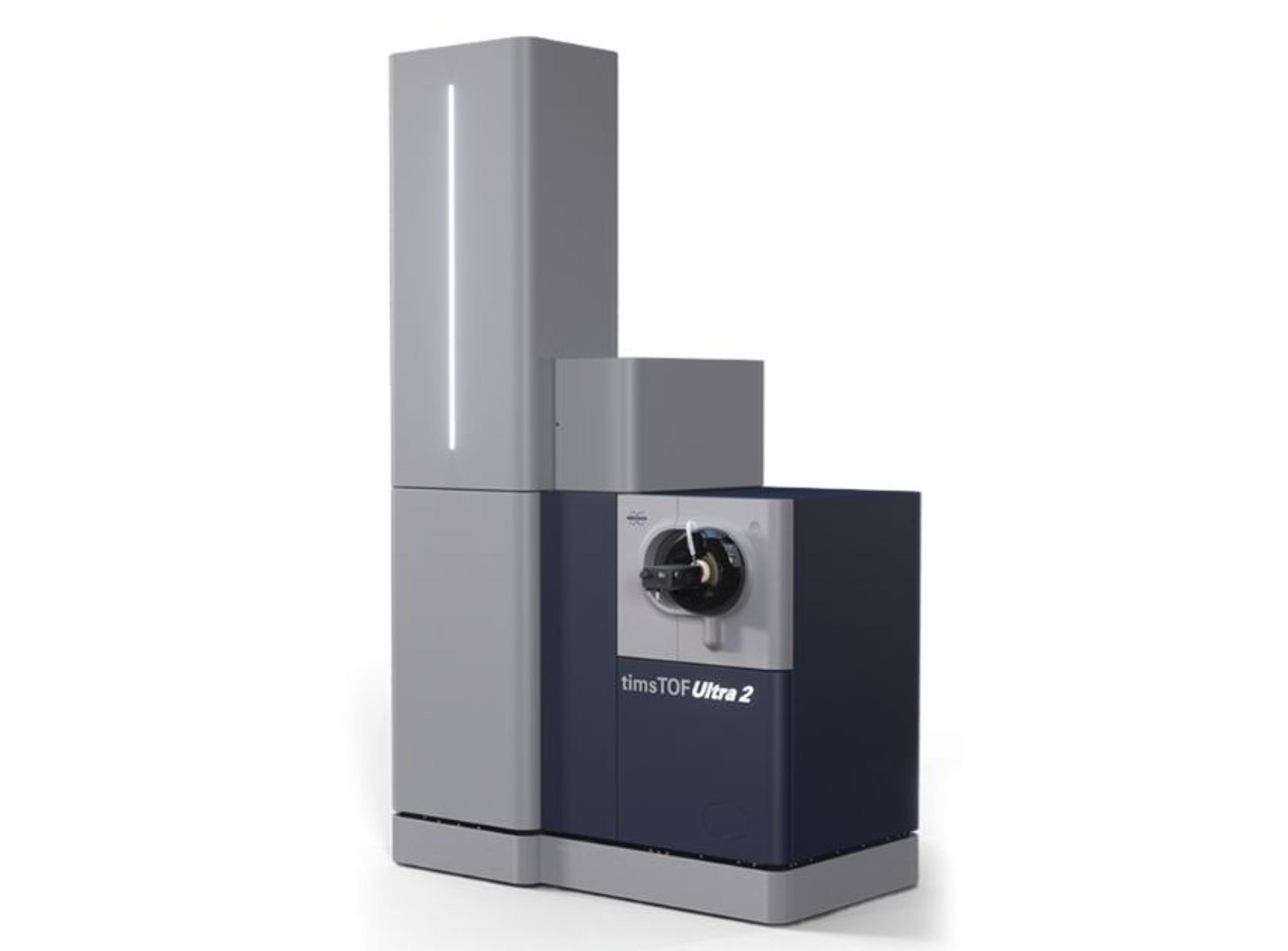
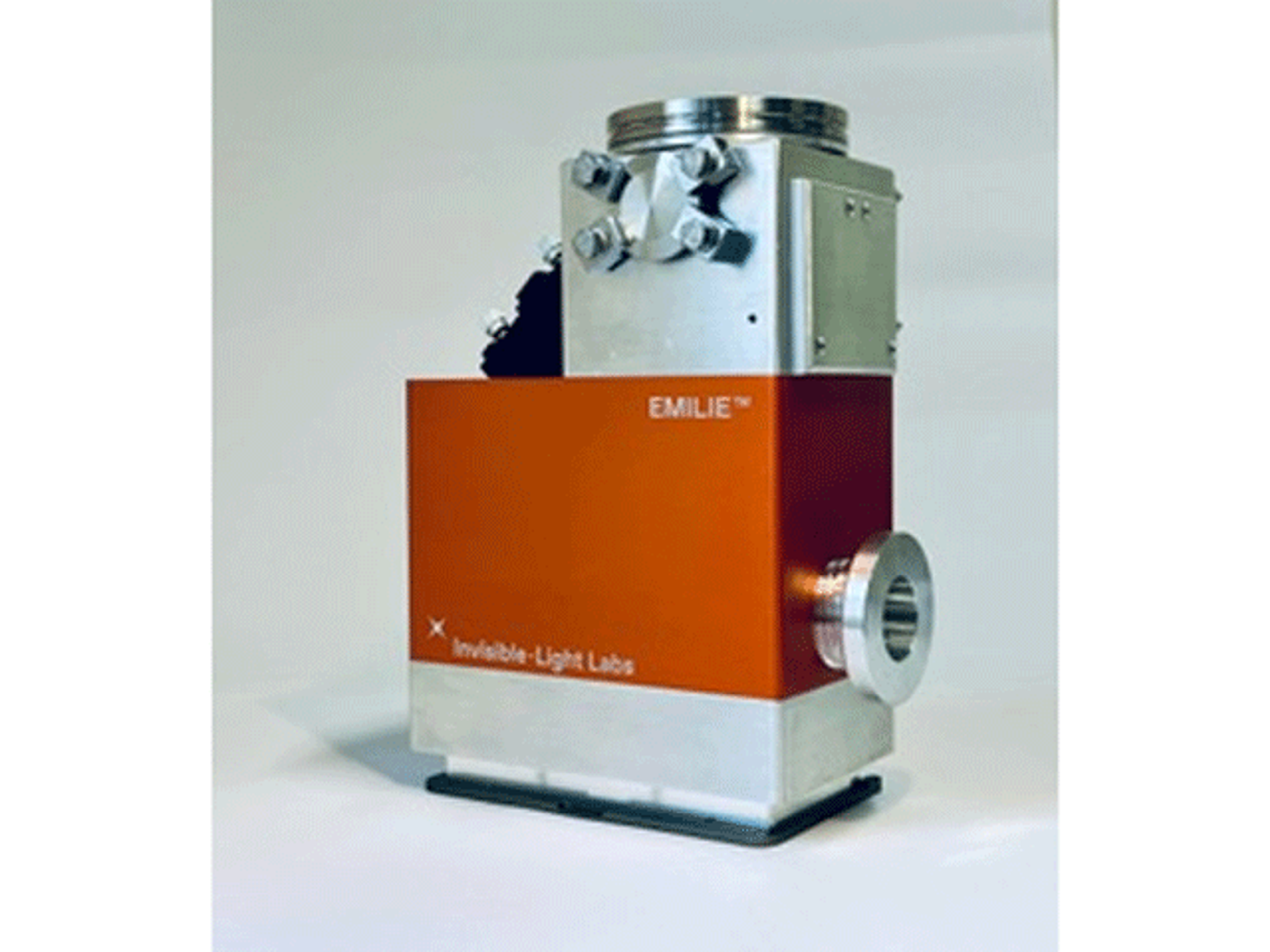
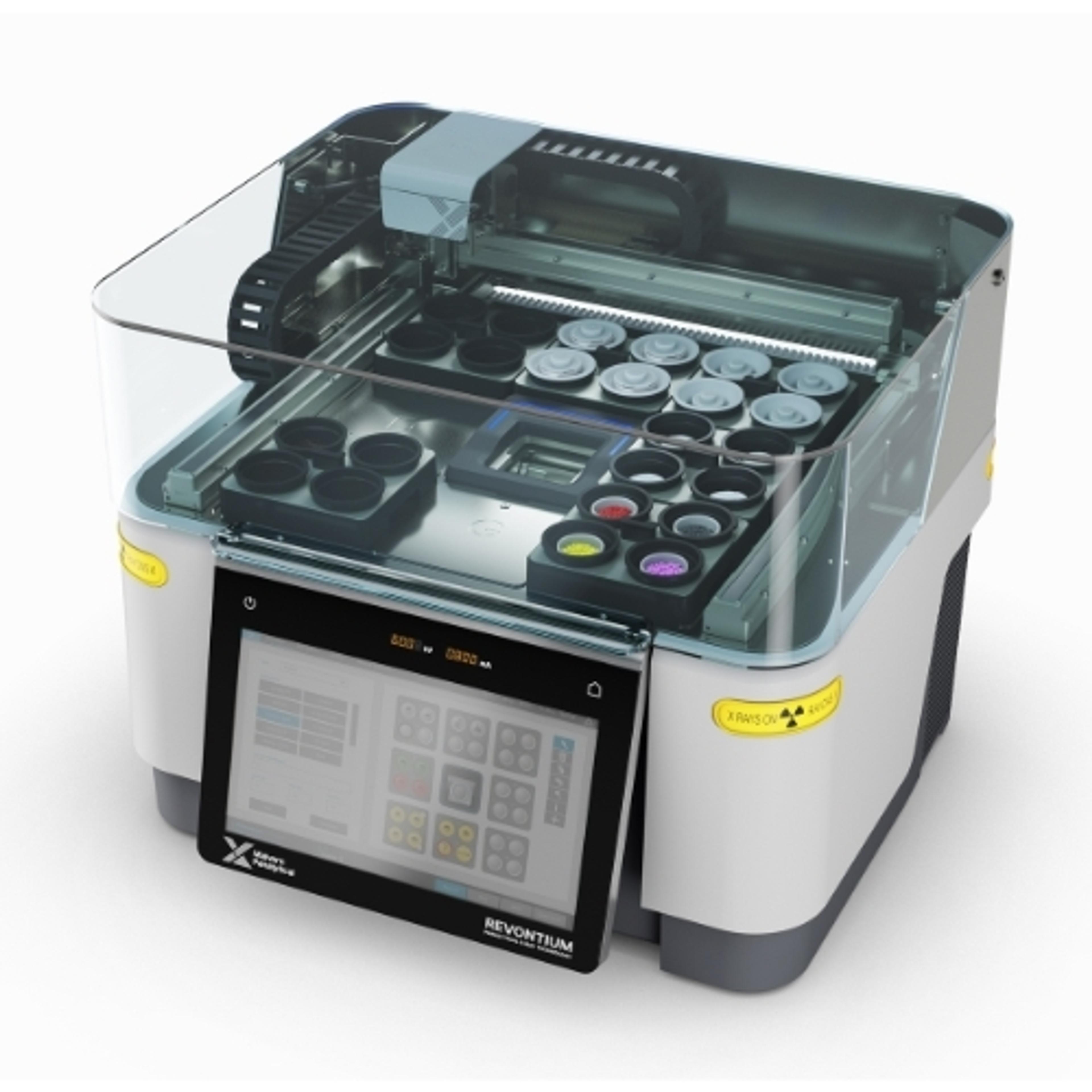
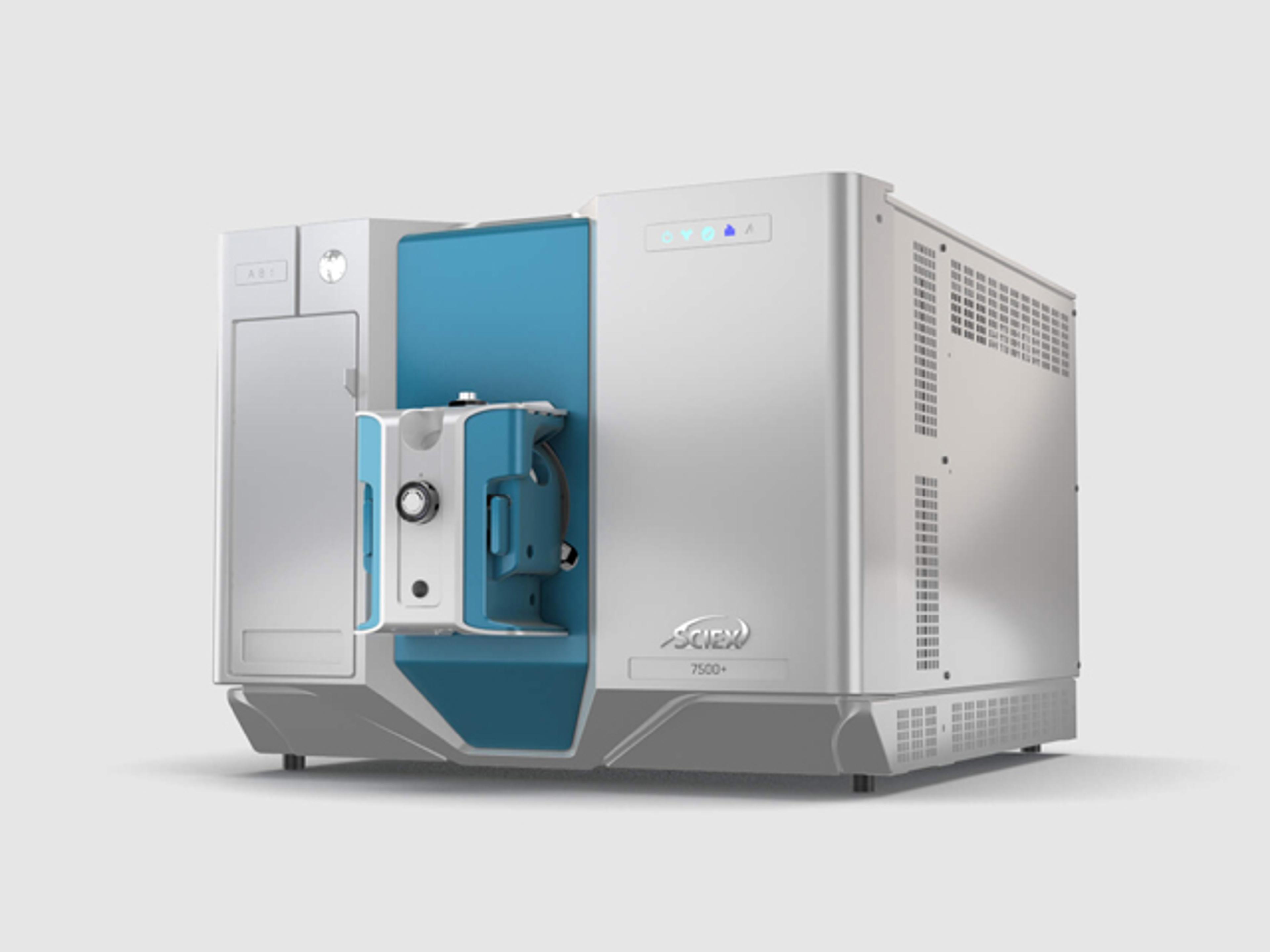
The runners up are:

Reviewers' Choice Analytical Science Company of the Year

PEAK Scientific Instruments has been awarded the Reviewers’ Choice Award for Analytical Science Company of the Year. The award recognizes the consistent positive feedback its products have received in the past year from scientists worldwide via SelectScience product reviews.

Analytical Science Webinar of the Year

This year’s Webinar of the Year is awarded to Agilent Technologies for the webinar titled, HPLC Made for Tomorrow: Introducing the new Agilent Infinity III LC Series. During this presentation, Dr. Jens Meixner, Product Manager, Agilent Technologies, and Dr. Florian Rieck, Scientist Application Development, Agilent Technologies showcase a sustainable, flexible and expertly designed HPLC technology that allows you to maximize instrument time and simplify recurring tasks.

Analytical Science Editorial Article of the Year

The winning article is titled ‘Unlock the future of PFAS detection with high-resolution mass spectrometry' and features technology from Waters Corporation. In this article, Michael McCullagh, Principal Consulting Scientist at Waters Corporation and Sarah Dowd, Principal MS Applications Specialist at Waters Corporation, reveal the value of high-resolution mass spectrometry (HRMS) for analyzing per- and polyfluoroalkyl substances (PFAS) to meet tightening regulations and for monitoring PFAS contamination.

Analytical Science Application eBook of the Year

The Analytical Science Application eBook of the Year Award goes to LGC Standards for ‘Testing for emerging contaminants with accurate reference materials: The essential guide’. This eBook captures solutions to the challenges faced in monitoring PFAS relating to food testing, and quality control of pharma and veterinary drug residues and cosmetics to keep within compliance of regulations.

Analytical Science Email of the Year

The winner in the Email of the Year category goes to Thermo Fisher Scientific for an email that highlights its technologies and resources to monitor crystallization. The email featured the MarqMetrix™ All-In-One Process Raman Analyzer, a portable Raman Spectrometer that delivers results in real-time.

Do you use any of these lab products? Share your opinion today by leaving a lab product review>>

Visit the Scientists’ Choice Awards website for more information.
Tags

Mass SpectrometryMass spectrometry (MS) is a powerful analytical technique used to identify and quantify molecules based on the mass-to-charge ratio of gas-phase ions. It provides detailed information about the structure, composition, and properties of compounds and is widely used across fields such as environmental monitoring, materials science, drug discovery and development, food and beverage testing, and wider chemical research. Key MS techniques include tandem mass spectrometry (MS/MS), liquid chromatography–mass spectrometry (LS-MS) and inductively coupled plasma (ICP-MS). Choosing from these wide range of techniques and technologies can be a daunting task, so keep up to date with scientific applications, performance expectations, and customer reviews here all in one place. Visit our product directory to receive quotes direct from the manufacturer. Environmental Monitoring and TestingEnvironmental monitoring and testing uses handheld portable analyzers, kits, spectrometers or chromatography systems for air, water, soil, food and other sample testing. Useful features of analyzers such as BOD and COD include portability, easy calibration, automation and sensitivity.  Environmental test kits for pH, water, moisture, etc, should be accurate, sensitive, reliable, fast and easy to use.GC-MS GC-MS (gas chromatography-mass spectrometry) instruments and equipment are used to separate, quantify and identify mixtures of small and volatile compounds, such as polycyclic aromatics, fatty acids and alcohols. Often used in drug detection, forensic investigation and environmental analysis for pesticides and contaminants, GC-MS is a powerful addition to your lab’s analytical capabilities. GC-MS/MS instruments equipped with a qTOF or triple quadrupole analyzers can give greater sensitivity and resolution to your analysis. Find the best GC-MS instruments and equipment in our peer-reviewed product directory: compare products, check customer reviews and receive pricing direct from manufacturers.UHPLC and HPLCHigh performance liquid chromatography (HPLC) and ultra high performance liquid chromatography (UHPLC), also known as UPLC, are analytical techniques used to separate, identify and quantitate components of complex mixtures including biological samples such as proteins and lipids as well as chemical mixtures of pesticides, drugs and oils. Both techniques are liquid chromatographic methods but differ by operating pressures (HPLC < 6000 psi < UHPLC ). Components of HPLC and UHPLC systems include columns, detectors, pumps, autosamplers and column heaters. Explore a range of UHPLC and HPLC columns for your specific sample needs including reverse phase, normal phase, ion exchange, HILIC, ion exclusion and size exclusion columns. For more specialized HPLC, explore FPLC, countercurrent LC and simulated moving bed systems. Find the best UHPLC and HPLC equipment in our peer reviewed product directory: compare products, check customer reviews and receive pricing direct from manufacturers.Raman SpectroscopyRaman spectroscopy is used to discern the vibrational and rotational states of molecules and hence the chemical composition of a sample by measuring the inelastic scattering of monochromatic light. Explore a range of Raman spectrometers, including handheld/portable Raman spectrometers for QC/QA labs and in situ spectrometers for processes. Conduct Raman imaging for microanalysis of mixed samples using a Raman microscope. Raman spectrographs are also available. Find the best Raman spectroscopy products in our peer-reviewed product directory: compare products, check customer reviews and receive pricing direct from manufacturers.QuEChERSThe QuEChERS (Quick, Easy, Cheap, Effective, Rugged, and Safe) method is a streamlined approach that is used to extract multi-residue target compounds from food samples. It is most commonly used by analytical chemists studying pesticide residues in food.NMR and EPR SpectroscopyNuclear magnetic resonance (NMR) spectroscopy is used to resolve the local chemical environment of atomic nuclei with spin, revealing information on molecular structure, dynamic processes and chemical reactions of organic molecules, from proteins to synthetics. Electron paramagnetic resonance (EPR) also known as electron spin resonance (ESR) spectroscopy is used to detect and quantify paramagnetic species in a sample, including free radicals as transition metal ions. By immersing the sample in a strong magnetic field, both NMR and EPR spectrometers probe the sample with either radio waves or microwaves respectively. A range of benchtop, solid-state and time domain NMR spectrometers & EPR spectrometers are available, as well as NMR tubes, NMR solvents, software, coils, and magnets. Find the best NMR & EPR equipment in our peer-reviewed product directory: compare products, check customer reviews and receive pricing direct from manufacturers.LC-MSLC-MS (liquid chromatography-mass spectrometry) systems and equipment are used for separation and quantitative analysis of complex mixtures, combining liquid chromatography and mass spectrometry. Quantify proteins, contaminants, pesticides or screen for drug metabolites with a high level of sensitivity. LC-MS systems and equipment include reverse phase, normal phase and specialized columns integrated with various MS detectors such as time-of-flight (TOF), quadrupole, orbitrap or ion trap mass analyzers. LC-MS/MS instruments equipped with a qTOF or triple quadrupole analyzer give greater sensitivity and resolving power to your analysis. Find the best LC-MS equipment in our peer-reviewed product directory: compare products, check customer reviews and receive pricing direct from manufacturers.Scientists Choice AwardsEach year, the SelectScience Scientists' Choice Awards celebrate the best products in the industry, as nominated and voted for by our scientist members.Scientists Choice Awards NewsPFASAnalytical InstrumentationAnalytical Solutions