New interactive atomic spectroscopy content hub launched

With spotlights on ICP-OES, ICP-MS, and ICP-QQQ, get ahead with this eye-catching application-focused resource

13 Oct 2021

Rory Shadbolt
Publishing / Media

Editorial article

Atomic spectroscopy is the collective name for a group of analytical techniques used to determine the elemental composition of a sample from its electromagnetic or mass spectrum. Atomic spectroscopy is commonly used to detect and quantify elements in fields including environmental, food and beverage, materials, and pharmaceutical analysis, due to its ability to provide rapid and reliable results.

To support the drive for effective elemental analysis, SelectScience has partnered with Agilent Technologies to create a comprehensive digital guide to atomic spectroscopy. With this interactive guide, you will be able to choose a bespoke technique for your research, based on the analytical requirements of your lab and your target applications in terms of speed, detection limits, and the elements you are looking for.

Explore this resource bursting with free downloads, top tips, videos, and other key resources designed to ensure reliable analytical results.

Enter the
Content Hub

Featured atomic spectroscopy techniques include:

  • Inductively coupled plasma atomic emission spectroscopy (ICP-OES)
  • Inductively coupled plasma mass spectrometry (ICP-MS)
  • inductively coupled plasma triple quadrupole mass spectrometry (ICP-QQQ)
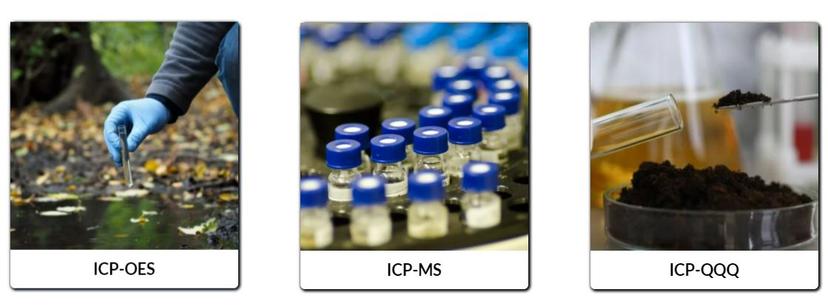
See how Agilent instrumentation can help deliver effective elemental analysis and give you the confidence of knowing your results are accurate.

Want the latest science news straight to your inbox?Become a SelectScience member for free today>>

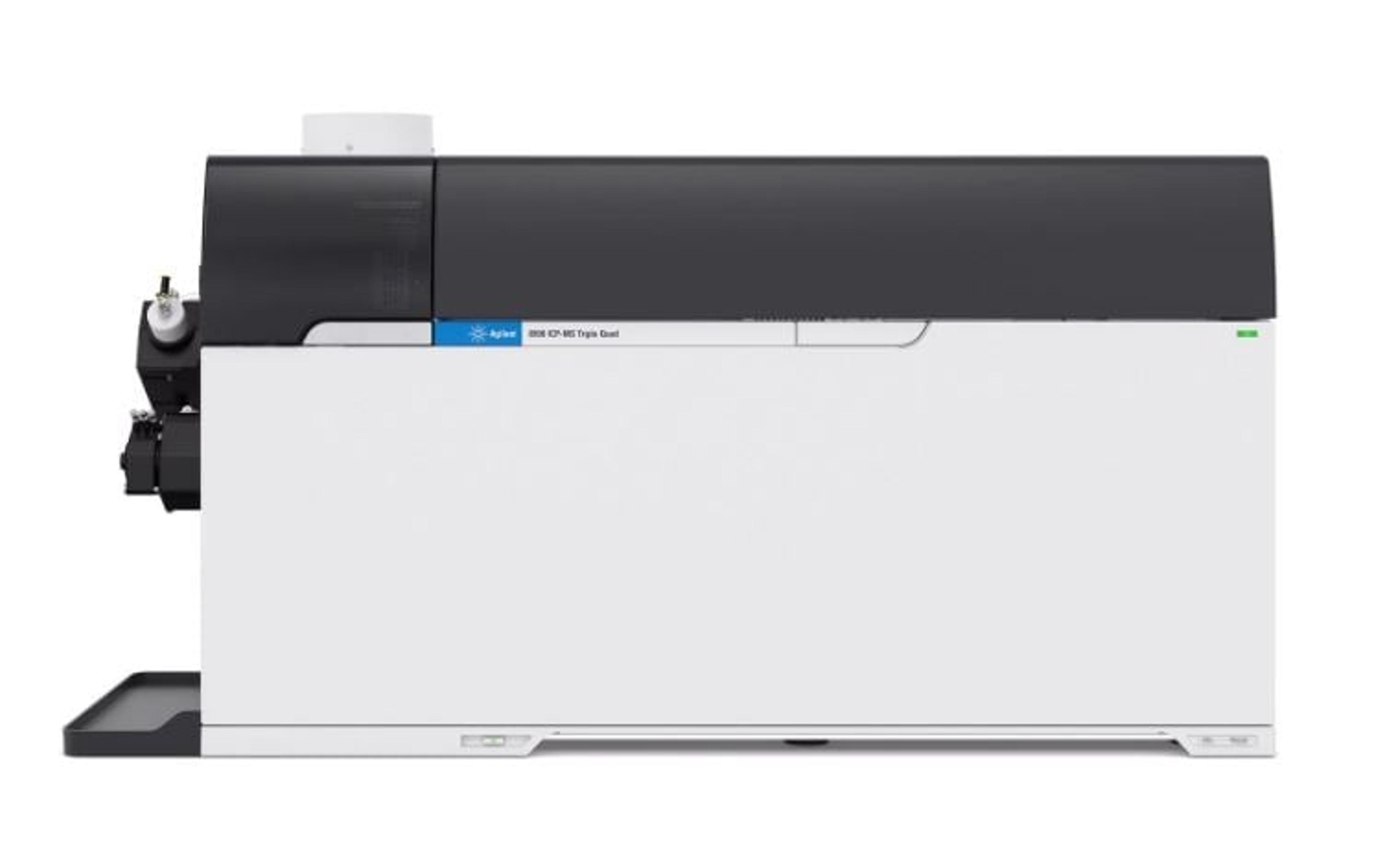
8900 Triple Quadrupole ICP-MS

Agilent Technologies

The Agilent 8900 triple quadrupole ICP-MS (ICP-QQQ) is the world’s most successful and widely used tandem ICP mass spectrometer. Available in a range of configurations to cover applications from routine contract analysis to advanced research and high-purity materials analysis, the Agilent 8900 ICP-QQQ redefines ICP-MS performance, delivering results you can trust.
(12)

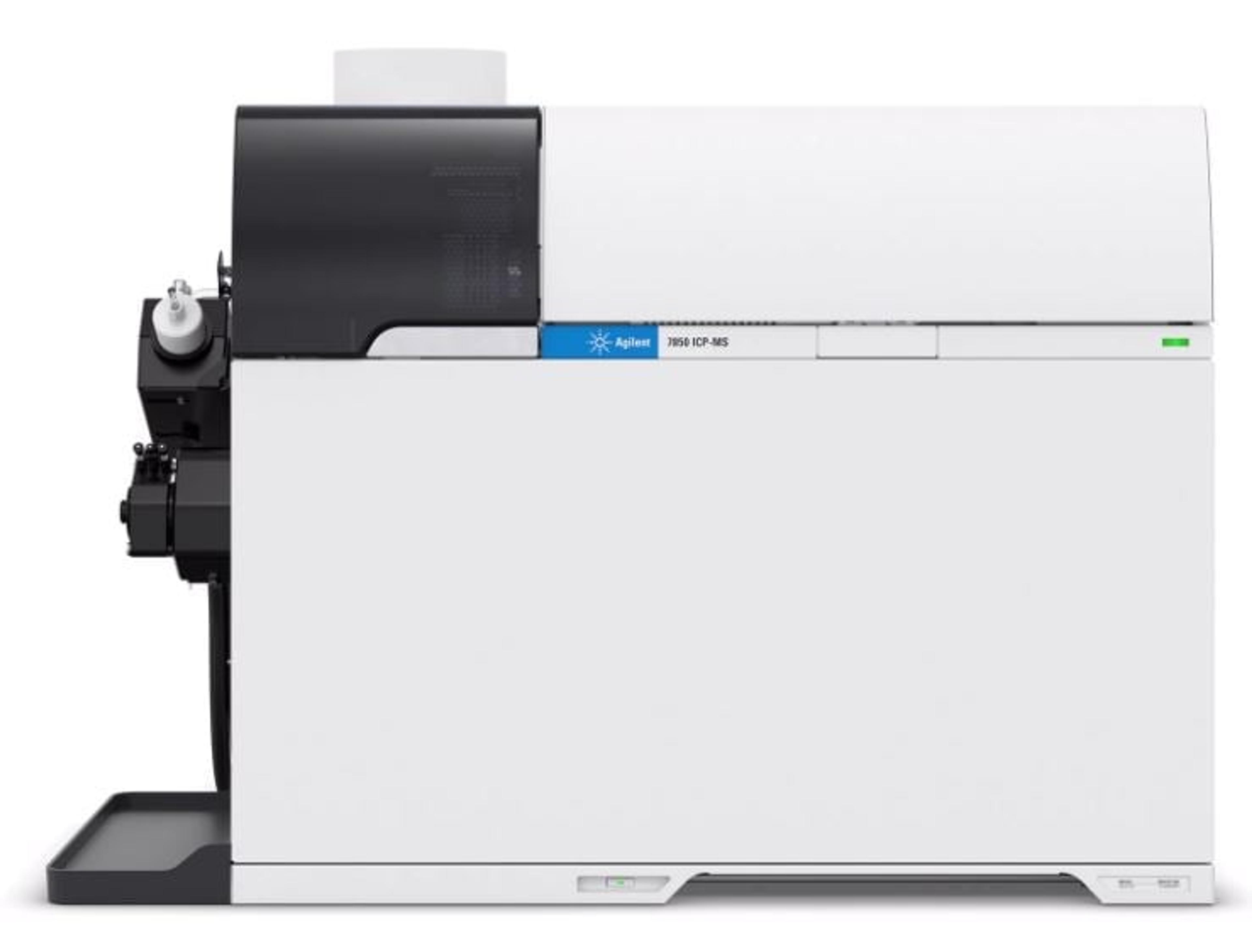
Agilent 7850 ICP-MS

Agilent Technologies

Free your ICP-MS analysis from common time traps with the Agilent 7850 ICP-MS. It’s the smart way to reduce wasted time so busy staff can focus on tasks that deliver value.? The 7850 ICP-MS instrument can handle samples with up to 25% solids, reducing the dilution time trap. The instrument features a helium mode collision cell and half mass correction that remove both polyatomic and doubly charged ion interferences, making method development simpler and addressing a common cause of time-w
(18)

Agilent 5800 ICP-OES Instrument

Agilent Technologies

The Agilent 5800 ICP-OES is an ICP-OES Instrument designed for busy labs looking to reclaim wasted time. This smart ICP, with its ecosystem of embedded sensors, algorithms and diagnostics can identify problems before they happen, maximizing uptime and minimizing the number of samples you need to remeasure.

(6)

Links

Tags

Gas ChromatographyGas chromatography (GC) is an analytical technique used to separate and quantitate mixtures of small and volatile compounds. Gas chromatographs or GC systems include components such as GC columns, detectors, pumps and autosamplers. Choose from packed or capillary GC columns, flame ionization (FID), photoionization (PID) electron capture detectors and selective or non-selective detectors. Find the best gas chromatographs in our peer-reviewed product directory: compare products, check customer reviews and receive pricing direct from manufacturers.Atomic Absorption / Emission SpectroscopyAtomic absorption spectroscopy (AAS) and atomic emission spectroscopy (AES) — also called optical emission spectroscopy (OES) — are used to detect the elemental constituents in samples. Both techniques involve the atomization of a sample. Atomic absorption spectrometers may use a flame or furnace to create an atomic vapor of the sample before irradiation with spectral light. Optical emission spectrometers may use a flame, inductively coupled plasma (ICP), microwave plasma (MP) or spark arcs to atomize and excite the sample. At higher excitation energies, electrons can be emitted instead of photons, which can be useful for samples that can’t be atomized and for surface analysis. Explore electron spectroscopy equipment such as Auger spectrometers and photoelectron spectrometers for surface elemental analysis of samples. Find the best atomic absorption, photoelectron and optical emission spectrometers in our peer-reviewed product directory: compare products, check customer reviews and receive pricing direct from manufacturers.GC-MS GC-MS (gas chromatography-mass spectrometry) instruments and equipment are used to separate, quantify and identify mixtures of small and volatile compounds, such as polycyclic aromatics, fatty acids and alcohols. Often used in drug detection, forensic investigation and environmental analysis for pesticides and contaminants, GC-MS is a powerful addition to your lab’s analytical capabilities. GC-MS/MS instruments equipped with a qTOF or triple quadrupole analyzers can give greater sensitivity and resolution to your analysis. Find the best GC-MS instruments and equipment in our peer-reviewed product directory: compare products, check customer reviews and receive pricing direct from manufacturers.Mass SpectrometryMass spectrometry (MS) is a powerful analytical technique used to identify and quantify molecules based on the mass-to-charge ratio of gas-phase ions. It provides detailed information about the structure, composition, and properties of compounds and is widely used across fields such as environmental monitoring, materials science, drug discovery and development, food and beverage testing, and wider chemical research. Key MS techniques include tandem mass spectrometry (MS/MS), liquid chromatography–mass spectrometry (LS-MS) and inductively coupled plasma (ICP-MS). Choosing from these wide range of techniques and technologies can be a daunting task, so keep up to date with scientific applications, performance expectations, and customer reviews here all in one place. Visit our product directory to receive quotes direct from the manufacturer. Triple Quadrupole MsICP-MSInductively Coupled Plasma Mass Spectrometry (ICP-MS) is a powerful analytical technique used to determine the concentrations of elements and their isotopes in a variety of samples, including water, soil, and biological tissues. It involves ionizing elements in the samples with extremely high-temperature Argon (Ar) plasma and then using a mass spectrometer to measure the number of ions based on their mass-to-charge ratio (m/z). Explore ICP-MS systems in our peer-reviewed product directory; compare products, check reviews, and get pricing directly from manufacturers.