Raptor™ Biphenyl LC Column
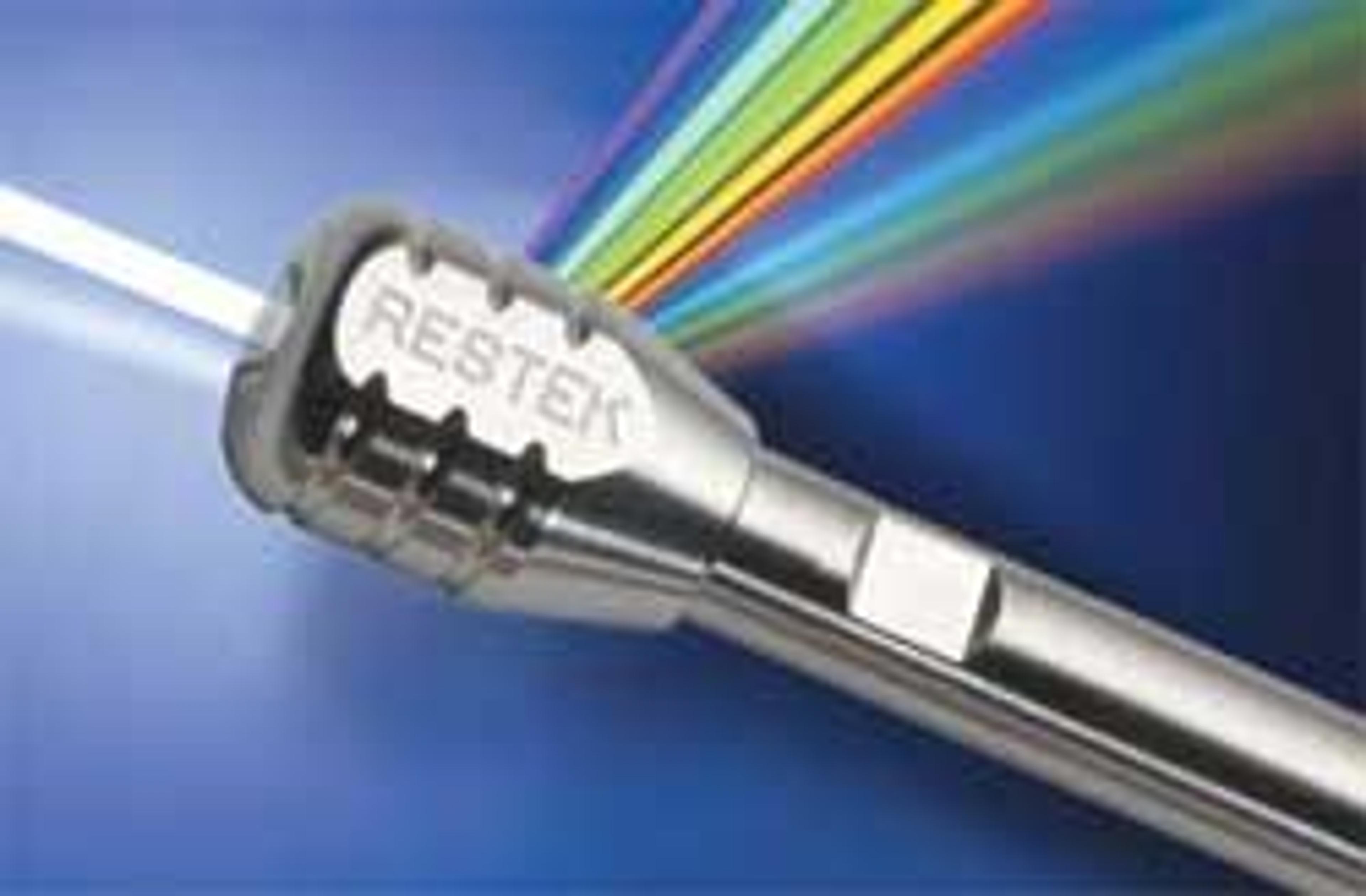
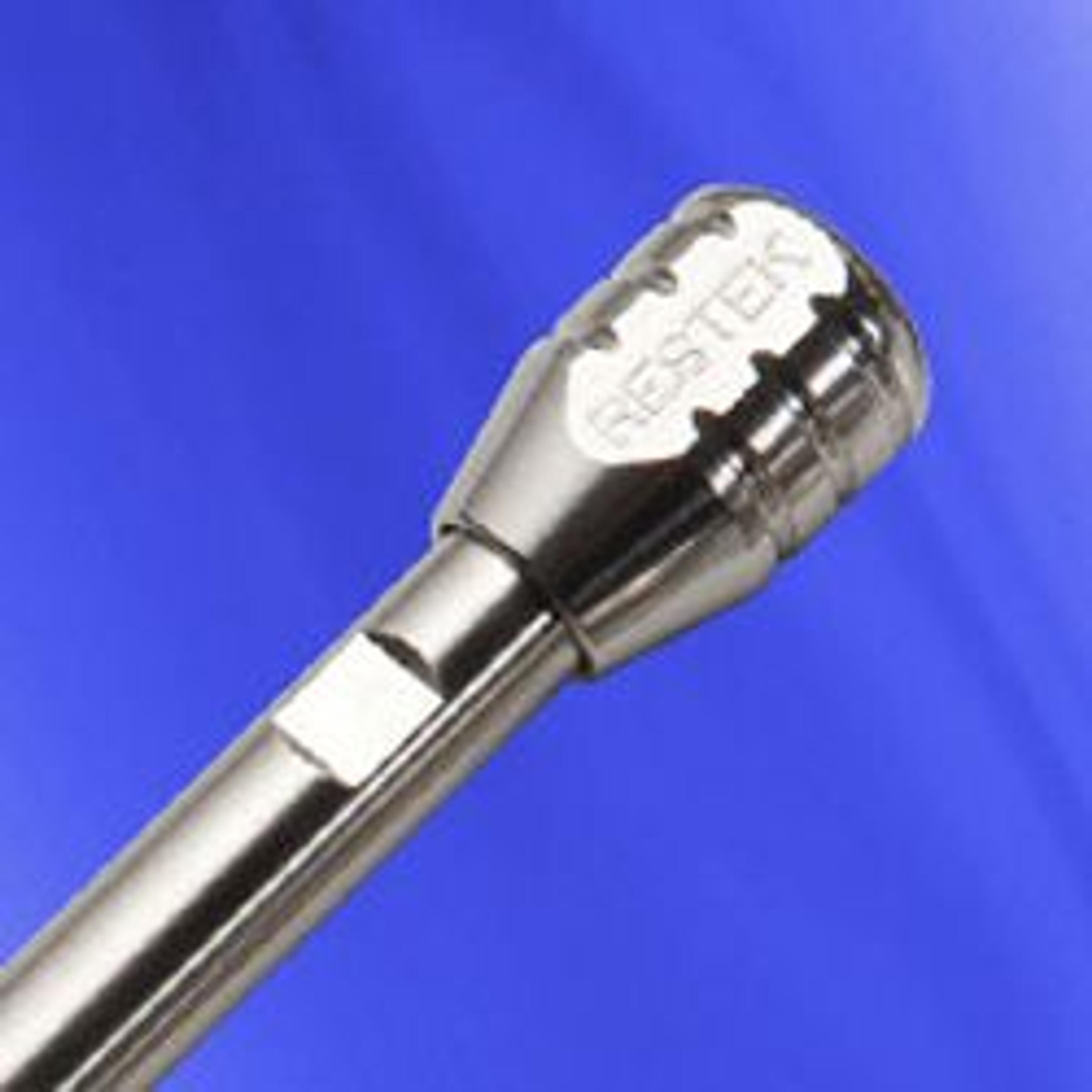
With Raptor™ LC columns, Restek chemists became the first to combine the speed of superficially porous particles (also known as SPP or “core-shell” particles) with the resolution of highly selective USLC® technology. This new breed of chromatographic column allows you to more easily achieve peak separation and faster analysis times without expensive UHPLC instrumentation.








Receive your quote directly from the manufacturer.
Superior alternative to popular C18 phase columns
Ideal for food, bodily fluids, and other difficult matrices
Raptor SSP columns offer great separation of a broad range of compounds that is not possible with C18 phase columns. I decided to make the change to this column to heighten selectivity of difficult analytes.
Review Date: 21 Nov 2022 | Restek Corp.
Excellent Columns
LC-MS of biological fluids
Excellent product - the entire range of RAPTOR columns has outstanding connections (fingertight). Very good quality and robustness. Price is above par for the industry, among LC column manufacturers, but worth it.
Review Date: 28 Sept 2022 | Restek Corp.
Best separation for isomers. Fantastic.
Steroid analysis
It's easy to set up my method and the after sales support is helpful. It's worth the money in every aspect.
Review Date: 9 Feb 2021 | Restek Corp.
Excellent performance, robust, reproducible and reliable. A++.
Bioanalytical testing applications like drug and metabolite analyses
This column recommended and shared by our Restek representative became extremely useful in analyzing and resolving analytes/derivatives that were hard to resolve or elute early on other C18 and phenyl columns we tried.
Review Date: 24 Dec 2020 | Restek Corp.
Great performer.
Analytical chemistry
Raptor Biphenyl LC columns are very versatile and suitable for analysis of a wide range of drugs including very polar molecules such as morphine and codeine glucuronides.
Review Date: 24 Dec 2020 | Restek Corp.
Great column life!
UHPLC/MS/MS Column
Best column life we have found! Restek columns have saved us so much money by not needing to order a new one every three months like other columns we've used. Very stable and easy to use, absolutely great all around!
Review Date: 3 Mar 2020 | Restek Corp.
Great column for urine drug testing.
Clinical lab
The Raptor HPLC column for urine drug testing give good resolution and consistent RT from column to column. We get approximately 5000 injections per column.
Review Date: 9 Dec 2019 | Restek Corp.
Happy with results & support.
Serum analysis for steroids
This biphenyl column has been great for my steroids application, it’s helped me achieve separation for isobaric steroids improving specificity.
Review Date: 9 Dec 2019 | Restek Corp.
Very good separation, fit perfectly to our application.
Oral fluids testing
The application notes are very concise, though not a lot of details are shared.
Review Date: 9 Dec 2019 | Restek Corp.
Great results, Can't complain.
Drug analysis
We achieve high quality seperation and reproducibilty for drug analysis with Raptor Biphenyl 2.7 uM 100 x 2.1 uM columns. It's easy to install and change.
Review Date: 9 Dec 2019 | Restek Corp.
With Raptor™ LC columns, Restek chemists became the first to combine the speed of superficially porous particles (also known as SPP or “core-shell” particles) with the resolution of highly selective USLC® technology. This new breed of chromatographic column allows you to more easily achieve peak separation and faster analysis times without expensive UHPLC instrumentation.
SPP core-shell columns commonly employ traditional phenyl-hexyl stationary phases, but the innovative Biphenyl ligand, developed by Restek’s chemists, is the next generation of phenyl column chemistry. It provides greater aromatic selectivity than commercially available phenyl-hexyl columns[1] and a greater degree of dispersion than conventional phenyls. As a result, the Raptor™ Biphenyl allows you to more easily separate bioanalytical compounds like aromatics, which elute early or are hard to separate on C18 or other phenyl chemistries.
One of the greatest advantages of an SPP column is the ability to achieve fast, efficient separations by operating at higher linear velocities than are possible with a conventional fully porous particle column. However this can also result in higher back pressures. Raptor™ columns were designed to handle the increased pressures needed to achieve Selectively Accelerated, and handle it far better than other SPP columns on the market.
Raptor™ Biphenyl LC Column Features & Benefits:
- Higher efficiency for drastically faster analysis times.
- Better selectivity for substantially improved resolution.
- Increased sample throughput with existing HPLC instrumentation.
- Ideal for bioanalytical testing applications like drug and metabolite analyses.
- Heightened selectivity and retention for compounds that are hard to resolve or elute early on C18 and other phenyl chemistries.
- Limits ionization suppression and allows simple, MS-friendly mobile phases.
- Restek's most popular LC stationary phase applied to Raptor™ SPP core-shell silica.
Column Details:
- Stationary Phase Category: Phenyl (L11)
- Ligand Type: Biphenyl
- Particle: 2.7um SPP
- Pore Size: 90 Å
- Surface Area: 150 m2/g
- Length: 30 - 150 mm
- ID: 2.1, 3.0, 4.6 mm
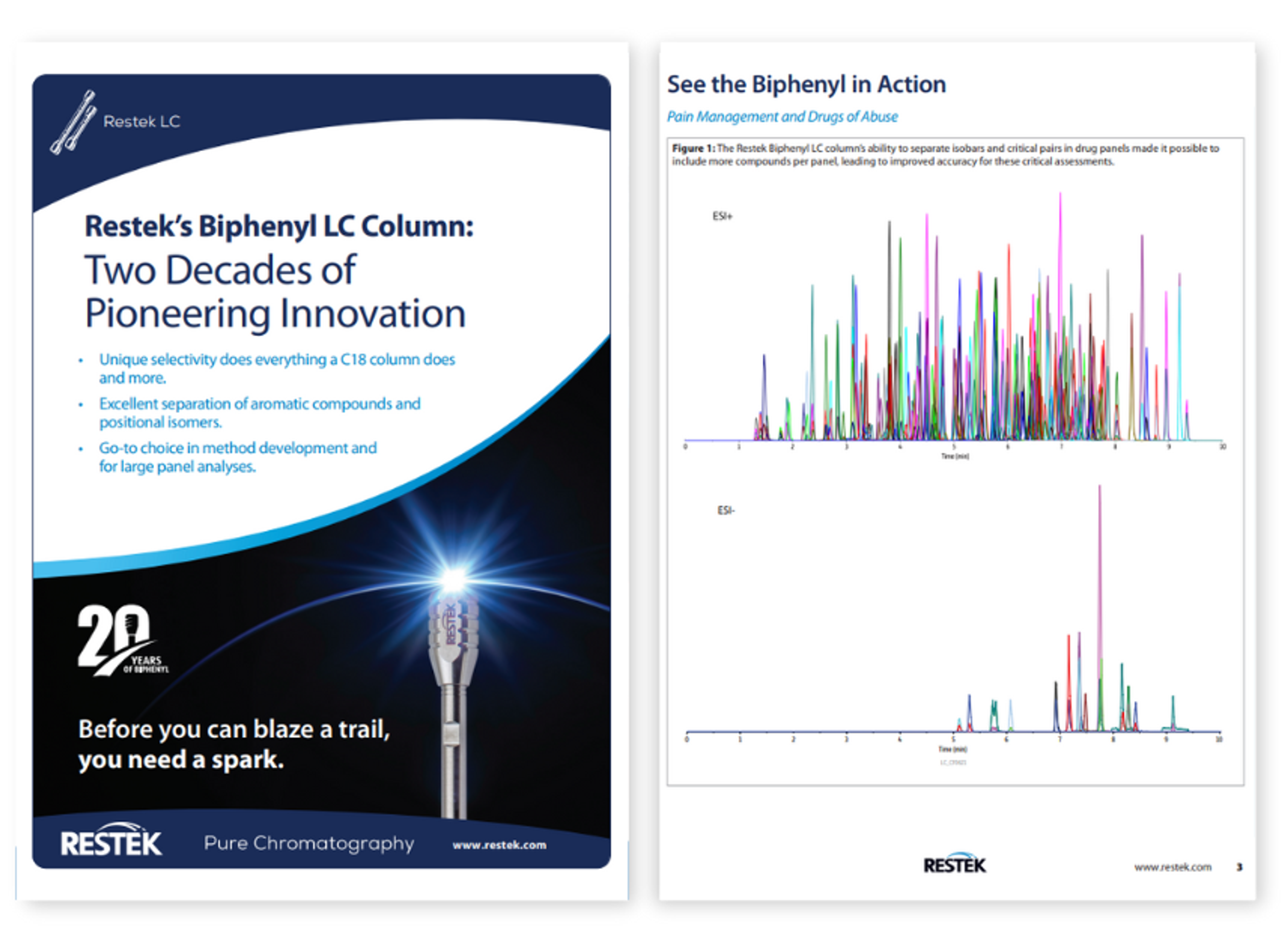
Two decades of pioneering innovation with Restek’s biphenyl LC column
Achieving reliable separations in complex analyses has long challenged chromatographers, especially when working with early-eluting or closely related compounds. Traditional phases often fall short, requiring intricate mobile phases that complicate MS detection.
Learn how enhanced selectivity and robust performance can simplify method development, accelerate separations, and support confident results, even in the most demanding LC-MS workflows.
Resource details:
- Resource type: Application notes
- Page count: 8
- Read time: 12 mins

Quantitation of mycotoxins in food matrices
In this poster, Restek outlines a chromatographic method that efficiently separated 12 mycotoxins used in the analysis of four different commercially avaliable matrices. Here, Restek compares stable isotope dilution assays (SIDAs) with matric-matched calibration methods by LC-MS/MS.
A Novel Solution for Vitamin K₁ and K₂ Analysis in Human Plasma by LC-MS/MS
Vitamin K₁ and K₂ analysis is typically complex and time-consuming because these lipophilic vitamins occur at low levels and are subject to matrix interference, particularly from phospholipids. The new method established here provides fast, accurate, and precise vitamin K analysis in plasma, using a simple phospholipid removal procedure and a sensitive, 4-minute LC-MS/MS analysis on a Raptor Biphenyl column, making it suitable for both research and high-throughput testing.
Simultaneous Analysis of Catecholamines and Metanephrines in Urine by LC-MS/MS
Clinical diagnosis of pheochromocytoma and paraganglioma is often based on the analysis of catecholamines (epinephrine, norepinephrine, dopamine) and metanephrines (metanephrine, normetanephrine, 3-methoxytyramine) in urine. Analysis of these polar compounds using reversed-phase LC can be difficult due to limited chromatographic retention, which results in poor separation of the analytes from closely eluting matrix interferences. This method overcomes these problems by combining a simple solid phase extraction procedure with the consistent and accurate chromatographic performance of a Raptor Biphenyl column.
4-Minute Bisphenol A (BPA) Analysis Increases Sample Throughput
Bisphenol A (BPA) is a high production volume industrial chemical used to make polycarbonate plastics and epoxy resins that are used in many industries. BPA is released into the environment through industrial effluents and can also leach from packaging materials into food and beverage products. Although BPA concentrations are often low, repeated daily exposure can result in high cumulative doses. Interest in BPA analysis is growing as bisphenol A is an endocrine disruptor that can mimic estrogen, thus disrupting normal hormone levels and causing a significant impact on health. It is also potentially linked to obesity, diabetes,
ADHD, and other health conditions. BPA HPLC analysis can be done using a C18 LC column, but analysis times can be long and peak shape often is not ideal.
Analysis of Fentanyl and its Analogues in Human Urine by LC-MS/MS
In this technical note, Restek demonstrates a simple dilute-and-shoot method for fast analysis of fentanyl and related compounds in human urine by LC-MS/MS using a Raptor Biphenyl column.
Improved Analysis of Aldehydes and Ketones in Air Samples with Faster, More Accurate Methodology
Accurate analysis of aldehydes and ketones in air samples is an important part of monitoring air pollution and protecting human health around the world. These airborne carbonyls from industrial and vehicle emissions are precursors to ozone in smog and are associated with respiratory and pulmonary problems. The following application note details an improved methodology for this analysis.
Analysis of Synthetic Cannabinoids and Metabolites: Adding New Compounds to an Existing LC-MS/MS Method
The analysis of synthetic cannabinoids and their metabolites can be a difficult and challenging task. Keeping up with the ever-growing list of synthetic cannabinoids that illicit drug makers produce further complicates the analysis. This application note shows how the retention and selectivity of the Raptor Biphenyl column enable new drugs to be added to an existing LC-MS/MS method.
A Fast Dilute-And-Shoot Method for Simultaneous 5-Hydroxyindoleacetic Acid (5-HIAA), Vanillylmandelic Acid (VMA), and Homovanillic Acid (HVA) LC-MS/MS Analysis in Human Urine
In this partial validation study, the performance of a fast dilute-and-shoot LC-MS/MS method is demonstrated using a Raptor™ Biphenyl column for the simultaneous analysis of 5-hydroxyindoleacetic acid (5-HIAA), vanillylmandelic acid (VMA), and homovanillic acid (HVA) in human urine. Excellent results were obtained for linearity, accuracy, and precision. With this method, these serotonin and catecholamine metabolites can be measured in human urine with a 5-minute total analysis time. The analytical method is applicable to clinical labs that require a combination of fast analysis times and low-cost sample preparation procedures for 5-HIAA, VMA, and HVA using LC-MS/MS analysis.
Rapid and Accurate LC-MS/MS Analysis of Nicotine and Related Compounds in Urine Using Raptor™ Biphenyl LC Columns and MS-Friendly Mobile Phases
A rapid, accurate, and reproducible method was developed for high-throughput testing of nicotine, cotinine, trans-3'-hydroxycotinine, nornicotine, norcotinine, and anabasine in urine. Data show that a fast and highly efficient analysis of these basic compounds can be achieved with the Raptor™ Biphenyl column using standard low-pH, reversed-phase LC-MS mobile phases that are compatible with a variety of LC-MS instrumentation.
Why biphenyl is replacing C18 in HPLC
Tuesday, November 18, at 16:00 GMT | 17:00 CET | 11:00 EST | 8:00 PST
Developing a new HPLC method often follows a familiar routine in many laboratories: select a C18 column, run a few test injections, and hope for sufficient retention and separation. While C18 remains a widely trusted and globally adopted stationary phase, this webinar introduces a fresh perspective on what’s often considered a 'generic' choice.
Join Application Scientist, Samantha Herbick as she explores the retention profiles of various C18 columns, highlighting that not all C18 phases are created equal, and examines the structural modifications permitted within the USP L1 classification.
She will also introduce biphenyl phase and compare it to C18, showcasing how its unique ligand chemistry offers alternative retention mechanisms that can reshape your approach to method development.
Key learning objectives:
- Explore an overview of the retention mechanisms at play with various C18 column types
- Discover how biphenyl columns retain, how they differ from C18, and how you can benefit from these differences
- Uncover the best practices for successful utilization of biphenyl columns in LC methods
- Hear examples of biphenyl chromatography in applied solutions, with contrast against C18 in the same application
Who should attend?
- Analysts, method development specialists, research chemists, lab managers, and anyone interested in LC-MS.
Certificate of attendance
If you attend the live webinar, you will automatically receive a certificate of attendance, including a learning outcomes summary, for continuing education purposes.
If you view the on-demand webinar, you can request a certificate of attendance by emailing editor@selectscience.net.
LC column conditioning
In this video, Restek describes how to properly condition your LC column. Clean, stable baselines are critical to good liquid chromatography, and properly conditioning your LC column is a helpful way to ensure a good baseline. You’ll need to flush out the storage solvent and equilibrate the column to your solvent mixture, and you may need to use an intermediate solvent to ensure complete mixing and flushing.
LC column cleaning and regeneration
In this video, Restek discusses LC column cleaning and regeneration. Watch to learn the steps you can take to keep your column clean and help restore some performance to columns and extend their lifetime.
LC troubleshooting - All of my peaks are tailing! What should I do?
Tailing peaks can be a problem when doing liquid chromatography (LC), and secondary silanol interactions are one of the causes. Here, using the example of basic drugs, Restek explains what causes them and cover a few steps that can be taken to minimize the effect of these secondary silanols on peak shape when troubleshooting.
Analyzing Mycotoxins in CBD Oil: A Simple Workflow Solution
A growing need is emerging for testing to detect the presence of mycotoxins in both raw plant materials and finished cannabis products in order to protect consumer health and safety. The analysis of mycotoxins in cannabis oils is particularly challenging because the sample lipids can contribute isobaric matrix interferences in addition to general ion suppression, which can reduce accuracy especially at low levels. This video presents a simple pass-through SPE sample cleanup method applied to lipid-rich CBD oils. The SPE sample cleanup was paired with a rapid LC-MS/MS analysis utilizing a Raptor Biphenyl column.
Restek<sup>®</sup> Pure Chromatography
This video introduces the chromatography technology from Restek, showing how it can be applied to a variety of fields and improve lab performance.
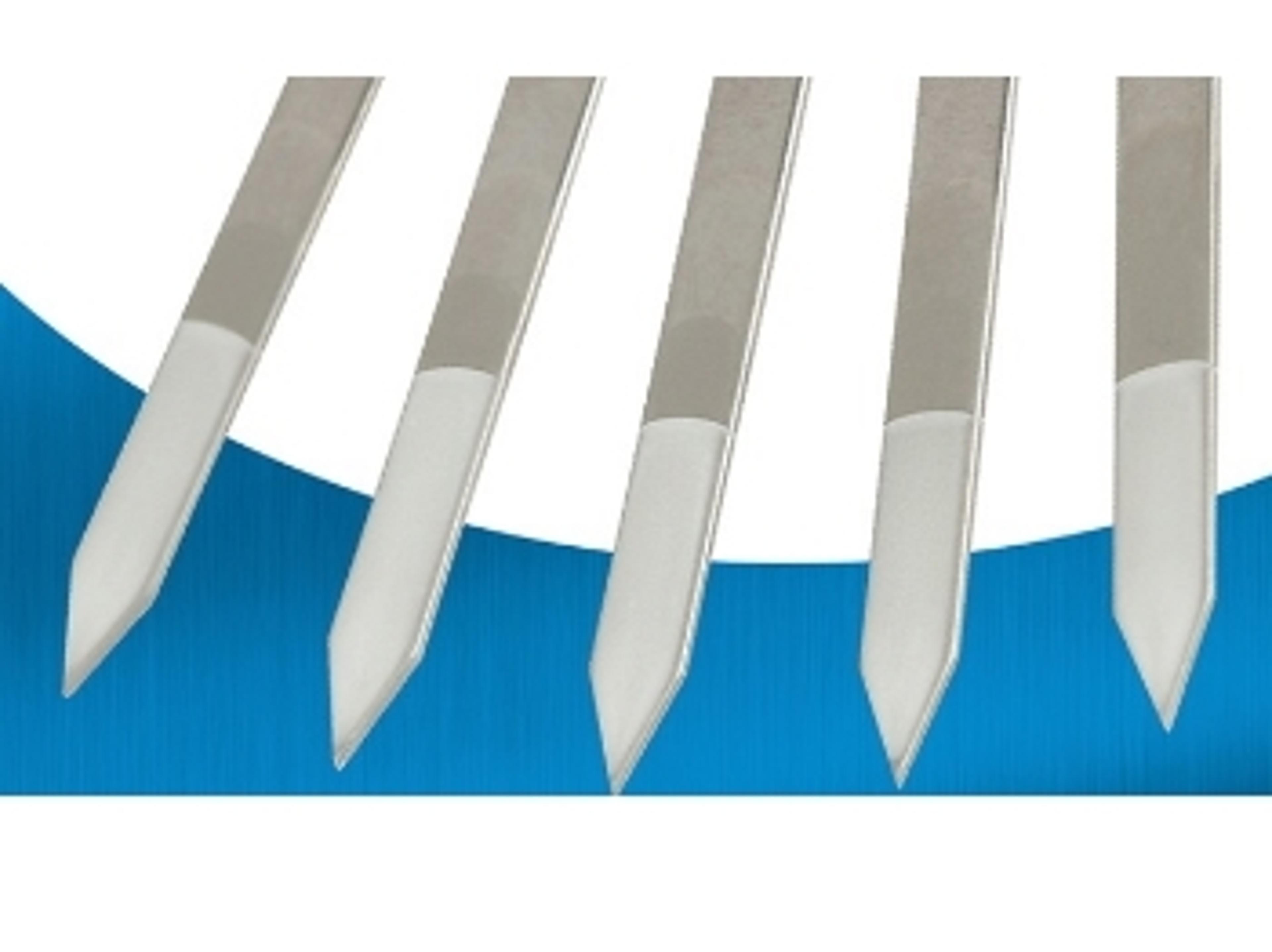
Restek offers researchers a chance to experiment with their coated blade spray technology
A breakthrough for rapid screening, the technology aims to bring a new level of efficiency and speed

How to optimize workflows for sample prep and rapid analysis of contaminants in foods by LC-MS/MS: Your questions answered
Watch this on-demand webinar to learn about recent advances in chromatography technology and how to apply them to food commodity testing workflows

How the trailblazing Raptor Biphenyl column took the science world by storm
Paul Connolly from Restek shares the secrets to success for its most popular LC stationary phase, in this SelectScience interview

Meet the scientists determined to relieve the pain points of cannabis testing
As the possibility of federal legalization looms in the U.S., hear how Restek is approaching cannabis for 2020 and working with its customers to advance the field of cannabis testing as a whole

How to optimize sample preparation for rapid analysis of contaminants in foods by LC-MS/MS
Choose the right mobile phase chemistries to speed up analysis while maintaining good peak resolution in challenging matrices
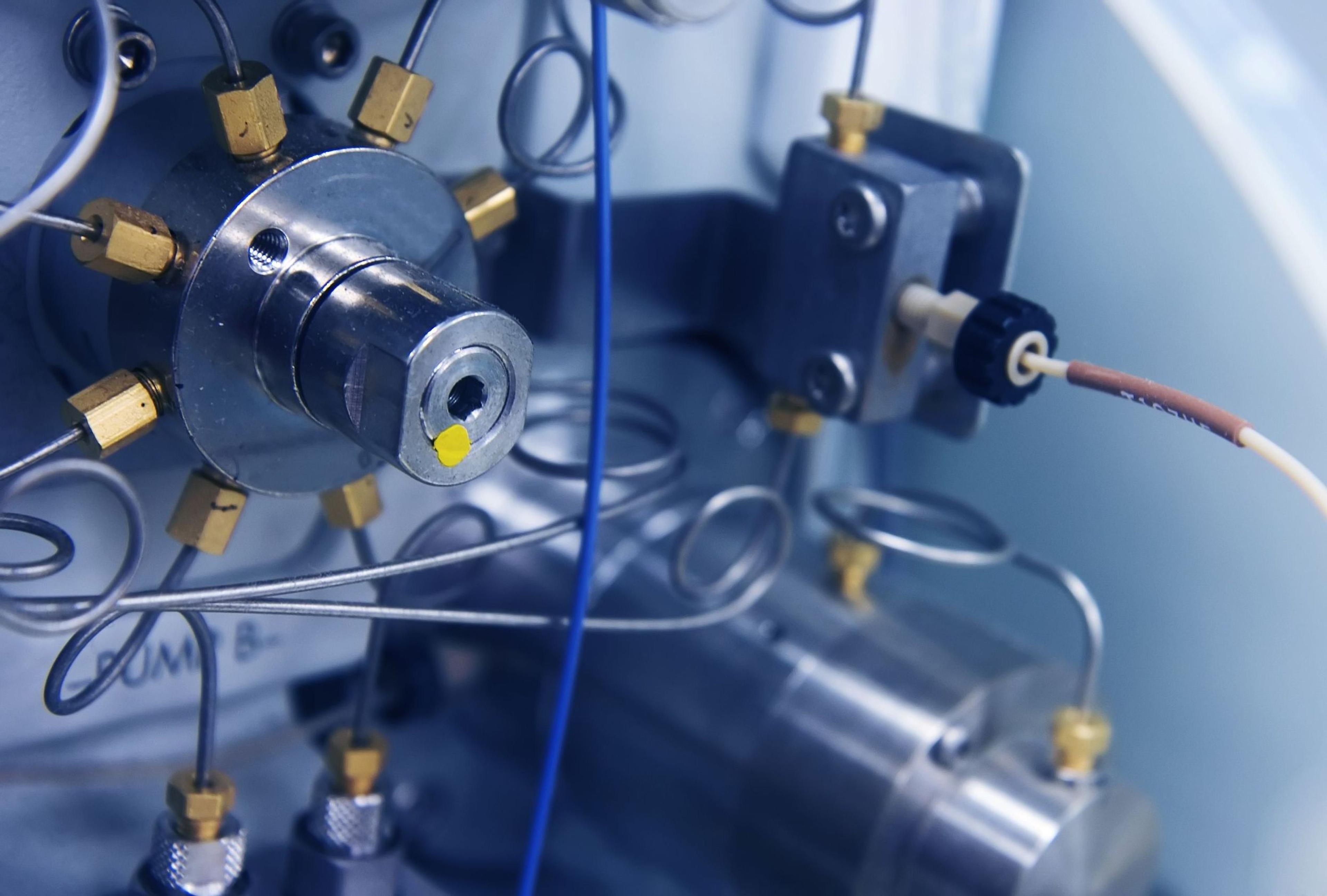
Leading Scientists Rate Restek’s Chromatography Columns
Find out what the experts really think