Q-sep™ QuEChERS Tubes
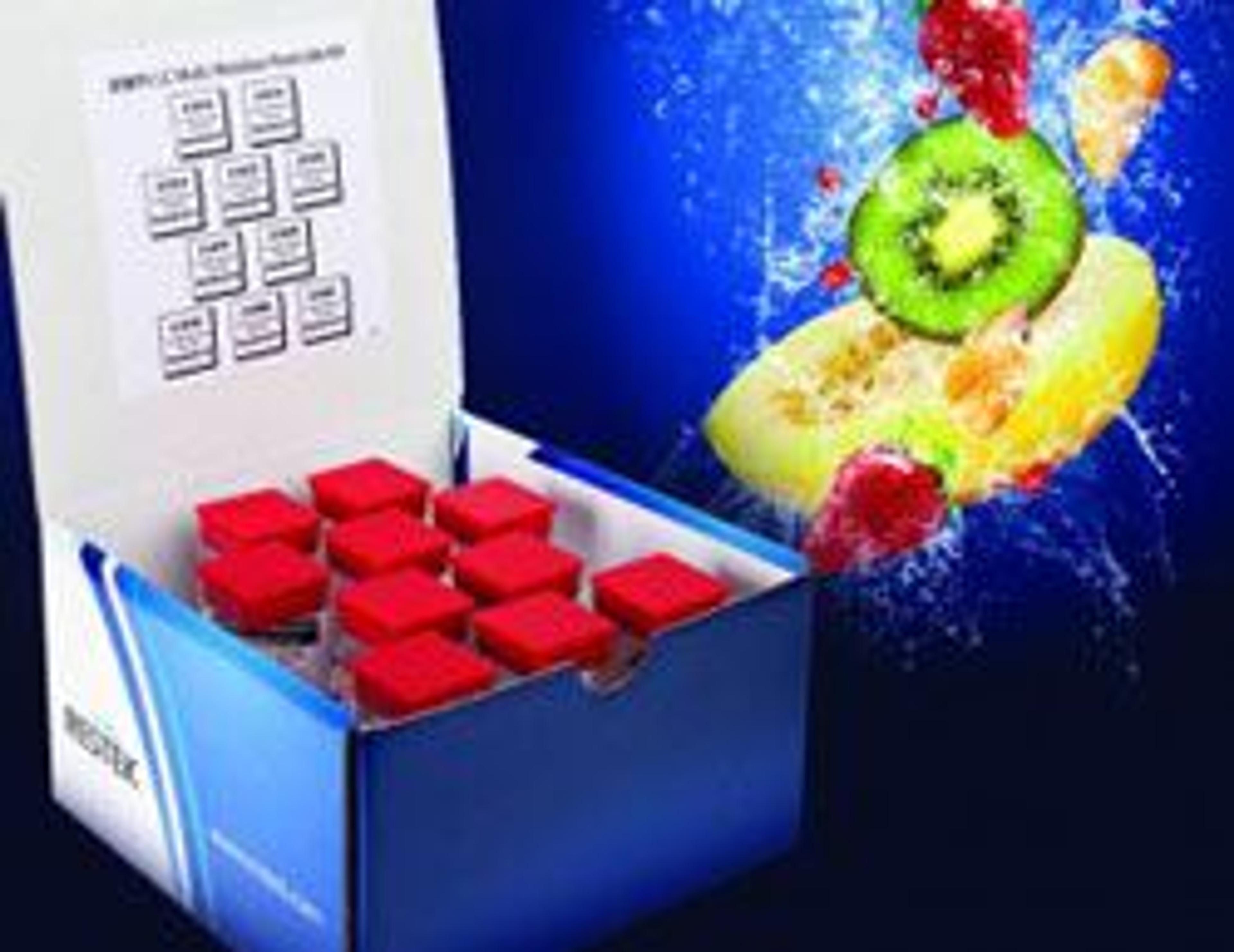
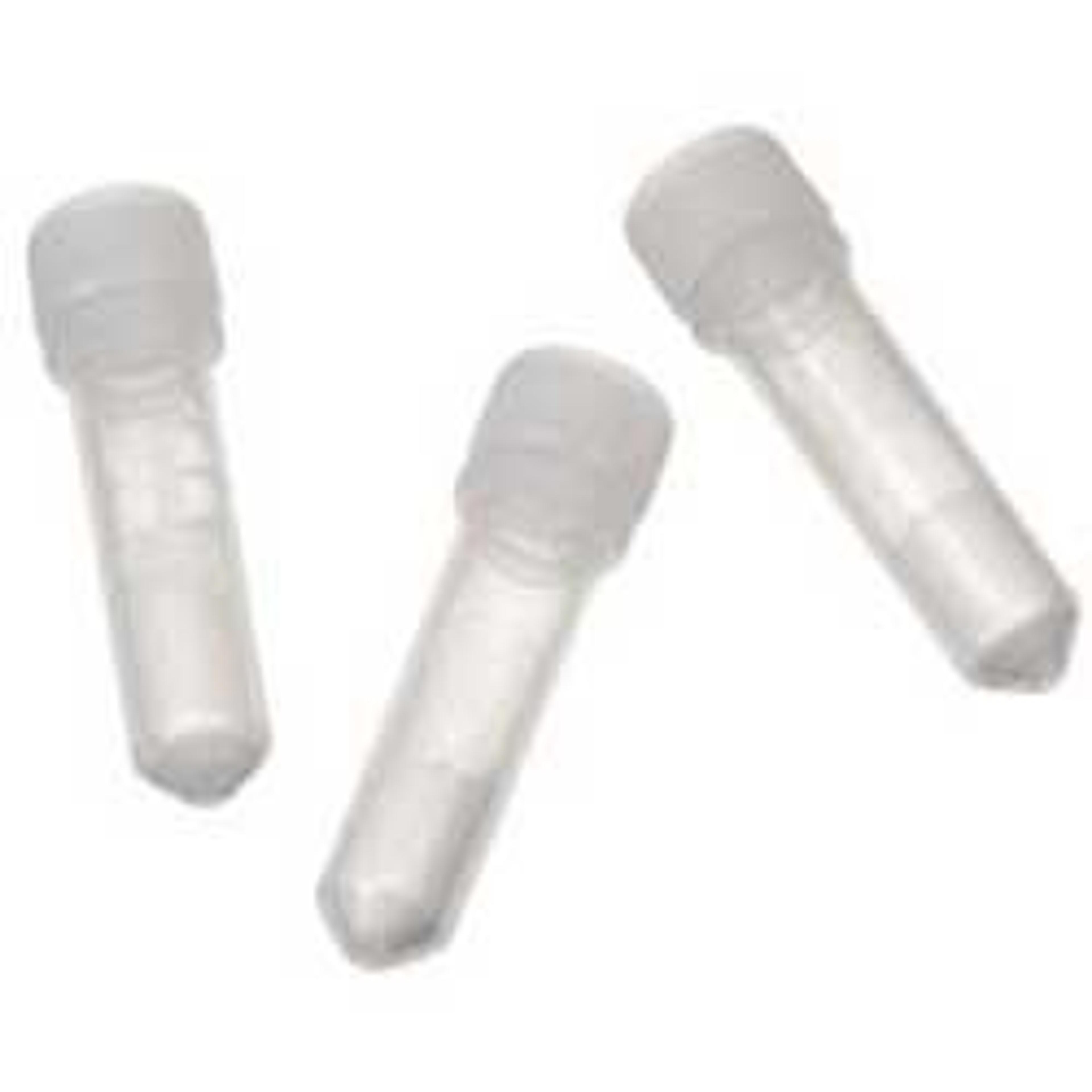
Q-sep™ QuEChERS Tubes for Pesticide Residue Analysis • Fast, simple sample extraction and cleanup using dSPE. • Fourfold increases in sample throughput. • Fourfold decreases in material cost. • Convenient, ready to use centrifuge tubes with ultra pure, preweighed adsorbent mixes. Quick, Easy, Cheap, Effective, Rugged, and Safe, the QuEChERS ("catchers") method, developed by the USDA Eastern Regional Research Center, has becom…




Receive your quote directly from the manufacturer.
Effective, easy to use, save time, cost-benefits very acceptable.
Analyze pesticides in fruits and vegetables
This product is very useful in the analysis of pesticides in fruits and vegetables. It helps to save time in the analysis, it is effective in its function, easy to use, the cost-benefit is very acceptable. It is effective in its function of cleaning the sample. Results are effective and reproducible. I have no negative comments regarding this product.
Review Date: 15 Jul 2022 | Restek Corp.
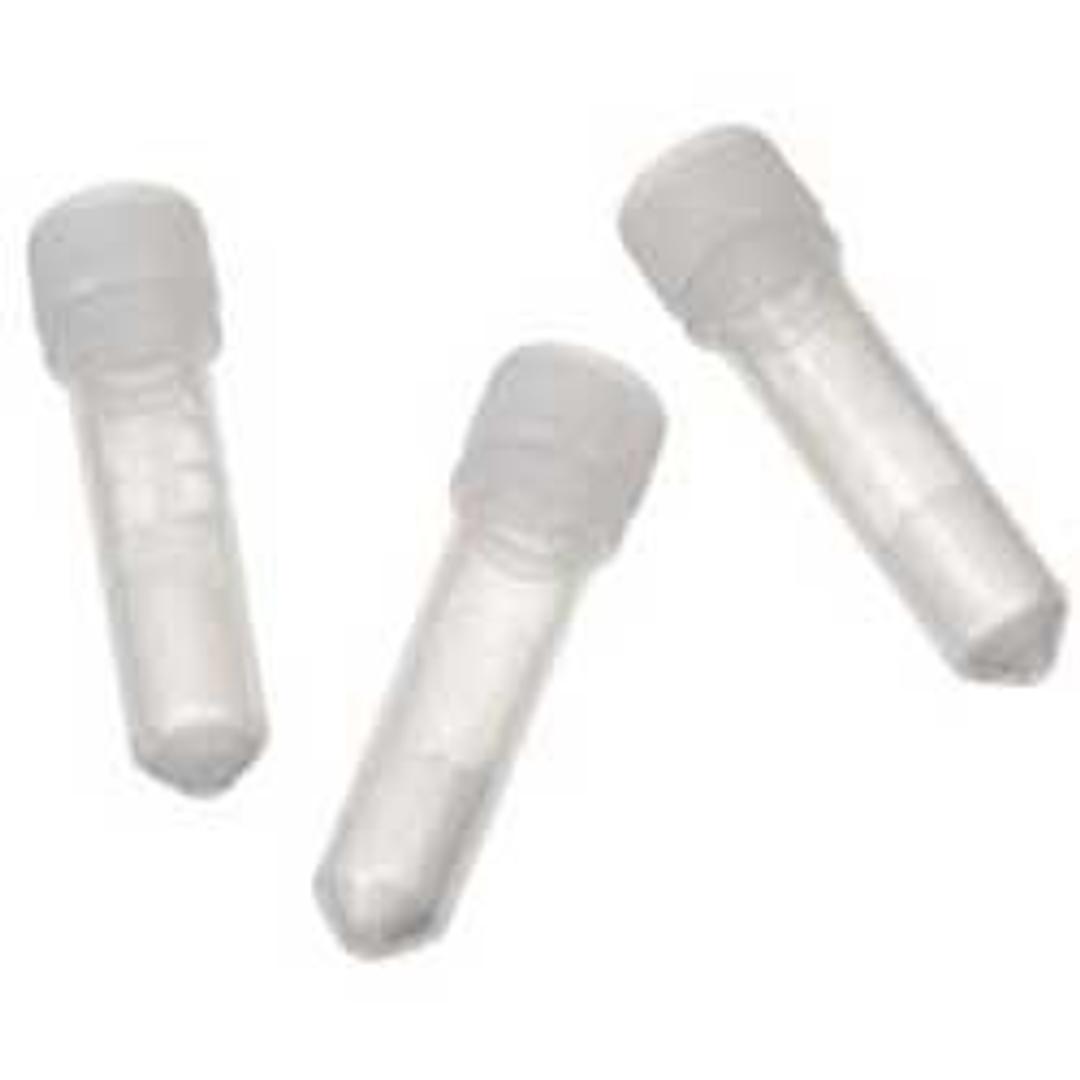
Q-sep™ QuEChERS Tubes for Pesticide Residue Analysis
• Fast, simple sample extraction and cleanup using dSPE.
• Fourfold increases in sample throughput.
• Fourfold decreases in material cost.
• Convenient, ready to use centrifuge tubes with ultra pure, preweighed adsorbent mixes.
Quick, Easy, Cheap, Effective, Rugged, and Safe, the QuEChERS ("catchers") method, developed by the USDA Eastern Regional Research Center, has become very popular for extraction and clean-up of pesticide residue samples. Our products are available in three centrifuge tube sizes to meet the needs of both extraction and cleanup of a wide variety of sample matrices following various methods.
The researchers developed a simple two-step procedure. First, the homogenized samples are extracted and partitioned, using an organic solvent and salt solution. Then, the supernatant is further extracted and cleaned, using a dispersive SPE technique. Multiple adsorbents are placed in a centrifuge tube, along with the 1mL of organic solvent and the extracted residues partitioned from step 1. The contents are thoroughly mixed, then centrifuged, producing a clean extract ready for a variety of GC or HPLC analytical techniques. Validation and proficiency data for the QuEChERS method are available for a wide variety of pesticides in several common food matrices on their website.

Fast, Simple QuEChERS Extraction and Cleanup of Pesticide Residue Samples
Quick, Easy, Cheap, Effective, Rugged, and Safe, the QuEChERS method for extracting pesticides from food is based on research by the US Department of Agriculture. In addition to using less solvent and materials versus conventional SPE methods, QuEChERS employs a novel and much quicker dispersive solid phase extraction cleanup (dSPE). QuEChERS methods, including an AOAC Official Method and modifications to the methods, have been posted on the internet. This application note discusses a general QuEChERS method and highlights the basic steps these methods have in common.
Mitigating Matrix Effects: Examination of Dilution, QuEChERS, and Calibration Strategies for LC-MS/MS Analysis of Pesticide Residues in Diverse Food Types
Liquid chromatography tandem mass spectrometry is popular for monitoring pesticide residues in food. The increased selectivity and sensitivity of LC-MS/MS have impacted how multi-residue methods are performed, sometimes decreasing the need for rigorous sample preparation. However, this approach suffers from matrix effects causing poor data quality and difficult quantification. Matrix effects can be mitigated by sample preparation that reduces the concentration of co-extracted matrix material or by experimental strategies like matrix-matched calibration that compensate for matrix effects. This white paper considered these two aspects of multi-residue methods, sample preparation and calibration strategies, in order to determine recommendations that balanced data quality as well as time and financial investments.
Comparing Pesticide Residues in Amish and Commercially Grown Strawberries and Spinach
In this application note, QuEChERS extraction, dSPE cleanup, and GC-TOFMS analysis were used to assess pesticide levels in strawberries and spinach from both commercial and Amish growers. Various dSPE cleanup products were compared to determine which were most effective. Good recoveries were obtained for most pesticides; however, low recoveries were observed for some base-sensitive or planar compounds. Incurred pesticides were generally low and varied by both matrix and source.
A Comprehensive Approach to Pesticide Residue Testing
In this application note, food commodities were fortified with pesticides and processed using the QuEChERS sample preparation technique. Samples were analyzed by both GCxGC-TOFMS and LC-MS/MS. The foods chosen varied in water, fat, and pigment content, so the ruggedness of QuEChERS as well as the performance of GCxGC-TOFMS and LC-MS/MS could be assessed. Commodities tested were red bell pepper, cucumber, black seedless grape, spinach, lemon, raisin, and hazelnut.
Developing New Methods for Pesticides in Dietary Supplements
In this application note a procedure is demonstrated that incorporates a QuEChERS extraction, cSPE cleanup and GCTOFMS, resulting in good recoveries for a wide range of pesticide chemistries in dandelion root powder. This approach saves time and can reduce analyst variation by minimizing manual preparation with prepackaged extraction salts and snap-and-shoot standards. Analytical benefits include reduced interferences and good recoveries, even of polar compounds.
Determining Pesticides in Dietary Supplements with QuEChERS Extraction, Cartridge SPE, and GCxGC-TOFMS
In this application note a novel approach is employed combining QuEChERS extraction, cartridge SPE cleanup, and GCxGC-TOFMS analysis to quantify pesticides in dietary supplements. It results in good recoveries across a range of compounds found in these complex matrices and reduces matrix interferences and improves accuracy relative to one dimensional GC-TOFMS.
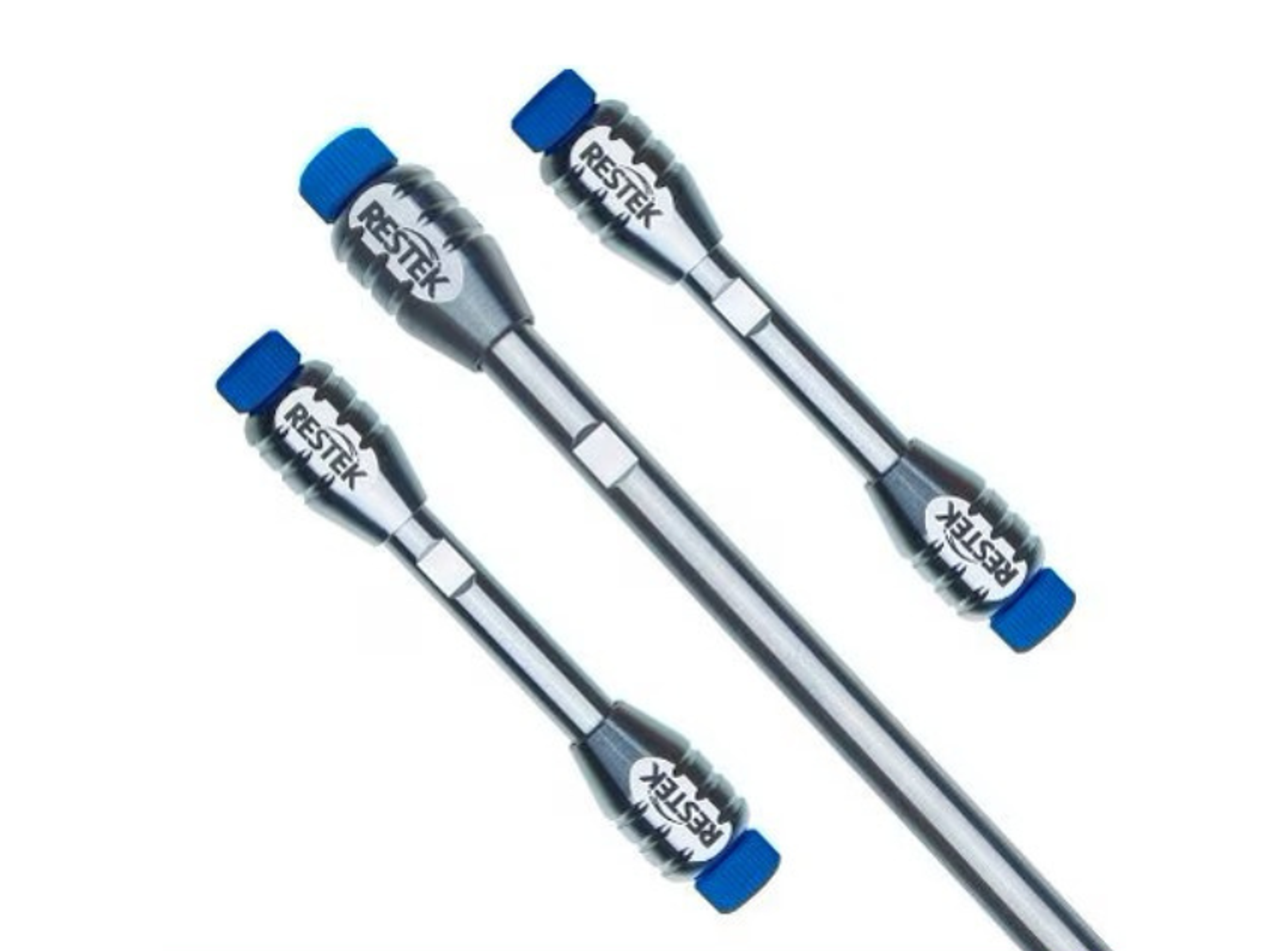
New Low Bleed GC Column and Flow Meter
Watch this Restek interview at Pittcon 2010 to find out about new additions to the Rxi® ultra inert, high performance fused silica GC column family. The Rxi® 6-24 Sil MS increases the maximum temperature to 320oC with very low bleed and is applicable to mass spectrometry applications. A new Flow Meter and website launch are also introduced.