Rxi®-5Sil MS (Fused Silica) Columns
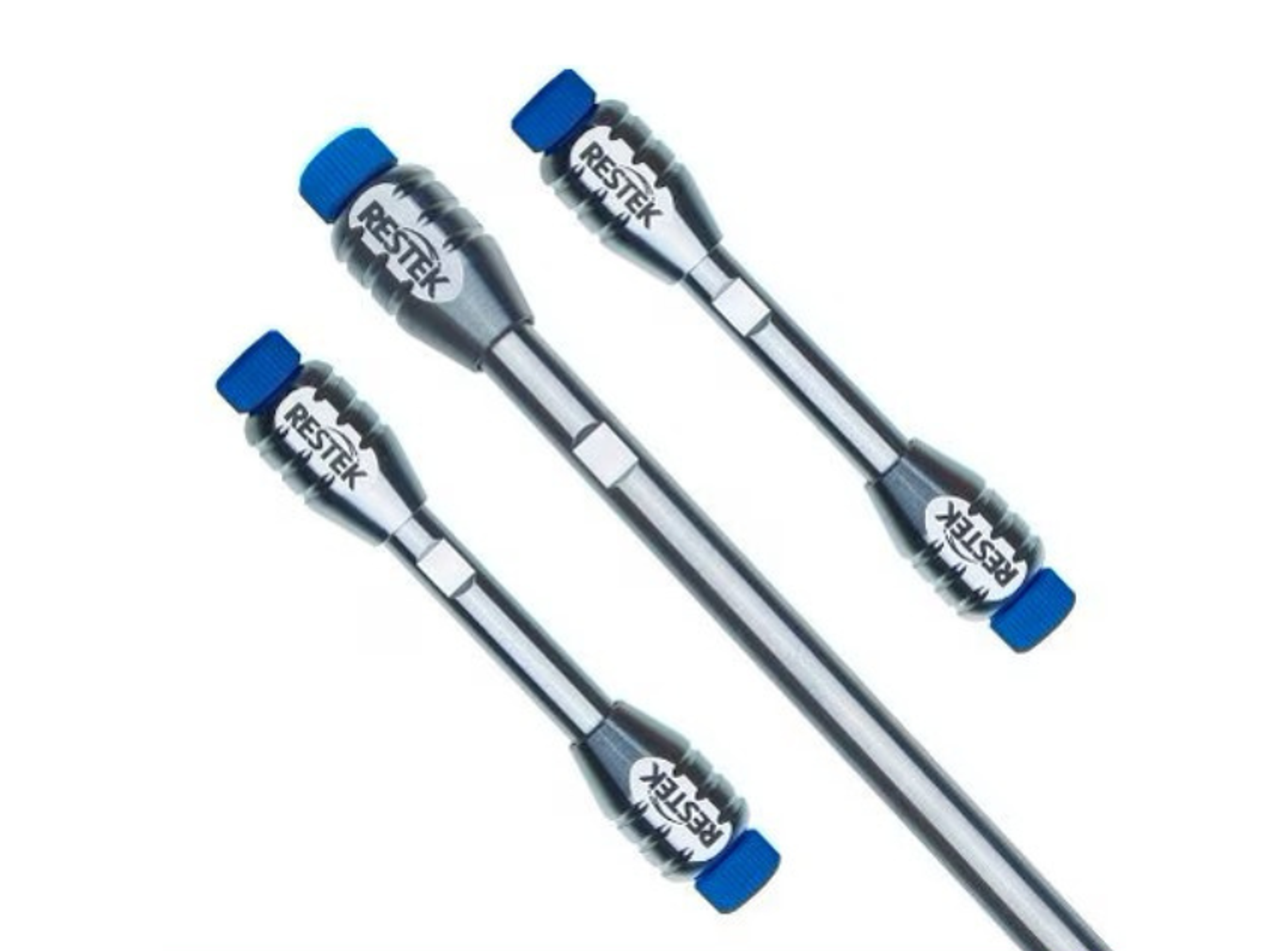
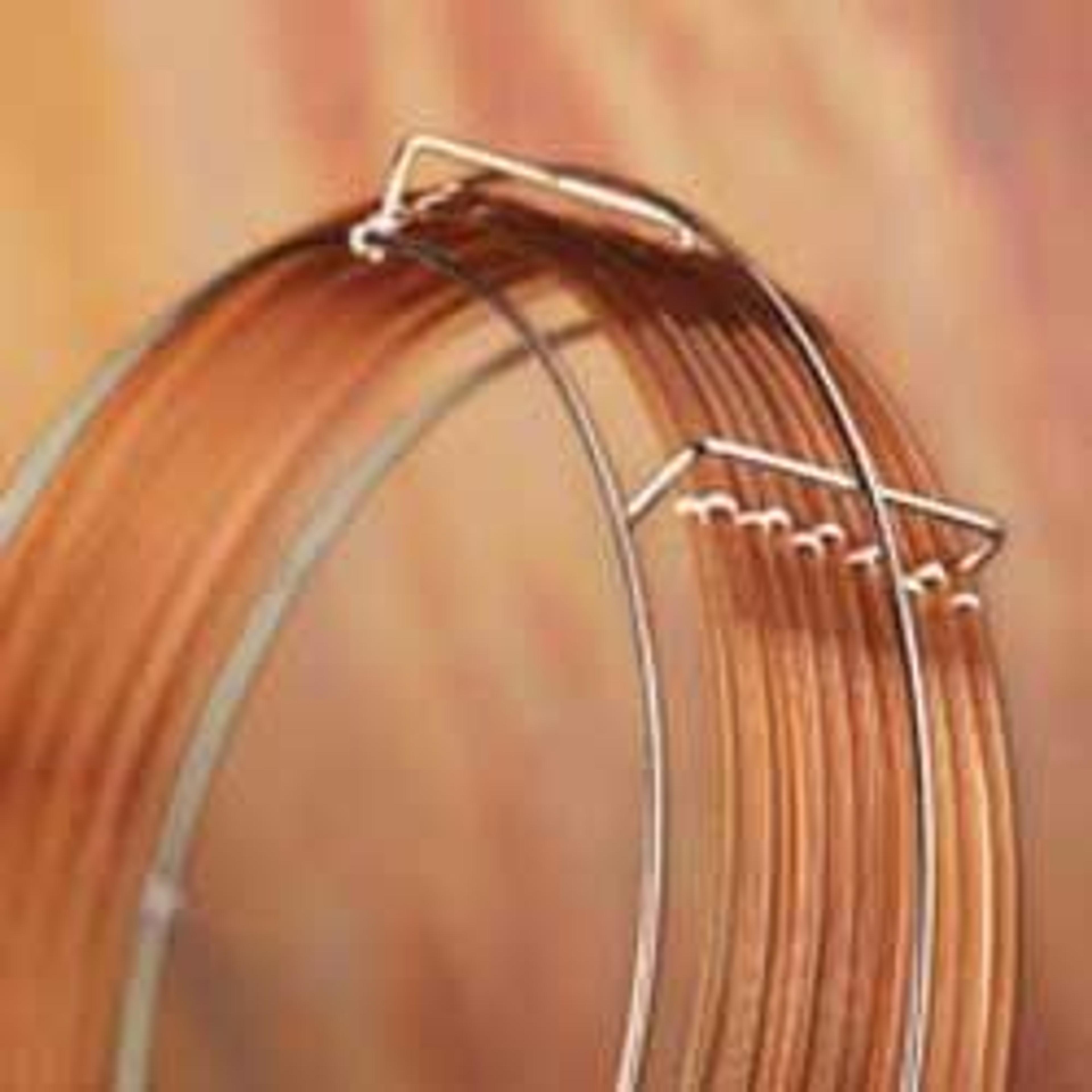
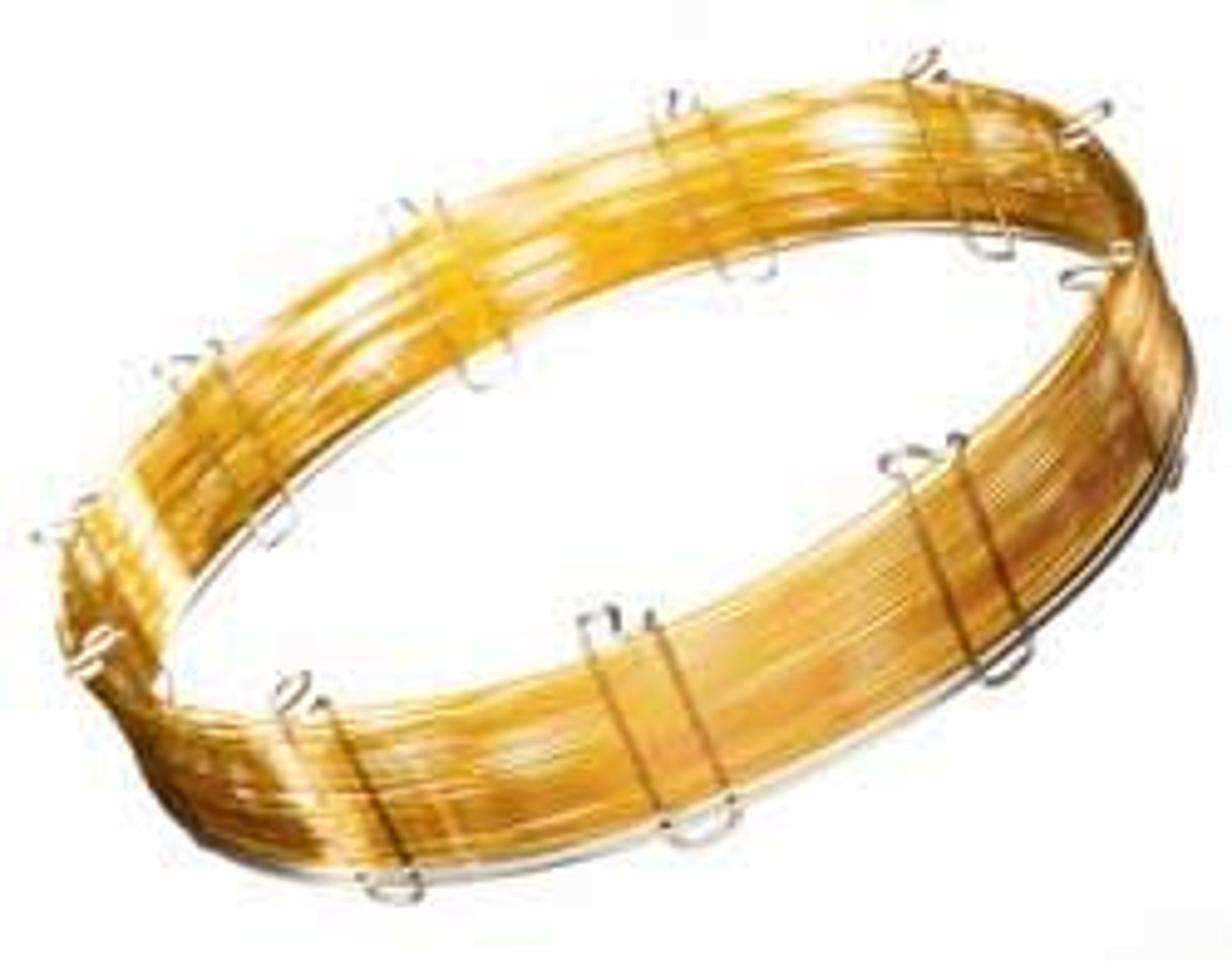
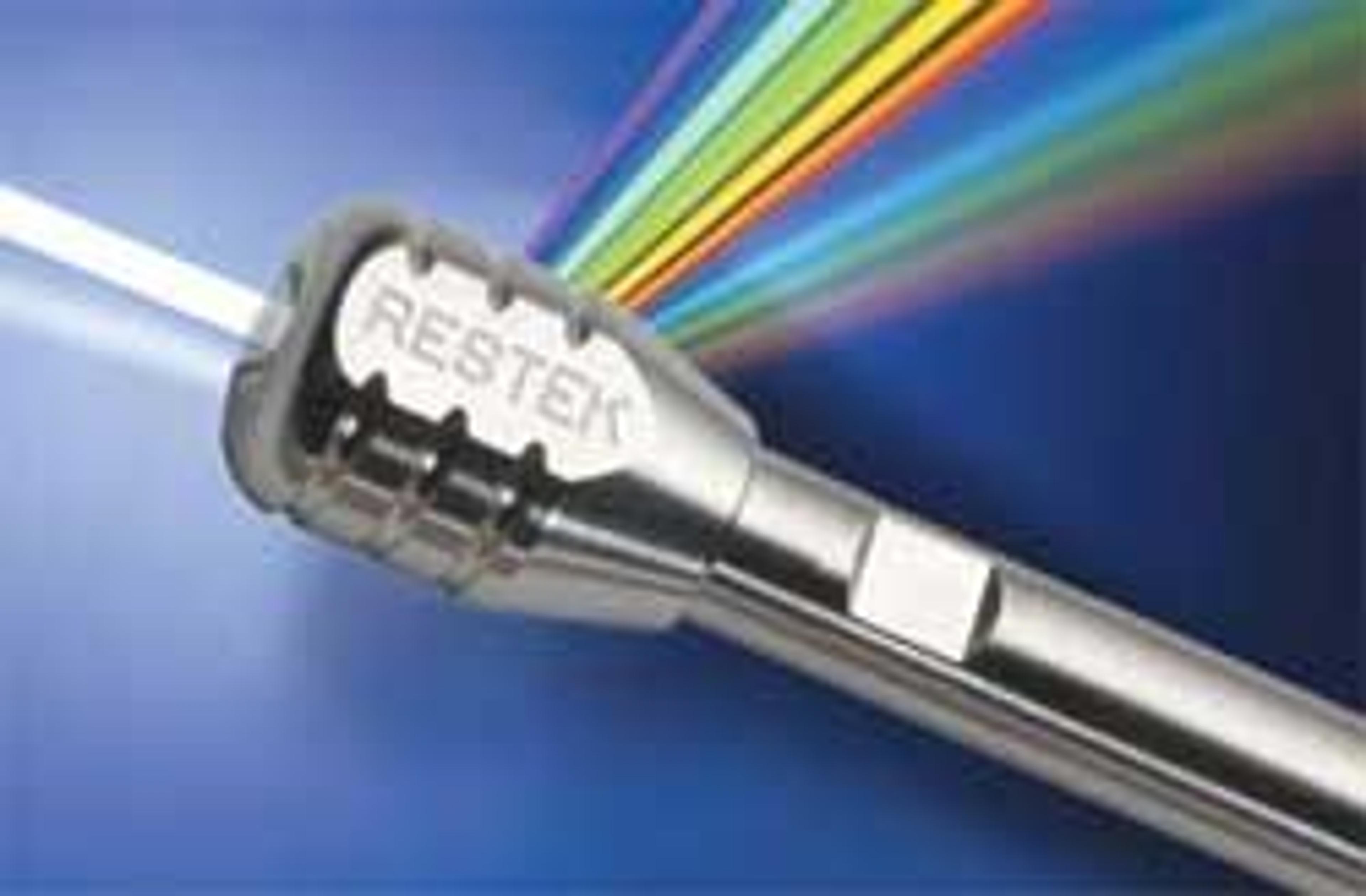
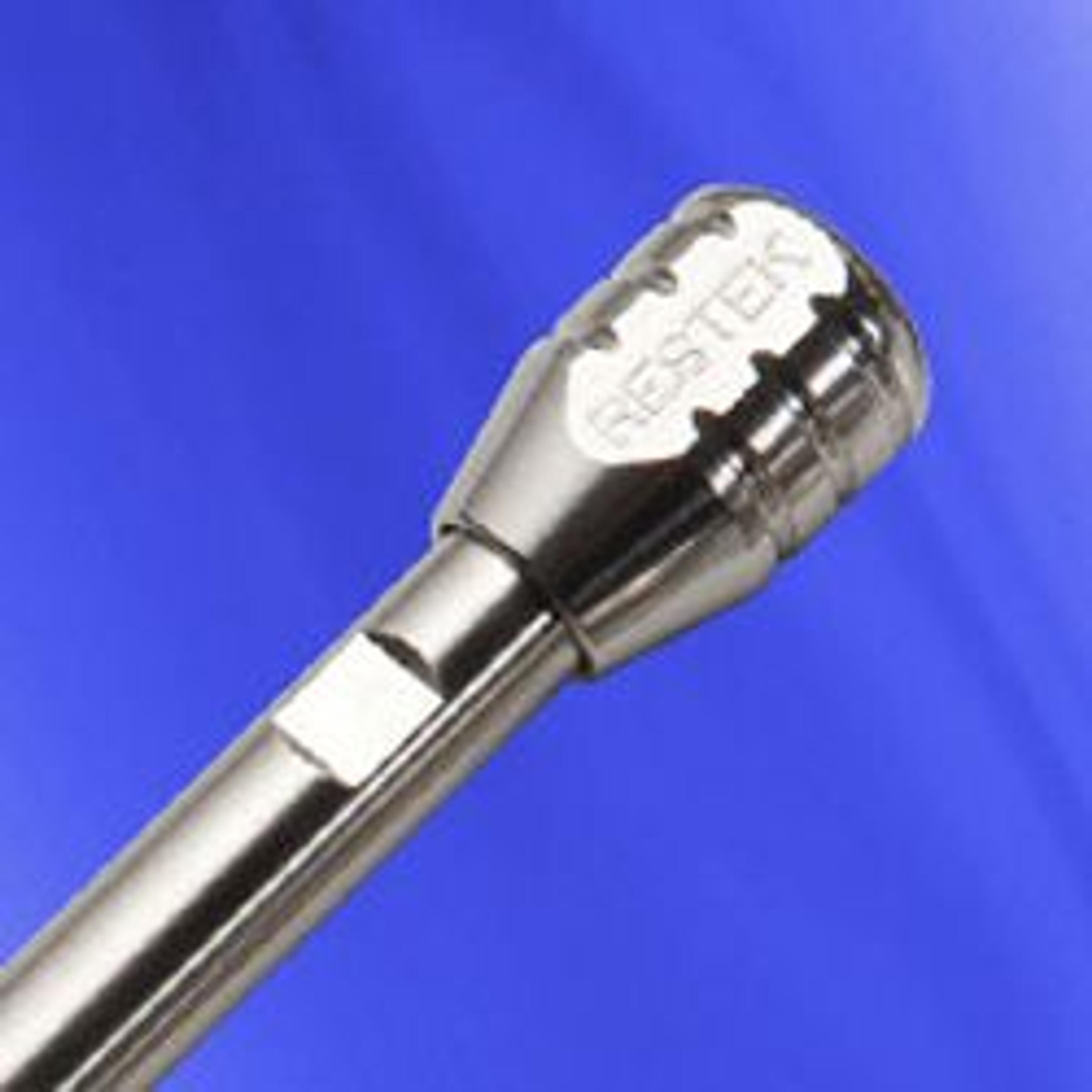
Rxi® fused silica capillary GC columns were designed specifically to be the best columns available, for exceptional inertness, ultra-low bleed, and reproducible retention and selectivity.





Receive your quote directly from the manufacturer.
Great performance
Analyze fluoro compounds
We achieve high quality of product, Good repeatability
Review Date: 11 Jul 2022 | Restek Corp.
Peak separation is excellent
Solvent analysis
Good product, temperature limit is higher, good separation.
Review Date: 7 Feb 2022 | Restek Corp.
Very good in operation and software also good and easy understanding
Raw materials, Finished products R&D samples
It meets the requirements and compliance
Review Date: 20 Nov 2021 | Restek Corp.
Excellent low bleed column and can be used for multiple applications.
Pesticides analysis by GC-MS/MS
Restek Rxi-5 Sil MS capillary column is very effective for trace level of multiple pesticides analysis with its unique low bleed column (Rxi) helps for detecting trace level pesticides in ppb concentration in food matrices using GC-MS/MS.
Review Date: 23 Jun 2021 | Restek Corp.
Excellent column and very useful when detecting pesticides at the ppb level.
Pesticides analysis
Restek capillary columns are extremely good, with low bleeding at high temperatures and high ramp rates.
Review Date: 2 Feb 2021 | Restek Corp.
Great to use it
In analysis & analytical development
It's really value for money, it doesn't require more conditioning and we use if from last long without any complaint about it & still it gives good performance. we are totally satisfied with this product. It provide reproducible, reliable results and enhance confidation of the user too.
Review Date: 20 Jul 2020 | Restek Corp.
highly inert columns.
Pesticides analysis at PPB level.
I have been using Restek GC columns for the last 5+ years. I have been extensively working on pesticide residue analysis in food matrices. The results I have got are very reproducible and there has not been any interference caused by the columns during the scan and method development. I was able to separate out cyfluthrin, cypermethrin isomeric mixture with proper chromatographic separation and reproducible results. Columns are really very robust and long lasting.
Review Date: 17 Jul 2020 | Restek Corp.
Great resolution of multiple compounds!
Analyze hydrocarbons
High quality and reprodible results. Great resolution of different compounds (PAHs, plaguicides, PCBs) in only 15m!
Review Date: 10 Dec 2019 | Restek Corp.
It works great and no downtime if the bake outs are done at the end of the day.
GC MS analysis of isotopes in water.
Our field is isotopes analysis on the oxygen isotopes in water. After working out a procedure to use this 30 m column in our Scion 456-GC to do water isotope comparisons with a mass spectrometer(Scion SQ); it was found to be consistent and reliable. With each batch of samples isotopic standards are run to determine the ratios of the isotopes and the different samples are analyzed and compared to the standards. By taking care to keep the column clean and regularly baked out, it is still in use after 5 years since we received it.
Review Date: 15 Apr 2019 | Restek Corp.
Best GC columns ever
GC analysis
Long lasting columns with very good inertness upon polar compounds
Review Date: 15 Apr 2019 | Restek Corp.
Rxi® fused silica capillary GC columns were designed specifically to be the best columns available, for exceptional inertness, ultra-low bleed, and reproducible retention and selectivity.
In addition to outstanding performance, this combination of column characteristics assures Rxi® columns will have long lifetimes. The Restek chemists also have developed a stable, reproducible manufacturing process, so that Rxi® columns will meet your needs every time you install a new column.
The Rxi®-5Sil MS stationary phase incorporates phenyl groups in the polymer backbone. This improves thermal stability, reduces bleed, and makes the phase less prone to oxidation. Rxi®-5Sil MS columns are ideal for GC-MS applications requiring high sensitivity, including use in ion trap systems.
Rxi®-5Sil MS (Fused Silica) Columns Features:
- Engineered to be a low-bleed GC-MS column.
- Excellent inertness for active compounds.
- General-purpose columns—ideal for GC-MS analysis of semivolatiles, polycyclic aromatic compounds, chlorinated hydrocarbons, phthalates, phenols, amines, organochlorine pesticides, organophosphorus pesticides, drugs, solvent impurities, and hydrocarbons.
- Temperature range: -60 °C to 350 °C.
Column Details:
- Phase: Crossbond® 1,4-bis(dimethylsiloxy)phenylene dimethyl polysiloxane
- Length: 10, 15, 20, 30, 40, 60 m
- ID: 0.10, 0.15, 0.18, 0.25, 0.32, 0.53 mm
- df: 0.10, 0.15, 0.18, 0.25, 0.36, 0.50, 1.00, 1.50, 2.00 μm

Analysis of pesticides and mycotoxins in cannabis brownies
This application note by Restek Corporation describes the development of a test method for the analysis of pesticides and mycotoxins in cannabis brownies using the California list.
Improved GC Analysis of Derivatized Amphetamines
In this application note, learn a method for GC analysis of derivatized amphetamines using a highly inert Rxi-5Sil MS column and how to obtain low bleed levels, good peak responses, and symmetrical peak shapes.
High-Quality Analysis of Pesticides in Cannabis Using Restek Equipment
This application note describes the use of QuEChERS, cartridge SPE cleanup, and GCxGC-TOFMS to analyze potential pesticides found in cannabis. Over 20 states in the U.S. have legalized the use of recreational or medical cannabis because of therapeutic benefits for ailments such as cancer, multiple sclerosis, and ALS. However, medical cannabis patients have no safety assurances for their medication, which could contain harmful levels of pesticide residues. Restek SPE cartridges and selective GC columns allow quick and effective analysis of medical marijuana samples, coupled with excellent pesticide determination accuracy.
Multiresidue Pesticides in QuEChERS Extracts of Finished Tobacco Using GCxGC-TOFMS
In this application note, the QuEChERS sample preparation approach was used to isolate residues prior to analyzing pesticides in tobacco. The cleanup efficacy and pesticide recoveries were evaluated for different formulations of QuEChERS dispersive solid phase extraction (dSPE) cleanup and the more traditional cartridge solid phase extraction (cSPE) cleanup. Comprehensive two-dimensional gas chromatography time-of-flight mass spectrometry (GCxGC-TOFMS) was used to determine pesticide residues in the resulting extracts.
Investigating GCxGC Separations using Selective Column Chemistry and Compound Derivatization Pairings for Common Metabolomics Chemical Compounds
This poster explores GC column and derivatization chemistries that promote increased GCxGC resolving power for metabolomics chemical compounds.
High-Quality Analysis of Pesticides in Cannabis Using QuEChERS, Cartridge SPE Cleanup, and GCxGC-TOFMS
Unlike other prescribed medicines regulated by U.S. FDA, marijuana is a Schedule 1 drug and is illegal on the federal level. As a result, medical cannabis patients have no safety assurances for their medication, which could contain harmful levels of pesticide residues. In order to address matrix complexity, this study combined a simple QuEChERS extraction approach with cartridge SPE (cSPE) cleanup, followed by GCxGC-TOFMS to detect pesticide residues in marijuana samples.
Combined Determination of 1,4-Dioxane and Nitrosamine Contaminants in Drinking Water
Global concern over the carcinogenic potential of 1,4-dioxane and several nitrosamines has resulted in increased interest in the development of more efficient testing methods for these contaminants in drinking waters. In the U.S., the current methodologies recommended for the analysis of 1,4-dioxane and nitrosamines in drinking waters are Environmental Protection Agency (EPA) Methods 522 and 521, respectively. EPA Method 522 is a relatively simple GC-MS method using electron ionization, while Method 521 requires positive chemical ionization using liquid methanol or acetonitrile reagent gas, along with tandem mass spectrometry. The method described in this application note uses the same coconut charcoal sorbent solid phase extraction cartridges and dichloromethane eluent recommended in EPA Methods 522 and 521 to concentrate 0.50 L water samples to 10 mL extracts.
Large Volume Splitless Injection Using an Unmodified Split/Splitless Inlet and GC-TOFMS for Pesticides and Brominated Flame Retardants
Large volume splitless injection for gas chromatography typically requires a special injection port, for example, a programmable temperature vaporizer (PTV), but an alternative setup using concurrent solvent recondensation–large volume splitless injection (CSR-LVSI) and a split/splitless injection port has been reported. In this application note from Restek the CSR-LVSI technique, both with and without sample extract concentration, was used to analyze pesticides and brominated flame retardants in drinking water. When extract concentration was eliminated, good linearity and recovery results were obtained while sample preparation time was reduced by over 1 hour. CSR-LVSI was also combined with extract concentration to achieve lower detection limits.
Rapid Determination of TO-15 Volatile Organic Compounds (VOCs) in Air
This application note evaluates the efficacy of using a Nutech 8900DS preconcentrator in combination with an analytical system for analysis of VOCs in whole air. Results were assessed based on five criteria outlined for time-integrated, whole air canister sampling in the United States (U.S.) Environmental Protection Agency’s (EPA) Compendium Method TO-15.
Large Volume Splitless Injection Using an Unmodified Split/Splitless Inlet and GC-TOFMS for Pesticides and Brominated Flame Retardants
Large volume splitless injection for gas chromatography typically requires a special injection port, for example, a programmable temperature vaporizer (PTV), but an alternative setup using concurrent solvent recondensation–large volume splitless injection (CSR-LVSI) and a split/splitless injection port has been reported. In this application note from Restek the CSR-LVSI technique, both with and without sample extract concentration, was used to analyze pesticides and brominated flame retardants in drinking water. When extract concentration was eliminated, good linearity and recovery results were obtained while sample preparation time was reduced by over 1 hour. CSR-LVSI was also combined with extract concentration to achieve lower detection limits.
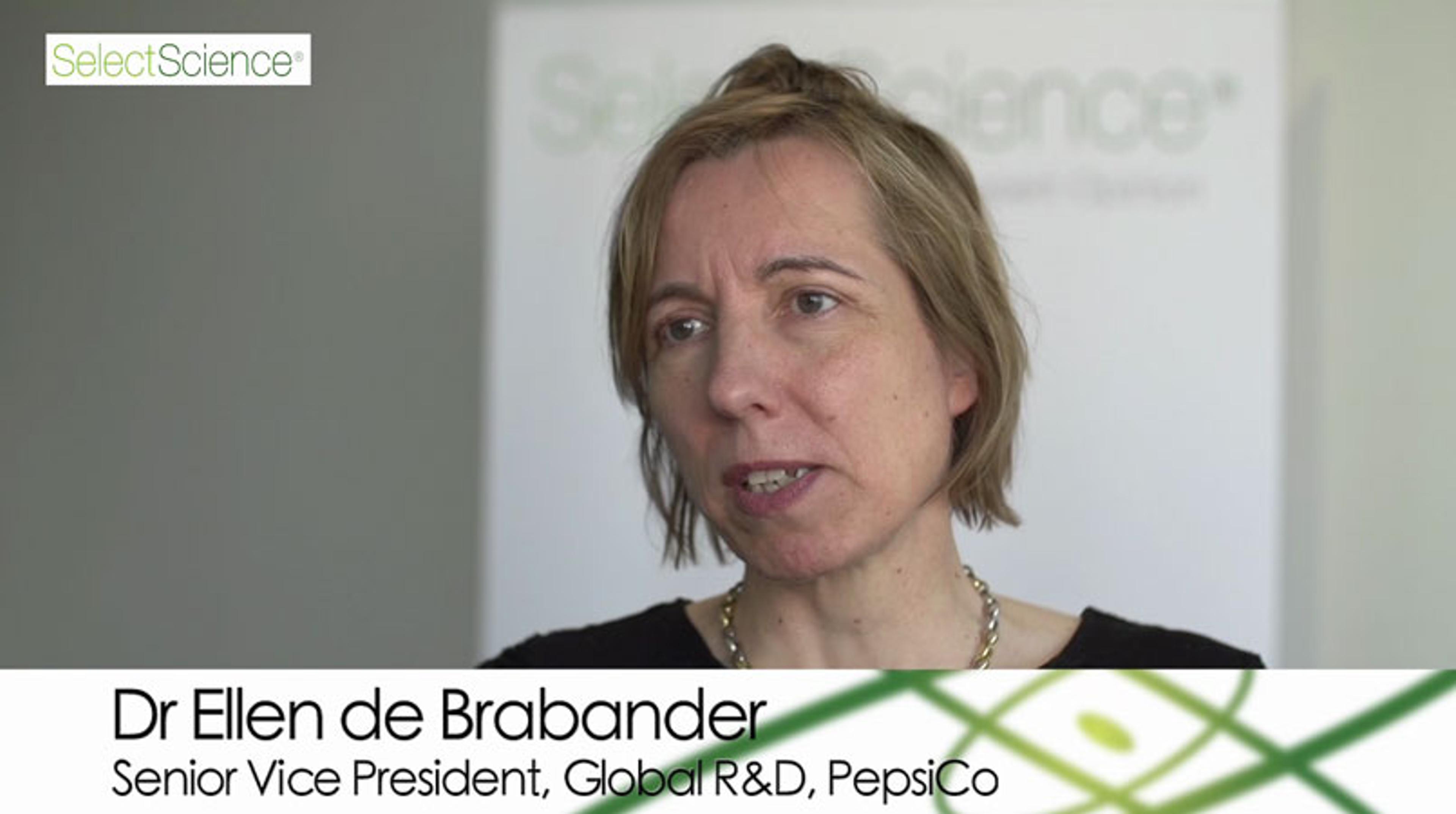
PepsiCo's Plan to Support its Growing Food Portfolio while Staying Compliant
With a complex portfolio of beverages, snacks, and nutrition, PepsiCo understands the growing complexity of new consumer requirements such as organic foods, as well as staying compliant. Here, Dr. Ellen De Brabander, Senior Vice President, Global R&D, PepsiCo, shares how the company will change the way it works to keep up with this growth, all while ensuring food safety, quality and taste.
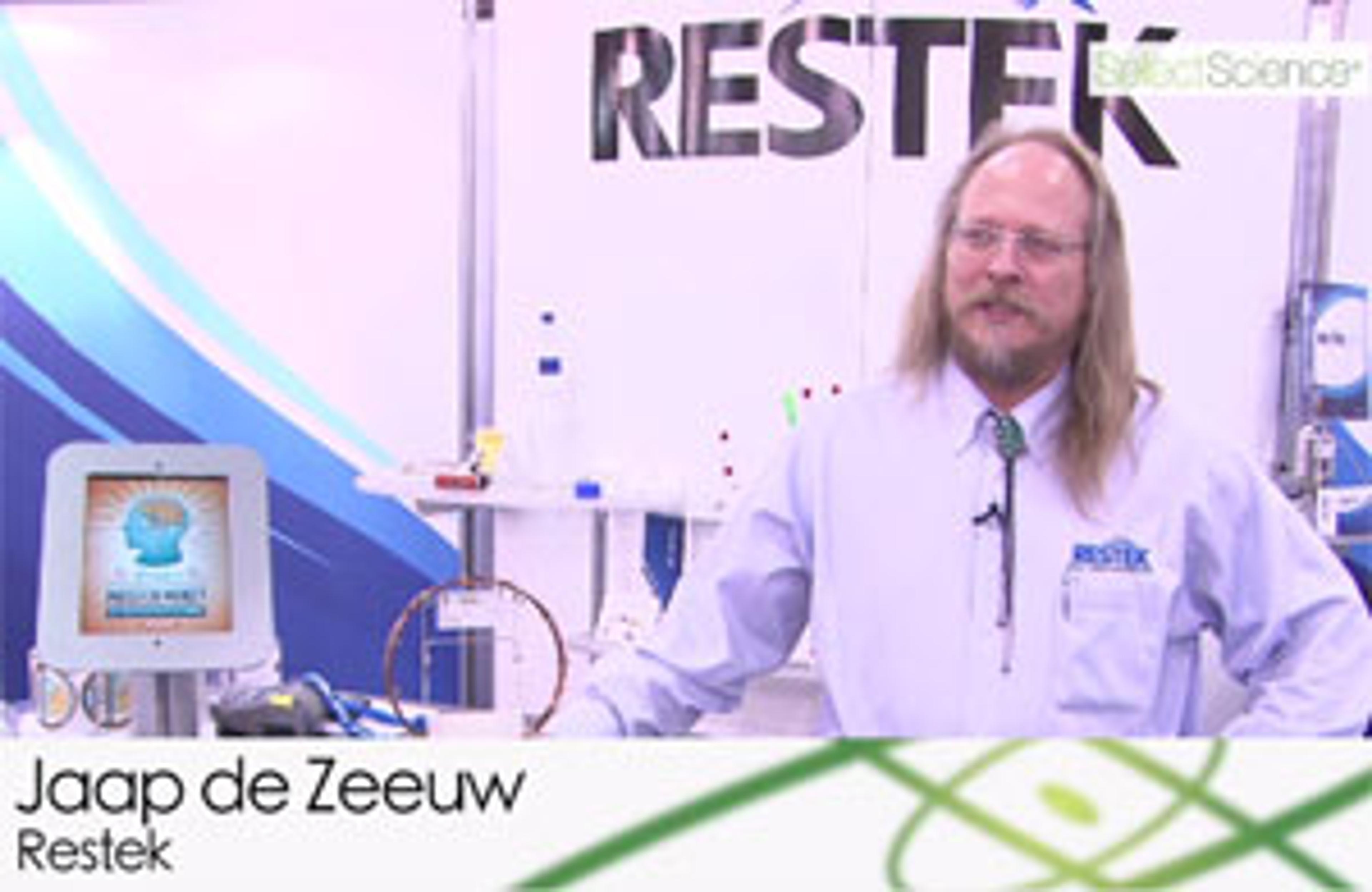
Rxi® Technology for Accurate Trace-Level Analysis and New EZGC™ Software from Restek
In this video Jaap de Zeeuw discusses two new technologies highlighted by Restek at Pittcon 2013. Jaap tells SelectScience how the exceptional inertness and stability of Restek’s Rxi® columns makes them well suited to accurate trace-level analyses. In addition to discussing some of the other key benefits of Rxi® technology, including retention time stability and longer column life, Jaap describes some of the key applications areas such as pesticide, PAH and solvent analysis. Jaap also introduces EZGC™, Restek’s new software for GC method development. Interview filmed by SelectScience at Pittcon 2013.

Trending in analytical chemistry – 10 top resources for vodka, beer, wine & water analysis
From vodka aroma profiling to microplastics in water and better beer making, discover our pick of application guides and top tips to help you develop and optimize your analytical methods