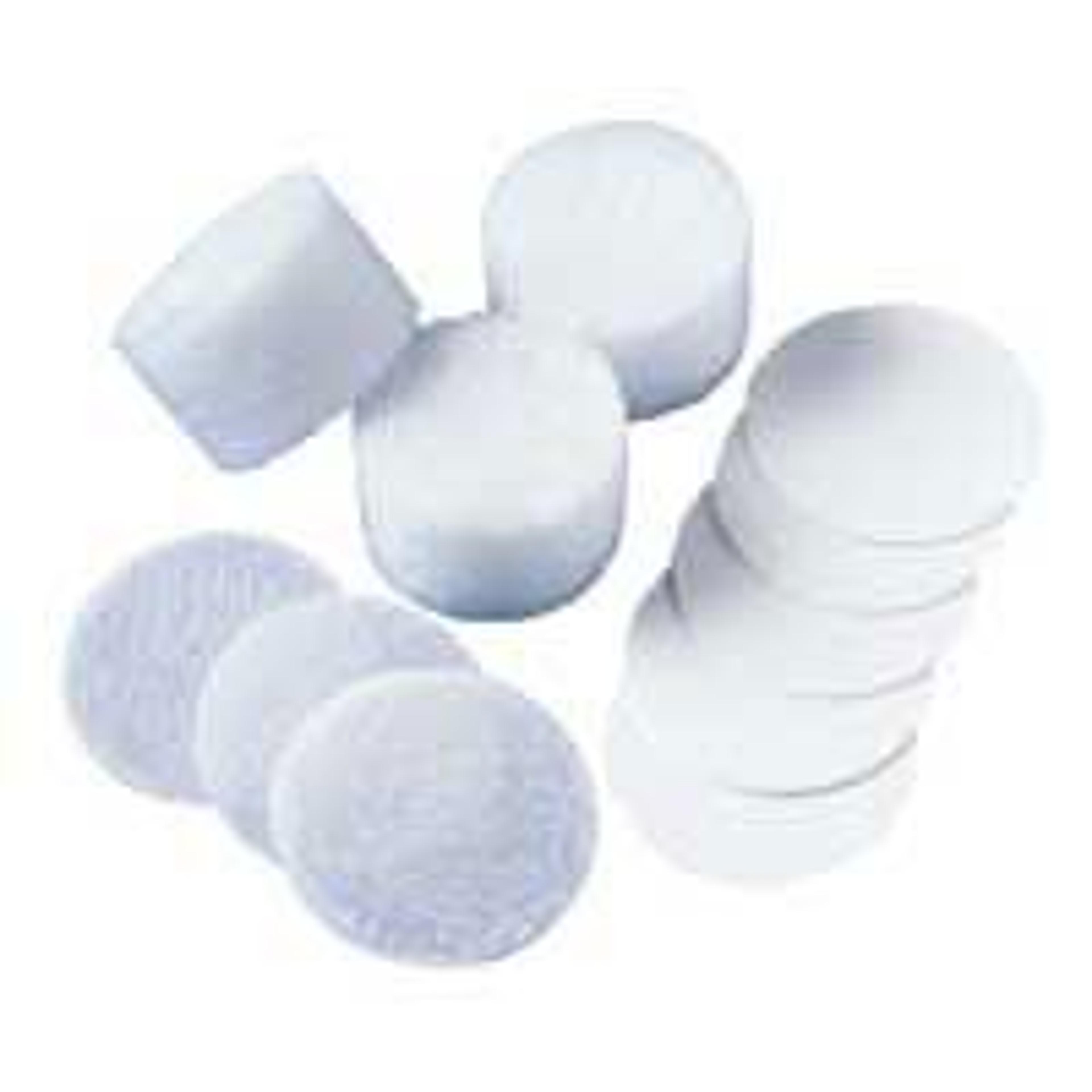
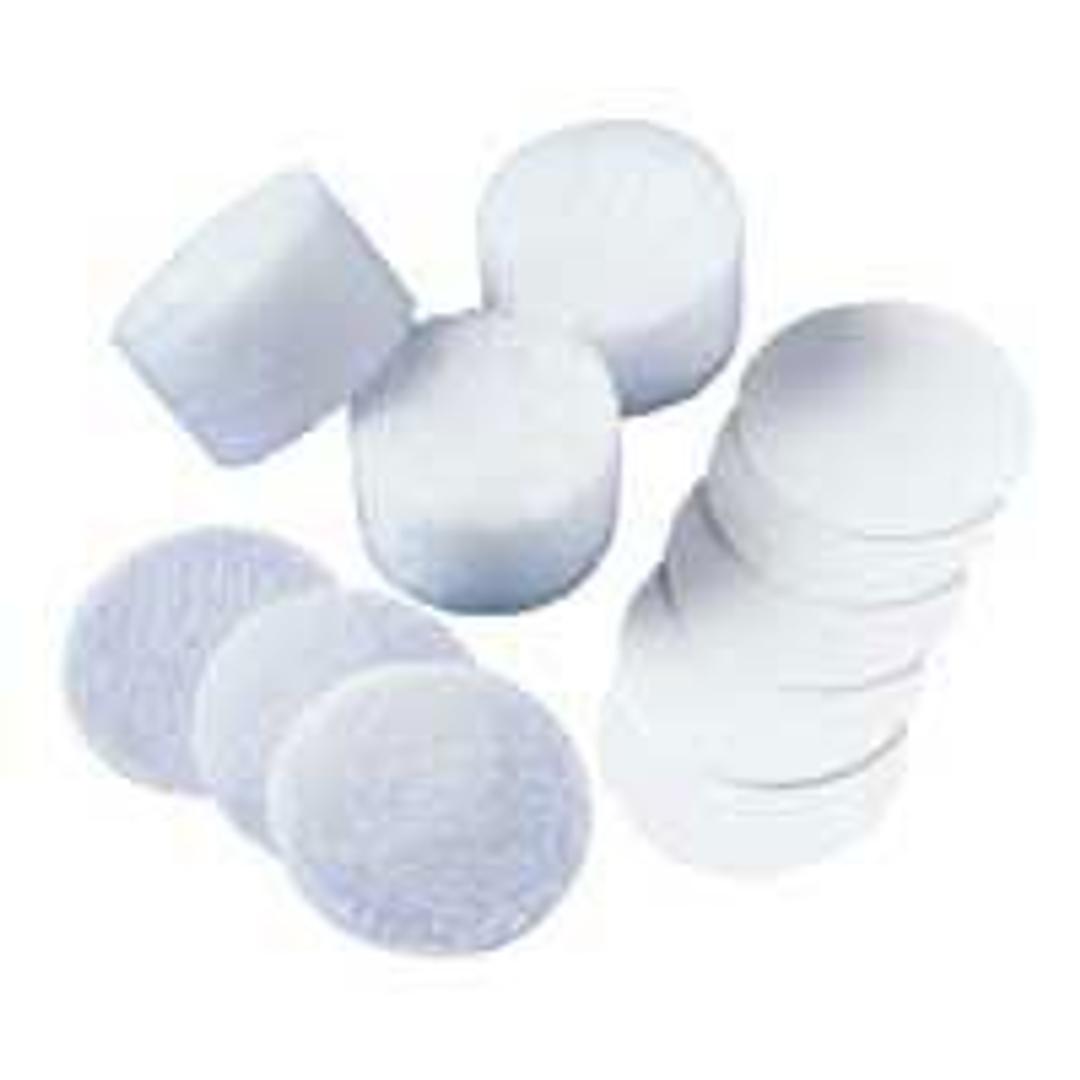
Resprep® Resin SPE Disk
• 47 mm glass fiber disks embedded with styrene/DVB resin. • For chlorinated, benzidine-containing, or nitrogen-containing pesticides. • Meet requirements of EPA Methods 515.2 and 553.

Receive your quote directly from the manufacturer.
Need more data and more samples to see if these are applicable for water.
Analyze water samples
They were easy to use but the results were not reproducible.
Review Date: 19 Nov 2020 | Restek Corp.
They are my favorites, I highly recommend them.
Analyze compounds of flavours, pesticides and contaminants
I have used these a lot for the extraction of compounds that belong to a flavor, both salty and sweet and they are excellent. Both in reverse and inverse phase.
Review Date: 9 Dec 2019 | Restek Corp.
• 47 mm glass fiber disks embedded with styrene/DVB resin.
• For chlorinated, benzidine-containing, or nitrogen-containing pesticides.
• Meet requirements of EPA Methods 515.2 and 553.

Prepare Olive Oil Samples for Pesticide Residue Analysis in Half the Time with a Fraction of the Solvent Using dSPE
Olive oil is considered a healthy fat source and is a staple in many recommended diets. However, concerns about potentially negative health effects associated with pesticide residues have increased consumer interest in testing. There are several existing methods for measuring pesticide residues in olive oil, all of which involve sample extraction and cleanup. The common goal of these methods is to remove lipids that are harmful to the analytical system. Efficient sample cleanup procedures are critical to maximizing sample throughput and minimizing labor and material costs. This application note demonstrates the efficiency of a dSPE cleanup procedure, as well as the capabilities of a method-specific analytical column.
Large Volume Splitless Injection Using an Unmodified Split/Splitless Inlet and GC-TOFMS for Pesticides and Brominated Flame Retardants
Large volume splitless injection for gas chromatography typically requires a special injection port, for example, a programmable temperature vaporizer (PTV), but an alternative setup using concurrent solvent recondensation–large volume splitless injection (CSR-LVSI) and a split/splitless injection port has been reported. In this application note from Restek the CSR-LVSI technique, both with and without sample extract concentration, was used to analyze pesticides and brominated flame retardants in drinking water. When extract concentration was eliminated, good linearity and recovery results were obtained while sample preparation time was reduced by over 1 hour. CSR-LVSI was also combined with extract concentration to achieve lower detection limits.
Lowering Detection Limits for 1,4-Dioxane in Drinking Water Using Large Volume Injection in an Unmodified Splitless GC Inlet
This application note describes a method for the analysis of 1,4-dioxane in drinking water using an unmodified split/splitless inlet with concurrent solvent recondensation–large volume splitless injection (CSR-LVSI) to lower reporting limits without concentrating the extract. SPE is performed using Resprep® SPE cartridge from Restek for EPA method 522 then analysis by GC-MS. This CSR-LVSI technique improves detectability with no specialized equipment or changes to standard laboratory instrumentation.
Large Volume Splitless Injection Using an Unmodified Split/Splitless Inlet and GC-TOFMS for Pesticides and Brominated Flame Retardants
Large volume splitless injection for gas chromatography typically requires a special injection port, for example, a programmable temperature vaporizer (PTV), but an alternative setup using concurrent solvent recondensation–large volume splitless injection (CSR-LVSI) and a split/splitless injection port has been reported. In this application note from Restek the CSR-LVSI technique, both with and without sample extract concentration, was used to analyze pesticides and brominated flame retardants in drinking water. When extract concentration was eliminated, good linearity and recovery results were obtained while sample preparation time was reduced by over 1 hour. CSR-LVSI was also combined with extract concentration to achieve lower detection limits.