
Comparing Pesticide Residues in Amish and Commercially Grown Strawberries and Spinach
24 Apr 2017In this application note, QuEChERS extraction, dSPE cleanup, and GC-TOFMS analysis were used to assess pesticide levels in strawberries and spinach from both commercial and Amish growers. Various dSPE cleanup products were compared to determine which were most effective. Good recoveries were obtained for most pesticides; however, low recoveries were observed for some base-sensitive or planar compounds. Incurred pesticides were generally low and varied by both matrix and source.
Related products
Request Quote for All Products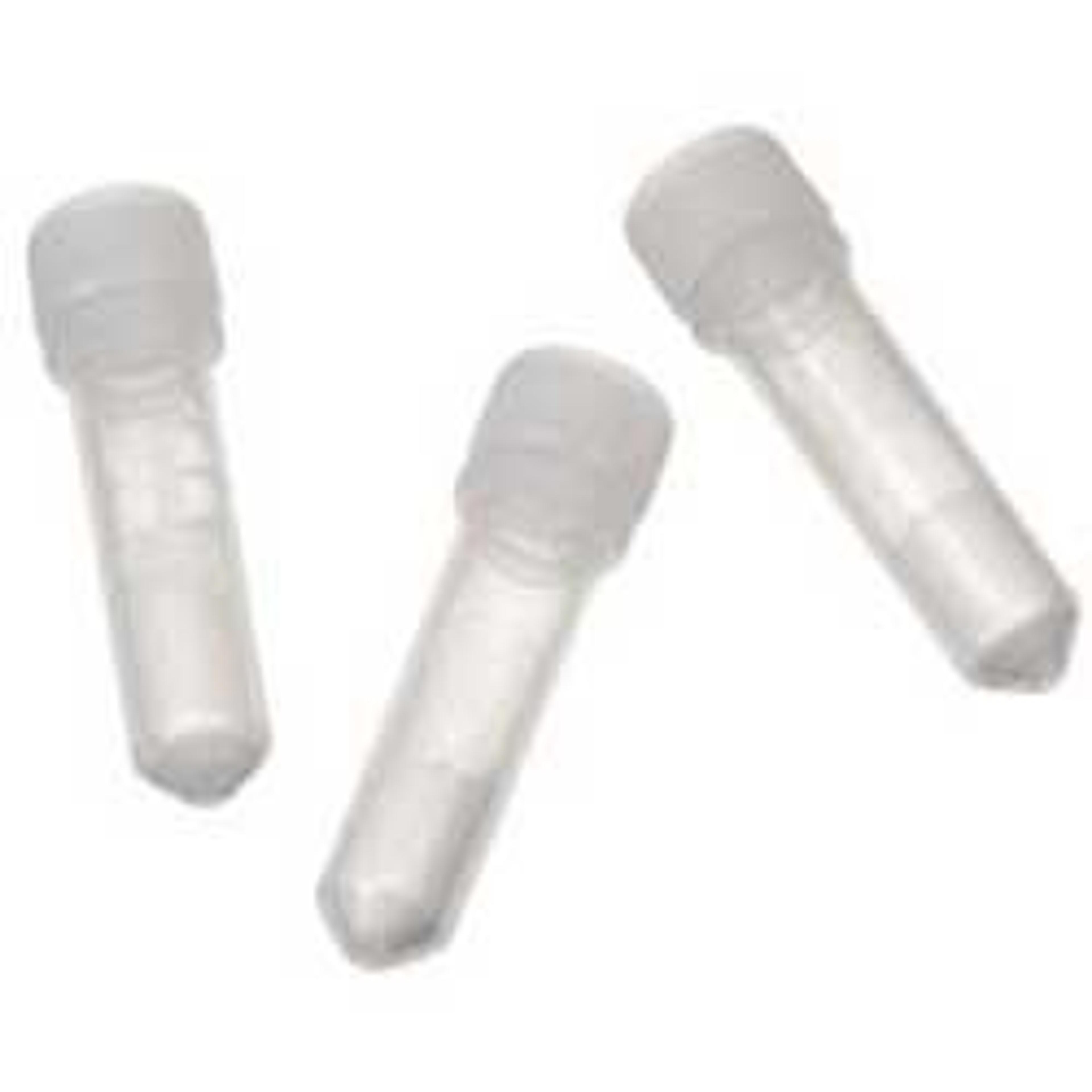
Q-sep™ QuEChERS Tubes
Restek Corp.Q-sep™ QuEChERS Tubes for Pesticide Residue Analysis • Fast, simple sample extraction and cleanup using dSPE. • Fourfold increases in sample throughput. • Fourfold decreases in material cost. • Convenient, ready to use centrifuge tubes with ultra pure, preweighed adsorbent mixes. Quick, Easy, Cheap, Effective, Rugged, and Safe, the QuEChERS ("catchers") method, developed by the USDA Eastern Regional Research Center, has become very popular for extraction and clean-up of pesticide residue samples. Our products are available in three centrifuge tube sizes to meet the needs of both extraction and cleanup of a wide variety of sample matrices following various methods. The researchers developed a simple two-step procedure. First, the homogenized samples are extracted and partitioned, using an organic solvent and salt solution. Then, the supernatant is further extracted and cleaned, using a dispersive SPE technique. Multiple adsorbents are placed in a centrifuge tube, along with the 1mL of organic solvent and the extracted residues partitioned from step 1. The contents are thoroughly mixed, then centrifuged, producing a clean extract ready for a variety of GC or HPLC analytical techniques. Validation and proficiency data for the QuEChERS method are available for a wide variety of pesticides in several common food matrices on their website.
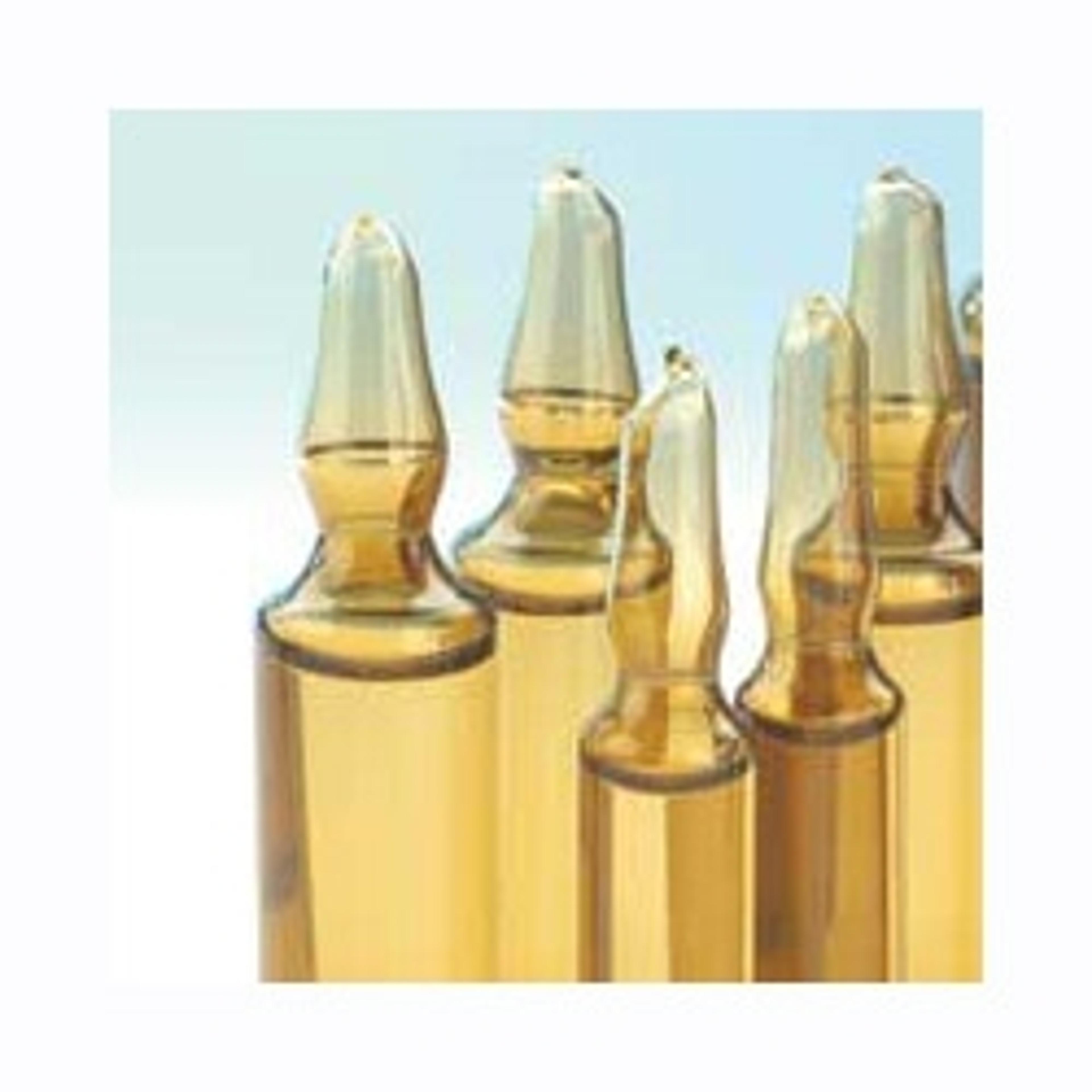
QuEChERS Performance Standards Kit
Restek Corp.Designed for use in all QuEChERS methods for pesticides in fruits and vegetables, including the original unbuffered method, AOAC 2007.1, and EN15662. Kit contains organochlorine, organonitrogen, organophosphorus, and carbamate fungicides and insecticides commonly used on fruits and vegetables. Volatile, polar, active, base-sensitive, and nonvolatile compounds are included to allow comprehensive evaluation of QuEChERS extraction and cleanup efficiencies, and optimization of GC and LC instrumental conditions.QuEChERS Performance Standards Kit Features: Ideal for initial method evaluations and ongoing method performance validations. Analytes are divided into three ampuls based on compatibility for maximum stability and shelf life. Precise formulations improve data quality and operational efficiency; spend more time running samples and less time sourcing and preparing standards. Quantitatively analyzed to confirm the composition and stability of each mixture. Produced and tested in accordance with ISO Guide 34 and 17025 accreditation.