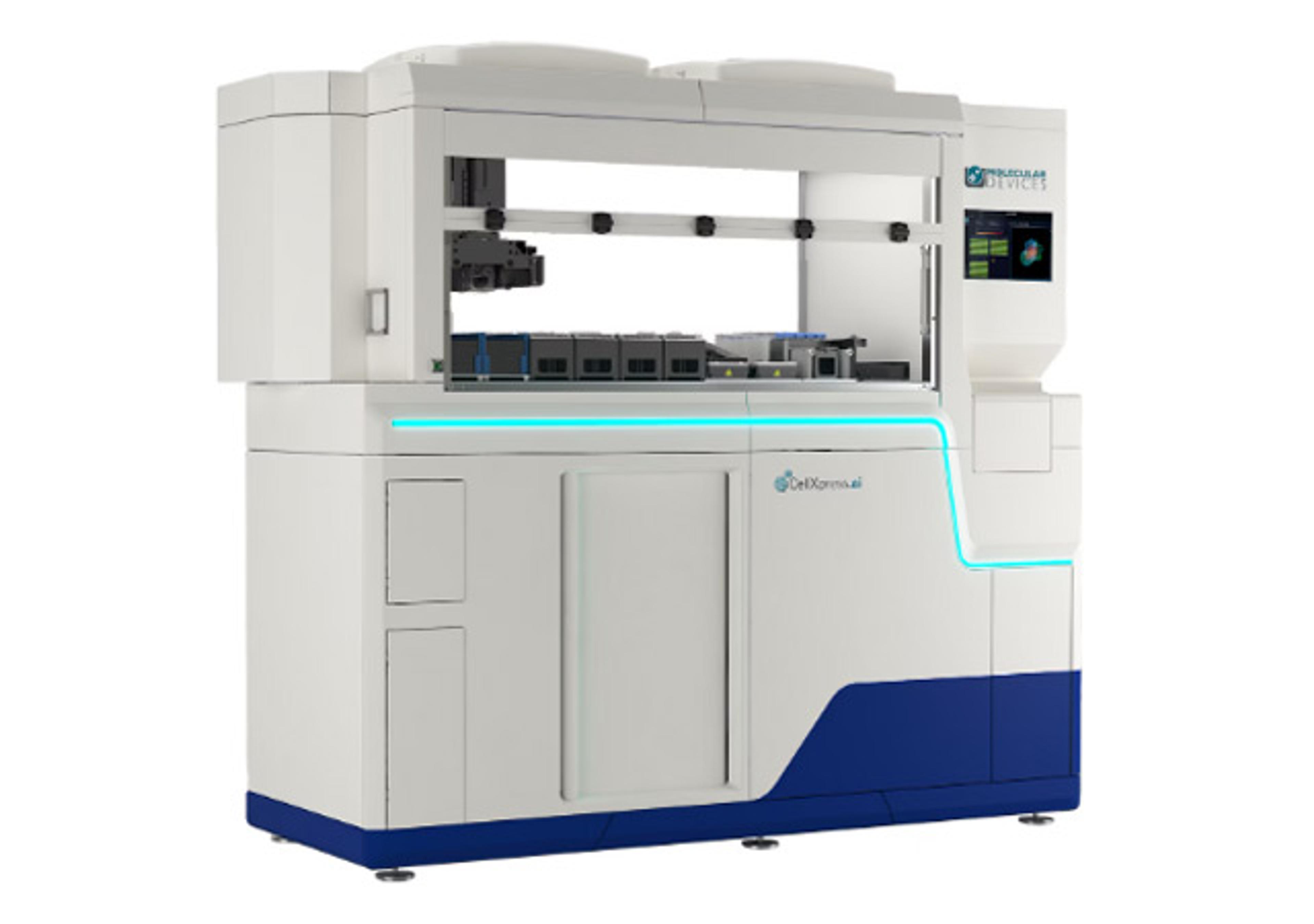
CellXpress.ai Automated Cell Culture System
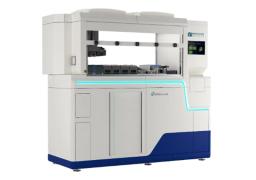
The CellXpress.ai™ Automated Cell Culture System is an AI-driven cell culture innovation hub that gives your team total control over demanding cell culture feeding and passaging schedules—eliminating time in the lab while maintaining a 24/7 schedule for growing and scaling multiple stem cell lines, spheroids, or organoids.
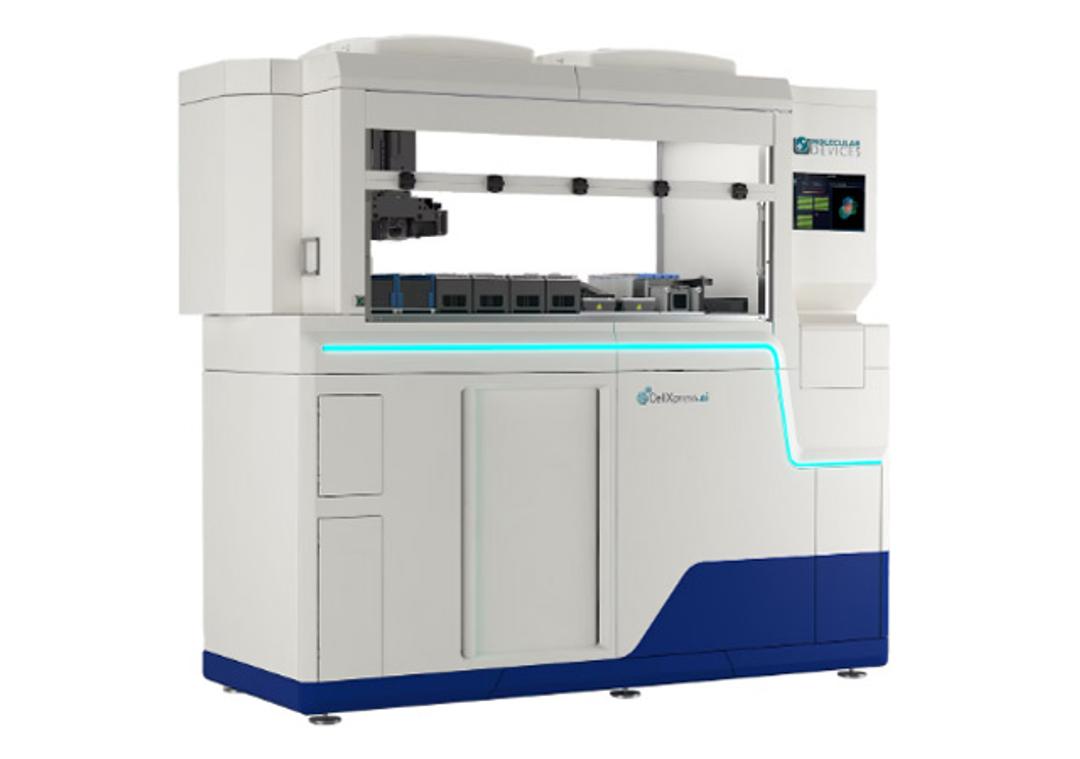
CellXpress.ai Automated Cell Culture System

Receive your quote directly from the manufacturer.
Built for continuous operation, you never have to worry about missing a feeding or passaging step. The CellXpress.ai cell culture system provides workflow repeatability through automation and applies imaging-guided AI decision-making to ensure cell culture feeding and passaging events happen at the right time and event alerts keep you informed of your cell culture status.
Scale up complex cell culture workflows - Maximise your lab’s productivity by processing over 100 plates in parallel. Grow and scale multiple stem cell, spheroid or organoid lines simultaneously.
Standardized protocols - Reliable and consistent automation speeds the development process. Real-time feedback alerts users to milestones or events and generates automated tasks to resolve them.
Reduce human error - Improve productivity and optimize hands-on time with image-based, deep-learning decision-making – replacing subjective judgements with objective decisions. Remove variability, maintain sterility, and increase confidence in success with automated cell handling.
Give scientists their time back - Give your team back ~200 hours every week* by automating demanding feeding and passaging schedules*.
* estimate based on 40-plate, iPSC culture with feeding, seeding, passaging, and monitoring.
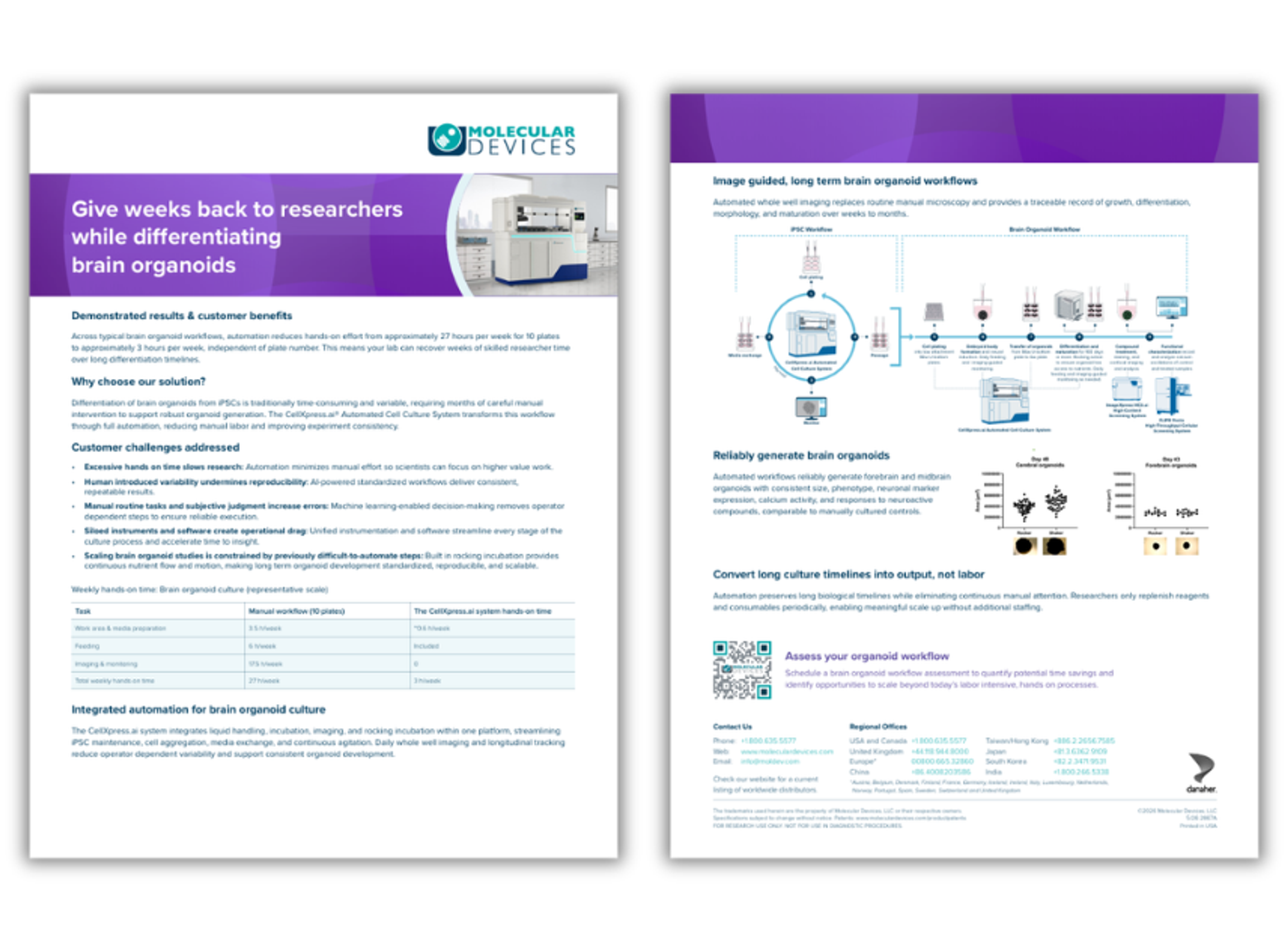
Give weeks back to researchers while differentiating brain organoids
This resource showcases how the CellXpress.ai™ Automated Cell Culture System transforms brain organoid differentiation by automating cell culture, media exchange, incubation, imaging, and monitoring. Discover how the system reduces hands-on effort from approximately 27 hours to 3 hours per week for 10 plates, while improving consistency and scalability. Automated imaging and longitudinal tracking support reproducible organoid development over extended culture periods, helping researchers recover valuable time and focus on higher-value scientific activities.
Resource details:
Resource type: Application note
Page count: 2
Read time: 3 mins
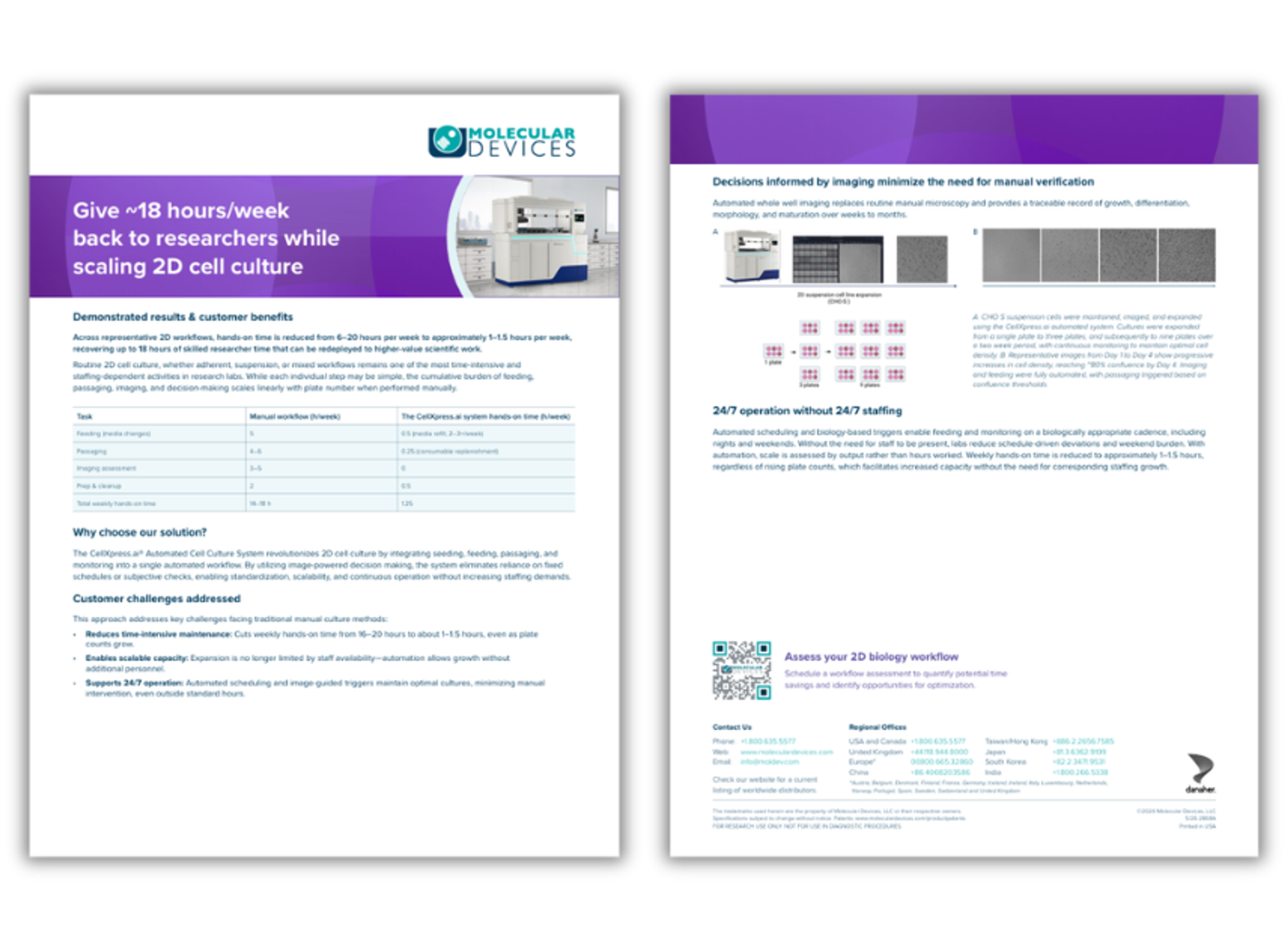
Give ~18 hours/week back to researchers while scaling 2D cell culture
This application note demonstrates how the CellXpress.ai™ Automated Cell Culture System helps laboratories scale 2D cell culture workflows while dramatically reducing hands-on effort. Learn how automated seeding, feeding, passaging, and image-guided monitoring can reduce weekly manual work from up to 18 hours to approximately 1 to 1.5 hours. Discover how automation improves consistency, enables 24/7 operation, supports greater scalability and allows researchers to focus on higher-value scientific activities.
Resource details:
Resource type: Application note
Page count: 2
Read time: 3 mins
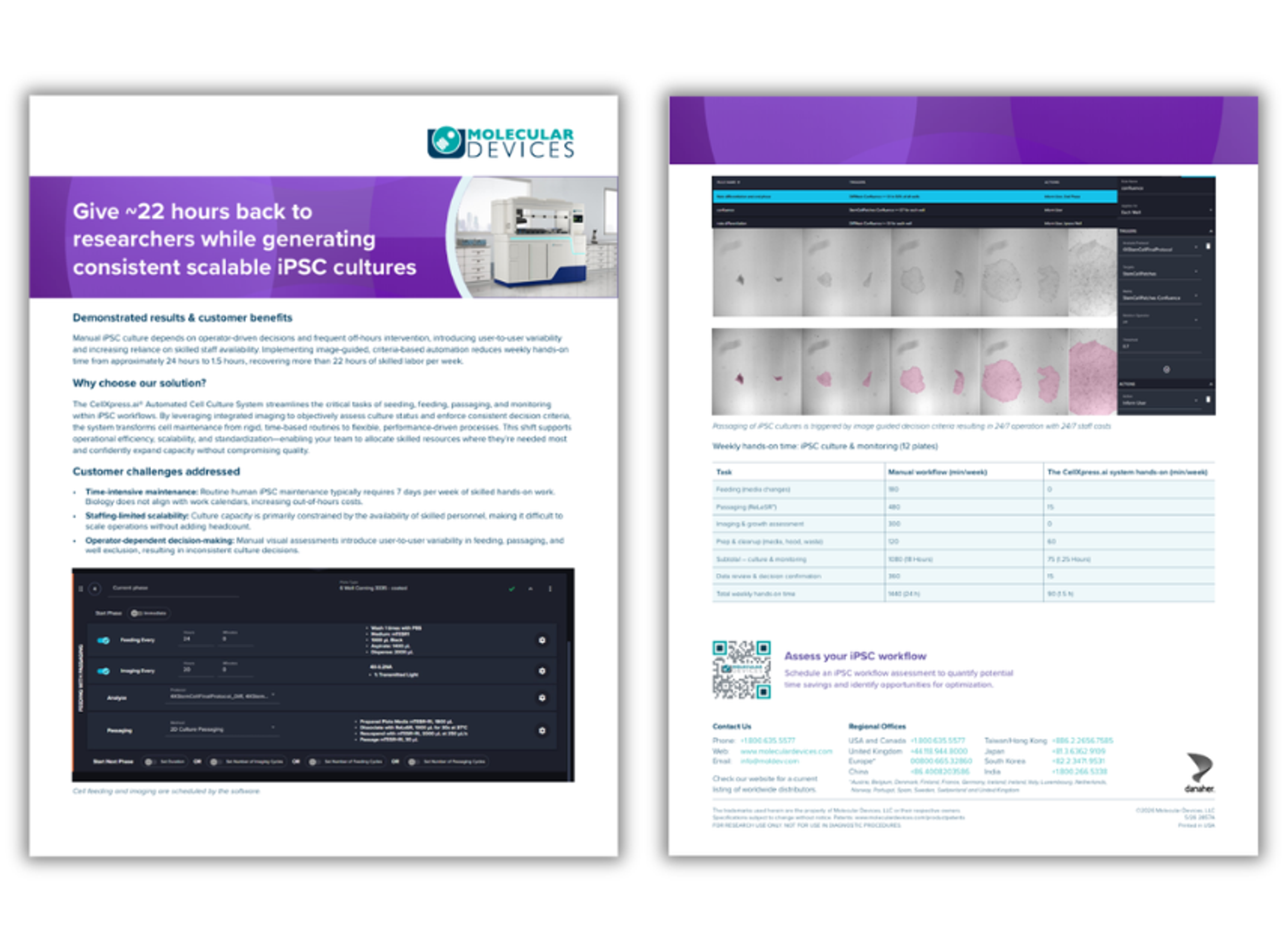
Give ~22 hours back to researchers while generating consistent scalable iPSC cultures
This application note highlights how the CellXpress.ai™ Automated Cell Culture System enables scalable, standardized iPSC culture while significantly reducing manual workload. Learn how image-guided, criteria-based automation streamlines seeding, feeding, passaging and monitoring, reducing weekly hands-on time from approximately 24 hours to just 1.5 hours. Discover how objective decision-making, continuous operation and workflow standardization help improve culture consistency, increase capacity and reduce dependence on skilled staff availability.
Resource details:
Resource type: Application note
Page count: 2
Read time: 3 mins
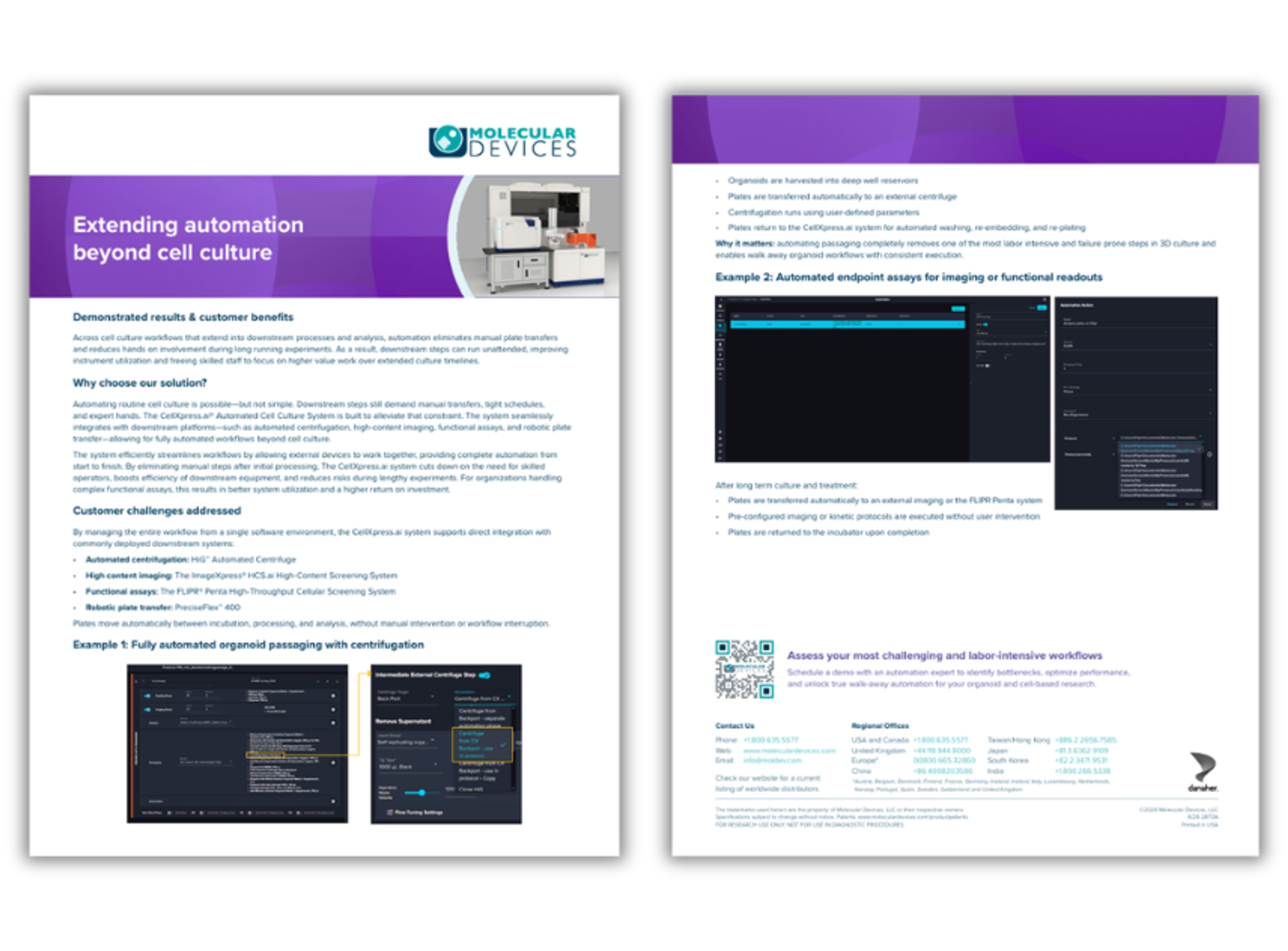
Extending automation beyond cell culture
This application note explores how the CellXpress.ai™ Automated Cell Culture System extends automation beyond routine cell culture into downstream processes and analytical workflows. Learn how integration with automated centrifugation, imaging platforms, functional assays, and robotic plate handling can eliminate manual transfers, reduce operator intervention and improve equipment utilization. Discover how end-to-end automation supports complex cell and organoid workflows while improving efficiency, consistency, and return on investment.
Resource details:
Resource type: Application note
Page count: 2
Read time: 3 mins
Harness the latest AI-driven automation in cell culture
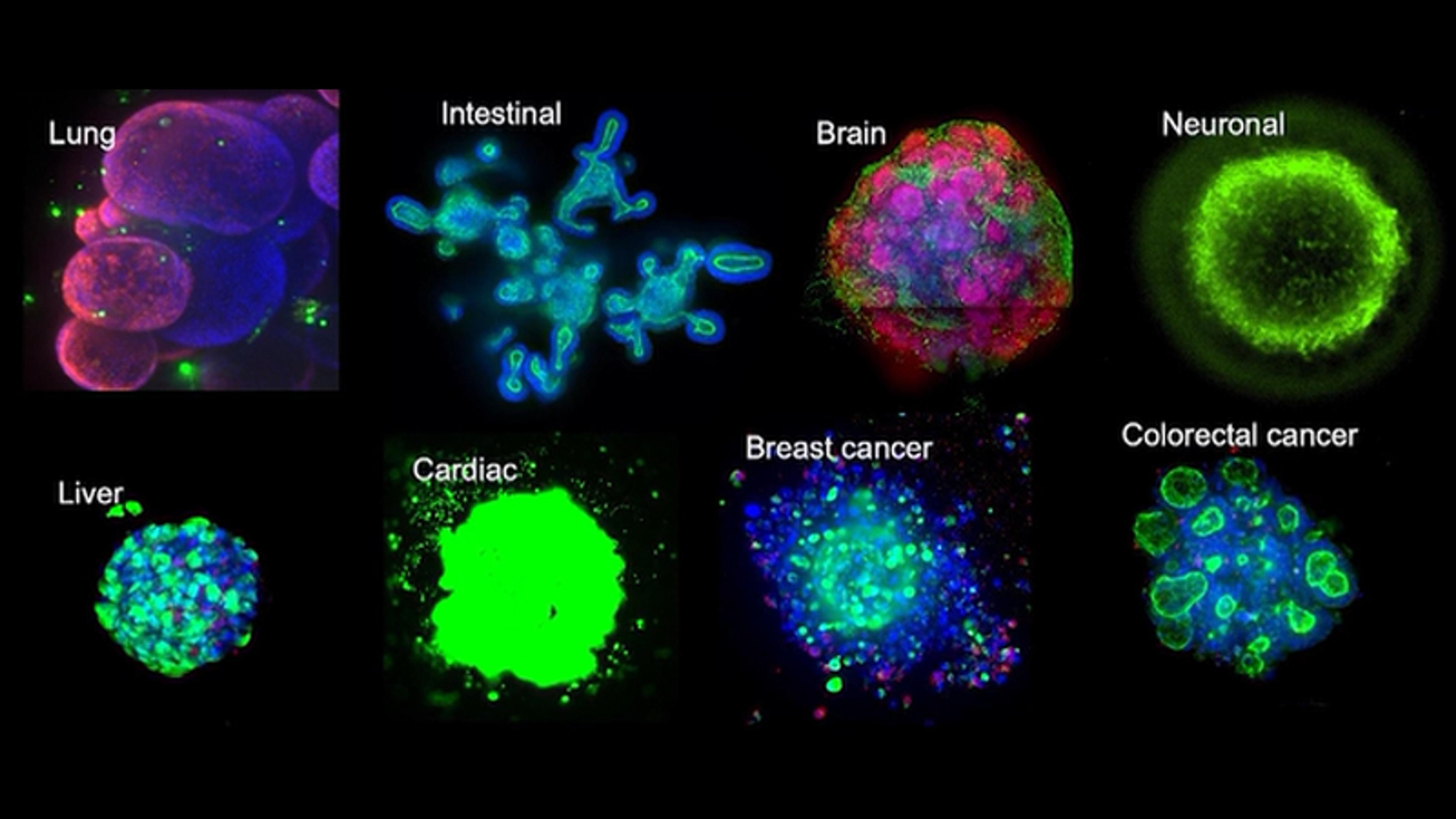
Advances in in vitro cell culture have transformed cell biology, enabling researchers to work at greater scale and develop increasingly complex models of human disease. The rise of 3D culture systems, including patient‑derived induced pluripotent stem cells (iPSCs) and organoids, has expanded the potential of drug discovery and disease modeling by more closely replicating human physiology.
However, these advanced systems remain difficult to adopt. Manual cell culture workflows are labor‑intensive, time‑sensitive, and prone to operator‑dependent variability, while traditional 2D cultures persist due to their simplicity and established protocols. Such inconsistencies can limit reproducibility, slow research progress, and increase the risk of costly failures in drug development.
This SelectScience guide highlights how AI‑driven automated cell culture solutions from Molecular Devices® are addressing these challenges.
Download your copy to explore applications such as:
- 2D adherent and suspension culture
- A full iPSC workflow
- 3D cancer spheroids
- Intestinal organoids
- Brain organoids
- Cardiac organoids
- Industrial-scale organoid production
Resource details:
- Document type: SelectScience guide
- Page count: 73
- Read time: 110 mins
- Edition: 1st
Image-guided automated cell culture for 2D, iPSC, and organoid workflows
Explore how image‑guided automation can address one of the biggest bottlenecks in modern biology: skilled biologist time. Focusing on 2D cell culture, iPSC maintenance, and organoid workflows, this eBook demonstrates how the CellXpress.ai® Automated Cell Culture System from Molecular Devices reduces hands‑on labor, standardizes decision‑making, and enables continuous operation. By combining automated liquid handling, incubation, imaging, and AI‑driven culture decisions, the platform improves reproducibility, minimizes schedule‑driven variability, and allows labs to scale advanced cell models while freeing scientists to focus on experimental design and data interpretation.
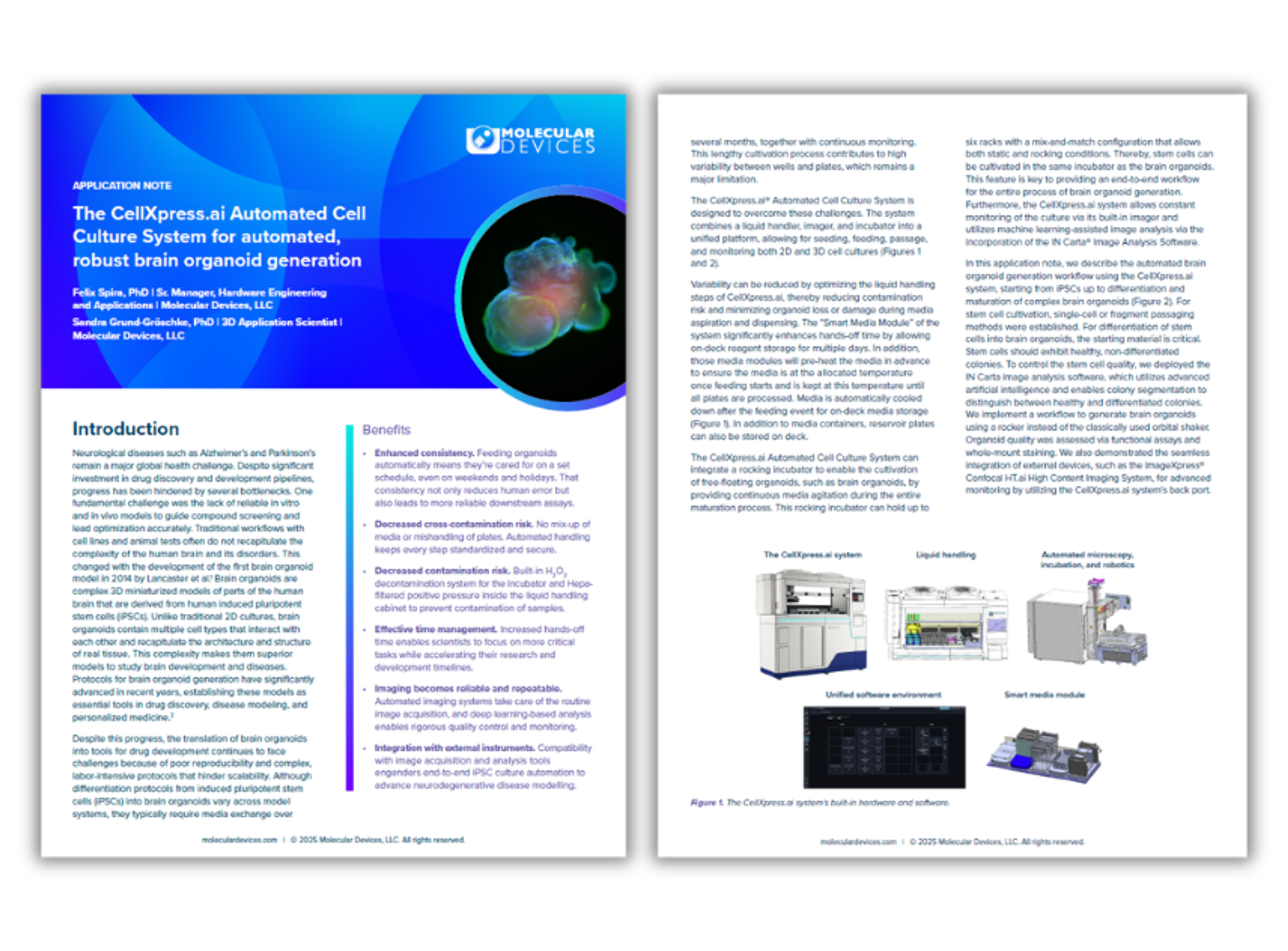
The CellXpress.ai Automated Cell Culture System for automated, robust brain organoid generation
The CellXpress.ai® Automated Cell Culture System from Molecular Devices streamlines scalable, reproducible brain organoid generation from human iPSCs. By combining automated liquid handling, incubation, imaging, and AI-driven analysis, it reduces variability and contamination risk while enabling consistent long-term culture and monitoring.
In this application note, discover how automated feeding improves reproducibility, how functionally active organoids match manual methods, and how integrated imaging supports continuous developmental monitoring, advancing scalable, reliable neuro research.
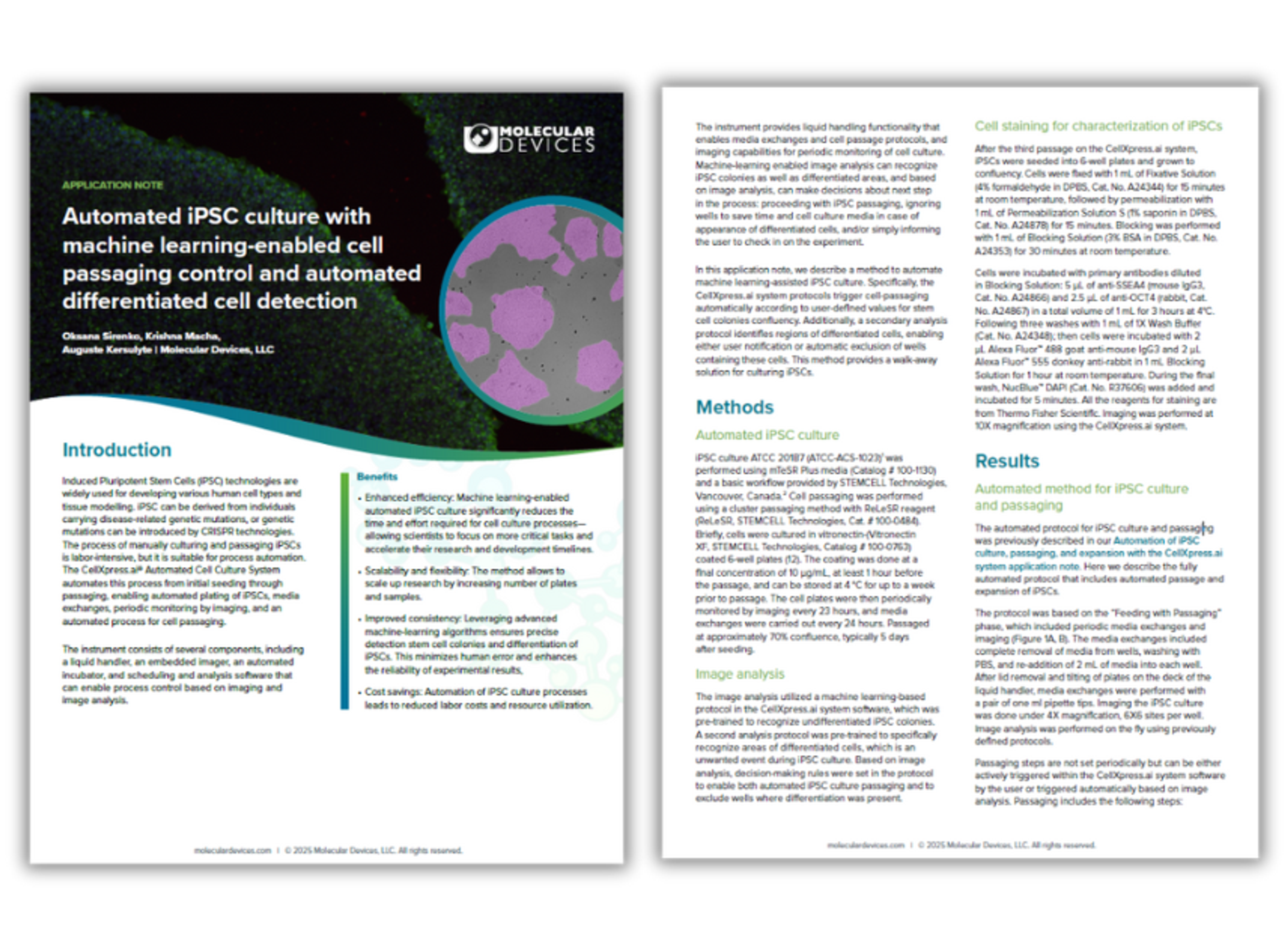
Automated iPSC culture with machine learning-enabled cell passaging control and automated differentiated cell detection
Discover how the CellXpress.ai® Automated Cell Culture System transforms iPSC maintenance and expansion into a fully automated, walk-away workflow. This application note showcases a machine learning–enabled solution that monitors colony confluency and differentiation in real time, triggering automated passaging or excluding wells based on user-defined thresholds. By integrating liquid handling, imaging, and intelligent decision-making, the system reduces manual workload, improves consistency, and preserves stem cell quality.
Ideal for scaling up stem cell research, this approach ensures reproducibility, saves time and reagents, and empowers scientists to focus on discovery, not routine cell culture.
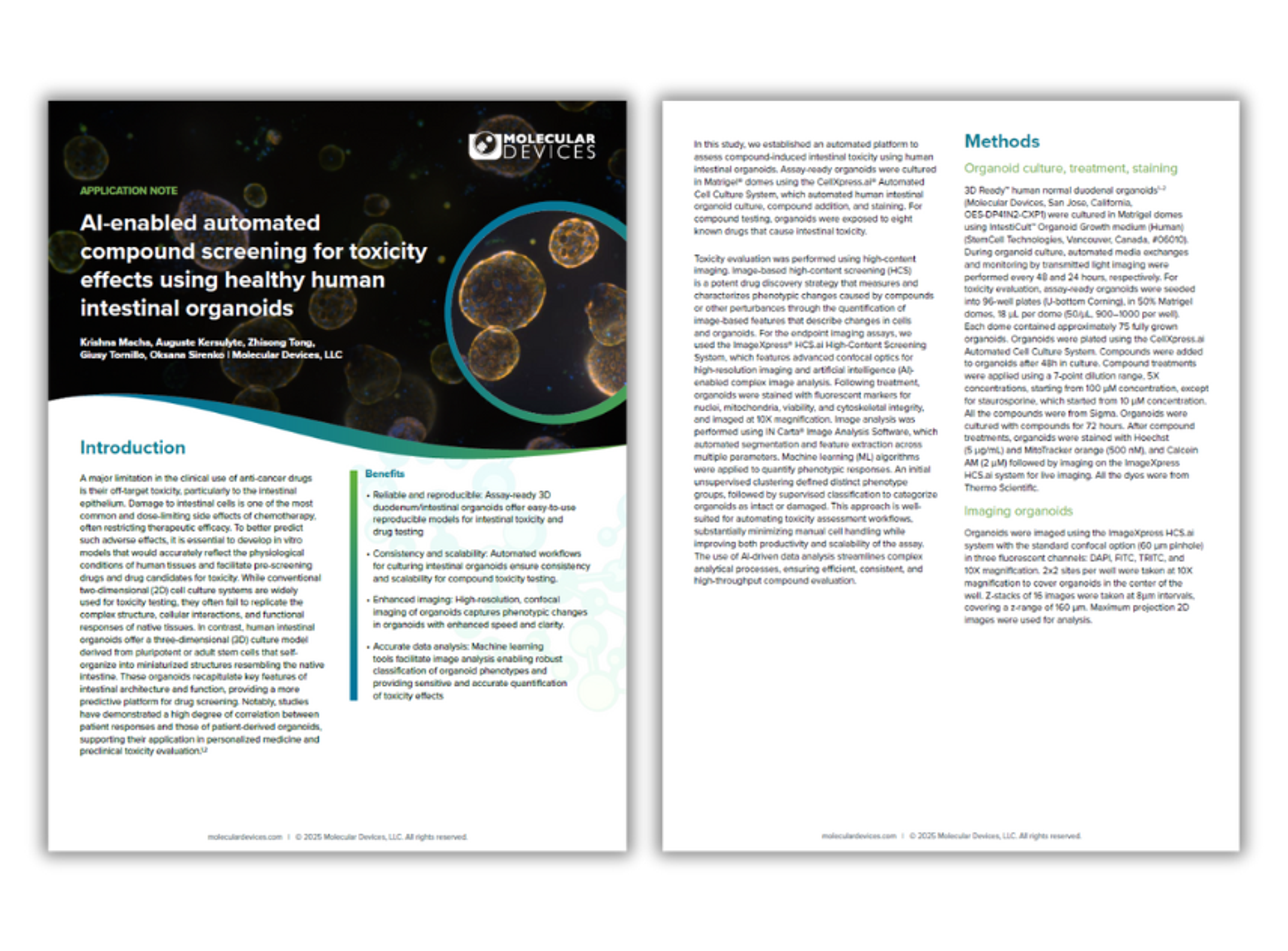
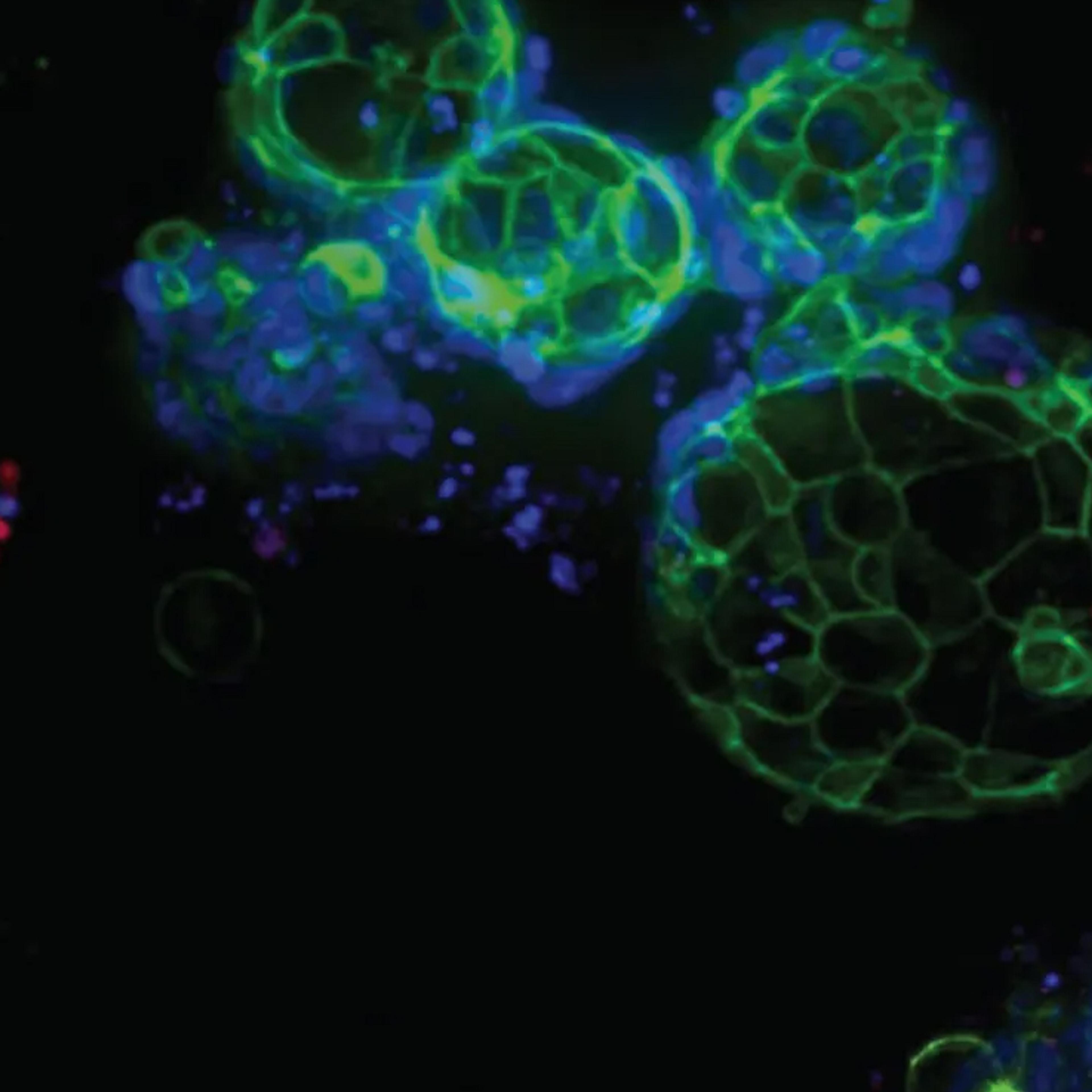
AI-enabled automated compound screening for toxicity effects using healthy human intestinal organoids
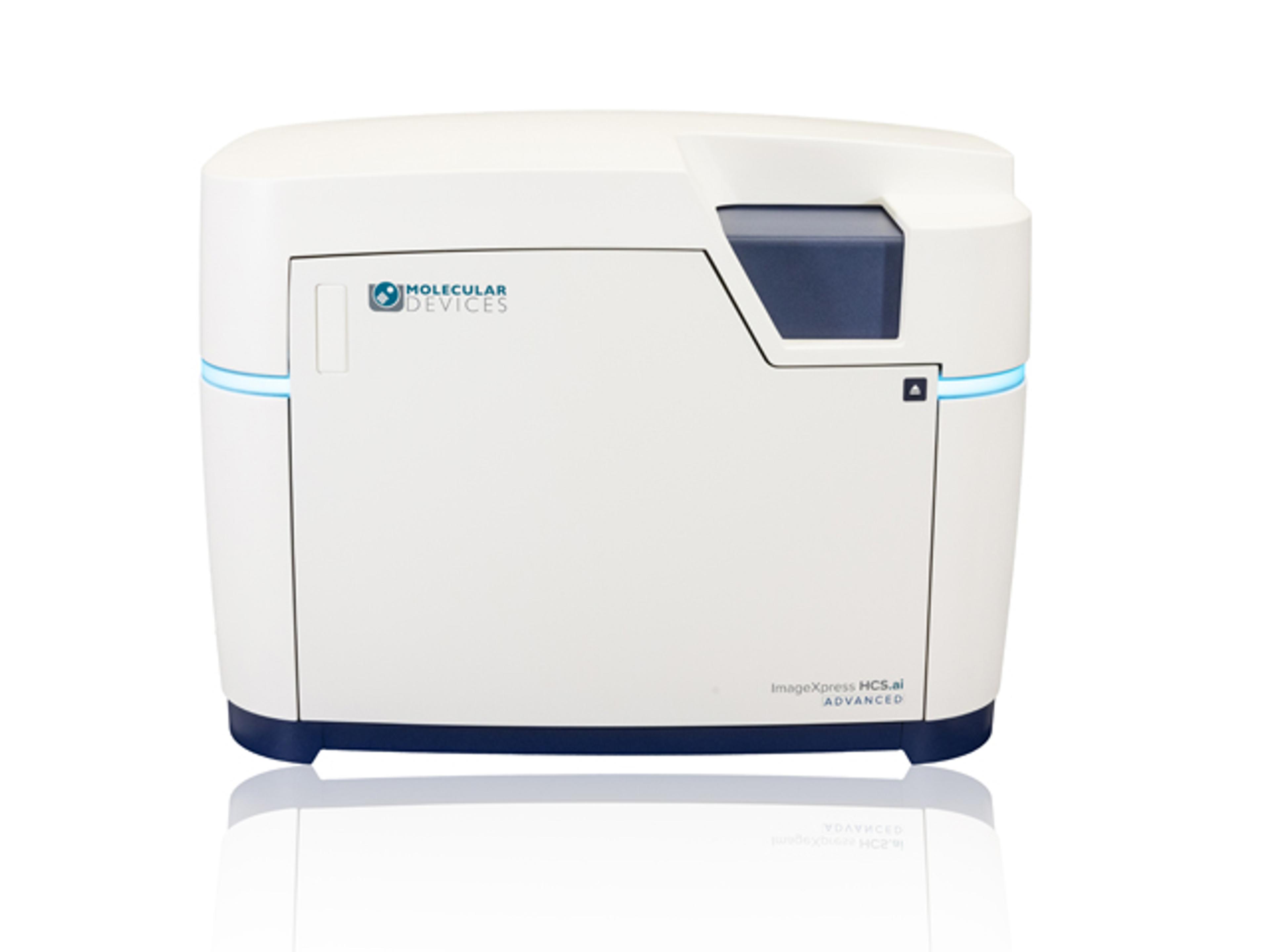
Discover how the CellXpress.ai® Automated Cell Culture System and the ImageXpress® HCS.ai High-Content Screening System deliver a fully automated, AI-powered workflow for compound toxicity screening using healthy human intestinal organoids.
This application note highlights a scalable solution that integrates automated organoid culture, compound dosing, and high-content imaging with machine learning–driven phenotypic analysis. By combining deep learning segmentation (SINAP) and phenotypic classification (Phenoglyphs™) found in IN Carta® Image Analysis Software, the system accurately distinguishes between cytotoxic, cytostatic, and viable organoid responses.
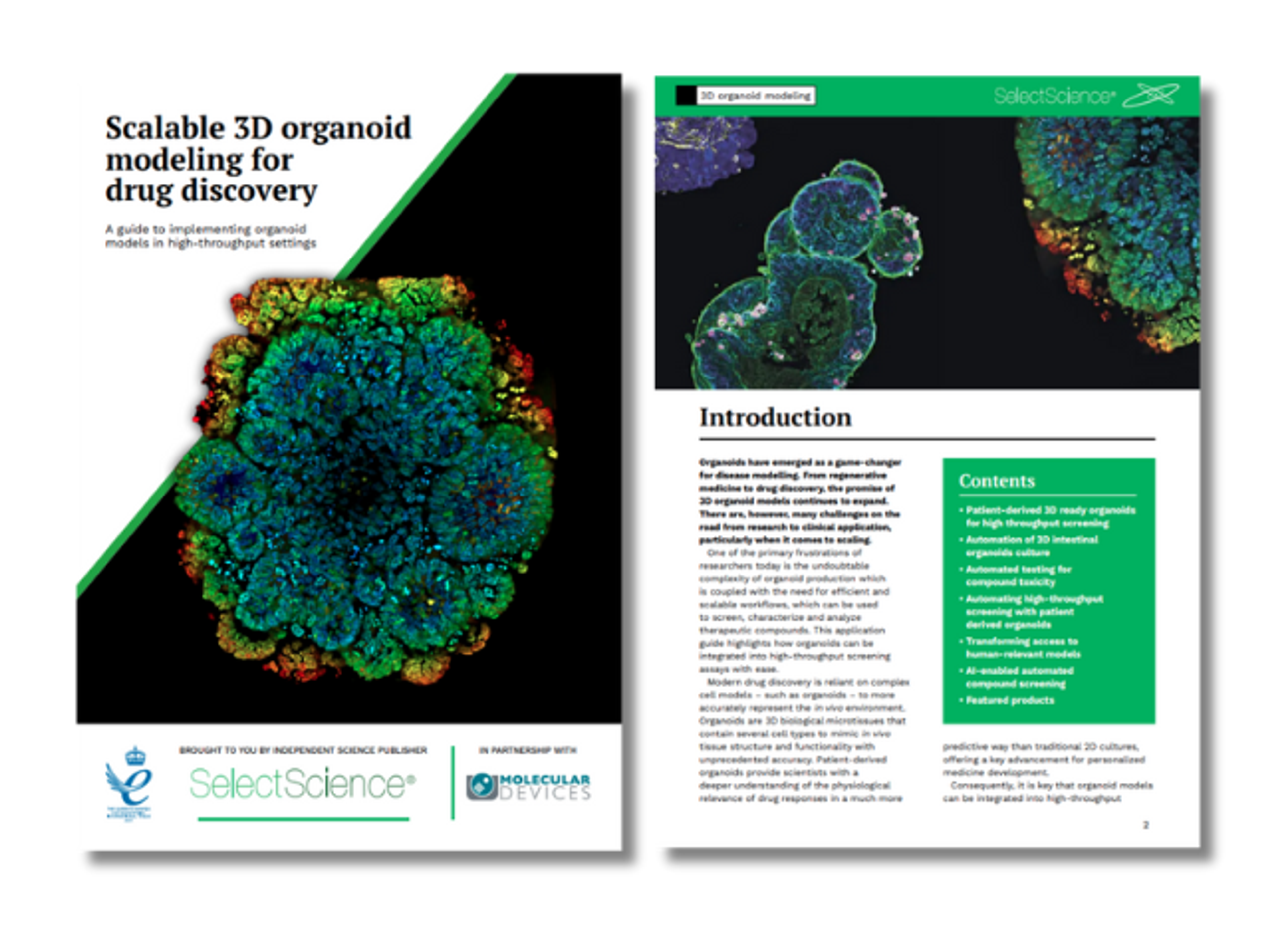
Scalable 3D organoid modeling for drug discovery
Discover how to overcome the challenges of scaling 3D organoid models for high-throughput drug discovery. This comprehensive guide delivered in partnership with Molecular Devices explores innovative solutions for automating organoid culture, screening, and analysis.
Download this SelectScience guide to explore:
- Patient-derived 3D Ready™ Organoids and Expansion Services
- The CellXpress.ai® Automated Cell Culture System
- High-content imaging with ImageXpress® HCS.ai and IN Carta® software
- AI-powered workflows for toxicity screening and phenotypic profiling
Ideal for researchers seeking reproducible, scalable, and human-relevant models to accelerate drug development and personalized medicine.
Resource details:
- Document type: SelectScience guide
- Page count: 36
- Read time: 54 mins
- Edition: 1st
AI-powered decisions enable fully automated cell culture of organoids and iPSCs
Friday, October 3, 2025 at 16:00 BST | 17:00 CEST | 11:00 EDT | 8:00 PDT
While cell-based models and assays are basic tools for drug development and biological research, tissue culture remains the most routine, hands-on, and time-consuming part of biological studies. Because of protocol complexity, sensitivity to errors, and substantial training requirements, these processes are difficult to automate and to ensure reproducibility and quality, especially when working with complex cell models such as organoids.
In this SelectScience® webinar, Dr. Oksana Sirenko from Molecular Devices, will present an overview of how AI-powered decision-making and automation create a fully automated cell culture platform. Discover how automation can not only alleviate these time-sensitive and highly routine tasks from the scientist, but can also reduce human error and inconsistencies associated with manual processes.
Certificate of attendance
If you attend the live webinar, you will automatically receive a certificate of attendance, including a learning outcomes summary, for continuing education purposes.
If you view the on-demand webinar, you can request a certificate of attendance by emailing editor@selectscience.net.
Webinar details
- Cost: Free to attend
- Location: Online
- Duration: 60 minutes
Registration is required to secure your place. If you register but can’t attend live, you will receive a link to the on‑demand recording once it becomes available.
Breaking through the barriers to scalable 3D biology
Wednesday, October 28 at 10:00 GMT | 11:00 CET | 06:00 EDT | 03:00 PDT
Three-dimensional (3D) cell models are delivering more predictive insights for drug discovery and disease research than ever before, but many laboratories still struggle to translate promising organoid studies into scalable, routine workflows. As the demand for biologically relevant models continues to grow, researchers must find ways to improve reproducibility, streamline complex workflows, and generate robust data without sacrificing throughput.
In this SelectScience® webinar, Dr. Emma Robertson of Molecular Devices® will share practical strategies for overcoming these challenges, drawing on more than 20 years of experience across cell biology, organoid workflows, high-content imaging, and laboratory automation.
Discover how advances in automation and AI-powered cell culture technologies can help improve consistency, increase scalability, and reduce workflow complexity in 3D biology applications. The session will also explore approaches to optimized characterization that can accelerate the generation of meaningful biological data and actionable scientific insights.
Whether you are looking to expand your use of organoids, improve workflow reproducibility, or generate more predictive data for drug discovery and disease research, this webinar will provide valuable guidance for building more efficient, scalable, and insight-driven 3D biology workflows.
Certificate of attendance
If you attend the live webinar, you will automatically receive a certificate of attendance, including a learning outcomes summary, for continuing education purposes.
If you view the on-demand webinar, you can request a certificate of attendance by emailing editor@selectscience.net.
Webinar details
Cost: Free to attend
Location: Online
Duration: 60 minutes
Registration is required to secure your place. If you register but can’t attend live, you will receive a link to the on‑demand recording once it becomes available.
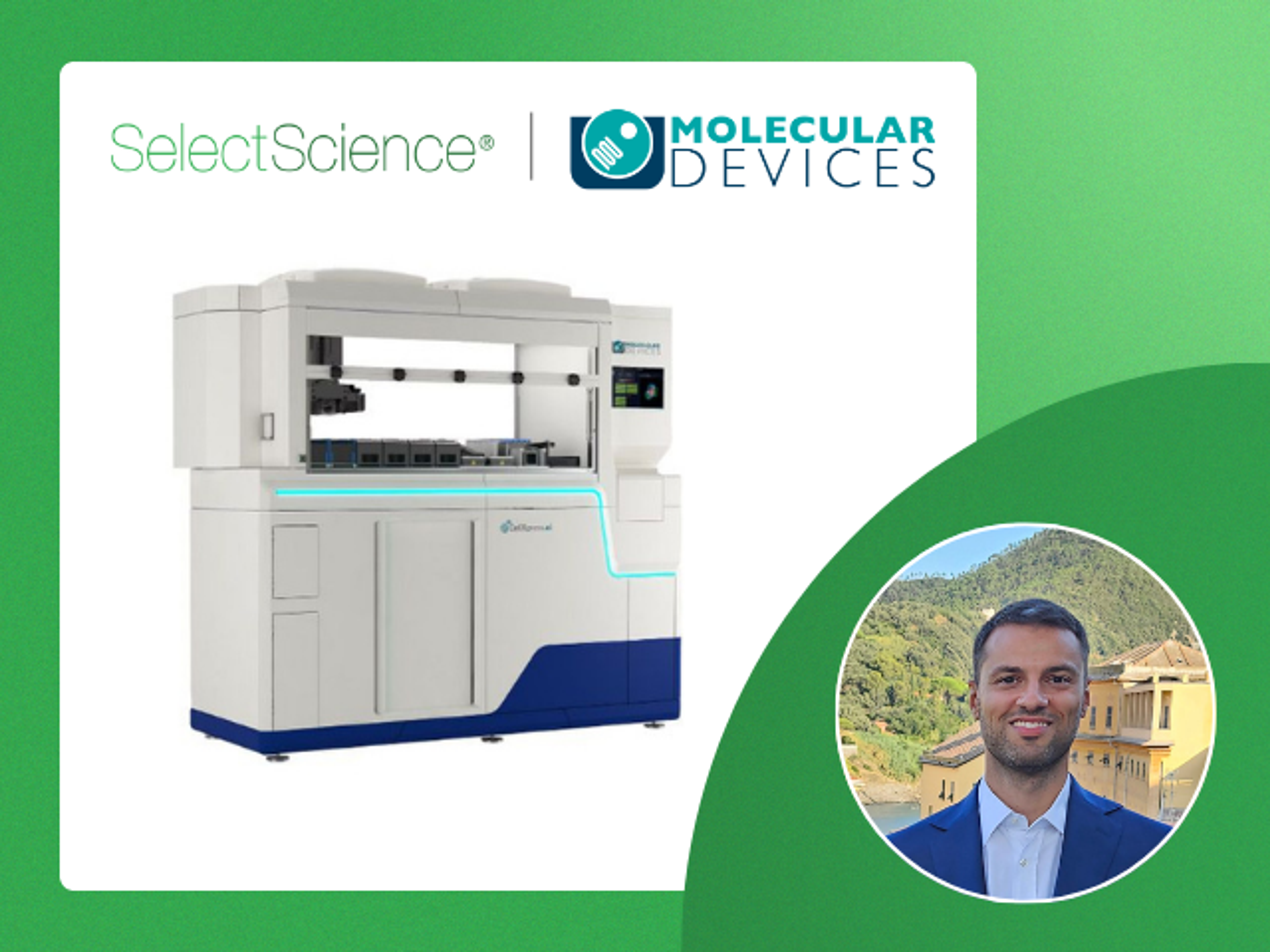
TechTalk: Standardize, scale, and simplify complex cell culture with AI-driven automation
Friday, February 27 at 15:00 GMT | 16:00 CET | 10:00 EST | 07:00 PST
Manual cell culture workflows can be time-consuming, inconsistent, and difficult to expand, particularly when working with advanced models such as iPSCs and brain organoids. But automation is changing that.
Join this 20-minute SelectScience TechTalk, held in partnership with Molecular Devices, to explore how AI-driven automation is reshaping cell culture across pharmaceutical R&D and core facilities. Learn how labs are reducing hands-on time, minimizing variability, and creating more consistent, traceable processes from start to finish.
During the session, we’ll highlight the capabilities of the CellXpress.ai® Automated Cell Culture System, a fully integrated platform designed to automate complex cell culture workflows while enabling continuous monitoring and complete cell journey traceability.
Whether you’re leading drug discovery programs or overseeing shared lab operations, you’ll gain practical insights to help you:
- Increase throughput without increasing headcount
- Improve data consistency across experiments and sites
- Standardize protocols to reduce variability
- Scale operations with confidence
Key learning objectives:
- Learn how even complex cell culture workflows can be reliably automated, reducing operator variability and increasing lab efficiency
- See how AI-powered decision-making enables the entire cell culture process to be automated while reducing human error
- How to incorporate automated cell culture into a wider automated workflow
- How to continuously monitor cell culture over time while being able to trace the entire cell journey
Who should attend?
- Lab managers
- Principal investigator
- Director of lab operations
Certificate of attendance
If you attend the live TechTalk, you will automatically receive a certificate of attendance, including a learning outcomes summary, for continuing education purposes.
If you view the on-demand TechTalk, you can request a certificate of attendance by emailing editor@selectscience.net.
TechTalk details
- Cost: Free to attend
- Location: Online
- Duration: 20 minutes
Registration is required to secure your place. If you register but can’t attend live, you will receive a link to the on‑demand recording once it becomes available
AI-assisted high-content imaging and toxicity screening using 3D liver organoids
One of the biggest challenges in modern drug discovery is that 90% of candidates fail during development, largely due to safety concerns around liver toxicity. This high failure rate can often be linked to the limitations of traditional 2D cell cultures used in early testing. As a result, there is a critical need to develop more predictive in vitro assays, especially for assessing hepatotoxicity. In this presentation, Dr. Oksana Sirenko, Senior Manager of Assay Development at Molecular Devices, explores how high-content imaging, along with AI and machine learning, can serve as powerful tools to investigate drug effects and predict potential toxicity more accurately.
This video was filmed at SLAS Europe 2025.
Automated cultivation and high-throughput screening of 3D cardiac organoids
Cardiovascular disease is the leading cause of death worldwide, claiming 34 lives every minute. Cardiotoxicity is also a significant reason for drug withdrawals during development. To tackle these challenges, Molecular Devices and HeartBeat.Bio have teamed up to provide automated solutions that better mimic human cardiac physiology.
In this presentation, Dr. Florian Fuchs, CTO of HeartBeat.Bio, and Dr. Oksana Sirenko, Senior Manager of Assay Development at Molecular Devices, showcase how automated organoid culture and high-throughput screening are facilitating the effective use of cardioids in drug discovery and preclinical cardiotoxicity testing. Learn how cardioids, automation, and high-throughput workflows are revolutionizing the future of cardiac drug development.
This video was filmed at SLAS Europe 2025.
CellXpress.ai Automated Cell Culture System transforms cardiovascular research
Dr. Florian Fuchs, CTO of HeartBeat.Bio, and Dr. Oksana Sirenko of Molecular Devices present: Transforming cardiovascular research with the CellXpress.ai Automated Cell Culture System: Unleashing the potential of 3D biology in automated high-throughput cardioids for drug discovery and toxicity screening.
This presentation was filmed at SLAS Europe 2024.
Machine learning powers 3D organoid analysis
Dr. Oksana Sirenko, Senior Manager of Assay Development at Molecular Devices, presents: Transforming cardiovascular research with CellXpress.ai: Unleashing the potential of 3D biology in automated high-throughput cardioids for drug discovery and toxicity screening.
This presentation was filmed at SLAS Europe 2024.