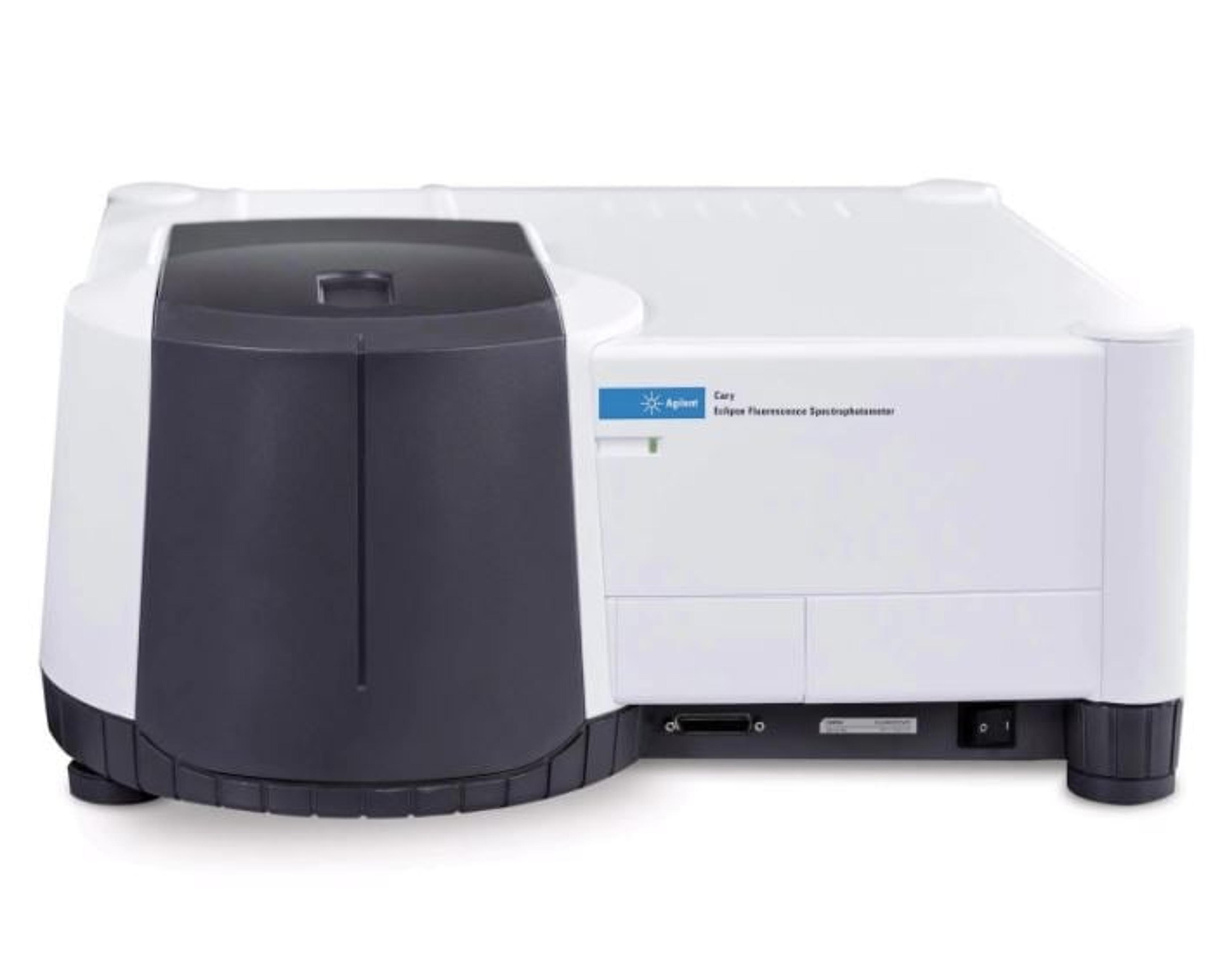
Agilent BioTek Take3 & Take3 Trio Microvolume Plates
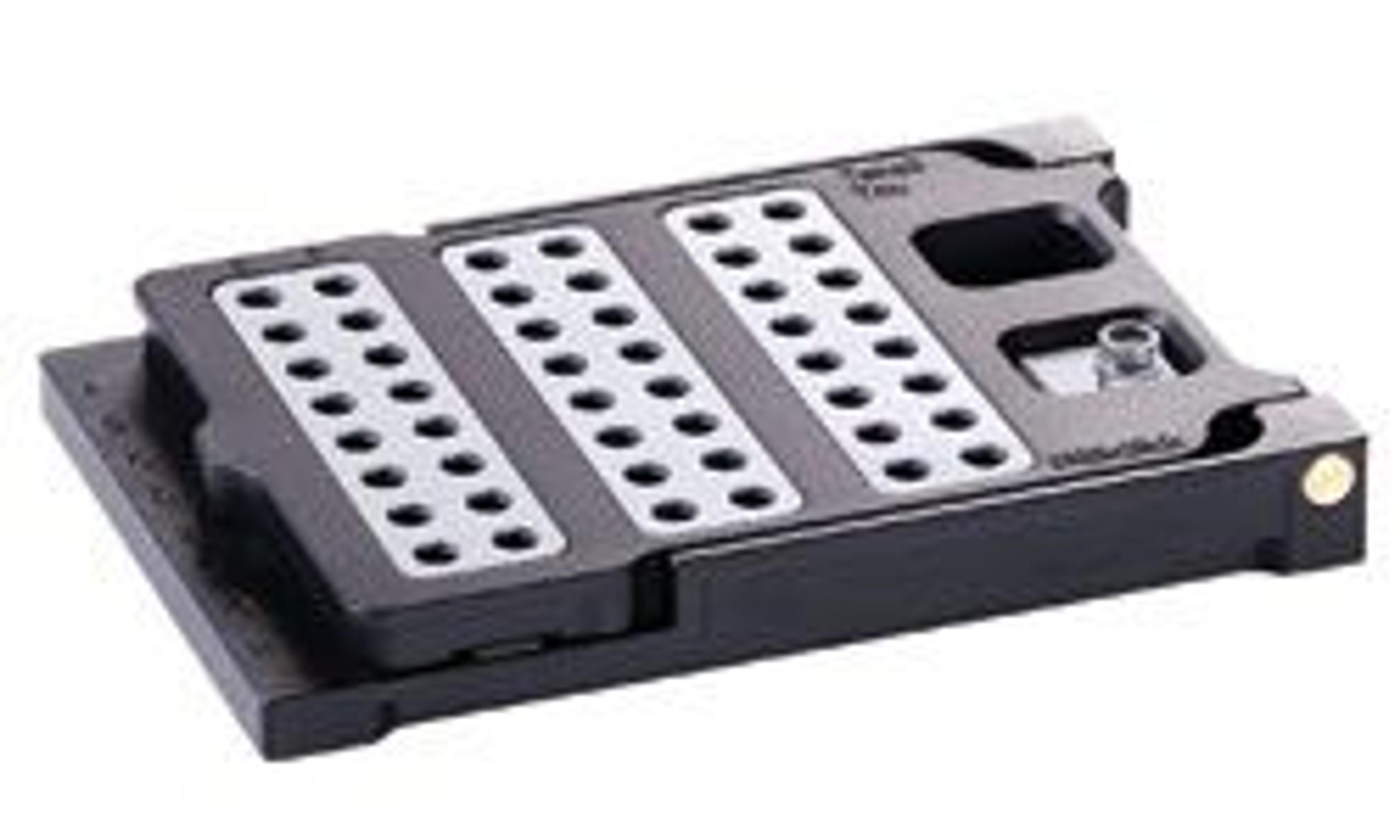
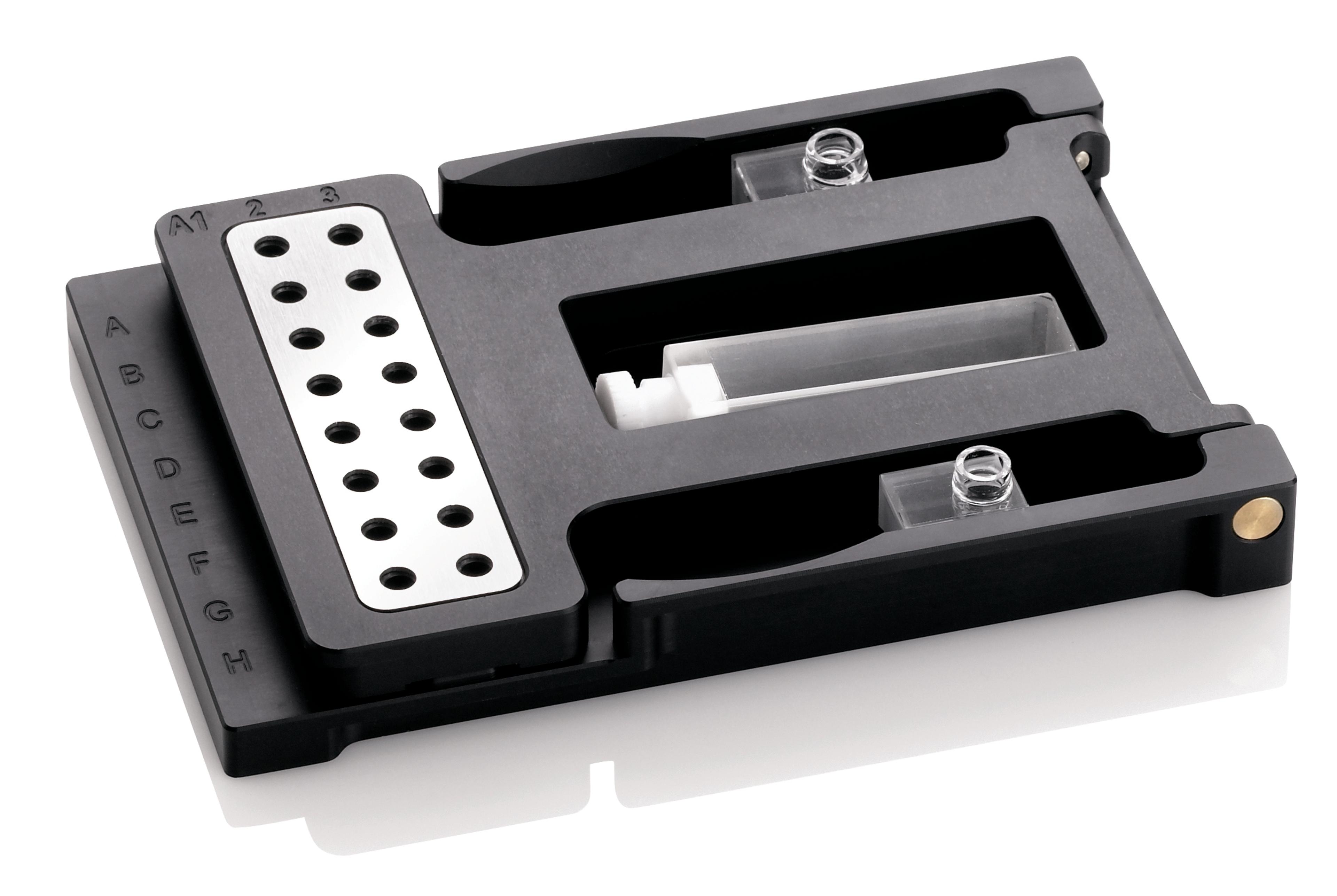
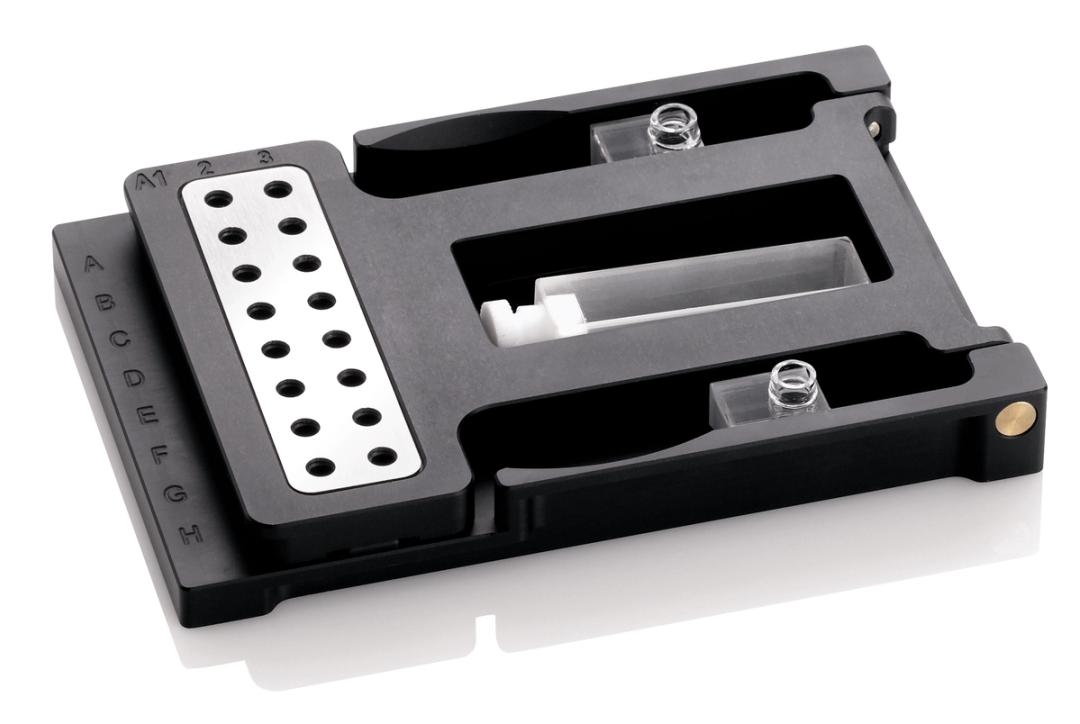
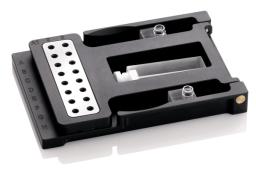
Take3 Micro-Volume Plates can measure up to 16 or 48 2 µL samples at a time

Receive your quote directly from the manufacturer.
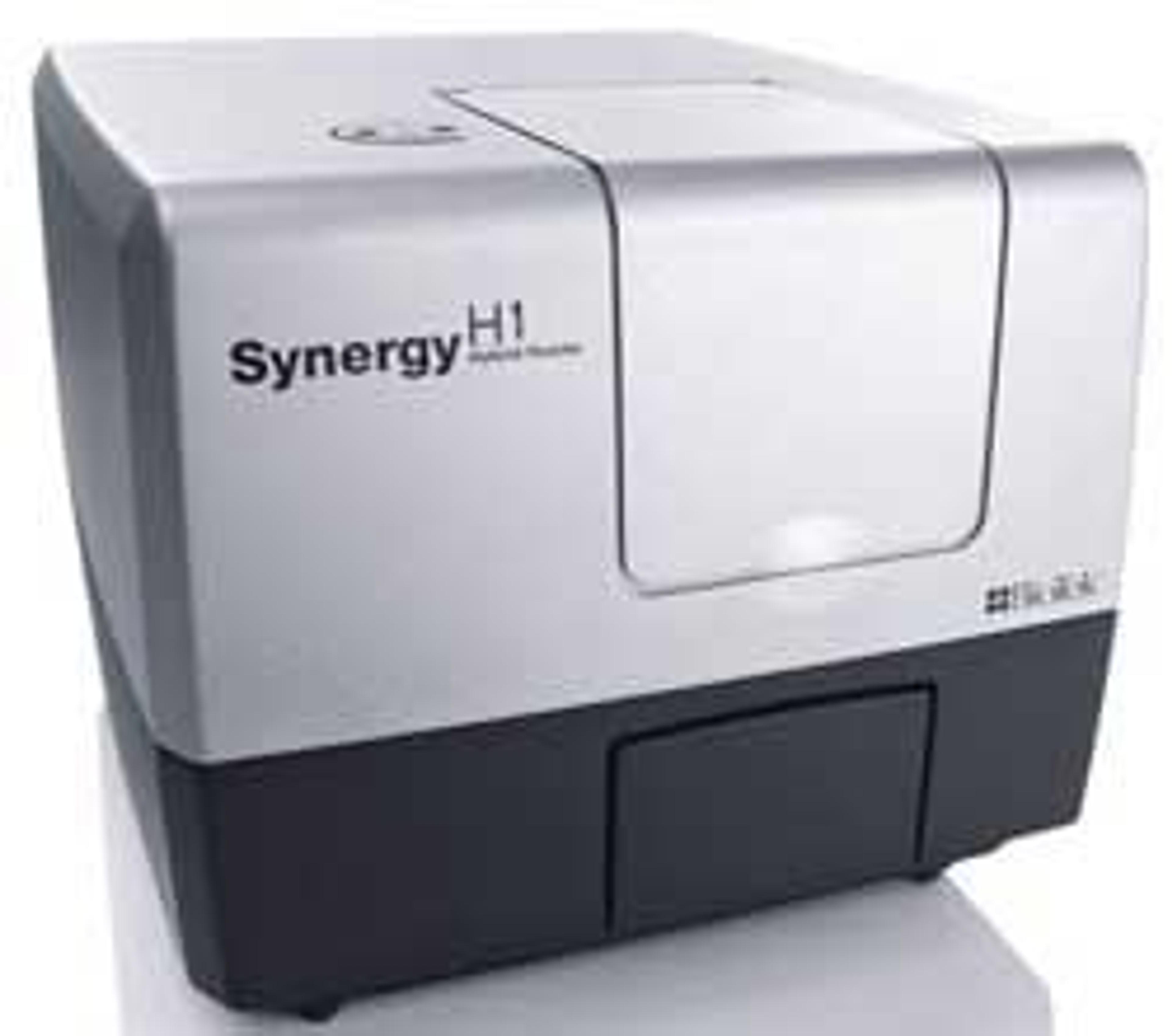
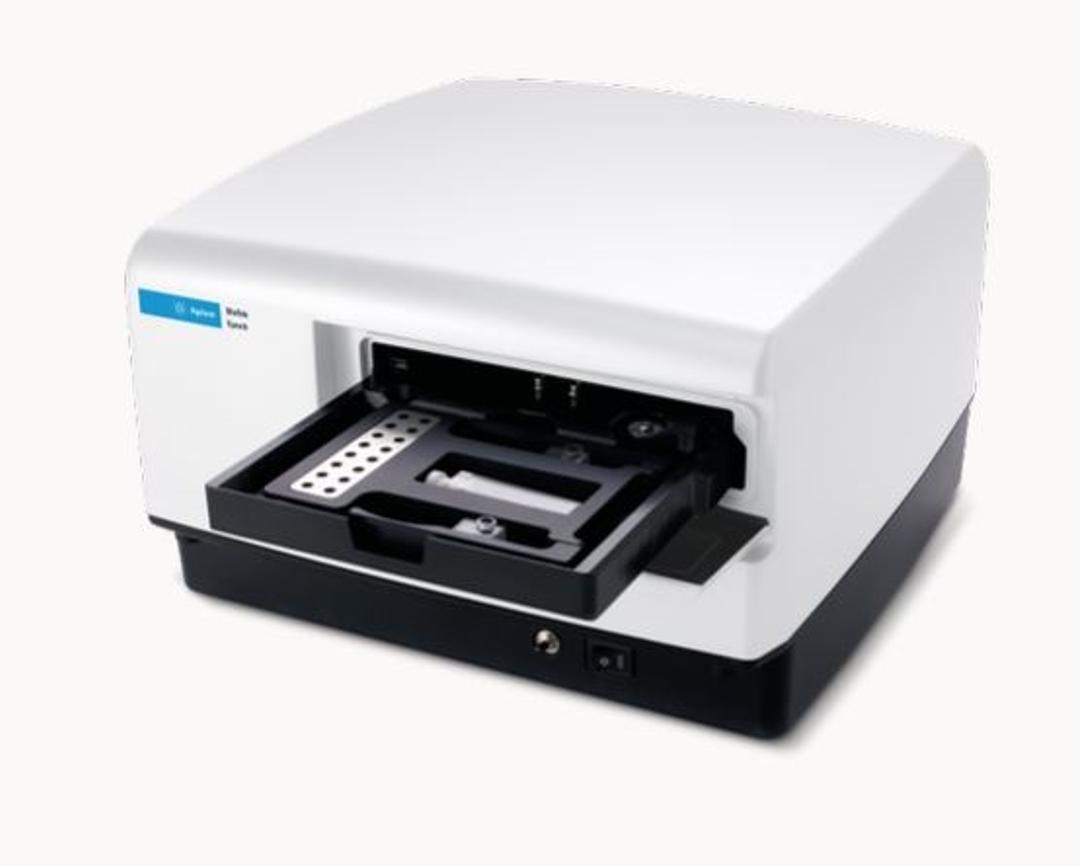
The Agilent BioTek Take3 microvolume plates increase the functionality of your microplate reader by decreasing the required sample size down to a 2µLvolume. Take3 plates are compatible with the Cytation, Synergy, and Epoch readers for microvolume absorbance and fluorescence quantification.
Microvolume quantification is fast and easy by measuring multiple 2µL samples at the same time, without diluting and without the need for specialized equipment. Preprogrammed nucleic acid and protein protocols in Gen5 software bring confidence in your quantification data.

Analytical performance of nucleic acid microvolume quantification using the Epoch Spectrophotometer System
Nucleic acids such as DNA and RNA are derived from a variety of biological sources for potential use in downstream applications such as sequencing and gene expression analysis. This application note demonstrates the analytical performance of the Agilent BioTek Epoch spectrophotometer system and especially the Agilent BioTek Take3 multivolume plate with regard to linear dynamic range, limit of detection, precision, and accuracy using microvolume samples to verify its broad applicability to nucleic acid quantification. Comparative data were derived on an Epoch spectrophotometer system and a NanoDrop; performance was shown to be equivalent.
Micro-Volume Determination of Labeling Efficiency Using Spectral Scanning Analysis in a Standard Microplate Reader
The use of labeled reagents in a variety of experimental methods such as immunofluorescence, TR-FRET, and ELISA has been shown to provide substantial improvements in assay sensitivity while allowing sample and reagent conservation in a high-throughput context. This application note describes the analysis of protein-antibody conjugates labeled with biotin or digoxigenin using micro-volume spectral-scanning analysis in a microplate reader.
Differential Cancer Biomarker Secretion of Cultured Cells
Diagnostic biomarkers are an important area of investigation in cancer research today. While historically intercellular biomarkers have been studied, work understanding soluble secreted biomarkers have become more important. Using a 22-plex Cancer Biomarker Assay Panel from EMD Millipore, the secretion of cancer biomarkers by several human tissue culture cell lines under normal and low serum conditions was characterized.
Analytical Performance of a Higher Throughput Multi-Volume Microplate Accessory for Microplate Spectrophotometer Platforms
Accurate determination of molecular concentrations is a prerequisite to the use of purified biomolecules for a multitude of downstream applications. Quantification is routinely accomplished by spectrophotometric analysis. A novel microplate accessory is described here which incorporates the ability to directly measure up to forty-eight low-volume (2µL) samples for direct quantification and two vertical 1 cm pathlength cells, in a standard microplate sized format. Its use allows a researcher to quantify samples without dilution while also allowing more dilute samples to be read in a standard 1 cm pathlength format. The analytical performance of the accessory is discussed including limit of detection, dynamic range and accuracy for the quantification of total protein and isolated nucleic acids.
Amplifying Immunoassay Sensitivity with the Optimiser™ Microplate Technology
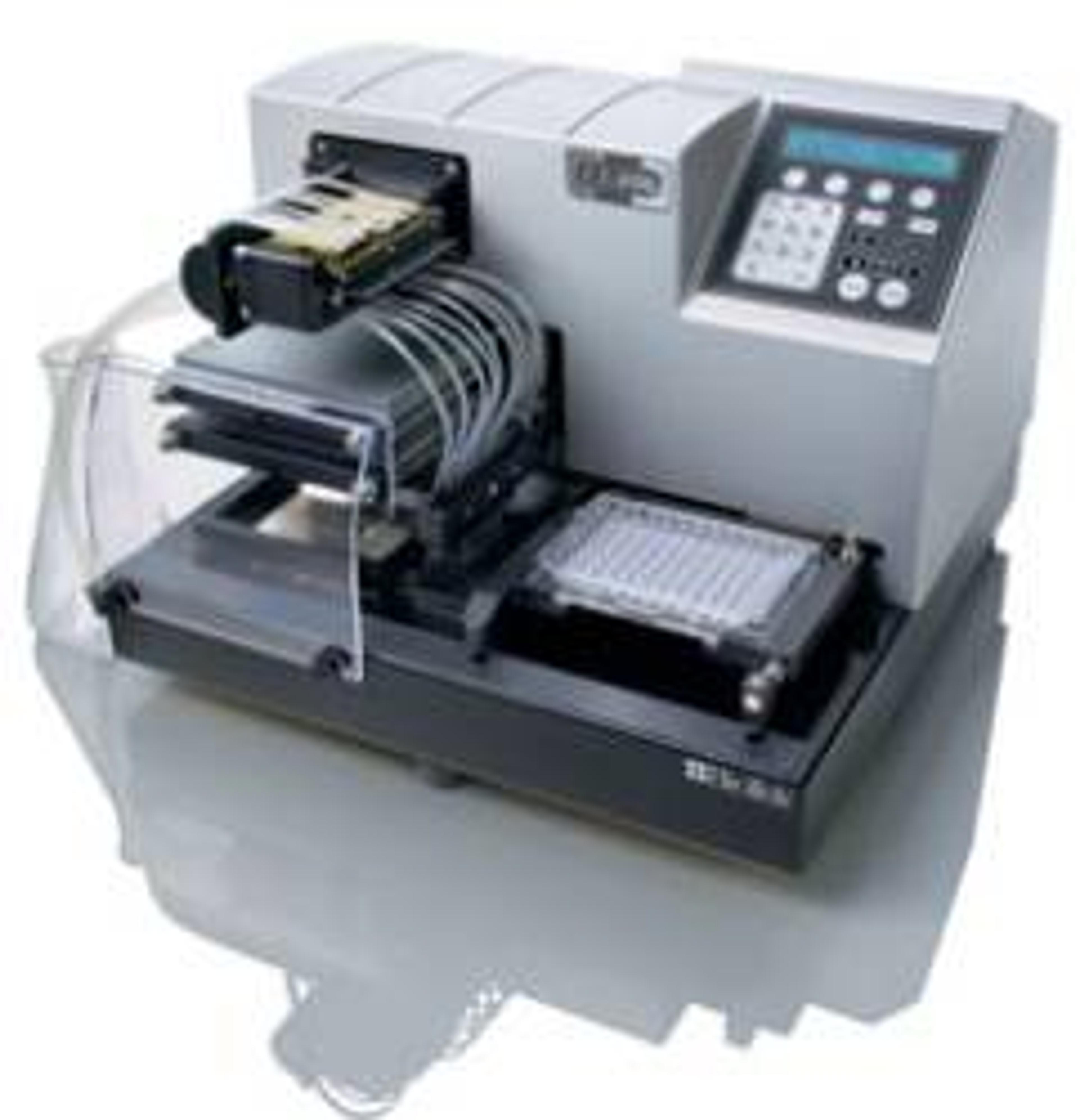
A combination of microfluidics technology with standard SBS-configured 96-well microplate architecture allows for the improvement of ELISA workflows, conservation of samples and reagents, improved reaction kinetics, and the ability to tune the sensitivity of the assay by multiple analyte loading. Multiple analyte loading was facilitated by the use of an automated pipetting station.
In-situ Micro-Volume Bicinchoninic Acid Protein Assay
This application note by BioTek shows the utility of a Multi-Volume Plate for in-situ microvolume BCA assays mixed and incubated in the microspots of the plate. Bicinchoninic acid (BCA) is one of the most popular reagents for colorimetric protein determinations. The assay workflow is simple and resembles the workflow for a typical microplate assay where reagents and samples are added sequentially to microplate wells without the need for offline color development.