
BioTek Highlights Cell-Based Assay Automation at SBS 2010
5 Apr 2010BioTek Instruments, Inc. will highlight its latest cell-based assay solutions with emphasis on the EL406 Combination Microplate Washer Dispenser as a unique device for the automation of cell-based assays. There will also be poster presentations and a product tutorial “GEM – a 3-D matrix for HTS Cell-based Assays”.
Tutorial
• Product tutorial in collaboration with Global Cell Solutions: “GEM – a 3-D matrix for HTS Cell-based Assays”, location and time are pending
Poster presentations:
o Automated Triplexed Hepatocyte-Based CYP1A, CYP3A and Viability Assays in 96 and 384-well Microplates
o Automation of a Microplate Cell-based Assay to Measure Activity of the Histamine H1 G-protein-coupled receptor using GEM, a 3-D Cell Culture Matrix
o Homogeneous Cell-based Signal Transduction Assays
o Cytotoxicity Profiling of the Anticancer Agent Thiostrepton
EL406 Combination Microplate Washer Dispenser has the ability to perform multiple operations necessary for a wide range of cell-based assays, all from a single small footprint into 96-, 384- and 1536-well densities:
• Cell dispensing
• Media aspiration
• Media exchange
• Cell washing
• Up to three separate reagent additions
• Variable residual volumes
Also on display at BioTek’s booth 338 will be product lines emphasizing strengths in microplate technology for READ, WASH, DISPENSE and AUTOMATE.
READ
The patent-pending Synergy™ H4 Hybrid Microplate Reader is the only reader on the market today that combines filter- and monochromator-based optics for increased sensitivity and flexibility in one high-performance instrument. This modular and upgradeable system provides unlimited assay versatility for current and future microplate-based assays. Synergy H4 includes absorbance, fluorescence and luminescence detection technologies for a full range of assay compatibility.
BioTek’s new Epoch™ Multi-Volume Spectrophotometer System, consisting of the Epoch Microplate Spectrophotomer and the Take3™ Multi-Volume Plate, offers superior functionality for life science laboratories with multiple users and assay types. The Epoch System uses monochromator-based optics for continuous wavelength selection from 200-999 nm in 6- to 384-well microplates, sixteen 2 μL microspots, 1 cm cuvettes, or BioTek’s proprietary BioCell™ 1 cm quartz vessel. Pre-programmed and user-generated programs for Synergy H4 and Epoch are controlled via Gen5™ Data Analysis Software.
WASH
The EL406™ Combination Microplate Washer Dispenser offers fast, and precise plate washing and dispensing in 1536-, 384- and 96-well microplate formats. By combining microplate washing with three reagent dispensers in one, compact instrument, researchers can save time, money and valuable bench space. EL406 is controlled via the instrument keypad or Liquid Handling Control™ PC software.
DISPENSE
The Precision™ XS offers single- and multi-channel pipetting along with single- and multi-channel bulk reagent dispensing in one compact platform for functional and flexible experiment design in higher throughputs. Precision XS is small enough to fit into a biological safety cabinet. Precision Power software offers complete Precision control with powerful and flexible protocol creation.
AUTOMATE
BioTek’s Read, Wash and Dispense products may be easily configured with BioStack™ automation modules for increased speed, flexibility and unattended operation.
Also at SBS, BioTek will present additional technical poster presentations including:
• Quencher dyes can alter the pharmacokinetic response profiles of living cells in fluorescence-based calcium mobilization assays
• Novel Fluorescence-Based Microplate Assay for Screening Inhibitors of Thioredoxin and Protein Disulfide Isomerase Primary
• Development of a Live-Cell Based Reactive Oxygen Species (ROS) Assay for use in High-Content Screening of Drug Candidates Using the BioTek Synergy Mx Microplate Reader
For more details visit booth 338.
Related products
Request Quote for All Products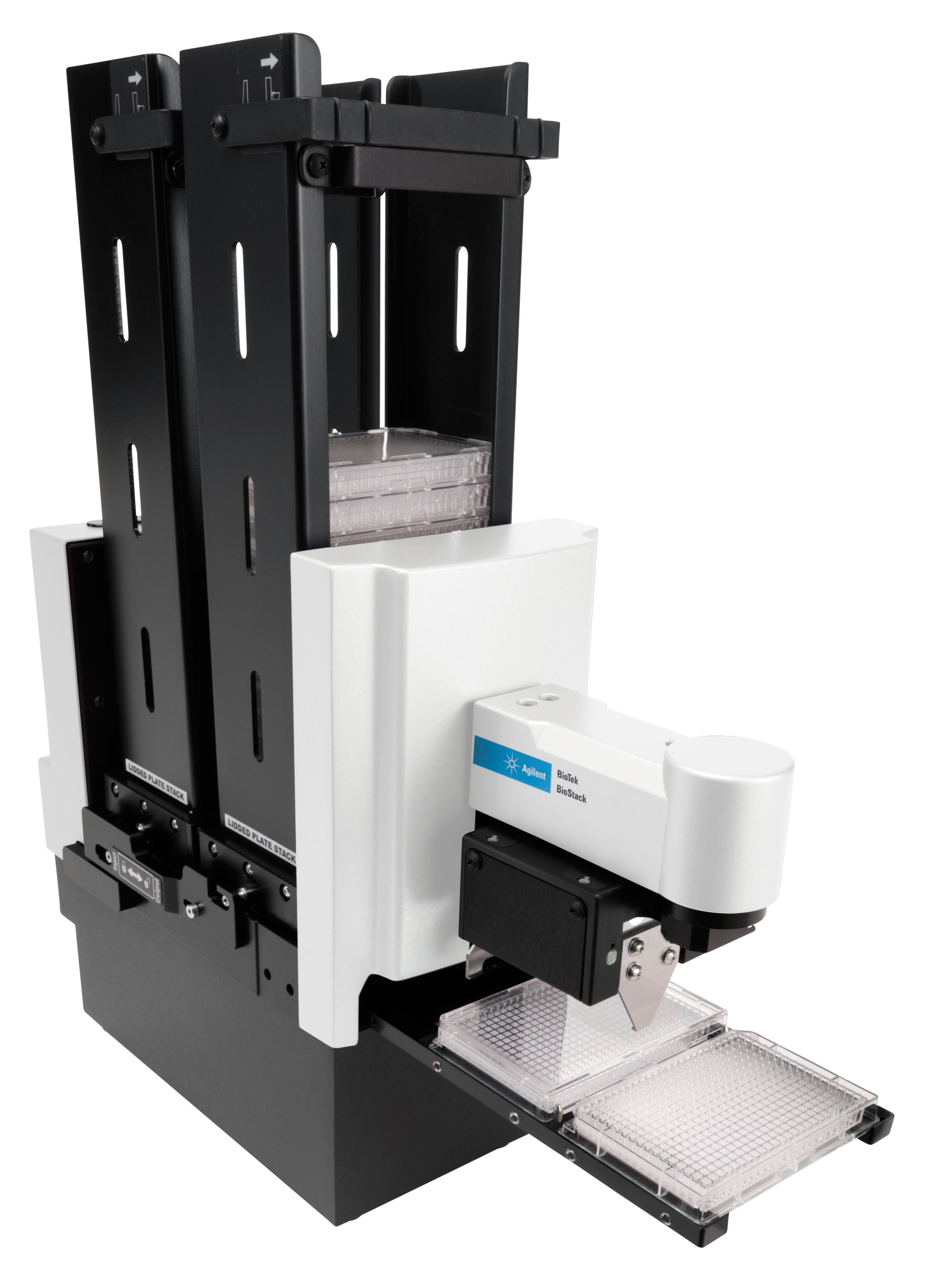
Agilent BioTek BioStack Microplate Stacker
Agilent TechnologiesThe Agilent BioTek BioStack microplate stacker is a compact and versatile microplate stacker, compatible with Agilent BioTek washers, dispensers, plate readers, and imaging systems. The rapid plate exchange speeds deliver increased throughput and enhanced efficiency and greater productivity.
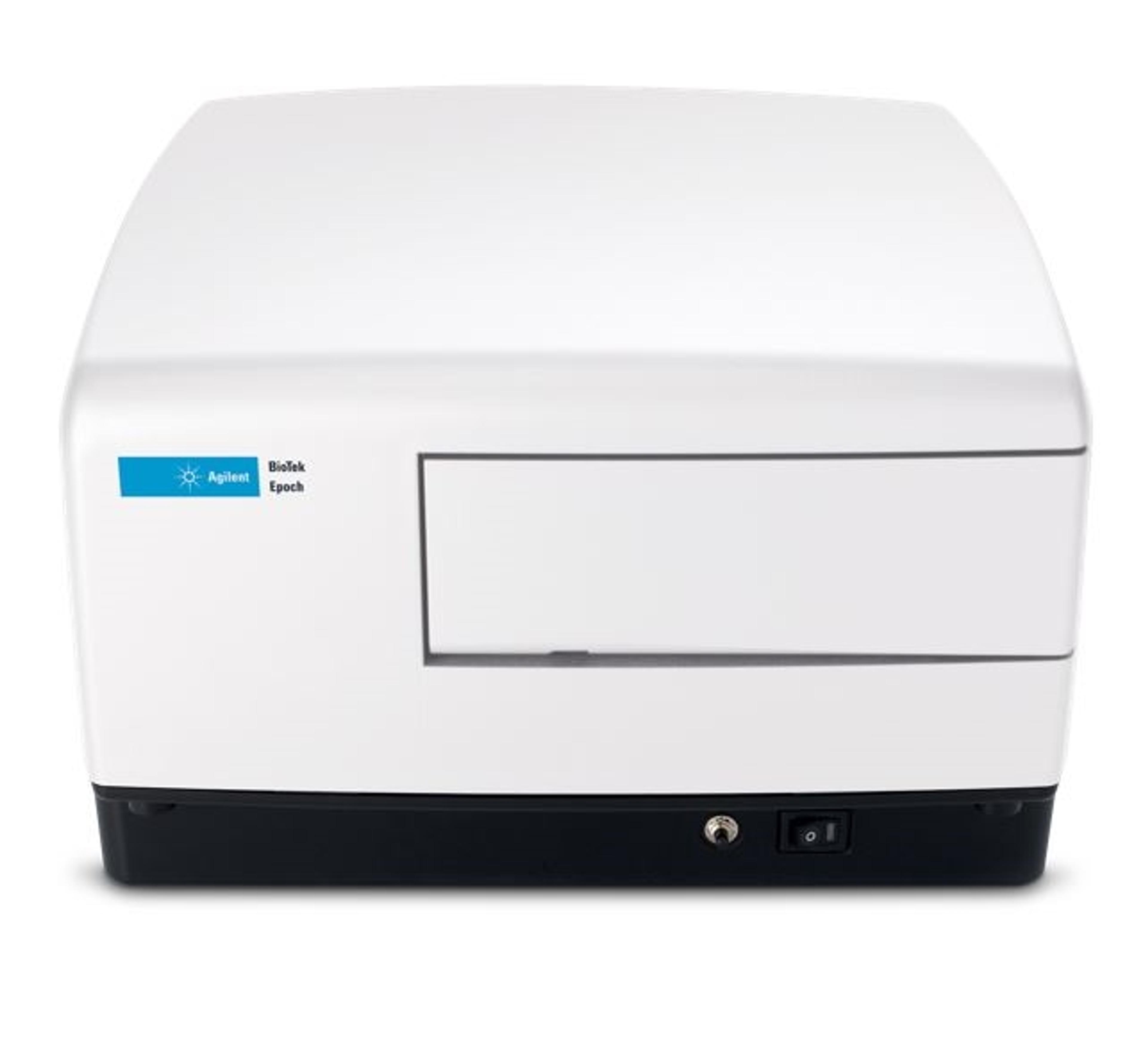
Agilent BioTek Epoch Microplate Spectrophotometer
Agilent TechnologiesThe Agilent BioTek Epoch microplate spectrophotometer has monochromator-based optics, for a filter-free, wide wavelength range for UV-Vis absorbance measurements. These measurements can be done in many microplate formats and in 2 µL samples when the available Take3 microvolume plate is used.
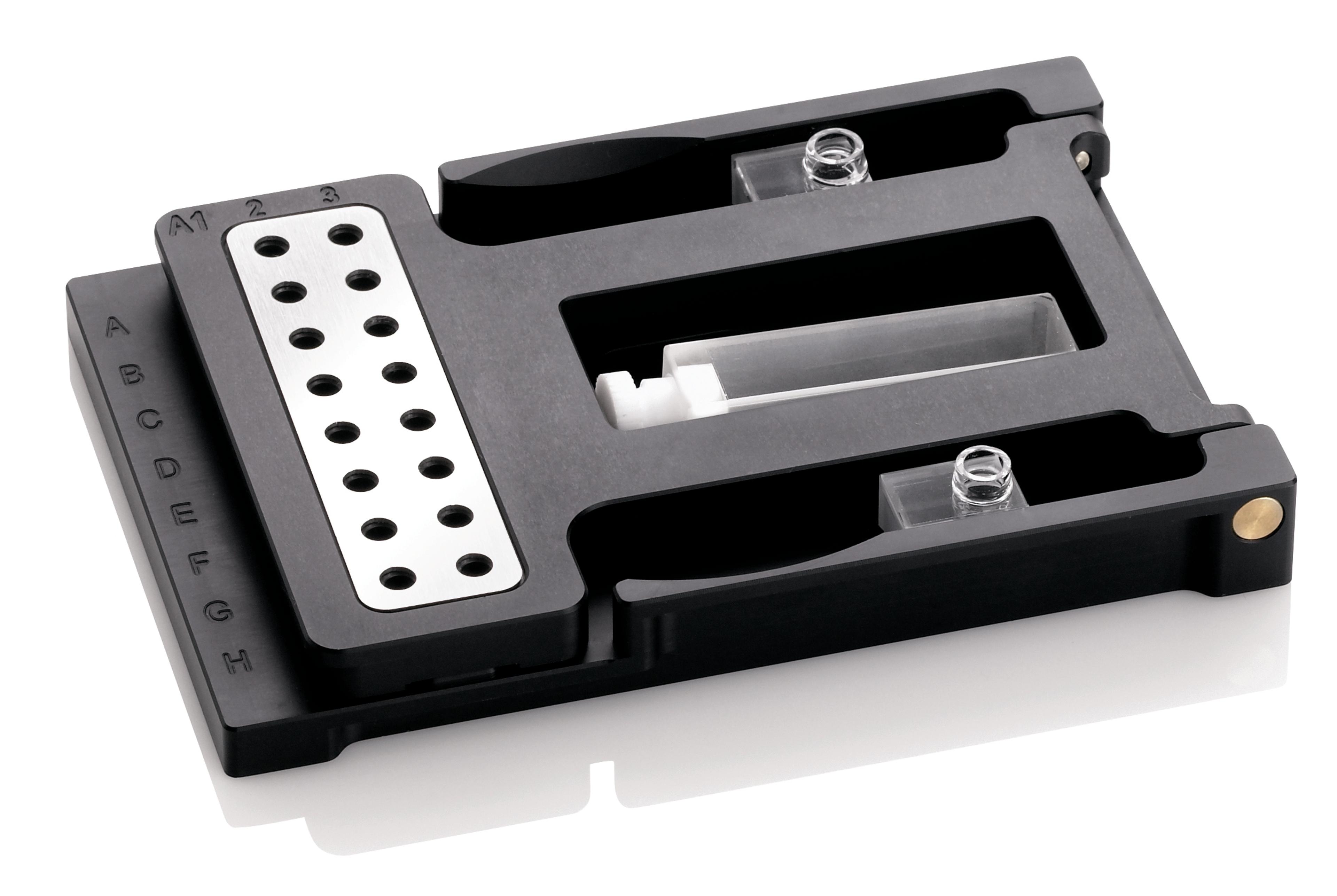
Agilent BioTek Take3 & Take3 Trio Microvolume Plates
Agilent TechnologiesTake3 Micro-Volume Plates can measure up to 16 or 48 2 µL samples at a time