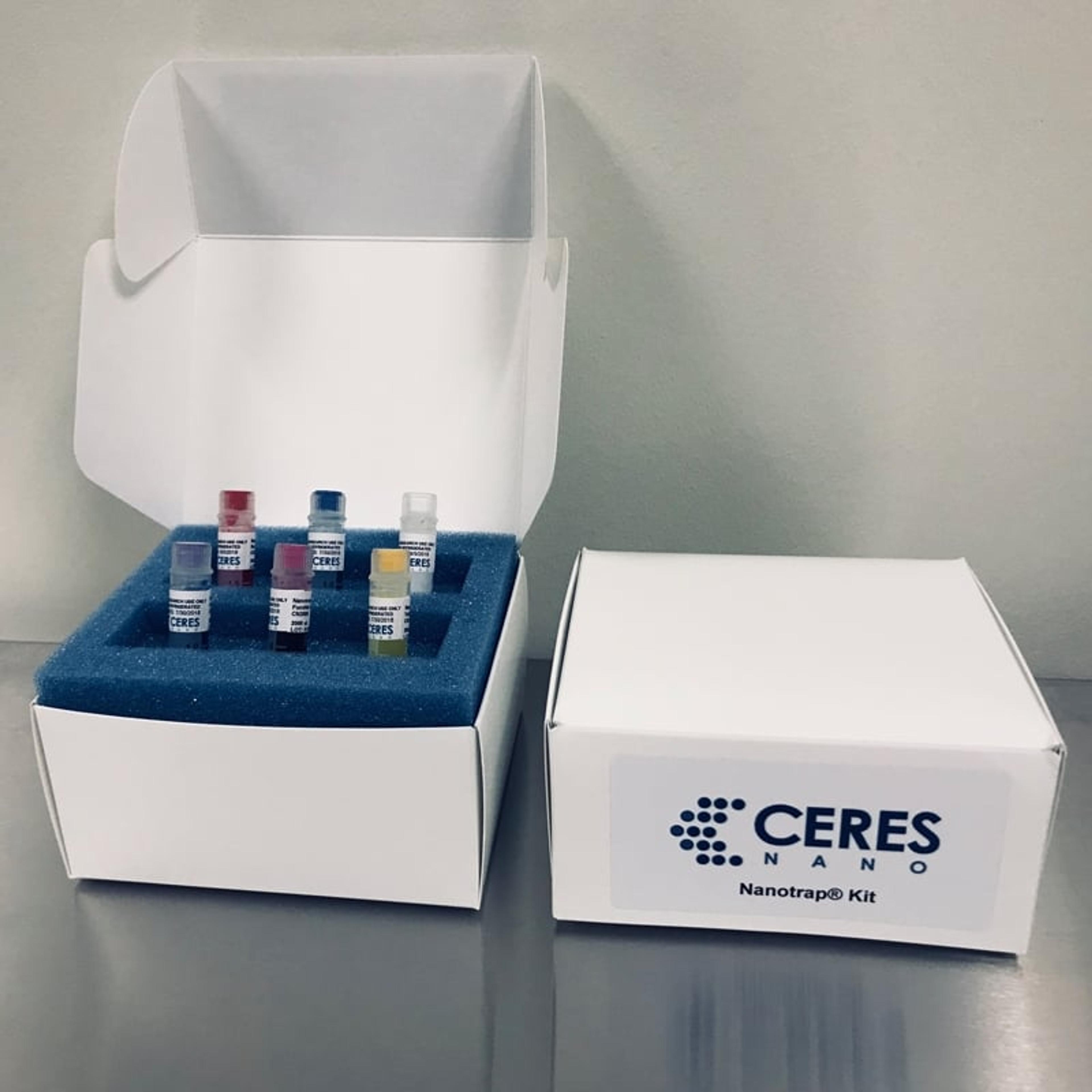
Nanotrap® Technology Development Projects
Collaborate with Ceres Nanosciences to optimize the Nanotrap® technology platform for the capture, concentration, or preservation of your valuable analytes and pathogens.
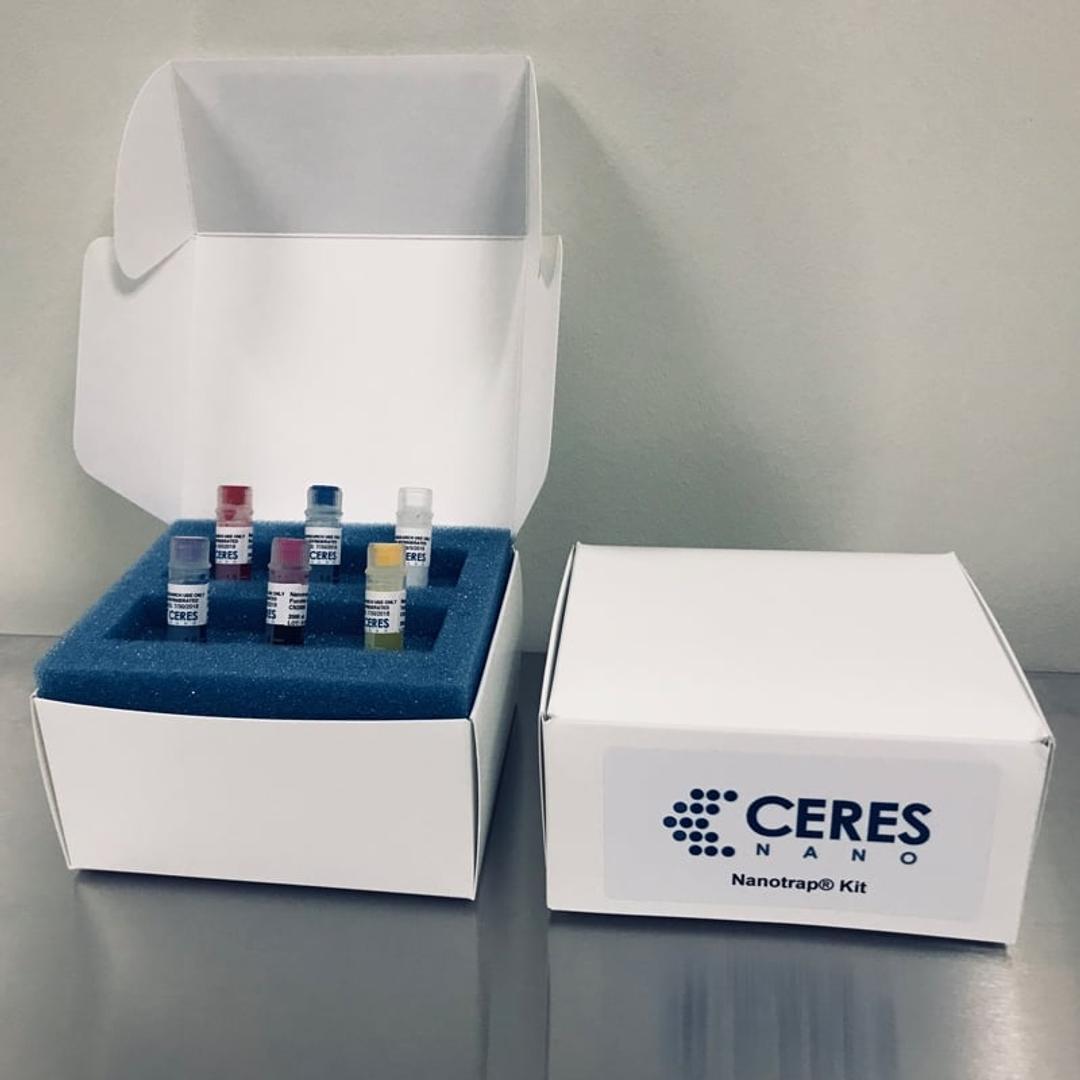
The supplier does not provide quotations for this product through SelectScience. You can search for similar products in our Product Directory.
A development project starts with you, the partner organization, defining your analyte of interest, the sample matrix, the downstream assay, and your desired outcomes. Our world class scientific team then works closely with you to develop a customized Nanotrap particle workflow for your specific requirements.
Data typically are shared every two weeks, providing you insight into our program and enabling close collaboration between our scientists and your team. While we recognize that each project is unique, we have found that most collaborations comprise multiple stages and can run from 3-15 months.
Projects that are more complex, including those with multi-analyte, multi-sample type, or multi-assay requirements or those that require custom Nanotrap particle manufacturing are also possible. Our innovative and collaborative approach is matched by our laser-focus on the development of the highest quality products and solutions. To learn more, contact us at projects@ceresnano.com

Enrichment of low abundance, low molecular weight proteins from human plasma samples
In this application note, Ceres Nanosciences provides a brief description of the Nanotrap® particle technology platform and presents the results of an experimental protocol for enrichment of low-abundance proteins prior to proteolytic digestion, fractionation by liquid chromatography, and analysis by mass spectrometry.
Performing on-particle protein digestion reduces total processing time and increases unique protein identifications
In this application note, Ceres Nanotechnologies presents a simplified "on-particle" digestion method, which reduces processing time by performing protein digestion and clean up while the proteins are still bound to the Nanotrap® particles, which leads to a larger number being identified via LC-MS.