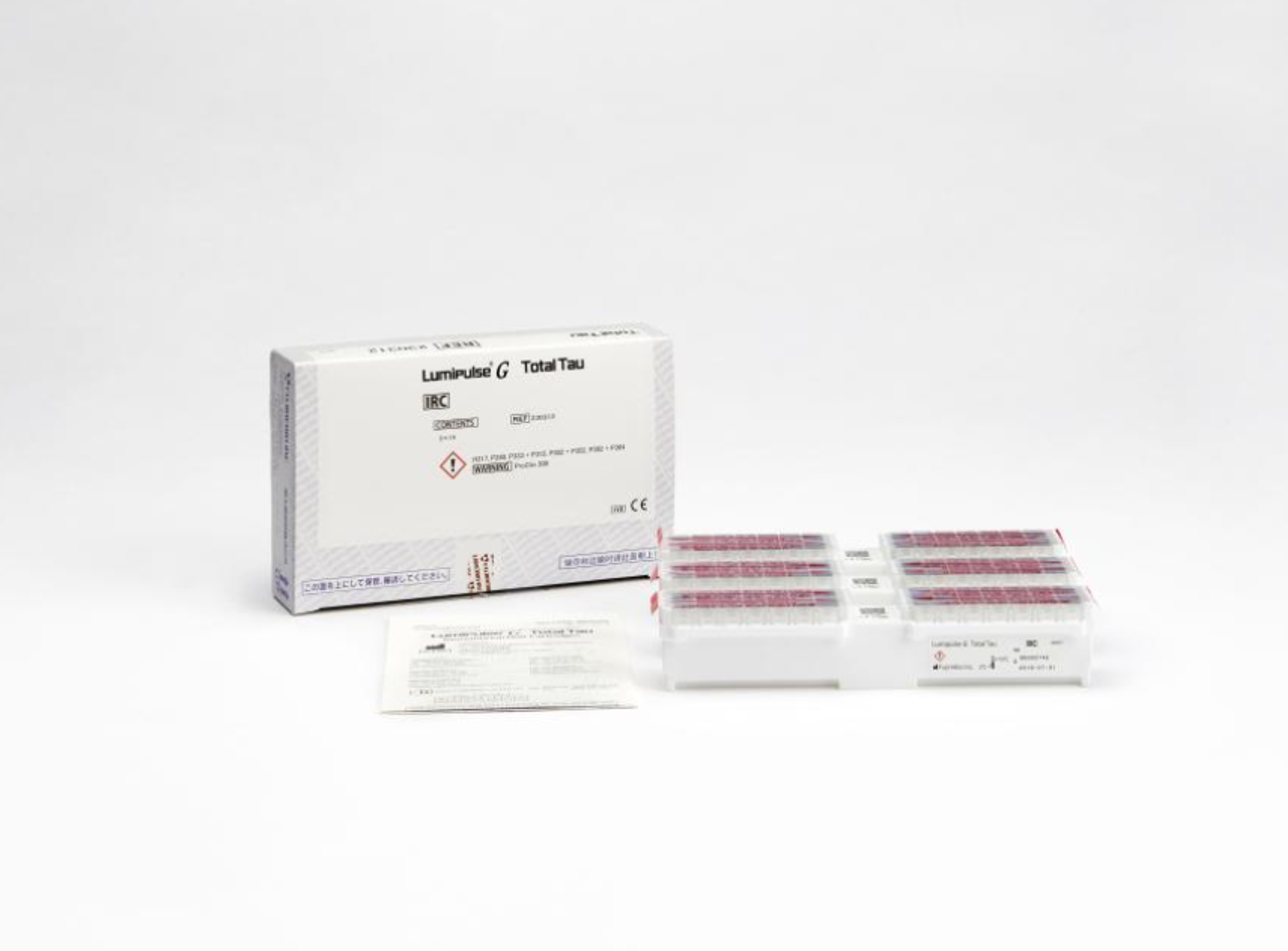
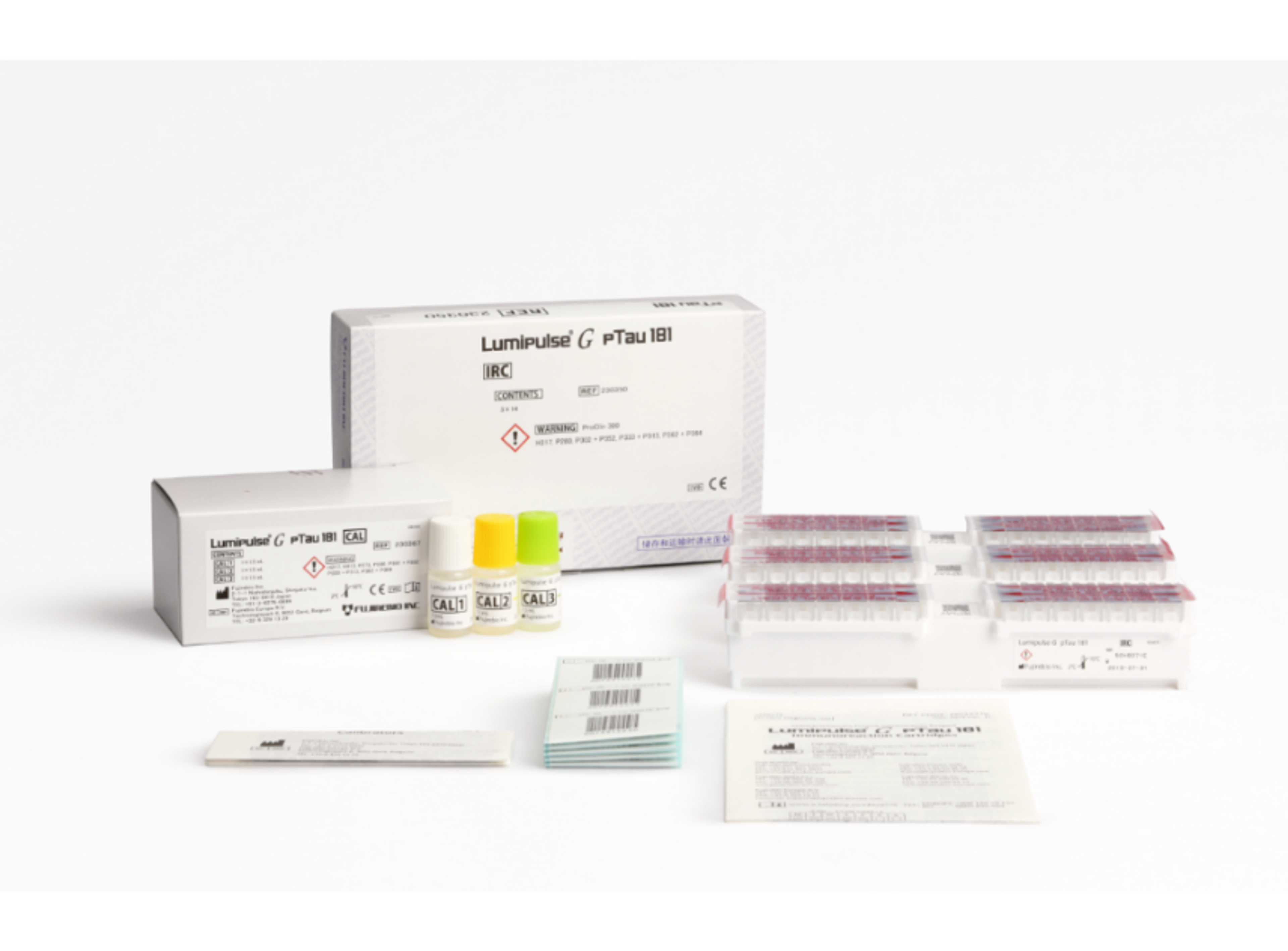
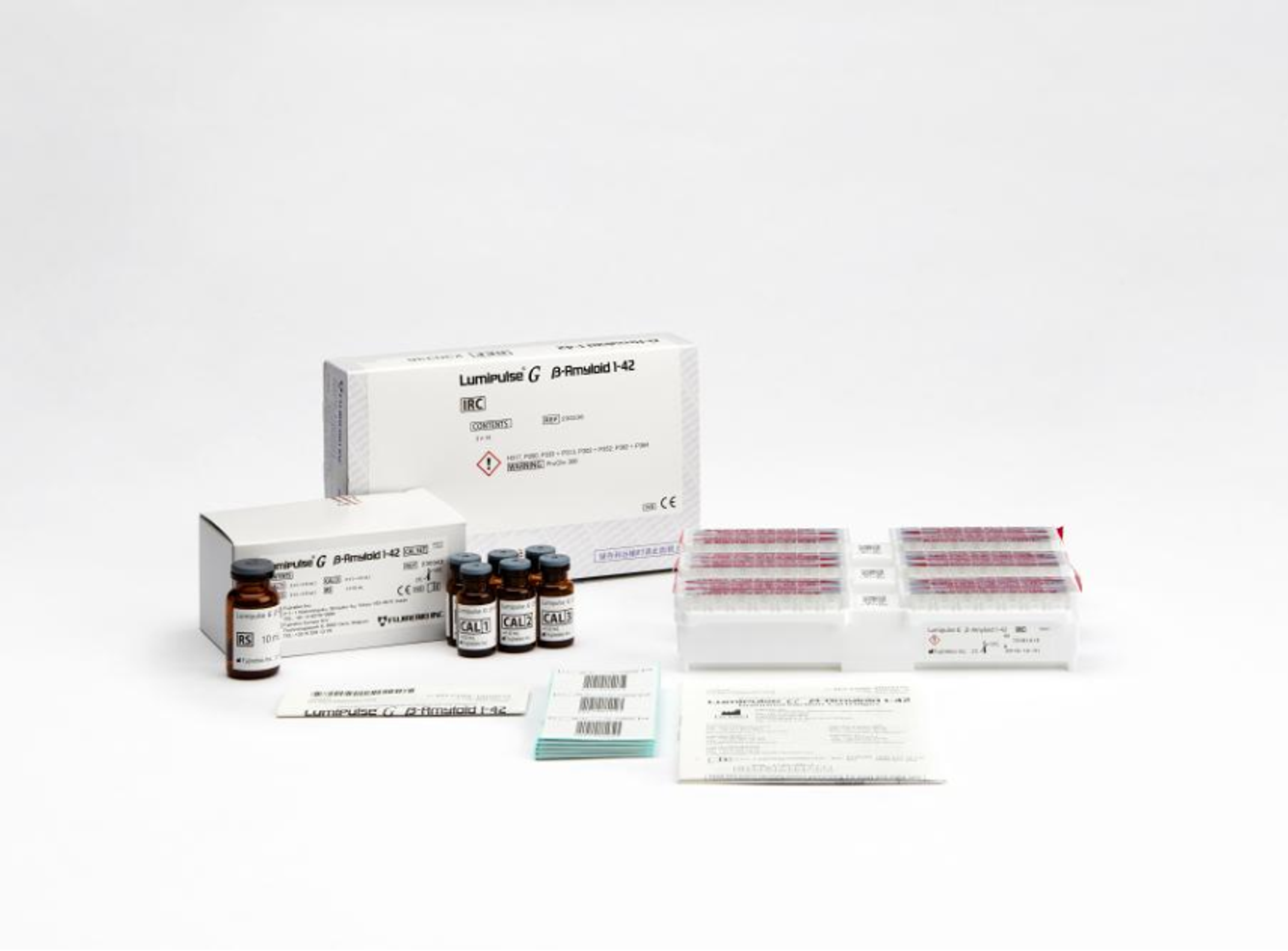
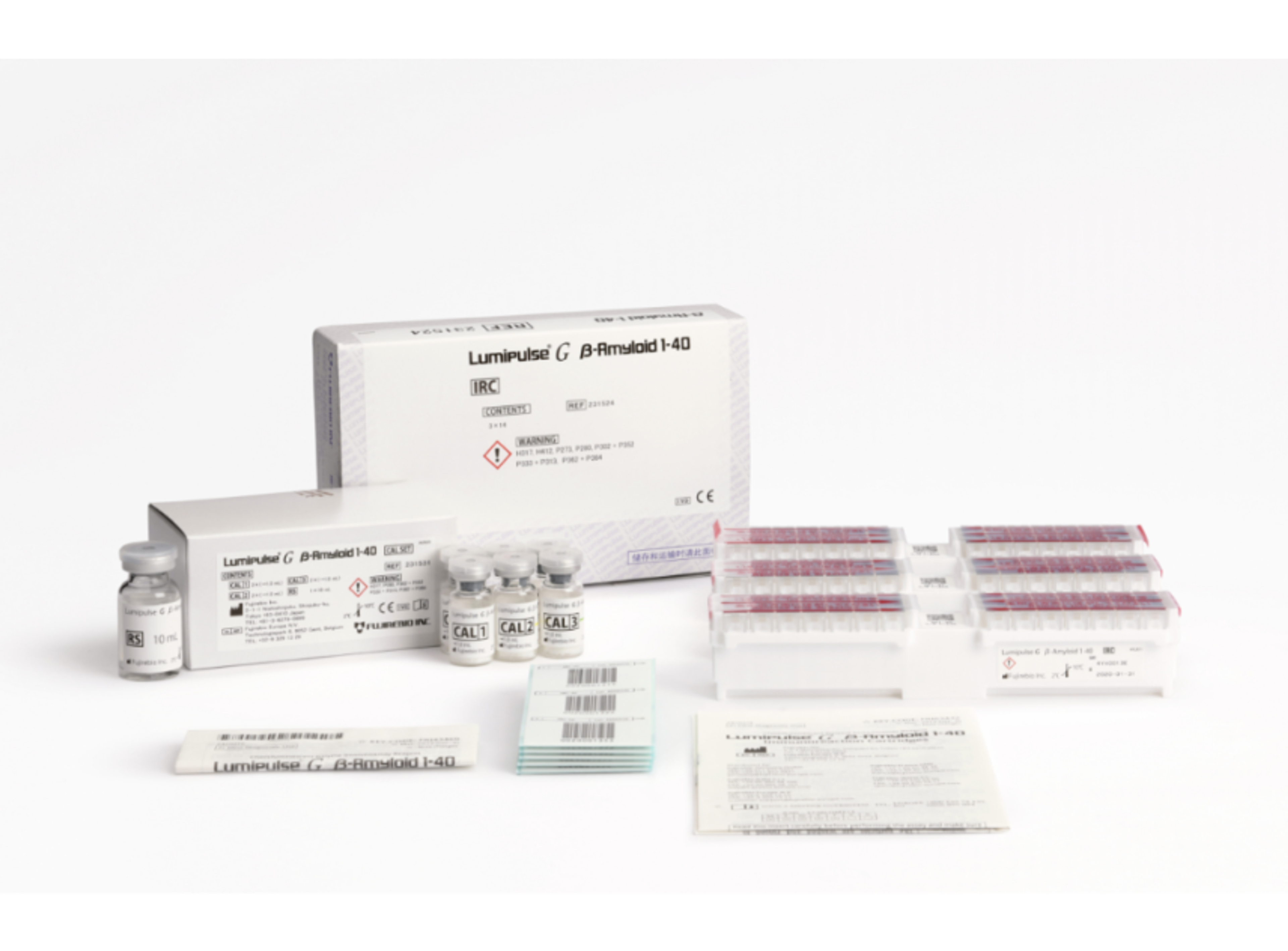
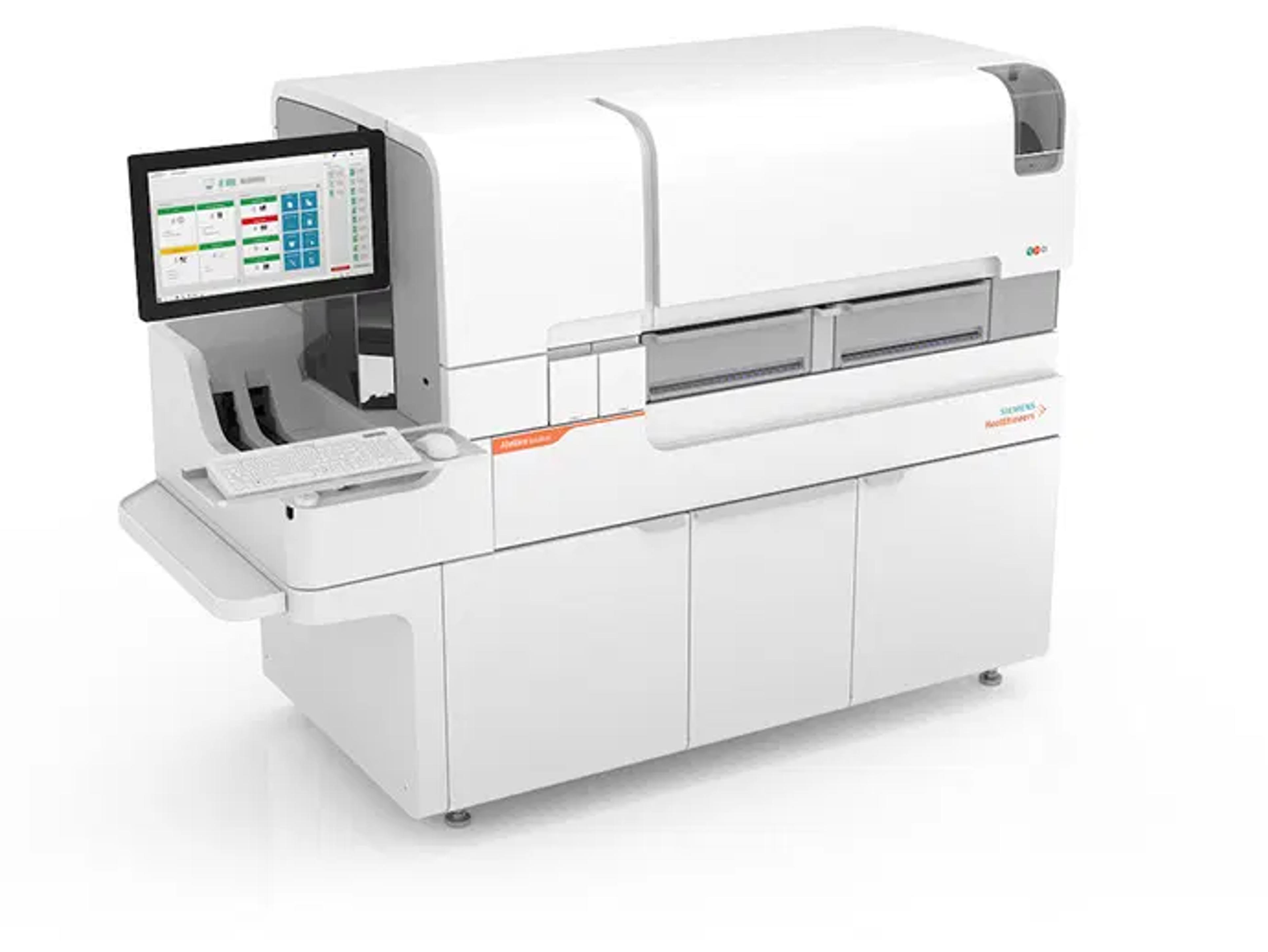
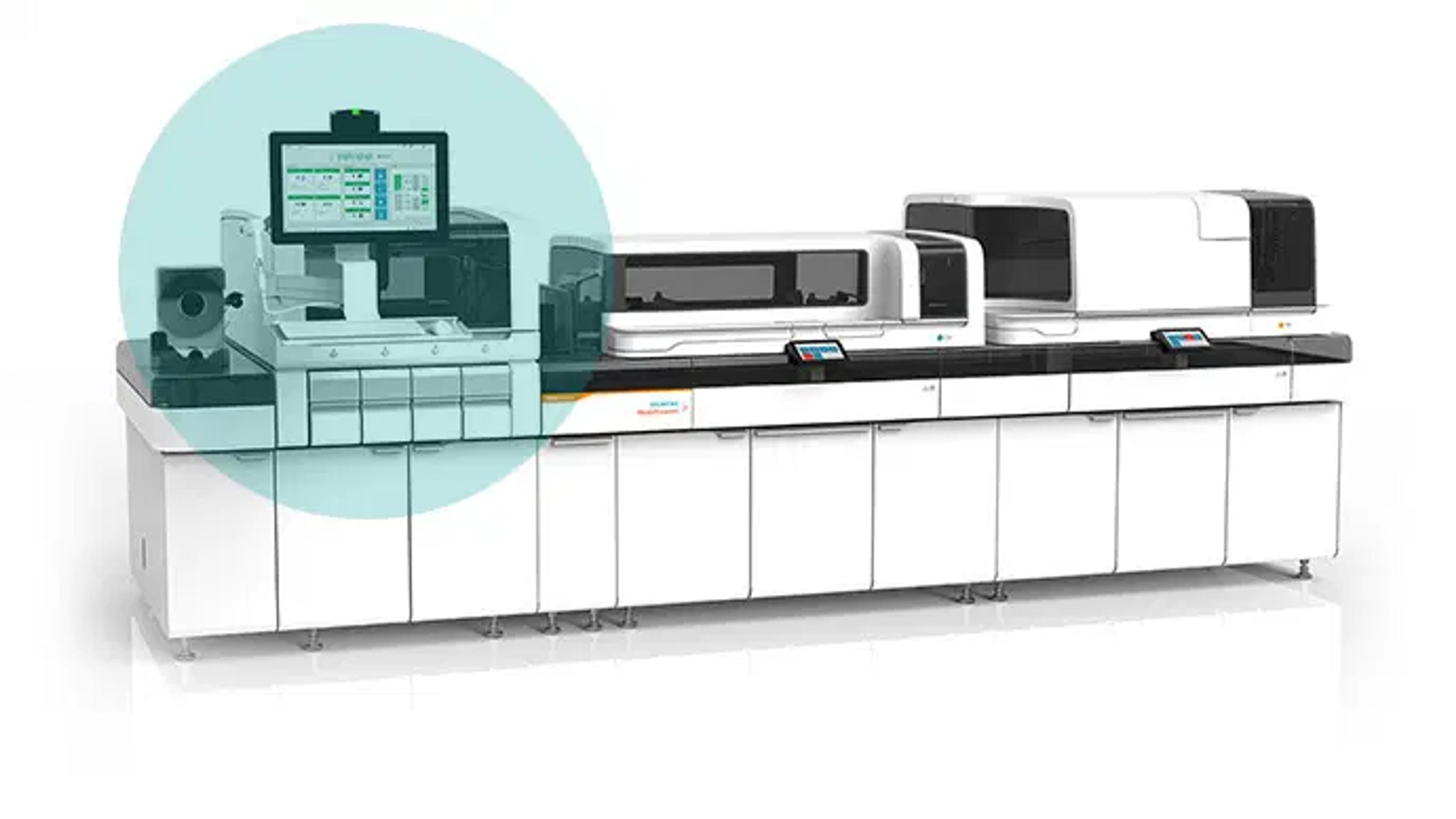
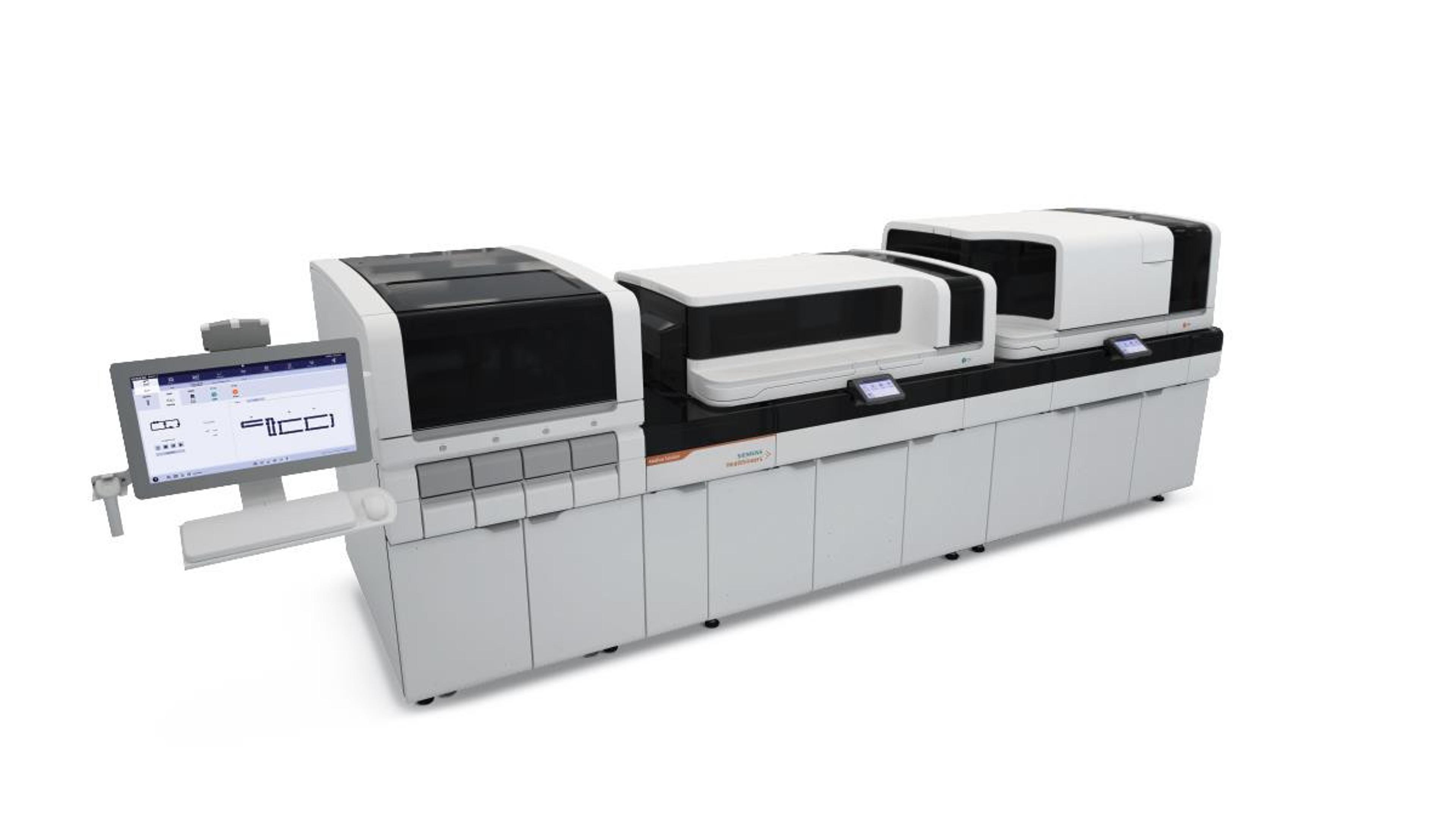
Brain-Derived Tau (BD-Tau) Luminescence Immunoassay
The Brain-derived Tau (BD-Tau) LUM is a sensitive and accessible research-use only blood assay. Combining a specific antibody targeting brain-derived Tau with upfront immunoprecipitation, BD-Tau LUM offers researchers a powerful and accessible tool to investigate Alzheimer's disease pathology, progression, and biomarker dynamics in plasma.



The supplier does not provide quotations for this product through SelectScience. You can search for similar products in our Product Directory.
The Human BD Tau Luminescence Immunoassay is an enzyme immunoassay intended for the quantitative determination of brain derived TAU protein from peripheral cell free body fluids as blood plasma or serum after enrichment of BD Tau using the BD-Tau Neuro IP Kit (30260912).
The Tau protein is a microtubule-stabilizing protein being part of the axons of nerve cells in the central nervous system (CNS). Measuring total Tau in CSF reflects axonal destruction and has found its way into diagnostic criteria guidelines¹, but measuring total Tau in blood does not correlate with its corresponding CSF value. As 80% of Tau in blood originates from peripheral tissue, being able to selectively measure the brain-derived fraction will enhance specificity and accessibility of Tau as an AD biomarker. The antibody used in the BD-Tau LUM is targeting the brain-derived Tau isoform only.
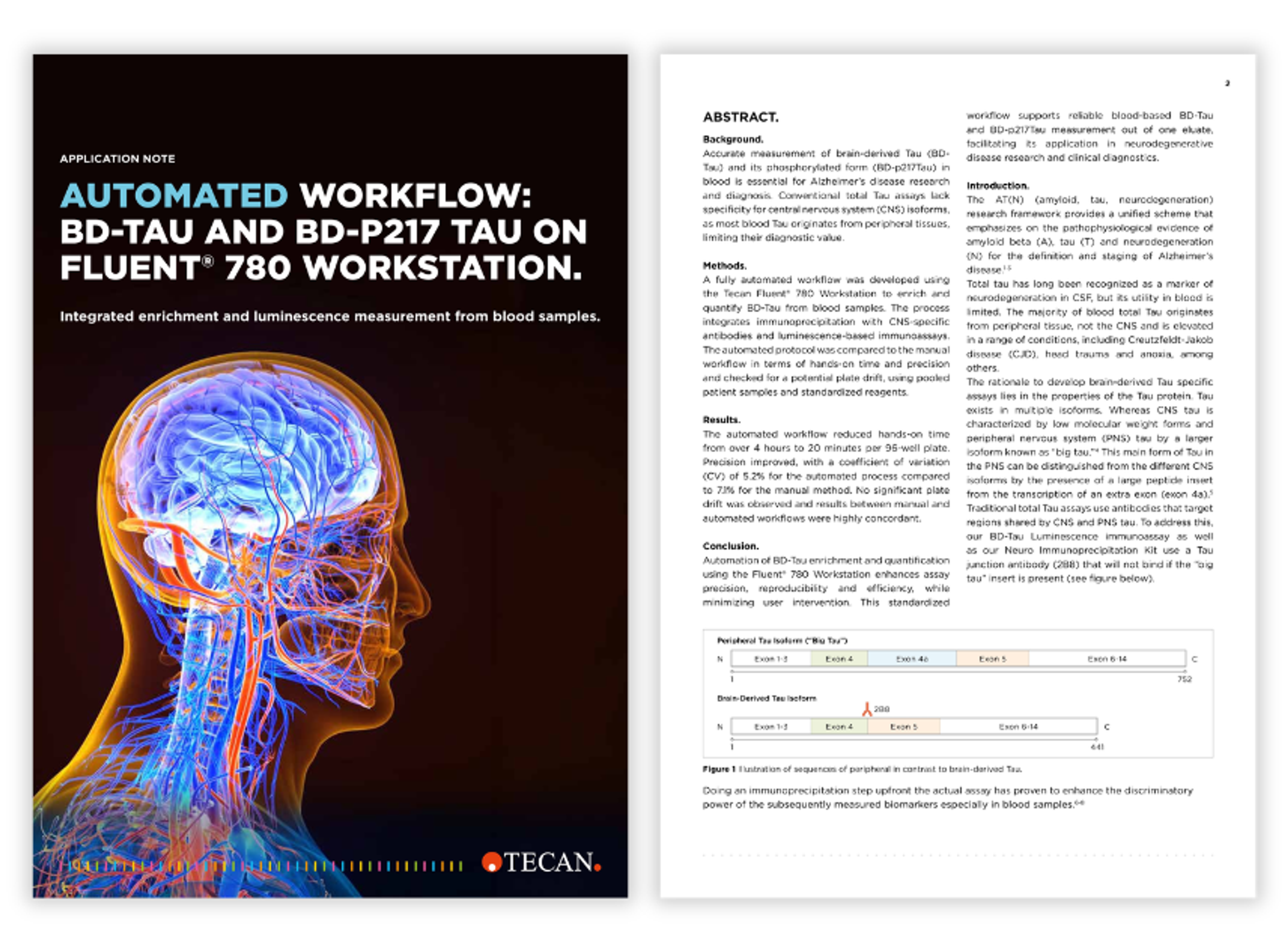
Automated BD-Tau and p217 Tau analysis on the Fluent 780 Workstation
This Tecan application note presents a fully automated workflow for enriching and quantifying brain-derived Tau (BD-Tau) and phosphorylated p217 Tau from blood samples using the Fluent® 780 Workstation. By integrating immunoprecipitation with luminescence-based measurement, the workflow supports reliable analysis of blood-based biomarkers relevant to Alzheimer’s disease and neurodegenerative disease research.
Discover how the automated protocol reduced hands-on time from more than four hours to just 20 minutes per 96-well plate. It also improved precision compared with manual processing, showed no significant plate drift, and enabled BD-Tau and p217 Tau measurement from the same enriched eluate.
Resource details
Resource type: Application note
Page count: 9
Read time: 14 mins
TechTalk: Automated measurement of BD-Tau and BD-p217-Tau in blood
Friday, October 16 at 15:00 BST | 16:00 CEST | 10:00 EDT | 7:00 PDT
Accurate measurement of brain-derived Tau (BD-Tau) and phosphorylated Tau (BD-p217 Tau) in blood is becoming increasingly important in Alzheimer’s disease and neurodegeneration research. However, established manual workflows can be time-consuming and may introduce variability, making it more difficult to achieve consistent, reproducible results.
In this SelectScience® TechTalk, join Oliver Schmidt, Tecan, to discover how two key neurodegeneration biomarkers, BD-Tau and BD-p217 Tau, can be applied on the TECAN Fluent® 780 instrument. He will explore their role in neurodegeneration research and demonstrate how automated workflows can support more efficient and consistent biomarker measurement.
You will gain practical insight into the application of BD-Tau and BD-p217 Tau assays, the advantages of moving away from manual procedures, and how automation can help streamline blood-based biomarker analysis for Alzheimer’s disease research.
Certificate of attendance
If you attend the live TechTalk, you will automatically receive a certificate of attendance, including a learning outcomes summary, for continuing education purposes. If you view the on-demand TechTalk, you can request a certificate of attendance by emailing editor@selectscience.net.
TechTalk details
- Cost: Free to attend
- Location: Online
- Duration: 20 minutes
Registration is required to secure your place. If you register but can’t attend live, you will receive a link to the on‑demand recording once it becomes available